


The 1990s were a fascinating moment in American home design.
Houses were getting bigger, technology was becoming central to daily life, and ideas of comfort and success were shifting fast. “Nice” homes weren’t minimalist or restrained: they were expressive, layered, and eager to show what they had.
Many of the features that defined the decade were meant to signal modernity, progress, and a certain level of arrival. They solved real needs at the time, even if they now feel dated or excessive.
Looking back, these elements capture a very specific idea of what a good house was supposed to be.
Here are 10 home features that defined the 1990s — and what happened to them next.
#1 Sunken living rooms
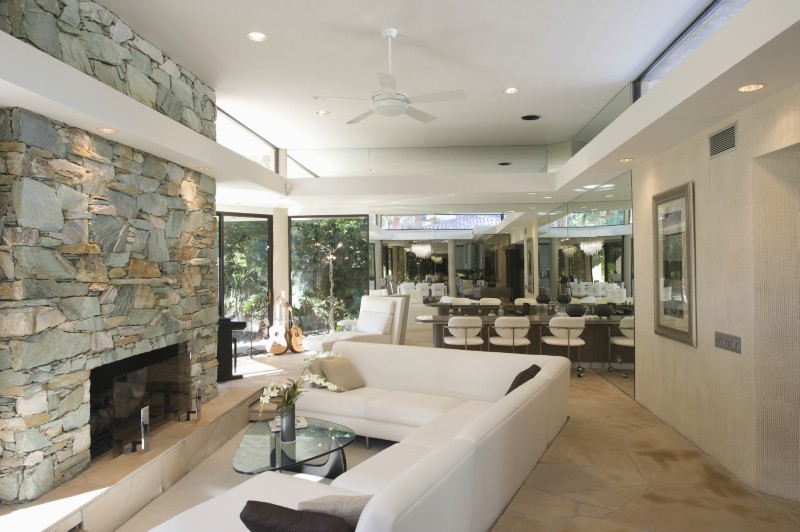
What it signaled then: Architectural sophistication and separation
Why it felt modern: A sunken living room suggested intentional design rather than a simple box. It created visual interest and subtly separated “formal” space from the rest of the house without adding walls.
Where it went: Accessibility concerns and open floor plans made level changes less appealing. Today, flat, continuous floors are favored for flexibility and flow.
#2 Glass block walls
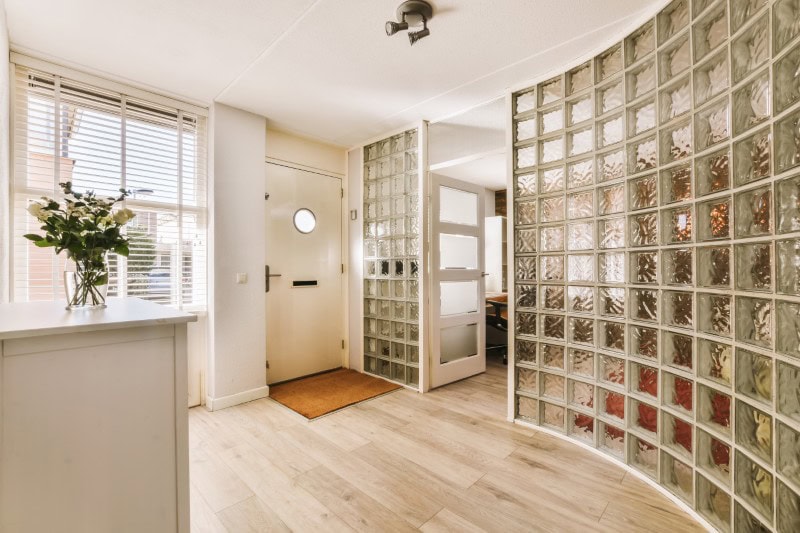
What it signaled then: Privacy without sacrificing light
Why it felt modern: Glass blocks offered a futuristic, architectural look while allowing daylight to pass through. They were often used in bathrooms, stairwells, or entryways as a stylish compromise between openness and privacy.
Where it went: As tastes shifted toward cleaner lines and simpler materials, glass block began to feel bulky and visually busy. Clear glazing and minimal framing replaced it.
#3 Mirrored closet doors
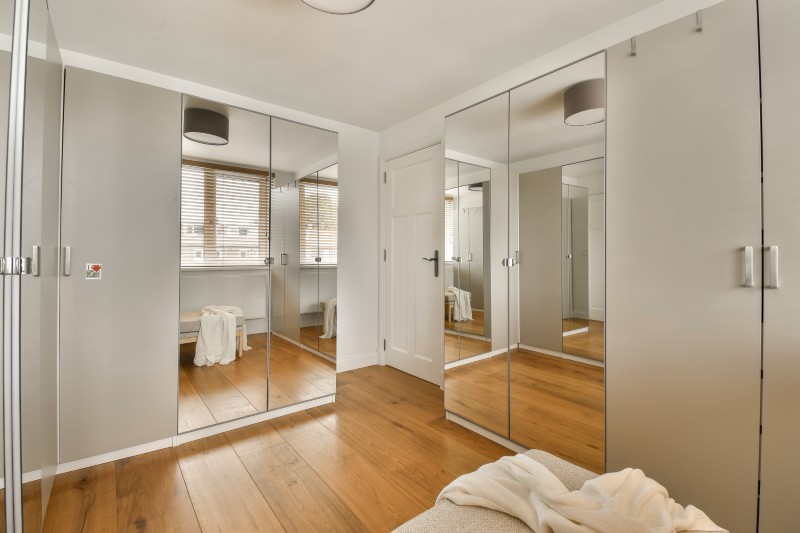
What it signaled then: Space, brightness, and practicality
Why it felt modern: Mirrored doors made rooms feel larger and brighter, especially in bedrooms without generous square footage. They also doubled as full-length mirrors, which felt efficient and contemporary.
Where it went: Reflections multiplied clutter and felt visually chaotic. Solid doors and integrated closet systems replaced mirrors as storage design improved.
#4 Built-in entertainment centers
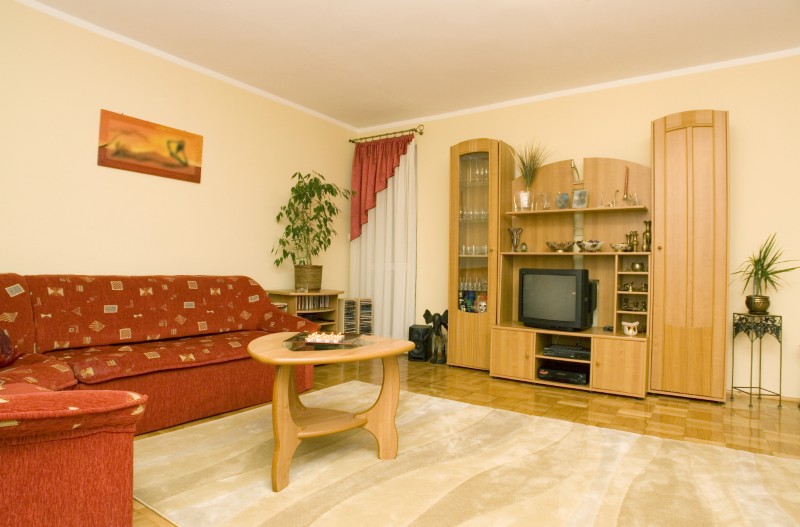
What it signaled then: Serious commitment to home media
Why it felt modern: With bulky TVs, VCRs, stereo systems, and game consoles, entertainment centers were designed to house it all. Built-ins made technology feel permanent and important.
Where it went: Flat screens, streaming, and wireless tech made these structures obsolete. Today’s media setups are lighter, more flexible, or completely hidden.
#5 Formal dining rooms in everyday houses
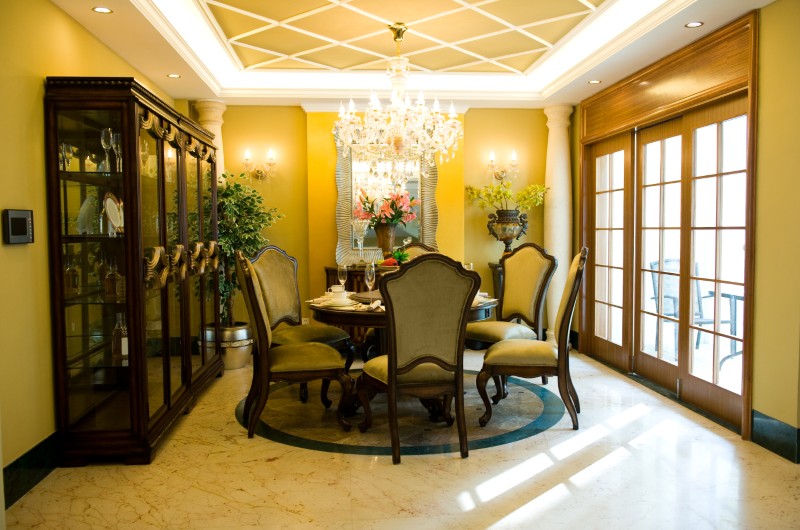
What it signaled then: Readiness for entertaining
Why it felt modern: A dedicated dining room suggested a lifestyle that included hosting dinners and holidays with intention. Even if rarely used, it conveyed polish and completeness.
Where it went: Casual dining and open kitchens absorbed this function. Many formal dining rooms were repurposed as offices, playrooms, or flex spaces.
#6 Tuscan-style kitchens
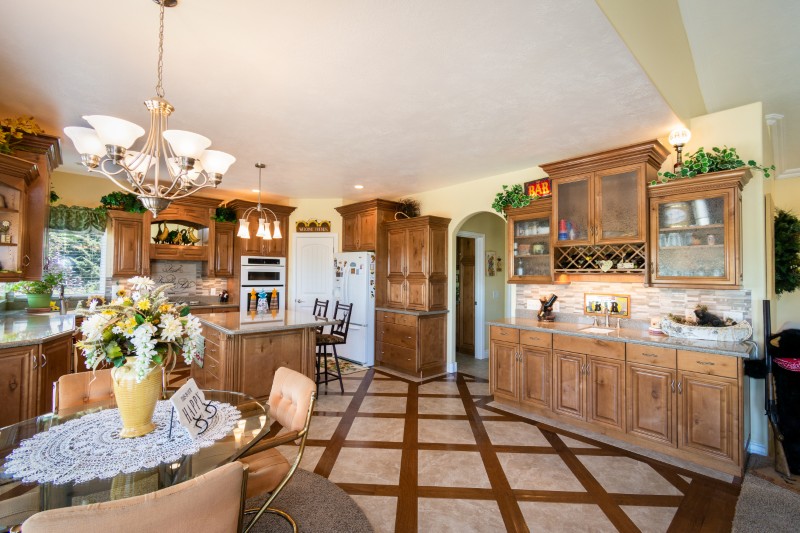
What it signaled then: Warmth, travel, and aspirational taste
Why it felt modern: Dark wood cabinets, ornate tile, and faux-antique finishes evoked European villas and a sense of old-world luxury. It was a reaction against the stark kitchens of earlier decades.
Where it went: The look eventually felt heavy and overly themed. Lighter palettes, simpler cabinetry, and cleaner lines replaced the Tuscan aesthetic.
#7 Track lighting
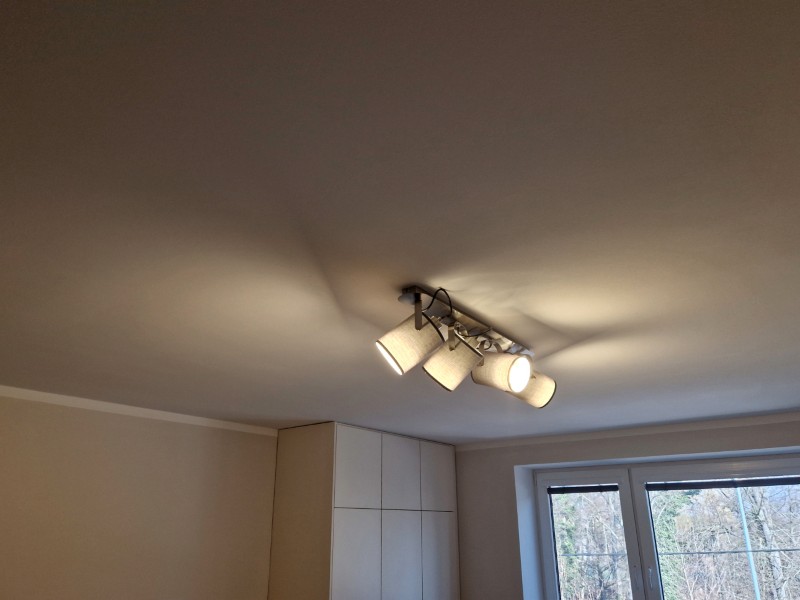
What it signaled then: Flexibility and modern illumination
Why it felt modern: Track lighting allowed homeowners to aim light exactly where it was needed. It felt technical, adaptable, and far more advanced than basic ceiling fixtures.
Where it went: Advances in recessed and integrated lighting made tracks feel visually cluttered. Lighting became quieter and more architectural.
#8 Wallpaper borders
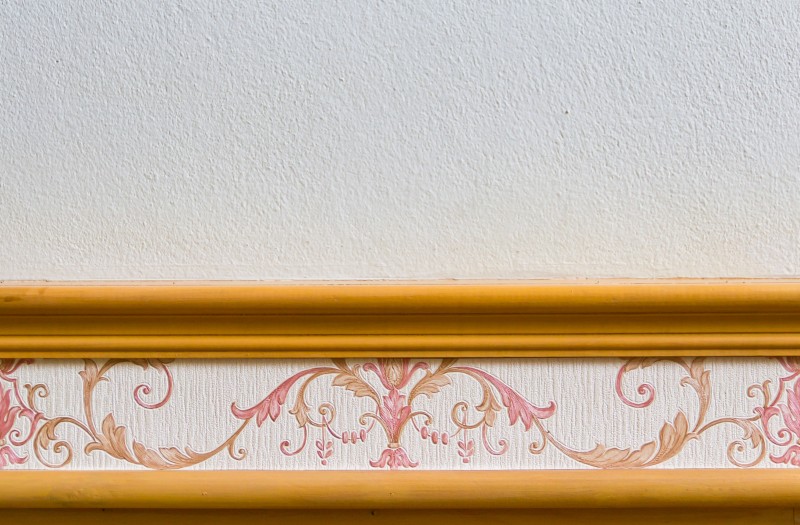
What it signaled then: Personal style and decorative confidence
Why it felt modern: Borders were an easy way to add character without committing to full wallpaper. They allowed for pattern, color, and theme in otherwise neutral rooms.
Where it went: Borders began to feel fussy and dated. Paint, texture, and full-wall treatments took their place.
#9 Jetted bathtubs
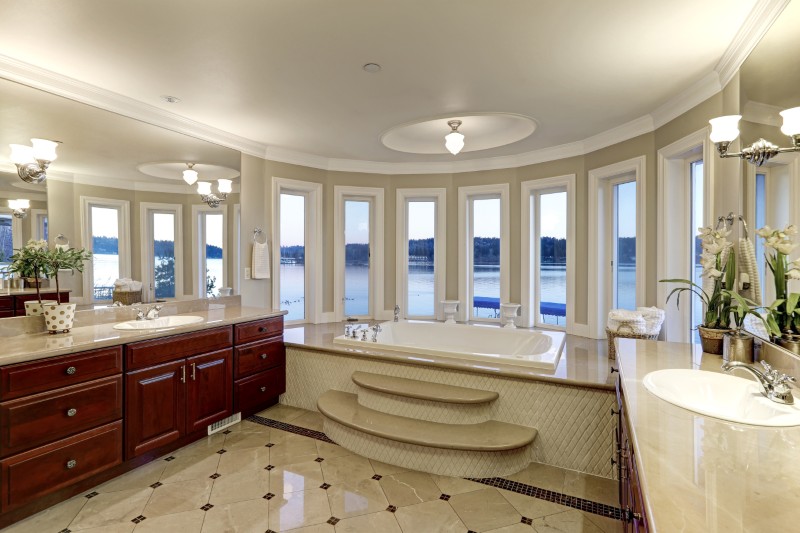
What it signaled then: Spa-like luxury at home
Why it felt modern: Jetted tubs promised relaxation and indulgence, bringing hotel-style amenities into private bathrooms. They were a clear upgrade from standard tubs.
Where it went: Maintenance issues and changing preferences made them less appealing. Walk-in showers and simpler soaking tubs became the priority.
#10 Two-story foyers

What it signaled then: Scale and status
Why it felt modern: A dramatic entryway made a strong first impression, showcasing volume and architectural ambition. It told visitors immediately that this was a “big” house.
Where it went: As priorities shifted toward usable space and energy efficiency, two-story foyers began to feel impractical. Homes now emphasize flow over spectacle.
More stories
What a “modern home” meant in every decade since the 1950s
25 Home features that were considered luxury just 15 years ago
Here are 13 of our all-time favorite Midcentury Modern houses (and some of their famous past owners)
The post 10 home features that defined the 1990s (and where they went) appeared first on Fancy Pants Homes.

 English