


Some homes just feel calm the second the door opens. Clear counters. Nothing spilling out of baskets. Surfaces that can actually breathe.
And yet, the people who live there aren’t spending their weekends rage-organizing their sock drawers or labeling their toothpaste.
The secret isn’t perfection. It’s a handful of low-effort habits that quietly prevent chaos from building up in the first place.
People with beautiful homes don’t necessarily own less. They just manage it differently, and often in ways that are surprisingly relaxed, a little sneaky, and very repeatable.
Here are the ones that come up again and again.
Like this story? Follow us on MSN for more beautiful homes!
They make “drop zones” do the heavy lifting
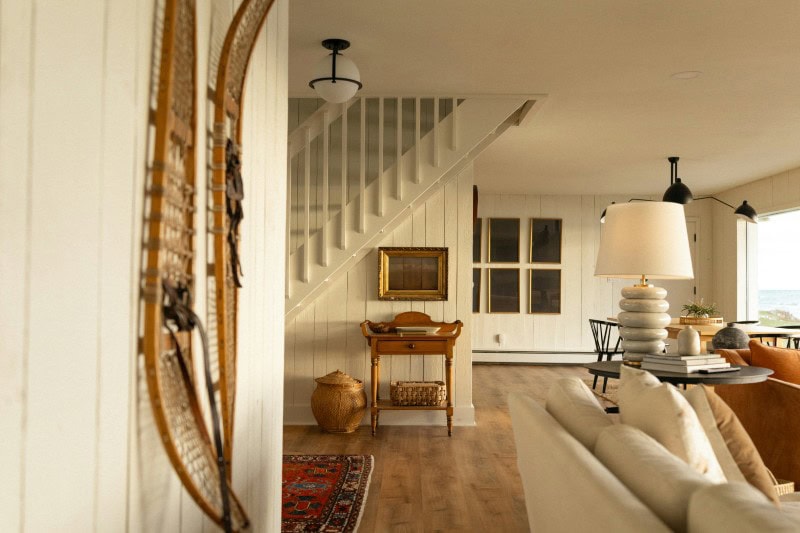
Clutter loves to land near the front door. Shoes, bags, keys, random mail.
Beautiful homes win this battle by giving those items an intentional landing spot. Not hidden. Not complicated. Just expected.
A small tray for keys. A basket for daily bags. Hooks that actually get used. Sometimes a bench with storage underneath.
The trick is visibility and convenience. If the storage is easier than dropping things on the floor, it works automatically.
Take-away: Clutter piles form where there’s no assigned landing spot.
They keep surfaces slightly empty on purpose
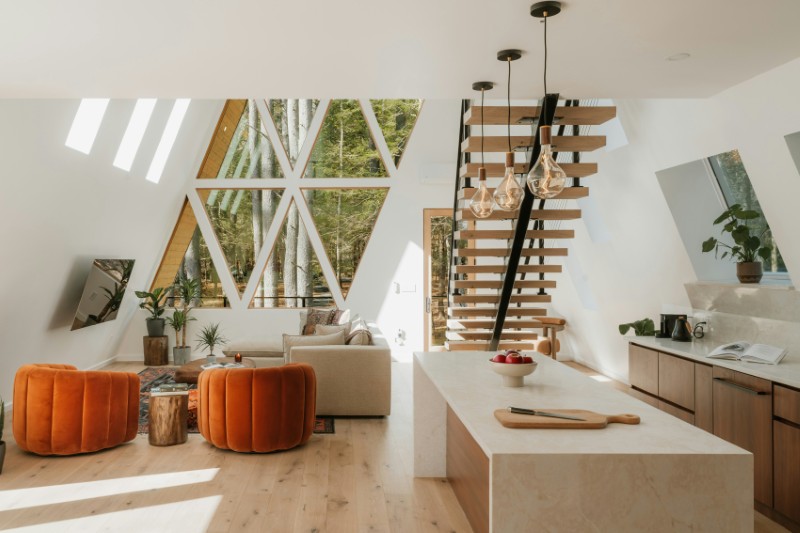
Not sterile. Not staged. Just not full.
A coffee table might have three objects instead of twelve. A kitchen counter might have one appliance out, not five.
This creates a buffer zone, a space that absorbs life as it happens. When something new enters the room, it doesn’t immediately tip things into chaos.
Take-away: Empty space isn’t wasted space. It’s future clutter prevention.
They reset rooms in under 5 minutes
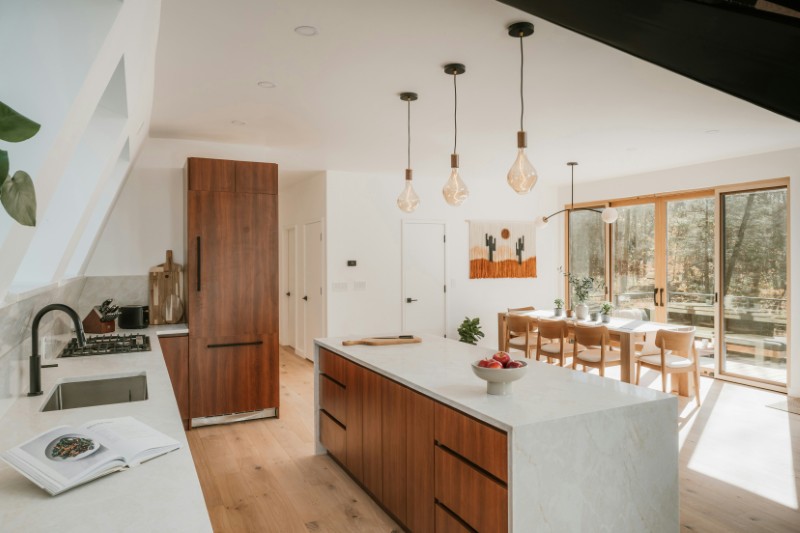
Not deep cleaning. Just quick resets.
Before bed or before leaving the house, things quietly go back where they belong. Think fluffed pillows, folded throws, and cleared counters.
It’s fast because it never got that messy to begin with. This prevents the dreaded “weekend cleanup marathon.”
Take-away: Tiny resets prevent giant cleanups.
They hide boring but necessary stuff close to where it’s used
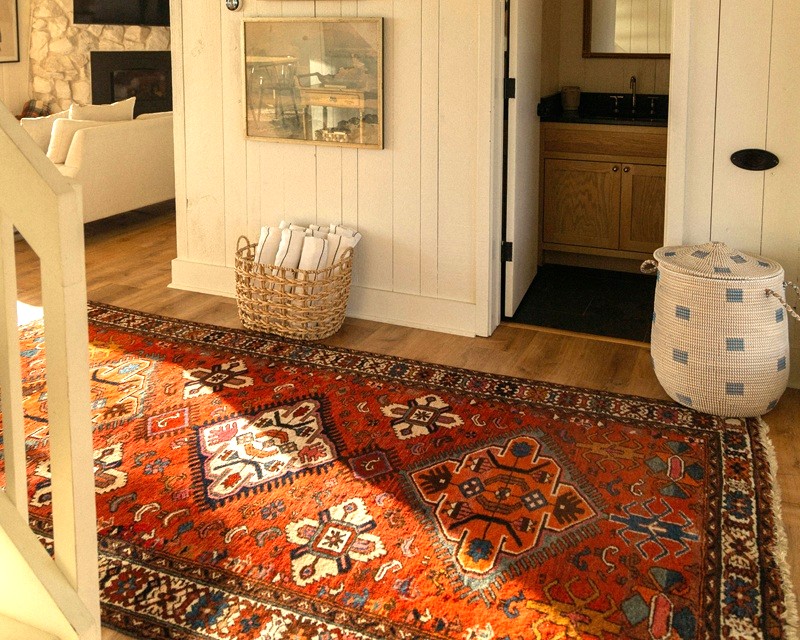
The best-looking homes are full of stuff too. It’s just hidden well.
Blankets live inside ottomans. Chargers live inside drawers next to the couch. Kitchen appliances disappear into cabinets instead of sitting out full-time.
This removes the visual noise without making life harder. Nothing is stored too far away, just conveniently placed out of sight.
Take-away: Convenience matters more than minimalism.
They don’t keep things just because there’s space
This one surprises people.
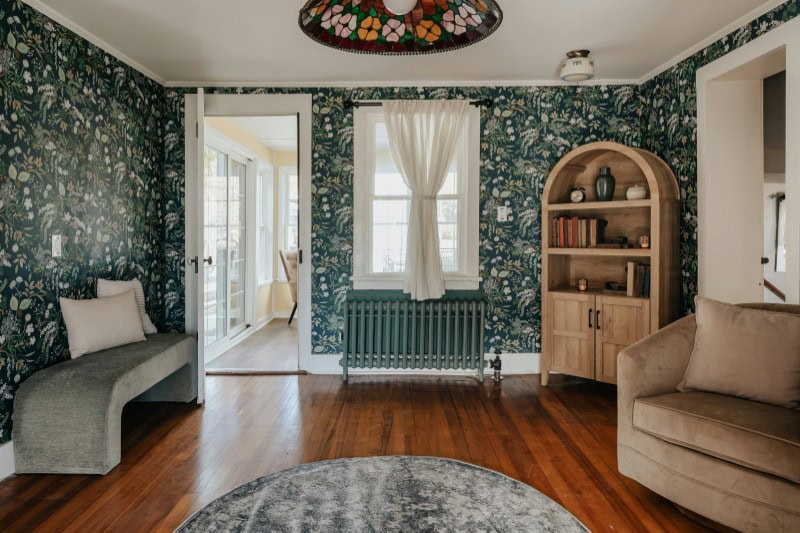
Even homes with tons of storage don’t fill it automatically. Empty drawers stay empty until something deserves to be there, that space is reserved for new habits, hobbies, and needs that might arise along the way.
Storage isn’t treated like a challenge to fill. It’s treated like breathing room.
Take-away: More storage doesn’t mean more stuff; empty those drawers if they’re just keeping unnecessary items.
They use trays like quiet clutter boundaries
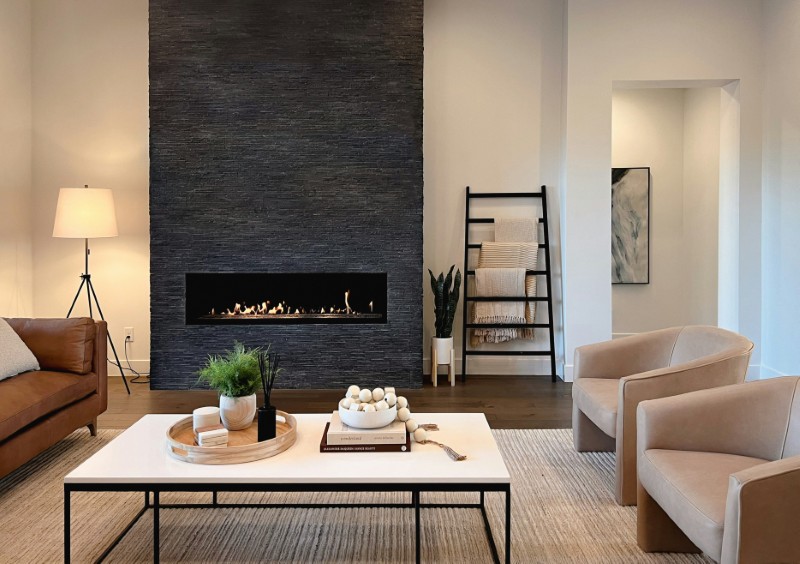
Trays are everywhere in beautiful homes. And not just because they look good.
Their main goal is to group objects together visually, which instantly makes things feel calmer and the space look more organized.
Five loose items feel messy. The same five items inside a tray feel intentional. It’s a visual trick that works every time.
Take-away: If it lives on a surface, it lives on a tray.
They avoid “maybe later” piles
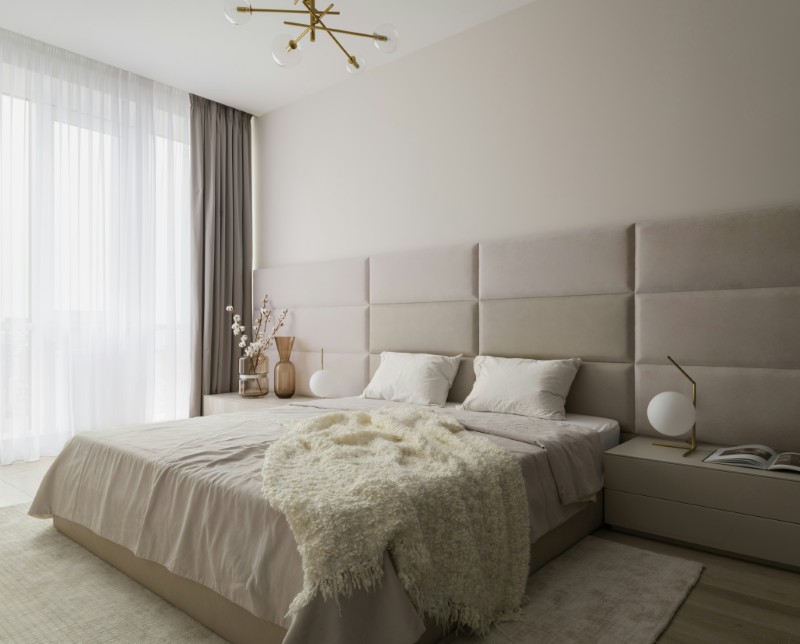
This is where clutter explodes.
Clothes that might be worn again. Mail that might be important. Items that might need attention.
Instead, decisions happen faster.
Laundry goes back or into the hamper. Mail gets sorted immediately. Random objects return home quickly. There’s less limbo.
Take-away: Clutter thrives on delayed decisions.
They make closed storage easy to open and close
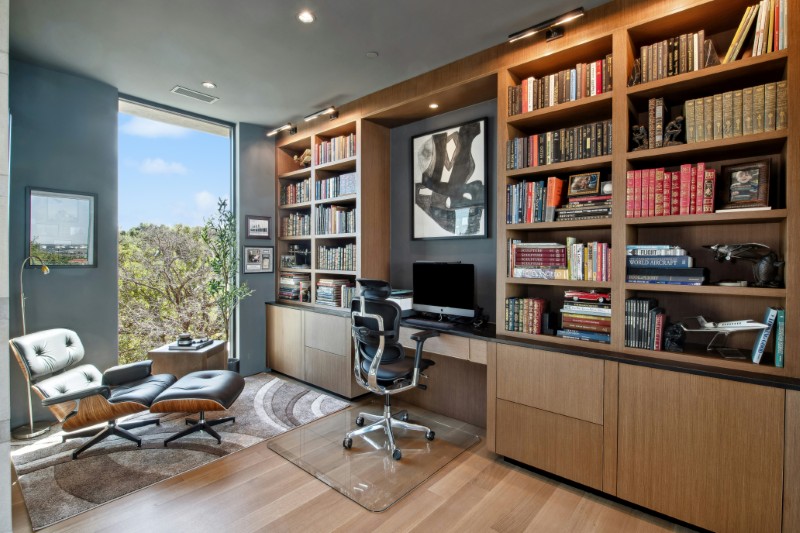
If storage is annoying, it won’t get used.
Beautiful homes place emphasis on convenience, storage included, so you’re likely to see baskets without lids, drawers that slide easily, cabinets that open without effort, and the like.
Nothing feels like work. Because of that, putting things away happens naturally.
Take-away: Friction creates clutter.
They leave room for real life
This is subtle but important.
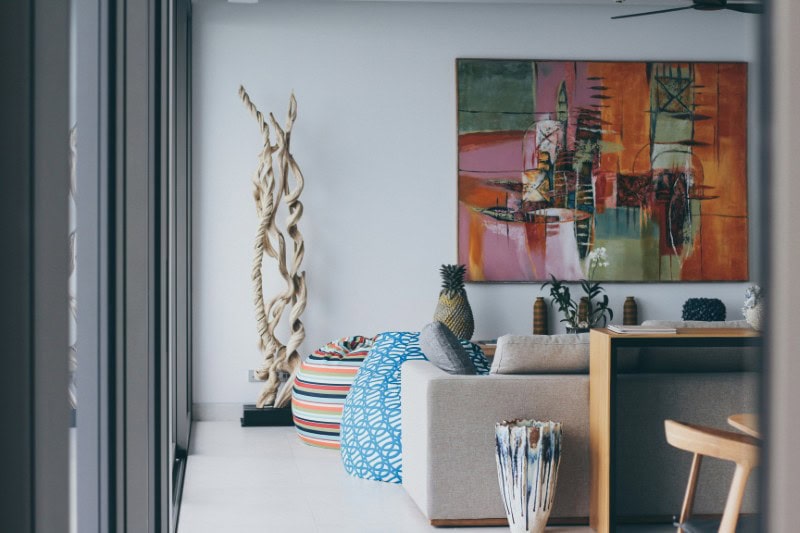
Not every shelf is full. Not every corner is styled.
This allows space for temporary things — a book in progress, a blanket during movie night, packages that just arrived. The home can flex without immediately looking messy.
Take-away: Beautiful homes plan for mess.
They edit their space quietly and regularly
Not dramatic purges. Just small, ongoing edits.
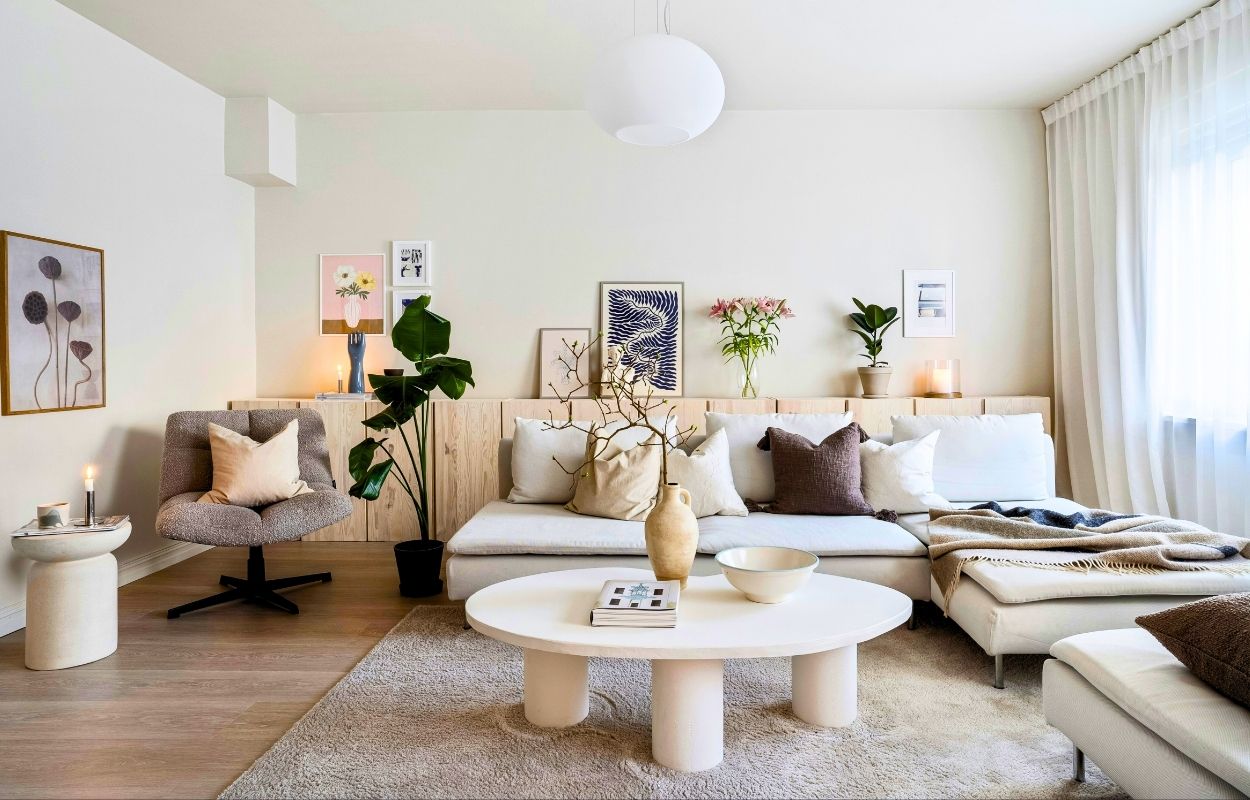
A shirt that never gets worn eventually leaves. A duplicate kitchen tool disappears. Decorative objects rotate instead of piling up. It happens casually, almost invisibly.
Take-away: Clutter prevention is quieter than decluttering.
The real secret: a beautiful, uncluttered home is about flow, not perfection
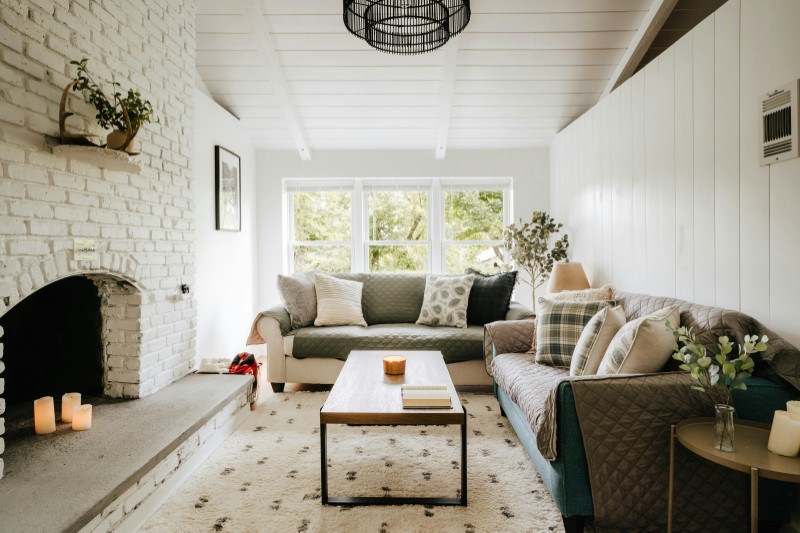
The calmest homes aren’t the most controlled. They’re the most forgiving.
Things have places. Storage makes sense. And the home resets itself naturally through small habits instead of big effort.
No obsession required. Hear that, Monica Geller?
More stories
15 renovation choices that actually age beautifully
25 Bold design moves that won’t cost a fortune to undo (if you change your mind)
10 design habits of people who have guests over constantly
The post 10 Ways people with beautiful homes avoid clutter without obsessing appeared first on Fancy Pants Homes.

 English