


Some homes quietly work with you. Others seem to require constant effort.
One feels calm, functional, and forgiving, while the other needs constant attention in the form of surfaces to clear, lights to fix, furniture to rearrange, or clutter to manage.
The difference usually isn’t size or cost. It’s design.
Supportive homes are built around how people actually live. They anticipate routines, reduce friction, and remove small annoyances before they become daily frustrations.
And once you notice these features, it becomes obvious why some homes feel easier to live in than others.
Storage exactly where daily clutter appears
Clutter tends to gather in predictable places; near the front door, next to the couch, or on the kitchen counter.
Supportive homes don’t try to fight this. What they do instead is they plan for it.
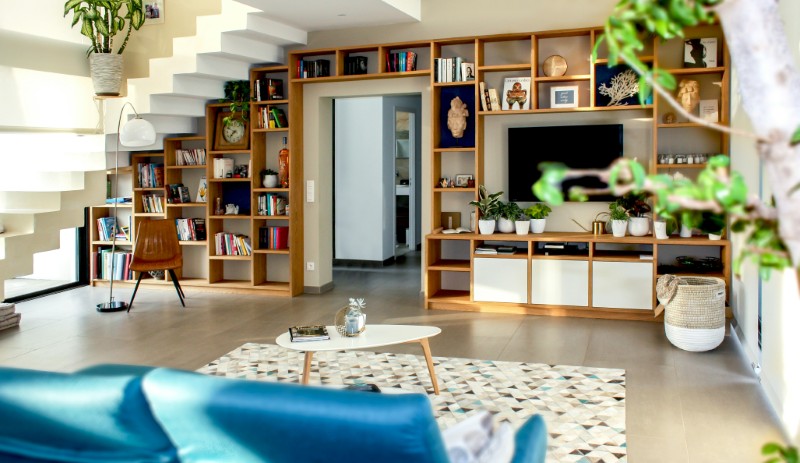
Mudrooms, entry benches with storage, baskets near seating areas, and trays for keys give everyday objects a natural landing place. The result is that things get put away almost automatically.
When storage exists exactly where it’s needed, tidiness requires much less effort.
Lighting that works with the rhythm of the day
Homes that feel comfortable throughout the day rarely rely on a single overhead light.
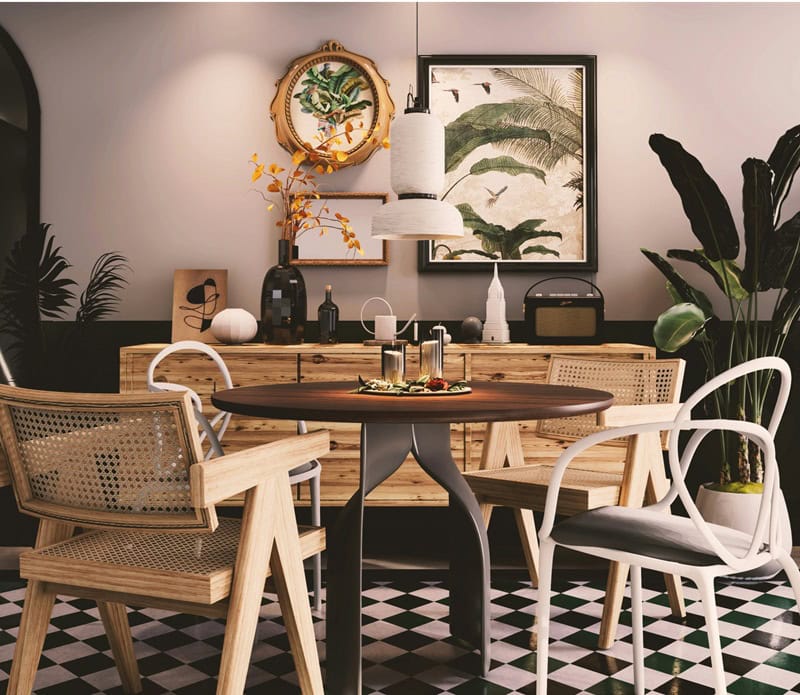
Instead, they use layers of lighting that adapt to different moments: bright light for cooking or working, softer lamps for evening relaxation, and accent lighting that makes rooms glow instead of glare.
This flexibility makes the home easier to use and far more pleasant to spend time in.
A kitchen layout that reduces unnecessary steps
The most comfortable kitchens are designed around movement.
The refrigerator, sink, and cooking surface sit within easy reach. Prep areas have nearby storage for utensils and ingredients. Trash and recycling are positioned where they’re actually needed.
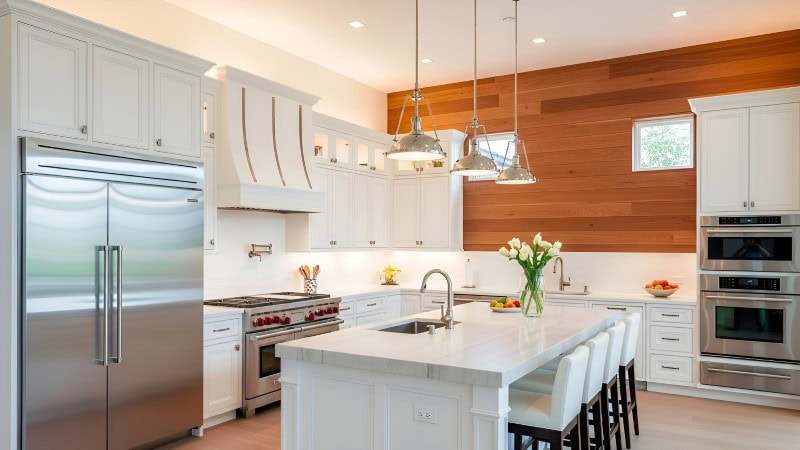
Cooking feels fluid rather than chaotic.
It’s a subtle difference, but one that clearly (and cleverly) makes daily routines much smoother.
Rooms that serve one clear purpose
Spaces that try to do too many things often end up doing none of them well.
Supportive homes tend to define their rooms clearly. A reading corner actually supports reading. A workspace feels focused. A living room invites conversation.
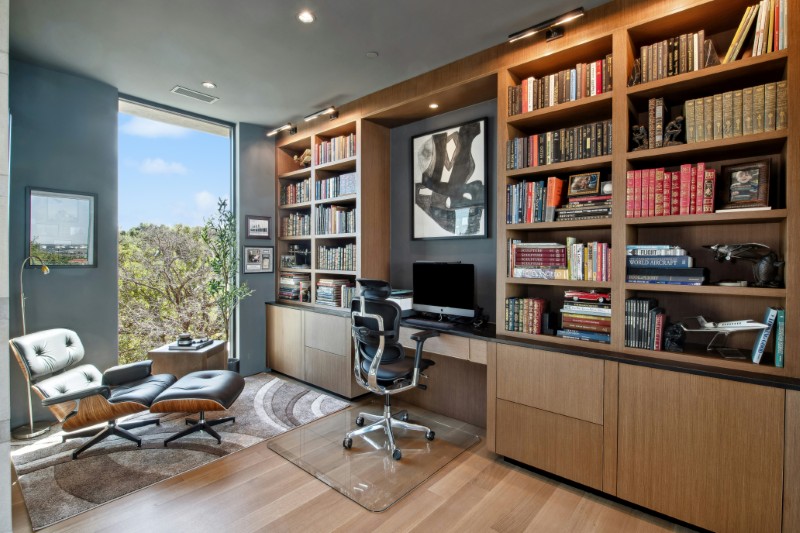
Even within open layouts, zones are often created through furniture placement or lighting.
When a room communicates its purpose clearly, using it becomes effortless.
Easy-to-maintain materials in high-use areas
Homes that constantly demand cleaning often rely on delicate finishes.
Supportive homes choose materials that hold up to everyday life: quartz counters, durable flooring, and surfaces that resist stains and scratches.
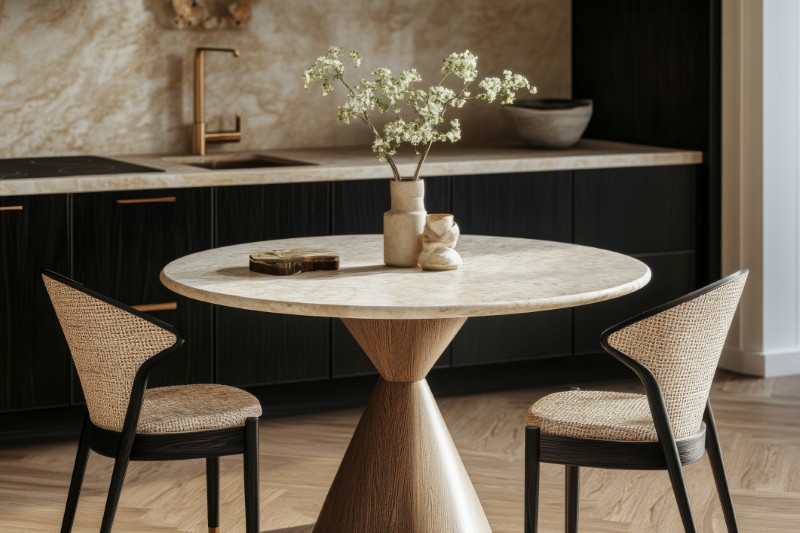
These materials age gracefully instead of showing every small mark.
Maintenance becomes manageable instead of constant.
Quiet places to pause during the day
Even busy homes benefit from small moments of calm.
Supportive homes often include a window seat, a comfortable chair near natural light, or a quiet corner away from activity.
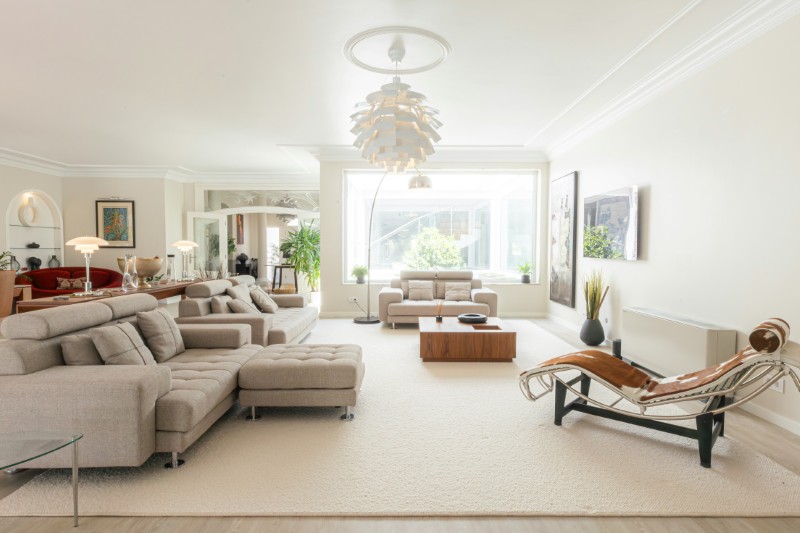
These spaces encourage short pauses like reading, thinking, or simply resting. They provide balance to the rest of the house.
A drop zone near the entry for daily routines
Keys, bags, sunglasses, and mail need somewhere to land.
Without a designated place, they spread across surfaces.
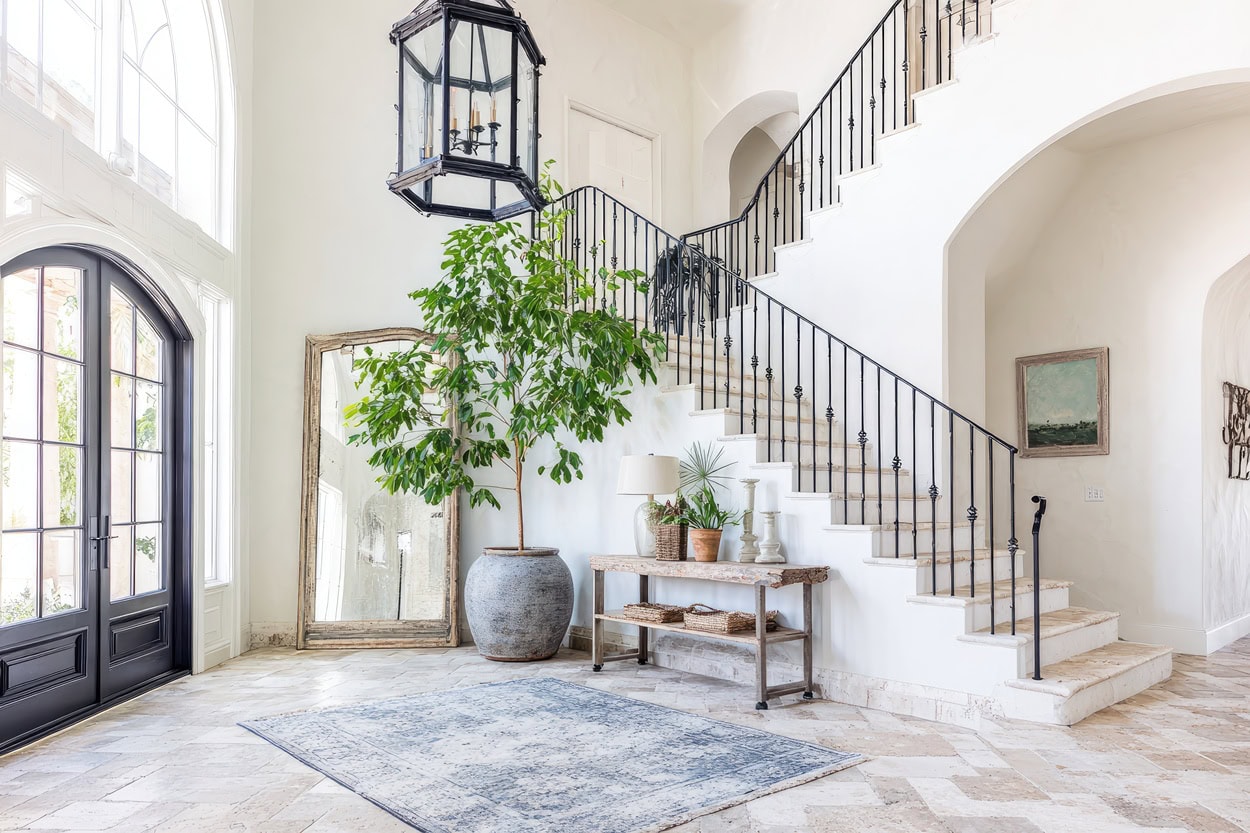
Supportive homes almost always include a small drop zone like a tray, drawer, or shelf near the entry where daily items naturally collect.
This tiny feature prevents a surprising amount of frustration.
Windows that bring in light without sacrificing comfort
Natural light improves mood and energy levels, but only when it’s balanced.
Supportive homes are either designed in ways that won’t make residents uncomfortable (wisely positioned by the architect to avoid blinding sunlight), or include adjustable window treatments that allow light to enter without overwhelming the room.
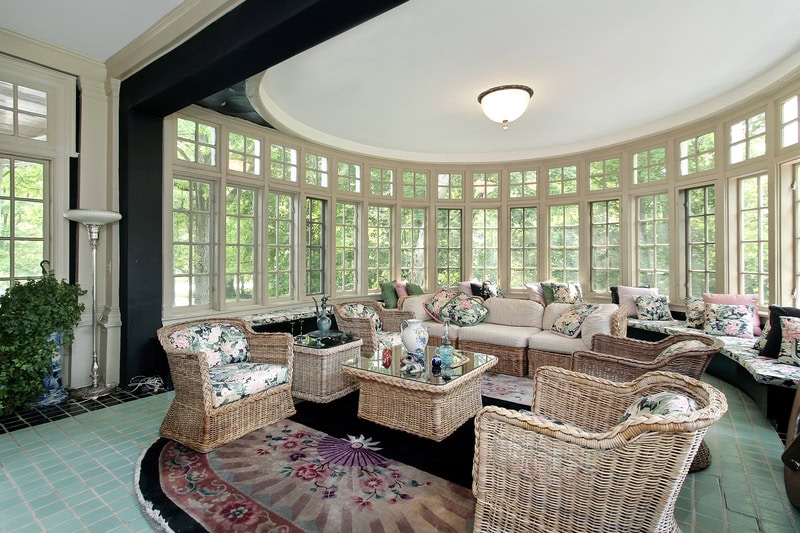
Sheer curtains soften brightness. Shades control glare.
The home stays comfortable throughout the day.
Storage that’s easy to access and use
Storage that’s difficult to reach or awkward to use quickly becomes ignored.
Supportive homes rely on drawers, pull-out shelves, and organizers that make items visible and accessible.
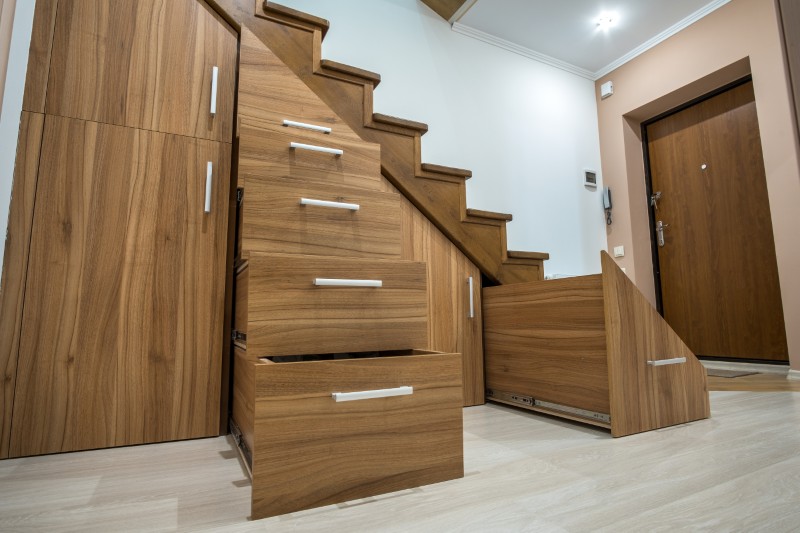
When things are easy to find and return, organization tends to maintain itself.
Furniture layouts that allow easy movement
Rooms feel demanding when furniture blocks natural pathways.
Supportive layouts create clear routes through the space, allowing people to move freely without squeezing between pieces.
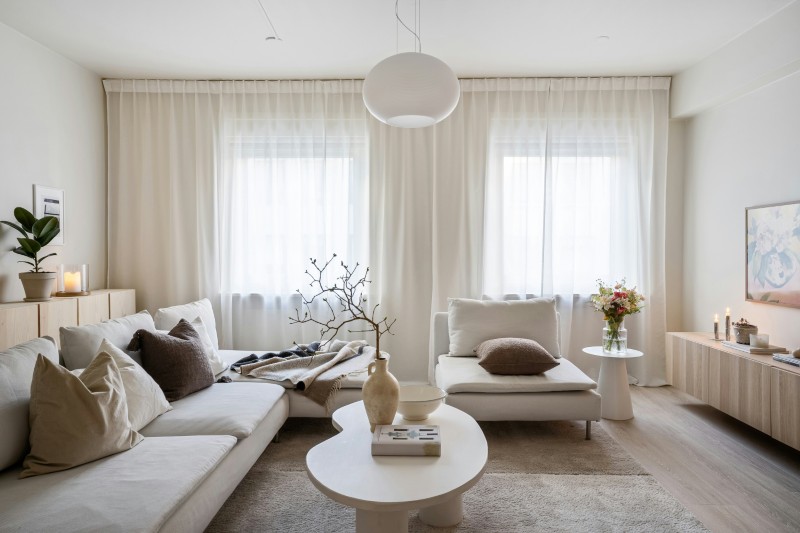
This improves comfort and reduces small daily frustrations.
A home that allows space for real life
Perhaps the most important feature of all is flexibility.
Supportive homes leave room for daily life: unfinished projects, a book in progress, a blanket left on the sofa.
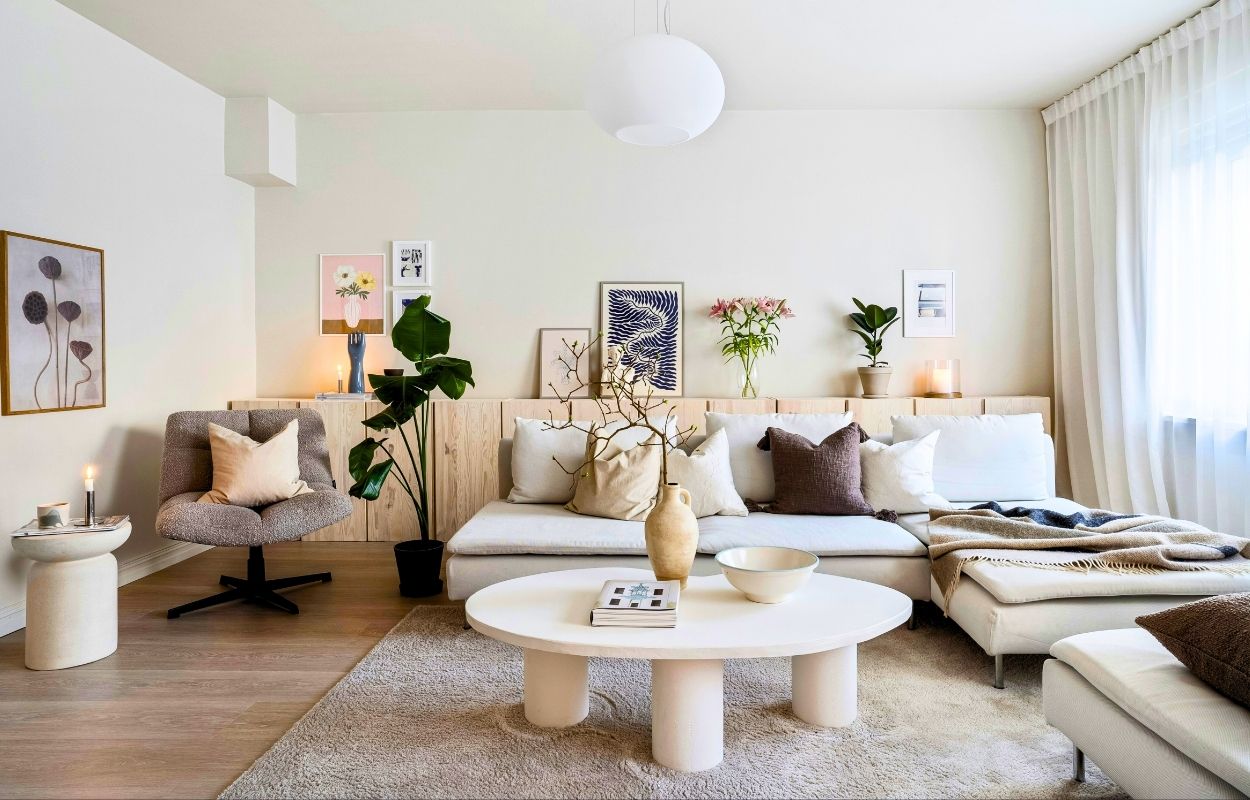
Not every surface is filled. Not every shelf is styled.
The home has breathing room. And that breathing room allows people to live comfortably inside it.
Supportive homes make everyday life easier
A home shouldn’t feel like another task on the to-do list.
The most comfortable homes quietly support daily routines, reduce small frustrations, and adapt to the rhythms of real life.
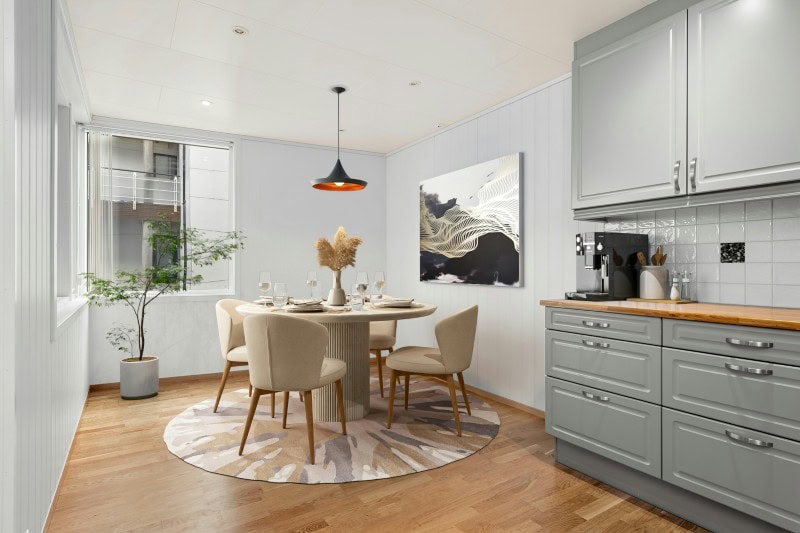
And when a home does that well, it stops feeling demanding and starts feeling like a place that truly works for the people inside it.
More stories
18 quiet upgrades designers swear by (that most homeowners ignore)
15 Luxury outdoor features that look simple but cost a fortune
10 design habits of people who have guests over constantly
The post 11 features that make homes feel supportive instead of demanding appeared first on Fancy Pants Homes.

 English