


Homes have always reflected how people live, but the speed of change over the past few decades has been unusually fast.
Many features now considered essential weren’t just uncommon 30 years ago. In many cases, they didn’t exist at all in residential construction.
The shift comes down to technology, daily habits, and comfort expectations. People work from home more. They own more devices. Deliveries arrive daily. Kitchens became social spaces instead of work zones. Bathrooms turned into places to spend time, not just pass through.
Walk into a newer house today, and its layout often revolves around features that would have confused builders in the early 1990s. Here are the ones that changed homes the most.
The kitchen island became the center of everything
Thirty years ago, kitchen islands did exist but they were smaller and usually added for extra counter space. They were practical rather than fashionable, and far less pricier.
Today, the island is often the main feature of the entire house. It’s where people eat breakfast, work on their laptops, help kids with homework, and gather during parties.
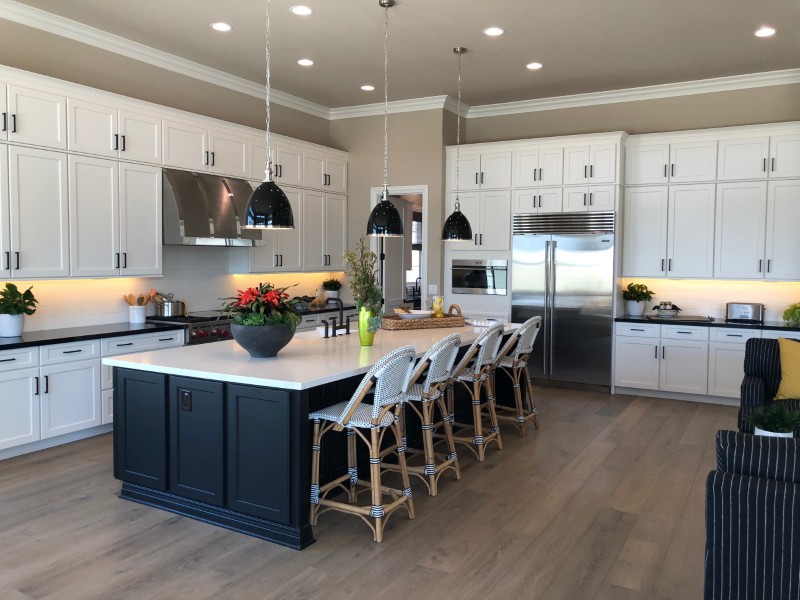
In many new homes, the island is larger than the kitchen table used to be.
Walk-in closets grew into full dressing rooms
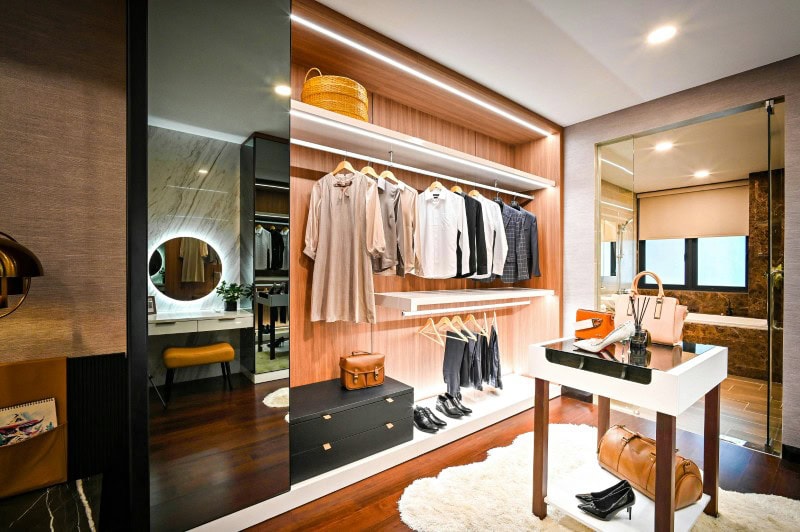
Closets used to be simple storage spaces. Now, many primary bedrooms include walk-in closets large enough to function as separate rooms, with built-in drawers, display shelves, mirrors, and sometimes seating.
Some, particularly for eight-figure homes, even include center islands, similar to kitchens.
Bathrooms became places to spend time, not just use quickly
Older bathrooms were smaller and built for efficiency. While design has its own standards, it wasn’t meant to be a relaxing space outside of the activities you had to perform in the bathroom.
Modern ones are often designed with freestanding tubs, large walk-in showers, double vanities, and open layouts.
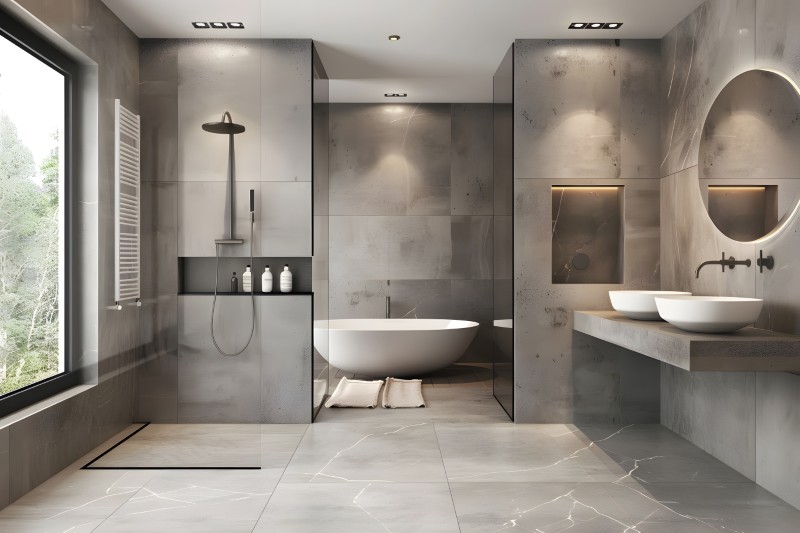
The size and design reflect a shift toward comfort and routine, not just function.
Open floor plans replaced separate rooms
For most of the 20th century, it was standard practice to divide the kitchen, dining room, and living room into separate enclosed spaces, each with its own walls and clearly defined purpose.
Modern homes, by contrast, frequently combine these areas into one large, continuous shared space, allowing cooking, eating, and relaxing to happen within the same open environment.
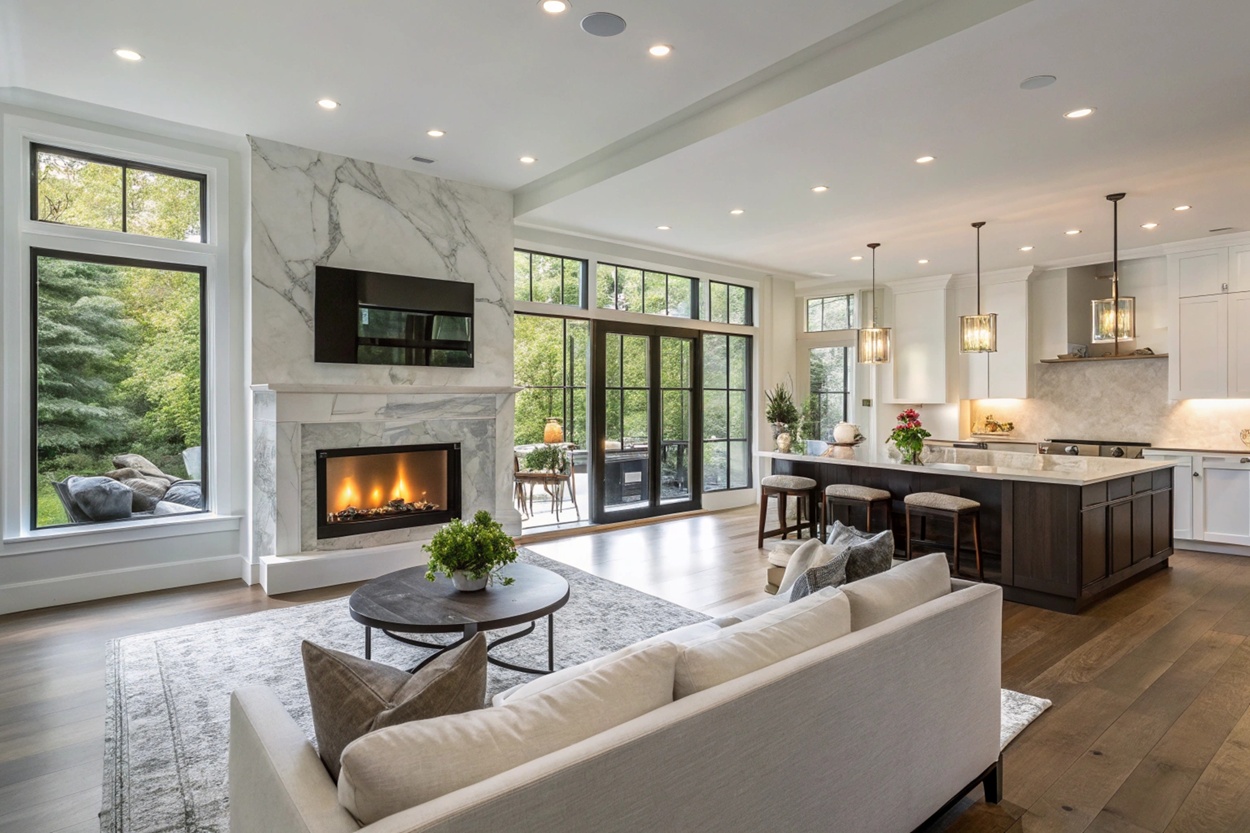
This layout allows natural light to travel farther into the home and makes it easier for family members or guests to interact with each other, even while doing completely different activities in different parts of the space.
Homes started including spaces specifically for working
Before computers, video calls, and remote work became part of everyday life, most houses were not designed with a dedicated office, and people who needed to work from home often improvised by using kitchen tables, spare bedrooms, or living room desks.
Today, home offices are frequently built directly into the floor plan, sometimes located near the front of the house or in quieter corners where interruptions are less likely.
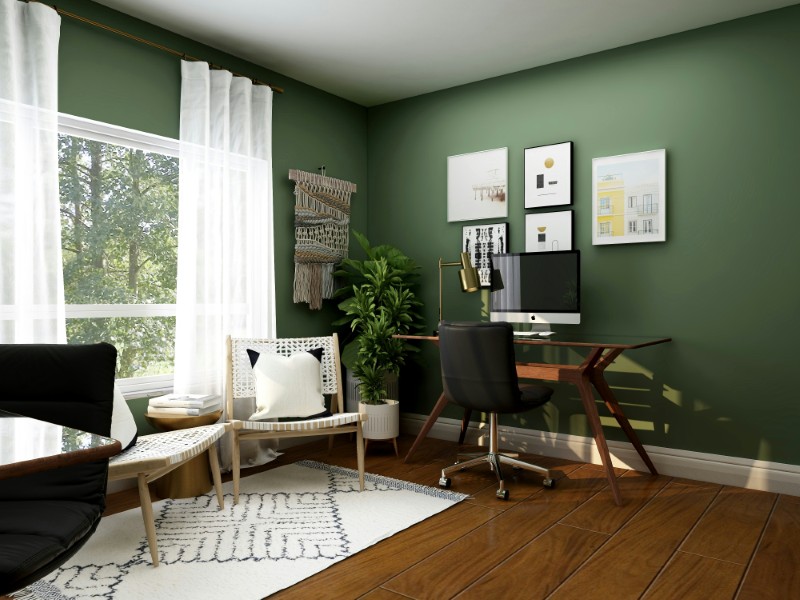
These rooms are designed for daily use, with proper lighting, built-in outlets, and layouts that allow computers, monitors, and other equipment to remain in place permanently.
Laundry rooms moved out of the basement
In older homes, laundry machines were often placed in basements, garages, or utility rooms, where they stayed out of sight but required extra effort to access.
Modern houses increasingly position laundry rooms on the same floor as the bedrooms, placing them closer to where clothes are actually stored and used.
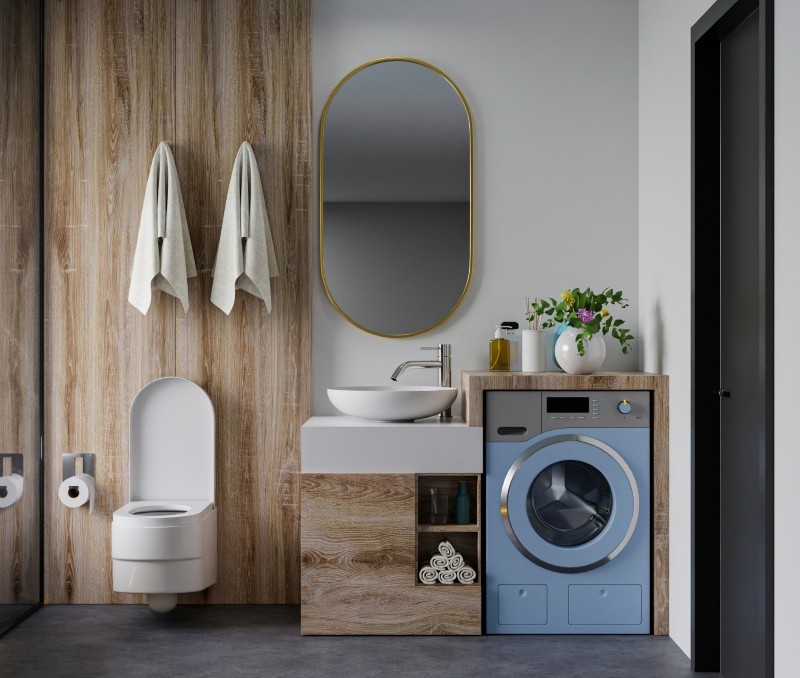
This reduces the need to carry heavy baskets up and down stairs and makes routine tasks like washing, drying, and putting away clothes easier to manage as part of everyday life.
Outdoor living became part of the main design
Outdoor areas were once treated as simple additions, often consisting of basic concrete patios or small decks with limited functionality.
Today, many homes include fully designed outdoor living spaces with seating areas, built-in kitchens, overhead coverings, lighting, and heating elements that allow them to be used throughout much of the year.
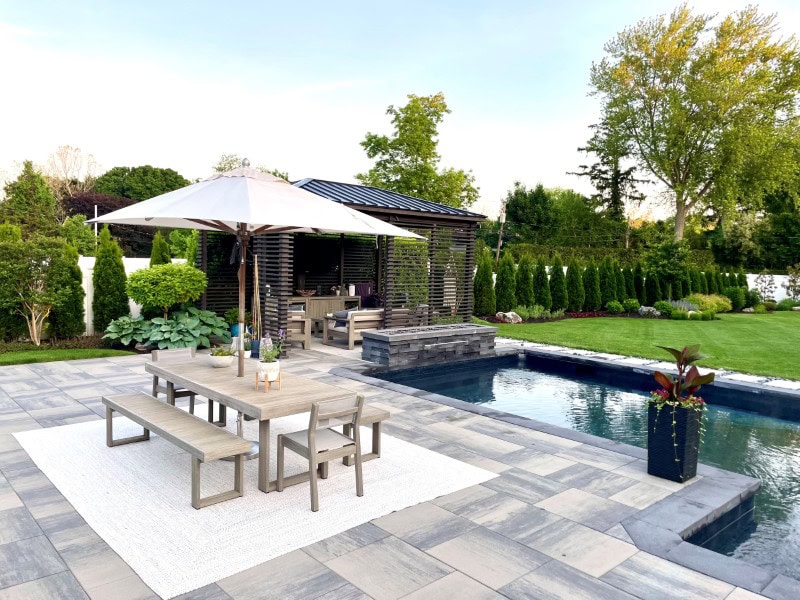
Large sliding or folding glass doors often connect these outdoor areas directly to the interior, making the transition between inside and outside feel almost seamless.
Houses began including far more electrical outlets and connections
Homes built decades ago were designed for a much smaller number of electrical devices, at a time when most rooms needed only a few outlets for lamps and basic appliances.
Modern houses include outlets in far more locations, including kitchen islands, floors, closets, bathrooms, garages, and exterior walls, reflecting the number of devices people now rely on every day.
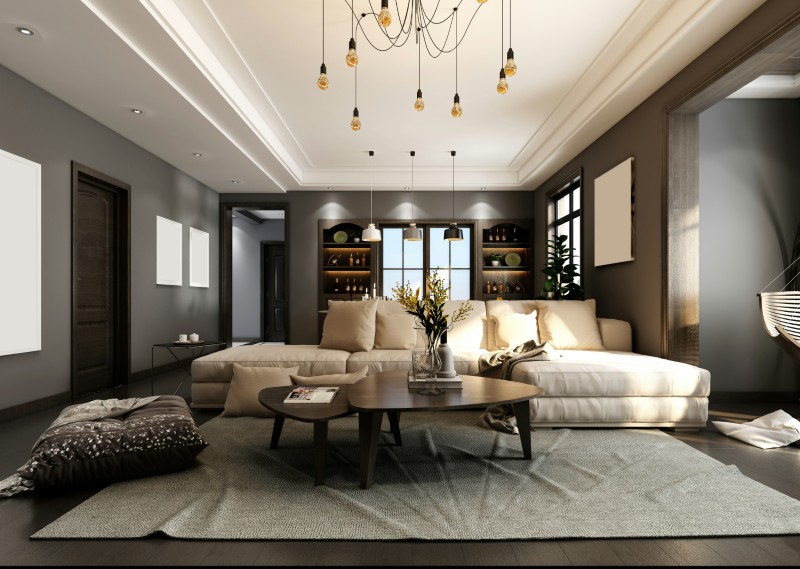
Many newer homes also include USB ports, charging drawers, and integrated power connections designed specifically to support phones, laptops, and other personal electronics.
Windows became larger and more important to the layout
Windows in older homes were often smaller and placed mainly for ventilation rather than as a central design feature.
In newer homes, windows are frequently much larger and positioned to bring in more natural light while also framing outdoor views.
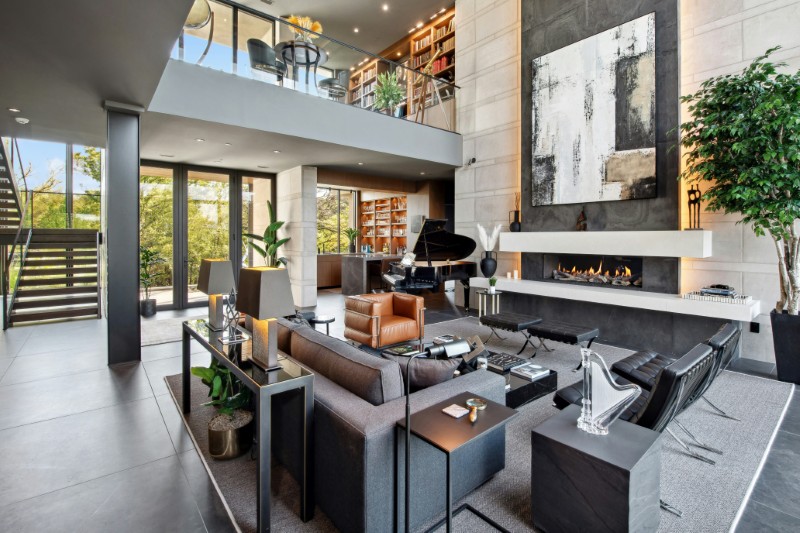
In some cases, entire walls are made of glass, dramatically changing how interior spaces feel and how they connect visually to the outside.
The primary bedroom became a separate private zone
Primary bedrooms have grown significantly in size and are often positioned farther away from other bedrooms, creating greater separation and privacy within the home.
These spaces commonly include additional features such as sitting areas, large bathrooms, and walk-in closets that function as extensions of the bedroom itself.
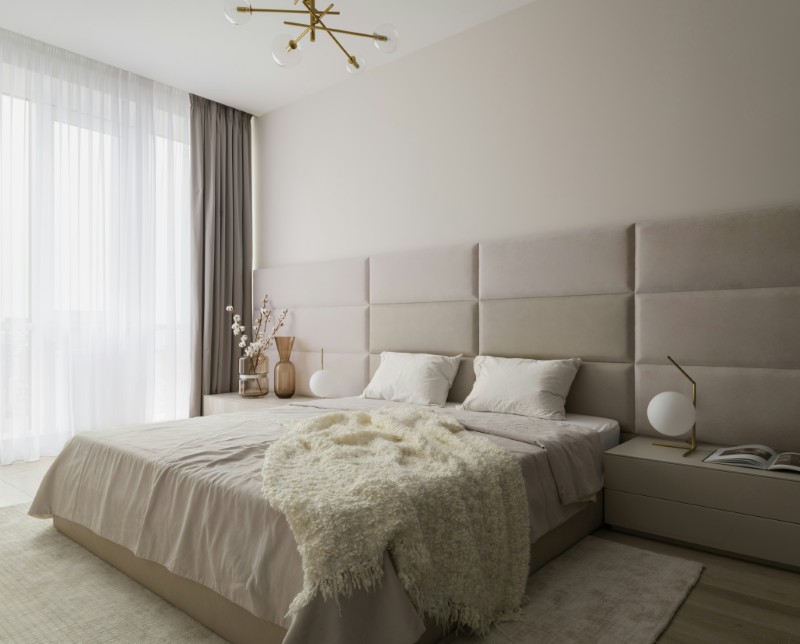
The result is a self-contained section of the house designed to serve as a private retreat within the larger floor plan.
Storage became built into the structure itself
Instead of relying mainly on standalone furniture like dressers, cabinets, or shelving units, modern homes increasingly incorporate storage directly into the structure of the house.
This includes built-in mudroom lockers, wall-to-wall cabinetry, closet systems, and custom shelving designed as permanent architectural features.
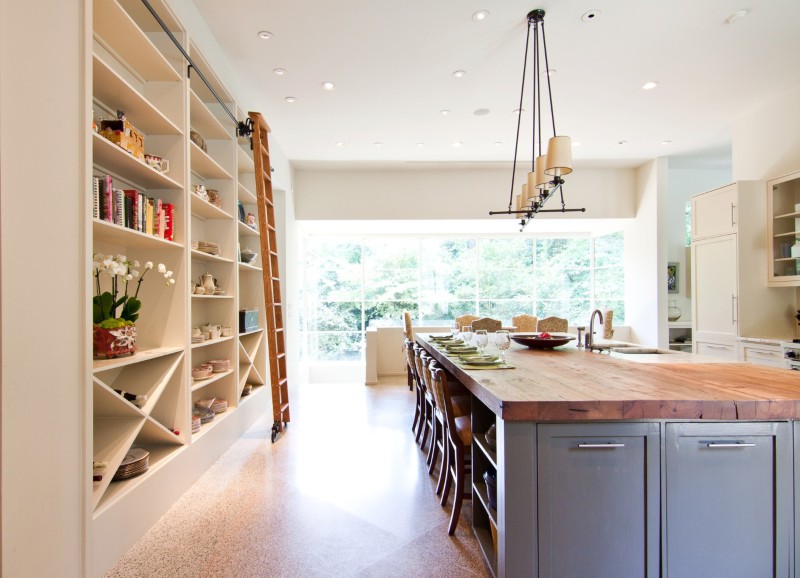
By integrating storage into the design from the beginning, builders are able to reduce visible clutter and make better use of available space.
Garages became charging hubs for electric cars
Thirty years ago, garages were designed almost entirely for parking and storage, with little consideration given to what powered the vehicles inside them.
Today, many newer homes include dedicated charging equipment installed directly on the garage wall, allowing electric vehicles to recharge overnight using high-voltage systems that are far more powerful than standard household outlets.
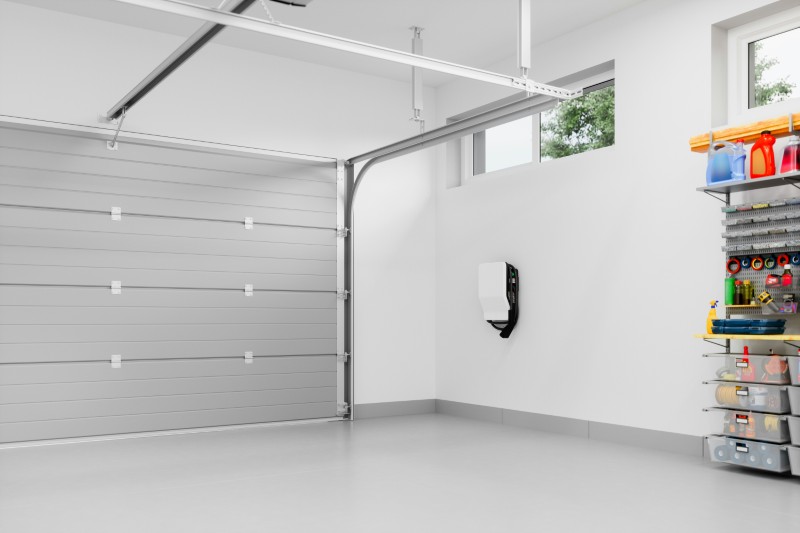
This shift reflects the growing presence of electric cars, and it has already begun influencing how garages are built and wired.
More stories
15 rules modern homes quietly broke
12 things homes used to be designed around that barely matter now
20 high-end design tricks that cost almost nothing
The post 12 things modern homes are designed around that barely existed 30 years ago appeared first on Fancy Pants Homes.

 English