


Homes don’t usually change overnight.
Architectural styles evolve slowly. Furniture trends come and go. But most houses still follow patterns that have been around for decades.
Then smartphones entered everyday life.
At first they seemed like just another gadget. But over time they quietly replaced dozens of things people used to rely on inside their homes, including alarm clocks, radios, newspapers, maps, cameras, landline phones, and sometimes even televisions.
When daily habits change that dramatically, the spaces around those habits begin to shift as well.
Without most people noticing, homes have slowly adapted to the way smartphones shape modern life — where we sit, how we relax, where we work, and even how we move through our rooms.
Here are some of the subtle ways home design has changed in the smartphone era.
Bedrooms no longer revolve around televisions
A couple decades ago, many bedrooms were arranged around the television.
Dressers faced the bed so screens could be watched comfortably. Cable boxes and remotes occupied nightstands, and media cabinets were common bedroom furniture.
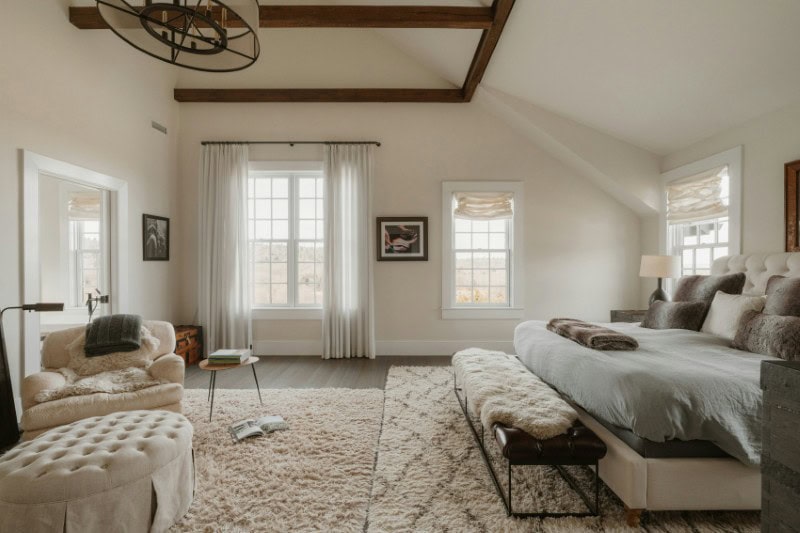
Today that layout is fading.
Streaming shows, watching videos, or scrolling through social media now happens on a phone or tablet. Many people watch content from the bed without needing a large screen across the room.
As a result, bedrooms are gradually shifting back toward calmer layouts focused on sleep and comfort rather than entertainment.
Nightstands quietly became phone charging hubs
Nightstands used to hold alarm clocks, books, maybe a glass of water.
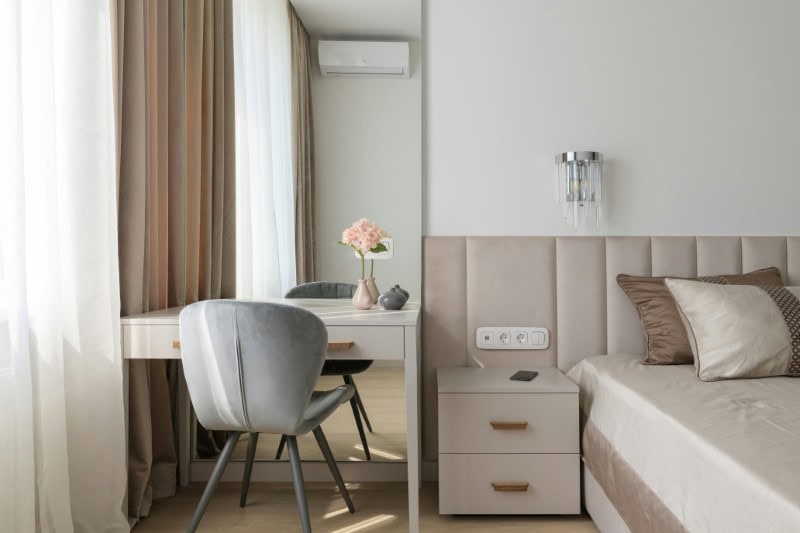
Now they often serve a different purpose: keeping phones powered.
Designers increasingly place outlets on both sides of the bed, and many new homes include USB ports or wireless charging pads built directly into bedside tables or wall plates.
Cords snake quietly toward phones each night, a small ritual that has become almost universal.
Kitchen islands became the unofficial command center
The kitchen has always been a social room, but smartphones have intensified that role.
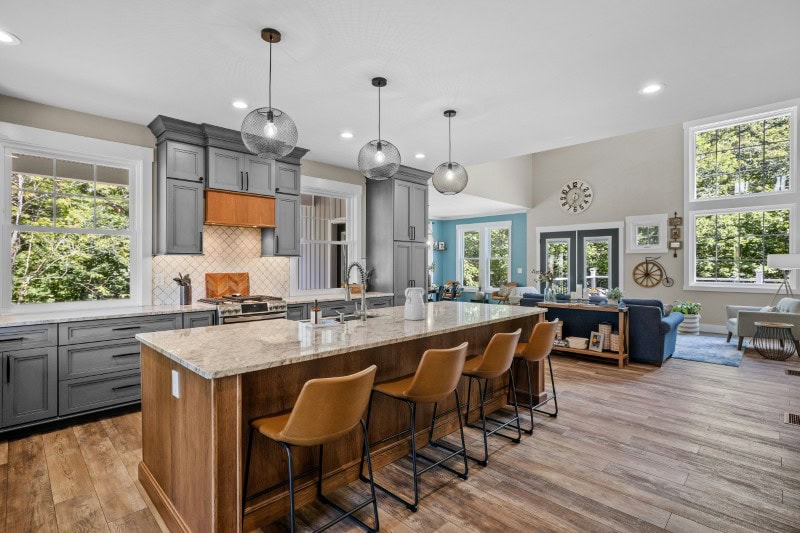
People check recipes on their phones while cooking, glance at calendars while making coffee, and answer messages while leaning against the island.
Kitchen islands have gradually become a kind of household command center — a place where life’s logistics unfold while meals are being prepared.
Coffee tables stopped collecting piles of media
Once upon a time, coffee tables were crowded.
Magazines stacked up. Remote controls multiplied. Newspapers spread across the surface. Catalogs and TV guides were common.
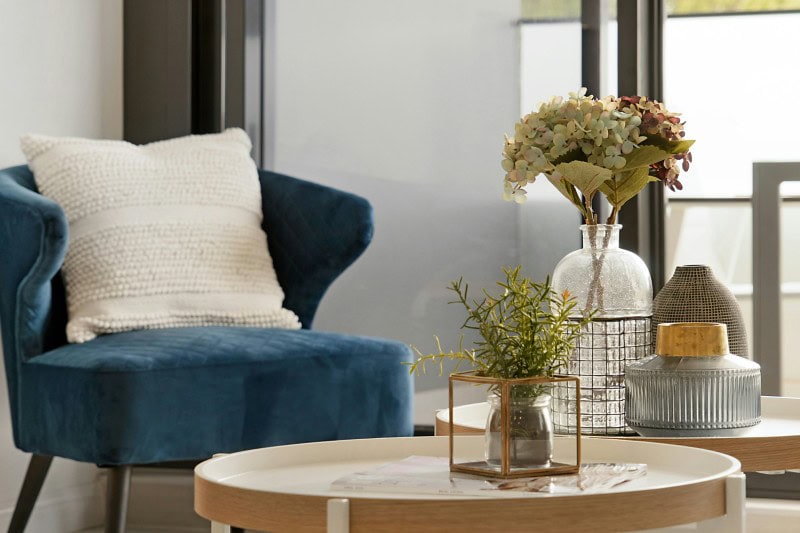
Today a single phone replaces most of those items.
Streaming services live on apps. News arrives digitally. Even remote controls are increasingly replaced by phone-based systems.
Coffee tables often hold far fewer objects than they once did.
Living rooms stopped facing just one screen
For decades, living rooms were designed around the television.
Sofas and chairs faced one direction so everyone could watch the same screen.
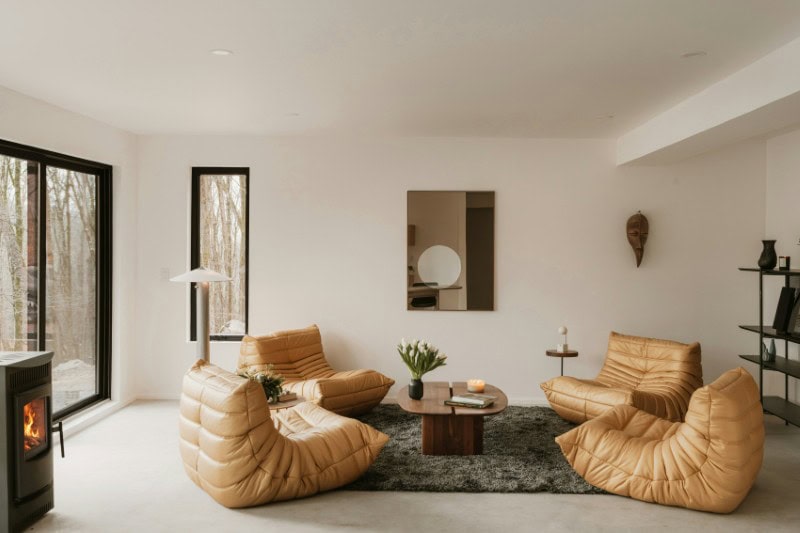
Now people often consume media individually, with each of us watching or reading something different on our own device.
Furniture layouts are becoming more conversational again, with chairs facing one another and rooms designed for multiple activities rather than a single screen.
Tiny work nooks replaced formal home offices
Before smartphones and laptops became powerful enough to handle most daily tasks, many homes included dedicated offices with large desks and filing cabinets.
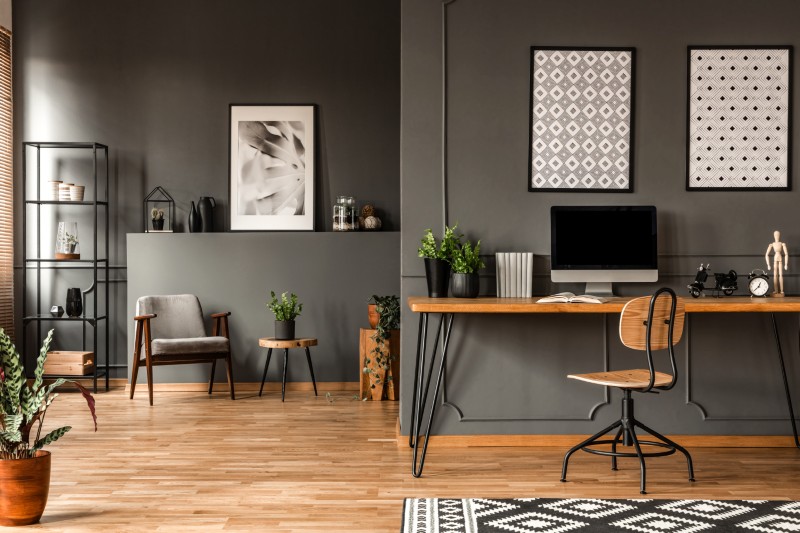
Today work often happens in shorter bursts and from many different places around the house.
Instead of entire rooms, homes increasingly feature small workstations — a desk in a hallway alcove, a built-in shelf beneath a window, or a compact table tucked into a corner.
Work became more mobile, and home design followed.
Lighting started working harder for video calls
Video calls used to happen almost exclusively in offices.
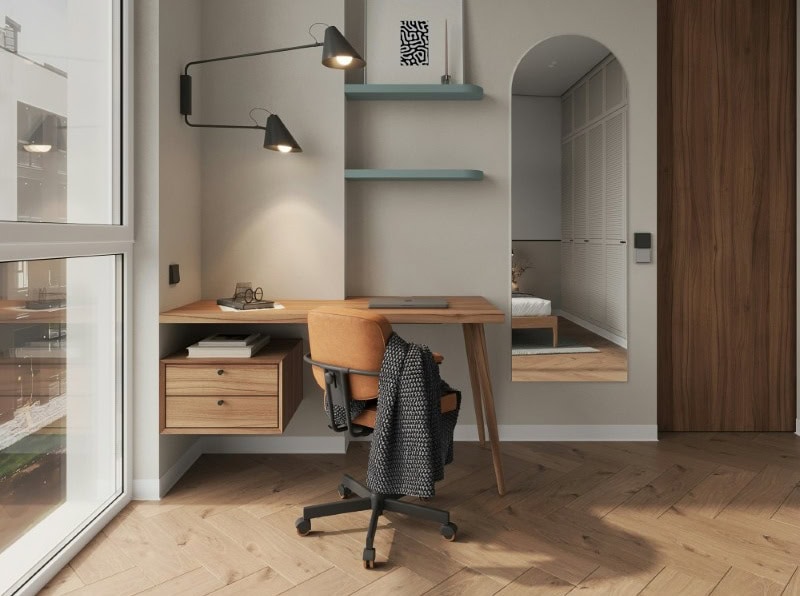
Now they take place in living rooms, kitchens, bedrooms, and even backyards.
Designers increasingly think about how light falls across seating areas and walls. Good natural light and softer lamps help rooms function as comfortable on-camera spaces.
Many people instinctively choose a chair or sofa that looks good on video.
Bathrooms quietly became private scrolling zones
It’s a small habit, but a widespread one: bringing the phone into the bathroom.
Longer showers, slower morning routines, and a few extra minutes of quiet time have subtly influenced how these spaces feel.
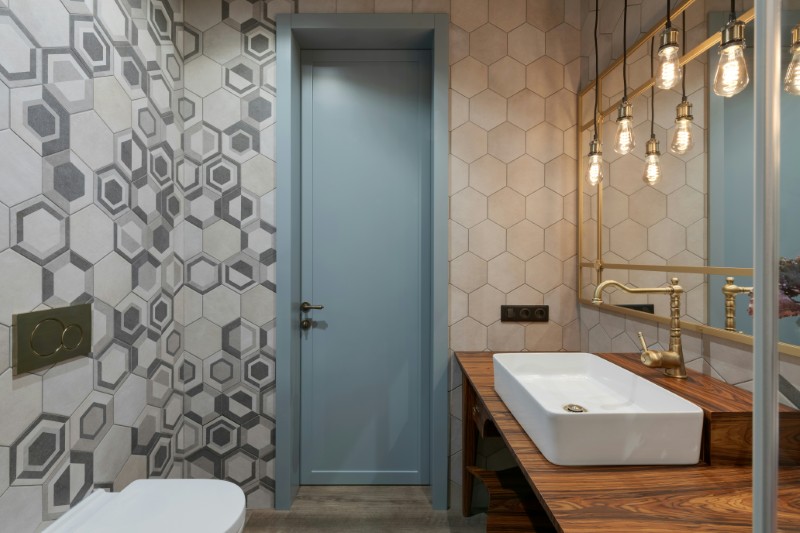
Bathrooms now lean more toward comfort — warmer lighting, softer materials, and calmer atmospheres.
The room has become less strictly functional and slightly more personal.
Entryways quietly became “drop zones” for phones and keys
The first thing many people do when they enter their home is set something down.
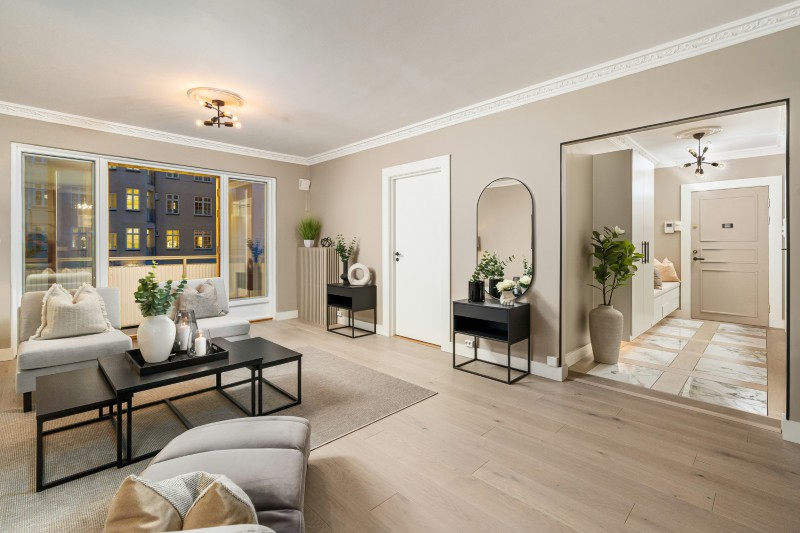
Phones, keys, sunglasses, wallets, they all need temporary homes.
Entry consoles now frequently include trays, bowls, or small drawers designed specifically for these everyday objects, with our phones now occupying the biggest space.
Patios and balconies turned into outdoor workspaces
Before smartphones, stepping outside often meant leaving work and communication behind.
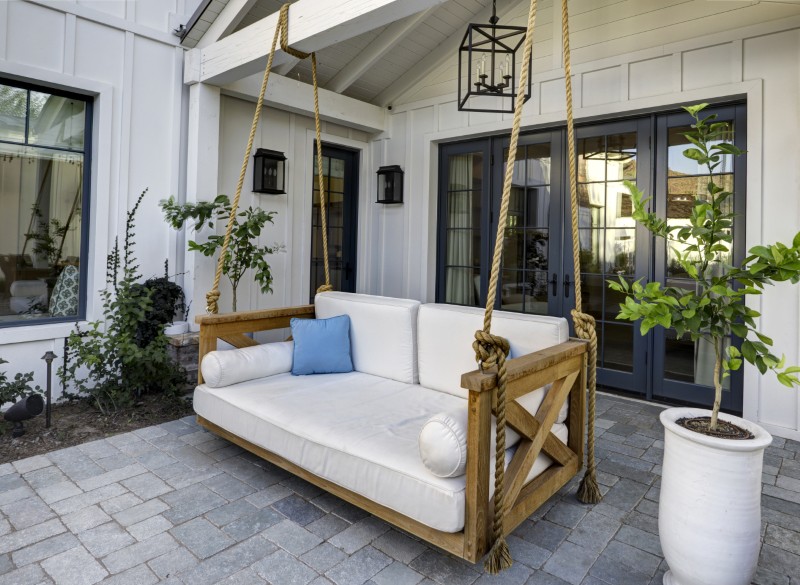
Now people can answer messages, read news, or take a quick call from almost anywhere.
Outdoor spaces increasingly include comfortable seating, shade, and reliable Wi-Fi coverage so they can function as extensions of the house.
A patio chair might double as a quiet afternoon workspace.
Homes lost dozens of small gadgets
Alarm clocks, radios, calculators, GPS devices, landline phones, cameras, and music players used to fill homes.
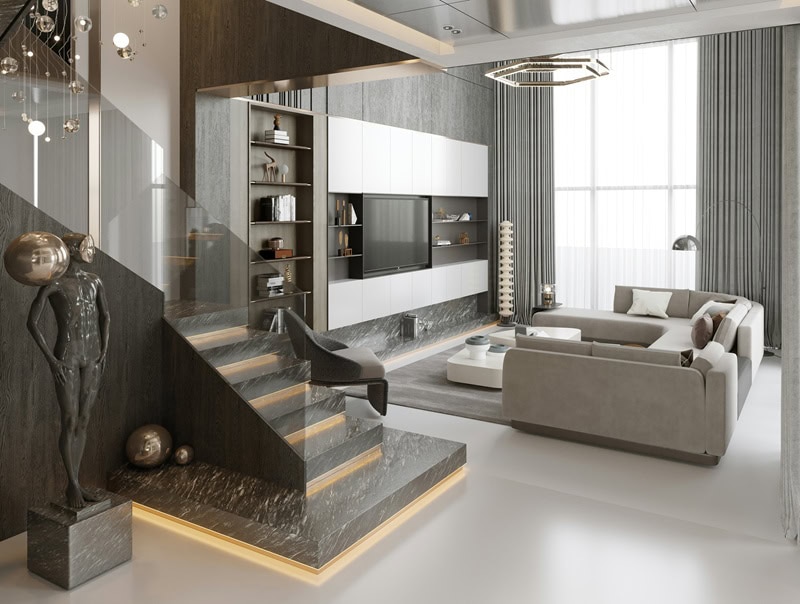
Most of them now live inside a single device.
That shift removed a surprising amount of clutter from everyday life. Fewer devices mean fewer cables, fewer charging stations, and fewer objects sitting on shelves and tables.
Homes have become visually simpler as a result.
Rooms quietly became everyday video backdrops
Perhaps the most unexpected shift is how often homes now appear on camera. People record videos, join video calls, and share photos from their living spaces constantly.
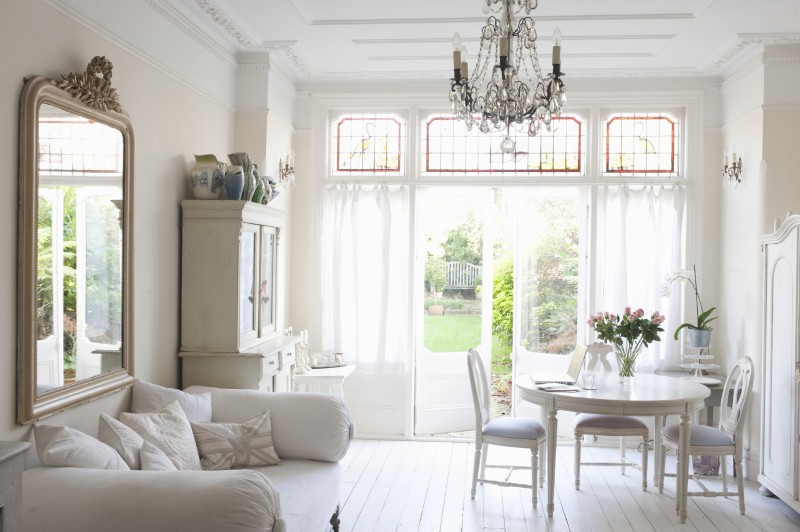
That means walls, shelves, and corners of the house now function as visual backdrops.
Many homeowners now instinctively keep certain areas tidy or aesthetically pleasing, not for guests, but for the camera.
In the end, smartphones didn’t just change how people communicate, they quietly reshaped the way homes function… room by room.
And most of those changes happened so gradually that many people barely noticed them at all.
More stories
11 things people stop doing once they live in a truly well-designed home
25 spring resets designers always recommend after a long winter
10 Ways people with beautiful homes avoid clutter without obsessing
The post 12 ways home design has shifted in the smartphone era appeared first on Fancy Pants Homes.

 English