


Some homes look perfect on paper.
They have the square footage, the finishes, the location, and the kind of design that photographs beautifully. But once you step inside, something doesn’t quite land.
It’s rarely one obvious flaw. More often, it’s a collection of small decisions that don’t quite align — subtle imbalances in light, proportion, layout, or flow that create a quiet sense of discomfort.
These details are easy to miss individually. But together, they can make even a high-end home feel slightly unsettled.
Here are some of the most common reasons a beautiful house can still feel “off.”
Rooms where the light never feels quite right
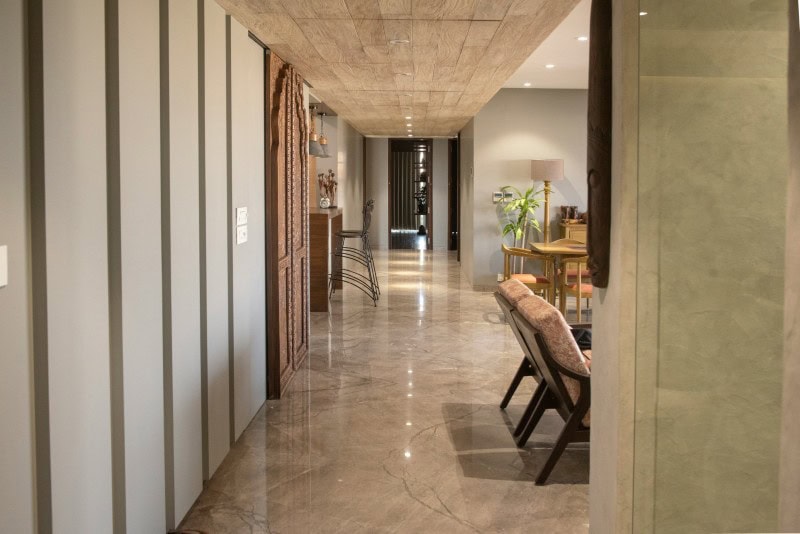
Light has a powerful effect on how a space feels, and when it’s poorly balanced, the discomfort is immediate even if it’s hard to explain.
Some rooms are flooded with brightness near the windows but fall into shadow just a few feet away. Others rely too heavily on overhead lighting, creating glare rather than warmth.
When natural and artificial light don’t work together, the room never quite settles. You may find yourself constantly adjusting lamps or moving around to find a comfortable spot, which is often a sign that the lighting wasn’t carefully considered.
A layout that forces you to walk through the wrong spaces
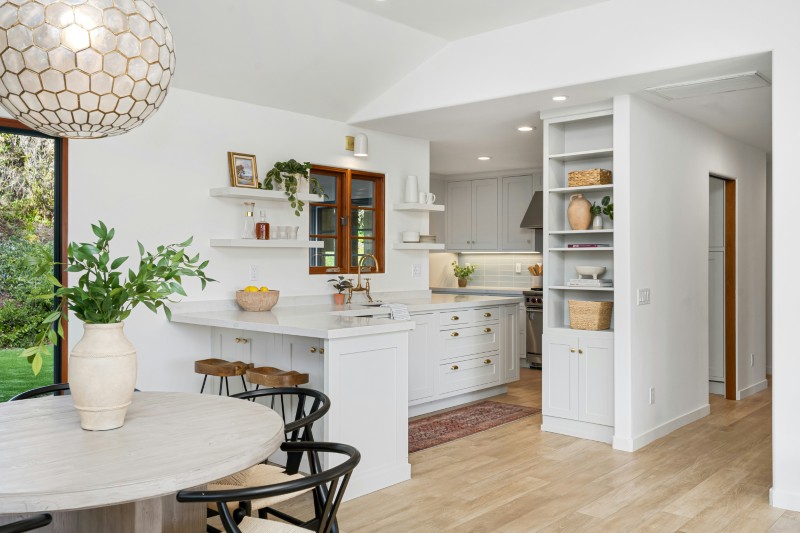
Some homes look spacious but function awkwardly.
If reaching the kitchen means cutting across the living room, or accessing a bedroom requires passing through a gathering space, the house starts to feel disruptive. Movement patterns that cross into private or social areas create a subtle sense of friction in daily life.
Over time, this kind of layout makes the home feel less intuitive, even if the rooms themselves are attractive.
Ceilings that change height without a clear reason
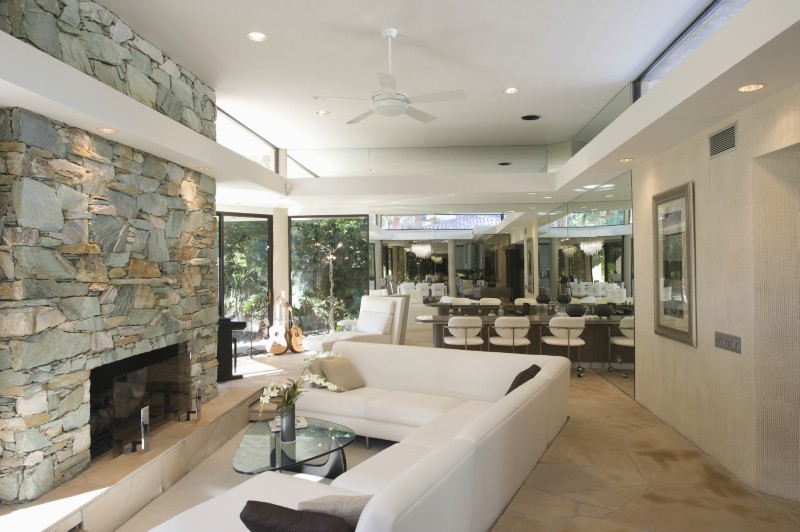
Ceiling height plays a major role in how a room is perceived.
In some homes, ceilings rise dramatically in one area and then drop abruptly in another without any architectural logic. The shift can feel disjointed, especially when moving between rooms.
When ceiling heights aren’t handled thoughtfully, the home can feel inconsistent, even if each individual space is well-finished.
Windows placed to max out the amount of natural light, regardless of consequences
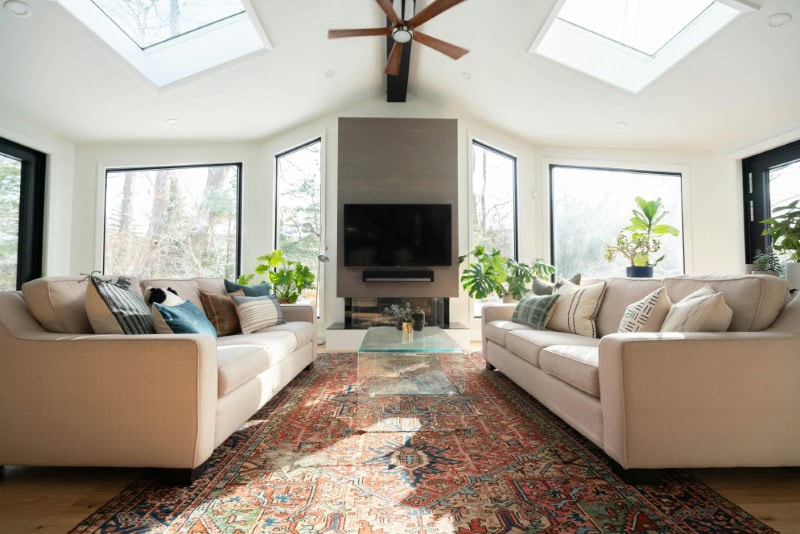
We all love natural light and bright living spaces. But there is something as just too much when it comes to brightness.
Particularly when window placement (think skylights) or the shape makes it hard to use window treatments and control brightness when needed.
When windows are placed without considering full brightness, they can end up making the space unbearable to be in, particularly in hotter months of the year.
The result is a space that nobody will use for the most parts of the day, even if it’s well designed.
Furniture layouts that never quite feel natural
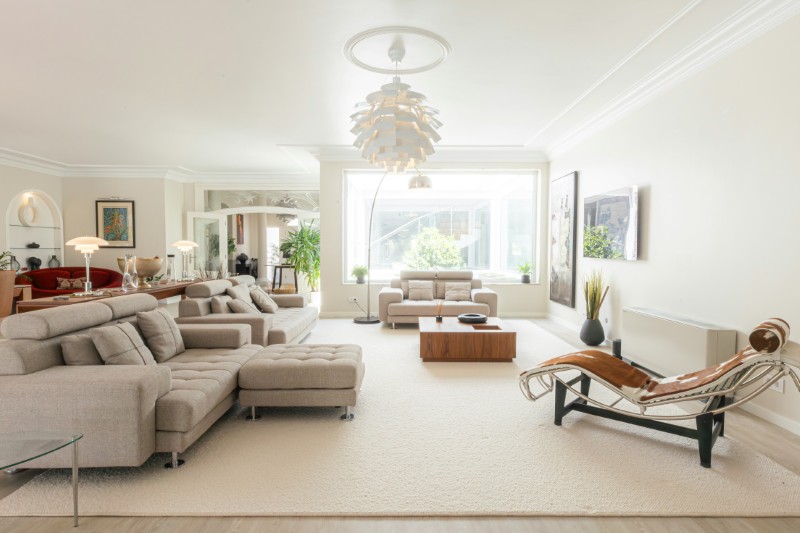
Sometimes a room looks large enough but resists comfortable furniture placement.
Chairs feel too far apart, sofas don’t align with focal points, and tables end up slightly out of proportion. Even with expensive furniture, the space doesn’t feel settled.
This often happens when the room’s proportions or focal points weren’t clearly defined during the design phase.
Kitchens that look impressive but are awkward to use
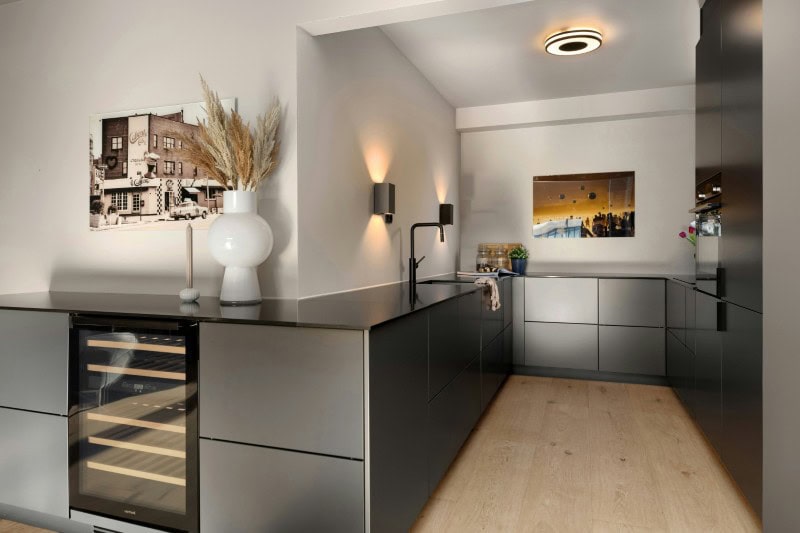
A kitchen can be visually stunning yet frustrating in daily use.
Appliances may be spaced too far apart, islands may interrupt movement, or storage may be located far from where it’s needed. What looks dramatic in photos can feel inefficient in practice.
Over time, these small inconveniences add up, making the space feel less comfortable than expected.
Hallways that feel like leftover space rather than part of the design
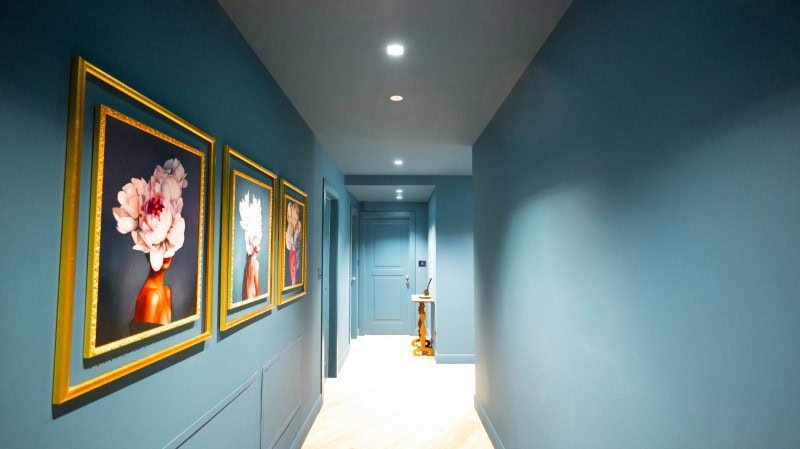
In some homes, hallways are treated as purely functional connectors.
They may be too narrow, too long, or poorly lit, creating spaces that feel disconnected from the rest of the house. Rather than guiding movement naturally, they feel like leftover areas.
Well-designed homes treat hallways as part of the experience, not just transitions.
Outdoor spaces that don’t connect to the interior
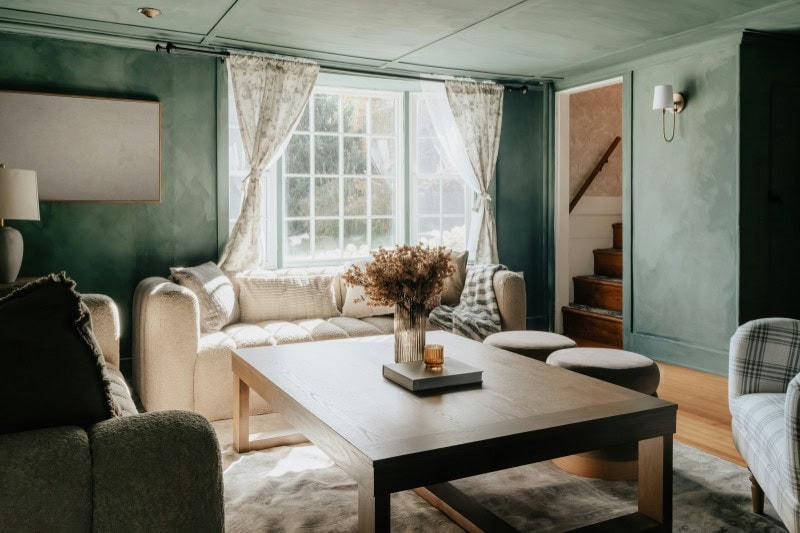
A beautiful backyard can still feel underused if it’s poorly connected to the house.
If reaching the outdoor space requires navigating multiple doors, steps, or narrow passages, the transition feels inconvenient. The outdoor area becomes separate rather than integrated.
As a result, even well-designed patios or gardens may not be used as often as intended.
Landscaping that looks good but feels uninviting
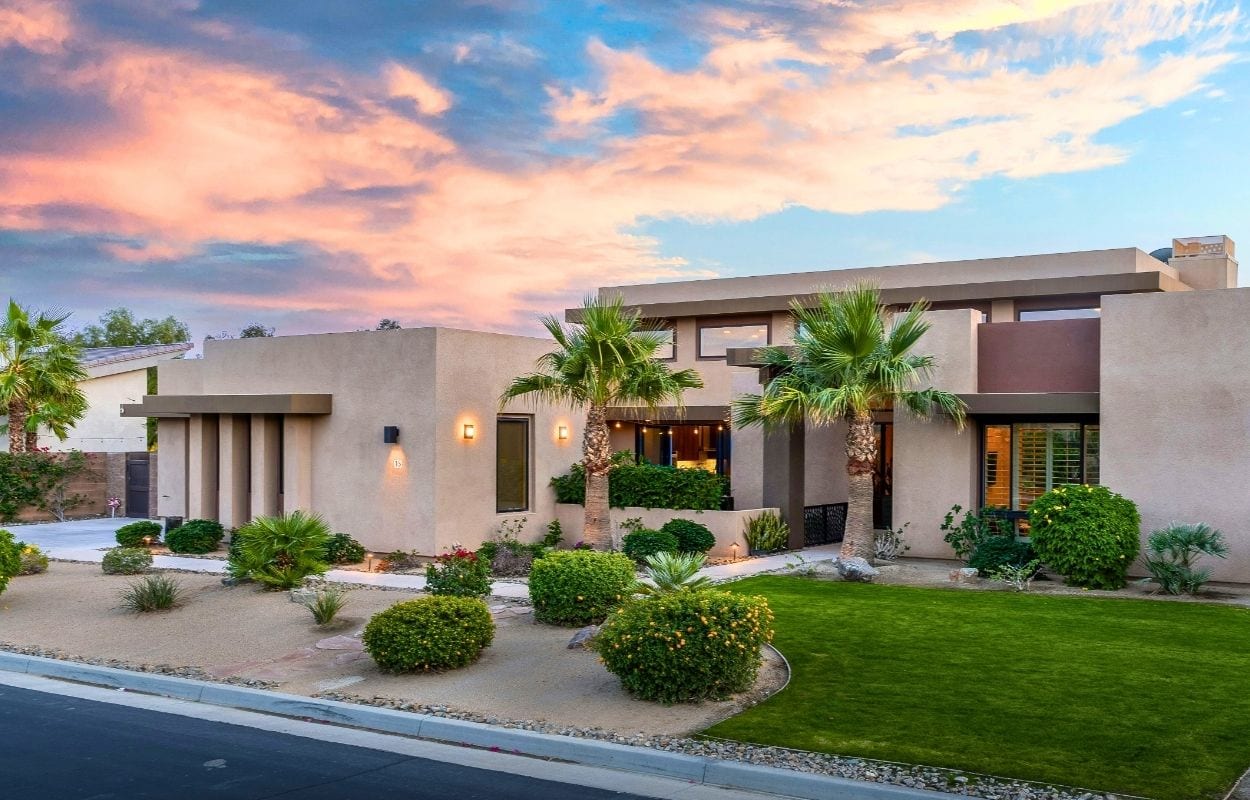
Landscaping can enhance a home… or quietly work against it.
When plantings block pathways, obscure views, or create unclear entry points, the exterior feels less welcoming. Some yards look beautiful from a distance but offer no place to sit, walk, or gather.
A lack of usability often makes outdoor spaces feel disconnected from daily life.
Entryways that don’t clearly signal where to go
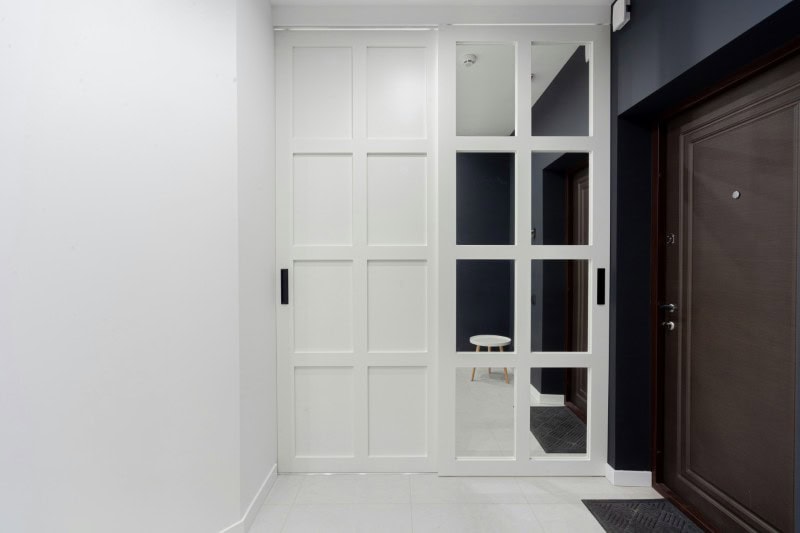
The entry sets the tone for the entire home.
If it lacks a clear focal point or pathway, visitors may hesitate, unsure where to move next. An entry that opens directly into multiple directions without guidance can feel disorienting.
Even a beautiful foyer can feel off if it doesn’t provide a sense of arrival.
Materials that don’t quite relate to each other
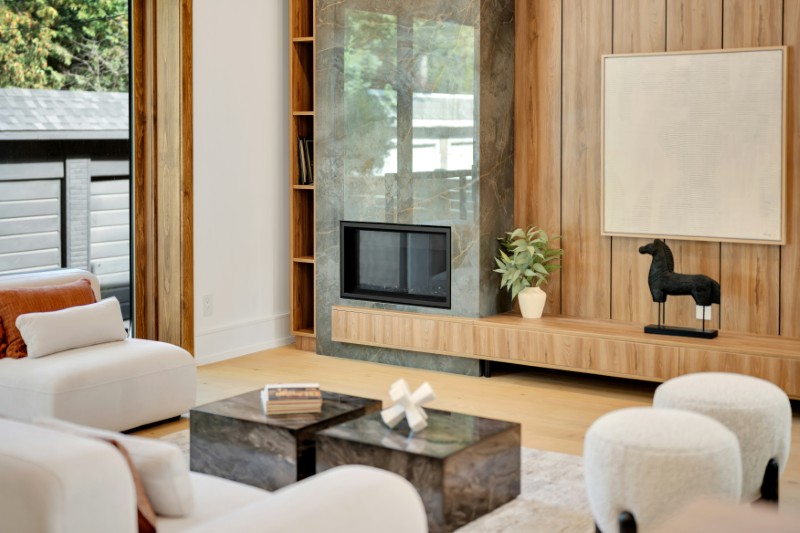
A home may include high-end materials that don’t quite work together.
Different woods, stones, and metals may compete rather than complement each other. Individually, each material might be beautiful, but together they create visual tension.
The result is a space that feels slightly unsettled rather than cohesive.
Rooms that feel oversized but somehow not comfortable
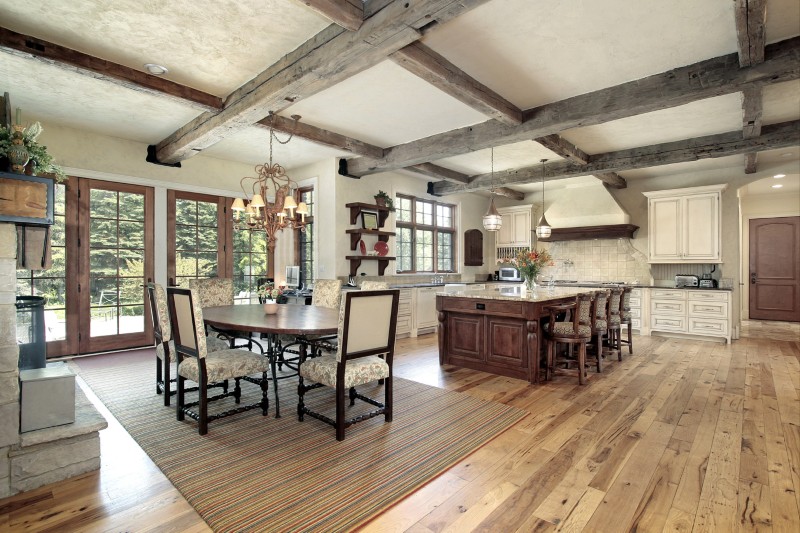
Bigger isn’t always better.
Some rooms are so large that they become difficult to furnish in a way that feels comfortable. Furniture may feel lost in the space, and conversation areas can feel disconnected.
Without thoughtful scaling, large rooms can feel less inviting than smaller, more proportionate ones.
Backyards designed to be seen rather than used
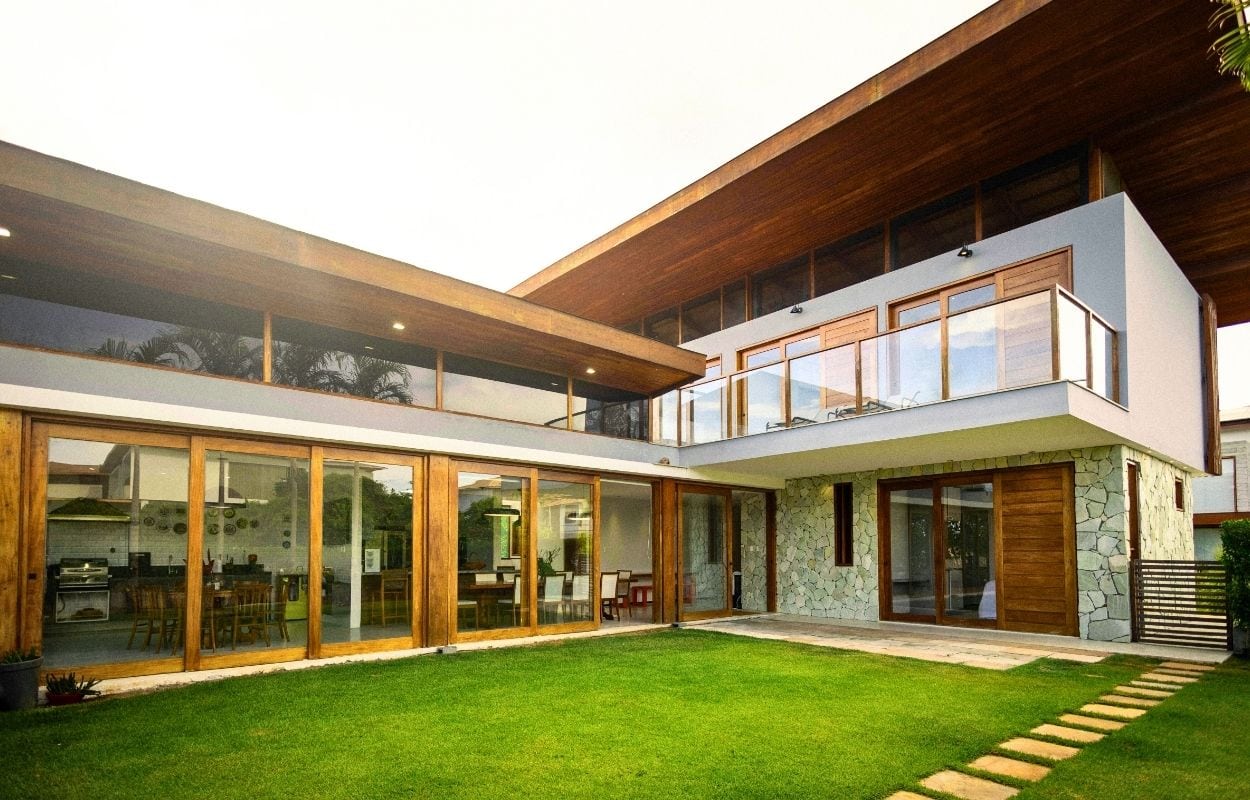
Some outdoor spaces are designed primarily for visual impact.
Large lawns, sculptural plantings, or dramatic layouts may look impressive but offer little functionality. Without seating, shade, or usable surfaces, the space becomes more decorative than livable.
Over time, this creates a disconnect between how the yard looks and how it’s actually used.
Staircases placed in ways that disrupt the flow
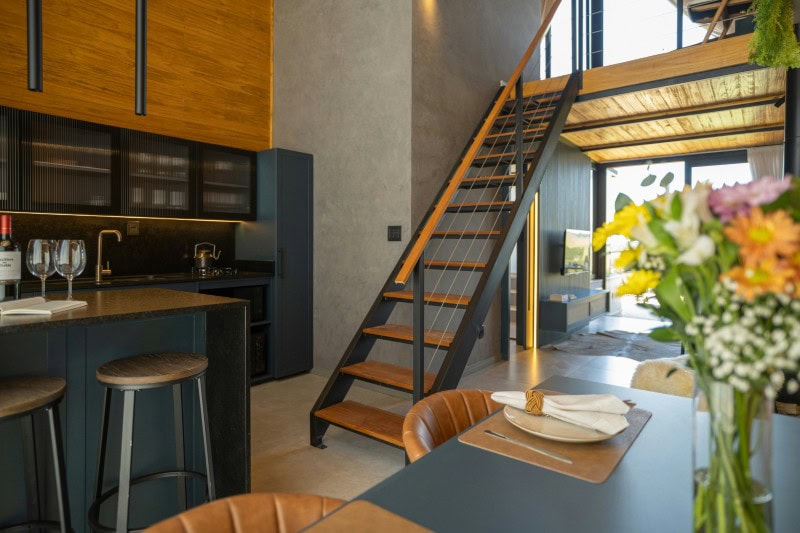
Staircases are major architectural elements, and their placement matters.
When stairs cut through a room awkwardly or interrupt natural pathways, they can make the layout feel fragmented. Instead of guiding movement, they create obstacles.
Even beautifully designed stairs can feel out of place if they aren’t integrated into the overall plan.
A lack of transition between public and private spaces
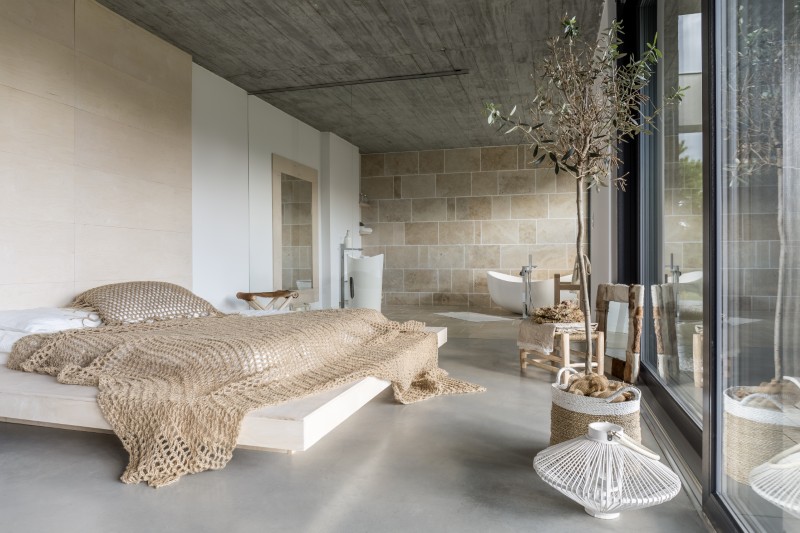
Homes tend to feel more comfortable when there’s a gradual transition between public and private areas.
When bedrooms open directly into living spaces, or when there’s no clear separation between social and quiet zones, the home can feel exposed.
Not to mention recent trends that take it one step further, bringing bathrooms into bedrooms or outdoors.
That lack of zoning often creates a subtle sense of imbalance that’s hard to shake off.
A home that feels like it was designed in pieces rather than as a whole
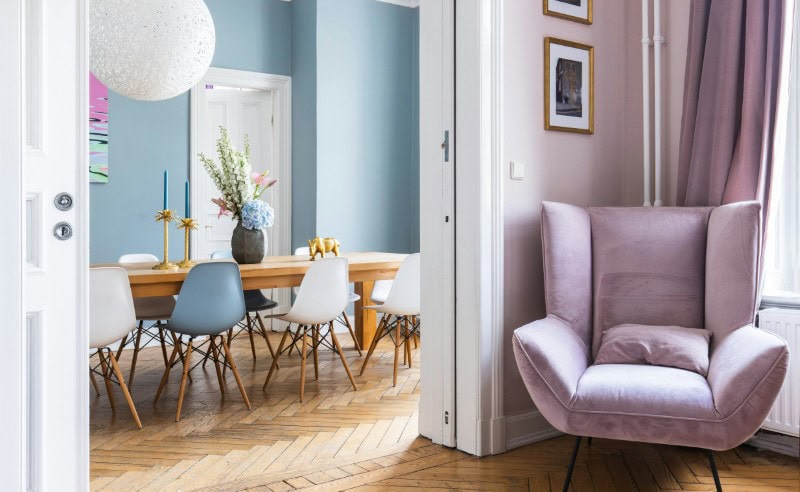
Perhaps the most difficult issue to pinpoint is a lack of overall cohesion.
Some homes feel as though each room was designed separately, without a clear connection to the rest. Styles, proportions, and materials shift from space to space.
Even when each room looks good individually, the house as a whole can feel unsettled.
One mistake won’t break the design; but once too many of them align…
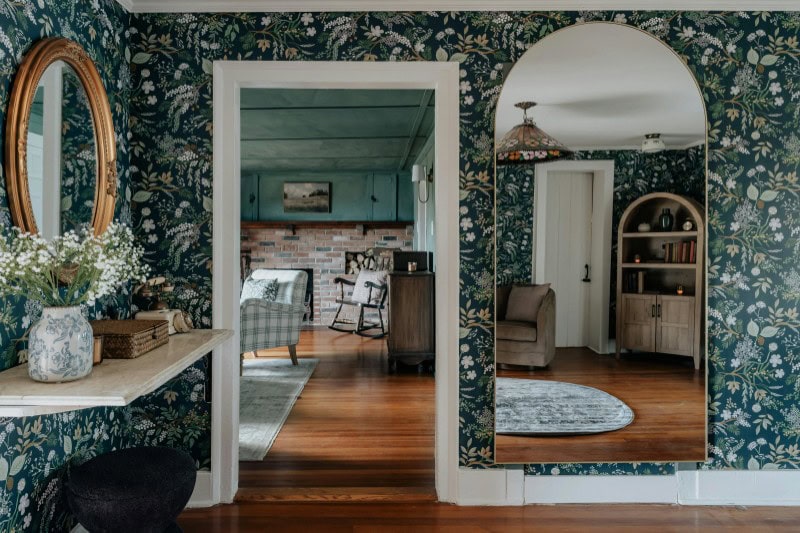
In the end, what makes a house feel “off” isn’t usually a single mistake.
It’s the accumulation of small mismatches, mostly in light, layout, proportion, and flow, that quietly disrupt how the space is experienced.
And once those details align, even a simple home can feel far more comfortable than one that looks perfect at first glance.
More stories
16 Design features that make a house feel thoughtfully built
12 things homes used to be designed around that barely matter now
16 trendy renovations that age badly fast
The post 15 details that make a house feel off (even when it’s gorgeous) appeared first on Fancy Pants Homes.

 English