


Not that long ago, houses were built around a very specific set of expectations. Where you answered the phone. How you hosted guests. Which rooms were meant to be used daily, and which of them were basically for show.
Whole floor plans revolved around routines that feel almost funny now. And slowly, without much announcement, modern living broke most of those rules.
Some for the better. Some out of necessity. Some because life simply changed.
Here are 15 home design “rules” that used to matter a lot (and now barely register at all).
Homes were meant to be fully enclosed from the outdoors
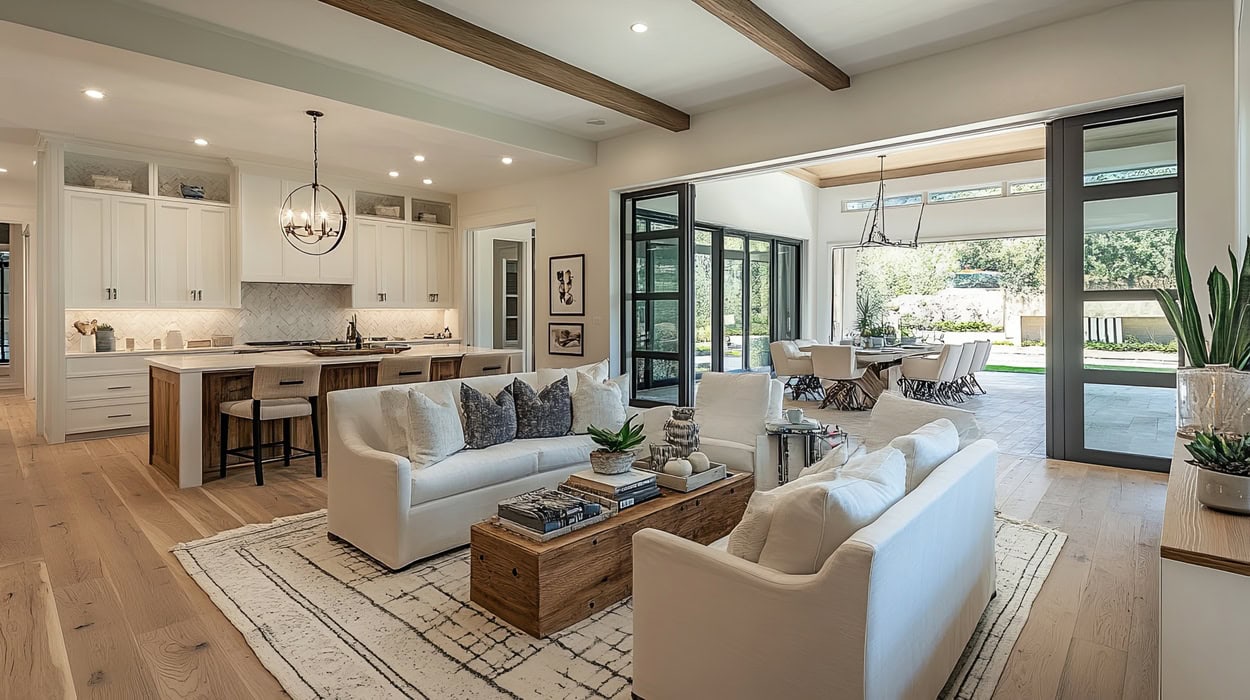
Older houses were designed with a very clear line between inside and outside.
Thick walls, smaller windows, and solid doors kept weather, bugs, and noise firmly out. The outdoors was something you visited, not something that flowed into daily life.
Modern homes completely broke that rule. Now we see huge sliding doors, folding glass walls, screened porches that feel like living rooms, and patios designed as true extensions of the house.
Indoor-outdoor living became about light, airflow, entertaining, and lifestyle instead of separation and protection.
Every house needed a formal living room (even if no one ever sat in it)

For decades, homes were expected to have a pristine, off-limits living room. It was for guests, holidays, and looking nice — not for everyday life.
Kids weren’t allowed in. Furniture was stiff. The TV definitely didn’t live there.
Today, most people want one comfortable space they actually use. The idea of a whole room reserved just for appearances has quietly disappeared.
Dining rooms were the heart of entertaining
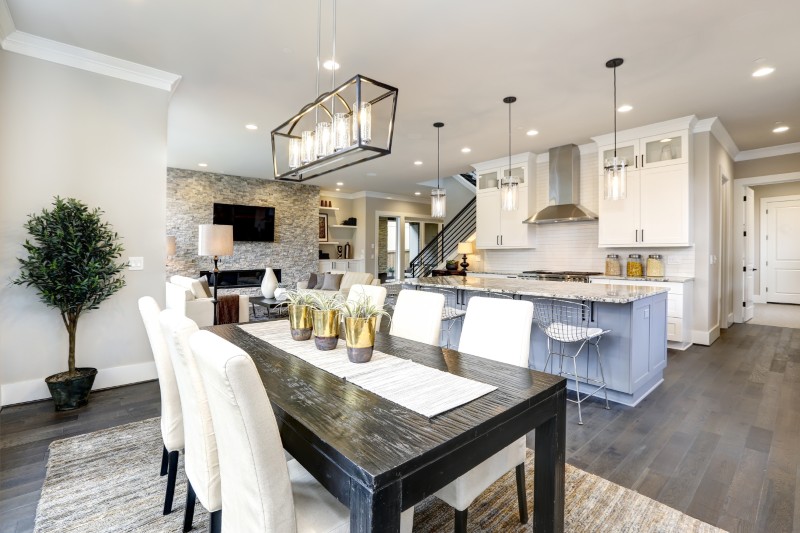
Dinner parties, holiday meals, and even regular family dinners happened in formal dining rooms.
Now? Many dining rooms sit empty most of the year — or have been turned into offices, playrooms, or homework zones. Eating moved to kitchen islands and casual nooks instead, with dining areas most commonly built into the living space nowadays.
The “special occasion only” room isn’t so special anymore.
Kitchens were hidden (because they were messy workspaces)
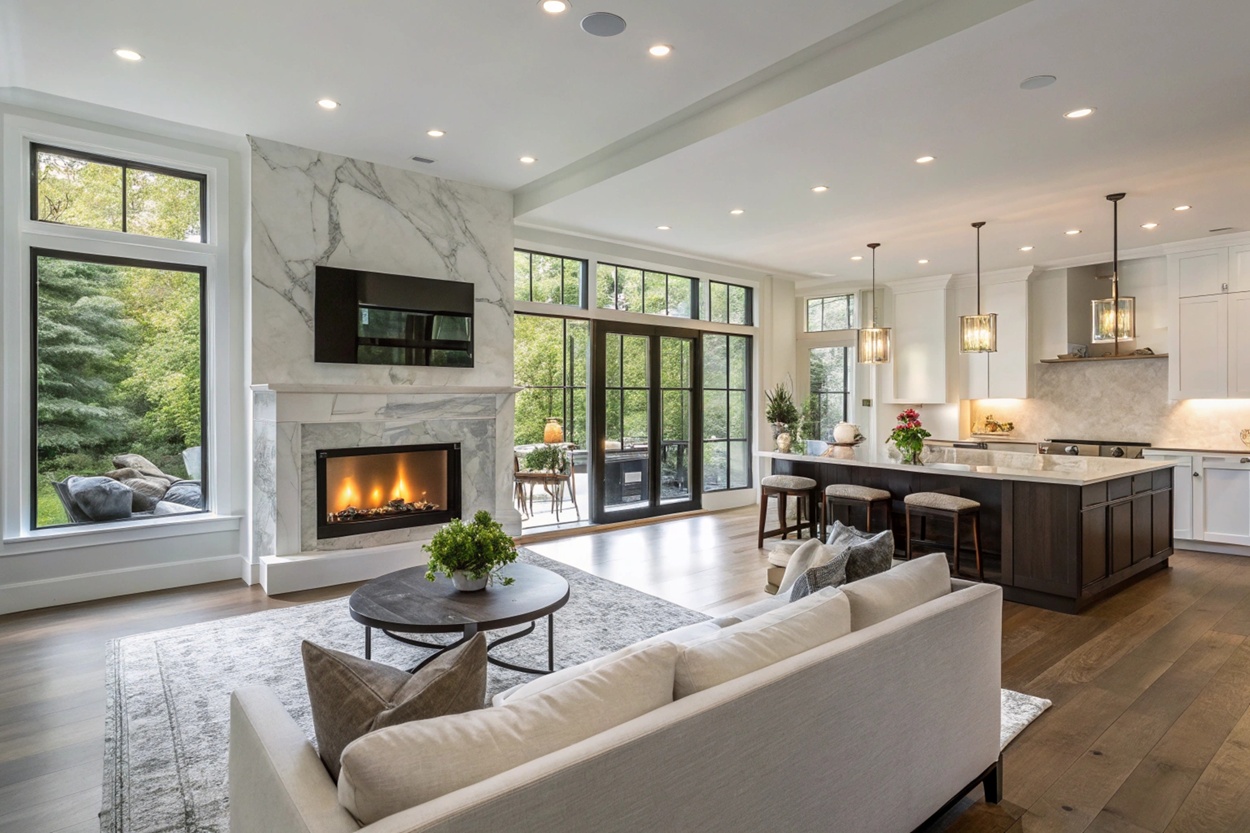
Kitchens used to be closed off on purpose. Cooking smells, clutter, and noise were meant to stay out of sight.
Now kitchens are the showpiece of the home — open, oversized, and designed for gathering. They’re where everyone hangs out, not where you disappear to cook alone. And I don’t know about you all, but I much prefer it this way.
Interiors were built around family life (no work allowed)
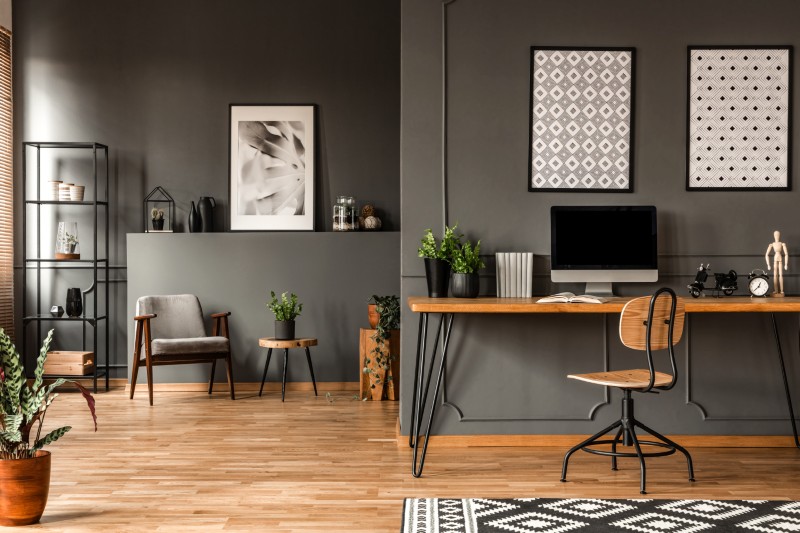
For most of the 20th century, work happened somewhere else. Homes were designed around cooking, eating, relaxing, and sleeping, not conference calls, Zoom meetings, or home offices.
That shift alone reshaped floor plans. Spare bedrooms became offices. Dining rooms turned into workspaces. Built-ins, desks, and quiet zones suddenly mattered.
Modern homes now assume that at least some work will happen inside them, something older houses never planned for.
Technology needed its own furniture
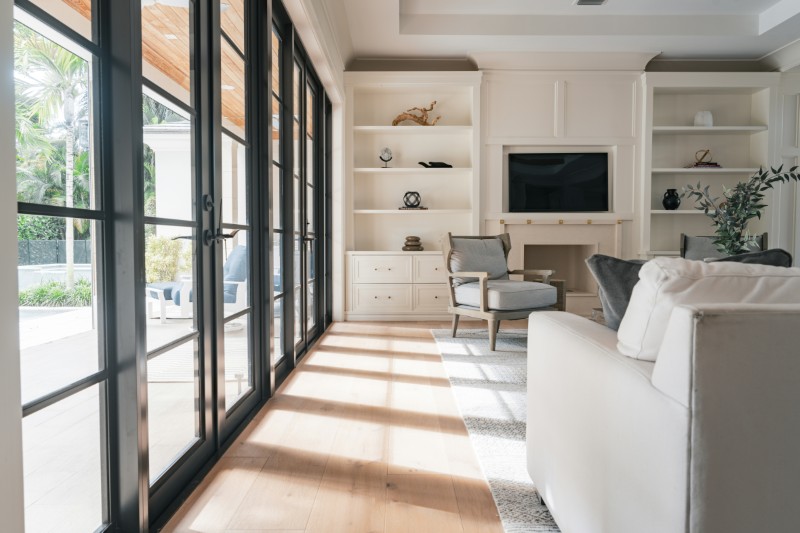
Entertainment centers once dominated living rooms. Big wooden units held TVs, VHS tapes, DVDs, CDs, and stereo systems, they were all massive because the technology was massive.
Flat screens and streaming erased the need for all of it almost overnight. That’s not to say TV consoles, dedicated walls to put tech on, or cable management have become obsolete, but the new generation will never know just how hard it was to accommodate bulky TVs and hide the countless cables and cords it required.
Storage furniture mattered as much as closets
China cabinets, hutches, armoires, and sideboards weren’t just decorative — they were essential.
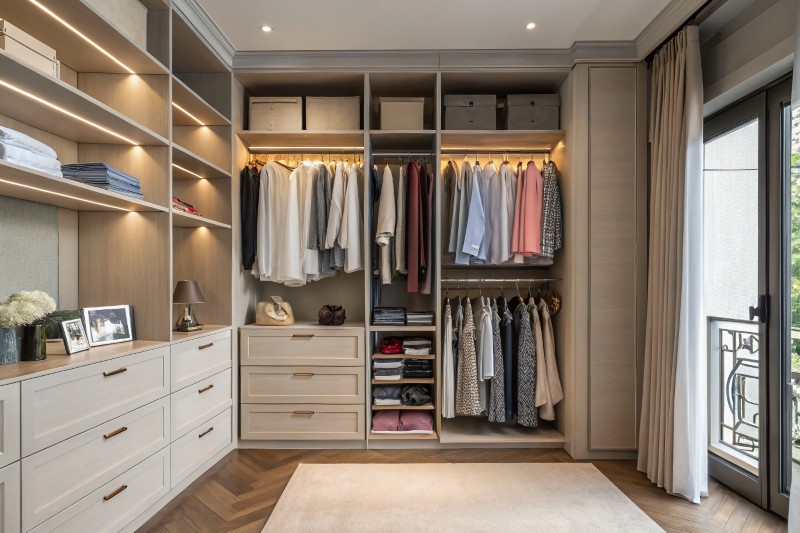
Homes didn’t have the walk-in closets and built-ins we expect now, so furniture handled most storage needs.
Modern homes shifted storage into the architecture itself, making many of these pieces optional.
Fireplaces were built for actual heat, not ambiance
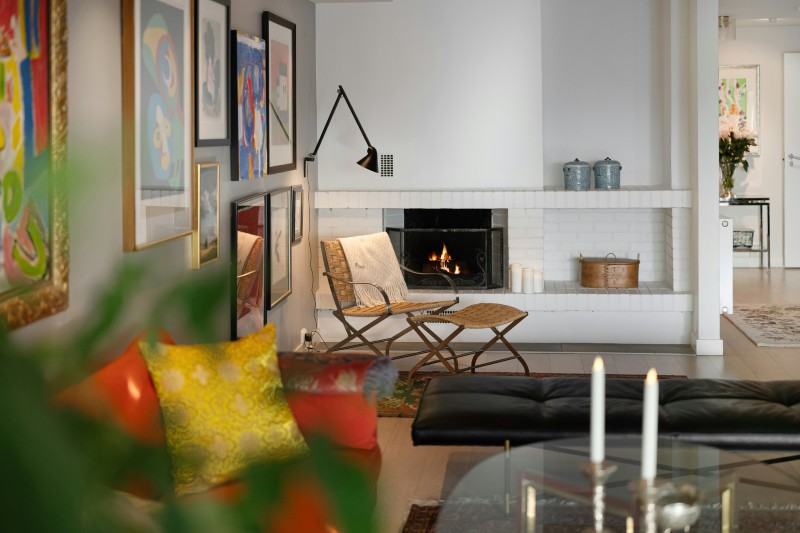
Fireplaces used to be serious business. They were central heating sources, built large, deep, and designed for burning wood efficiently.
Today’s fireplaces are often slim, gas-powered, or even electric, more about mood than survival.
They’re architectural features, not necessities. Many newer homes include them purely for atmosphere, while some skip them entirely without a second thought.
The bathtub and shower always shared one space
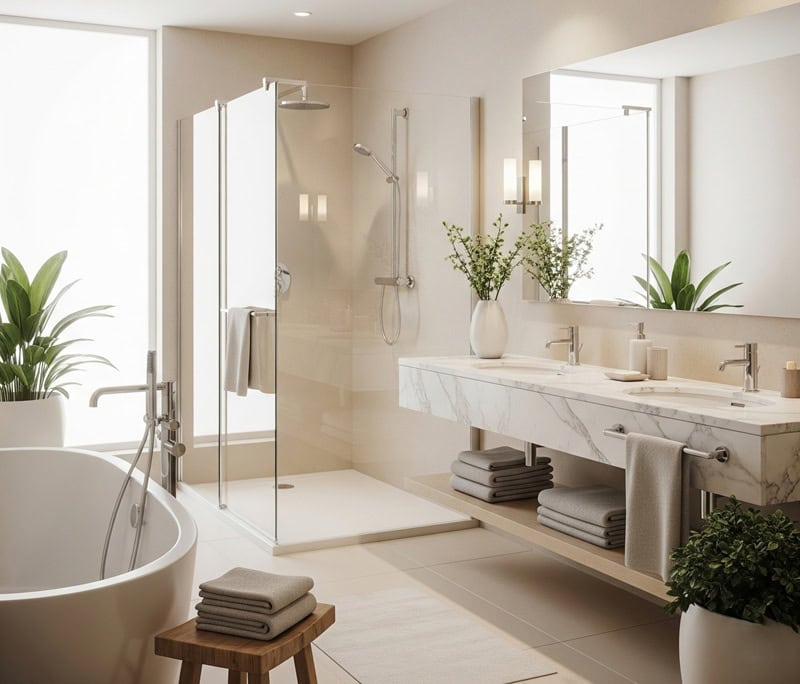
For decades, the standard bathroom setup was simple: one tub, one showerhead above it, all in a single enclosure.
Modern homes broke that rule wide open. Now separate walk-in showers and standalone tubs are common — sometimes in massive primary suites that look more like spas than bathrooms.
The bath and shower became experiences instead of a single functional zone.
The spare room was automatically a guest bedroom
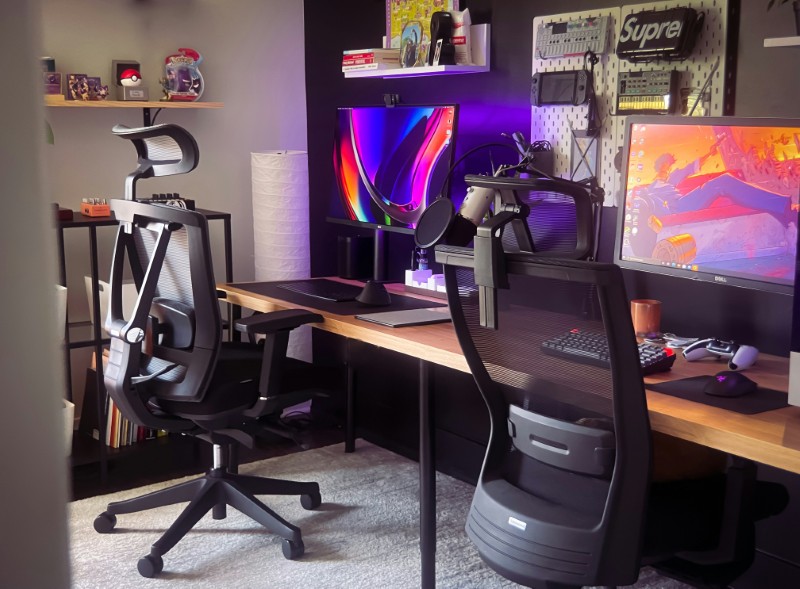
Not too long ago, an extra room, den or space was automatically turned into a guest bedroom.
Now many homes use flex spaces: offices that double as guest rooms, Murphy beds, or pull-out sofas. And even more opt to turn them into passion or wellness-oriented spaces, from gym rooms to yoga or meditation spaces, gaming rooms, you name it.
Guest rooms simply aren’t the norm anymore.
Entryways were meant to impress, not fully serve their function
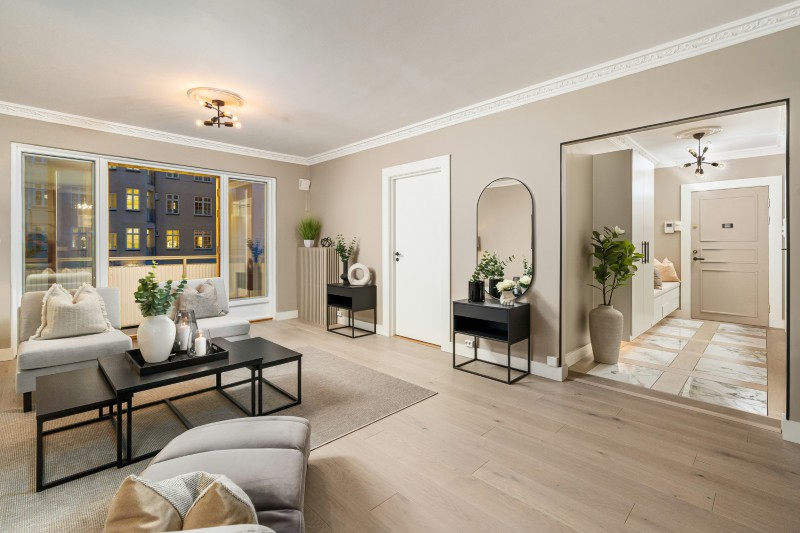
Grand foyers existed to make a statement. Sweeping staircases. Chandeliers. Lots of open space.
But there was often nowhere to drop shoes, bags, or coats.
Modern homes flipped that priority and mudrooms, benches, hooks, and storage now matter more than drama. Though admittedly, people have found great ways to make these functional spaces shine.
Every room had a single (and clearly designated) purpose
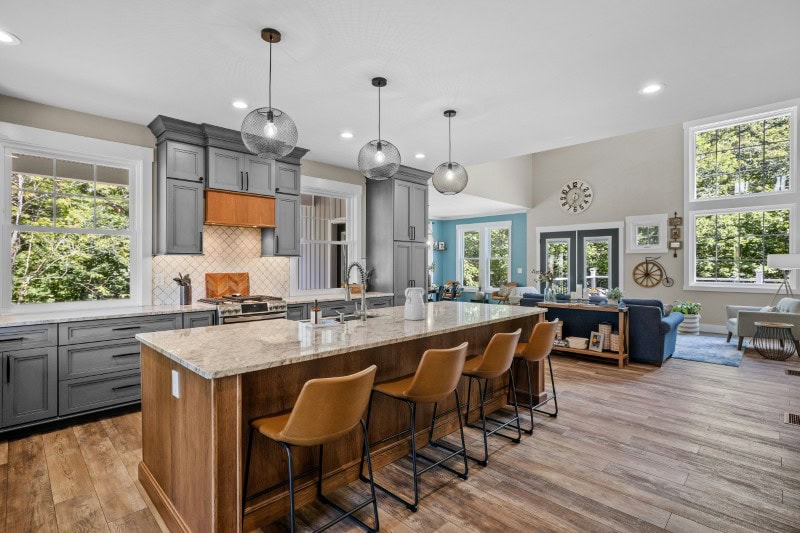
Breakfast rooms were for breakfast. Parlors were for guests. Sewing rooms were for sewing.
Modern homes are all about flexibility: one room might be an office, gym, guest space, and hobby area all in one. Rigid room rules quietly disappeared, and along with them these clearly designated purposes.
Privacy was more important than openness
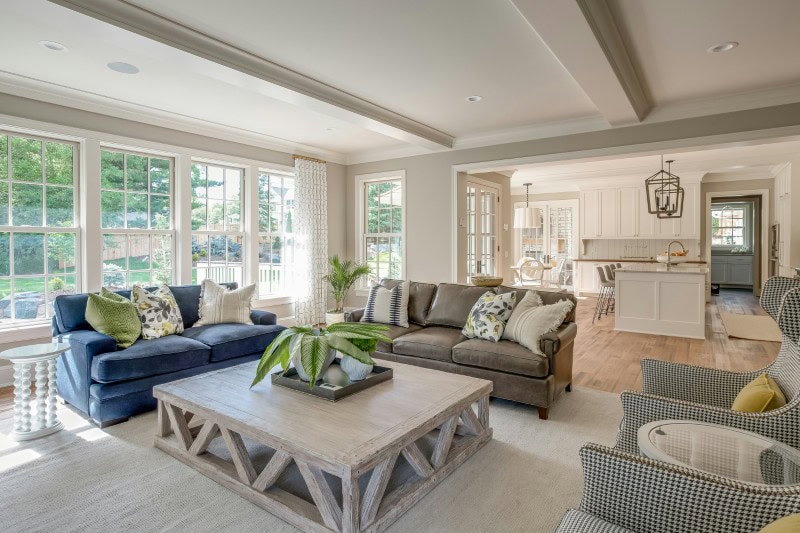
Older homes valued closed doors and separated rooms. Noise control and privacy mattered more than sightlines.
Modern design swung hard toward openness and shared spaces, sometimes so much that walls almost vanished entirely.
The idea that every room needed to be closed off feels very outdated now.
Presentation mattered more than comfort
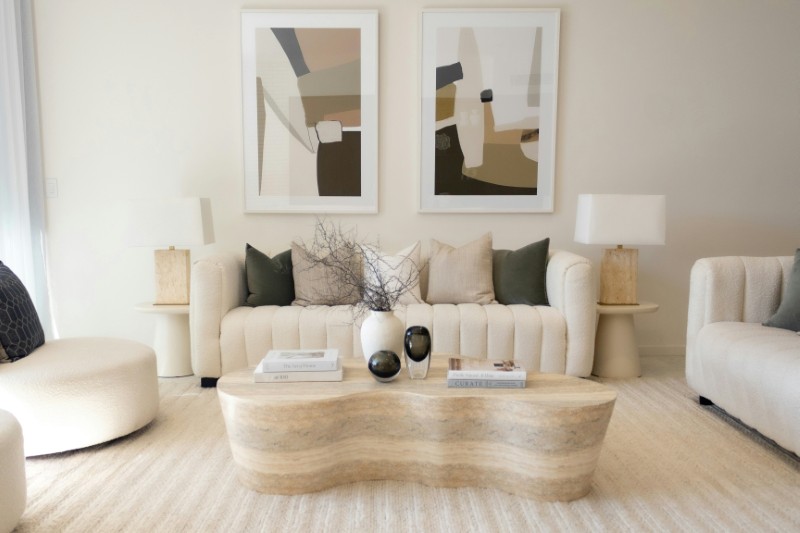
Furniture was often chosen because it looked nice, not because it felt good.
Formal sofas, delicate fabrics, and “don’t sit there” chairs were common.
Modern homes overwhelmingly prioritize comfort first, most of them incorporating big sofas, soft fabrics, and creating spaces meant to actually be used.
Homes were designed around routines, not lifestyle freedom
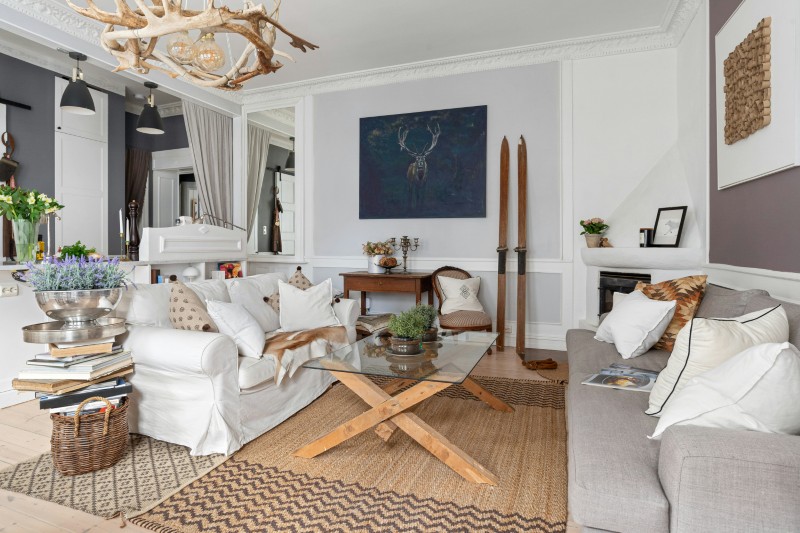
Daily life once followed stricter patterns: formal meals, scheduled calls, specific rooms for specific tasks.
Modern living is more fluid. Work happens anywhere. Meals are casual. Spaces adapt constantly.
Homes changed right along with it.
More stories
10 features that quietly tell you a house wasn’t built to be flipped
17 Home trends everyone loved in the 2000s that aged surprisingly badly
15 things older homes do much better than new builds
The post 15 rules modern homes quietly broke appeared first on Fancy Pants Homes.

 English