


Some homes feel considered the moment you walk in; not flashy, not showy, just quietly right. The difference usually isn’t budget or size. It all comes down to planning.
Thoughtfully built homes tend to reveal themselves slowly. They solve problems before they appear. They feel intuitive to live in. Nothing feels accidental, even if nothing is trying to impress.
These features don’t always photograph dramatically, but they shape how a house actually works — and they’re often what separates a good-looking home from one that truly feels intentional.
A floor plan that follows daily movement, not trends
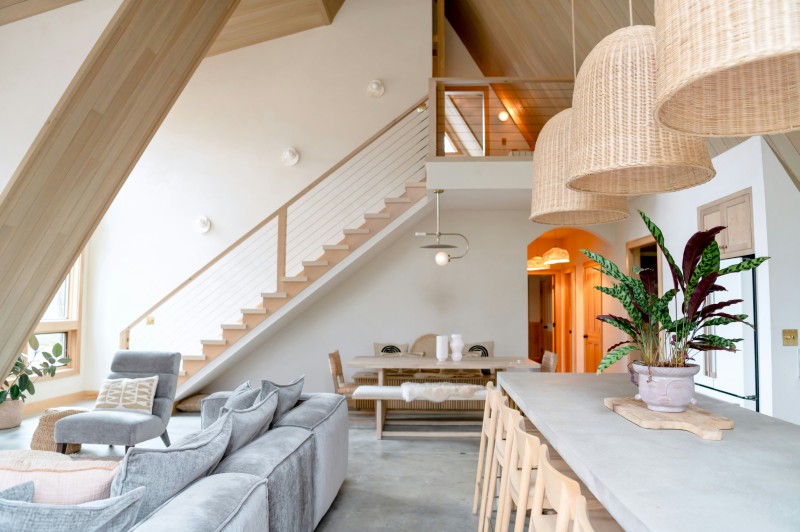
Thoughtfully built homes prioritize how people move through them — from entry to kitchen to living spaces — without awkward detours or bottlenecks. Circulation feels natural, not forced.
You don’t have to think about where to go next. The house gently guides you. And if you’ve ever visited a house like this, I’m sure it already came to mind as you were reading this. The effect is simply that powerful.
Rooms sized for use, not resale value
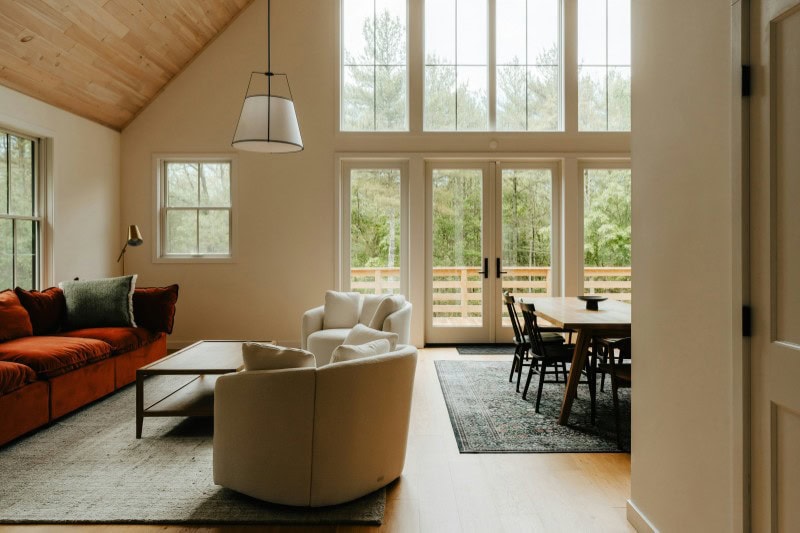
Dining rooms fit real tables and chairs. Bedrooms have space to walk around the bed. Hallways aren’t just pass-throughs.
These homes feel comfortable because they’re designed around living, not staging photos. They’re not meant to look good on Instagram, but to feel comfortable during long breakfasts, late evenings, and cozy weekends in.
Storage placed where clutter actually happens
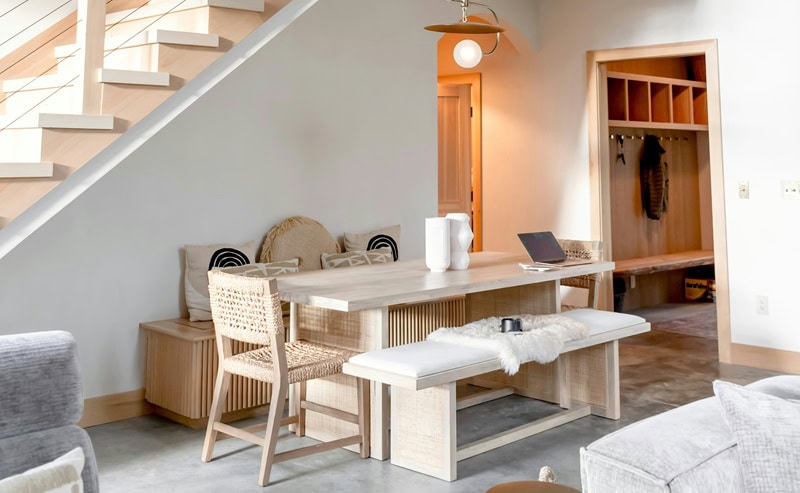
In thoughtfully built homes, coats go near the door. Cleaning supplies near where they’re used. Extra linens are handily close to bedrooms.
Storage isn’t scattered randomly, it’s positioned based on habits and designed around user-friendliness instead of square footage.
Windows placed for light quality, not symmetry
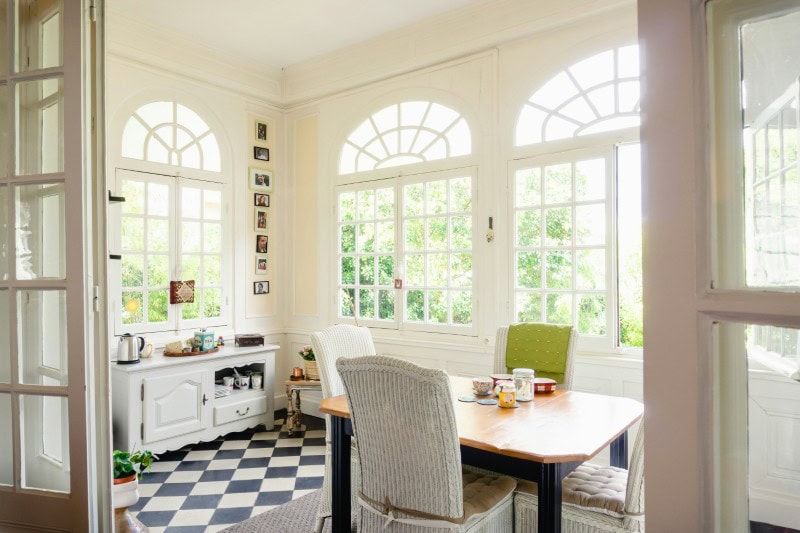
Thoughtful homes care more about how light enters than how the façade looks from the street.
Windows capture morning sun where it’s useful, soften afternoon glare, and frame views intentionally even if it means breaking symmetry.
A clear separation between public and private spaces
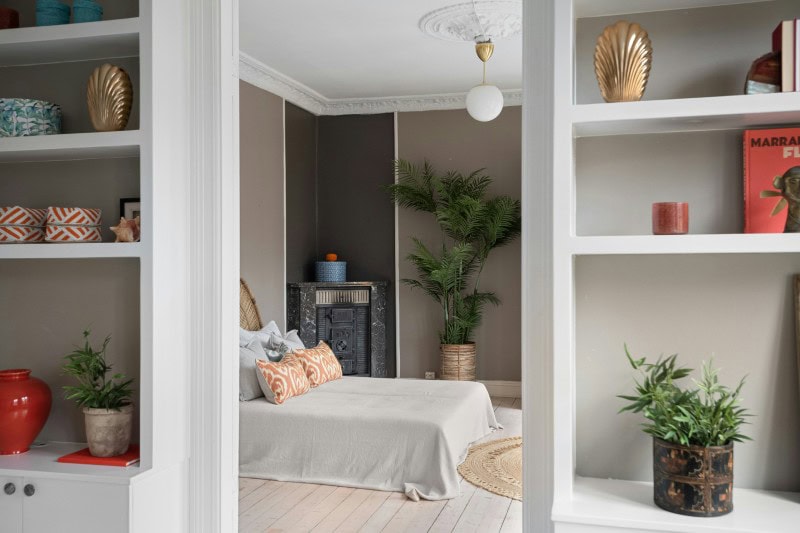
Bedrooms aren’t visible from main living areas. Bathrooms aren’t awkwardly exposed. Quiet zones are buffered from noise.
This separation creates a sense of calm and privacy that’s felt more than seen, and adds a note of quiet luxury to a home, whether said home is luxurious or not.
Mechanical systems planned early, not hidden later
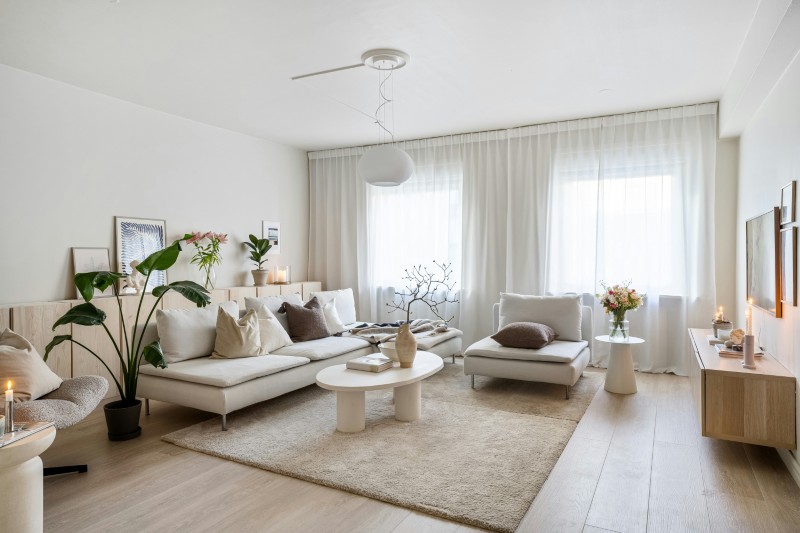
Heating, cooling, ventilation, and ductwork are integrated into the design and not squeezed in after the fact.
The result is even temperatures, quieter operation, and fewer visual compromises. Basically, a cleaner design that lets the eye fall on more attractive elements.
Consistent ceiling heights within zones
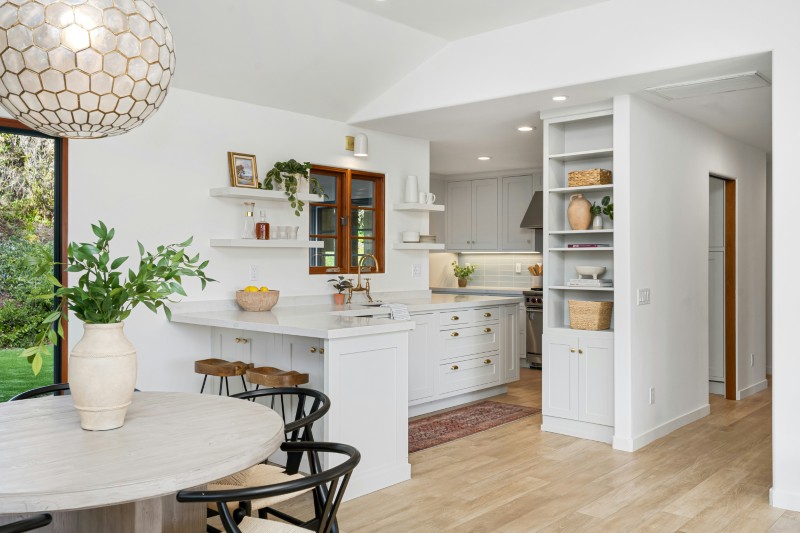
Thoughtful homes use ceiling height strategically. Social spaces may feel taller and airier, while private rooms feel more contained.
The changes feel intentional, not random, and they subtly shape how each space is used.
Doors and openings sized for furniture and flow
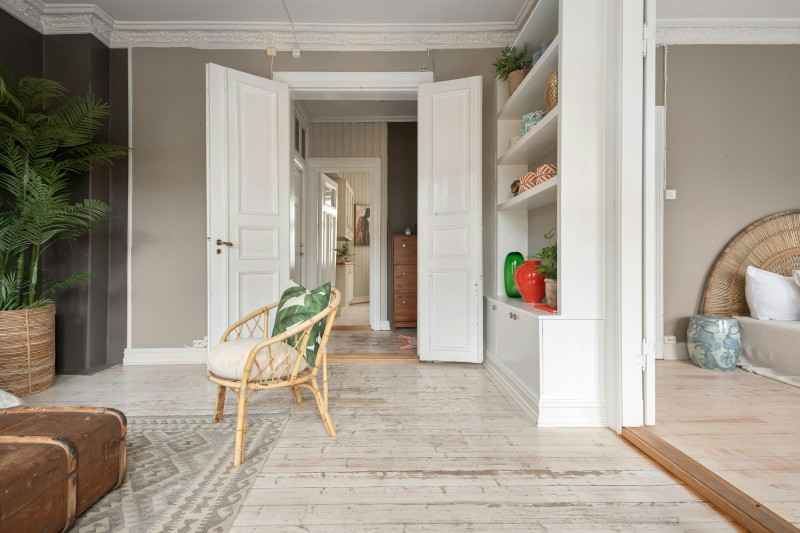
Doors aren’t just code-compliant, they’re practical. They allow large furniture pieces to fit, traffic doesn’t jam, the rooms flow easily from one to the next.
Wide openings and well-scaled doors make daily life easier in ways people don’t always consciously notice.
Fewer materials, repeated with purpose
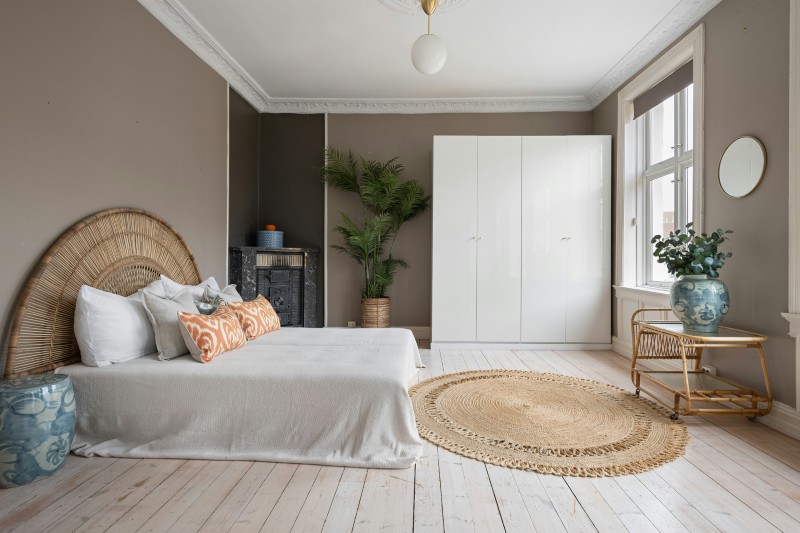
Rather than showcasing everything at once, thoughtfully built homes limit materials and reuse them across spaces.
This creates visual calm and cohesion, making the house feel composed rather than busy. It’s also one of the main reason why older home have an effortless charm to them, combining select elements like wood, brick, and molding across spaces.
Walls designed to hold things
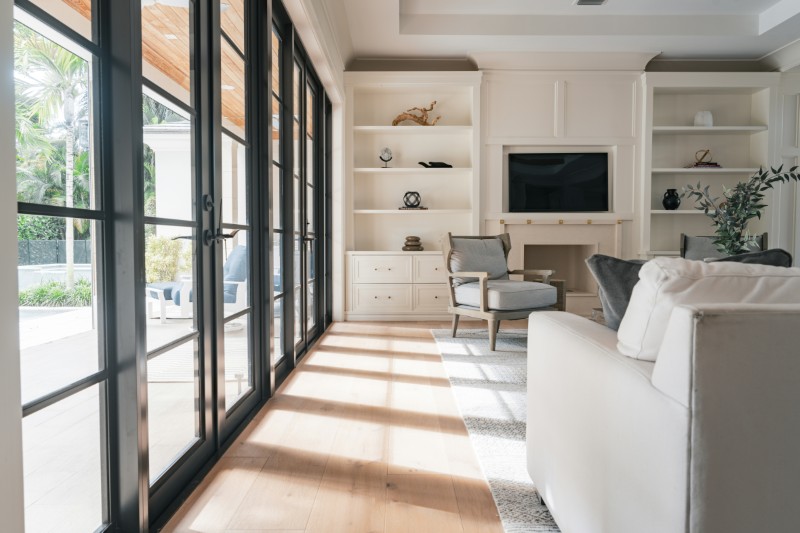
Art, shelving, televisions, and cabinetry all have logical places built into the structure.
You don’t feel like you’re constantly “finding spots” for things — the house anticipates them and has effortlessly integrates them into the design.
Transitions that feel deliberate
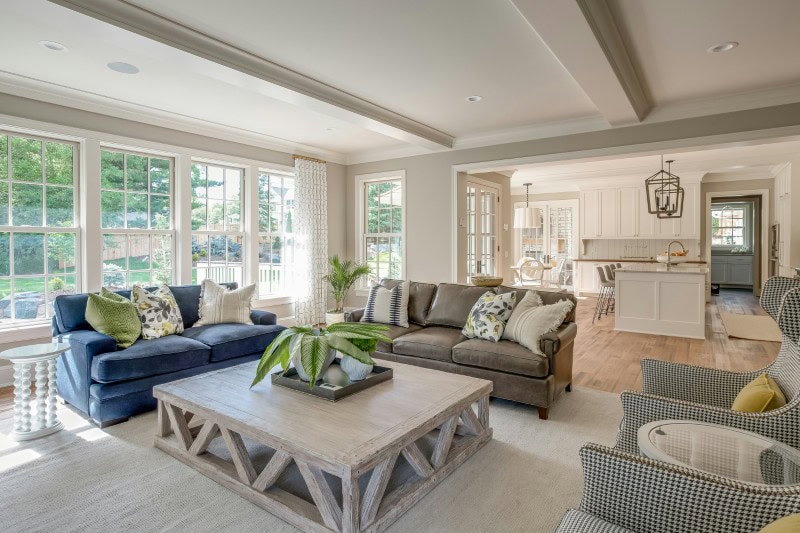
Changes between rooms (things like flooring, ceiling height, light) are subtle and considered.
You can feel when you’re moving from one zone to another without jarring visual shifts. It’s one of those quiet signals that you’re in a “smoothly-operated” zone.
Outdoor spaces that function like rooms
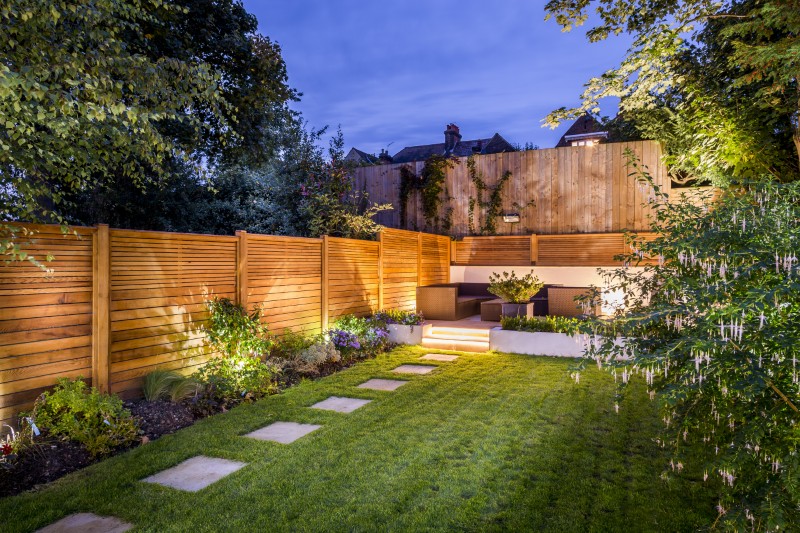
Patios, courtyards, and terraces aren’t afterthoughts. They have proportions, shade, privacy, and access points that make them usable, plus a few accents and design elements that unmistakably communicate that “the owners have put some thought into putting this spaces together”.
They feel like extensions of the house, not leftover yard space.
Infrastructure that allows flexibility over time
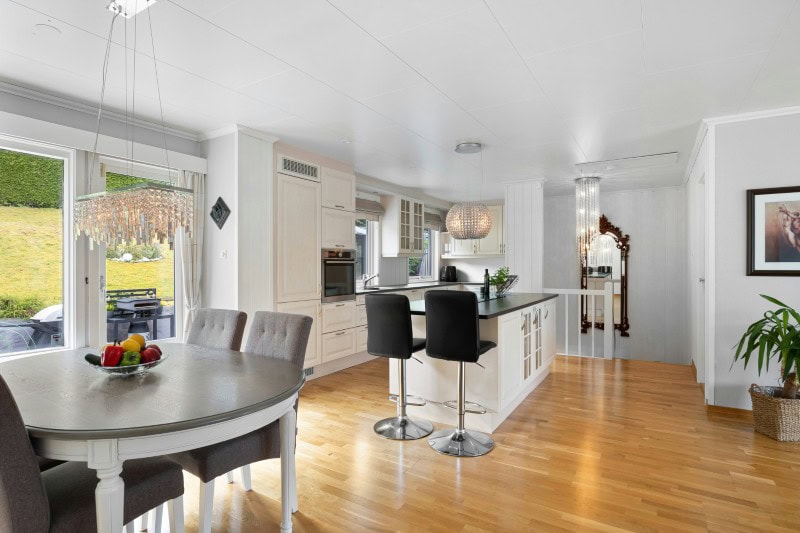
Extra electrical capacity. Accessible plumbing runs. Attic or crawl spaces designed for access.
Thoughtful homes assume the needs of its owners will change over time; or, just as likely, that new owners might move in, with their own requirements and needs — and are quietly prepared for it.
Minimal reliance on furniture to define layout
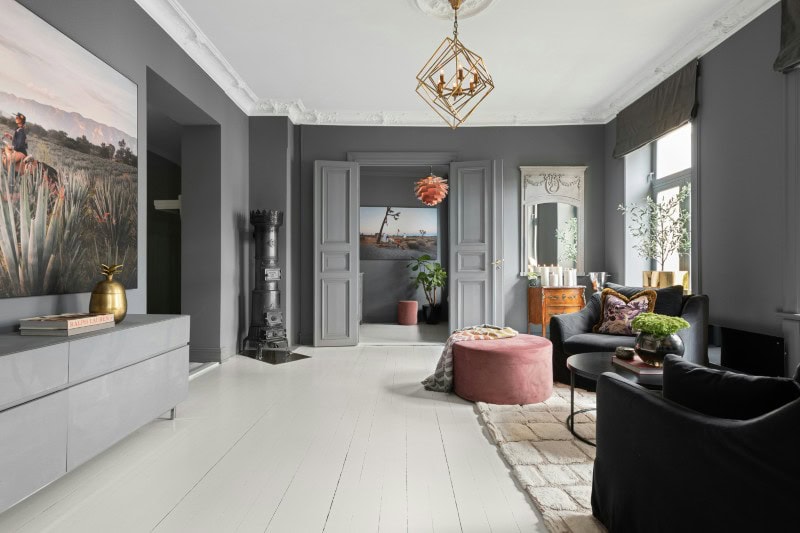
The architecture itself does much of the work to highlight the interiors of thoughtfully built homes. Walls, openings, and proportions establish how spaces function.
Furniture enhances the layout instead of compensating for it.
Quiet problem-solving everywhere
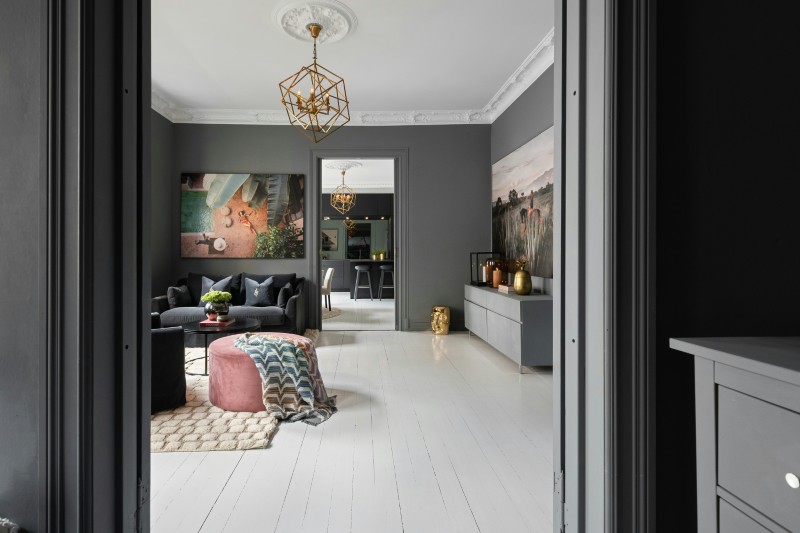
You don’t notice drafts. You don’t hear pipes. Doors don’t slam. Light switches are where you expect them to be.
The house doesn’t demand attention, it supports daily life smoothly, anticipating common and frequent needs and expectations.
A feeling that nothing had to be “worked around”
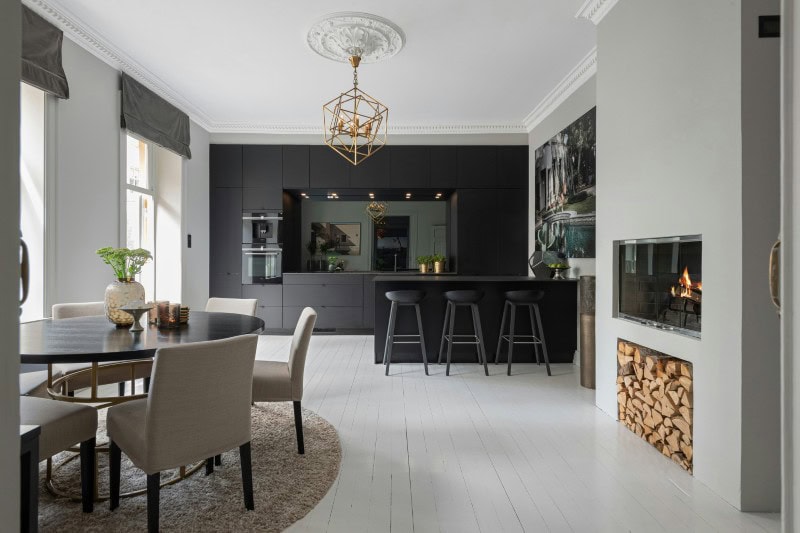
Perhaps the clearest sign of a thoughtfully built home is the absence of compromise.
There’s no sense of “this used to be something else” or “they had to make do.” The house feels resolved — like it was designed exactly as it is. And the end result is to be admired.
More stories
18 things tasteful homes always get right
12 things homes used to be designed around that barely matter now
15 things older homes do much better than new builds
The post 16 Design features that make a house feel thoughtfully built appeared first on Fancy Pants Homes.


 English