


There’s a reason older homes feel different the moment you step inside.
It’s not just nostalgia, and it’s not always about size or location. Many historic homes were built with materials, proportions, and details that have become increasingly rare — elements that weren’t added for trend or resale, but simply because that was how homes were made at the time.
Over the years, those choices have aged in a way that’s hard to replicate. Wood softens, finishes develop patina, and rooms settle into proportions that feel comfortable rather than oversized.
The result is a kind of quiet character that newer homes often try to recreate, but rarely capture completely.
Here are some of the details that give historic homes their enduring appeal.
Plaster walls that soften light instead of reflecting it harshly
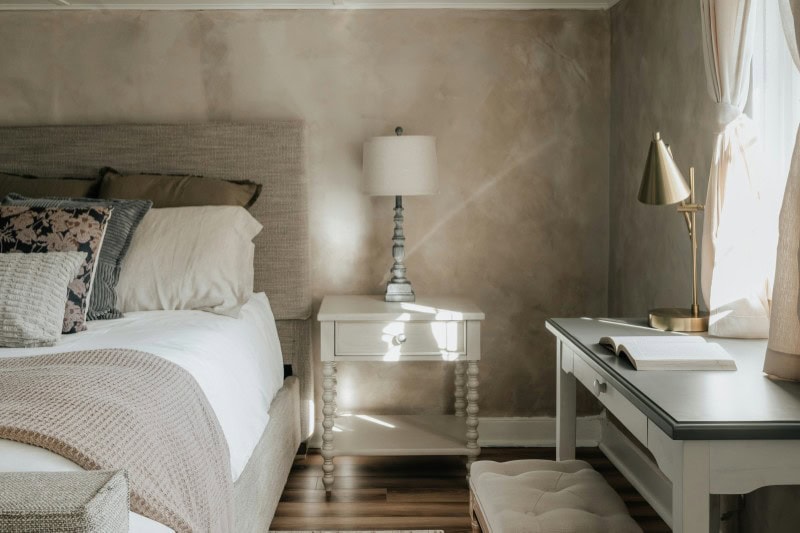
Unlike modern drywall, traditional plaster walls have a subtle texture that gently diffuses light. Instead of bouncing light back sharply, they absorb and scatter it, creating a softer, more atmospheric glow throughout the room.
This quality becomes especially noticeable in the morning and late afternoon, when natural light moves across the walls and reveals slight variations in surface and tone. The room feels warmer without relying on additional decoration or color.
Solid wood doors with weight and presence
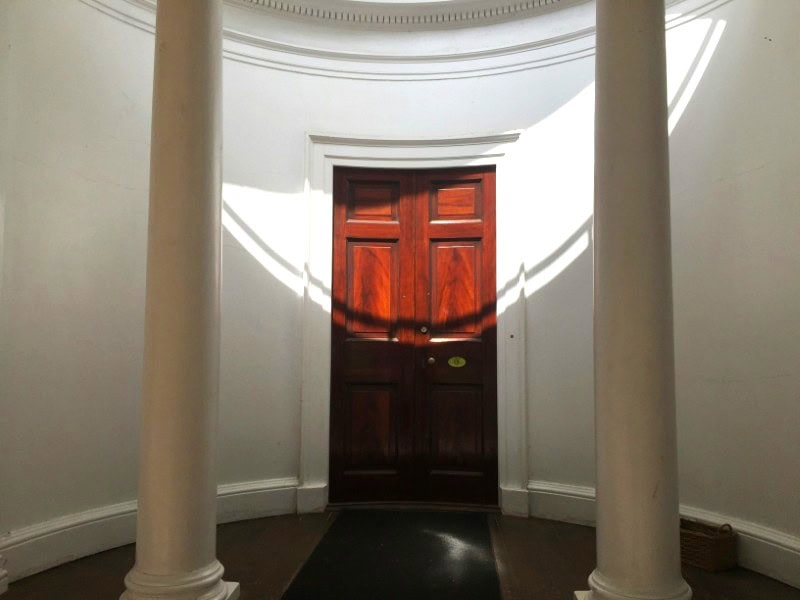
Doors in older homes were often built from solid wood rather than hollow cores. They feel heavier when opened, close with a quieter, more substantial sound, and tend to last for generations.
Over time, the wood develops depth in its color and grain, especially around handles and edges where it has been touched repeatedly. That wear adds character rather than detracting from it.
Hardwood floors that have developed a natural patina
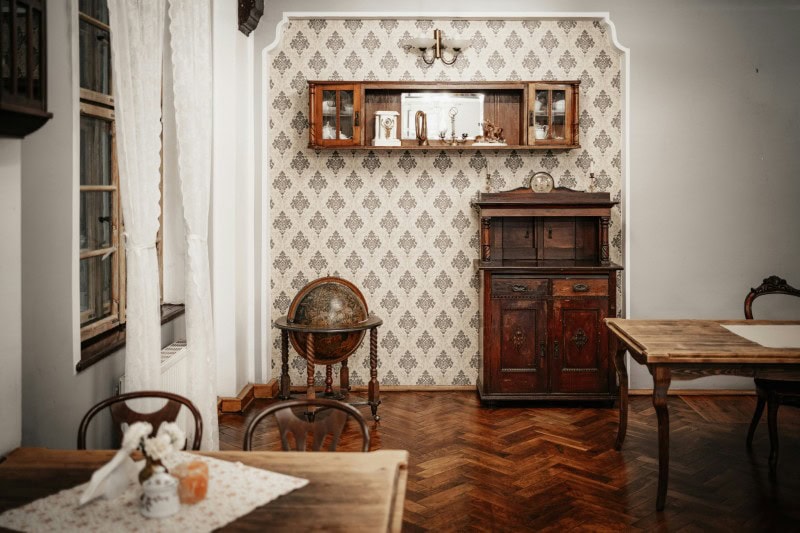
In historic homes, floors often show the passage of time in subtle ways. Slight variations in color, softened edges, and areas of wear create a surface that feels lived in rather than newly installed.
This patina can’t be rushed. It comes from decades of use, sunlight, and movement through the house. Instead of looking imperfect, the floor tells a quiet story about how the home has been used.
Crown molding and trim that add depth to every room
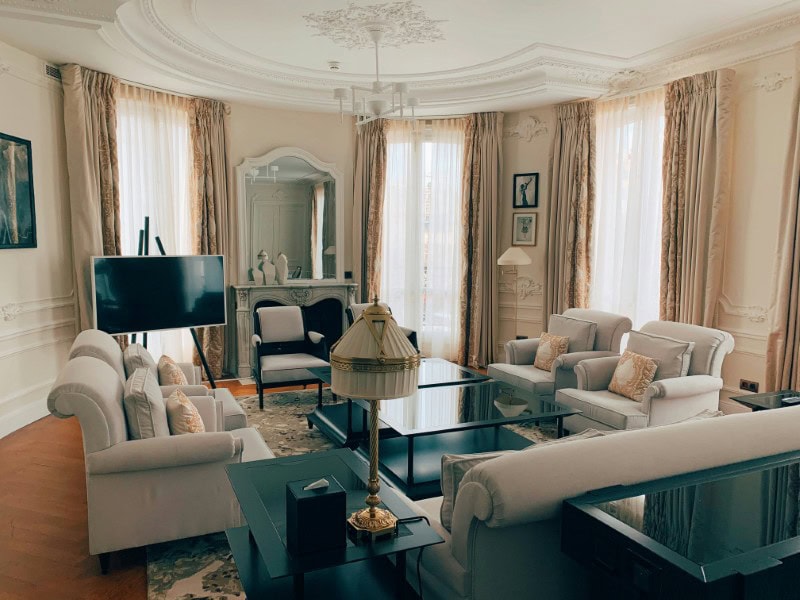
Historic homes often feature layered trim — crown molding, baseboards, and window casings that create subtle transitions between surfaces.
These details add depth to otherwise flat walls and ceilings. Even in simple rooms, they give the architecture a sense of structure and intention.
Because the profiles are often more intricate than modern trim, they catch light in interesting ways throughout the day.
Fireplaces that act as true focal points
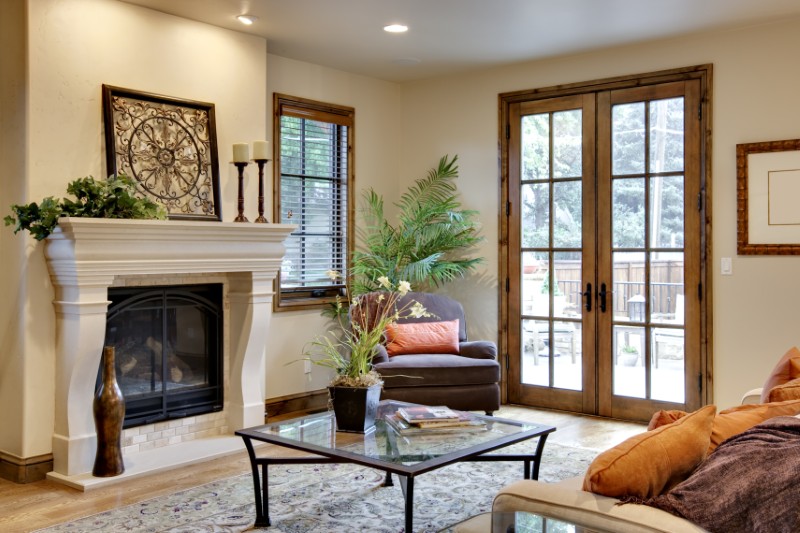
In many historic homes, the fireplace isn’t just functional — it anchors the entire room.
Mantels were often designed with care, using stone, wood, or tile to create a central feature that naturally draws attention. Furniture was arranged around it, making it the heart of the space.
Even when no longer used daily, these fireplaces continue to define the room’s layout and character.
Room proportions designed for comfort rather than scale
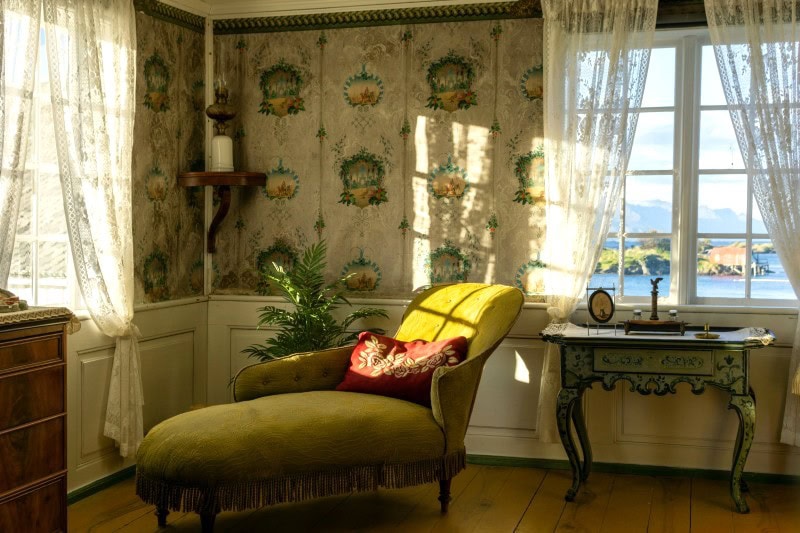
Historic homes often have smaller, more defined rooms compared to modern open-plan layouts.
Rather than feeling cramped, these spaces can feel more comfortable and intentional. Each room has a purpose, and the proportions support that use.
This creates a sense of intimacy that’s harder to achieve in larger, more open spaces.
Staircases with craftsmanship and detail
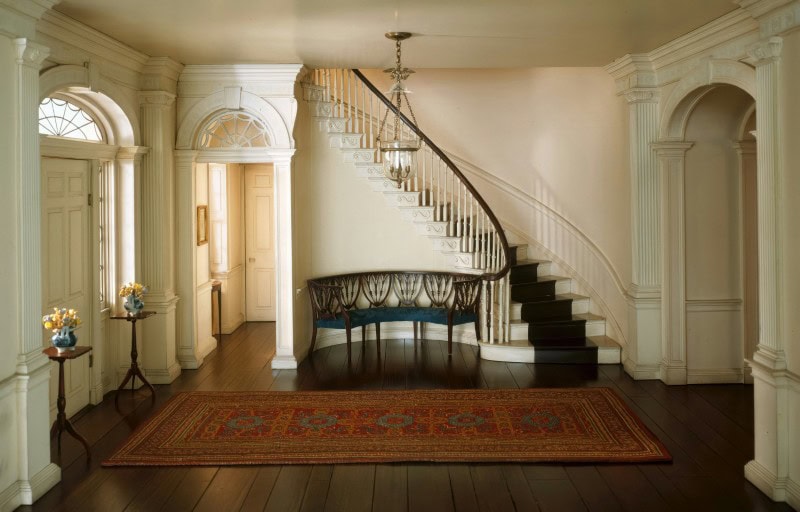
Staircases in older homes were often treated as architectural features rather than purely functional elements.
Hand-carved banisters, detailed newel posts, and carefully shaped balusters create a sense of craftsmanship that’s immediately noticeable.
These staircases often become one of the most memorable parts of the home.
Windows with divided panes and deeper frames
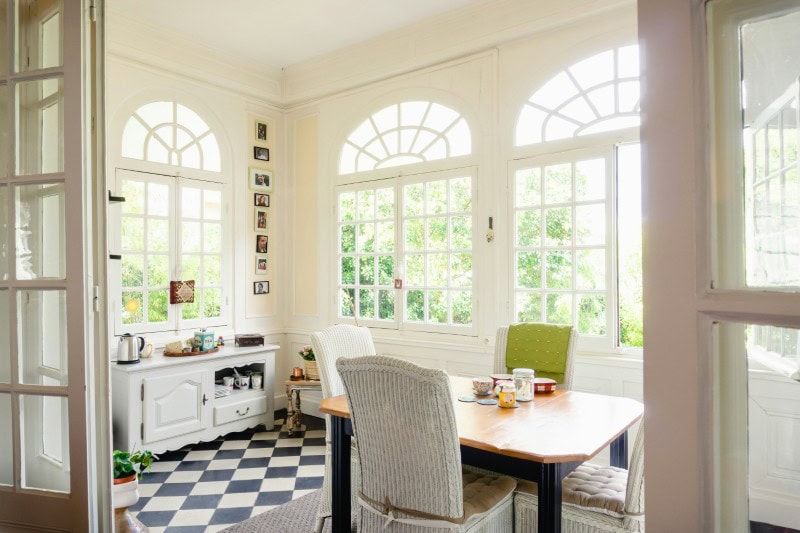
Older windows were often built with multiple smaller panes of glass separated by muntins. While modern windows favor large uninterrupted sheets, these divided panes create rhythm and detail.
The frames themselves are usually deeper, which allows for thicker casings and more pronounced window sills. That depth adds dimension and makes the window feel like part of the architecture rather than just an opening.
Built-in cabinetry that feels part of the house
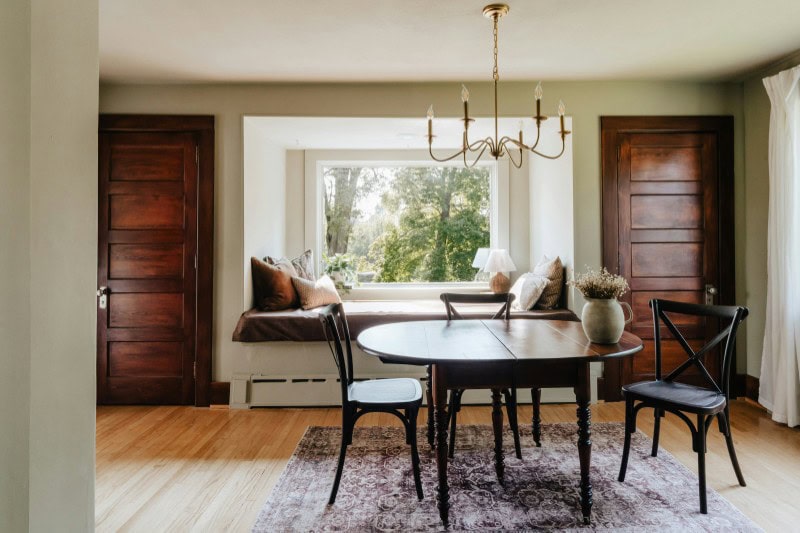
Many historic homes include built-in shelves, cabinets, and benches that were constructed alongside the house itself.
Because they were designed for specific rooms, they fit naturally into the architecture. The proportions feel right, and the materials match the rest of the home.
These features reduce the need for additional furniture while adding character.
Hardware that has aged gracefully over time
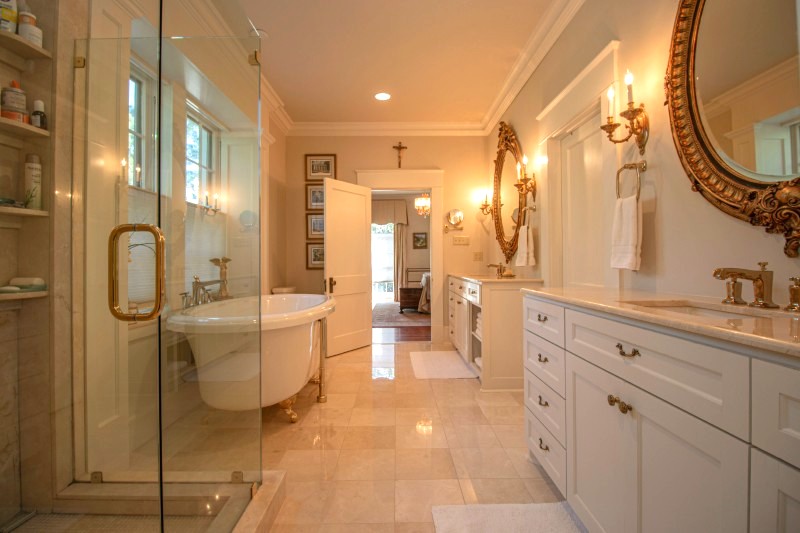
Door handles, hinges, and latches in historic homes were often made from solid metals like brass or iron.
Over time, these materials develop a patina that adds depth and warmth. Slight variations in tone and texture make each piece feel unique.
Unlike modern hardware, which often looks the same for years, these elements evolve with use.
High ceilings paired with human-scale details
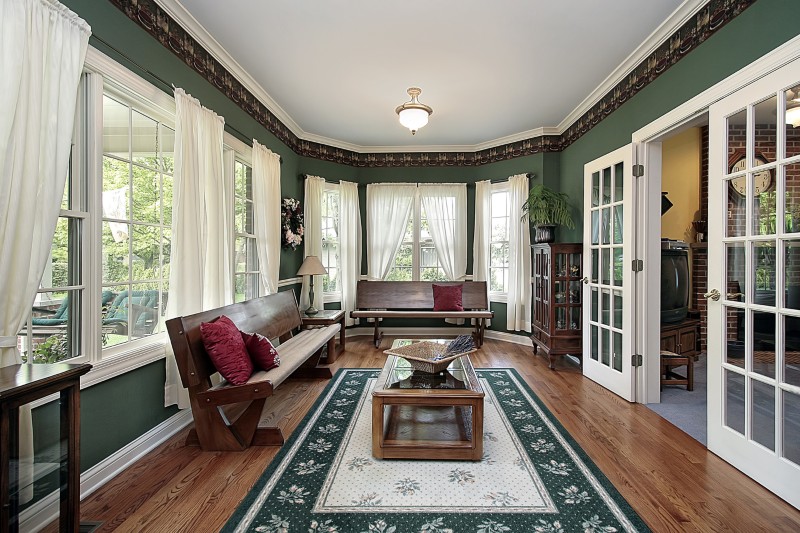
Many historic homes feature higher ceilings, but they balance that height with detailed trim, window casings, and other elements that keep the space feeling grounded.
The combination allows rooms to feel airy without becoming overwhelming.
It’s a balance that can be difficult to achieve in newer construction.
Pocket doors that allow rooms to open or close as needed
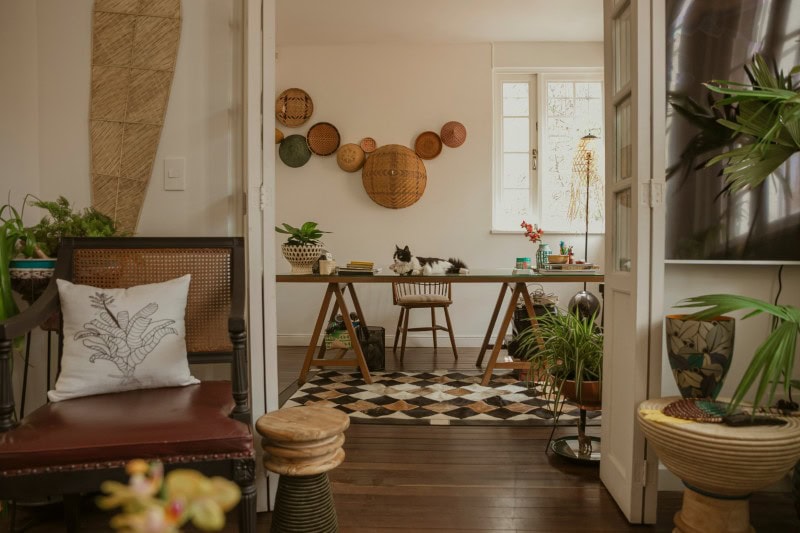
/ Unsplash+
Pocket doors were a practical solution in many historic homes, allowing rooms to be connected or separated depending on the situation.
They slide neatly into the wall, preserving space while adding flexibility to the layout.
Beyond their function, they also introduce a sense of movement and transition between rooms.
Dining rooms that feel distinct and intentional
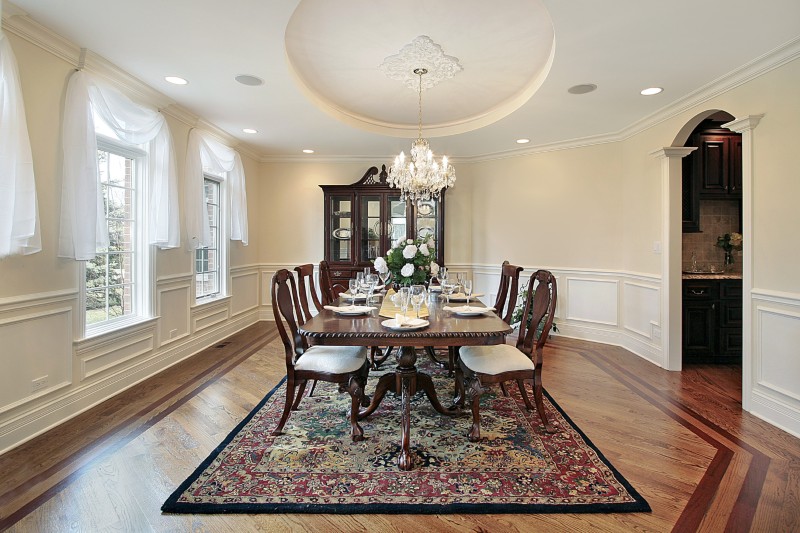
In older homes, dining rooms were often clearly defined spaces rather than extensions of the kitchen.
This separation creates a more intentional setting for meals, whether formal or everyday.
The room often features its own lighting, trim, and proportions, giving it a distinct identity within the house.
Exterior materials that age with character
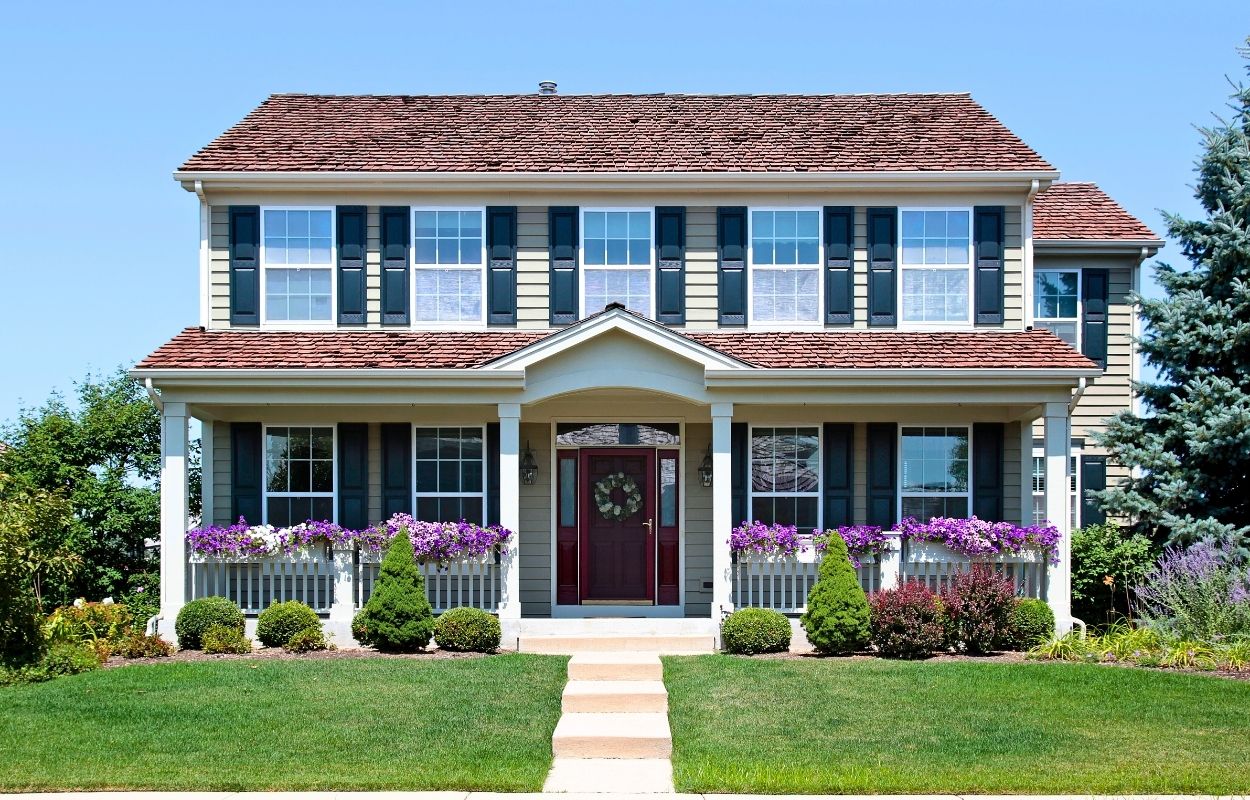
Brick, stone, and wood were commonly used in historic homes, and these materials tend to age gracefully.
Rather than looking worn out, they develop texture and variation over time. Subtle changes in color and surface create a sense of depth that newer materials often lack.
This aging process adds to the home’s overall charm.
Slight imperfections that give the home personality
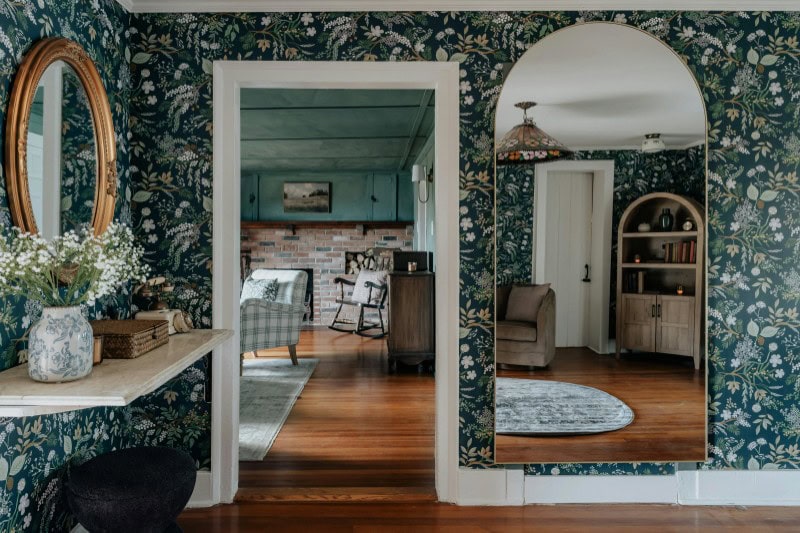
Historic homes often include small irregularities — slightly uneven floors, walls that aren’t perfectly straight, or doors that fit just a bit differently.
These imperfections remind you that the house was built by hand, not mass-produced.
Rather than detracting from the space, they contribute to its personality.
A sense of continuity that builds over time
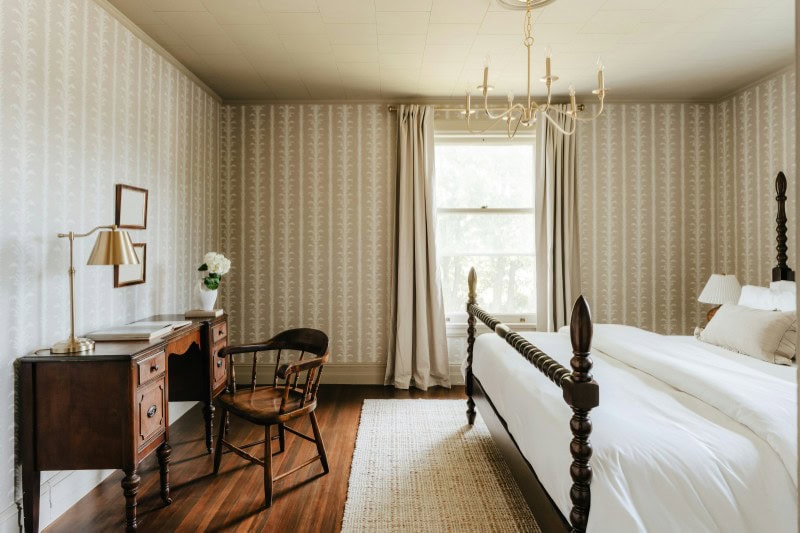
Perhaps the most difficult quality to replicate is the overall sense of continuity in a historic home.
Because materials, proportions, and details were often consistent throughout, the house feels cohesive from room to room. Over time, that consistency deepens, giving the home a presence that feels settled and complete.
In the end, what makes historic homes so appealing isn’t any single feature.
It’s the way all of these details work together — quietly, naturally, and over time — to create spaces that feel warm, grounded, and unmistakably lived in.
More stories
15 ways older homes feel much warmer than new builds
What luxury architecture looked like in every decade since the 1950s
15 renovation choices that actually age beautifully
The post 16 details that give historic homes their unmistakable charm appeared first on Fancy Pants Homes.

 English