


Home renovation trends move quickly. What feels fresh, bold, and modern one year can start to feel tired (or outright dated) only a few seasons later. Designers see it all the time: brand-new spaces that already look like they belong to a specific era rather than feeling timeless.
The problem usually isn’t renovation itself. It’s when choices are made to chase what’s popular online instead of what holds up in real life, both visually and functionally.
Certain finishes, layouts, and design moments photograph beautifully but don’t wear well with time, changing tastes, or everyday living.
Here are 16 trendy renovations that tend to age badly — and quickly — according to designers.
Ultra-gray everything (floors, walls, cabinets, and tile)
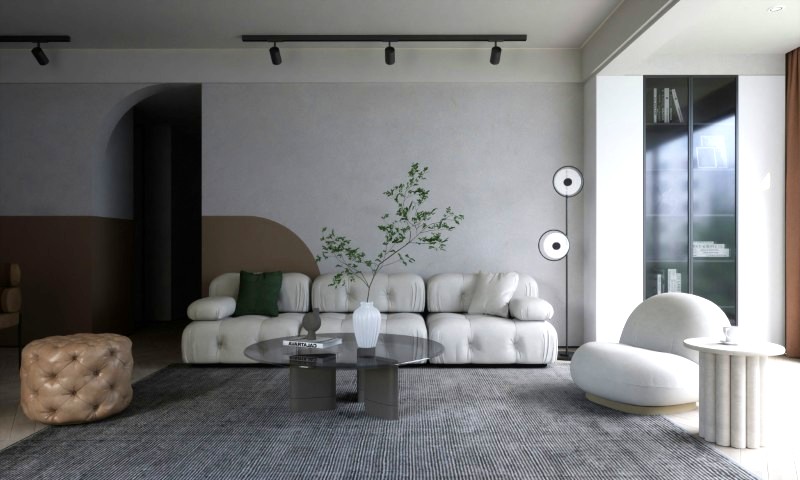
The gray era took over homes fast: gray wood floors, gray walls, gray cabinets, gray marble-look tile, you’d see it everywhere you looked. At first it felt modern and clean. Over time, it began to feel cold, flat, and unmistakably tied to a specific design moment.
Designers now see fully gray homes as one of the quickest ways a renovation can date itself.
The lack of warmth makes spaces feel sterile, and buyers increasingly associate heavy gray palettes with rushed flip-era renovations.
All-white kitchens with no contrast or texture
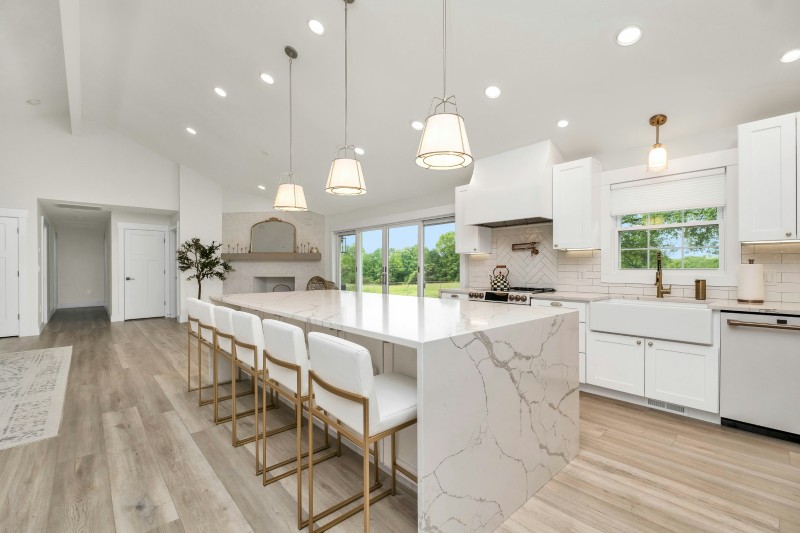
White kitchens can be timeless — but only when layered with warmth, depth, and natural materials. The trend of flat white cabinets, white counters, white backsplash, and white walls often ends up feeling clinical rather than classic.
Without contrast, the space lacks dimension. Over time, it reads less like “luxury” and more like a showroom that never quite became a home.
Open shelving everywhere in kitchens
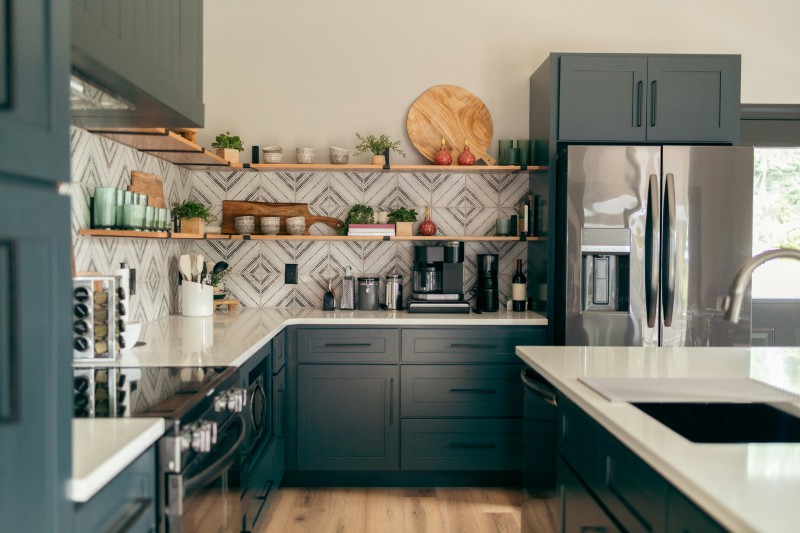
Open shelving exploded because it looks great in styled photos. In real life, it collects grease, dust, and visual clutter fast.
Designers increasingly view all-open shelving kitchens as a trend that burns bright and fades quickly. The lack of storage practicality and the constant need for perfect styling makes it feel dated and exhausting over time.
Barn doors used as standard interior doors
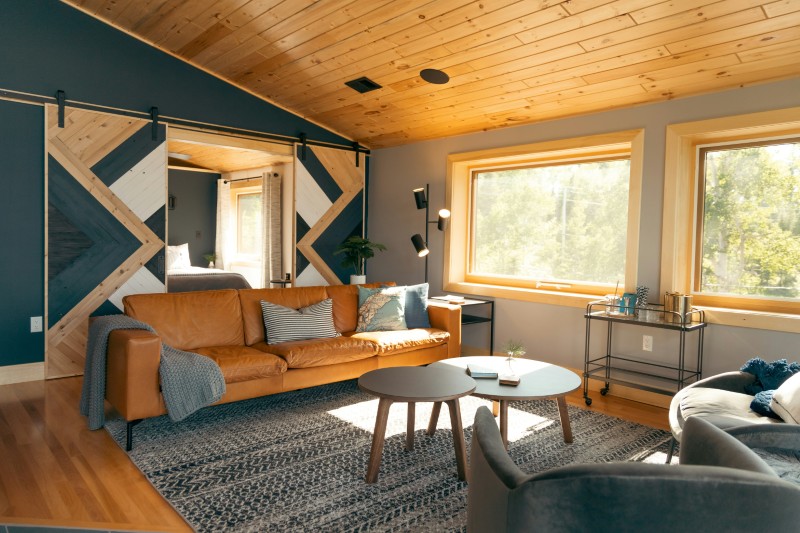
Barn doors were once a farmhouse-chic statement. Now they immediately timestamp a renovation to the late 2010s.
Beyond aesthetics, they often perform poorly — allowing sound, light, and privacy to leak through. Designers see them as one of the fastest-aging design swaps of the last decade.
Shiplap on every possible surface
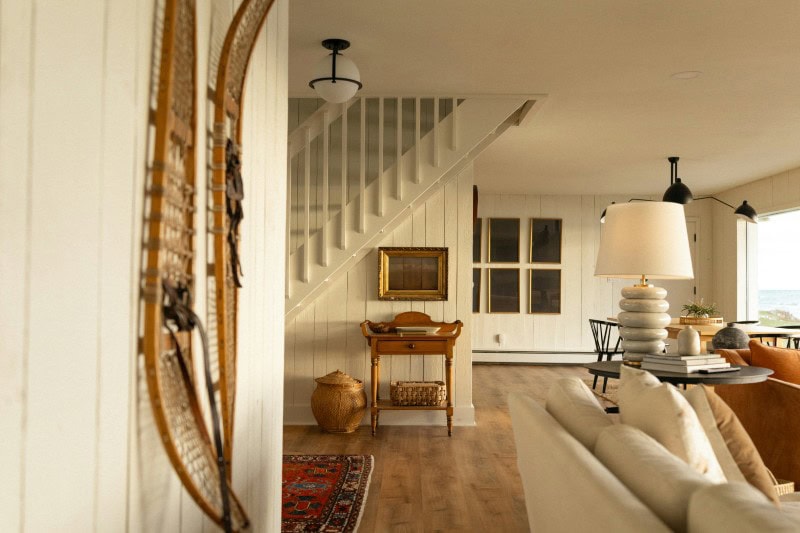
A little shiplap can be charming. Shiplap everywhere quickly feels theme-y.
When walls, ceilings, fireplaces, and hallways are all wrapped in it, the home becomes locked into a very specific trend moment that doesn’t age gracefully.
Statement tile that overwhelms the room
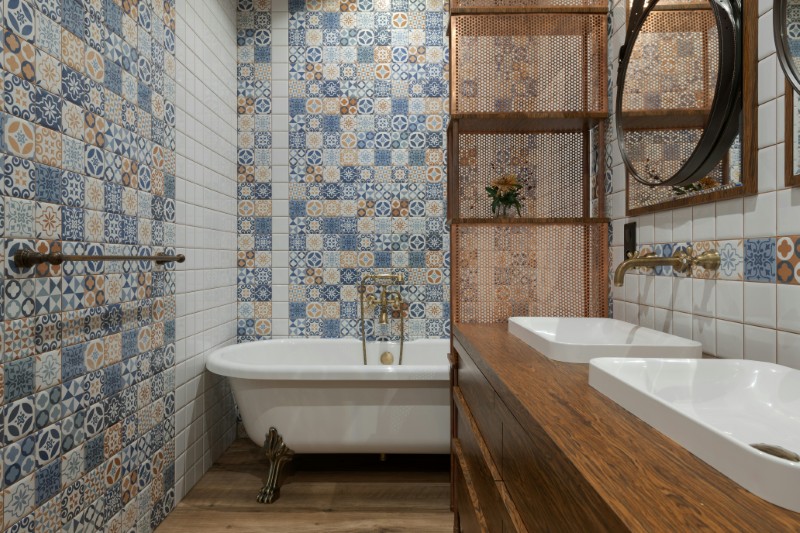
Bold patterned tile floors, loud backsplashes, and busy shower walls often feel exciting at first.
But high-contrast, highly graphic tile tends to fatigue the eye quickly. What once felt “wow” can feel chaotic or outdated in just a few years — especially when paired with other trendy finishes.
Floating vanities with no storage plan
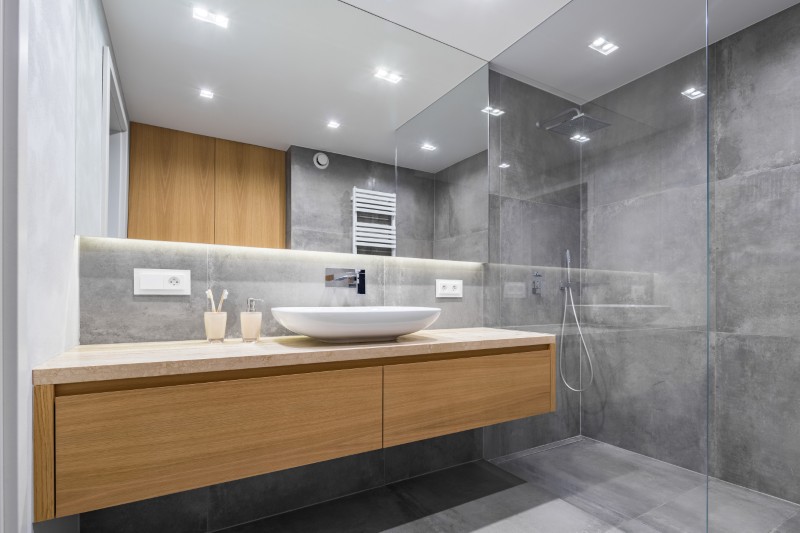
Wall-mounted vanities look sleek and modern — until everyday life sets in, making you regret adding the stylish feature.
Without drawers and cabinets to handle real storage needs, bathrooms quickly feel cluttered. The style ages fast because function was sacrificed for a minimalist look.
Faux-marble everything
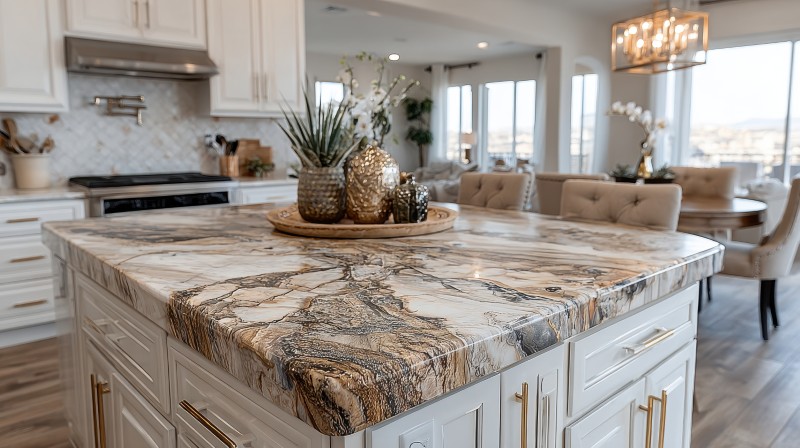
Marble-inspired porcelain and laminate surfaces became wildly popular for being affordable and dramatic.
But when used everywhere — counters, floors, shower walls, backsplashes — they tend to look repetitive and artificial over time. Designers now see overuse as one of the quickest ways a renovation feels dated.
Accent walls that rely on bold paint colors alone
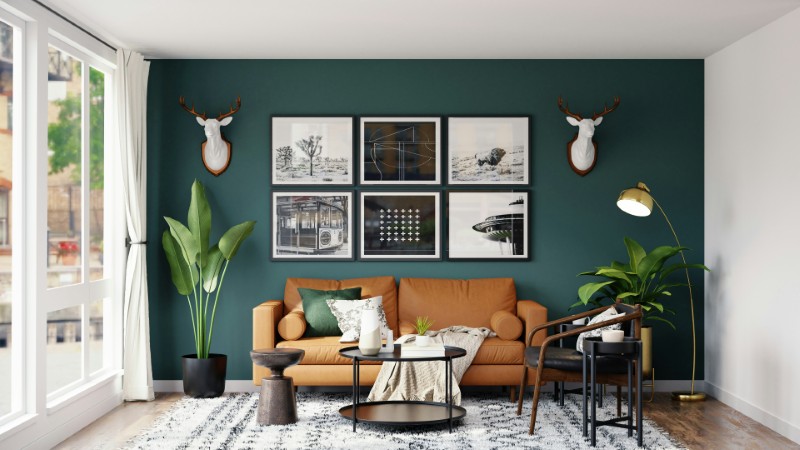
Deep navy, emerald green, or charcoal accent walls had their moment, especially behind beds or TVs.
While not inherently bad, many end up feeling trendy rather than timeless when not supported by architectural detail or material variation.
Overly industrial finishes in residential spaces
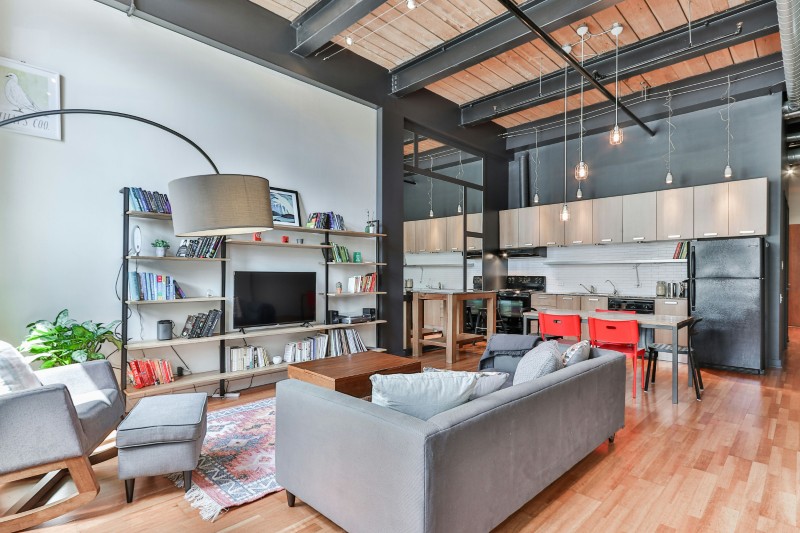
Exposed ductwork, concrete floors, black steel everything, and warehouse lighting can feel edgy — but often age quickly in family homes.
What once felt urban and cool can start feeling cold, dark, and impractical for daily life.
Ultra-gloss cabinets and high-shine finishes
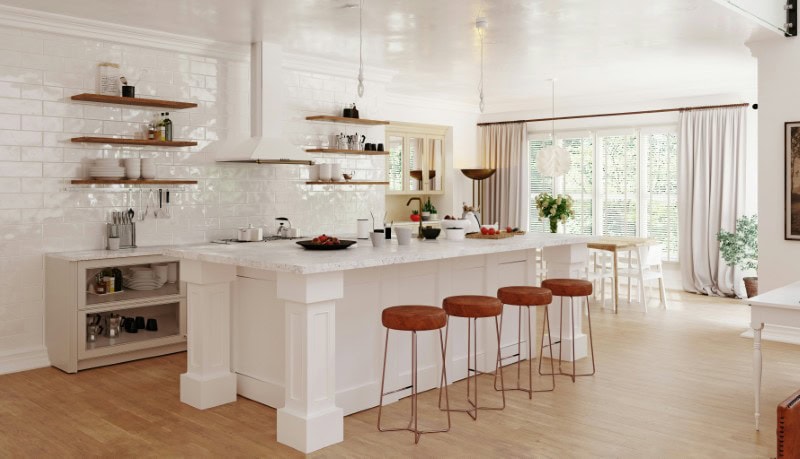
High-gloss lacquered kitchens and reflective surfaces were meant to feel futuristic.
In reality, they show fingerprints constantly and tend to fall out of favor as tastes shift toward warmer, softer materials.
Huge single-room open concepts with no zones
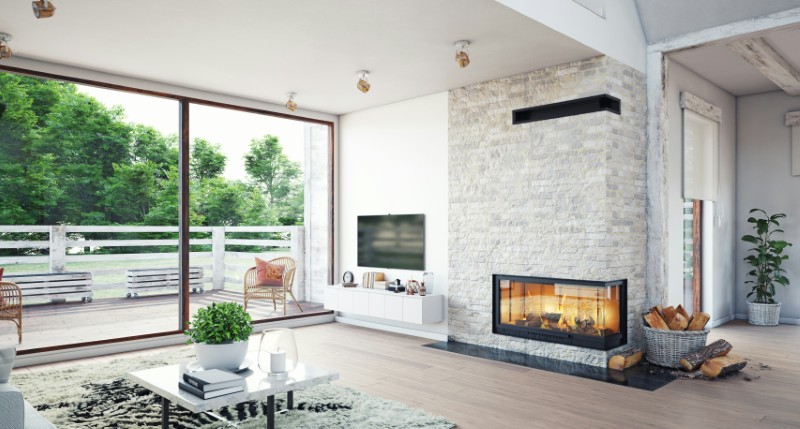
Knocking down every wall was once the ultimate upgrade.
Designers now see many fully open layouts as aging poorly because they lack acoustic separation, privacy, and defined spaces for real living.
Trend-driven lighting fixtures used everywhere
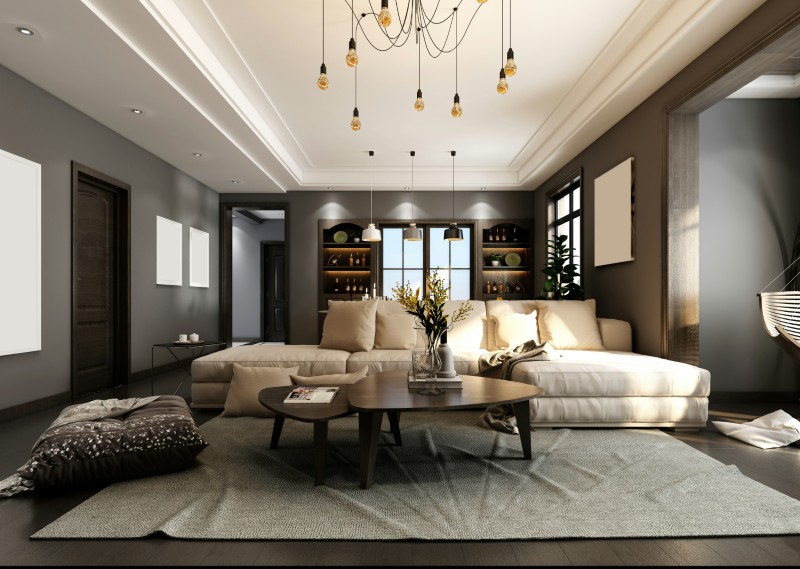
Sputnik chandeliers, cage pendants, and geometric statement lights were once everywhere at once.
When the same trendy fixture style appears in every room, the renovation becomes instantly dated to that design cycle.
Dark grout paired with light tile
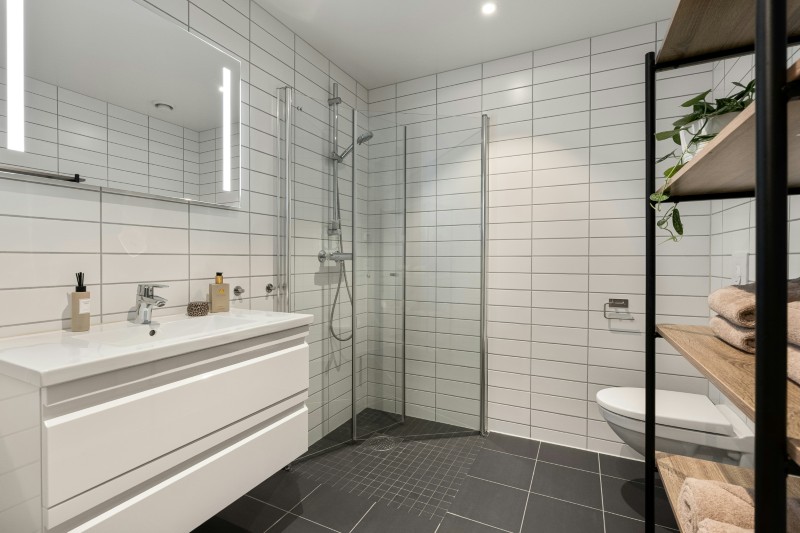
The high-contrast grout trend made tile patterns pop dramatically.
Over time, it often looks harsh and busy — and can visually break up surfaces in ways that feel dated rather than crisp.
Overly themed renovations
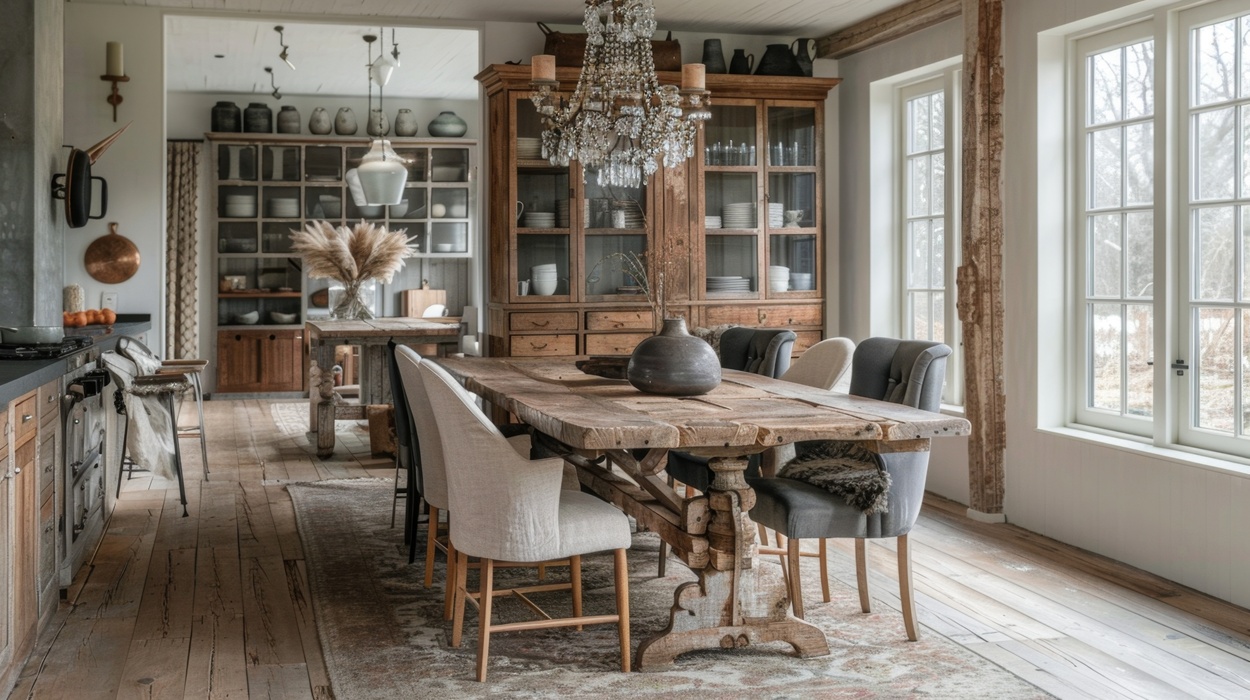
Farmhouse everything. Industrial loft everything. Coastal everything.
When an entire renovation commits hard to one trend aesthetic, it tends to age far faster than layered, flexible design choices.
Renovations that chase Instagram over real life
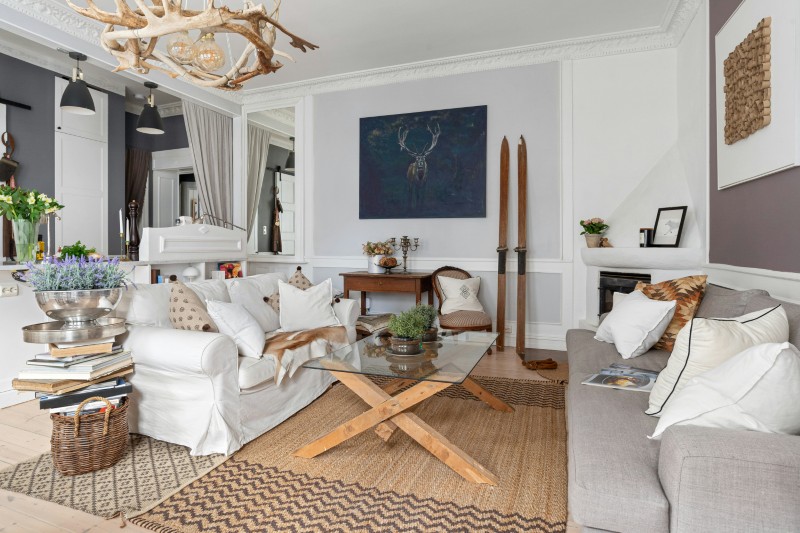
Perhaps the biggest aging factor of all is designing for photos instead of function — choosing looks that impress in a square image but don’t live well day to day.
When comfort, storage, durability, and flow are sacrificed for visual drama, the renovation almost always feels dated faster.
More stories
18 Things designers would change first in a builder-grade house
Old-school luxury design features we’d love to see making a comeback
19 Five-figure-looking home upgrades that actually cost under $500
The post 16 trendy renovations that age badly fast appeared first on Fancy Pants Homes.

 English