


Some homes immediately feel considered.
Not necessarily bigger or more expensive, just more intentional. The proportions feel right. The details line up. Nothing looks like it came straight out of a standard package.
That “custom” feeling usually isn’t about one dramatic renovation. More often, it comes from a series of smaller upgrades that quietly change how the home is perceived.
The good news is that many of those upgrades don’t require tearing down walls or starting from scratch. With the right adjustments, even a builder-grade home can start to feel far more tailored.
Here are some of the most effective ways designers create that custom look without remodeling.
Raising curtain rods closer to the ceiling to change the room’s proportions
One of the quickest ways to shift how a room feels is by adjusting where curtains are hung.
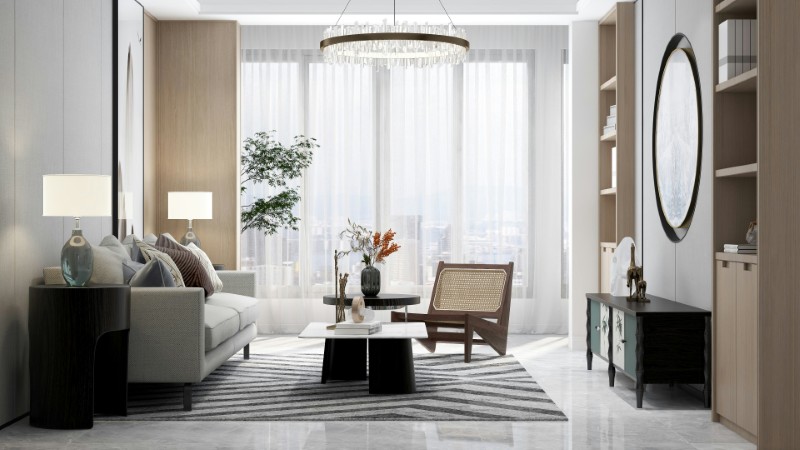
In many homes, rods are installed just above the window frame, which visually shortens the wall.
Designers often move them much higher — sometimes just a few inches below the ceiling — and use longer panels that reach the floor.
This simple change draws the eye upward and makes ceilings feel taller, giving the room a more architectural presence without altering the structure itself.
Swapping standard light fixtures for something with character
Builder-grade lighting tends to be neutral and forgettable.
Replacing a basic fixture with something more sculptural or thoughtfully designed can instantly change how a room reads. Even a single pendant or chandelier can act as a focal point.
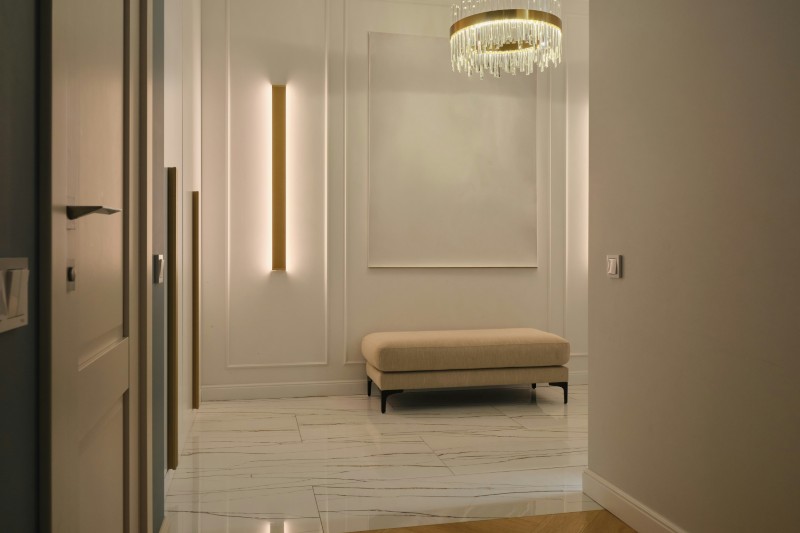
The key is choosing something that feels proportional to the space rather than oversized or purely decorative.
Upgrading interior paint with more nuanced, layered tones
Flat, generic paint colors can make a home feel one-dimensional.
Designers often choose more nuanced tones — warm whites, soft greiges, or muted earth colors — that shift subtly throughout the day as light changes.
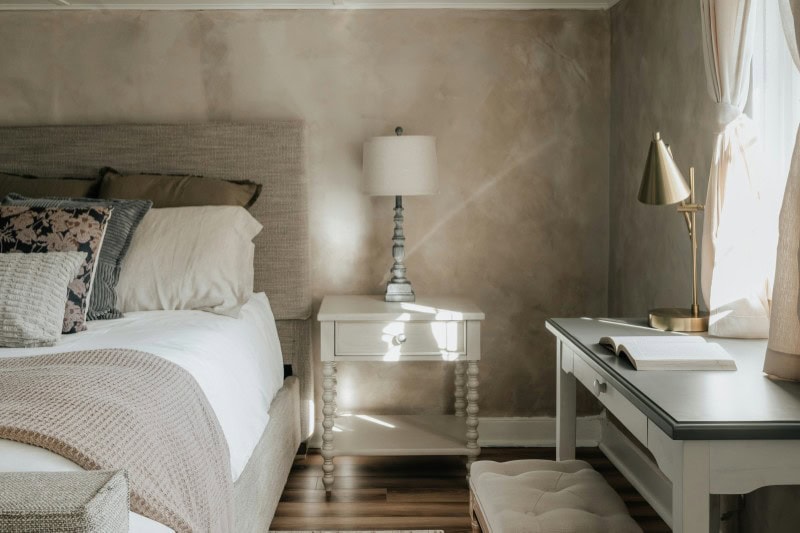
These colors add depth without overwhelming the space, making walls feel more considered and less like a default choice.
Adding simple wall paneling or trim to create depth
Plain drywall can sometimes feel unfinished, especially in larger rooms.
Adding simple panel molding or wainscoting introduces shadow lines and texture, which gives walls more presence. Even basic trim patterns can make a space feel more architectural.
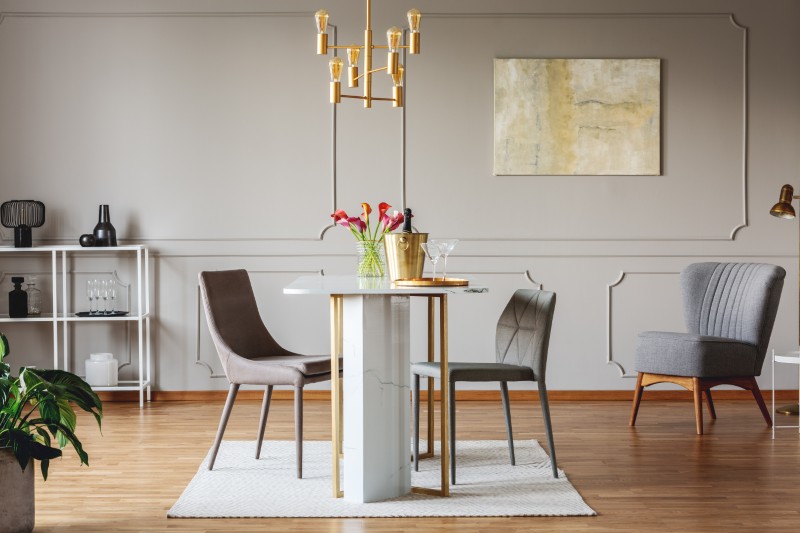
This is one of the most effective ways to elevate a room without major construction.
Replacing basic cabinet hardware with something more substantial
Cabinet hardware is one of the most frequently touched elements in a home.
Standard knobs and pulls are often lightweight and generic. Swapping them for heavier, better-designed pieces — in finishes like aged brass or matte black — adds a sense of quality.
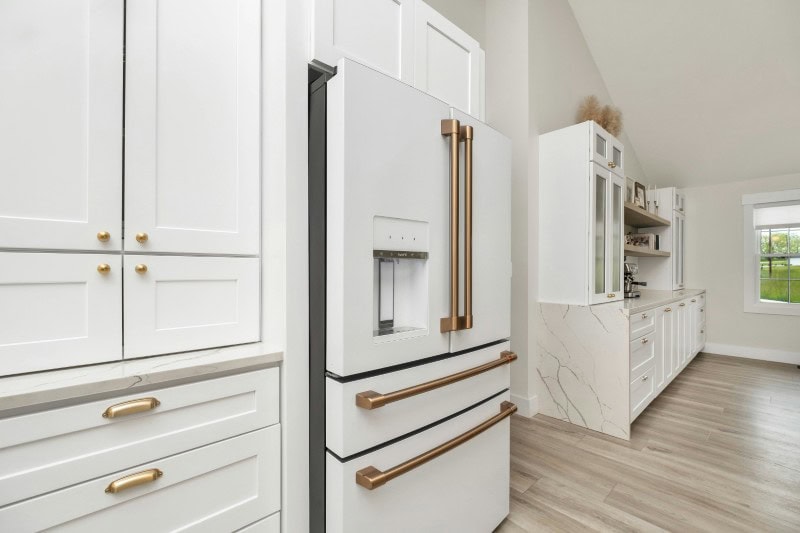
It’s a small detail, but one that’s noticed daily.
Using larger rugs that properly anchor the room
Rugs that are too small can make a room feel disconnected.
Designers typically choose larger rugs that allow furniture to sit partially or fully on top. This anchors the layout and makes the room feel more cohesive.
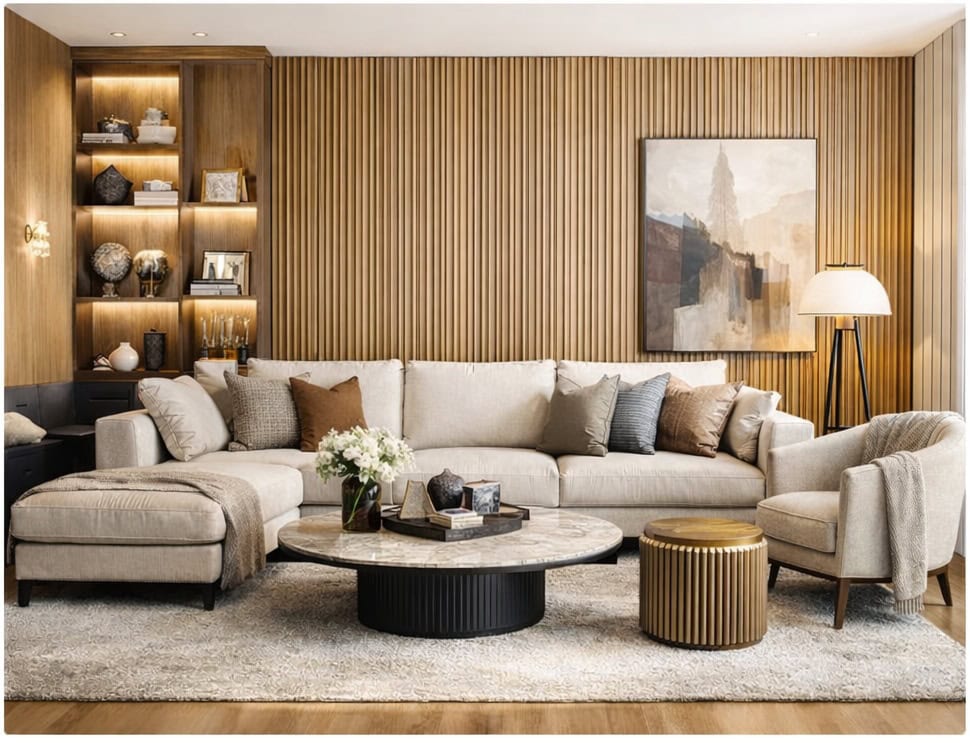
It’s less about the rug itself and more about how it defines the space.
Layering lighting to create a softer, more flexible atmosphere
Relying on a single overhead light can make a room feel flat.
Adding layers — table lamps, floor lamps, and accent lighting — creates depth and allows the mood of the room to shift throughout the day.
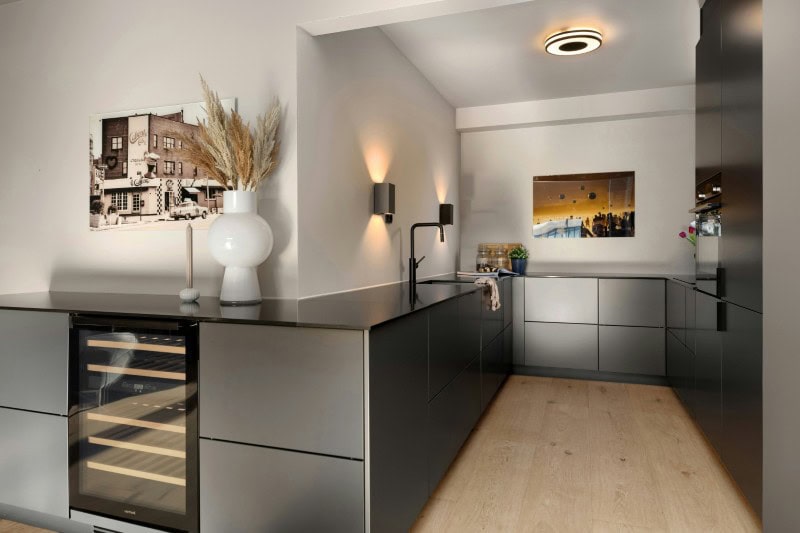
The space feels more comfortable and intentional as a result.
Introducing one standout piece that defines the room
Custom homes often include a few memorable pieces that anchor the design.
Instead of filling a room with similar furniture, designers will choose one standout item (like a sculptural chair, a distinctive table, or a piece of art) that gives the room identity.
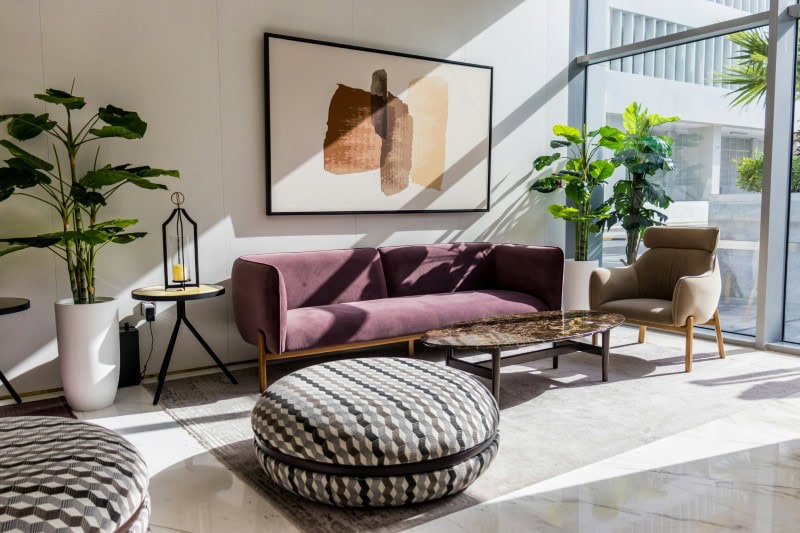
Everything else supports that focal point.
Upgrading doors with paint or subtle detailing
Interior doors are often overlooked, but they make up a large portion of what you see in a home.
Painting doors in a slightly different tone than the walls or adding simple trim detail can give them more presence. Even upgrading hinges or handles can help.
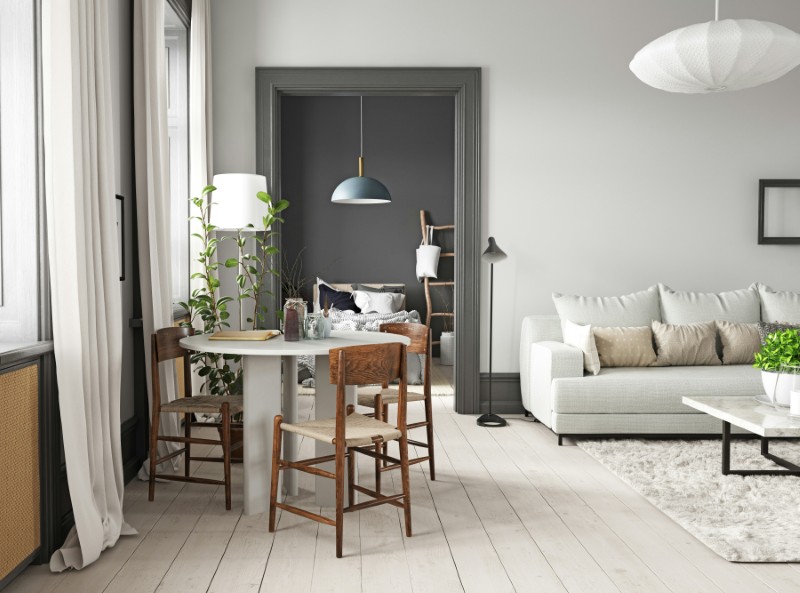
These small changes make doors feel like part of the design rather than an afterthought.
Using mirrors to reflect light and extend sightlines
Well-placed mirrors can make a room feel larger and brighter.
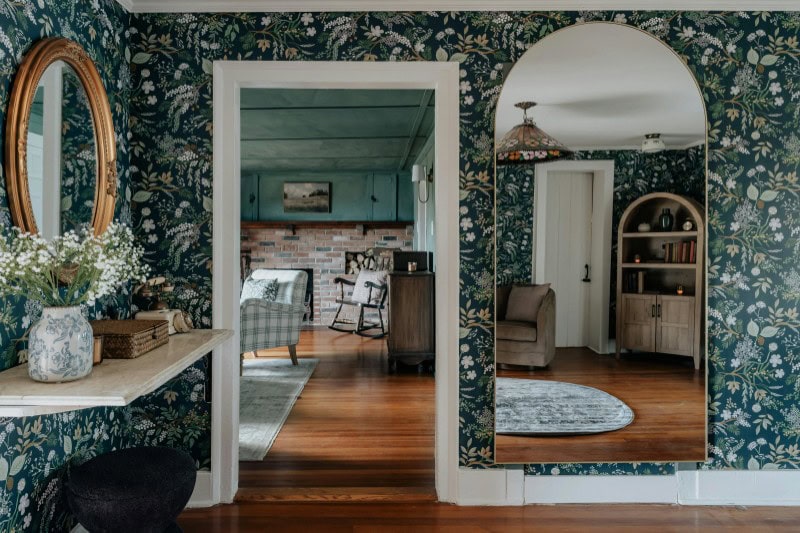
Designers often position them opposite windows or along sightlines so they reflect light deeper into the space. The effect is subtle but powerful.
It adds dimension without adding clutter.
Creating more intentional entry moments
Custom homes tend to have clear, welcoming entry points.
Even in smaller spaces, designers create a sense of arrival with a console table, mirror, and a few well-chosen objects. This gives the home structure from the moment you walk in.
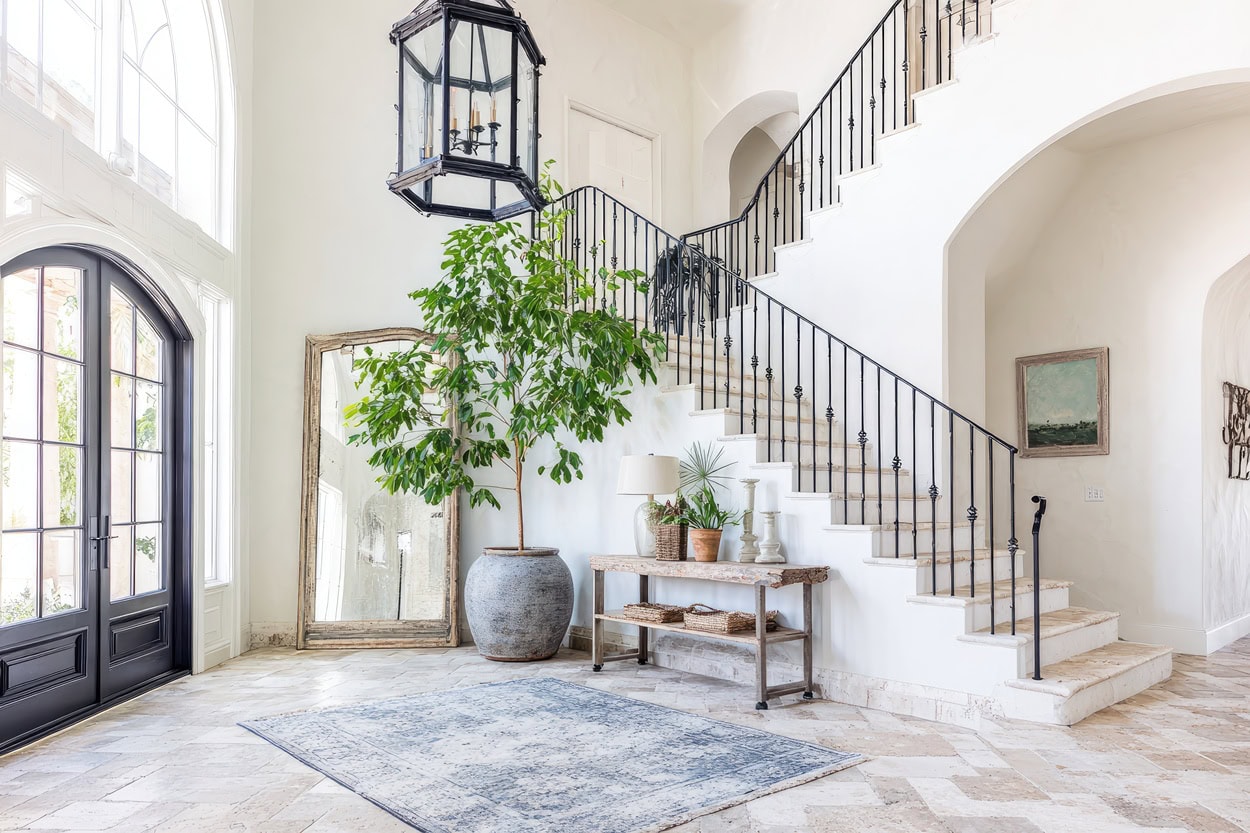
It’s a small gesture that sets the tone.
Swapping out builder-grade faucets and fixtures
Faucets and plumbing fixtures are often standard in new homes.
Upgrading to more refined designs can make kitchens and bathrooms feel more polished. Finishes like brushed brass or stainless steel add subtle contrast.
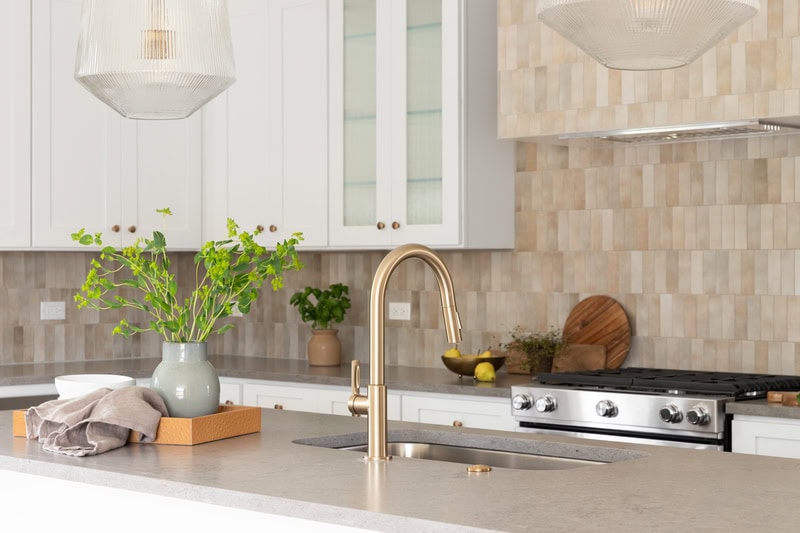
These elements are used constantly, so the upgrade has a noticeable impact.
Styling shelves with fewer, more intentional objects
Open shelves can easily become cluttered.
Designers approach them with restraint, using fewer objects and leaving space between them. This allows each item to stand out.
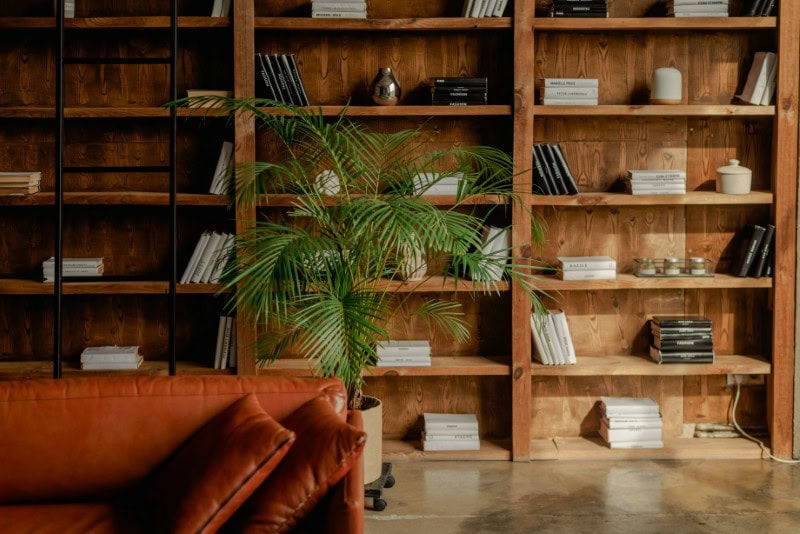
The shelves feel curated rather than crowded.
Adding plants to bring life into the space
Natural elements add movement and softness to a room.
A well-placed plant can fill an empty corner or balance a composition without adding visual weight. It introduces color and texture in a subtle way.
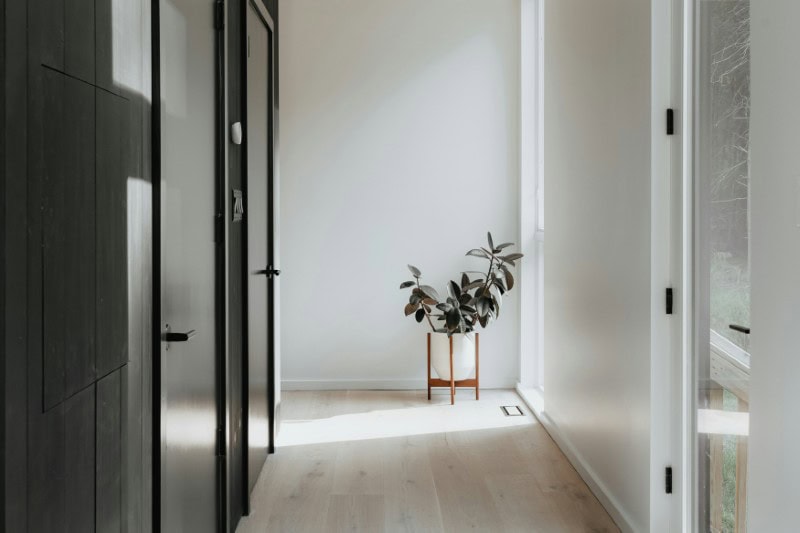
Even a single plant can shift the feel of a space.
Using consistent finishes throughout the home
Custom homes often feel cohesive because materials and finishes repeat.
Carrying similar metals, woods, or colors from room to room creates continuity. It doesn’t have to be exact — just related enough to feel intentional.
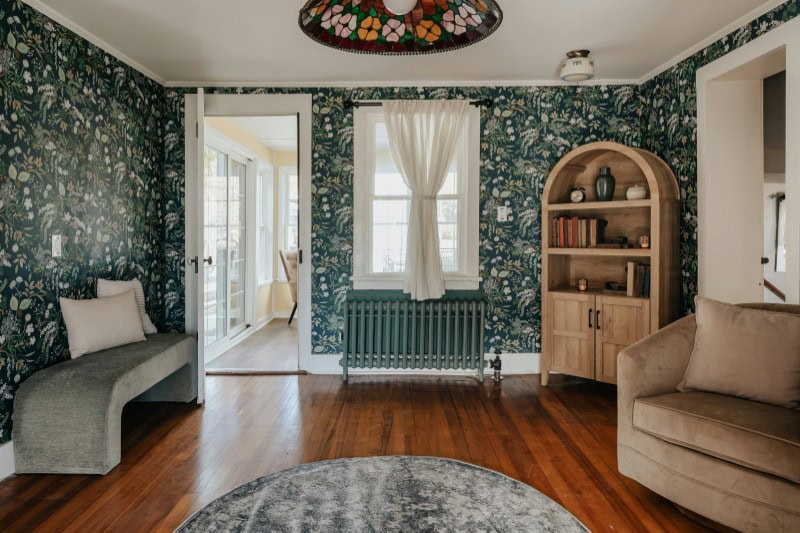
This helps the home feel connected rather than pieced together.
Adjusting furniture layouts to improve flow
Sometimes the difference between a generic room and a custom-feeling one comes down to arrangement.
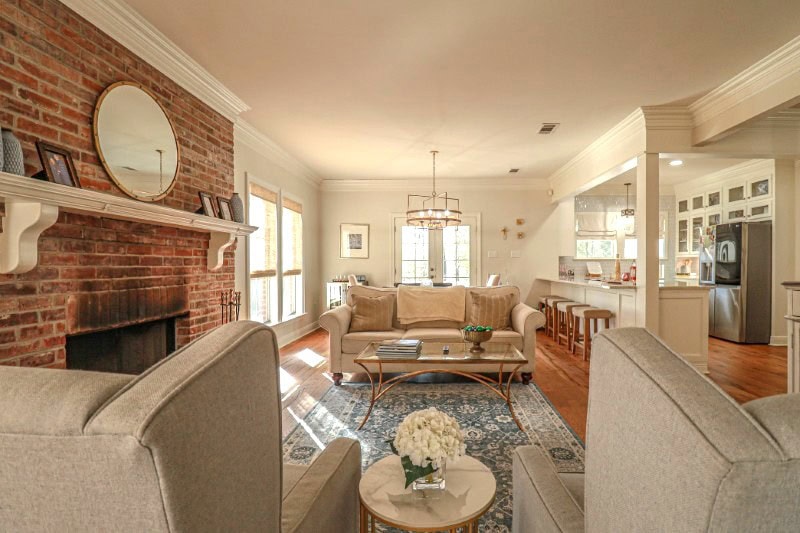
Designers pay attention to how people move through the space, creating clear pathways and grouping furniture in ways that feel natural.
A simple layout change can make the room feel more functional and refined.
Removing what doesn’t contribute to the overall feel
Perhaps the most important step is editing.
Custom homes rarely feel crowded. Designers often remove items that don’t add value to the space, allowing the remaining elements to stand out.
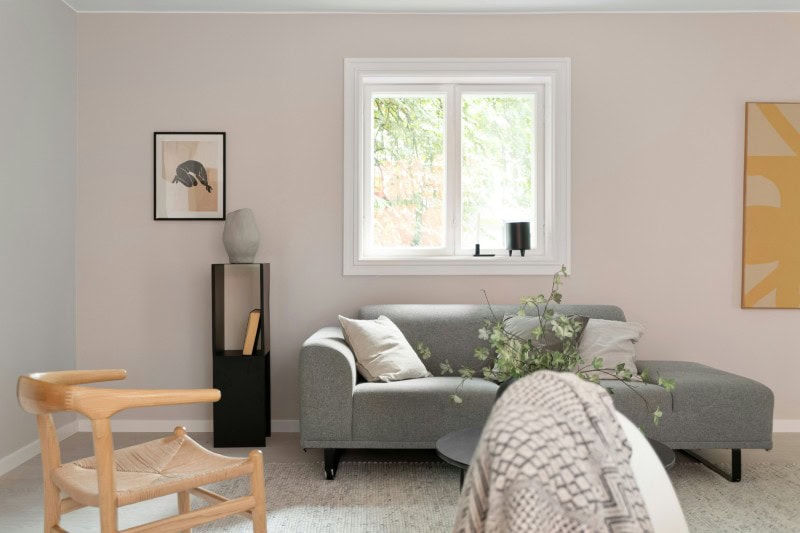
The result is a home that feels intentional rather than overfilled.
More stories
19 Five-figure-looking home upgrades that actually cost under $500
20 design mistakes that instantly make a home feel cheaper than it is
8 design choices that separate custom homes from very good renovations
The post 17 upgrades that make a home look custom without remodeling appeared first on Fancy Pants Homes.

 English