


Some houses feel different the moment you walk in.
It’s not just size or luxury finishes. The space seems to run smoothly. Nothing feels cluttered or improvised. Daily life appears to happen quietly in the background without disrupting the main living areas.
That’s often because homes designed for large estates — or houses that once operated with full household staff — are built around a different logic. They separate the visible life of the home from the operational side that keeps everything running.
You’ll see it in the layout, the circulation paths, and the behind-the-scenes infrastructure.
Even in homes where no staff are present today, these architectural clues often remain. Here are some of the clearest signs a house was designed with “staffed property” energy in mind.
#1 Landscaped grounds designed for easy access, not just beauty
Private estate landscaping isn’t just decorative.
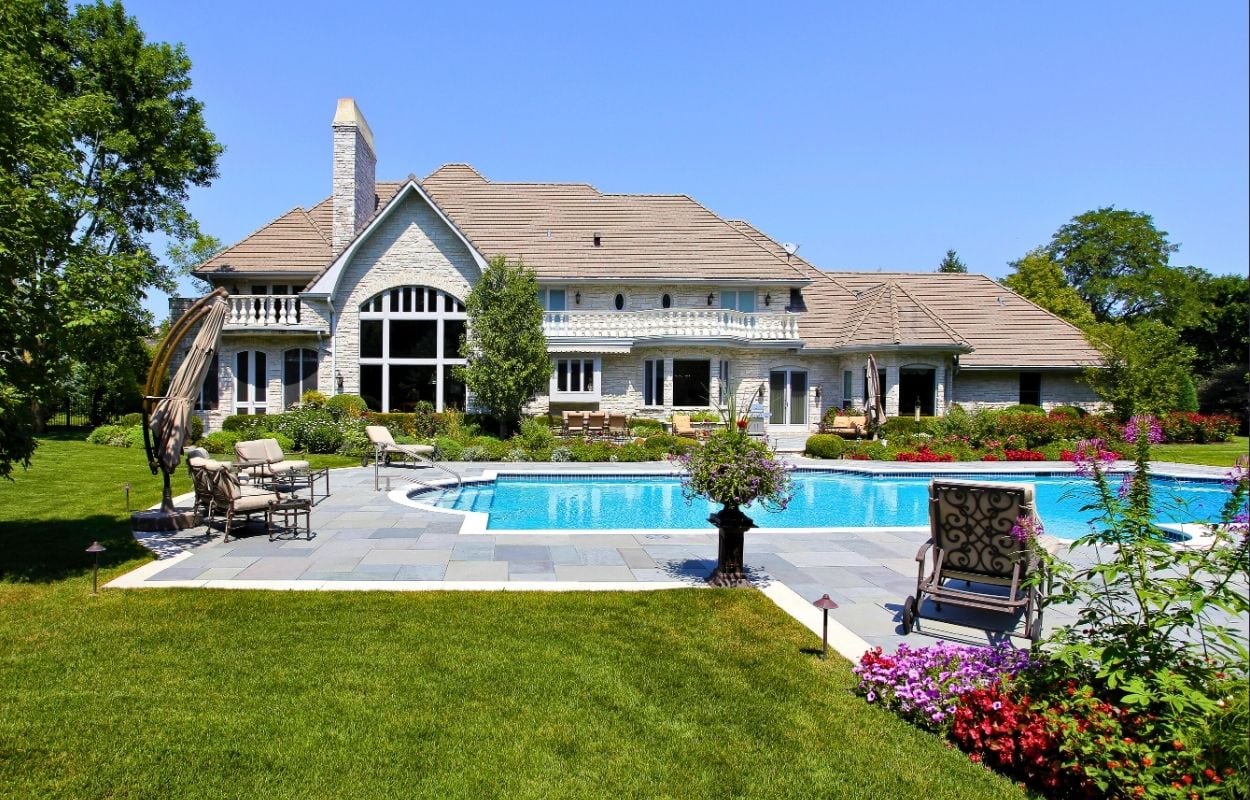
Paths often connect terraces, lawns, guest houses, and event spaces so people can move easily across the property. During large gatherings, guests naturally circulate through these outdoor routes.
The grounds function almost like an outdoor floor plan.
#2 A motor court designed for multiple arriving cars
One of the clearest signs of a staffed property is a motor court.
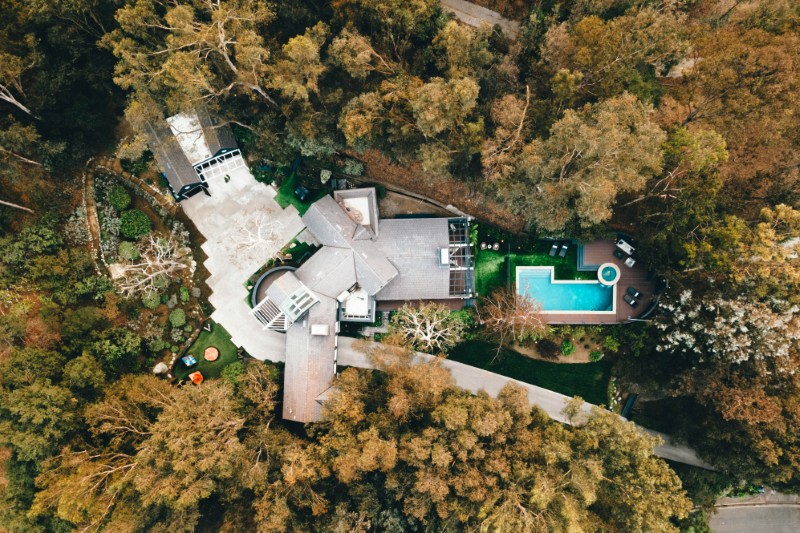
Instead of a simple driveway leading to a garage, the front of the home includes a large turning court where several vehicles can arrive, park temporarily, and leave without reversing.
Historically this allowed chauffeurs to drop off guests and circulate vehicles during large events. Today it still makes hosting easier and keeps the arrival experience organized.
If a property has a proper motor court, it was almost certainly designed with large gatherings — and staff logistics — in mind.
#3 A second kitchen that guests rarely see
Large homes that host events or large family gatherings often include a secondary kitchen behind the main one.
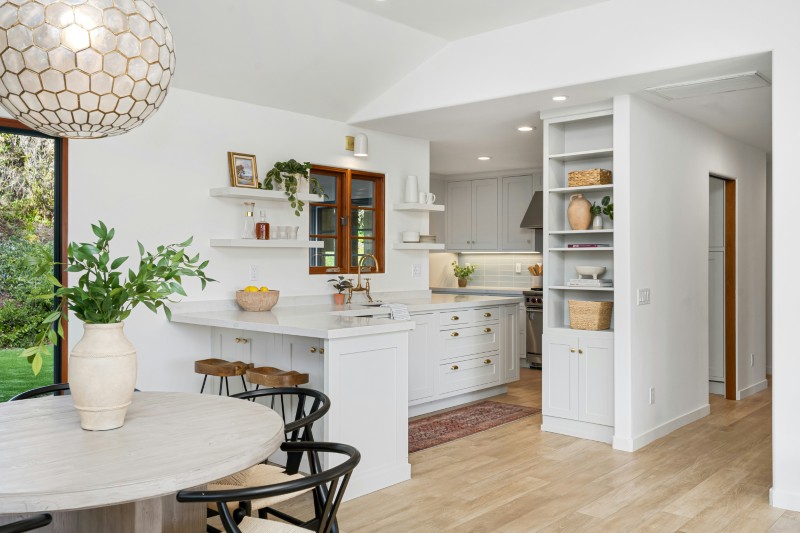
Sometimes called a scullery or prep kitchen, this space holds the messier parts of cooking: extra sinks, second dishwashers, warming drawers, and storage for small appliances.
The visible kitchen stays clean and presentable while most of the work happens out of sight.
This feature is one of the strongest signals that a home was designed to operate smoothly during gatherings.
#4 Service hallways that run behind the main rooms
In many estates, narrow corridors run behind major living spaces.
These hallways allow movement between rooms without crossing through the center of the house. Historically they allowed staff to move food, laundry, or supplies discreetly.
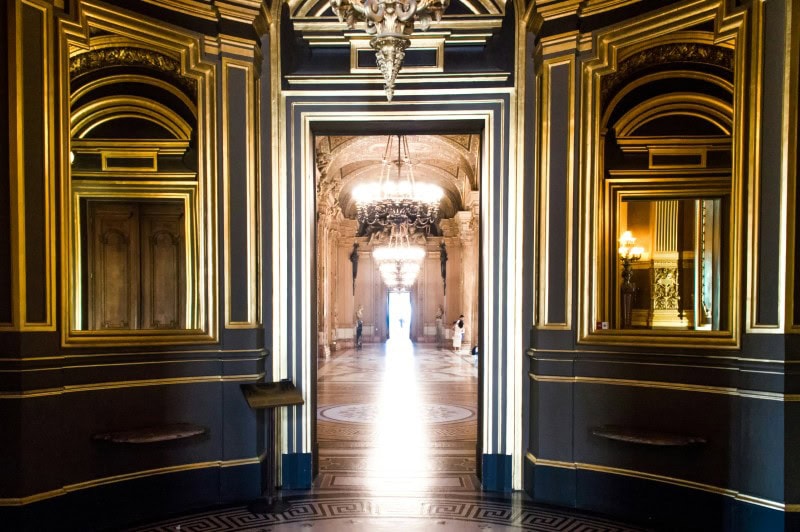
Even today, they make large homes easier to operate during busy events.
Guests stay in the main rooms while activity flows quietly behind the scenes.
#5 A formal entry and a completely separate daily entrance
Many staffed homes include two distinct arrival experiences.
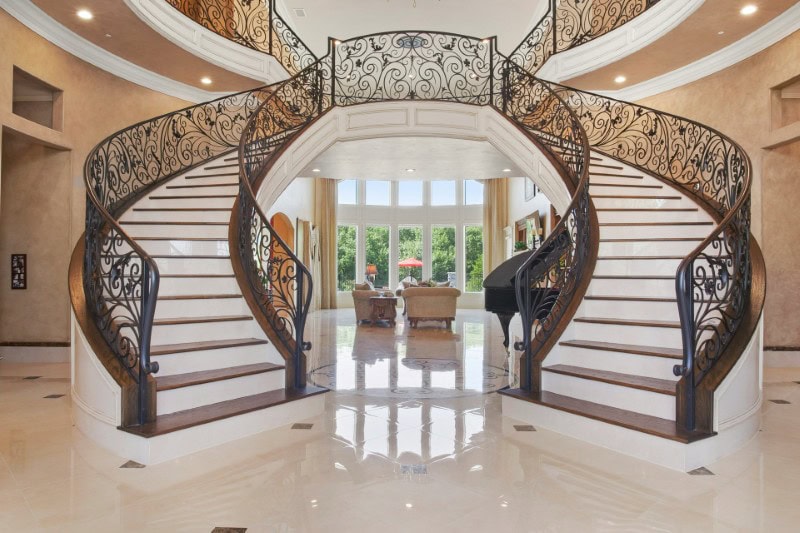
The formal front door opens into a foyer designed for guests, while everyday activity happens through a side entry or mudroom connected to the garage or service wing.
Packages, groceries, and daily traffic enter through the practical door.
The main entrance remains calm and uncluttered.
#6 Laundry rooms that feel almost commercial
Staffed homes often have laundry rooms large enough to process several loads at once.
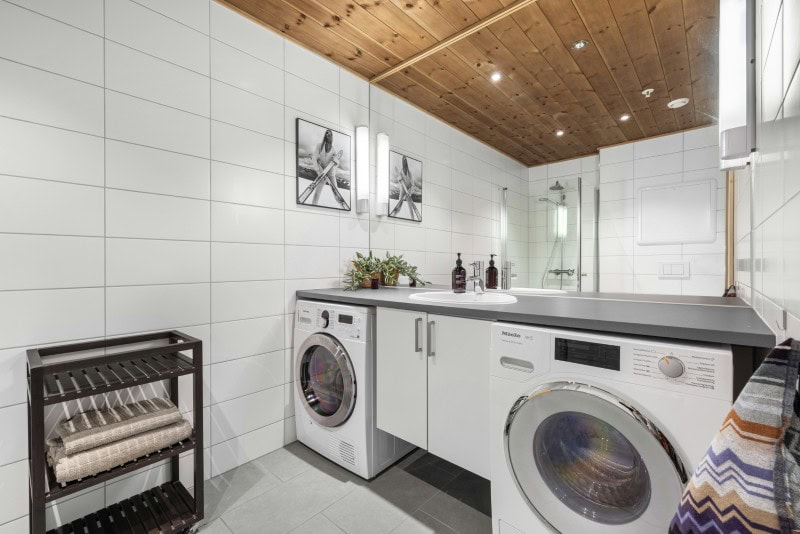
Multiple washers and dryers, folding counters, garment racks, and storage cabinets make the room feel closer to a boutique laundry operation than a typical household setup.
These rooms are designed to handle bedding, guest linens, and daily clothing simultaneously.
#7 Closets that function more like boutique dressing rooms
In many estate homes, closets are large enough to act as dressing rooms.
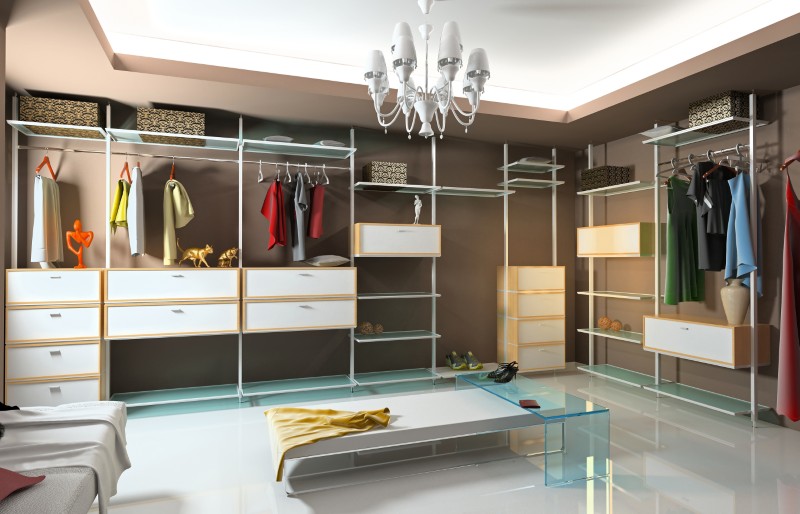
Instead of simple hanging space, they include central islands for accessories, seating areas, and glass-front cabinets for shoes or handbags.
This layout allows multiple people to use the space comfortably at the same time.
#8 Refrigerators that disappear into cabinetry
In houses designed for entertaining, the kitchen often hides its appliances behind cabinet panels.
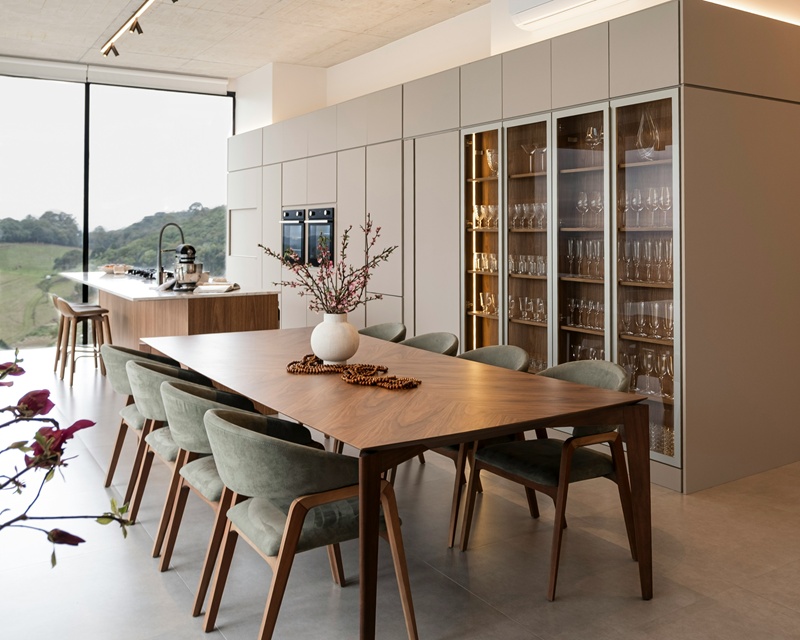
The refrigerator, freezer, and dishwasher blend into the cabinetry so the room reads like furniture rather than equipment.
It keeps the kitchen looking orderly even during large gatherings.
#9 Guest suites that function like private apartments
Estate homes often include guest bedrooms that feel closer to hotel suites.
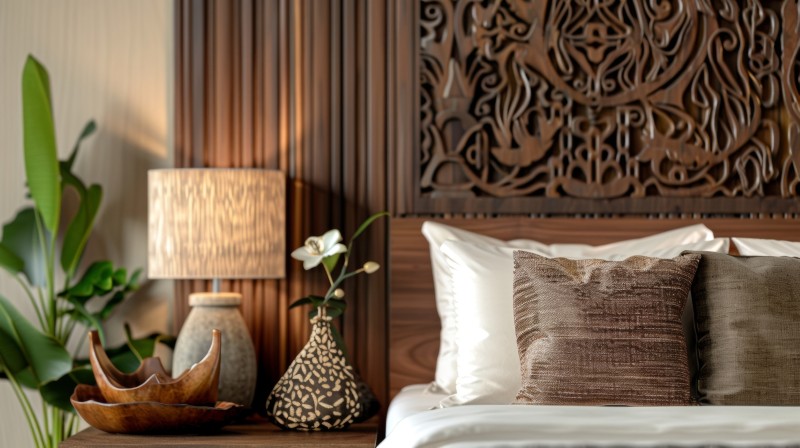
These spaces may have their own sitting areas, walk-in closets, and full bathrooms — sometimes even separate entrances.
Guests can stay comfortably without relying heavily on the main household areas.
#10 Storage rooms dedicated to specific categories
Large homes frequently include entire rooms devoted to storage.

There may be separate spaces for luggage, holiday decorations, seasonal clothing, or bulk household supplies.
This prevents everyday living spaces from becoming overcrowded.
#11 Wide staircases designed for moving things easily
In staffed homes, staircases are often wider and more gradual than in typical houses.
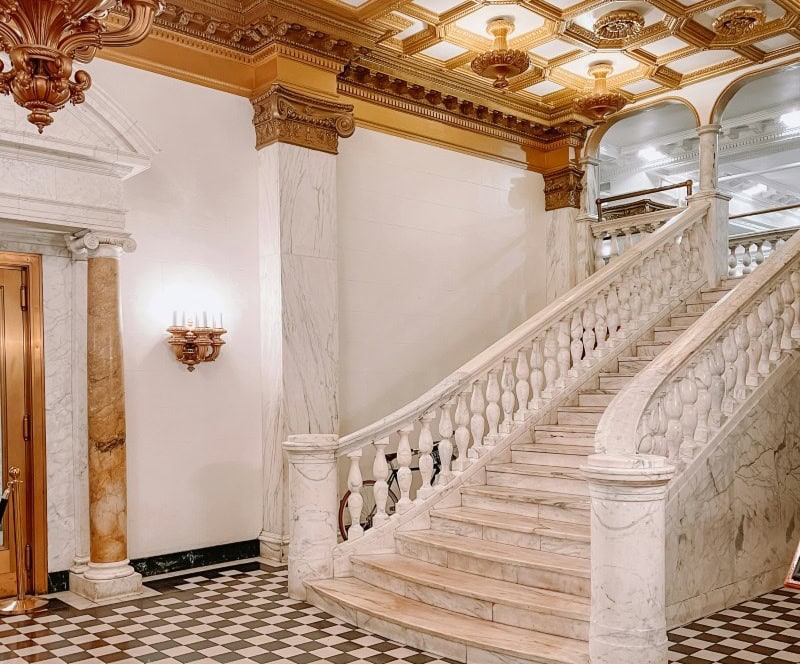
This makes it easier to move furniture, luggage, and supplies between floors, as homes in this price range come naturally designed to handle several types of demanding lifestyles.
The staircase becomes both practical and visually dramatic.
#12 A pantry the size of a small kitchen
Instead of a small closet pantry, estate homes often include full pantry rooms.
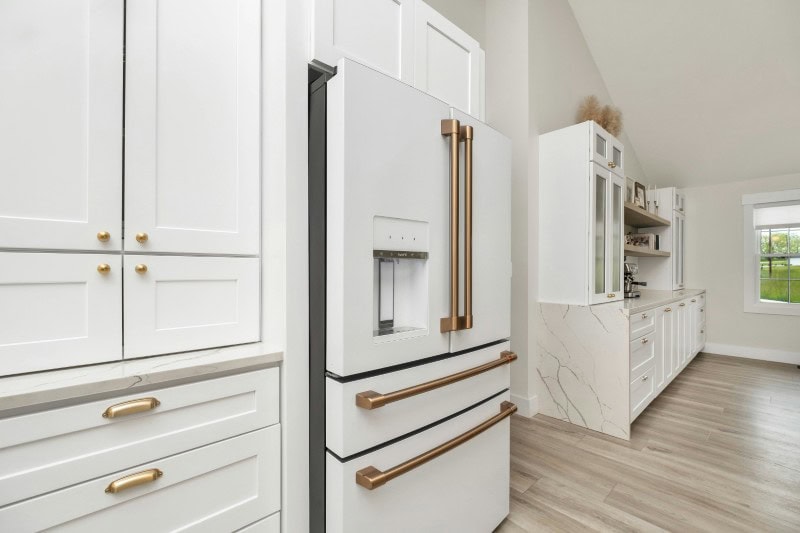
These spaces may contain refrigerators, wine storage, shelving for bulk goods, and preparation counters.
It allows the kitchen to stay organized during large gatherings.
#13 Outdoor spaces that operate like event venues
Large terraces, outdoor kitchens, and covered seating areas are often designed to host significant gatherings.
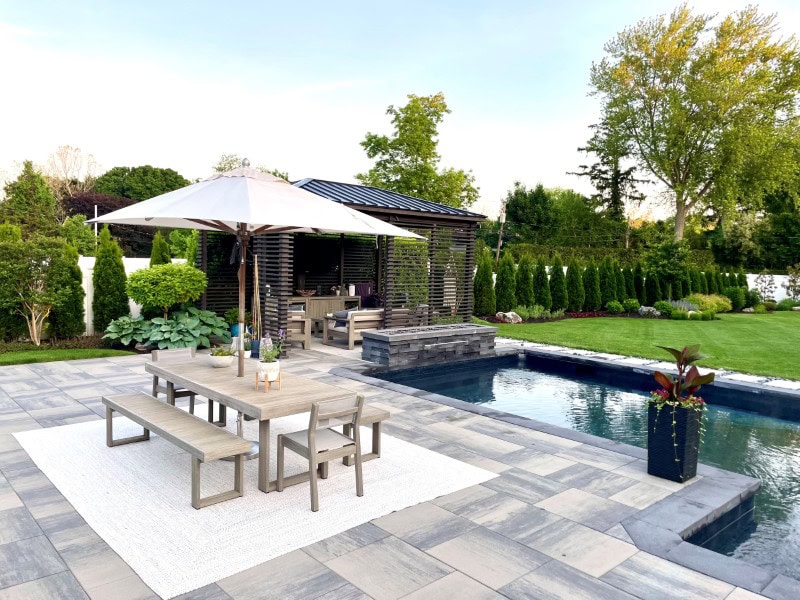
These spaces may include built-in grills, beverage refrigerators, heating elements, and lighting systems.
They function almost like open-air entertaining venues.
#14 Separate driveways for service and deliveries
In many estate homes, the main driveway isn’t the only one.
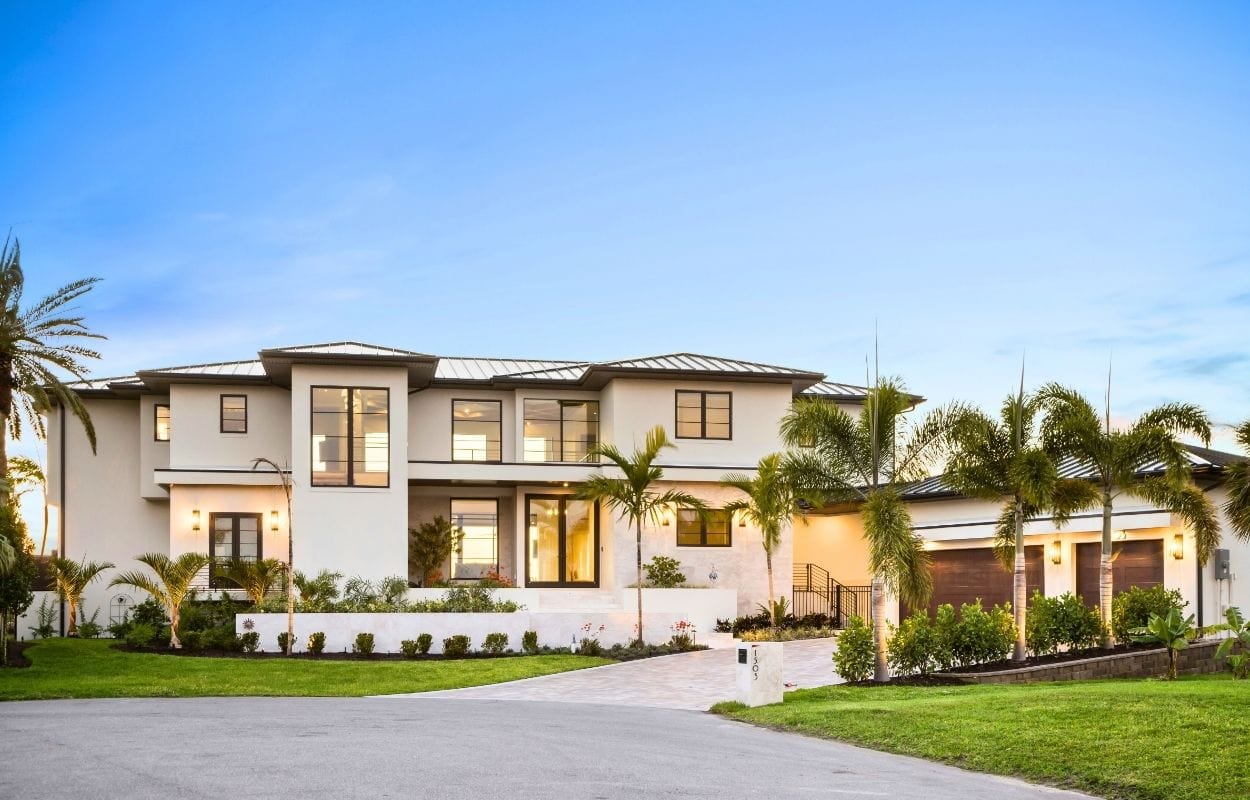
A secondary driveway often leads to the service wing, garage court, or back entrance. Deliveries, catering vehicles, maintenance crews, and household staff can arrive without interrupting the main entrance.
This separation keeps the visible parts of the house calm and uncluttered.
#15 Pool houses that function like small guest residences
In regular homes, the pool area might have a small changing room.
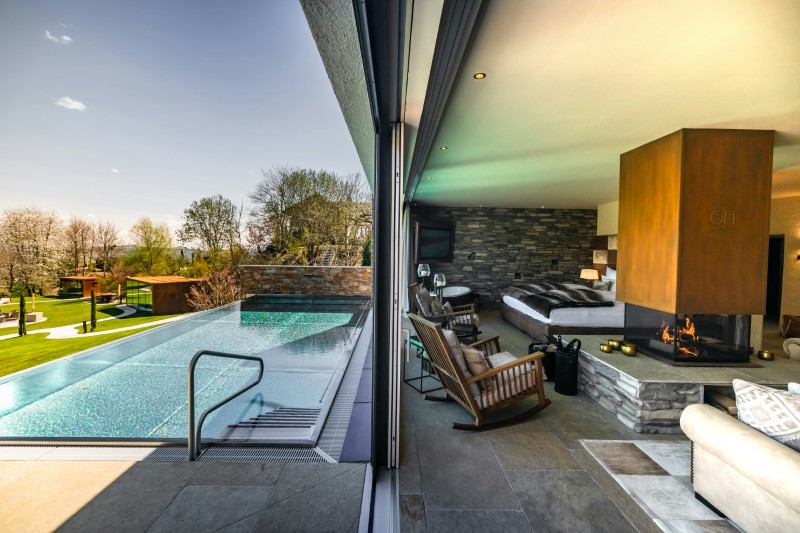
Estate properties often include full pool houses — standalone buildings with lounges, kitchens, bathrooms, and sometimes bedrooms.
They allow guests to spend the entire day outdoors without constantly returning to the main house.
In staffed homes, pool houses also give staff a place to manage towels, drinks, and food service.
#16 Multiple powder rooms near entertaining areas
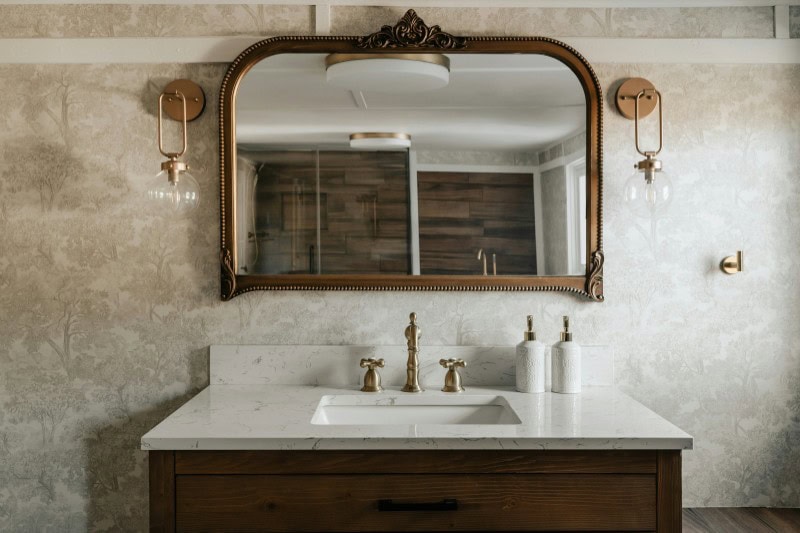
Estate homes frequently include several half-bathrooms located near gathering spaces.
This prevents guests from needing to wander through private parts of the house to find a restroom.
#17 Elevators that quietly connect the floors
Large houses sometimes include small residential elevators.
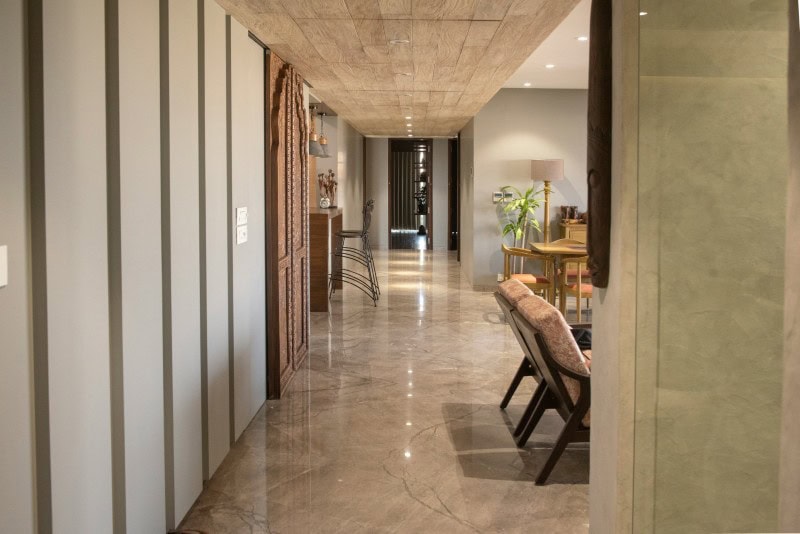
Originally intended to help staff move items between floors, they now offer convenience for residents as well.
They’re usually tucked discreetly into hallways.
#18 Bedrooms organized into quiet private wings
Estate homes often group bedrooms into separate wings.
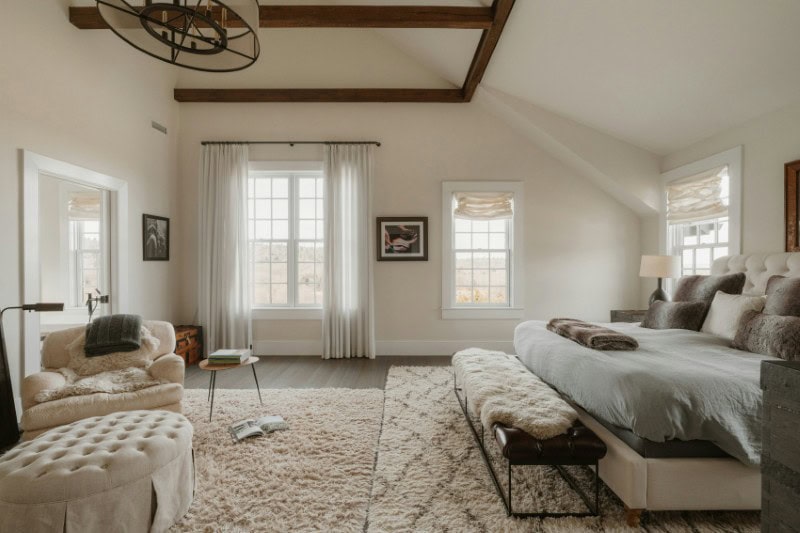
This keeps private sleeping areas removed from noisy gathering spaces like kitchens and living rooms.
The result is a quieter, more restful environment.
#19 Guest cottages positioned away from the main house
Many estates include detached guest or caretaker cottages placed a short walk from the main residence.
These provide privacy for visitors or staff while keeping the main house from becoming crowded.
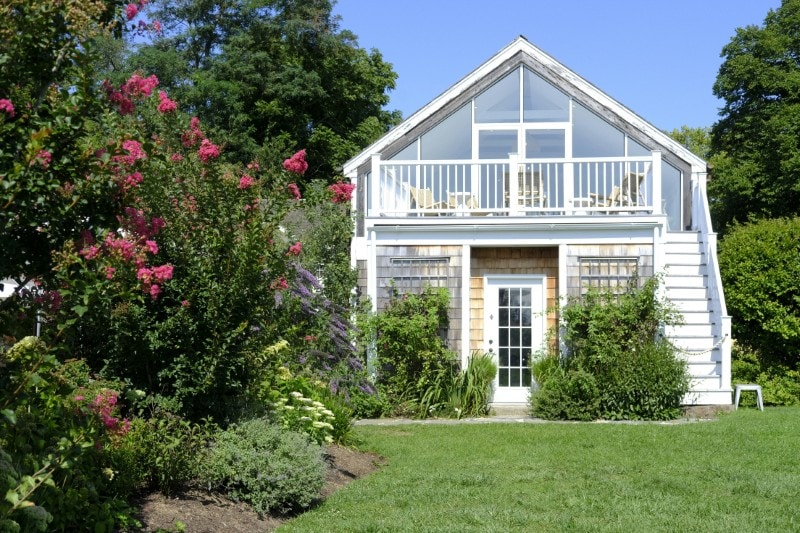
In historic staffed estates, some of these buildings also served as staff housing.
#20 Garden pavilions or outdoor salons
Large estates often include small open-air structures — pavilions, pergolas, or covered garden rooms.
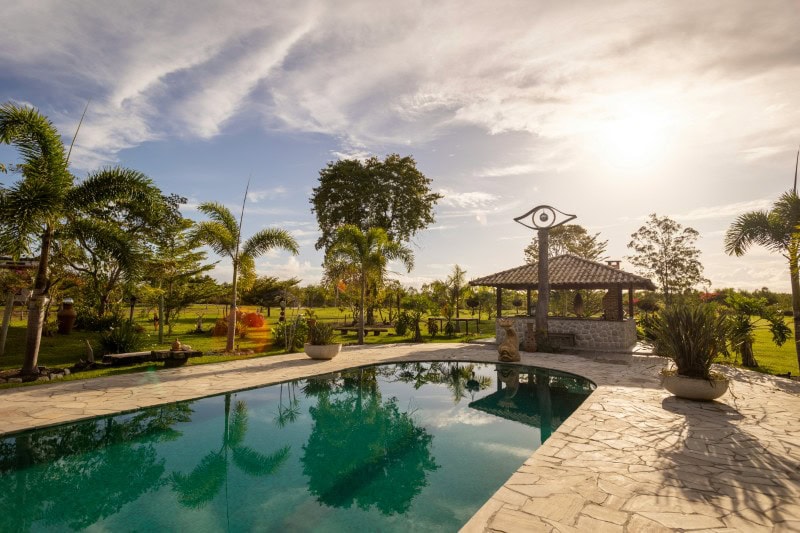
These create additional places for conversation or dining during gatherings and help distribute guests across the property.
They’re another clue the property was designed for hosting.
#21 An estate layout that separates life from logistics
Perhaps the biggest clue of all is the overall organization of the house.
In a staffed home, the visible spaces are designed for living and entertaining, while the operational parts — storage, laundry, service areas, and mechanical systems — stay mostly hidden.
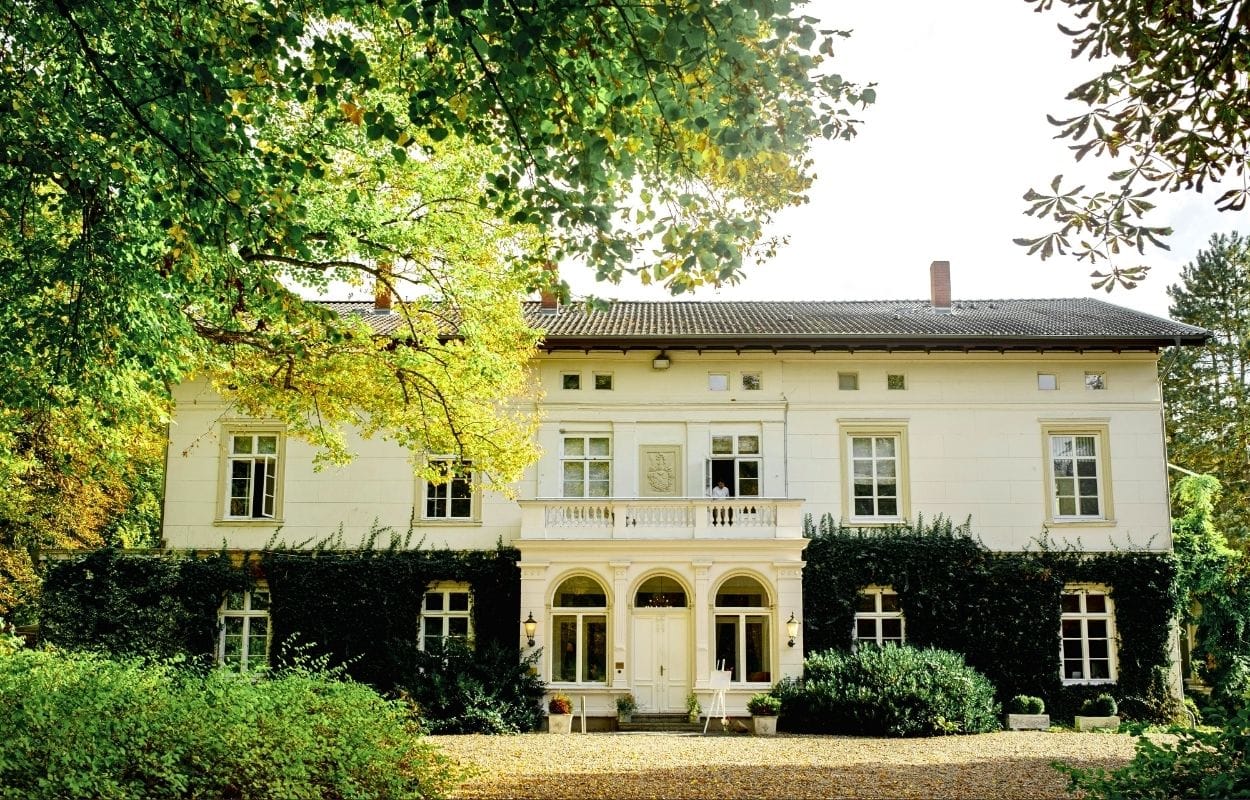
That separation is what gives the house its calm, effortless feeling.
The home runs smoothly without drawing attention to the work that keeps it running.
More stories
20 features that quietly separate wealthy estates from regular luxury homes
Old-school luxury design features we’d love to see making a comeback
17 things that look expensive in a home (even when they aren’t)
The post 21 signs a house has “staffed property” energy appeared first on Fancy Pants Homes.

 English