


Winter changes how a home works. Lamps stay on longer. Furniture shifts closer together. Heavy fabrics and layered textures build warmth and comfort while the outside world stays gray.
But when spring arrives, those same choices can start to feel slightly off.
Interior designers almost always respond to the season; not with full renovations, but with smaller, strategic resets that help a home feel aligned with longer days and brighter light again.
These upgrades aren’t complicated. But they make an immediate difference in how a home looks, feels, and functions.
Here’s where designers almost always start.
#1 Adjusting lighting temperature to feel less artificial
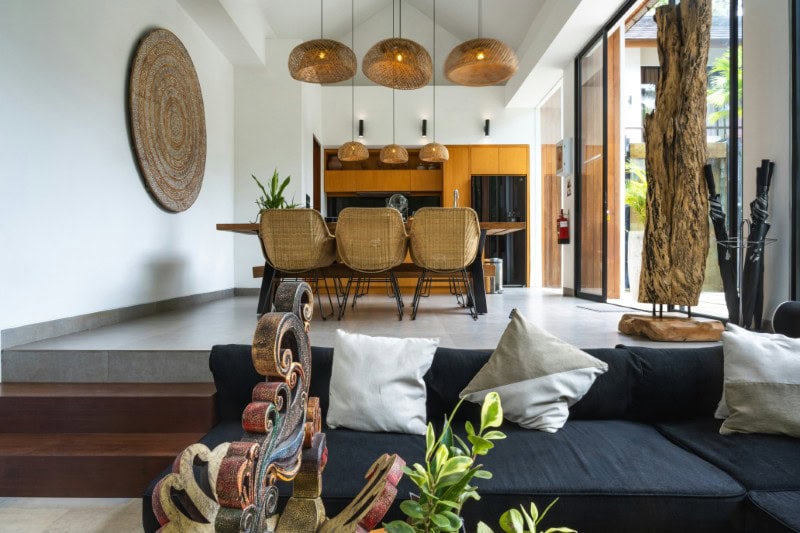
During winter, homes rely heavily on artificial lighting, and many lamps are chosen specifically to compensate for dark days.
Spring changes that balance. Designers often swap cooler bulbs for warmer ones or reduce overall brightness to let natural light take the lead. The goal isn’t to make rooms darker, but to make artificial lighting feel softer and less dominant.
This helps rooms transition more comfortably from day to evening without harsh contrasts.
#2 Rearranging furniture to follow the new sunlight patterns
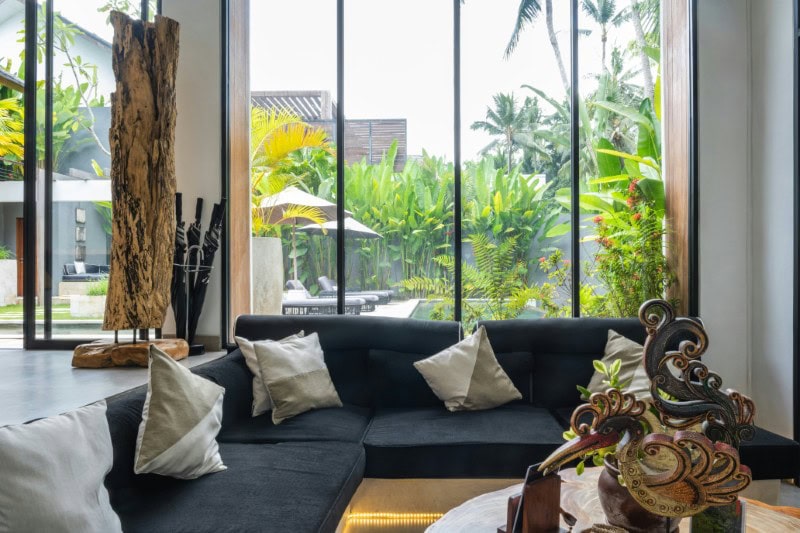
Spring sunlight enters rooms differently than winter light, often reaching deeper into the home.
Designers frequently adjust furniture placement to take advantage of this shift. Seating areas may move closer to windows, while bulky pieces that block light get repositioned.
Even small changes can make rooms feel more open and connected to the outdoors.
#3 Replacing heavy winter fabrics with lighter materials
Wool, velvet, and heavy knits serve a purpose in winter, but they absorb light and heat as the seasons change.
Designers typically introduce lighter fabrics like linen and cotton in spring. This might include pillow covers, throws, or even slipcovers.
These materials reflect light differently and help rooms feel cooler and more relaxed.
#4 Resetting the scent profile of the home
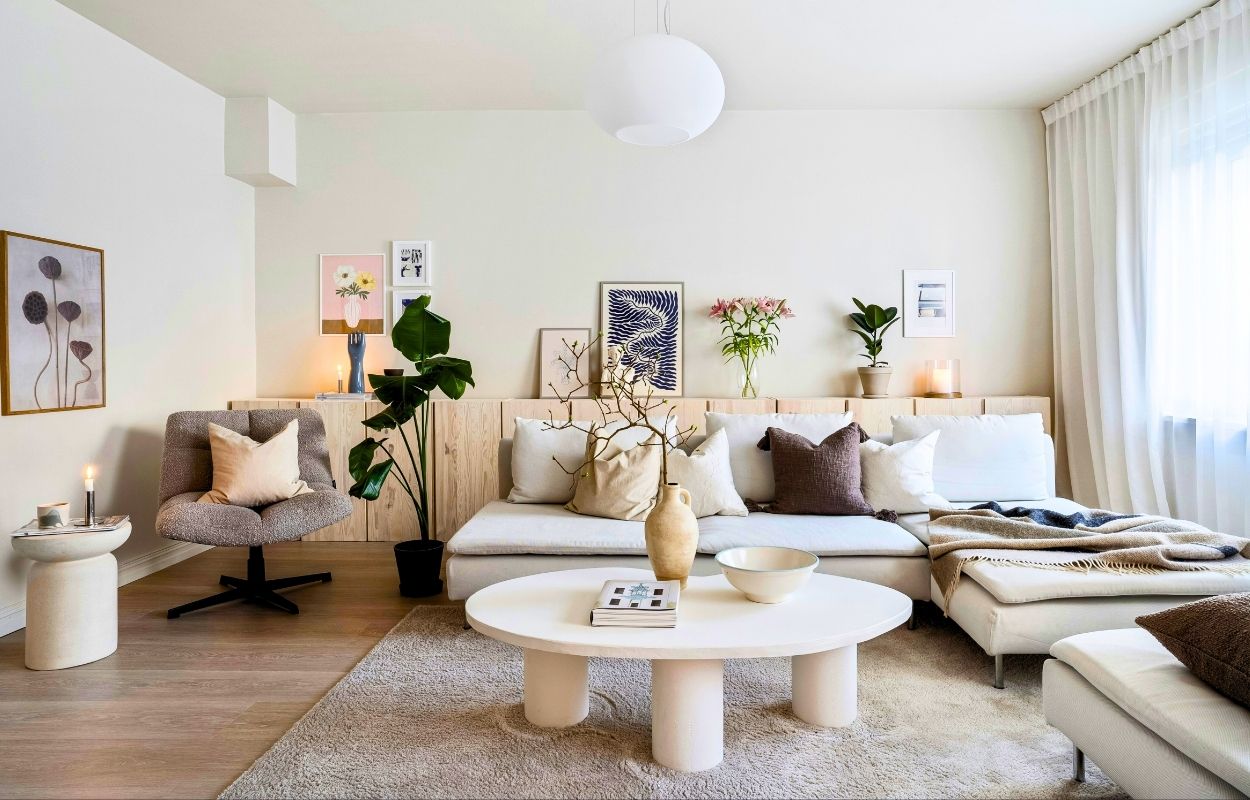
Scent plays a bigger role in how a home feels than most people realize.
Winter scents tend to be heavier — wood, spice, and smoke.
Spring often brings a shift toward lighter scents like citrus, fresh greenery, and soft florals. Designers may introduce fresh flowers, lighter candles, or simply rely more on open windows for natural airflow.
The entire atmosphere of the home changes with surprisingly little effort.
#5 Deep-cleaning areas that winter quietly wore down
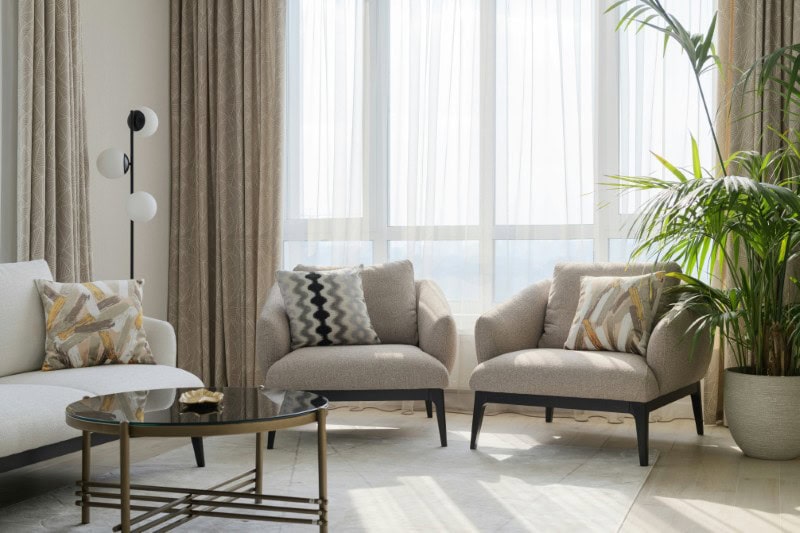
Even the most well-maintained homes accumulate buildup during winter.
Designers often recommend cleaning upholstery, rugs, and curtains at the start of spring. These surfaces collect dust and particles that dull their appearance over time.
Once cleaned, rooms immediately feel brighter.
#6 Editing surfaces that became crowded during colder months
Winter naturally brings more objects into everyday use. Candles appear earlier in the afternoon. Extra blankets stay within reach. Books pile up near sofas and beds. Over time, surfaces slowly fill with things that made sense during darker, colder days.
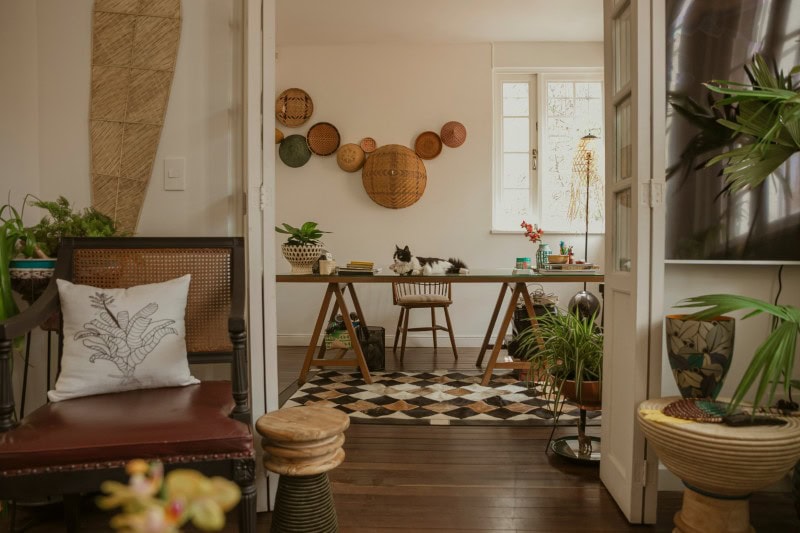
When spring arrives, designers almost always begin by editing these areas. Coffee tables, consoles, and nightstands are cleared and reset with intention.
Objects that no longer serve a purpose — or simply feel visually heavy — are removed or relocated. Often, fewer items return to the surface than were there before.
This isn’t about making a home feel empty. It’s about restoring negative space. When light has room to land, materials look better, shapes feel clearer, and the entire room regains a sense of calm that may have quietly disappeared over winter.
#7 Rotating artwork to reflect the season
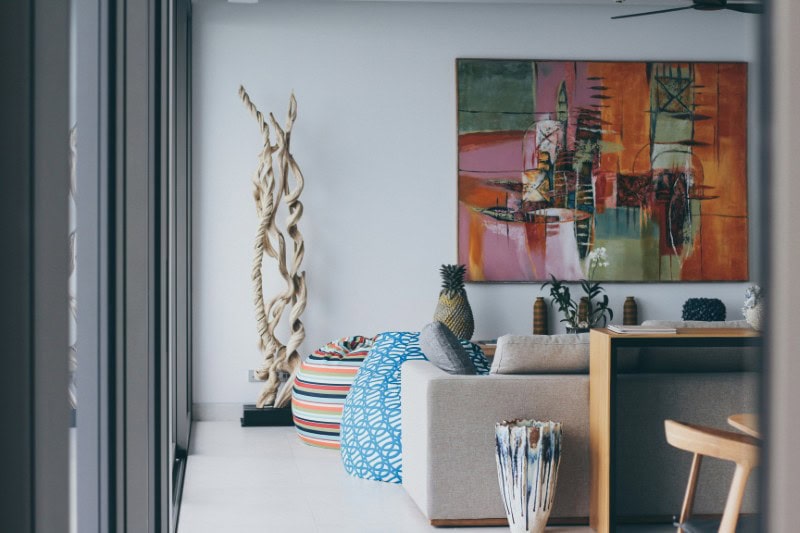
Many designers treat artwork as something fluid rather than permanent. Spring is a common time to rotate pieces, especially if winter selections leaned darker, moodier, or more visually dense.
Introducing artwork with lighter backgrounds, softer colors, or more open compositions can subtly shift how a room feels. Even one swapped piece can change the energy of an entire wall.
This doesn’t require buying new art. Often, pieces are simply moved between rooms or brought out of storage. The goal is to align the visual tone of the home with the brightness and openness happening outside.
Rooms begin to feel emotionally lighter, not just visually brighter.
#8 Washing windows to fully restore clarity
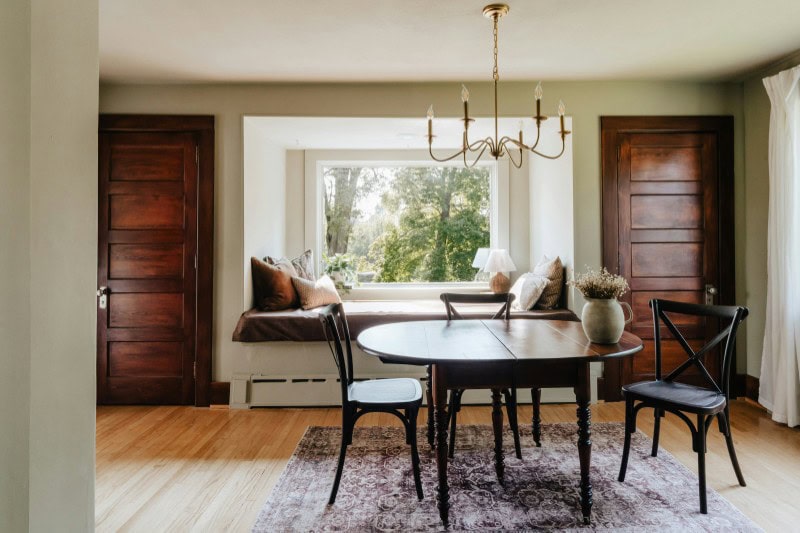
Over the course of winter, windows gradually collect buildup from rain, dust, and indoor heating systems. This residue isn’t always obvious at first, but it softens incoming light and reduces clarity.
Designers almost always prioritize window cleaning in spring because the results are immediate.
Once cleaned, glass becomes nearly invisible, and sunlight enters without obstruction. Rooms feel brighter, sharper, and more defined without changing anything else.
This is especially noticeable in the morning and late afternoon, when sunlight enters at lower angles. Clean windows allow the home to fully benefit from longer days.
It’s one of the simplest resets with one of the biggest visual payoffs.
#9 Refreshing bedding to support warmer nights
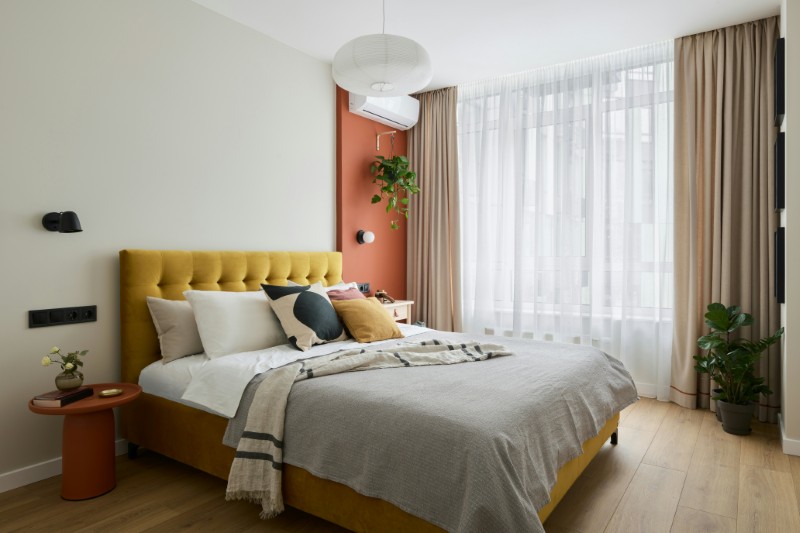
Winter bedding is designed for insulation. Heavier duvets, flannel sheets, and layered blankets create warmth but can start to feel excessive as temperatures rise.
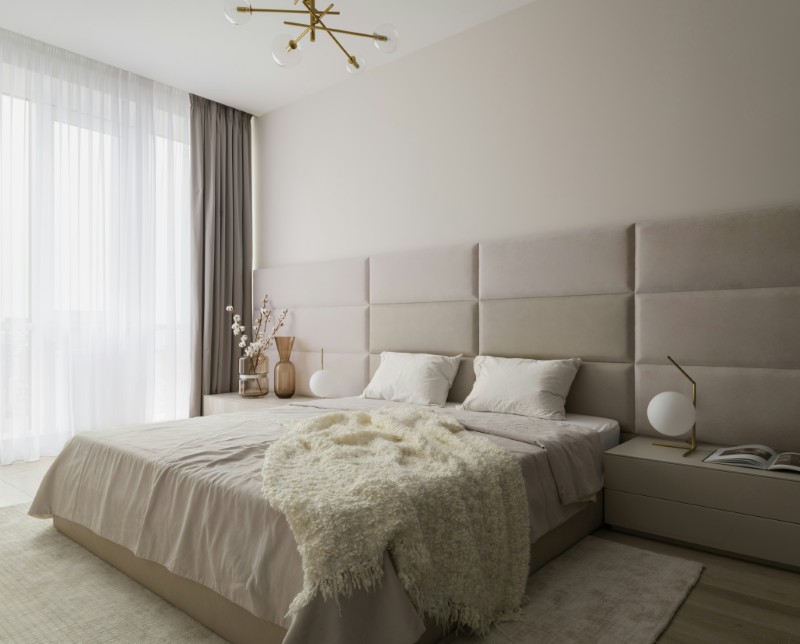
Designers typically transition to lighter bedding in spring, often choosing breathable materials like linen or percale cotton. These fabrics regulate temperature better and reflect light more softly, which changes the visual weight of the bed.
The bed begins to feel cooler, simpler, and more aligned with the season. Because the bed is often the largest object in the bedroom, this one change can redefine how the entire room feels.
It also improves sleep quality, which makes the upgrade practical as well as aesthetic.
#10 Bringing outdoor entertaining areas back into use

Outdoor areas often sit dormant through winter, collecting dust, debris, and wear from the elements.
In spring, designers treat these spaces almost like reopening a closed wing of the home. Furniture is cleaned thoroughly, cushions are washed or replaced, and surfaces are reset. Layouts may even shift slightly to better match how sunlight moves across the space throughout the day.
Once refreshed, these areas become usable again — extending daily life outdoors. Morning coffee, evening meals, and casual gatherings naturally migrate outside.
The home expands without adding a single square foot.
#11 Rebalancing decorative objects to match the lighter season
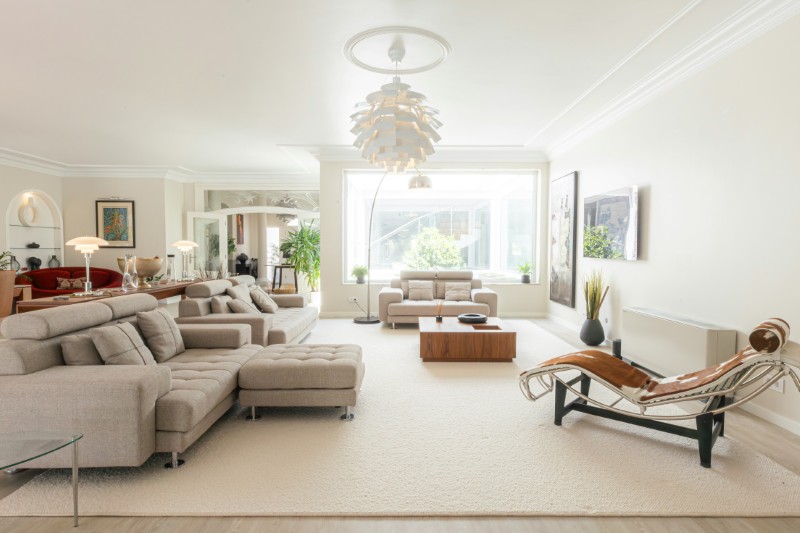
Decorative objects interact with light differently depending on their material, color, and scale.
In winter, heavier materials like dark wood, metal, and dense ceramics help create visual warmth. But in spring, those same objects can start to feel visually dense.
Designers often rebalance by introducing lighter materials like glass, lighter-toned ceramics, or stone. These materials reflect and diffuse light more gently, helping rooms feel brighter without becoming stark.
Sometimes, simply removing one darker object and replacing it with something lighter can shift the balance of an entire surface.
#12 Checking plants and repositioning them for healthier growth
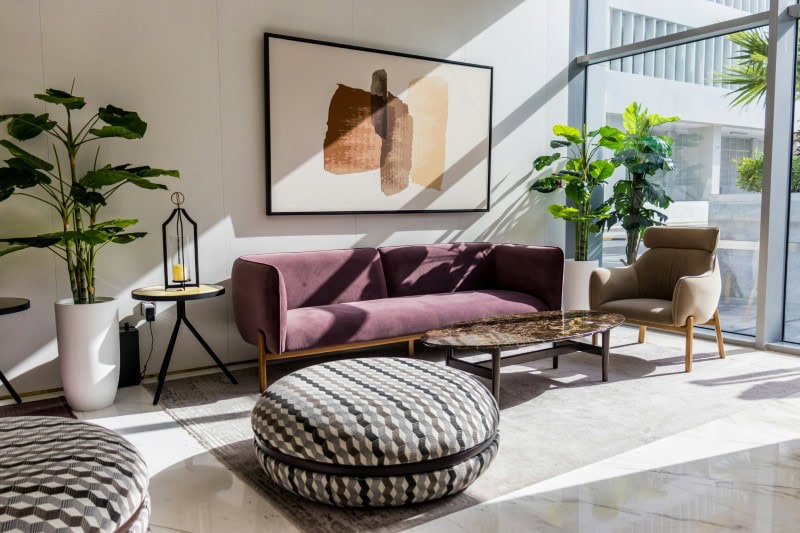
Plants respond quickly to seasonal changes, and spring often reveals which ones struggled through winter.
Designers usually take time to trim dead leaves, clean dust from foliage, and reposition plants to take advantage of improved sunlight. Some plants that were moved closer to windows during winter may now receive too much direct light and need adjustment.
Others finally begin to thrive again after months of slower growth.
Healthy plants immediately improve how a room feels, adding movement, color, and life that aligns with the season.
#13 Letting more air into the home
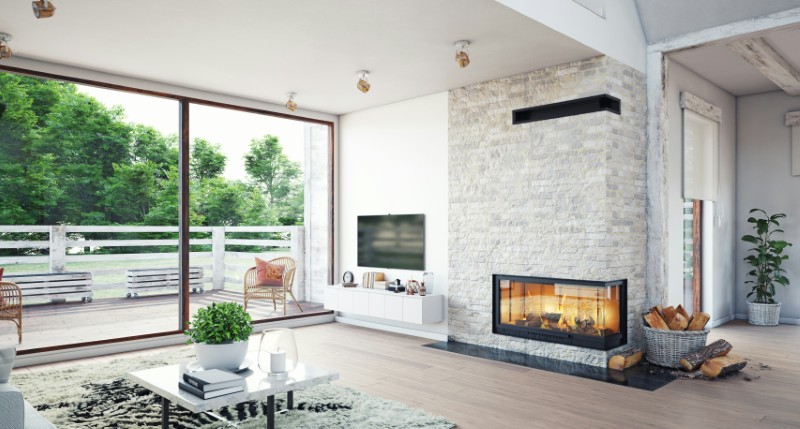
Winter keeps homes sealed tightly, which can leave indoor air feeling stale.
Spring allows designers to reintroduce natural ventilation. Windows are opened more frequently, sometimes on opposite sides of the home to create cross-breezes that move air through the entire space.
This improves air quality and removes lingering indoor odors that built up during colder months.
Fresh air changes how a home feels on a sensory level. Rooms feel more comfortable, and the boundary between indoors and outdoors begins to soften.
#14 Resetting entry areas for lighter routines
Entry areas carry the weight of winter. Coats, boots, scarves, and accessories accumulate and often remain longer than necessary.
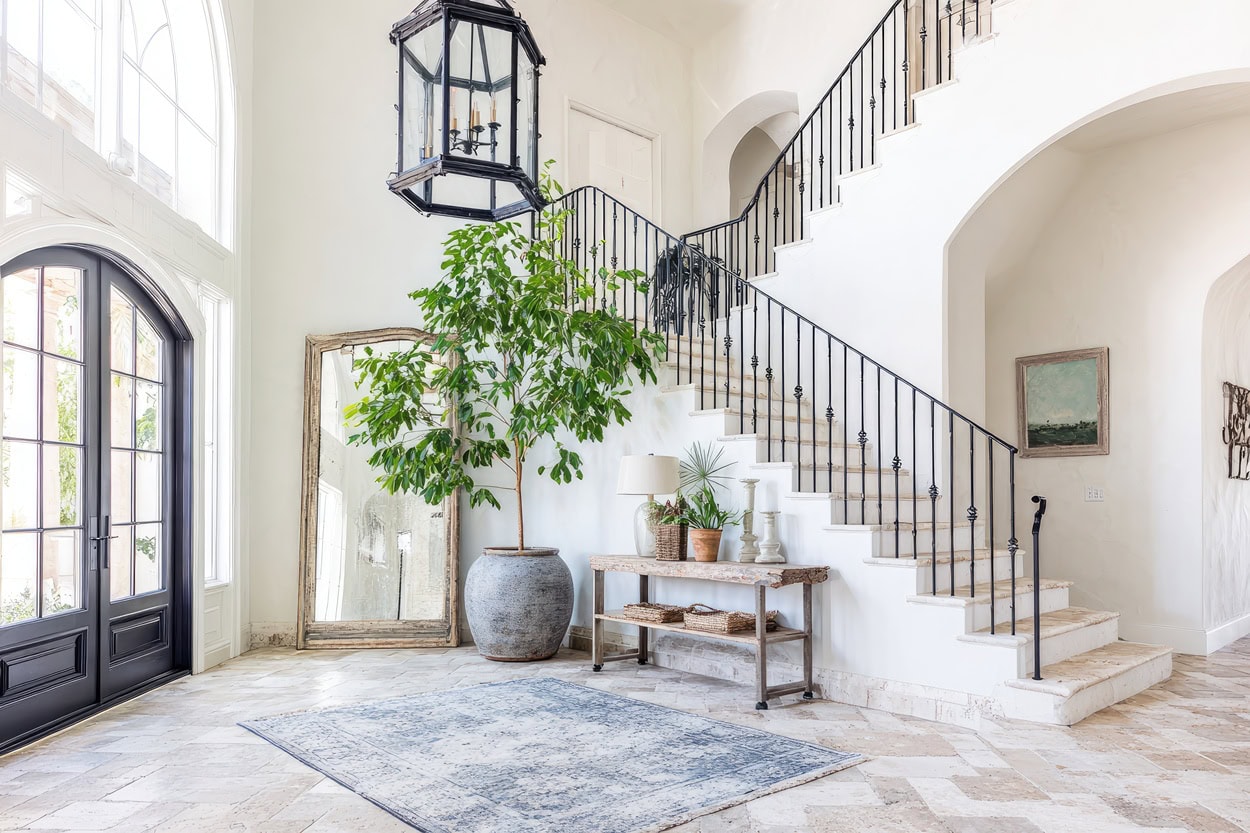
Designers use spring as a moment to clear these spaces completely. Winter gear is stored away, and the entry is simplified. Surfaces are cleaned, storage is reset, and sometimes small seasonal elements — like fresh flowers — are introduced.
This changes the first impression of the home.
The entrance begins to feel lighter, calmer, and more aligned with the new season.
#15 Repainting or touching up areas that sunlight makes more noticeable
Spring light exposes wear that winter light hides.
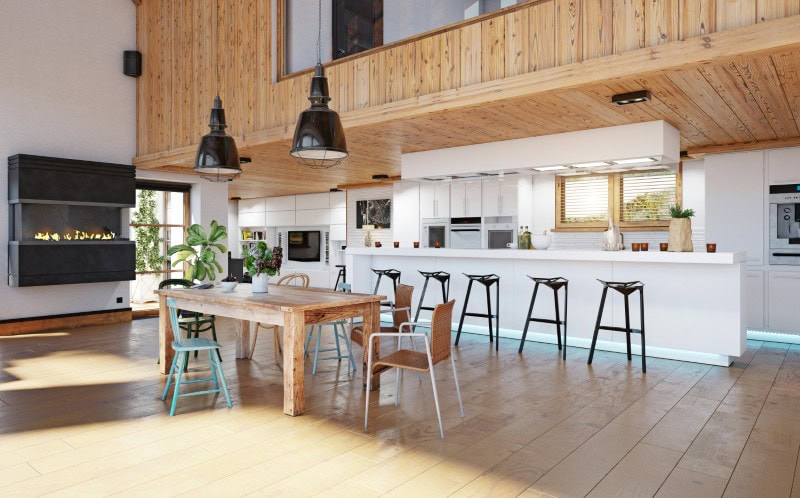
Designers often recommend touching up trim, doors, and walls where scuffs have accumulated. Even small paint corrections make rooms feel cleaner and more finished.
This restores the crispness that bright light highlights.
#16 Allowing the home to feel lighter overall
Sometimes the most important spring upgrade isn’t something added — it’s something removed.
Designers often step back and evaluate the home as a whole, looking for visual weight that no longer feels necessary. This might mean fewer accessories, simpler layering, or just allowing more empty space to exist.
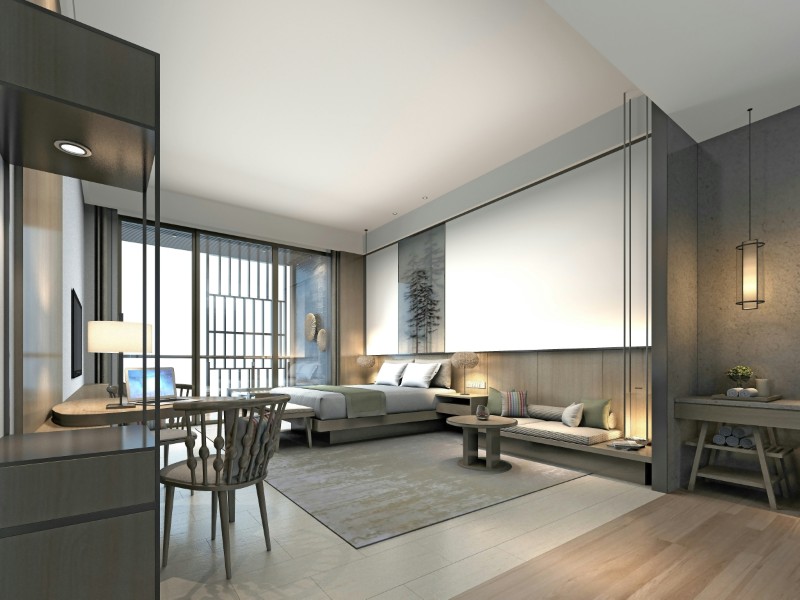
These decisions allow natural light, air, and proportion to take center stage.
The home begins to feel quieter and more effortless.
#17 Swapping heavy drapery for lighter, airier window treatments
Heavy drapes help insulate a home in winter, but by spring, they often block too much light and make windows feel visually heavier than they need to.
Designers frequently replace lined or velvet panels with lighter fabrics like linen or sheer blends. These materials still provide privacy but allow sunlight to filter through more naturally.
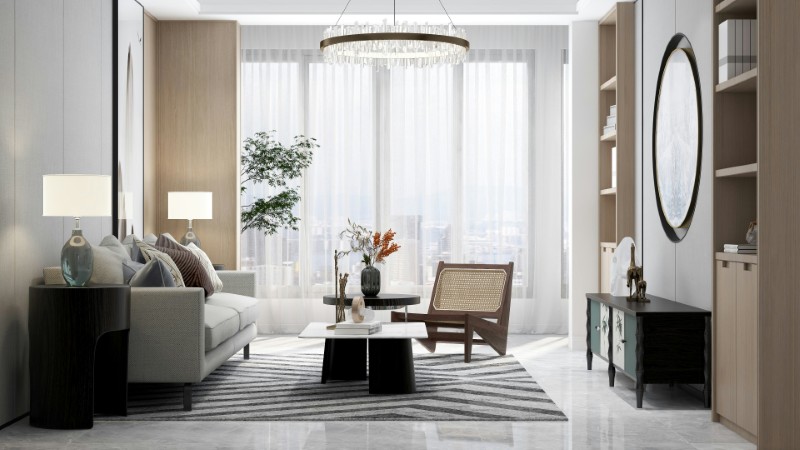
The change can completely transform a room. Windows feel larger, ceilings feel taller, and the entire space takes on a softer, more relaxed tone.
Even pulling heavy curtains farther back to expose more glass can make a noticeable difference.
#18 Power-washing exterior surfaces that quietly collected buildup
Over the winter, exterior surfaces accumulate a surprising amount of dirt, pollen, and residue.
Designers often recommend power-washing patios, walkways, porches, and even parts of the home’s exterior in early spring. Stone regains its original color. Wood looks fresher. Concrete brightens.

The home instantly feels newer and better maintained — even though nothing was replaced.
It’s one of the fastest ways to improve curb appeal.
#19 Restyling the front porch so it feels welcoming again
Front porches often become neglected during colder months.

Spring is when designers bring them back to life. Outdoor furniture is cleaned, cushions are refreshed, and simple additions — like planters or updated lighting — make the entrance feel intentional again.
Because the porch is the first transition between outdoors and indoors, even small improvements here change how the entire home feels on arrival.
It sets the tone before the front door even opens.
#20 Refreshing outdoor cushions and textiles that faded in the sun
Outdoor fabrics take a beating from sun, moisture, and temperature swings.
Designers often replace worn cushion covers or introduce lighter seasonal colors in spring. Even neutral fabrics can look fresher when newly cleaned or rotated.
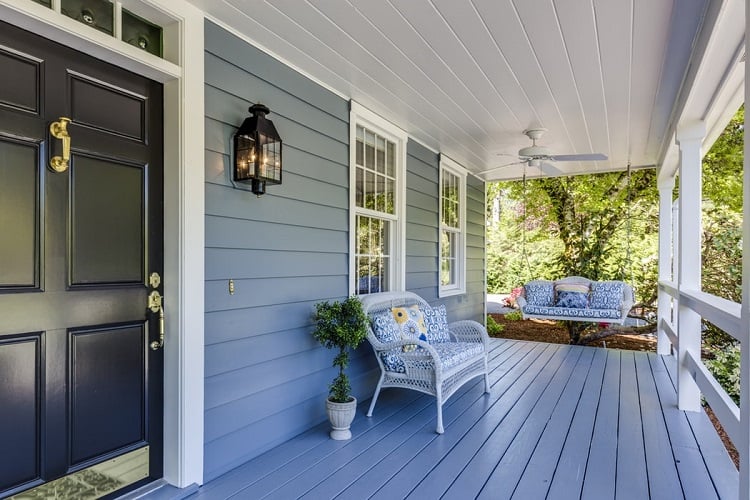
Because outdoor seating is highly visible, this upgrade has an immediate impact.
The space begins to feel inviting again instead of forgotten.
#21 Adding subtle outdoor lighting to extend evenings outside
Spring invites people to stay outside longer, but without proper lighting, outdoor spaces stop being usable after sunset.
Designers often introduce low, warm lighting that makes outdoor areas feel comfortable and intentional at night. This might include pathway lights, landscape lighting, or subtle fixtures integrated into seating areas.

The goal isn’t brightness, it’s creating the atmosphere and the intent for the space to function as a gathering space.
Good lighting allows outdoor spaces to function well into the evening.
#22 Re-edging and redefining garden beds for a cleaner look
After winter, garden edges often blur, and planting areas lose definition.
Designers frequently recommend re-edging beds and adding fresh mulch. This sharpens lines and restores contrast between planted and unplanted areas.
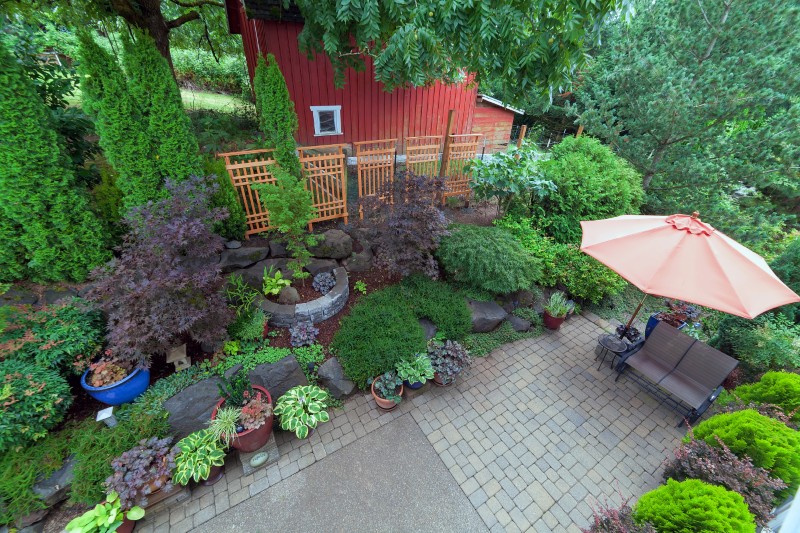
The entire yard begins to look more intentional, even before new plants fully grow in.
It’s a subtle upgrade that dramatically improves how landscaping presents itself.
#23 Cleaning and restyling outdoor dining and seating areas before the first gathering
Outdoor dining areas often sit unused for months.
Designers reset these spaces completely in spring, cleaning tables, checking chairs, and simplifying styling so the space feels ready at any moment.

Sometimes, the layout shifts slightly to take advantage of better sunlight or views.
This makes spontaneous outdoor meals feel effortless.
#24 Cleaning outdoor light fixtures that collected dirt over winter
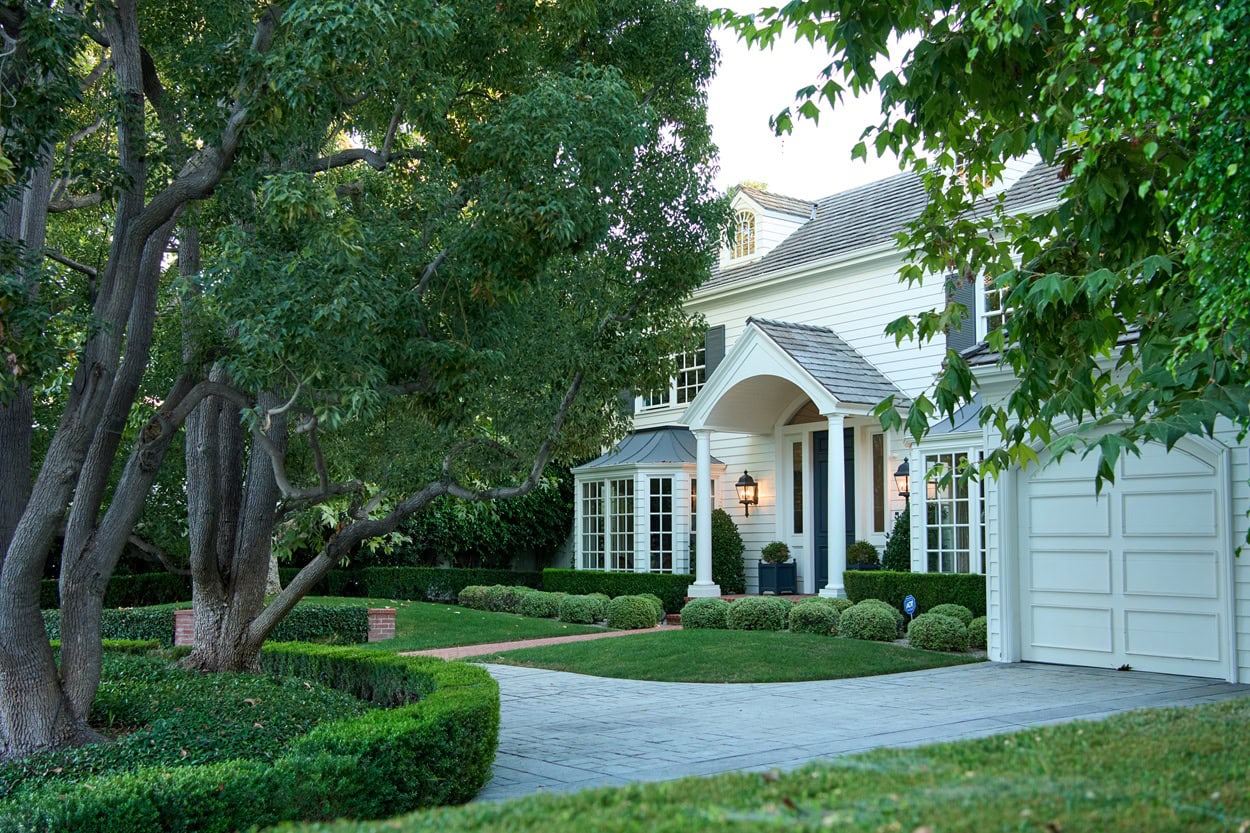
Dust and dirt dull light.
Designers routinely clean (well, have someone do it, at least) outdoor fixtures in spring so light can pass through properly again, and the home’s outdoor appearance gets a revamp. Glass pendants, shades, and bulbs regain clarity.
#25 Creating one outdoor space dedicated purely to relaxing
Designers often encourage clients to create at least one outdoor area with no purpose other than relaxing.
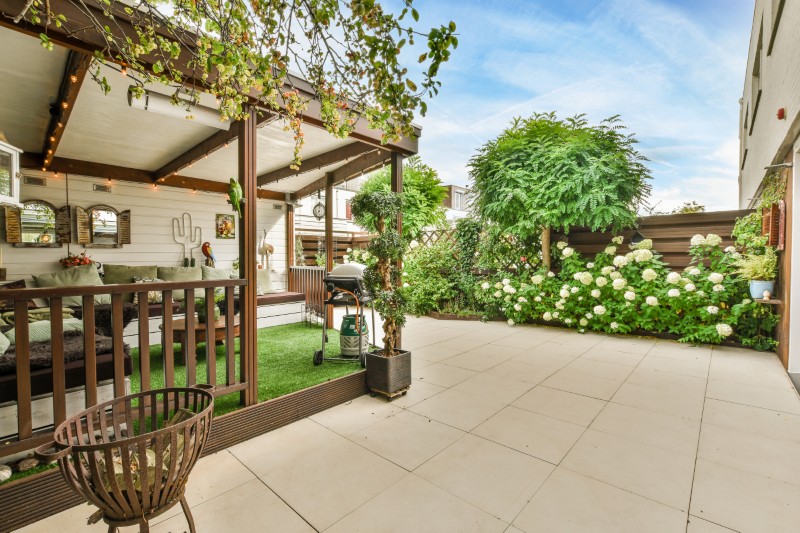
This might be a pair of chairs positioned to catch afternoon light or a quiet corner of the yard that feels removed from everything else.
Spring makes these spaces usable again.
And they quickly become the most used part of the home.
The goal isn’t to redesign, it’s to realign the home for the season
Spring doesn’t demand dramatic change. It simply exposes opportunities.
And the homes that respond well aren’t reinvented, they’re simply adjusted, refined, and brought back into balance with the season.
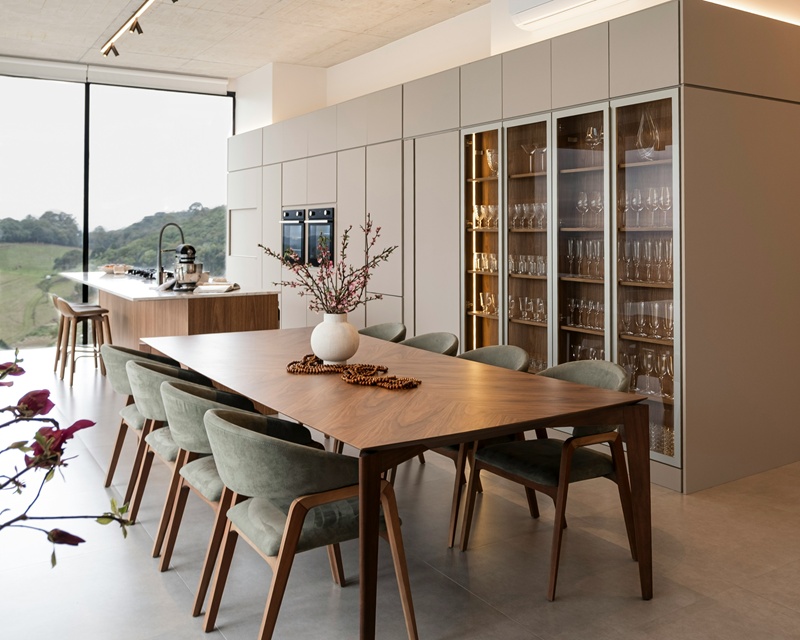
Often, the difference is felt immediately, even when the changes themselves are small.
More stories
13 features that quietly tell you the homeowner has exquisite taste
15 five-figure upgrades seen in $10M homes that cost under $5K to replicate
8 design choices that separate custom homes from very good renovations
The post 25 spring resets designers always recommend after a long winter appeared first on Fancy Pants Homes.

 English