


Some renovations are executed so well they rival new builds. They feature beautiful materials, thoughtful details, and craftsmanship that’s hard to fault. At first glance, it can be difficult to tell where renovation ends and true custom construction begins.
The difference usually isn’t visible in finishes alone. It lives in decisions made much earlier in the process — before tile samples, before cabinetry layouts, before the aesthetic direction is even fully defined. Custom homes are shaped by planning depth.
They’re designed holistically, with structure, circulation, light, and infrastructure considered together rather than solved in sequence.
As a result, custom homes tend to feel unusually resolved. Rooms relate to one another naturally. Storage appears exactly where it’s needed. Nothing feels squeezed, negotiated, or retrofitted. The house doesn’t advertise its complexity, it simply works.
Here are eight design choices that consistently separate custom homes from even the most accomplished renovations.
#1 A floor plan designed from scratch, not adapted
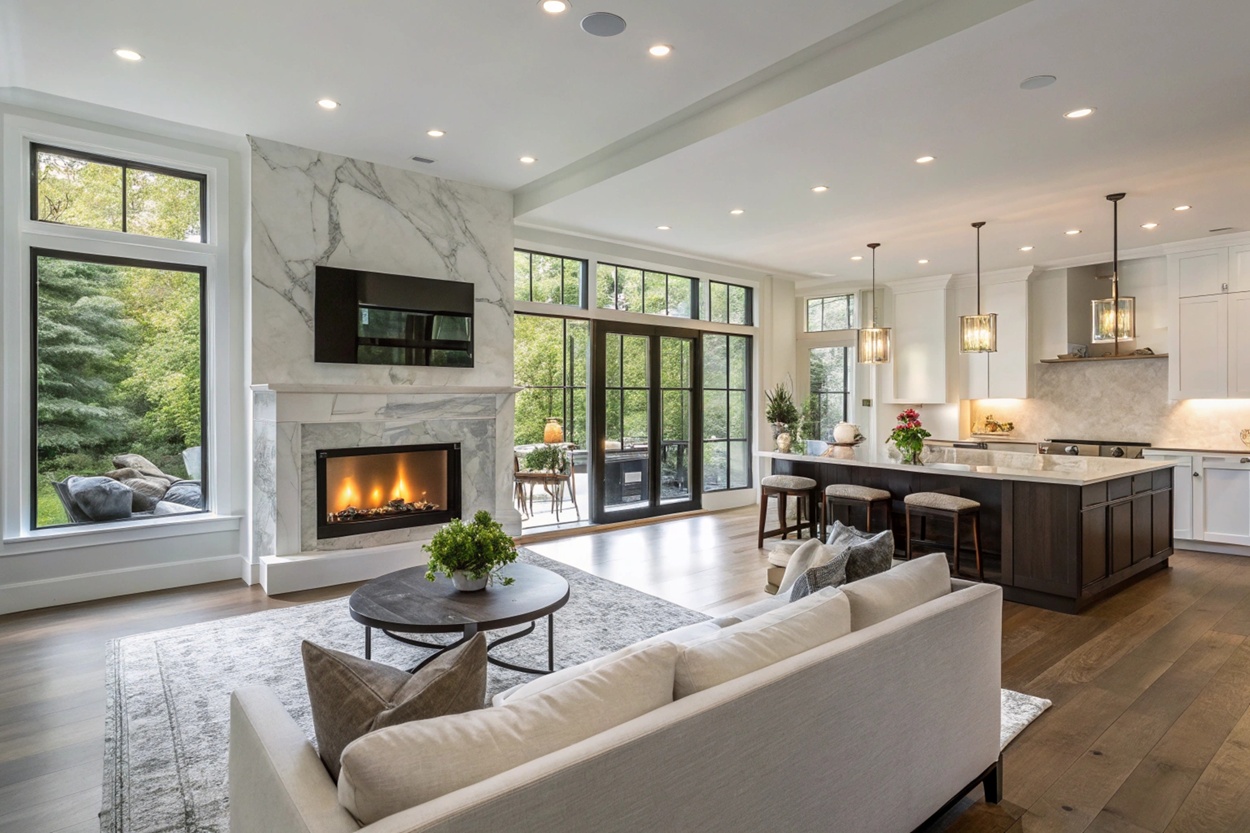
Renovations almost always begin with compromise. Existing walls, structural constraints, and inherited room sizes dictate what’s possible. Even the best renovations are, at their core, acts of adjustment.
Custom homes start with a blank slate. Circulation paths, room proportions, and adjacencies are designed deliberately rather than inherited.
Hallways exist because they’re needed, not because they couldn’t be eliminated. Rooms are sized for how they’ll actually be used, not for what they used to be.
#2 Structural decisions that define space, not decorate it
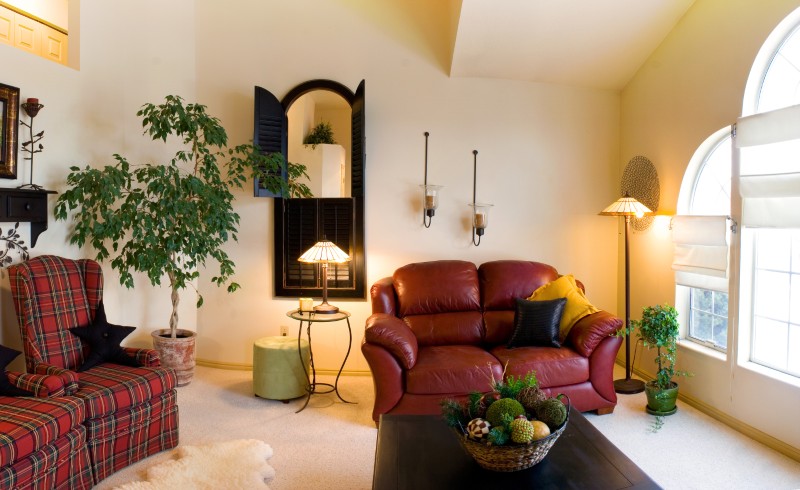
In custom homes, structure is part of the design language. Ceiling heights vary intentionally. Beams, spans, and openings are resolved early and shape how spaces feel and connect.
In renovations, structural moves often come later, once budgets and constraints are clearer. As a result, they can feel secondary, added to enhance a room rather than to define it.
#3 Windows placed for daylight quality, not exterior symmetry
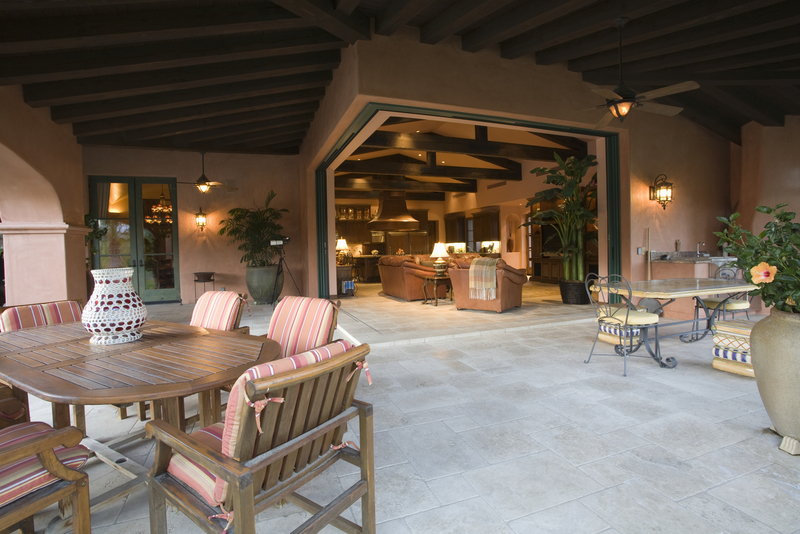
Custom homes prioritize how light enters a space over how windows line up on a façade. Window placement is driven by orientation, views, and daily light patterns, not just exterior balance.
Renovations frequently have to work within existing openings, even when they aren’t ideal. Custom homes don’t carry that baggage.
#4 Room relationships that feel intuitive rather than optimized
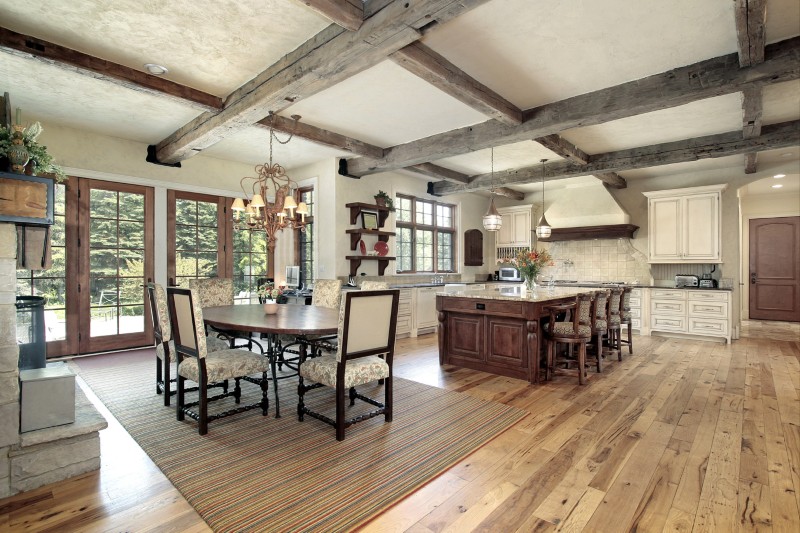
In custom homes, rooms relate to one another with a sense of inevitability.
Kitchens connect naturally to dining and outdoor spaces. Private rooms are buffered from noise and activity. Circulation feels effortless, without unnecessary crossings or dead ends.
Renovations often optimize individual rooms exceptionally well, but the overall flow can still reflect the house’s original logic rather than the needs of current living.
#5 Storage embedded into the architecture itself
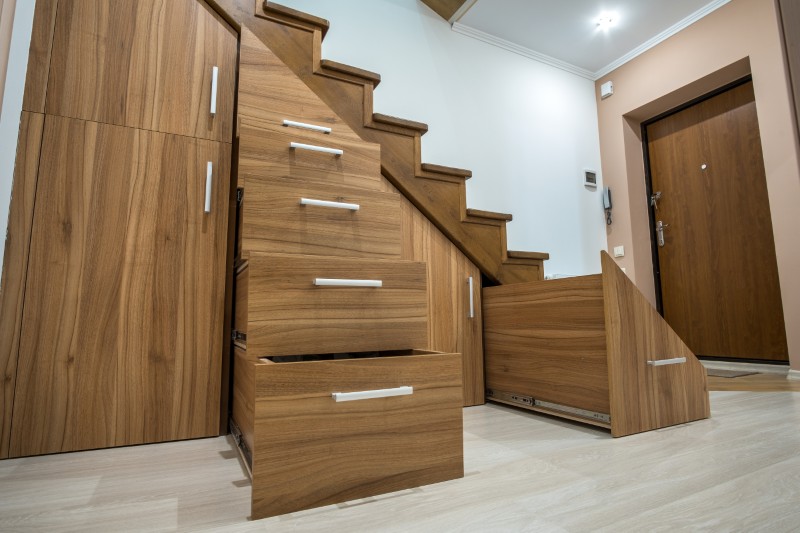
Rather than filling leftover spaces, custom homes integrate storage directly into walls, transitions, and circulation zones. Closets, cabinetry, and concealed storage are planned alongside room layouts.
In renovations, storage is often added once rooms are defined, which can result in solutions that feel bolted on rather than inherent.
#6 Mechanical systems planned in parallel with design
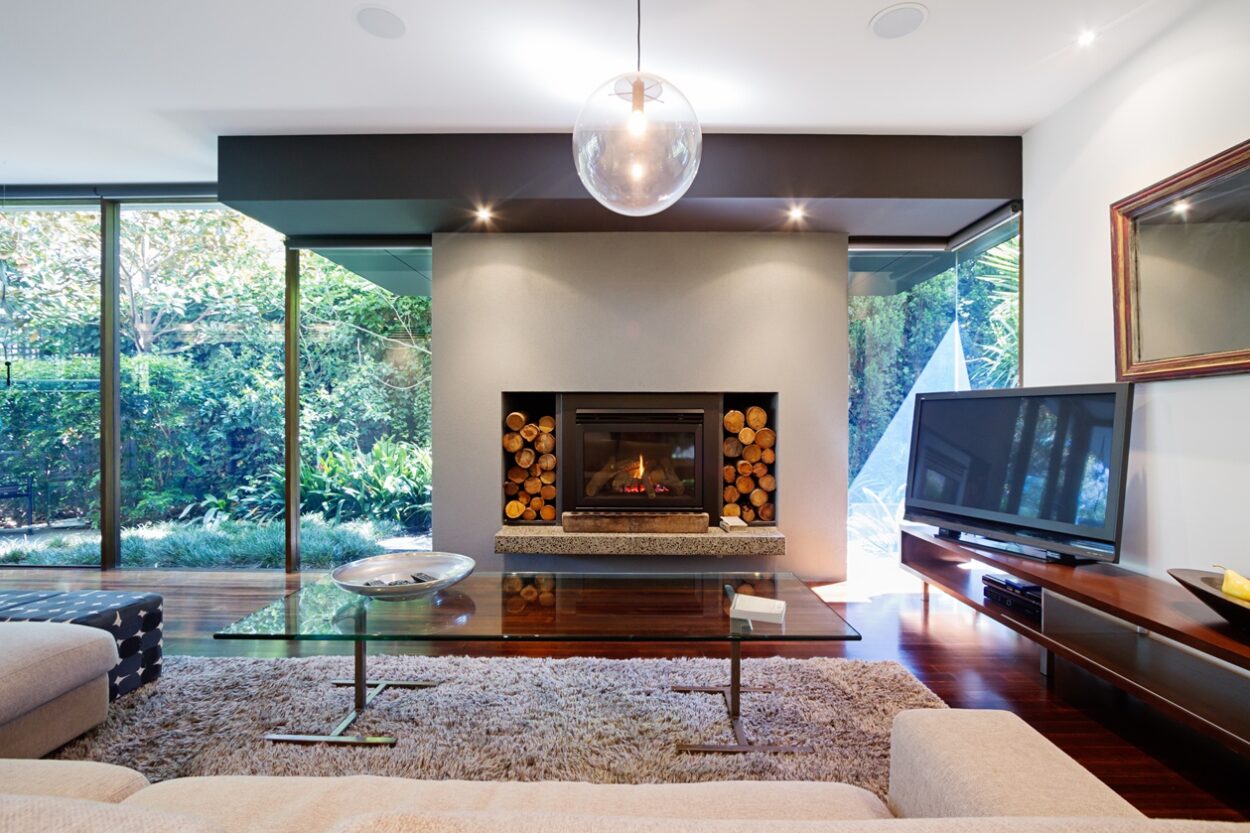
Heating, cooling, ventilation, and electrical systems are coordinated early in custom homes. This allows for cleaner ceilings, quieter operation, and fewer visual interruptions.
Renovations frequently require systems to work around existing conditions, leading to compromises like dropped ceilings, visible grilles, or awkward placements.
#7 A limited material palette used with consistency
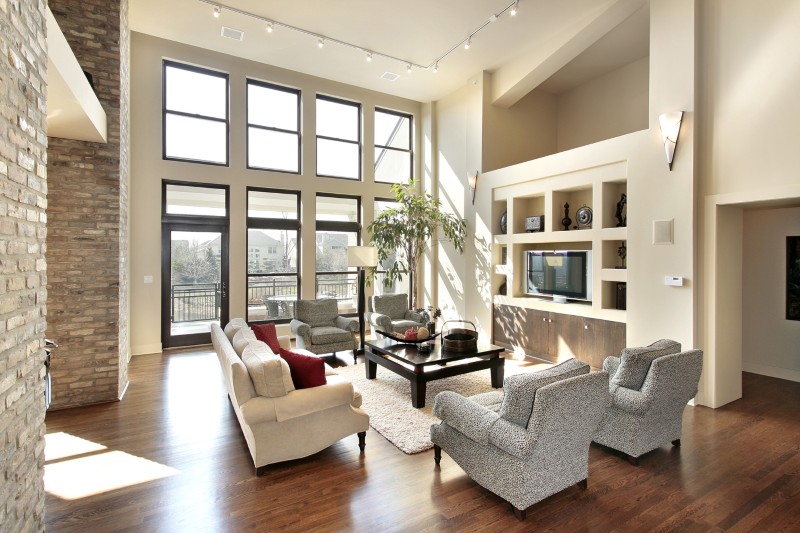
Custom homes often rely on fewer materials overall, repeating them across spaces to create cohesion. Flooring, wall finishes, and millwork are selected with the whole house in mind rather than room by room.
Renovations, especially phased ones, can unintentionally accumulate materials as decisions are made incrementally.
#8 An absence of visible workarounds
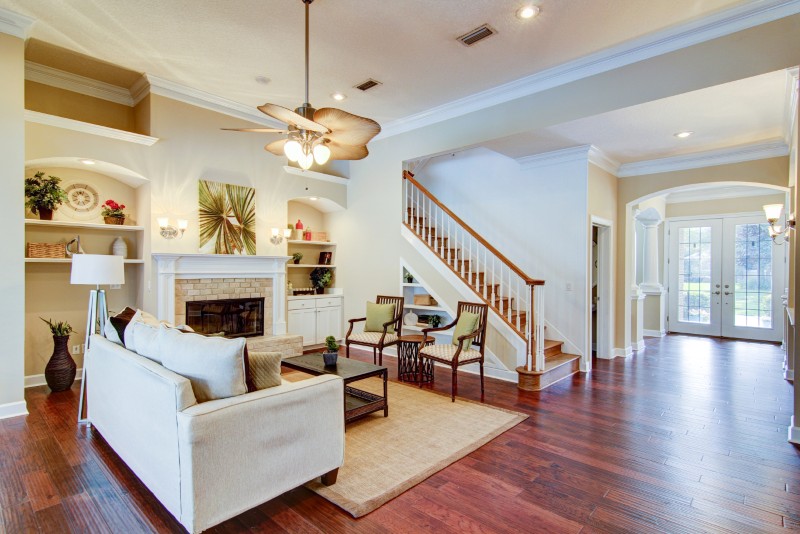
Perhaps the clearest distinction of all is what isn’t there. In a true custom home, there’s little evidence of problem-solving after the fact. No awkward jogs, no oddly thick walls, no features that feel like negotiations.
Everything appears resolved because, from the start, it was.
More stories
13 luxury home features that look insanely expensive but aren’t
What are spec homes? A recent history & the biggest, boldest spec mansions to come to life
5 Kitchen remodeling myths debunked by expert
The post 8 design choices that separate custom homes from very good renovations appeared first on Fancy Pants Homes.

 English