


Some Los Angeles listings are impressive because they’re new. Others because they’re enormous. Others because they have the right views, the right pool, the right zip code.
And then there are the rare ones that hit the market carrying something money can’t manufacture: historic gravity.
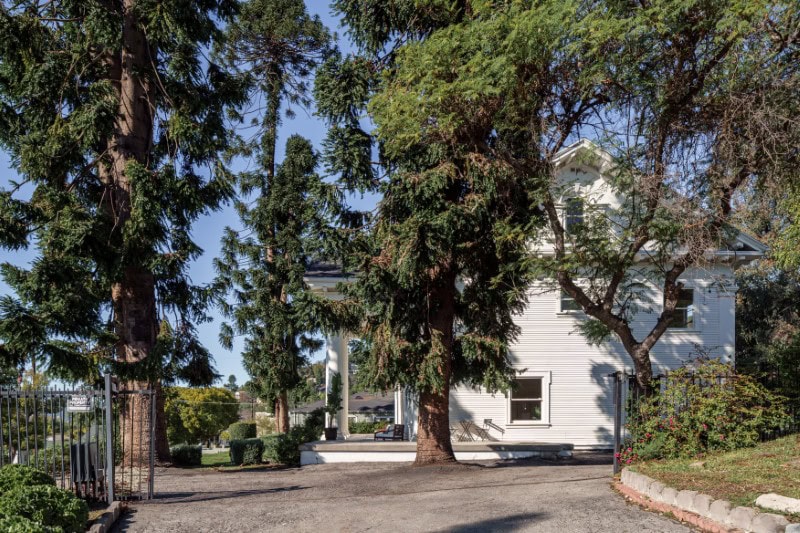
That’s exactly what’s happening in Mt. Washington, where a 1905 hilltop estate known as the Nickel-Leong Mansion has come to market for $2.75 million. The landmark property is owned by Oscar-winning film editor Tom Cross and is listed with Lorraine Getz at Compass.
The home is designated Los Angeles Historic-Cultural Monument No. 849, and it was designed by John C. Austin — the architect behind two of the city’s most iconic civic landmarks: the Griffith Observatory and Los Angeles City Hall.
Which means yes: it’s beautiful. But in a very specific way. The kind of beauty that comes from symmetry, craftsmanship, and architectural confidence, not trends.
The basics: a $2.75M Los Angeles Historic-Cultural Monument
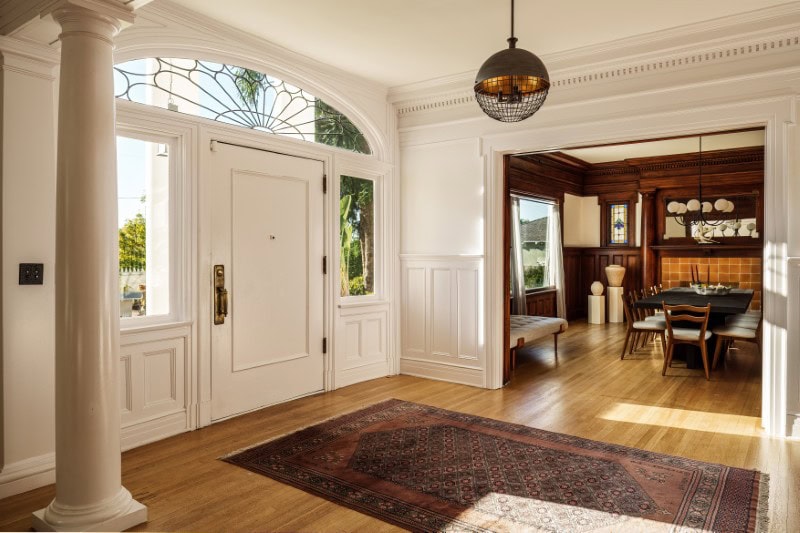
Currently listed for $2,750,000, the historically designated property is a uniquely elegant 4-bedroom, 5-bath residence that offers a rare opportunity to own a protected piece of L.A. history.
A 1905 mansion with an official monument number: No. 849
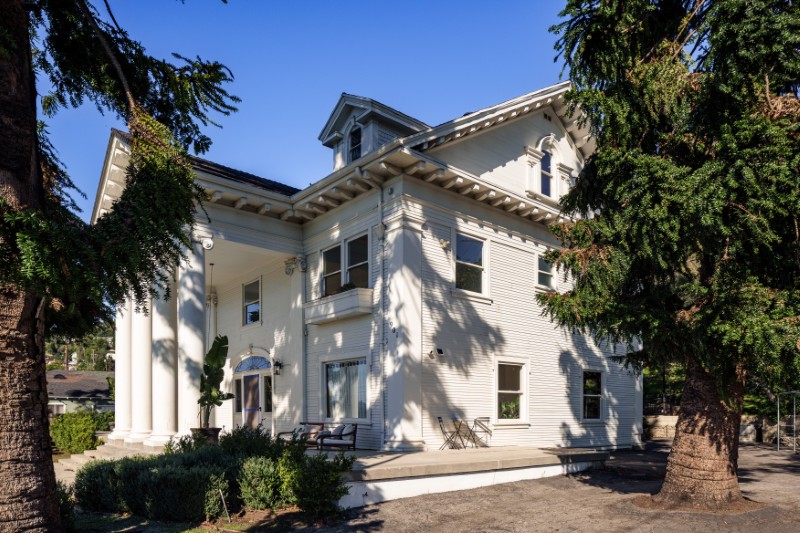
This isn’t just “historic-style.” Known as the Nickel-Leong Mansion, the home was built in 1905 and carries official status as Los Angeles Historic-Cultural Monument #849.
That designation instantly changes the conversation around the home. It’s not simply an old house restored to charm. It’s a culturally recognized landmark, one protected for its architectural and historic significance — and rightfully so, given its historical pedigree.
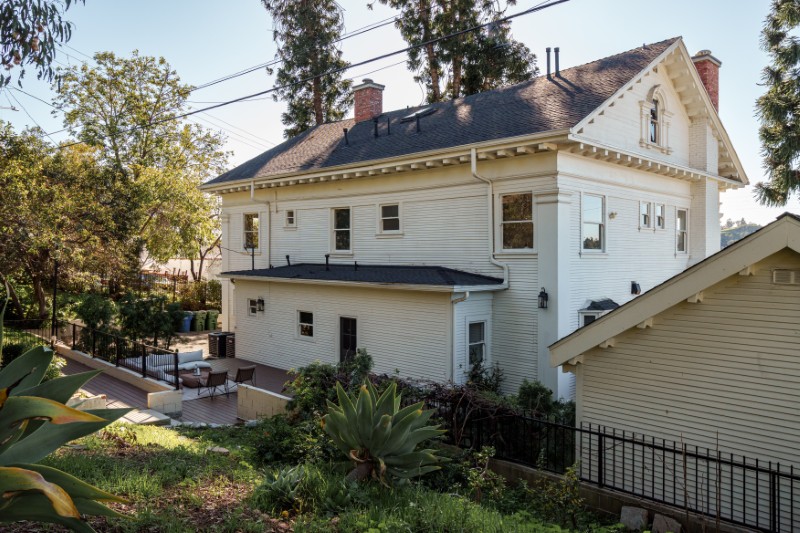
Designed by John C. Austin, the architect behind Griffith Observatory
In Los Angeles, “designed by” can be thrown around loosely. This is not one of those times.
The listing credits the home to John C. Austin, the architect behind Griffith Observatory and Los Angeles City Hall — two buildings that define the city’s visual identity, whether people consciously realize it or not.
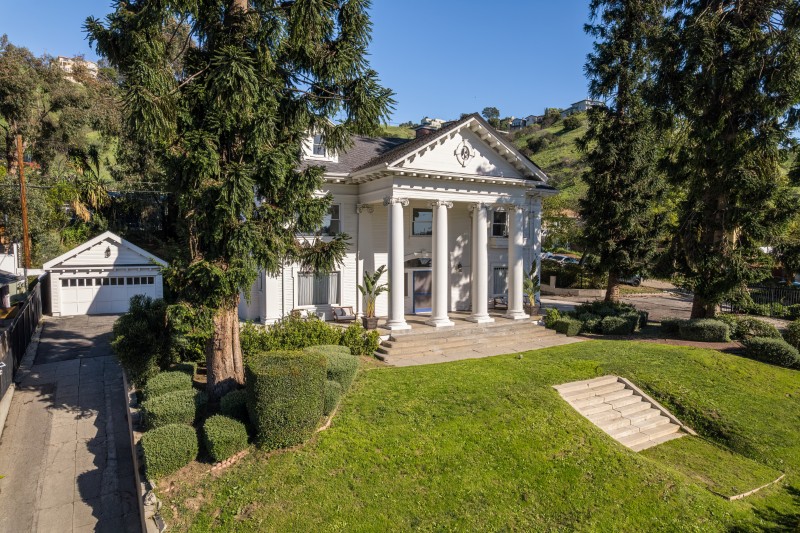
That influence shows in the mansion’s classical presence. It’s formal. It’s symmetrical. It’s meant to feel permanent.
Greek Revival architecture with a true old-L.A. sense of grandeur
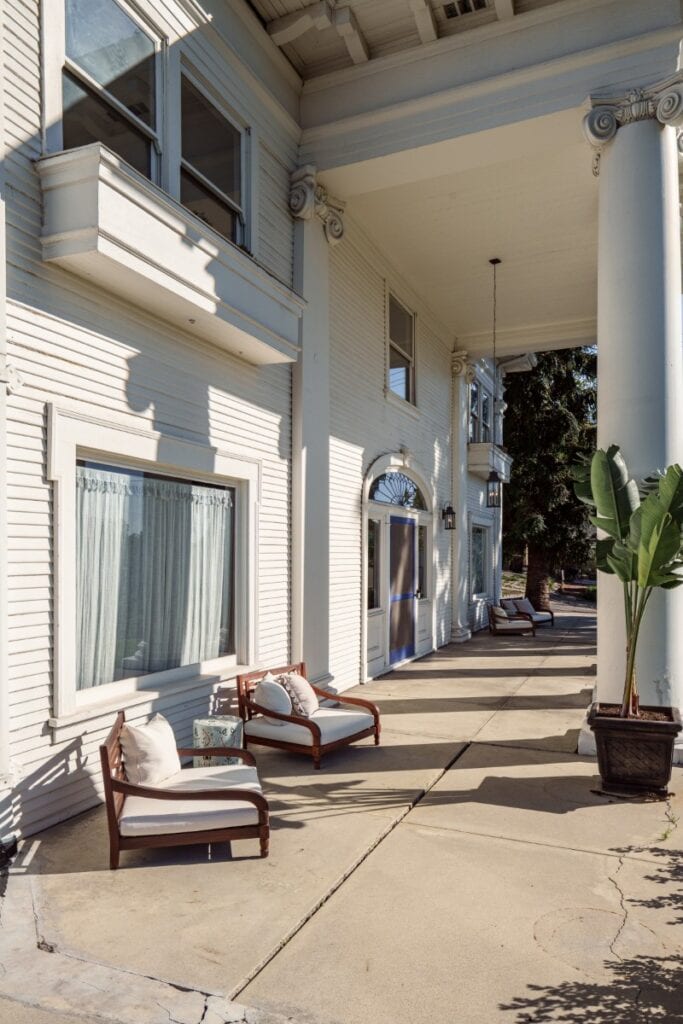
The residence is described as a landmark example of early 20th-century Greek Revival architecture, and the façade reportedly leans neoclassical in its composition and presentation.
This isn’t the kind of house that “tries” to feel grand. It just is. A proper front, a strong sense of proportion, and a traditional estate layout that feels rooted in another era of Los Angeles.
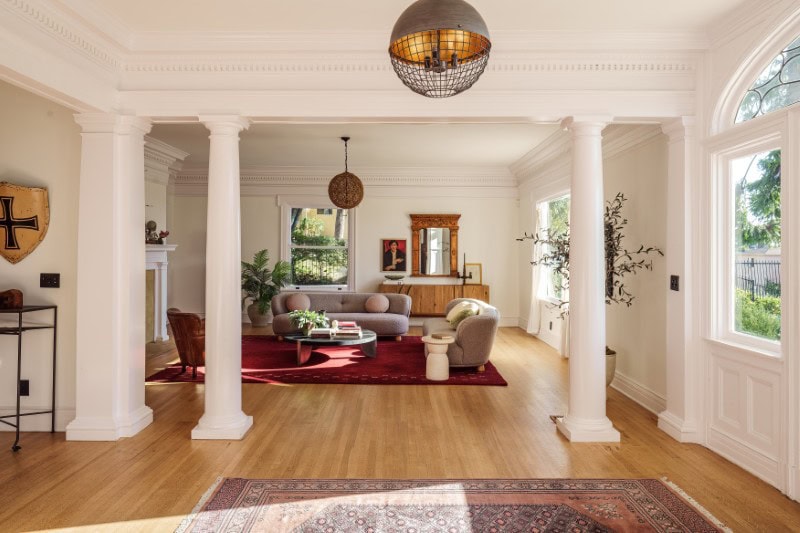
A remarkably intact interior “core,” with original details still in place
One of the most impressive things about this property is how much original substance remains.
The listing emphasizes a preserved architectural core, including a symmetrical floor plan, soaring ceilings, and multiple preserved details that haven’t been stripped out for a modern flip.
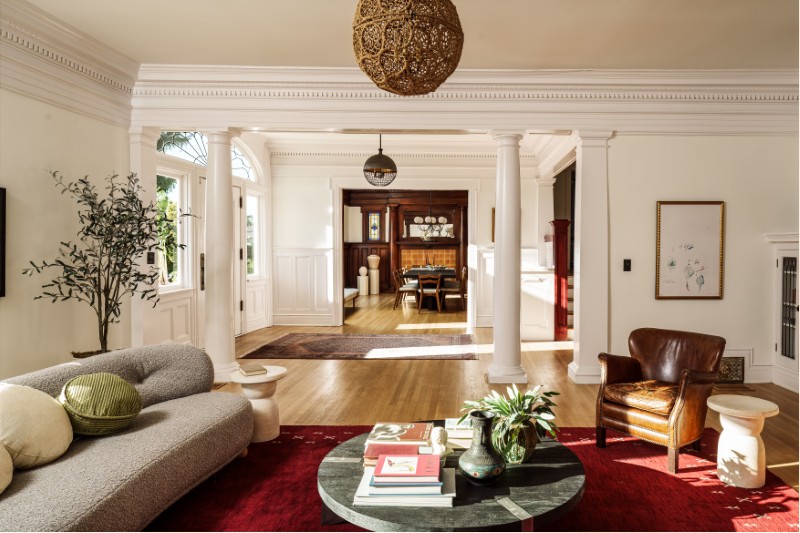
And yes — one of the details called out is the home’s original freezer, which is such a deliciously specific survivor of early 1900s domestic life.
Built-in benches and bookcases that still feel original to the home
Modern homes love built-ins because they look expensive.
Old homes have built-ins because they were designed that way from day one.
This property includes original-style built-in benches and bookcases, a detail that helps the interiors feel tailored and permanent, rather than staged.
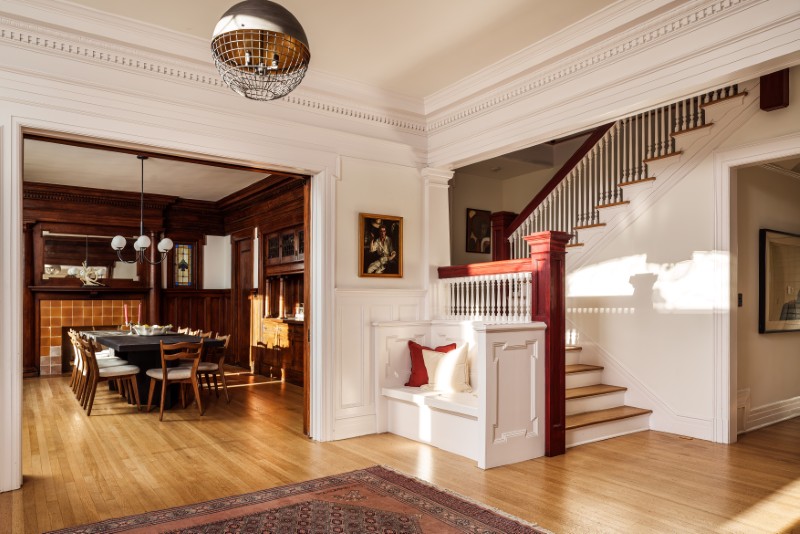
Hardwood floors, crown moldings, and millwork worth slowing down for
This home is rich with what old-house lovers want most: the handwork.
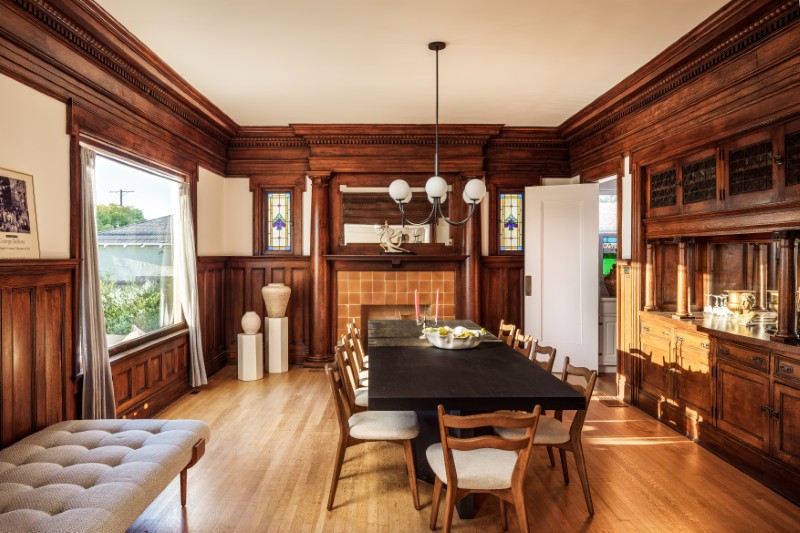
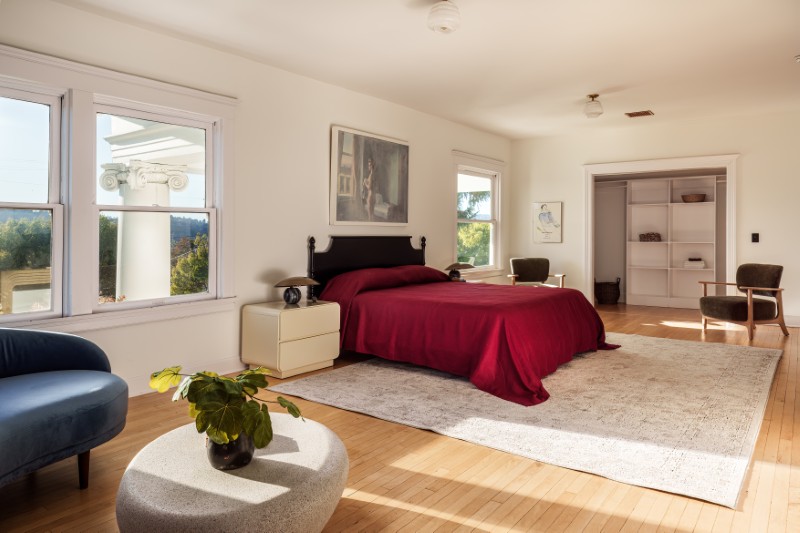
Inside, living spaces are anchored by hardwood floors, ornate crown moldings, carved woodwork, and preserved built-in features that give the rooms their structure and personality.
It’s the kind of interior where even the trim feels deliberate.
Stained glass and carved oak details add a true mansion feel
You can’t fake the kind of texture this house has.
The listing highlights stained glass and carved oak millwork, and that’s where the home’s personality really lives: in the details that are too specific to replicate without spending a small fortune today.
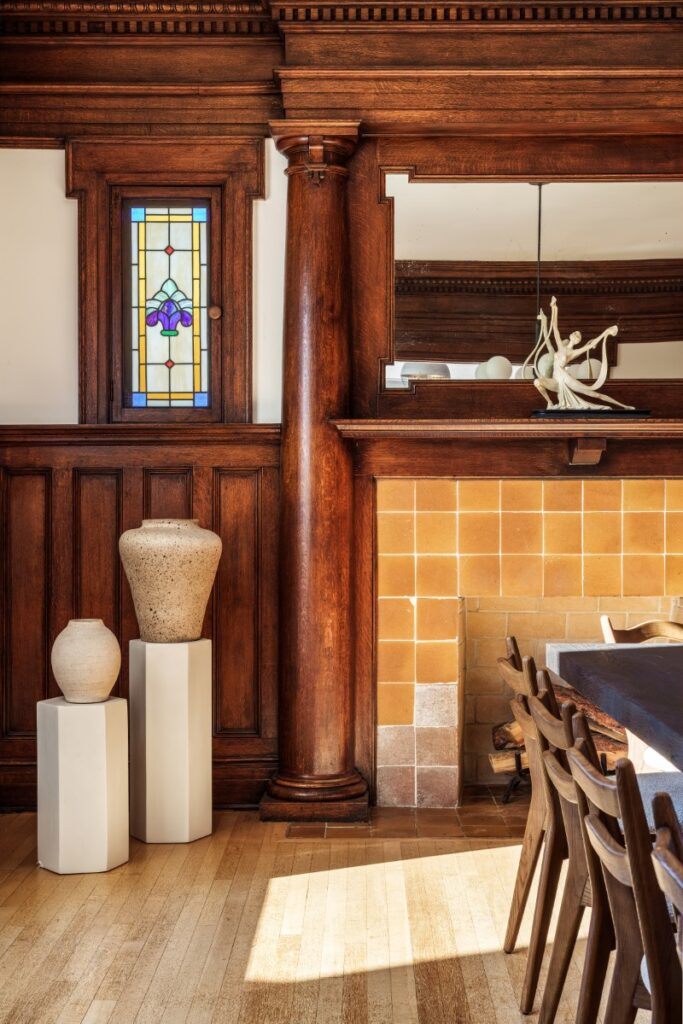
This is the kind of craftsmanship that makes people say, “they don’t build them like this anymore,” because… they truly don’t.
Fireplaces that anchor rooms the way they used to
The home also includes multiple fireplaces, which add character throughout.
In a house like this, fireplaces aren’t “amenities.” They’re architectural anchors, each one giving a room a center of gravity, in the way early-1900s formal rooms were designed to function.
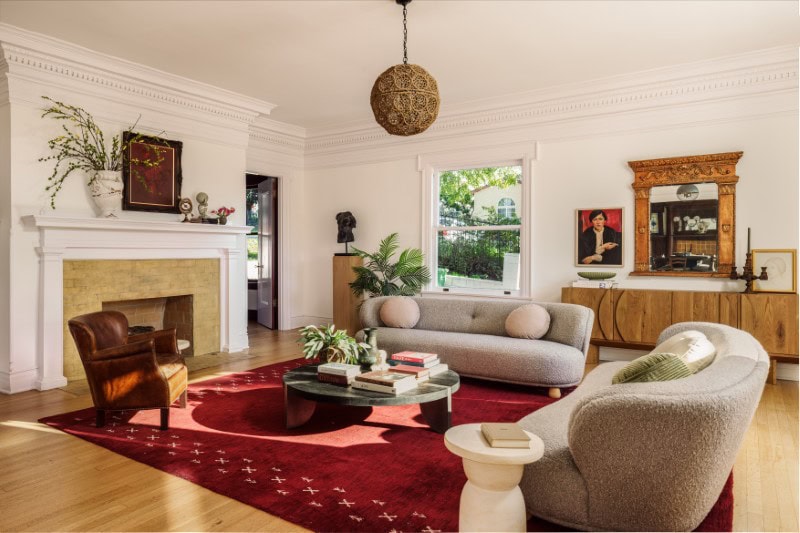
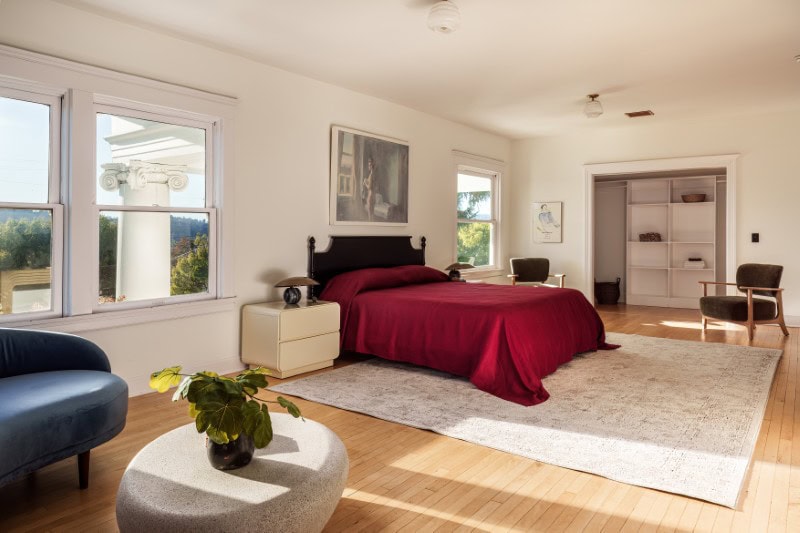
Oversized picture windows framing hillside views
If the home’s design is formal, the views are pure Southern California. Oversized picture windows frame sweeping hillside views, making the landscape part of the interior experience.
It’s one of the reasons this kind of traditional architecture works so well in L.A.: the structure may be classical, but the light and scenery are distinctly California.
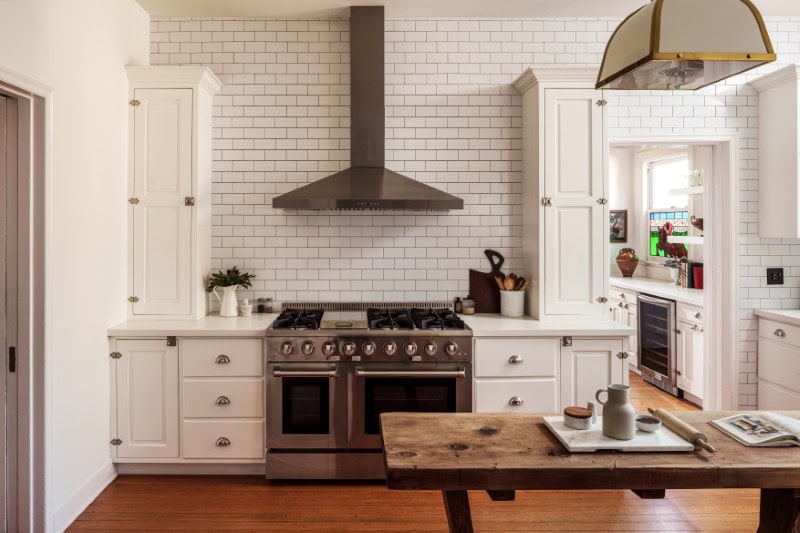
A remodeled chef’s kitchen that respects the home’s character
While much of the appeal here is historic detail, the home has also been updated for real life.
The main level includes a remodeled chef’s kitchen with stainless steel appliances.
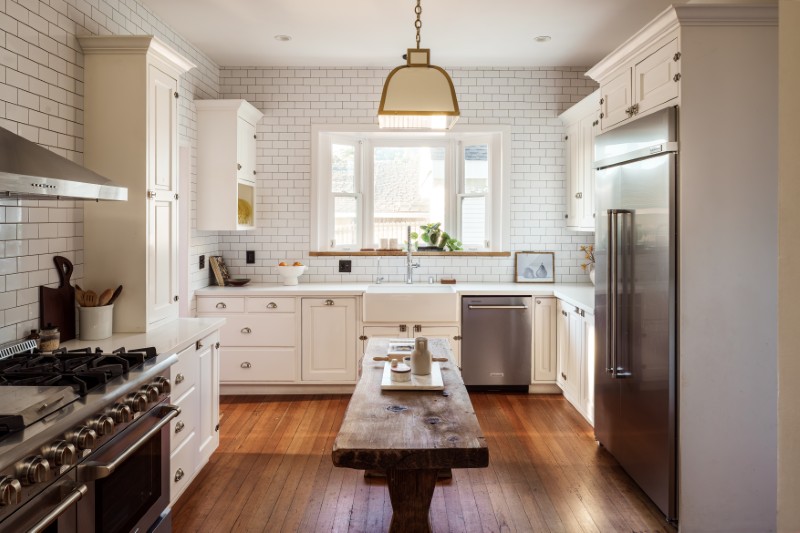
The listing also describes it as “newly remodeled” and “vintage-inspired,” which is important — because the best updates in historic homes don’t try to erase the past. They work alongside it.
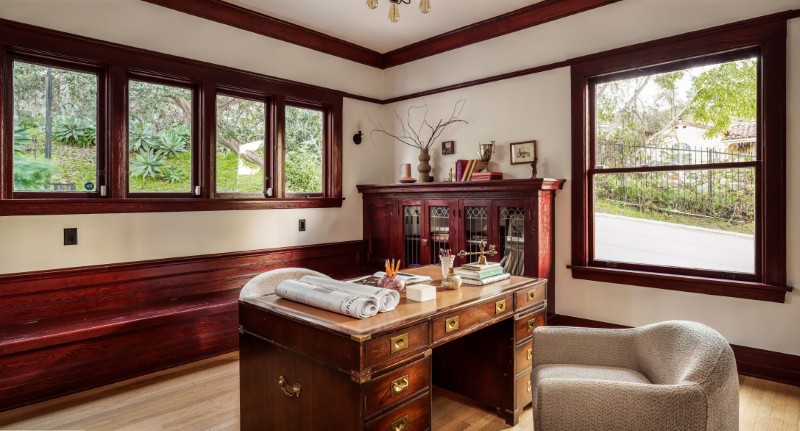
A study with original woodwork that feels like a time capsule (in a good way)
One of the home’s standout spaces is the study, highlighted for its original woodwork and preserved detailing.
In a house like this, a study isn’t just a room, it’s a mood. It’s where you can picture handwritten letters, serious books, maybe even an antique globe for no reason other than: why not.
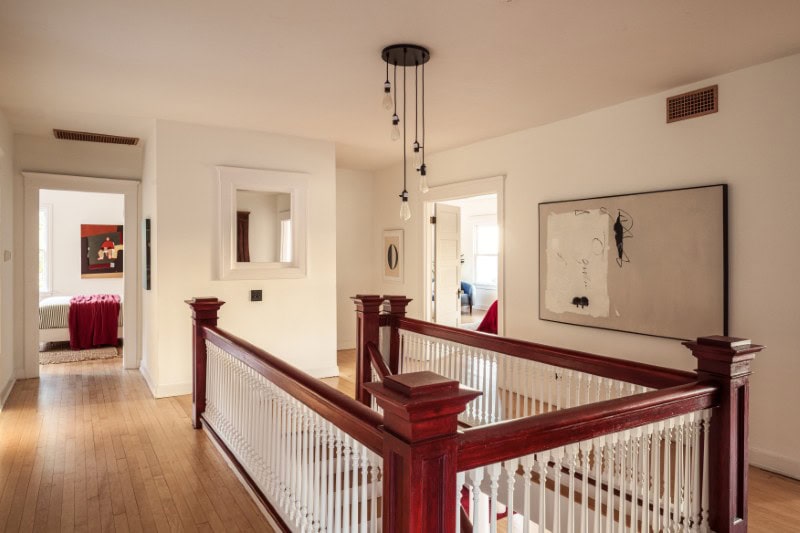
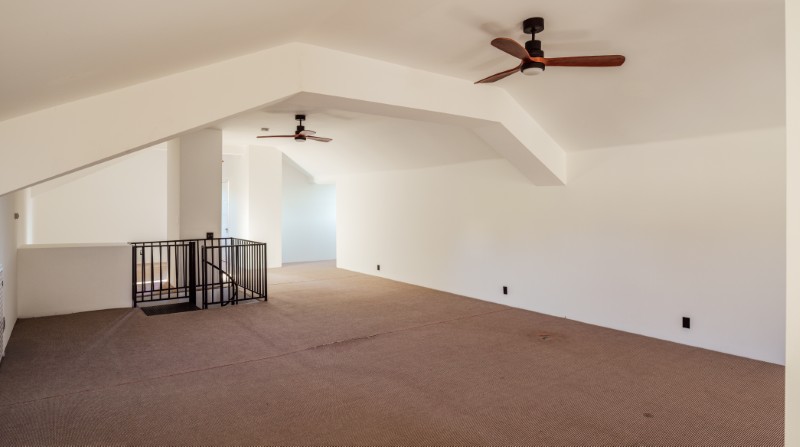
A winding staircase leading up to a finished attic
The home also includes a winding staircase leading to a finished attic, described as an ideal creative studio, gym, or playroom.
Finished attics are one of those old-house luxuries that feel surprisingly modern, adding flex space before flex space was even a thing.
Over half an acre in Los Angeles? That’s the real flex
As architectural as the house is, the land makes it even more notable.
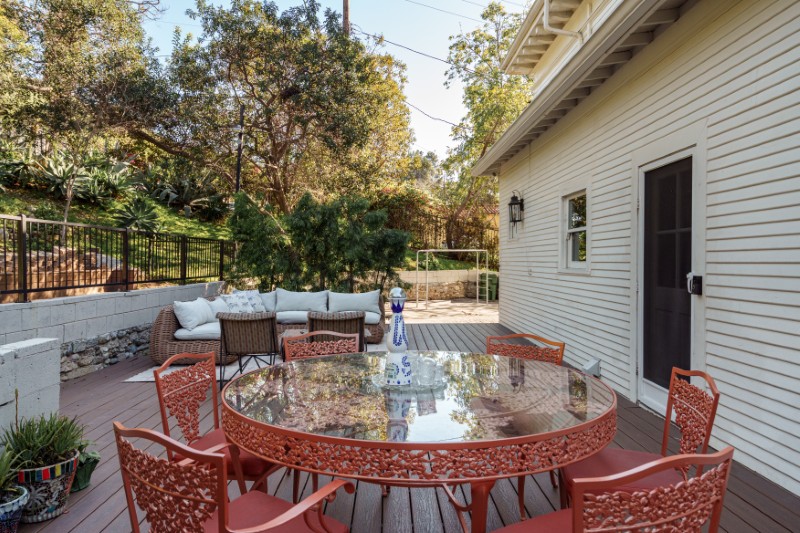
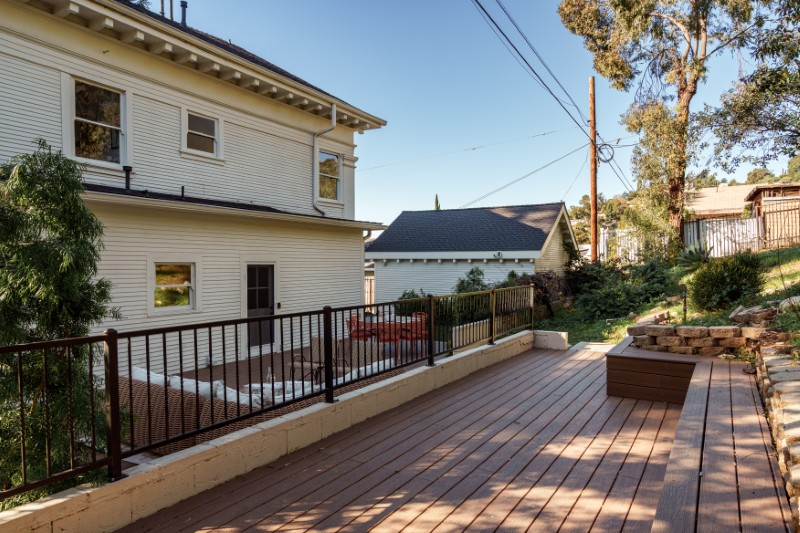
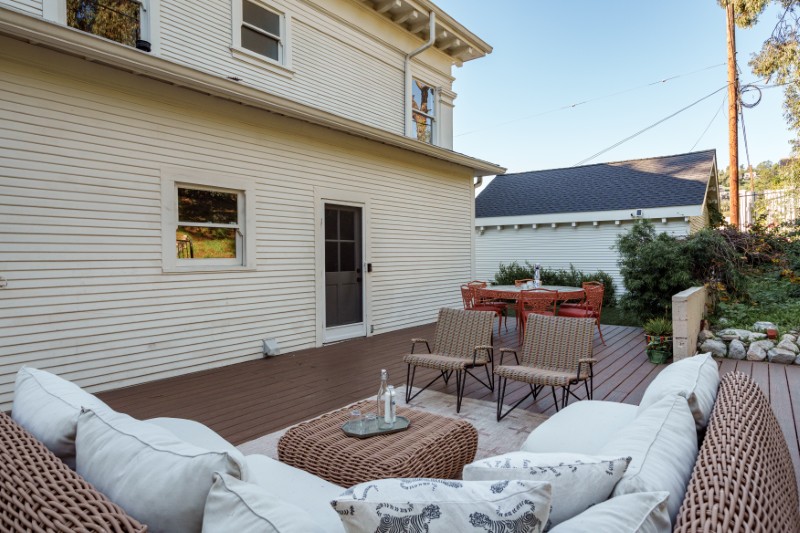
The home sits on more than half an acre, with multiple outdoor decks and terraces that create a private hilltop compound feel — rare scale for a residential property this close to the city.
Private decks and terraces give the estate its indoor-outdoor rhythm
This isn’t a mansion where the outdoors are an afterthought.
Instead, the property unfolds across multiple decks and terraces for dining, lounging, and entertaining — spaces that allow the home to function like a true hillside retreat.
A setting near Cypress Avenue’s shops, galleries, and restaurants
The listing also emphasizes proximity to the shops and restaurants along Cypress Avenue, a key part of the area’s local charm.
It’s a reminder that while the estate feels removed, it isn’t remote, there’s still lots of city life nearby.
“Traditional” Los Angeles in the purest sense
This listing is special because it taps into something older than trends.
It’s a traditional mansion — not in the vague “classic” sense, but in the real architectural sense: symmetrical plan, serious millwork, old-world scale, and a façade designed to feel stately.
Lorraine Getz summed up the emotional pull of the home in a quote that reads very true to the experience many people have in preserved historic houses:
“The Nickel-Leong Mansion is not just architecturally significant, it’s emotionally significant… you feel the history, the craftsmanship, and the intention the moment you walk in.”
And that’s really it. Some homes feel impressive. Others feel meaningful. This one manages to be both.
With a lowkey Hollywood connection
The home is owned by Tom Cross, an Oscar-winning editor known for major film work — most famously his collaborations with Damien Chazelle, including Whiplash, which won him the Academy Award for Best Film Editing.
It’s the kind of celebrity connection that feels fitting here; not flashy or tabloid-y, but quietly prestigious.
More stories
Century-old Los Angeles homes that outshine any new build
Inside Moby’s impeccable former Los Angeles castle — known as Wolf’s Lair
A $22M Pasadena landmark just got a Showcase House glow-up (and it’s absolute perfection)
The post Landmark Los Angeles home was designed by the architect of the Griffith Observatory — and it shows appeared first on Fancy Pants Homes.

 English