


Not all homes are created the same way.
Builder-led homes are often designed to move quickly, meet minimum standards, appeal to as many buyers as possible, and sell fast. Architect-led homes, on the other hand, start from a different premise entirely: how a house should live, age, and adapt over time.
The difference isn’t just aesthetic.
It shows up in the home’s overall flow, comfort, light, privacy, and how often the house quietly solves problems before they arise. And it’s often palpable and easily picked up by anyone who crossed the home’s threshold.
Because architects know how people live, and one of their core goals is to make the homes as accommodating and adaptive as possible.
These are 15 things builders often skip — but architects almost always prioritize.
Designing the house around the site itself
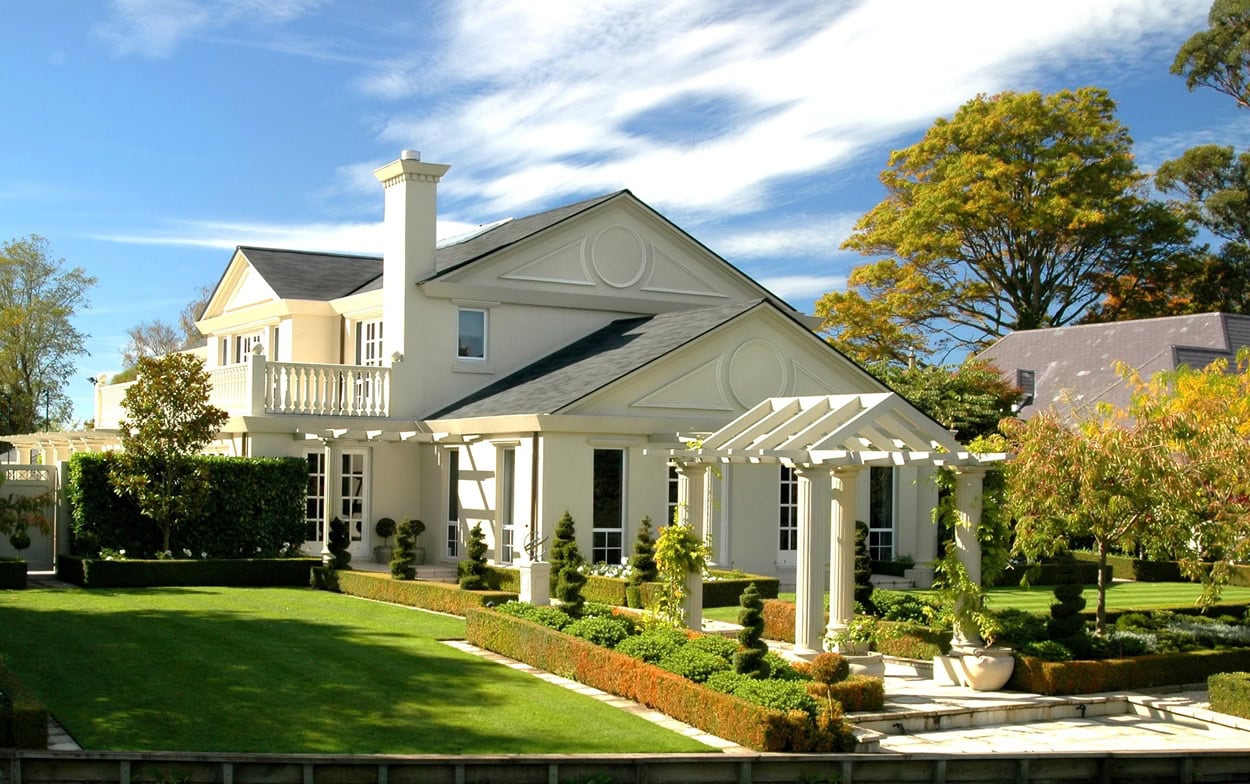
Builders often work from pre-set plans that get dropped onto lots with minimal adjustment. Orientation, slope, and surroundings (not to mention the nature itself) are treated as constraints rather than opportunities.
Architects start with the site.
They study sunlight, views, prevailing winds, privacy from neighbors, and natural access points. The house grows out of the land instead of simply occupying it, and nature is often incorporated into the design, especially if the architect’s sensibilities lean towards midcentury or organic architecture.
Planning circulation before drawing rooms
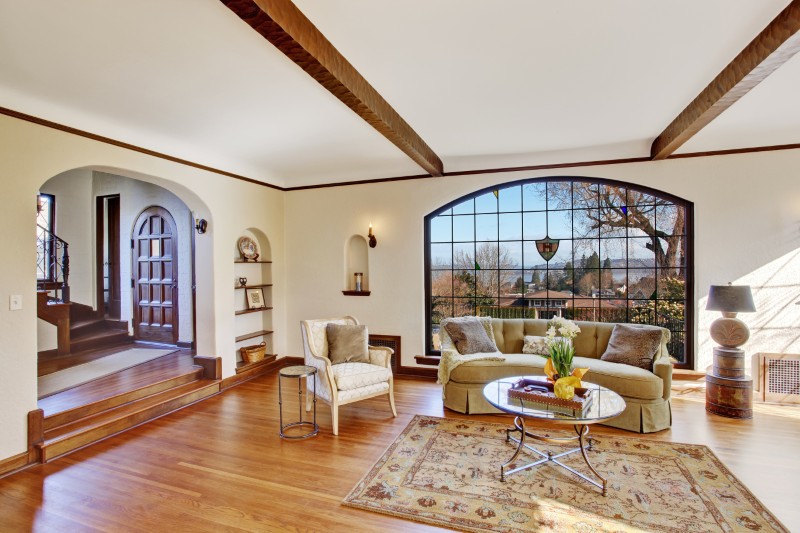
Builder plans often focus on fitting in rooms first — then connecting them with hallways afterward.
Architects think about movement early. How you enter, where you pause, how you transition between spaces, and how traffic flows during daily life all shape the plan from the beginning.
Considering light quality, not just window count
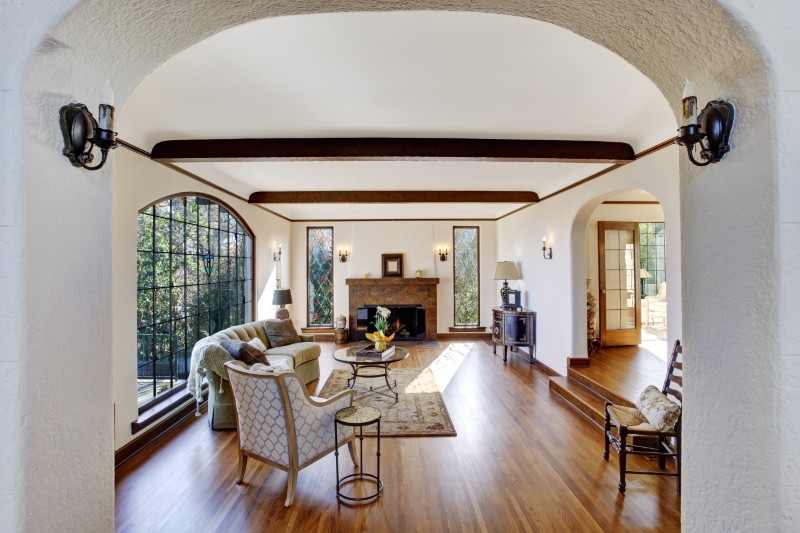
More windows don’t automatically mean better light. Builders often place them for symmetry or code compliance.
Architects think about when and how light enters a room. Morning versus afternoon light, glare, shadow, and seasonal changes all inform window placement. That’s what makes the difference between a bright, relaxing bedroom and one where the sun shines in your face first thing in the morning!
Separating public, private, and service zones
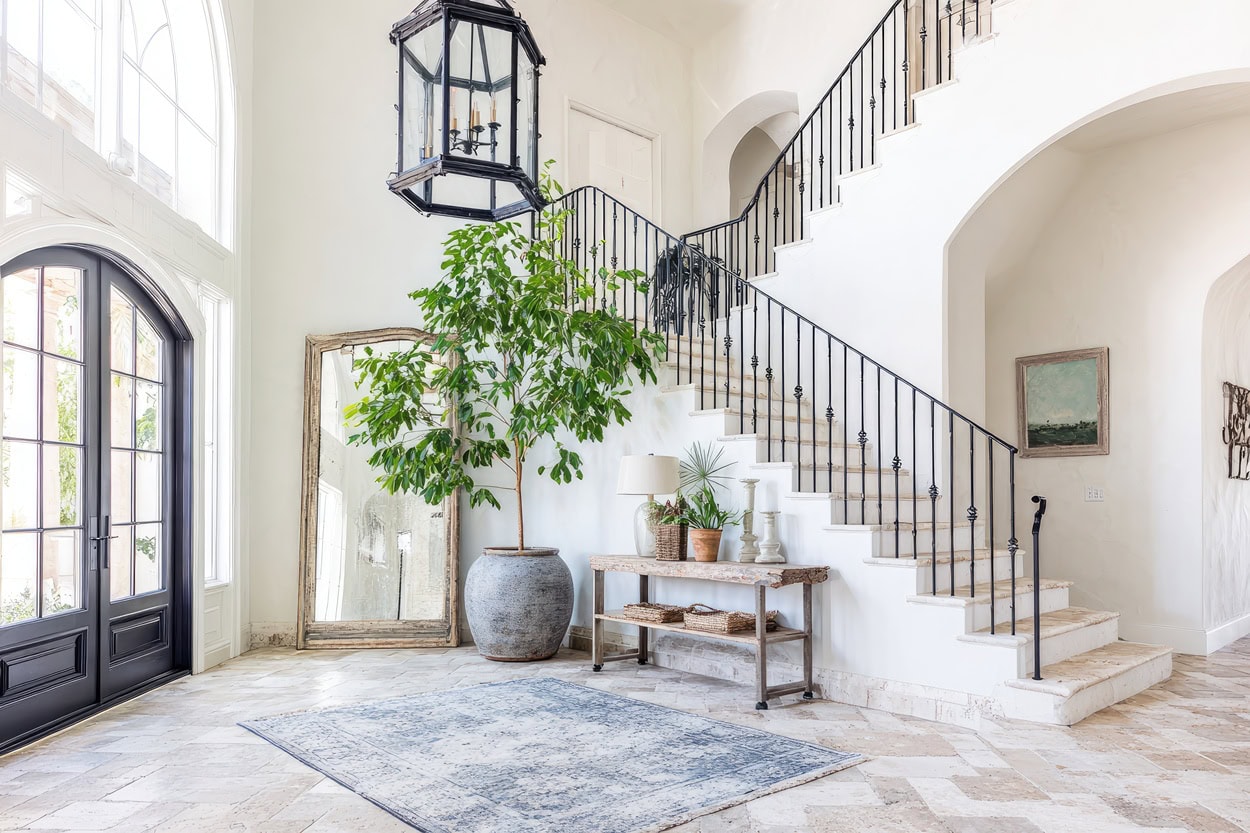
Builder homes frequently mix bedrooms, bathrooms, and main living areas without much buffering (or considerations for things like unwanted noises and smells).
Architects organize homes into zones: social spaces, quiet spaces, and behind-the-scenes functions. This separation creates calm, privacy, and better acoustics without needing more square footage.
Designing ceilings intentionally
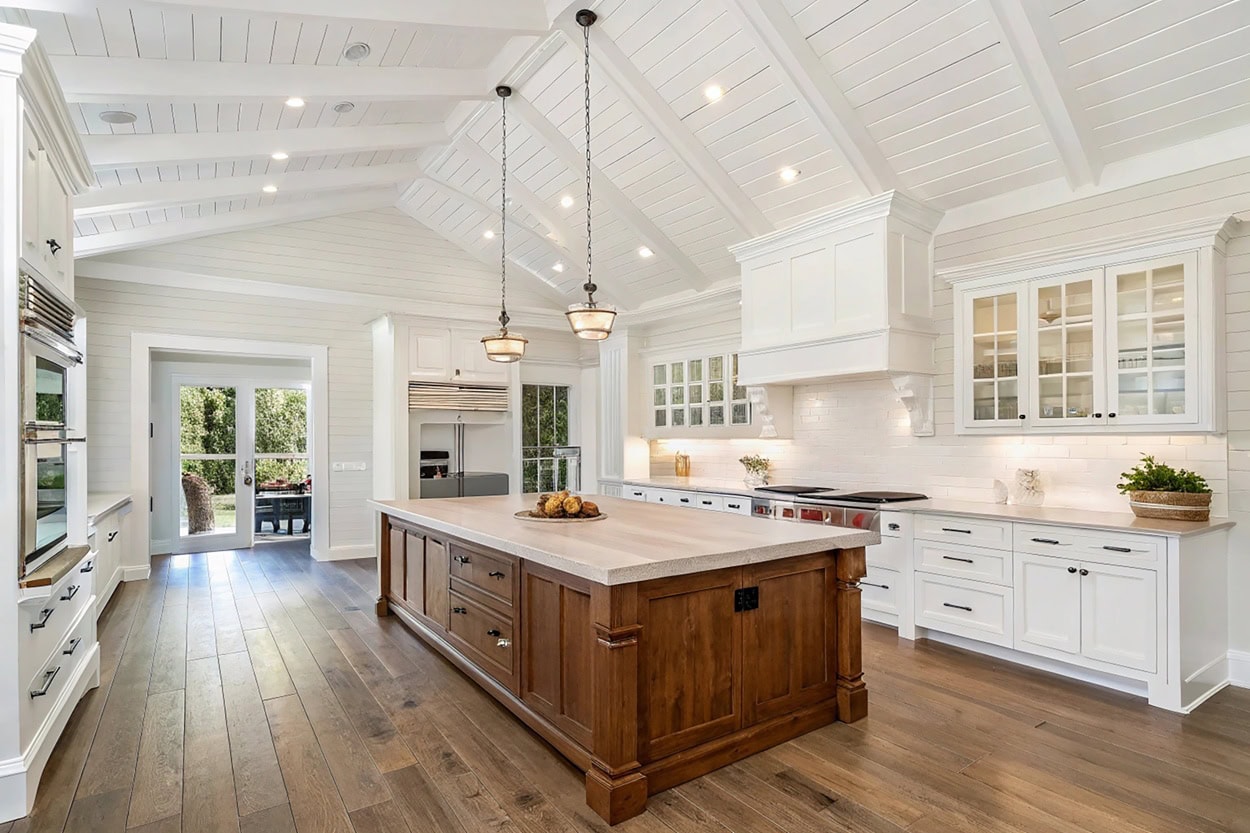
Uniform ceilings and ceiling heights are easier and cheaper to build, so they’re common in builder homes.
Architects use ceiling height strategically — taller where people gather, lower where intimacy and quiet matter. The change subtly influences how spaces feel and function.
They also use ceilings to add a note of grandeur to the space, or to tie it in to a design element used throughout the residence (think vaulted, beamed ceilings).
Accounting for furniture and real use early on
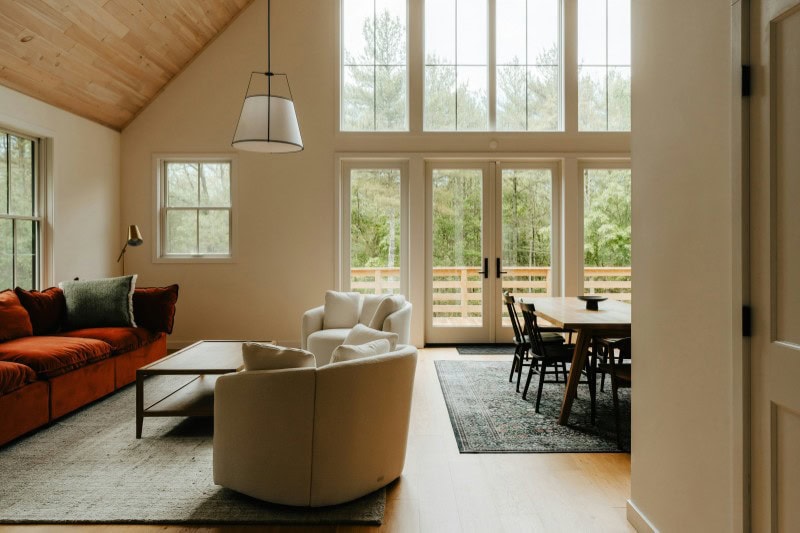
Builder layouts often assume generic furniture sizes and idealized living scenarios.
Architects think through how rooms will actually be furnished, walked through, and used — ensuring there’s space to move comfortably and live naturally. This also allows homeowners more freedom in furnishing their space, leaving room for more bold (and sizable) furniture pieces.
Integrating mechanical systems into the design
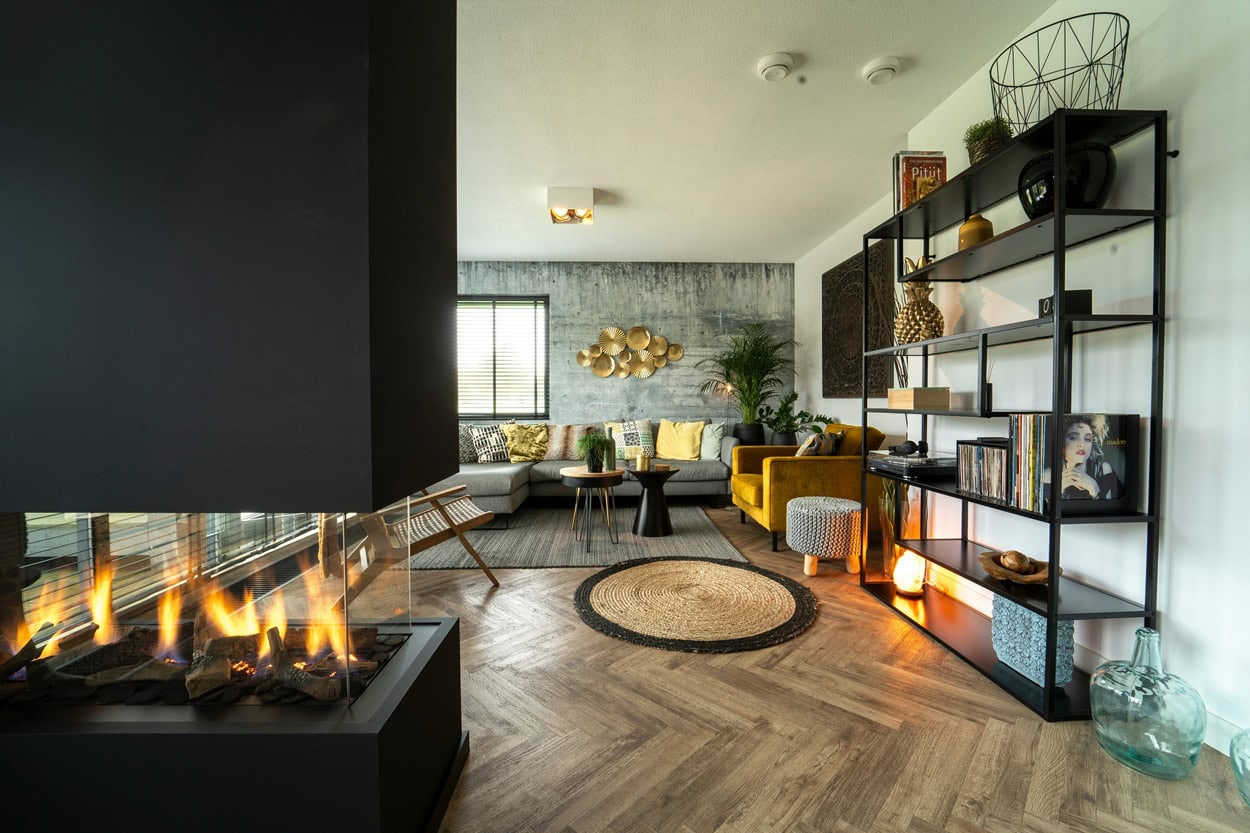
Heating, cooling, ductwork, and ventilation are often squeezed in late during builder-led projects or go by standard practices that leave them ultra-visible throughout the home. Not to mention leaving heating vents in inconvenient places, where furniture would normally sit.
Architects coordinate these systems early, which leads to optimal placement, quieter operation, better air quality, and fewer visual compromises.
Designing transitions instead of abrupt changes
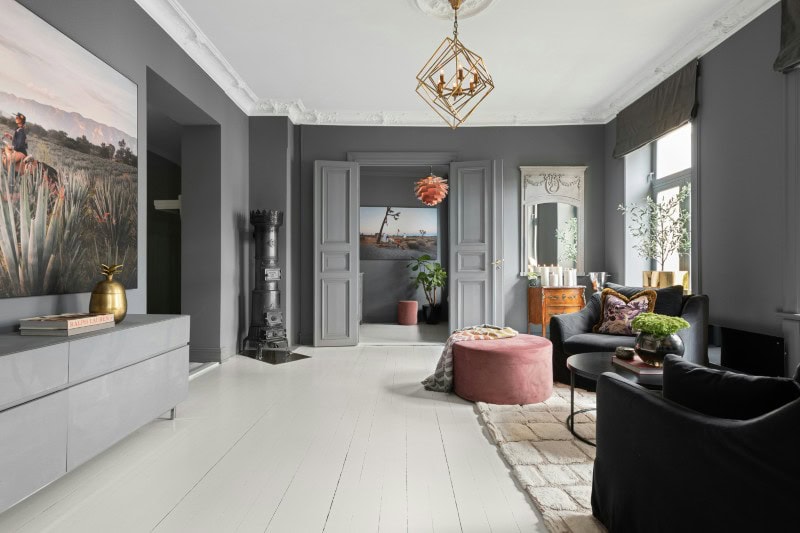
In many homes, rooms change suddenly: flooring shifts, ceiling heights drop, or materials switch without explanation.
Architects design transitions deliberately, using subtle shifts to signal movement from one zone to another without visual chaos. You’ll see landings with additional space before the steps start, expertly placed light fixtures that ‘announce’ taller ceilings, and more savvy design elements.
Prioritizing long-term flexibility
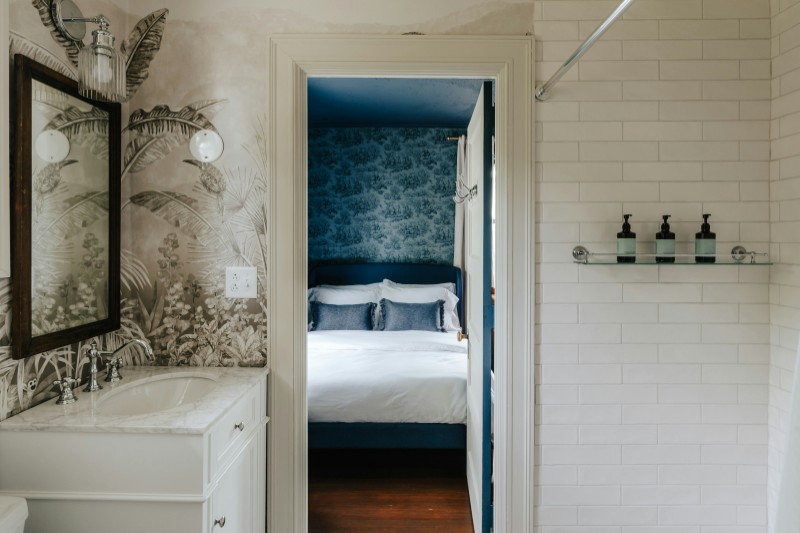
Builder homes are often designed for a single moment in time.
Architects anticipate change: evolving family needs, aging in place, future technology, and adaptable spaces. Flexibility is built in quietly, leaving room for life’s natural changes.
Thinking about storage as part of the architecture
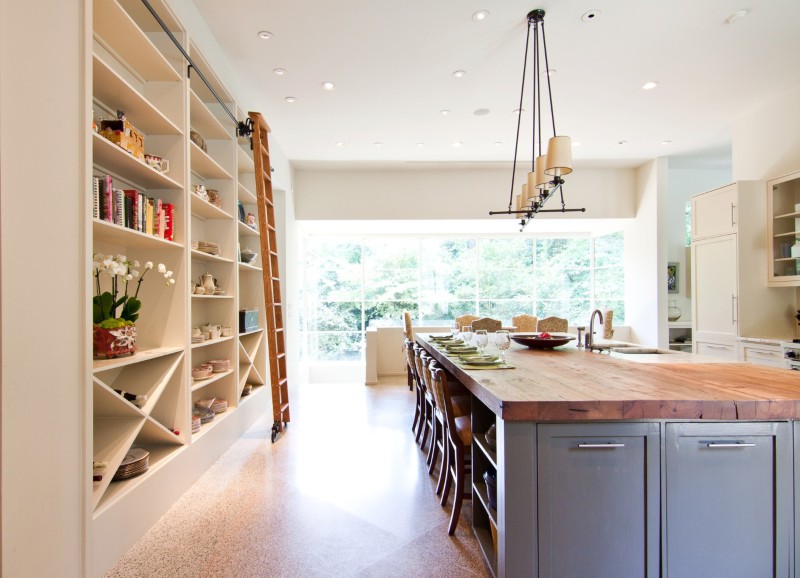
Builder homes add storage where it fits. And if it fits, one might add, as storage is arguably the least monetizable space of the build.
Architects, on the hand, see storage as a crucial part of the home’s livability, and make sure to integrate it into walls, circulation areas, and unused space so it feels intentional and unobtrusive. They also anticipate storage needs in key areas (laundry, garage) and add functional spaces whenever possible.
Aligning openings for sightlines and flow
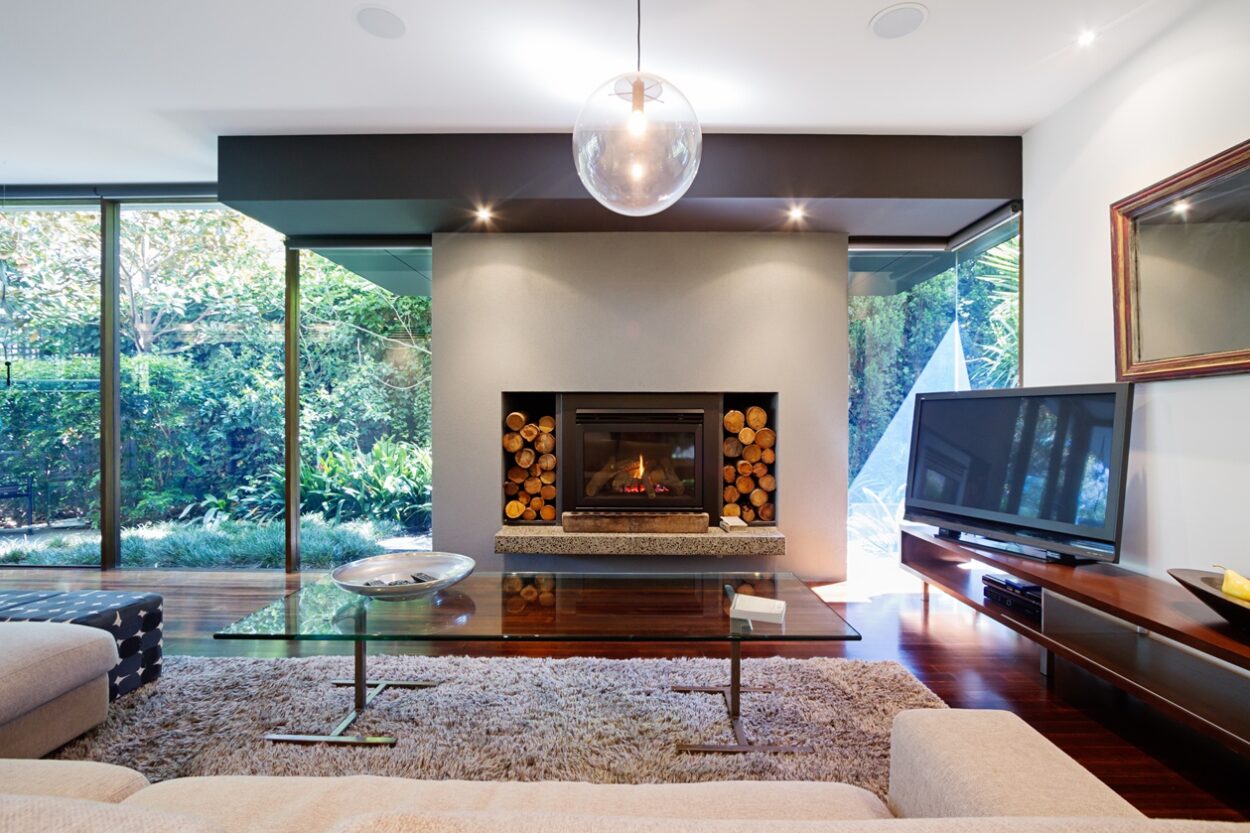
Builder plans frequently place doors and openings wherever they fit, maximizing square footage across the floor plan at the cost of some higher quality additions.
Architects align doors, transitions, and windows to create clear views, natural light paths, and intuitive movement through the house. If there’s a view or a garden to admire, rest assure they’ll find a way to highlight it accordingly.
Designing outdoor space as part of the house
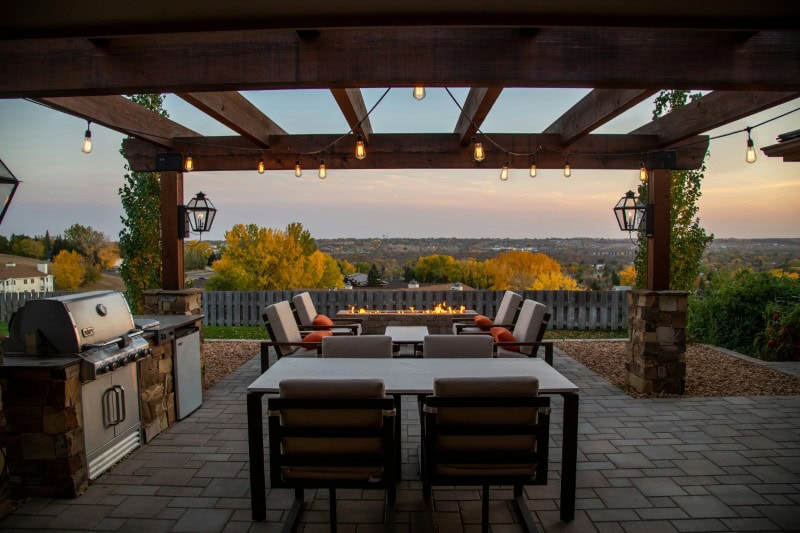
Builder homes often treat yards and patios as add-ons or afterthoughts, at best.
Architects design outdoor areas as rooms — considering shade, privacy, proportions, and how interior spaces connect to them.
Coordinating materials across the entire home
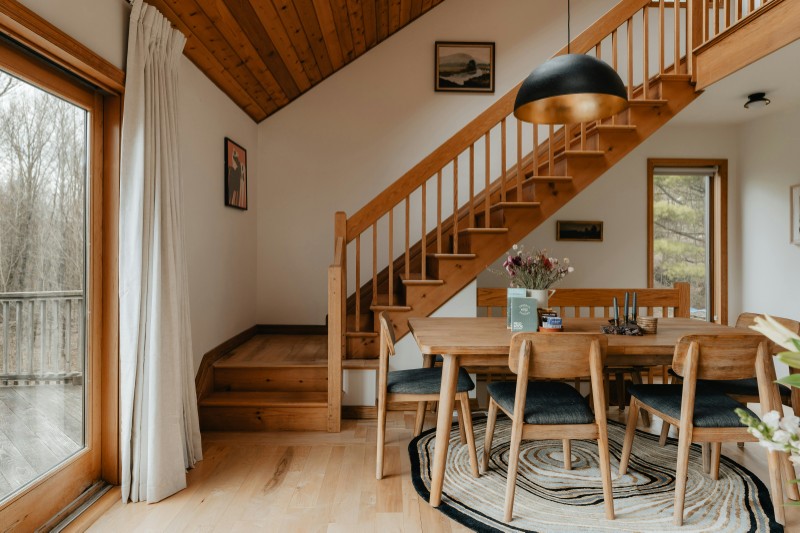
Builder homes may showcase upgraded materials in visible spaces and simplify elsewhere, cutting costs where they think people won’t notice.
Architects think holistically, repeating materials in thoughtful ways so the house feels cohesive rather than patchwork. That doesn’t necessarily end up costing more (in fact, the opposite might happen), as this relies more on planning and knowing what stands out rather than simply “doing more”.
Planning for sound, not just structure
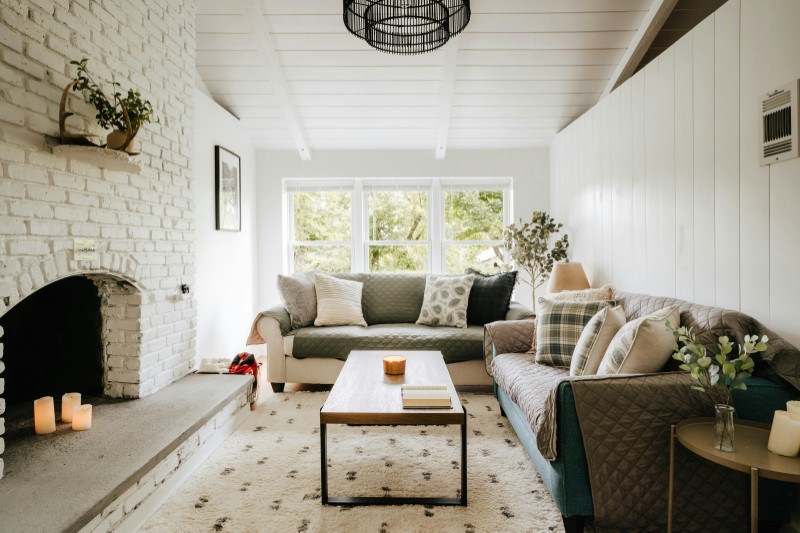
Noise transfer is rarely addressed in builder homes beyond minimum requirements.
Walls go up, doors go in, and that’s where the thinking stops. The result is familiar: TV noises bleeding into bedrooms, echoing hallways, bathrooms that amplify noise, and zero privacy during phone calls or early mornings.
Architects consider acoustics — where sound travels, how it’s absorbed, and how quiet spaces are protected. They separate noisy spaces from quiet ones, buffer bedrooms from living areas, and place bathrooms and closets strategically to absorb noise.
Resolving the design before building begins
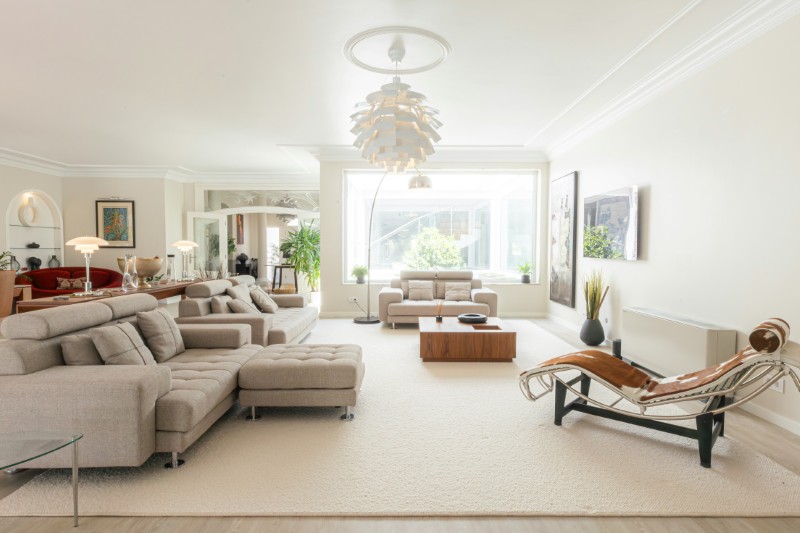
Builder-led homes often evolve during construction. Decisions are made on the fly: a window moves because framing gets tricky, a ceiling drops to hide ductwork, a door shifts because it “works better there.” Each change seems small, but together they create a house full of compromises.
Architect-led homes aim to solve these issues on paper first. Architects work through layouts, sightlines, furniture placement, mechanical systems, and transitions before anything is built. That means fewer last-minute fixes and fewer “we had to make it work” moments.
When the house is finished, it feels resolved — like everything is exactly where it’s meant to be, because it was thought through long before construction began.
More stories
18 Things designers would change first in a builder-grade house
The architectural styles wealthy homeowners almost always choose (and why)
15 things older homes do much better than new builds
The post 15 things builders skip that architects never would appeared first on Fancy Pants Homes.

 English