


The kitchen hasn’t always been the emotional center of the home.
For much of the 20th century, it was a working room: practical, enclosed, and largely out of sight. Over time, that changed. Slowly at first, then all at once, the kitchen became the place where people gathered, talked, worked, hovered, lingered, and lived.
That shift didn’t happen because of one trend or one invention.
It happened as everyday life changed; how families spent time together, how work entered the home, and how entertaining became more informal. Each decade nudged the kitchen closer to the center, until it finally became unavoidable.
Here’s how that transformation unfolded, decade by decade.
The 1950s: When kitchens were all about getting the job done
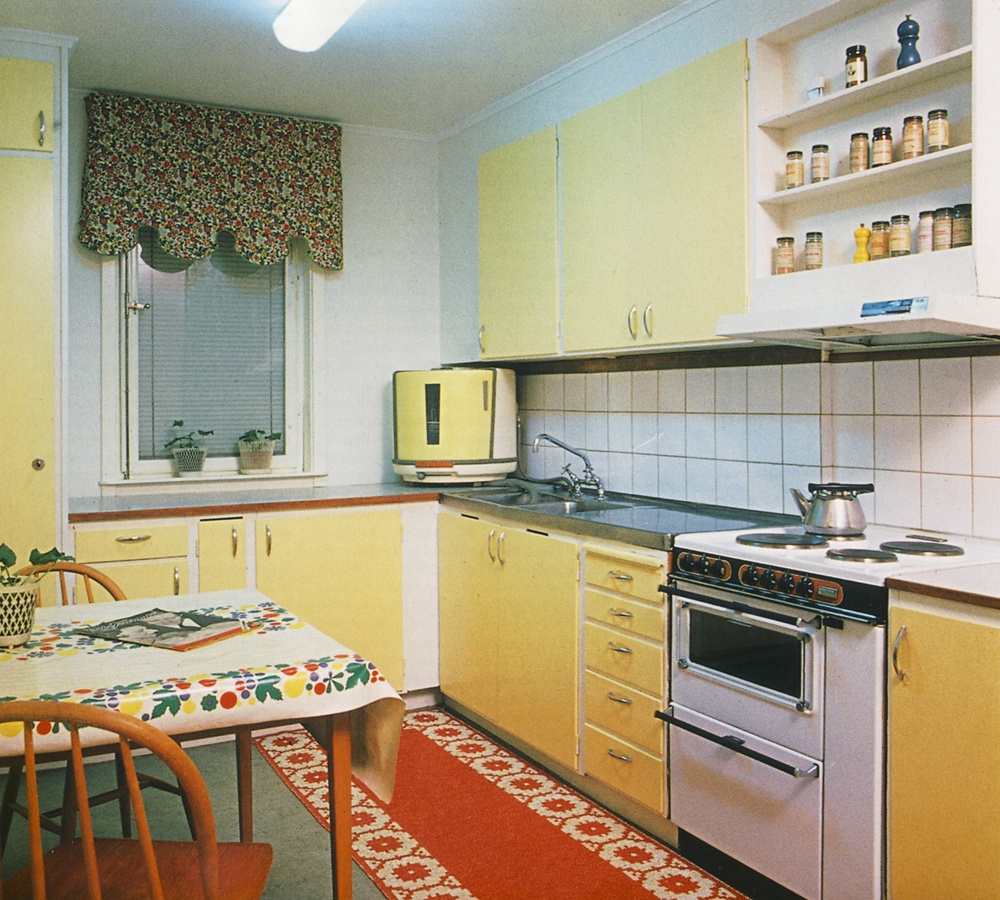
In the postwar years, kitchens were designed for efficiency above all else. They were compact, closed off, and tightly organized, built around the idea that cooking was work and work should be streamlined.
Everything had its place, but there was no expectation that anyone would linger. Once the meal was finished, the kitchen faded back into the background.
The 1960s: When new appliances felt futuristic
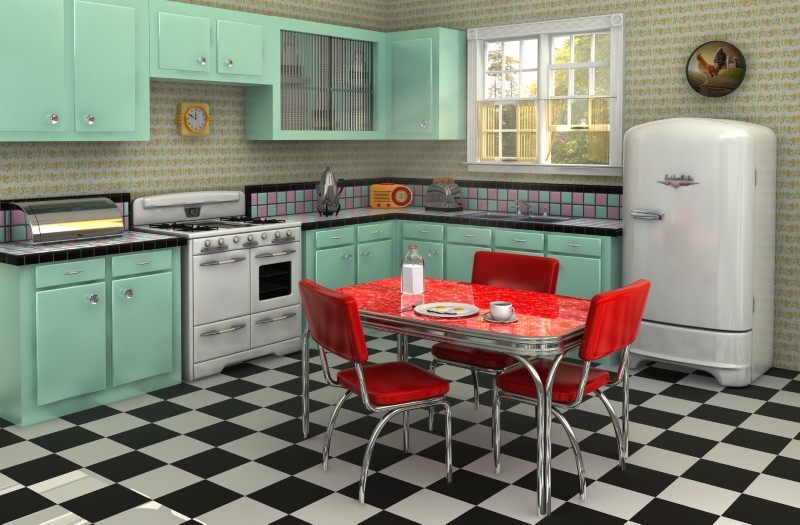
By the 1960s, technology started to reshape the kitchen’s identity. Built-in ovens, dishwashers, and brighter finishes promised convenience and progress. Kitchens still weren’t social spaces, but they were beginning to reflect personality and aspiration.
Owning the latest appliance or choosing a bold color felt like a quiet flex.
The 1970s: When kitchens started feeling more lived-in
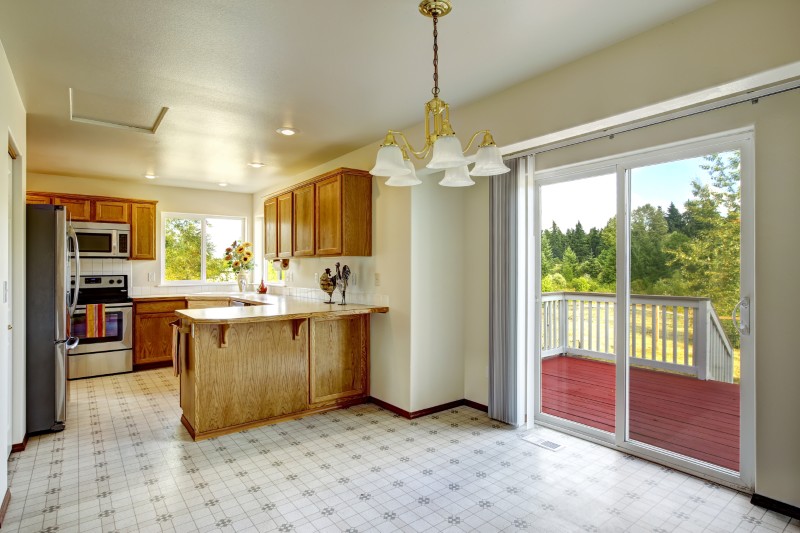
The 1970s softened things considerably. Kitchens became warmer and more casual, with wood cabinetry, breakfast nooks, and room for family members to drift in and out.
This was the beginning of the kitchen as a shared space — even if it still had walls.
The 1980s: When kitchens got bigger — and harder to ignore
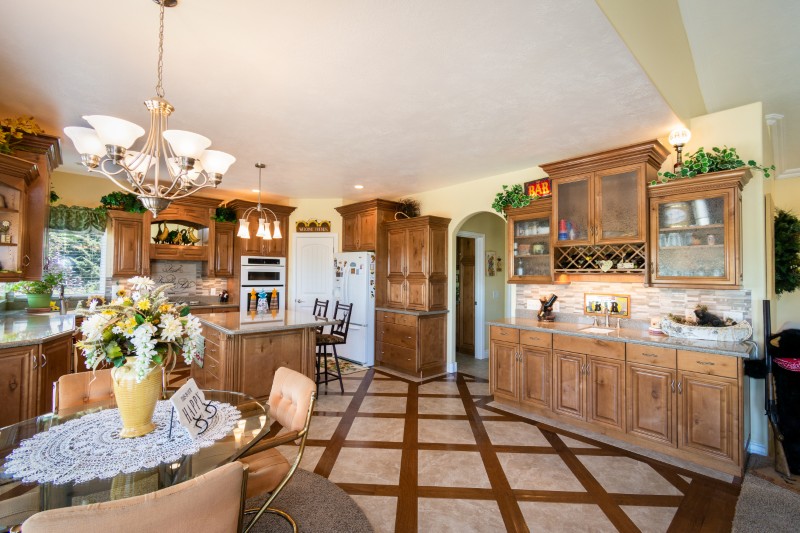
By the 1980s, kitchens expanded in both size and presence. Eat-in layouts became common, and kitchens were no longer tucked away. You could see them from nearby family rooms, and sometimes from the front door.
They weren’t just places to cook anymore, they were part of daily life.
The 1990s: When kitchens officially became gathering spaces
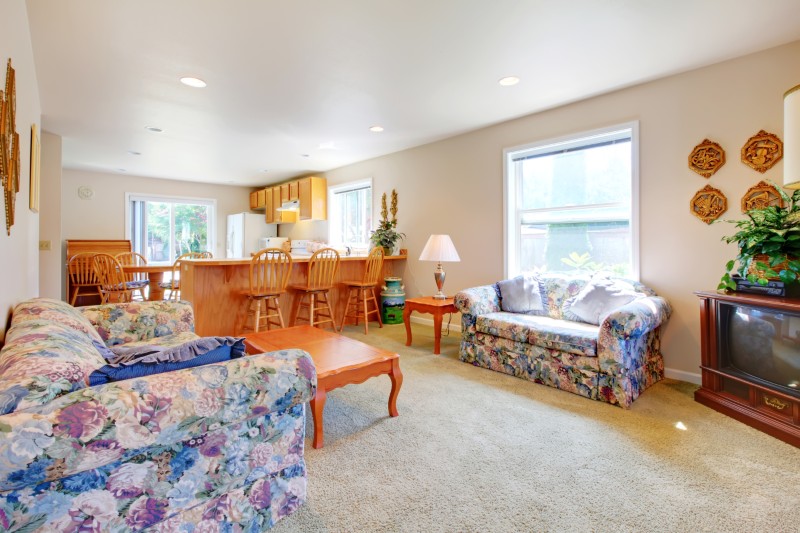
The 1990s marked a turning point. Kitchen islands emerged as casual meeting points, inviting conversation, homework, and snacking. Open layouts gained momentum, and kitchens began anchoring the home’s social life.
Cooking became something people did while spending time together.
Early 2000s: When kitchens became something to show off
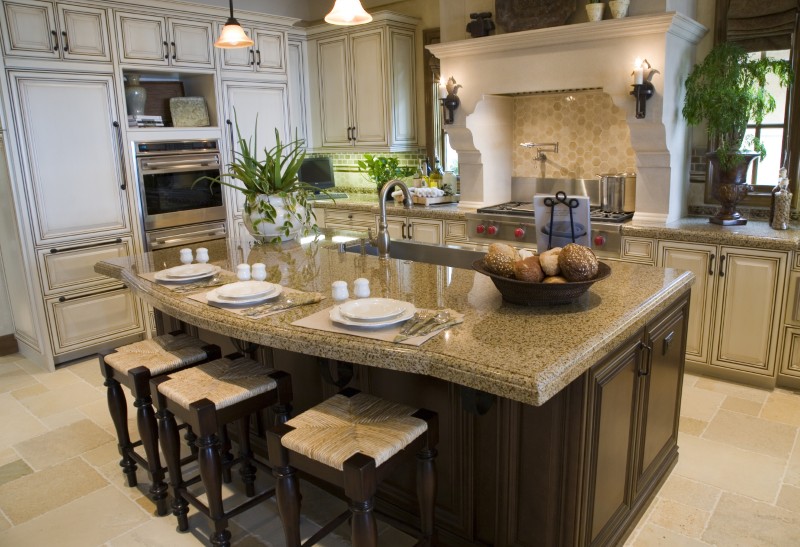
In the early 2000s, kitchens took on a new role: status symbol. Stainless steel appliances, granite countertops, and oversized islands signaled success and modernity.
The kitchen wasn’t just central — it was meant to be noticed.
2010s: When kitchens absorbed everything else
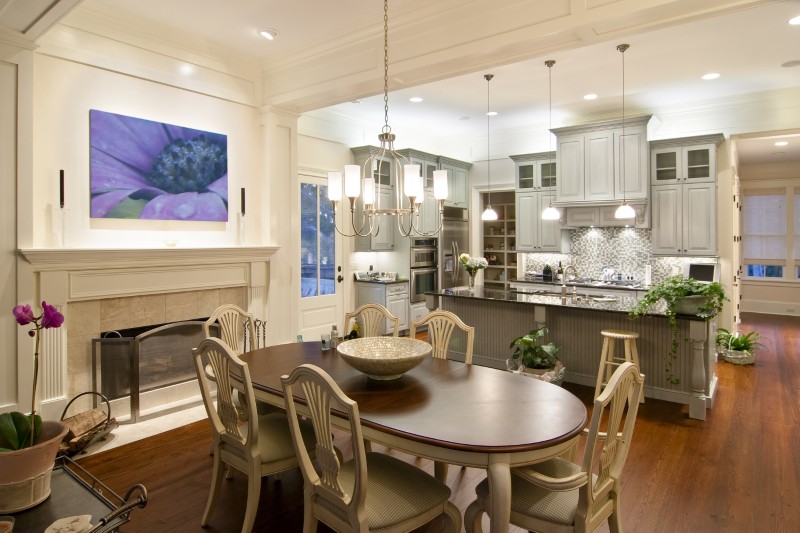
As open floor plans became standard, kitchens fully merged with living spaces. They became the backdrop for everything: meals, entertaining, working from home, and daily routines.
Design focused on integration, making kitchens look and feel like natural extensions of the rest of the house.
2020s: When kitchens stopped trying so hard
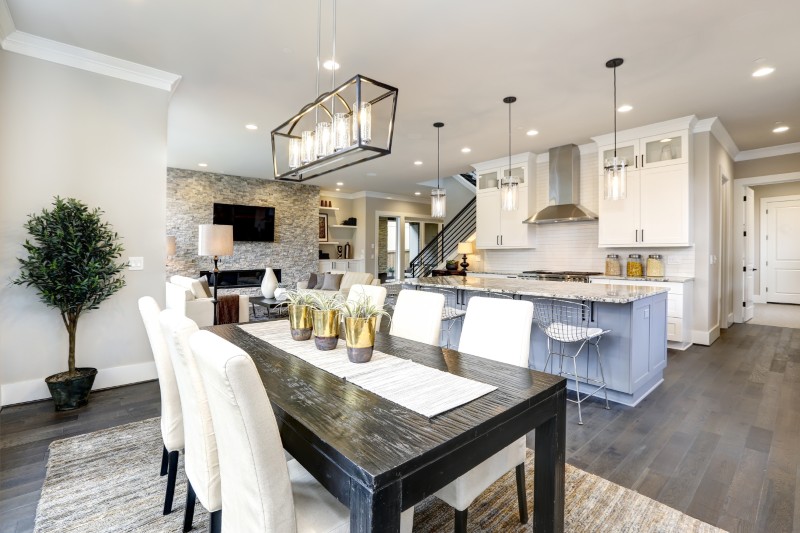
More recently, kitchens have shifted again. The emphasis moved away from spectacle and toward ease. Appliances are hidden, materials are quieter, and layouts prioritize how the space functions day to day.
The kitchen is still the most important room, it just doesn’t need to announce it anymore.
Why the kitchen ended up here
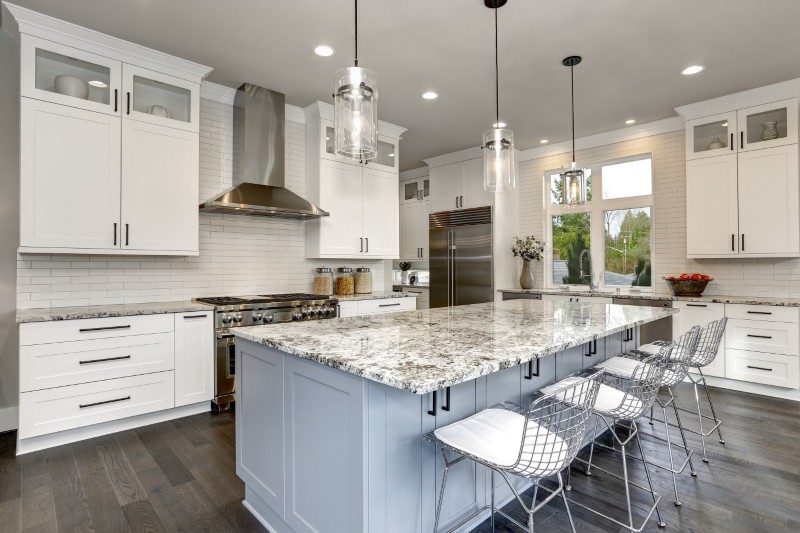
The kitchen’s rise mirrors how life at home changed. As formality faded and boundaries between rooms dissolved, the kitchen absorbed new roles without giving any up.
Today, it’s hard to imagine a house where the kitchen isn’t central. But that sense of inevitability is the result of decades of gradual change, one lived-in decision at a time.
More stories
10 home features that defined the 1990s (and where they went)
When did living rooms stop being the most important space in the house?
17 Home trends everyone loved in the 2000s that aged surprisingly badly
The post How kitchens became the most important room in the house (decade by decade) appeared first on Fancy Pants Homes.

 English