


For years, “luxury” in real estate was fairly easy to define. It meant larger homes, prime locations, and price tags that placed them well out of reach for most buyers.
That definition is starting to shift.
Across the country, a new category has been taking shape: homes that borrow the look, feel, and features of high-end properties, but come in at far more accessible price points.
They’re not cheap, and they’re not pretending to be ultra-luxury. But they’re clearly designed to deliver a similar experience, just with a different set of tradeoffs.
What’s changed isn’t just pricing. It’s how homes are being designed, marketed, and built—and how buyers are thinking about value.
Luxury design is no longer tied to luxury locations
One of the biggest shifts has been geographic.
High-end design used to be concentrated in a handful of expensive markets, where both demand and budgets supported it.
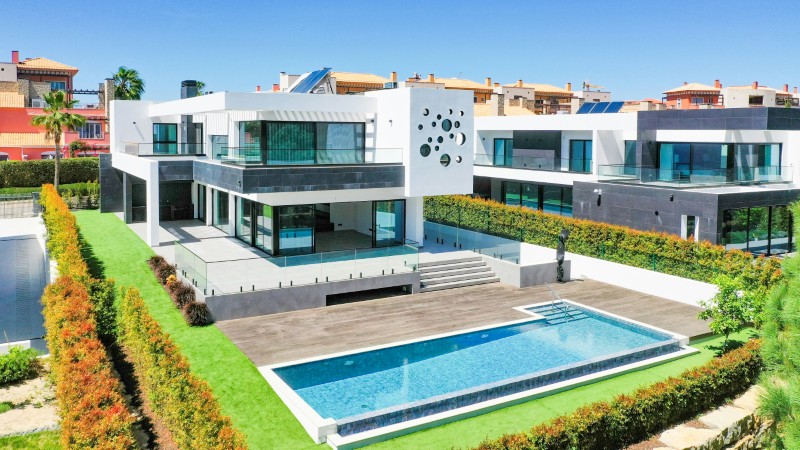
Now, that same design language — clean lines, open layouts, high-end materials — is showing up in places where land is cheaper and space is easier to come by.
As a result, homes that would have once felt distinctly “mid-range” are now being built and finished in ways that closely resemble their higher-end counterparts.
The look of luxury has spread far beyond the traditional hubs.
Builders have figured out how to deliver the “luxury feel” more efficiently
Part of the change is technical. Developers and builders have become more strategic about where to spend and where to save.
Instead of upgrading everything, they focus on the elements that have the biggest visual impact: kitchens, primary suites, ceiling height, and natural light.
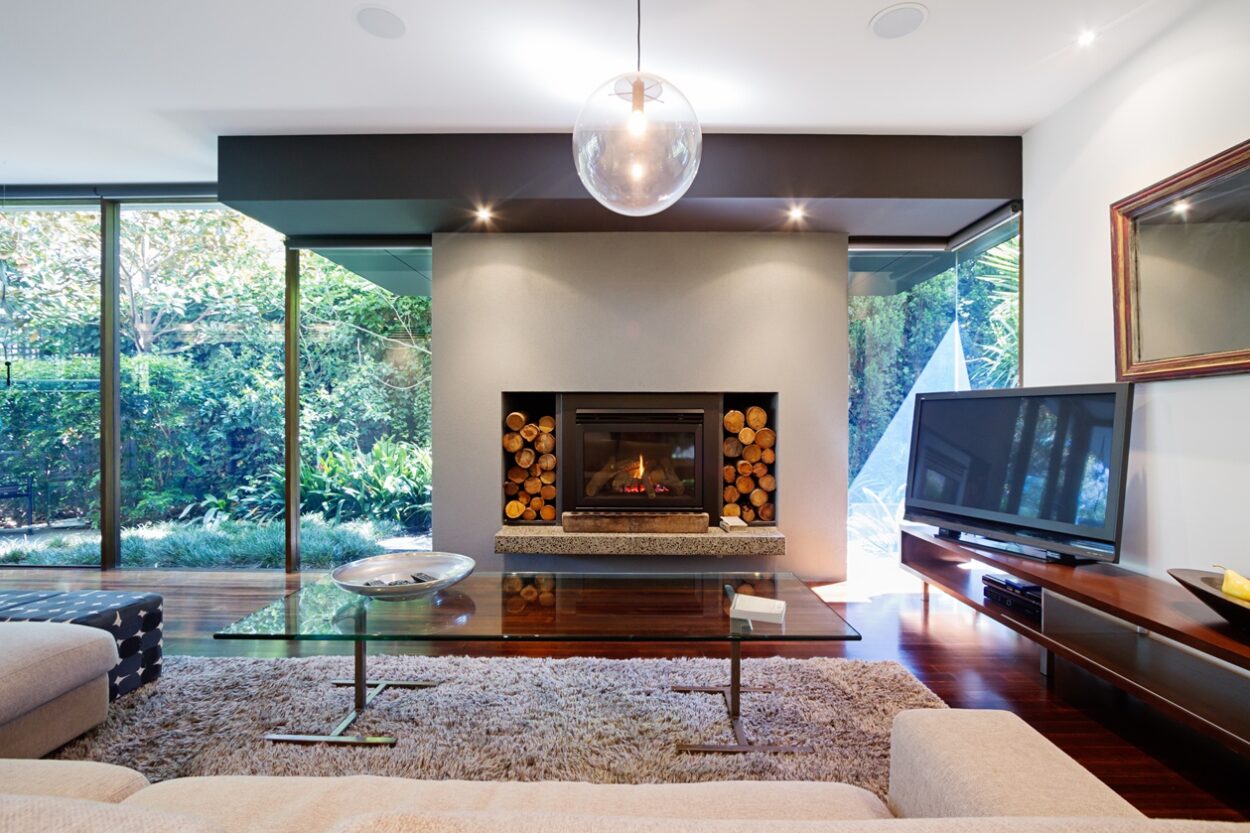
At the same time, construction methods and materials have evolved, making it easier to replicate high-end aesthetics without the same level of cost.
The result is a home that feels more expensive than it actually is, even if some of the underlying components are more standard.
Buyers are prioritizing experience over size
Another shift is coming from buyers themselves.
Instead of chasing square footage alone, many are focusing on how a home feels day to day.
That means better layouts, more usable space, and features that support lifestyle, whether that’s a home office, a well-designed kitchen, or a comfortable outdoor area.
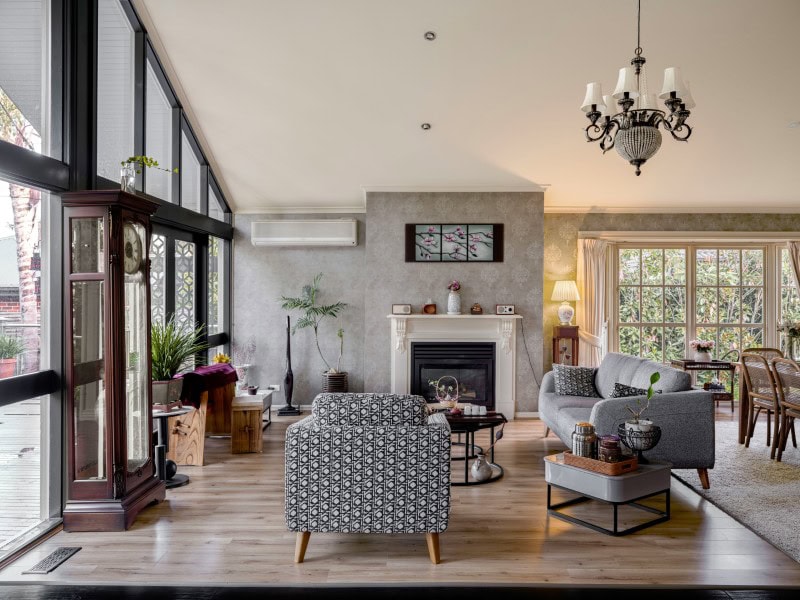
This shift has pushed builders to rethink what “value” looks like. A smaller, better-designed home can now compete with a larger one that lacks cohesion or flow.
In that sense, budget-friendly luxury isn’t just about cost, it’s about priorities.
The influence of social media and design culture
The way people discover and evaluate homes has changed as well.
Platforms filled with interior design inspiration have raised expectations across the board. Buyers are more aware of trends, more attuned to details, and more likely to notice when a home feels dated or poorly executed.
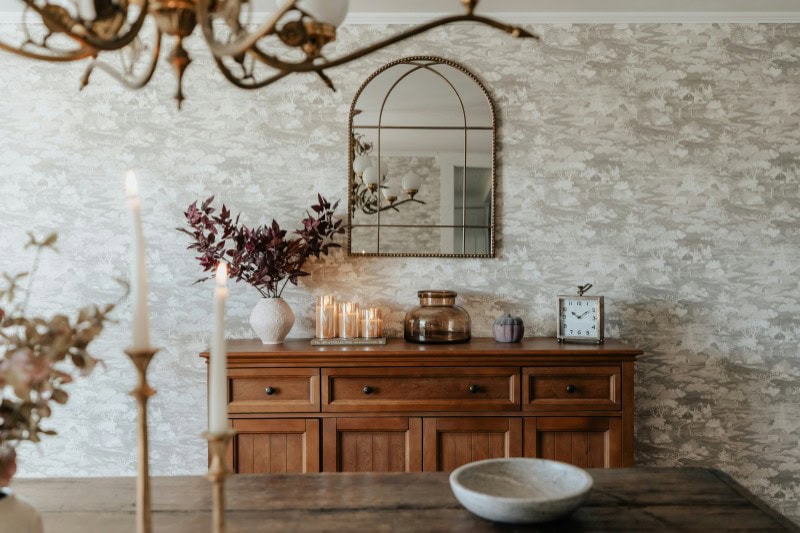
That visibility has created pressure on developers to deliver homes that photograph well and align with current design standards—even at lower price points.
In a way, luxury has become more visible. And therefore more expected.
Remote work has expanded where “luxury” can happen
Location still matters, but it’s no longer the only factor.
With more flexibility around where people live, buyers have been able to prioritize space, comfort, and overall quality of life.
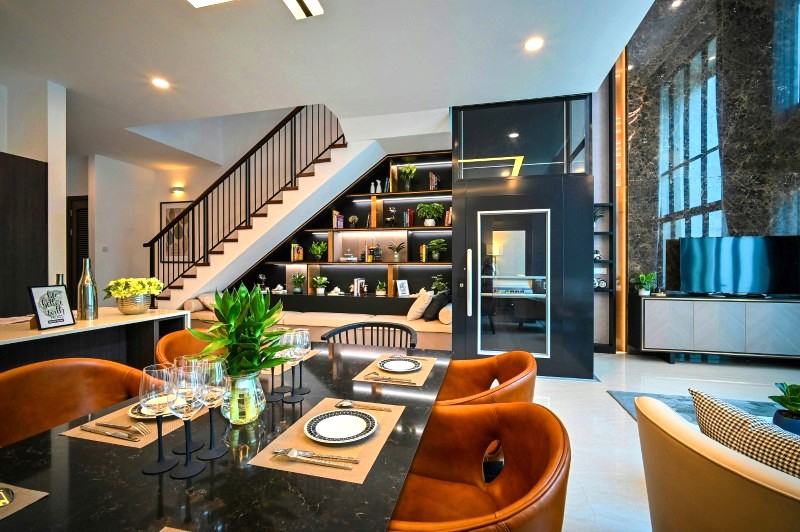
That shift has opened the door to markets where the same budget stretches further, making it possible to achieve a higher-end feel without paying premium coastal prices.
As demand has followed, so has development, bringing more design-forward homes to areas that previously didn’t support them.
Not all “affordable luxury” is created equal
Of course, not every home marketed this way delivers on the promise.
Some rely heavily on surface-level upgrades *(flashy finishes, trendy fixtures), without the underlying quality or thoughtful design that actually defines a high-end space.
Others strike a better balance, focusing on layout, materials, and consistency rather than one-off features.
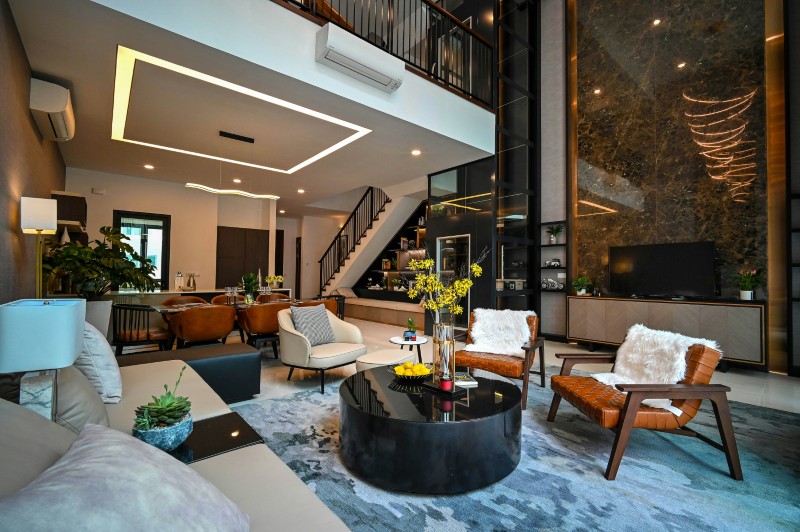
For buyers, the difference often comes down to how the home feels in person. The most successful examples are the ones that prioritize cohesion over shortcuts.
Why budget-friendly luxury is showing up everywhere now
Put it all together, and the rise of budget-friendly luxury starts to make sense.
Lower land costs in certain markets, more efficient construction, shifting buyer expectations, and broader exposure to design trends have all converged at the same time.
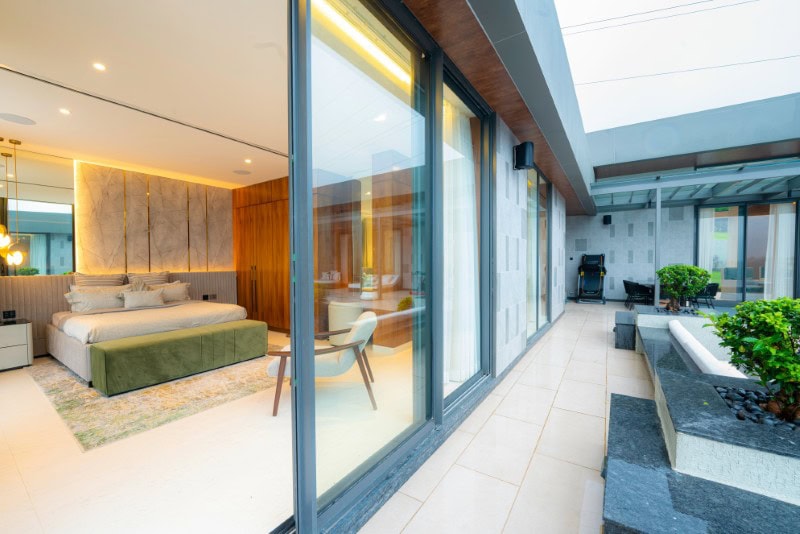
What was once limited to a narrow slice of the market is now being replicated at multiple price points.
Luxury hasn’t been diluted, but it has been adapted.
And what it means for the market going forward
As this category continues to grow, it’s likely to reshape expectations even further.
Buyers may become less willing to compromise on design, even at mid-range budgets.
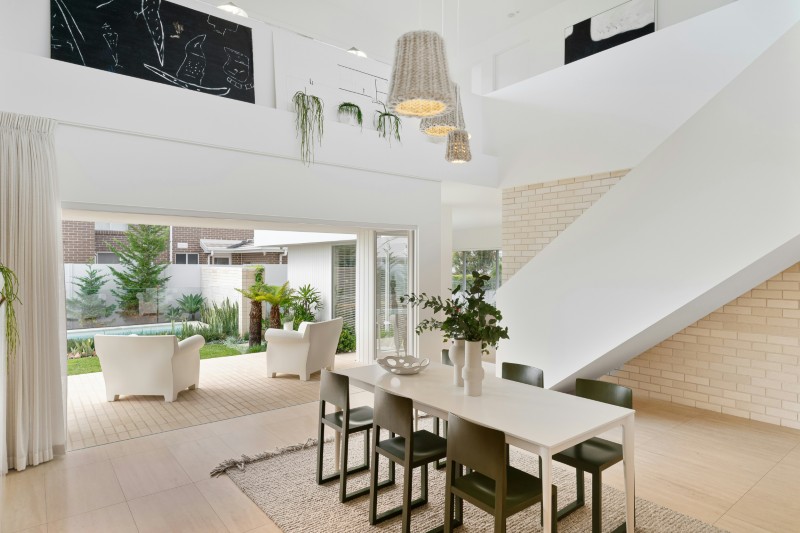
Builders may continue refining how they deliver high-impact features efficiently. And the line between “standard” and “luxury” homes may keep blurring.
For now, though, one thing is clear: the idea that luxury is only available at the very top of the market no longer holds.
It’s showing up in more places, at more price points, and for a wider range of buyers than ever before.
More stories
12 ways home design has shifted in the smartphone era
20 features that quietly separate wealthy estates from regular luxury homes
11 things people stop doing once they live in a truly well-designed home
The post The rise of budget-friendly luxury — and why it’s everywhere now appeared first on Fancy Pants Homes.

 English