


At the top end of the coastal market, ocean views come with a long list of environmental challenges. Salt-heavy air, relentless sun exposure, wind-driven rain, and the growing threat of major storms all place enormous demands on a home’s exterior systems.
For $30+ million oceanfront properties, weatherproofing isn’t a line item — it’s a design mandate baked into every decision from the earliest planning stages.
These homes are often engineered more like infrastructure projects than traditional residences. Architects, structural engineers, builders, and specialty contractors collaborate to ensure the house can stand up to decades of exposure while still looking polished enough for a luxury listing.
Built for wind loads measured in miles per hour, not aesthetics alone
In hurricane-prone regions, exterior assemblies are designed to withstand wind speeds that can exceed 150 mph.
Roof geometry, fastening systems, and material selection are evaluated through the lens of uplift resistance and pressure differentials, not just curb appeal.
That’s where a commercial roofing contractor frequently enters the conversation. Large-format roofing systems, reinforced membranes, and mechanically fastened assemblies are more common in commercial construction, but they’re increasingly specified for high-end residential projects where performance takes priority over tradition.
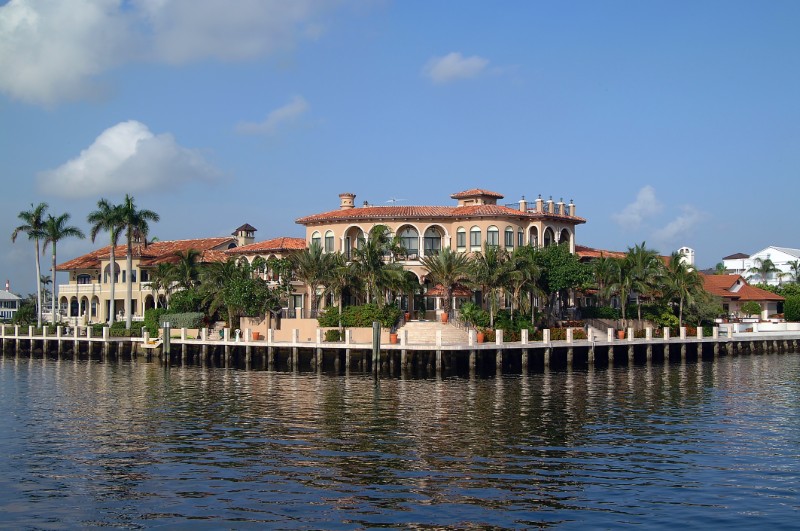
Salt air changes everything — especially materials
Salt corrosion is one of the biggest long-term threats to oceanfront homes.
Metal fasteners, flashing, and roof components must be selected carefully to avoid premature failure.
Copper, marine-grade stainless steel, and specialized aluminum alloys are commonly used, along with protective coatings designed to slow oxidation. Roofing assemblies are detailed to minimize exposed fasteners and seams, reducing points where salt and moisture can infiltrate over time.
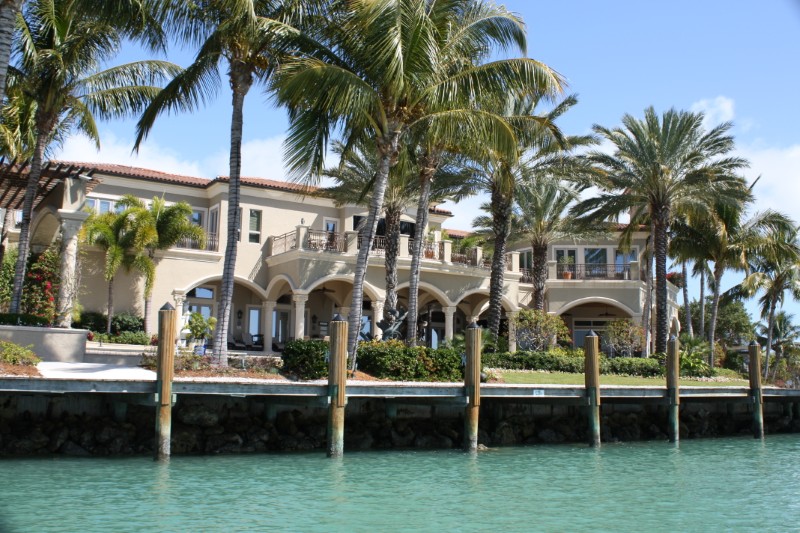
Roof systems designed as full waterproofing envelopes
On many high-priced coastal homes, the roof does far more than shed rain. It supports solar arrays, rooftop decks, mechanical equipment, or green roof installations — all while remaining watertight.
These complex assemblies often require layered systems more typical of commercial buildings, including rigid insulation, vapor barriers, drainage mats, and multi-ply membranes.
Builders regularly rely on a commercial roofing contractor to design and install these systems, ensuring they perform as a unified envelope rather than a collection of parts.
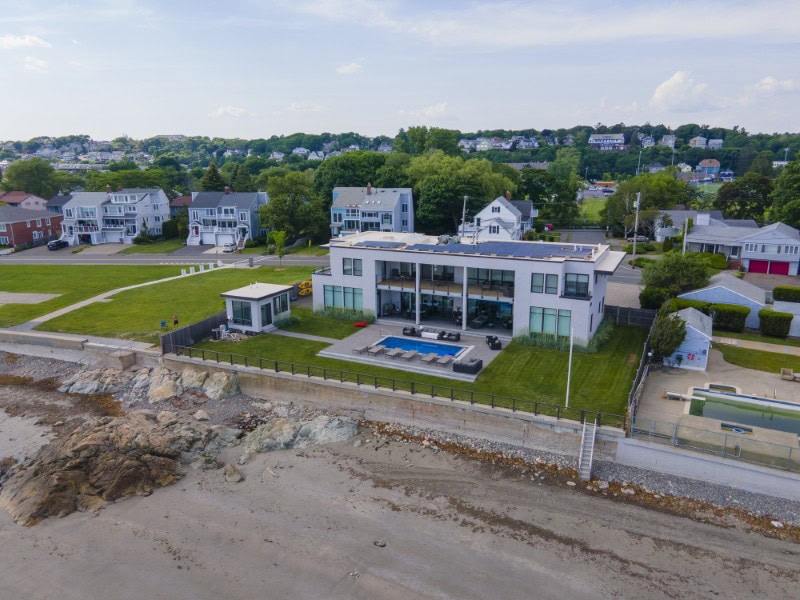
Elevated foundations and rooflines that work together
Weatherproofing doesn’t stop at the roof. Many oceanfront homes are elevated above flood zones, with open foundations or reinforced podium levels below the living spaces.
The roofline is designed to complement that strategy, directing wind and water away from vulnerable areas. Overhangs, parapets, and integrated drainage systems are carefully engineered to prevent water intrusion during extreme weather events, when traditional gutters and downspouts may fail.

Tested details, not decorative assumptions
Luxury coastal homes are increasingly built with mock-ups and testing protocols that simulate real-world exposure. Window-wall intersections, roof penetrations, and flashing details are reviewed and refined before installation begins.
This level of scrutiny often mirrors commercial construction practices, where failure points are addressed on paper long before they become expensive repairs. It’s another reason a commercial roofing contractor is frequently part of the design team from the outset, rather than being brought in late in the build.
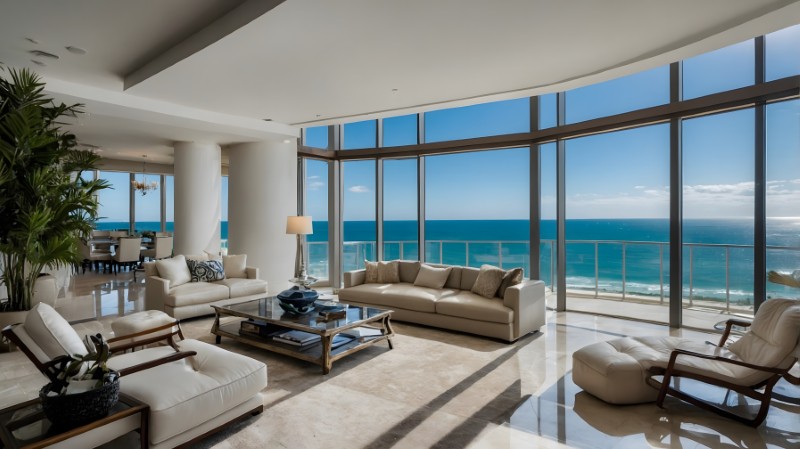
Longevity that aligns with the price tag
At this level, buyers aren’t just paying for views and finishes — they’re paying for peace of mind. A properly engineered roof system can last decades with routine maintenance, even in harsh coastal conditions.
That longevity protects not only the structure itself, but also the interior finishes, mechanical systems, and art collections often housed inside these properties. In a market where replacement costs can climb into the seven figures, durability isn’t optional.
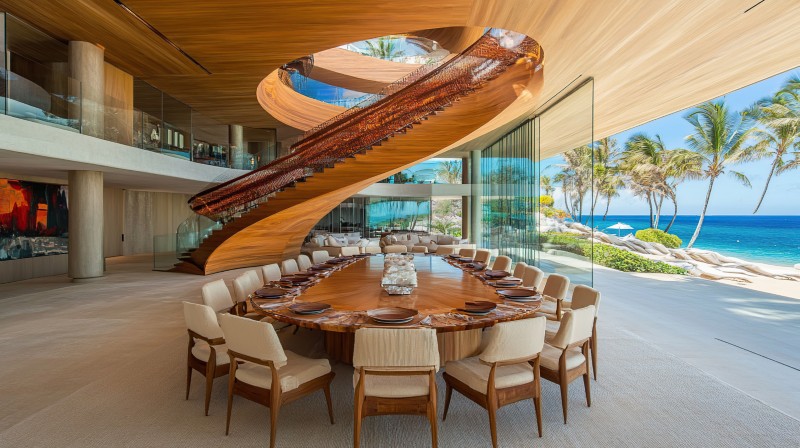
Coastal luxury that’s engineered to last
Weatherproofing a $30M or $40M oceanfront home requires a mindset shift. These properties demand the same level of technical planning as high-rise towers or waterfront commercial buildings, even if they’re labeled “residential.”
From corrosion-resistant materials to commercial-grade roof assemblies, the homes that endure are the ones designed for exposure, not just admiration. And behind many of them is a commercial roofing contractor helping ensure that the view stays stunning — long after the storms pass.
More stories
26 Jaw-dropping Miami-area mansions that will make you want to move to Florida
These striking Bel Air mansions show the caliber of homes in the area
All the luxe houses MrBeast toured in his “$1 vs $100,000,000 House!” viral video
The post What it takes to weatherproof a $30M oceanfront home appeared first on Fancy Pants Homes.

 English