


Luxury homes are time capsules. You can often tell exactly when a house was built just by walking through the front door.
The materials change. The layouts shift. Ceiling heights rise and fall. Entire features appear — and then disappear — as lifestyles evolve.
What wealthy buyers wanted in the 1950s looks nothing like what they demanded in the 1990s. And today’s trophy homes would have been unrecognizable just a few decades ago.
Some trends aged beautifully. Others feel frozen in time.
Here’s how luxury architecture evolved, decade by decade, and what defined high-end living in each era.
Like Fancy Pants Homes’ content? Be sure to follow us on MSN
The 1950s: single-story ranch homes built for California-style indoor-outdoor living
In the postwar boom years, luxury meant space — and lots of it, spread across a single level.
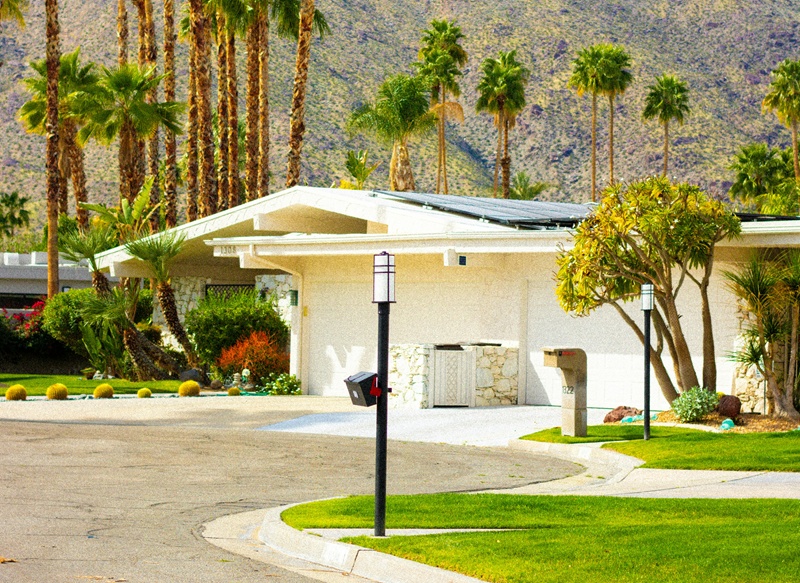
High-end ranch homes became especially popular in California, Arizona, and other warm-weather states, where wealthy homeowners embraced indoor-outdoor living.
These houses stretched horizontally across large lots, often wrapping around pools and patios, and are often reminiscent of the Brady Bunch house.
Inside, open floor plans, exposed beams, and floor-to-ceiling glass connected living spaces to the outdoors. It was casual, optimistic, and perfectly matched the era’s new, relaxed version of wealth.
The 1960s: midcentury modern houses with dramatic glass walls and bold structural lines
By the 1960s, luxury homes started looking more architectural (and more experimental).
Flat roofs, sharp angles, and massive glass walls defined the era. Architects treated homes like sculptures, designing dramatic cantilevers and minimalist forms.
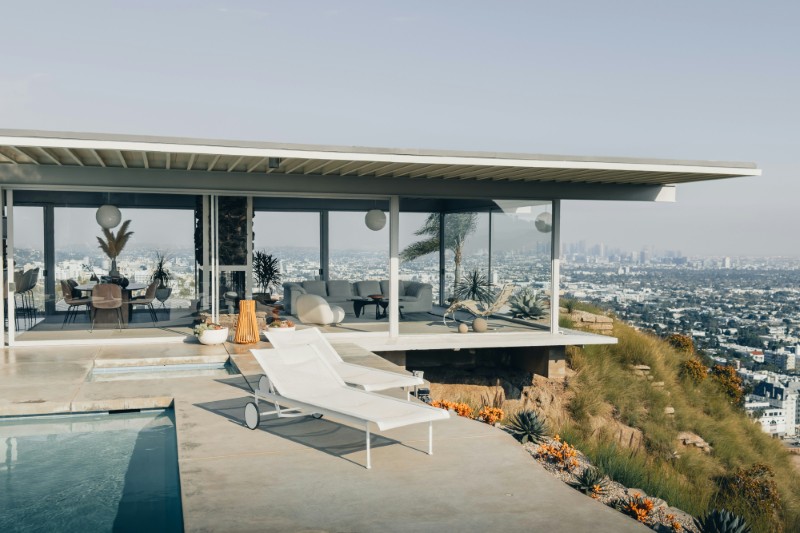
Sunken living rooms became a signature feature, creating conversation pits that made entertaining feel futuristic.
Many of these homes still feel surprisingly modern today.
The 1970s: modernist glass houses and statement homes built to impress
Luxury architecture in the 1970s leaned into bold statements.
Glass walls got bigger. Ceilings got higher. Houses were often built into hillsides or perched in dramatic locations to maximize views.
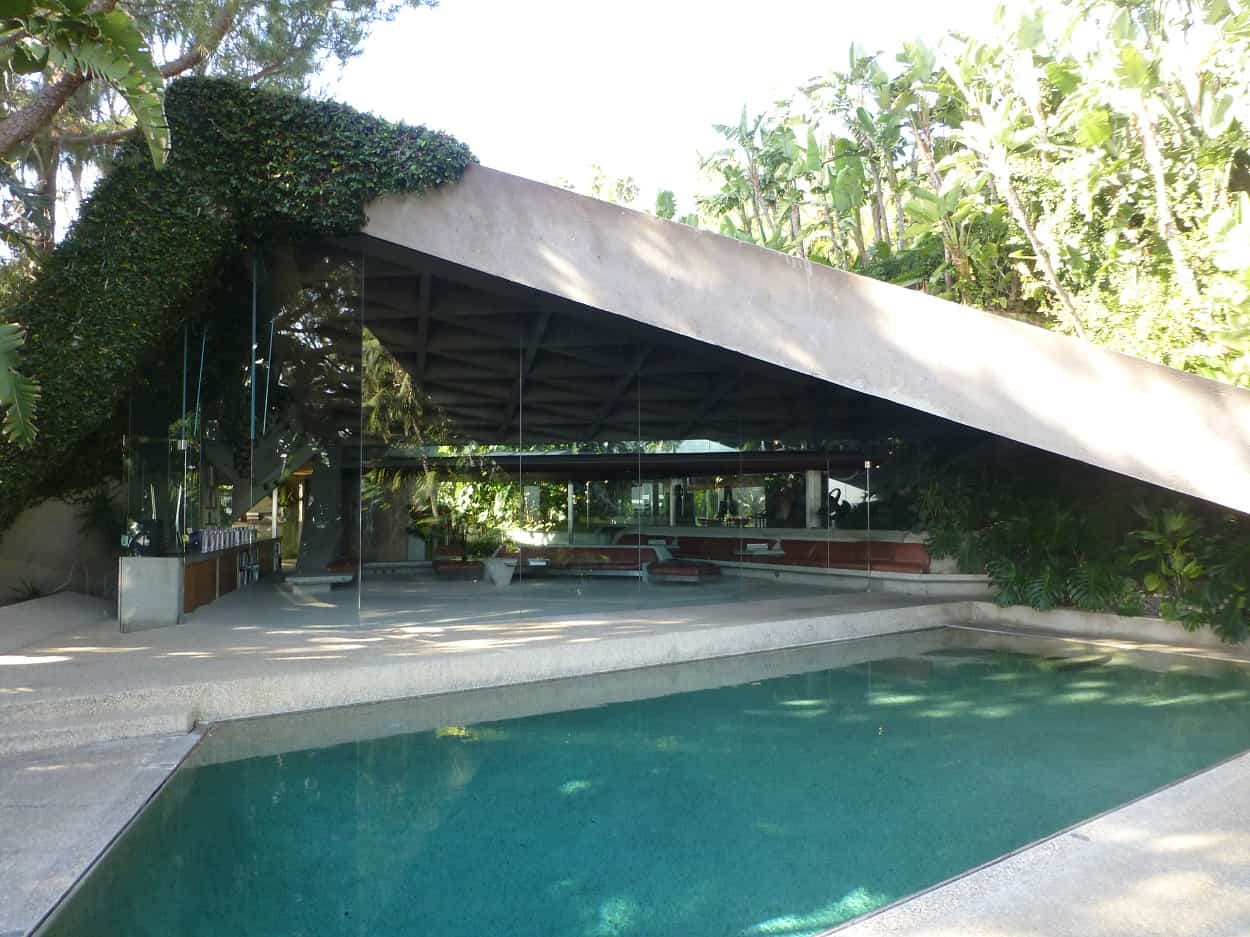
Inside, materials like stone, concrete, and dark wood dominated. Fireplaces became massive focal points, and open spaces emphasized scale.
These homes were designed to impress guests the moment they walked in.
The 1980s: oversized showpiece mansions with grand entrances and dramatic features
The 1980s were all about excess, and luxury homes followed suit.
Mansions grew larger, more formal, and more theatrical. Two-story entry foyers, sweeping staircases, and chandeliers became standard features.
Columns, symmetry, and imposing façades gave homes a sense of grandeur meant to signal success.
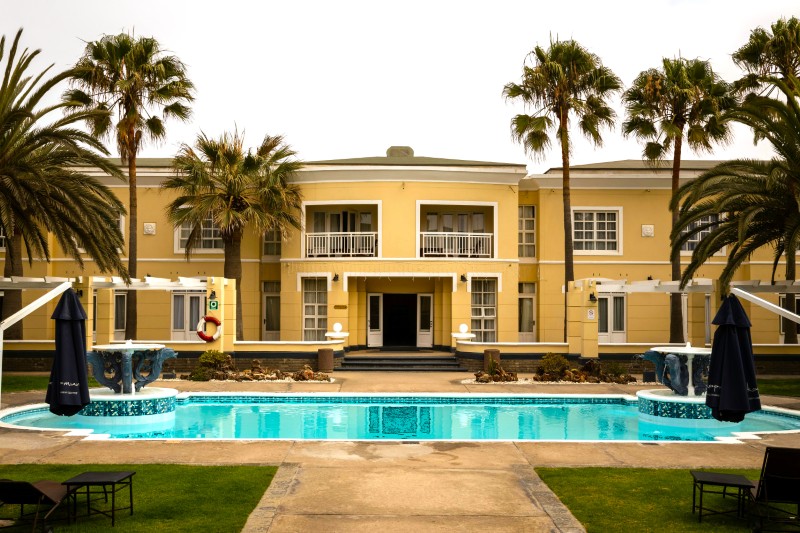
Bigger was always better.
The 1990s: Tuscan-inspired villas and Mediterranean mega-mansions
In the 1990s, American luxury homes took inspiration from Europe.
Tuscan-style villas exploded in popularity, especially in California, Florida, and Texas. These homes featured stucco exteriors, red tile roofs, arched doorways, and warm earth-tone interiors.
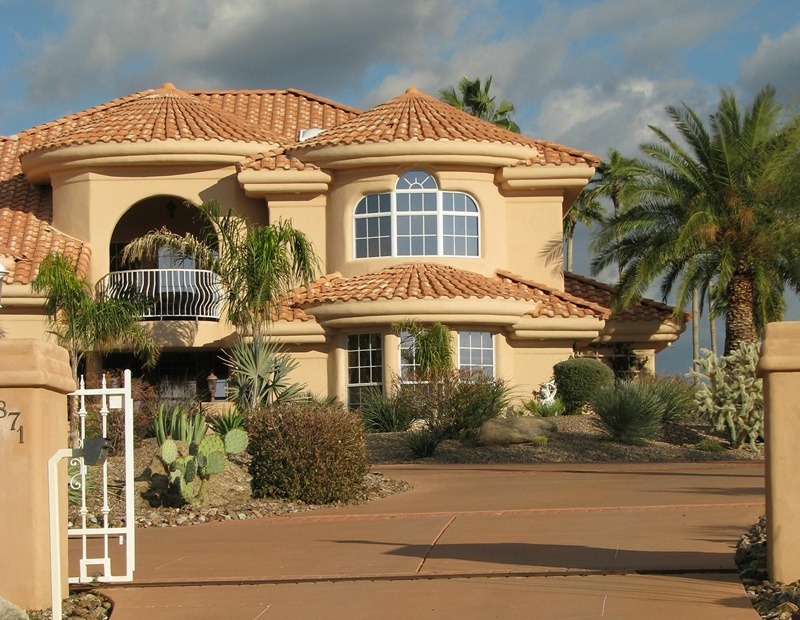
Kitchens became massive gathering spaces, and outdoor living areas grew more elaborate.
This was the era of the mega-mansion.
2000s: McMansions built for maximum size and amenities
The early 2000s pushed square footage to new extremes.
Luxury homes ballooned in size, often including home theaters, gyms, wine cellars, and multiple living areas.
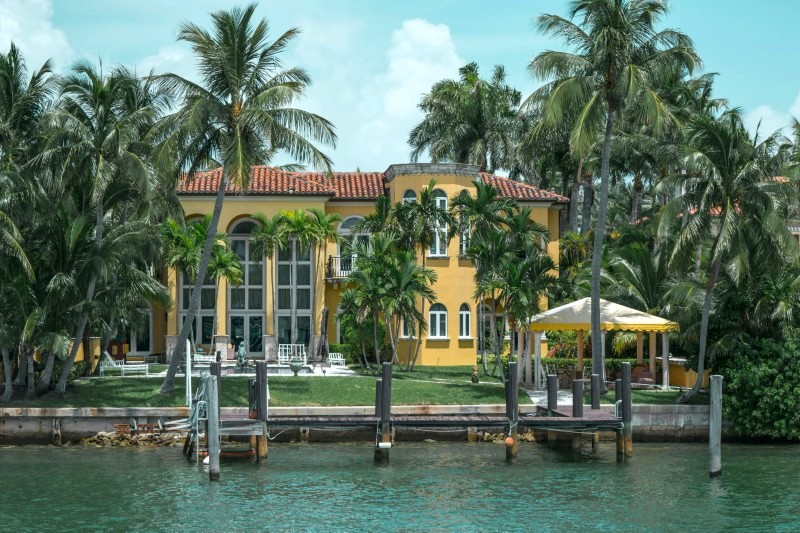
Kitchens featured granite countertops, oversized islands, and heavy cabinetry.
These homes prioritized having everything under one roof.
2010s: sleek modern homes with open layouts and disappearing glass walls
Luxury homes shifted toward cleaner, more modern design in the 2010s.
Glass walls opened entire rooms to the outdoors. Flat roofs and sharp lines returned.
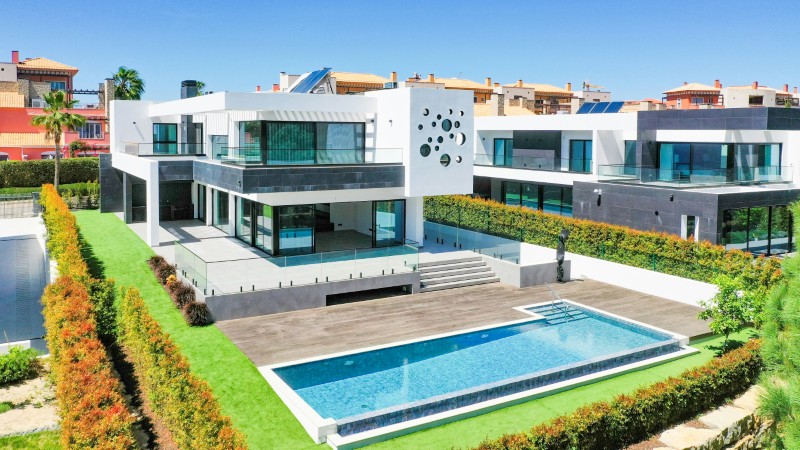
Interiors became brighter, simpler, and more open, with fewer formal rooms and more flexible space.
Technology also became fully integrated into the home.
2020s: minimalist compounds focused on privacy, wellness, and retreat-style living
Today’s luxury homes are less about showing off, and more about retreating from the world.
Many are designed as private compounds, with multiple structures, courtyards, and resort-style amenities.
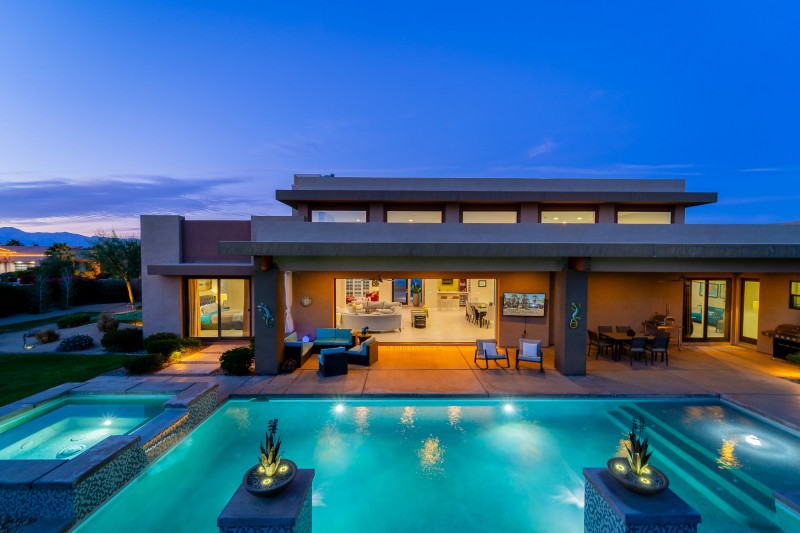
Clean lines, natural materials, and minimalist interiors dominate. And along with the rise of these minimalist compounds, elements like privacy, wellness, and comfort have become the ultimate status symbols.
More stories
9 Famous homes that forever changed American architecture
The architectural styles wealthy homeowners almost always choose (and why)
19 things you only see in homes built for private wealth
The post What luxury architecture looked like in every decade since the 1950s appeared first on Fancy Pants Homes.

 English