


It’s a strange disconnect that shows up more often than you’d expect.
A home carries a multi-million-dollar price tag, sits in a sought-after location, and checks all the obvious boxes: size, finishes, amenities. And yet, something about it feels… off.
Not bad, exactly. Just not luxurious.
At the same time, there are homes at far lower price points that manage to feel far more refined, cohesive, and elevated.
The difference isn’t always about money, it’s about how that money is used, and what the home is trying to prioritize.
Because while price can buy materials and square footage, it doesn’t automatically create the feeling of luxury. That comes from something more deliberate, and often more restrained.
When everything is upgraded, nothing stands out
One of the most common pitfalls is trying to make every element of a home feel like a feature.
Multiple statement light fixtures, bold tile in every bathroom, dramatic backsplashes, accent walls, it can all quickly turn into a space where everything is competing for attention.
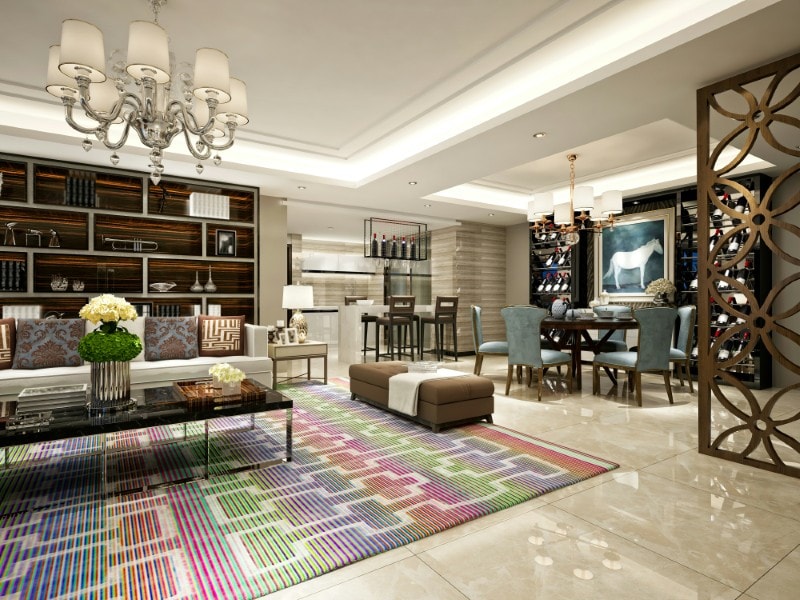
Instead of feeling curated, it just feels crowded.
Luxury homes tend to take the opposite approach. They pick their moments carefully and allow the rest of the space to stay quiet. That restraint is what gives standout elements room to actually stand out.
Too many materials, not enough cohesion
Expensive homes often suffer from material overload.
Different types of stone, multiple wood tones, mixed metals, a range of finishes—all used within the same space. Individually, each choice might be high-end. Together, they can feel disjointed.
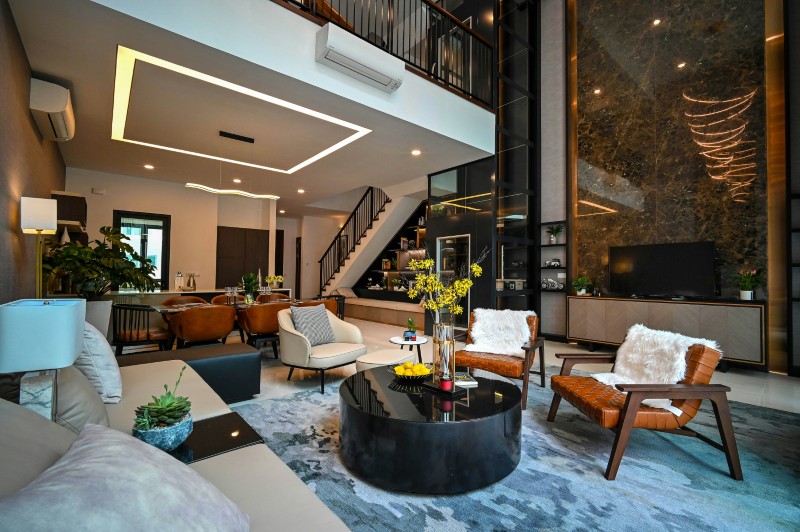
What reads as luxury is usually consistency.
Materials repeat. Finishes align. There’s a clear visual language that carries throughout the home, rather than a series of unrelated decisions.
Layouts that prioritize size over flow
Bigger isn’t always better. And in some cases, it can even work against the home.
Large homes with awkward layouts, disconnected rooms, or long, unused corridors can feel less luxurious than smaller homes that are thoughtfully organized.
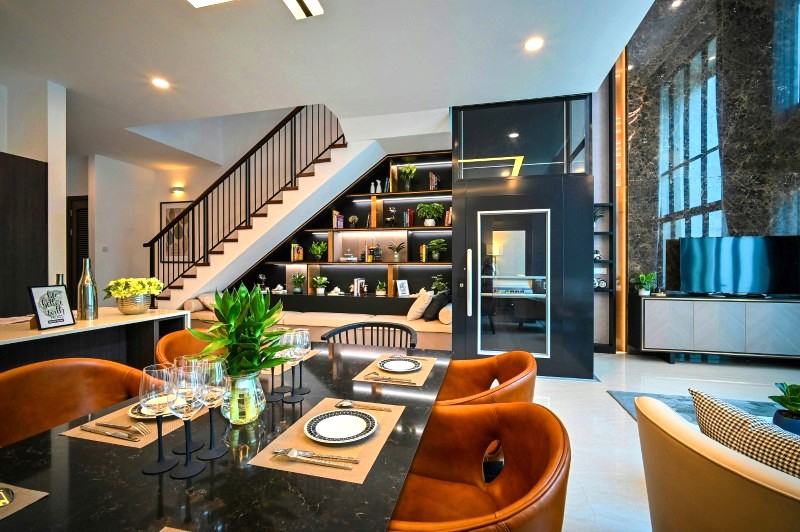
If movement through the space feels clunky or unintuitive, the overall experience suffers.
Luxury tends to show up in how a home works, not just how big it is.
Clean sightlines, logical transitions, and a sense of openness (without excess) make a noticeable difference.
Lighting that doesn’t do the space any favors
Lighting is one of the most overlooked elements, despite ranking high as one of the most important.
A home can have high-end finishes and still feel flat if the lighting is harsh, poorly placed, or overly reliant on a single source. Overhead lighting alone rarely creates a warm or inviting environment.
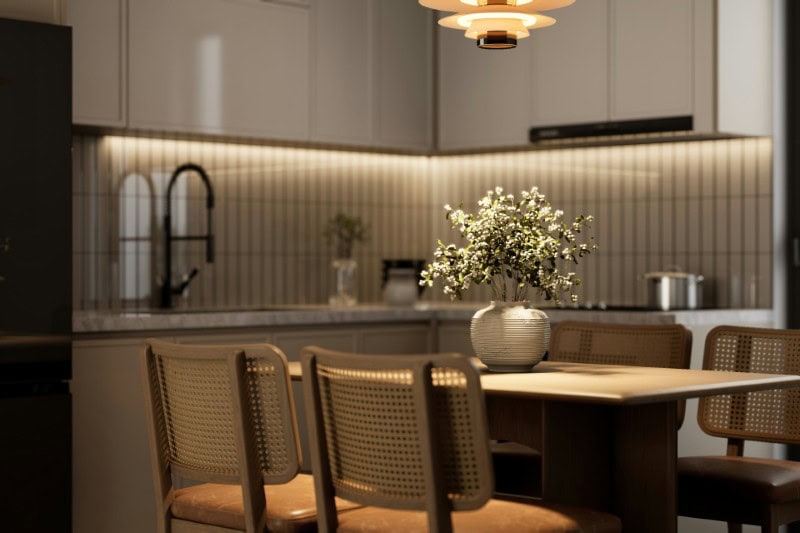
In contrast, homes that feel luxurious tend to layer their lighting.
Soft ambient light, targeted task lighting, and subtle accent lighting work together to create depth and balance.
It’s not always obvious, but it’s immediately felt.
Builder-grade details hiding behind expensive finishes
Sometimes the issue isn’t what’s added, it’s what’s underneath.
Thin baseboards, lightweight doors, basic trim work, misaligned cabinetry, these details often get overlooked in favor of more visible upgrades.
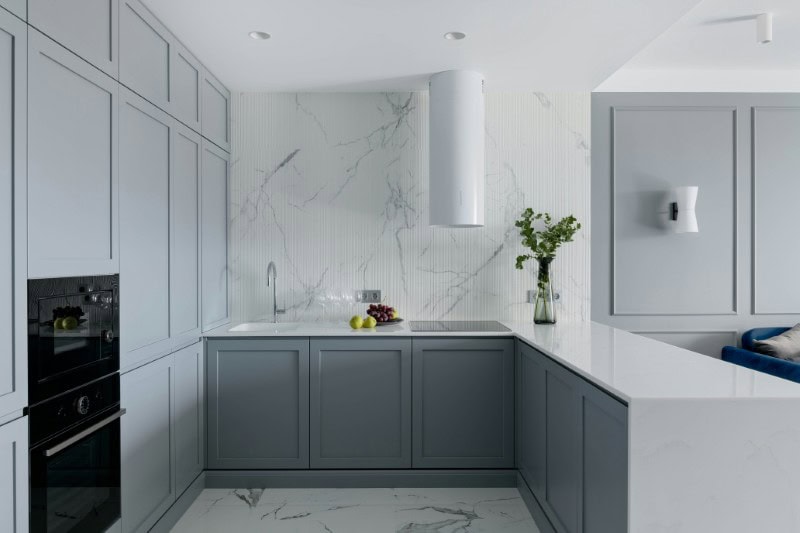
But they play a major role in how a home feels.
Luxury tends to reveal itself in the precision of these elements. Heavier doors, clean transitions, well-executed millwork, small things that collectively create a sense of quality.
When they’re missing, the illusion breaks.
Chasing trends instead of creating a lasting look
Design trends move quickly, and expensive homes aren’t immune to chasing them.
What feels current today can feel dated surprisingly fast, especially when multiple trends are layered together. A home filled with overly specific or short-lived design choices can lose its sense of timelessness.
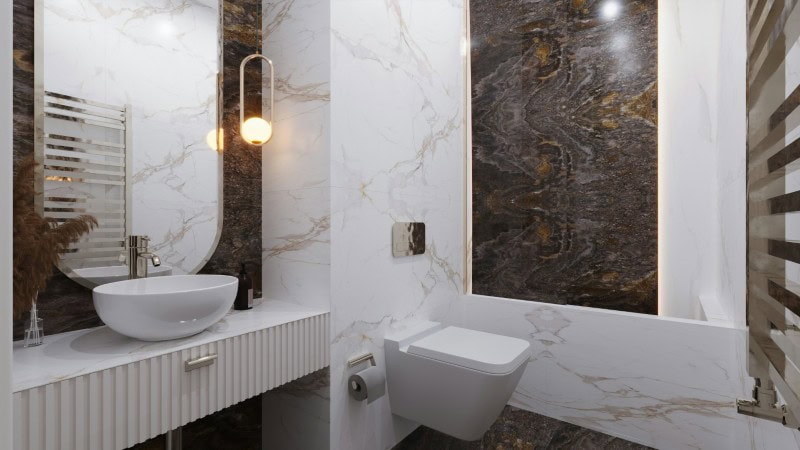
Luxury, by contrast, tends to lean toward restraint and longevity.
It doesn’t try too hard to signal a particular moment, it aims for something that will still feel relevant years down the line.
Outdoor spaces that don’t match the interior
In many high-priced homes, the interior gets the attention, and the exterior is treated as an afterthought.
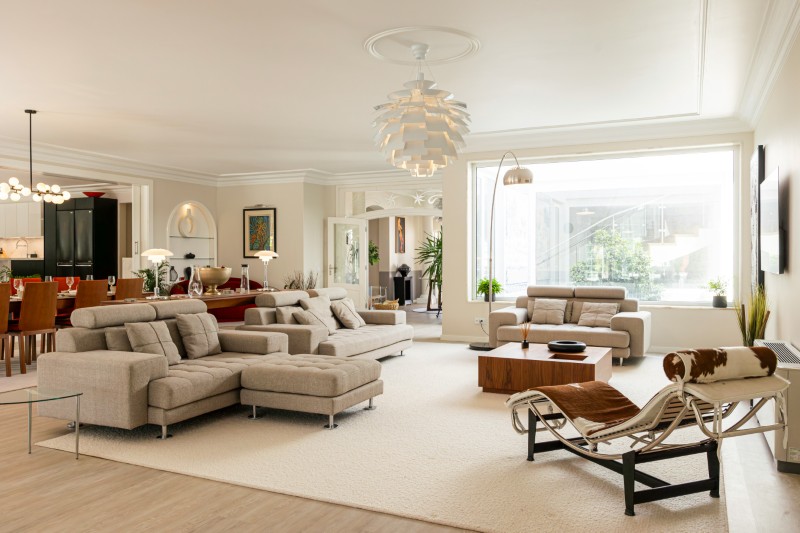
A beautifully designed interior paired with an underwhelming backyard, minimal landscaping, or poorly integrated outdoor areas creates a disconnect. It breaks the overall experience.
Homes that feel truly luxurious tend to carry the same level of intention outside.
The transition is seamless, and the outdoor space feels like an extension of the home rather than a separate zone.
When the home tries too hard to impress
Perhaps the most subtle issue is also the most difficult to define.
Some homes feel like they’re constantly trying to prove their value, either through oversized features, excessive detailing, or an overload of high-end elements.
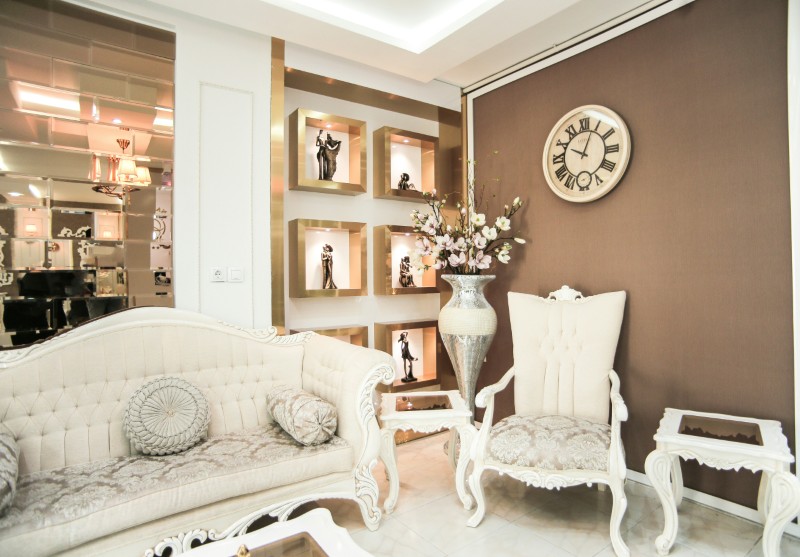
The result can feel forced rather than effortless.
Luxury, at its best, doesn’t need to announce itself. It’s quieter, more confident, and more focused on how a space feels than how much it showcases.
What actually separates expensive from luxurious
The difference comes down to intention.
Expensive homes often reflect the accumulation of upgrades: more materials, more features, more visual impact.
Luxurious homes, on the other hand, are usually more edited. They focus on proportion, cohesion, and experience.
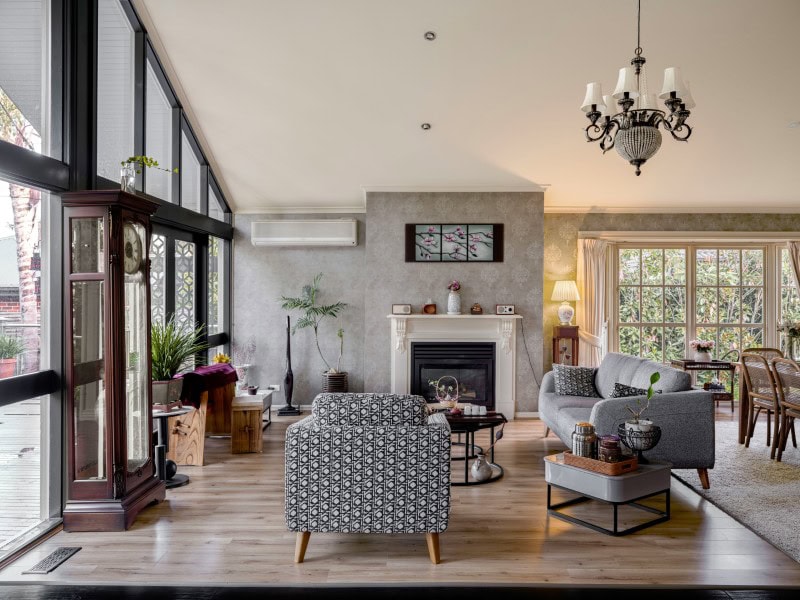
It’s not about doing less for the sake of it. It’s about doing the right things, in the right places, and letting the space breathe.
And once that balance is there, it doesn’t matter nearly as much what the price tag says. The home simply feels the part.
More stories
In a city of glass mansions, this $24M Los Angeles home leans into quiet luxury
Gated $20M Sarasota estate with classy atrium design is what true luxury looks like
The architectural styles wealthy homeowners almost always choose (and why)
The post Why some expensive homes don’t feel luxurious at all appeared first on Fancy Pants Homes.

 English