


Small homes have a reputation for feeling cramped. Low ceilings, tight rooms, and limited square footage can make spaces feel smaller than they actually are, especially when every wall, corner, and surface gets filled.
But some small houses surprise you the moment you walk in.
They feel open, calm, and easy to move through. Light travels freely. Rooms connect naturally. Nothing feels squeezed or crowded, even though the footprint may be modest.
The difference usually isn’t size. It’s design.
Well-designed small homes pay careful attention to sightlines, light, and how people move through space. Instead of trying to trick the eye with mirrors or overly clever storage hacks, they remove visual friction and allow the home to breathe.
And when those quiet design choices come together, a compact house can feel far more expansive than its square footage suggests.
#1 Letting the eye travel farther than the room actually goes
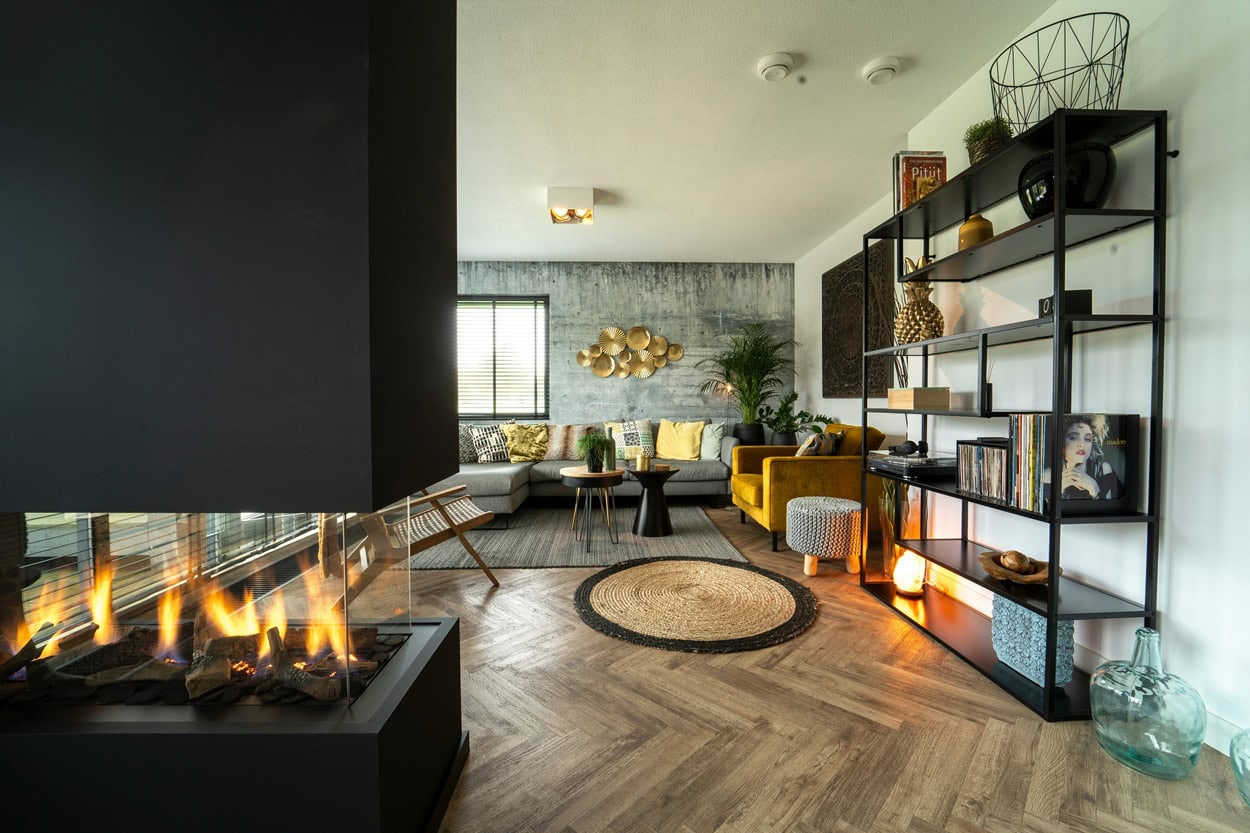
Small homes feel much larger when sightlines extend through multiple spaces.
When you can see from the front of the house to a window at the back, the brain reads the home as deeper than it really is.
Designers often keep doorways aligned or avoid tall furniture in those visual paths so the eye can move freely through the space.
#2 Using fewer visual “stop signs” inside the house
Every abrupt change — flooring, wall color, trim style — acts like a visual stop sign.
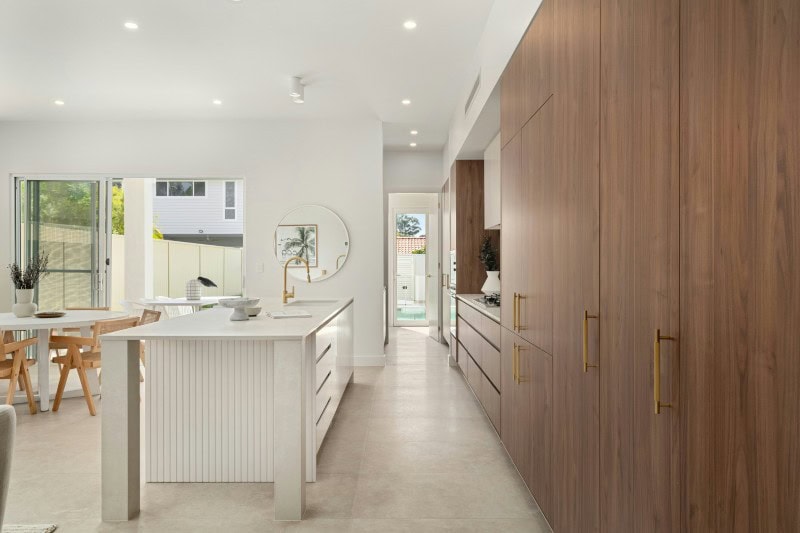
Homes that feel expansive often keep materials consistent across several rooms.
Continuous flooring, similar wall colors, and simple trim allow spaces to flow together instead of feeling chopped up.
#3 Keeping furniture slightly off the walls instead of pushing everything outward
It sounds counterintuitive, but pressing furniture against every wall can make a room feel boxed in.
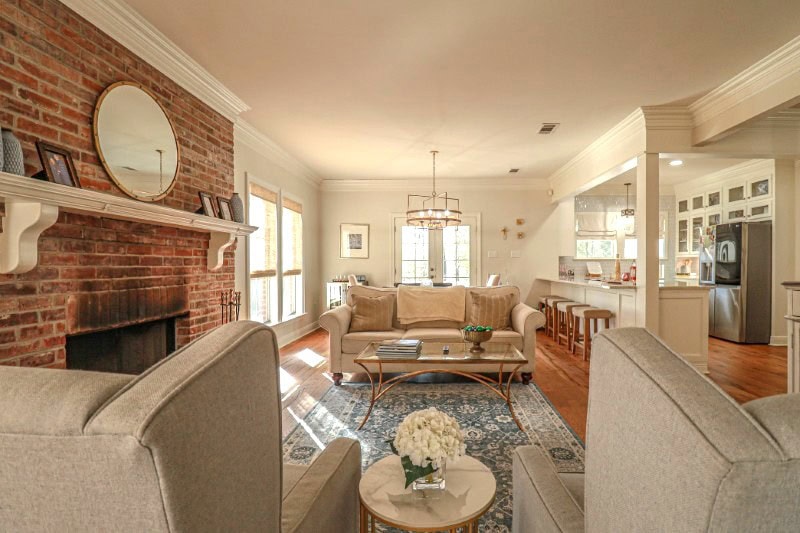
Floating a sofa or chair a few inches forward allows space to circulate behind it and creates a sense of depth. The room begins to feel layered rather than flat.
#4 Allowing natural light to reach the deepest corners
In small homes and apartments, light distribution matters more than square footage.
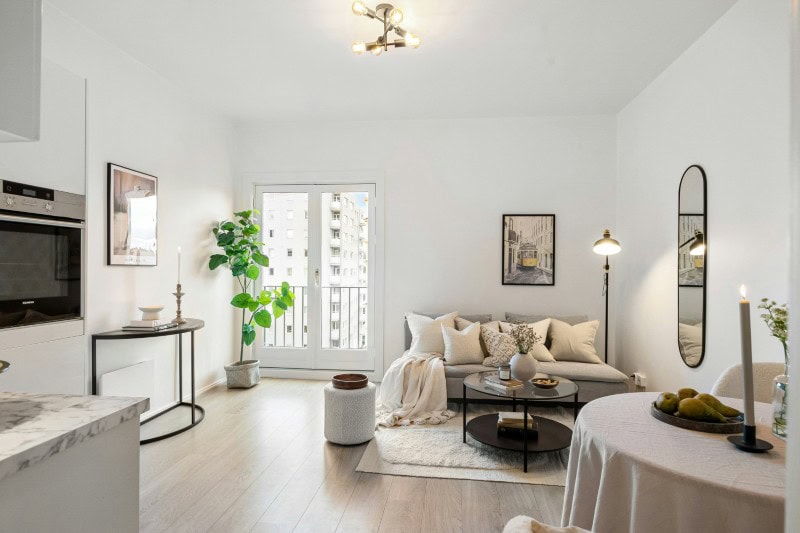
Designers try to prevent large furniture or heavy curtains from blocking windows. When daylight reaches the far corners of a room, the entire space feels larger and more open.
#5 Giving the room one clear focal point instead of several competing ones
Rooms feel smaller when the eye has too many places to land.
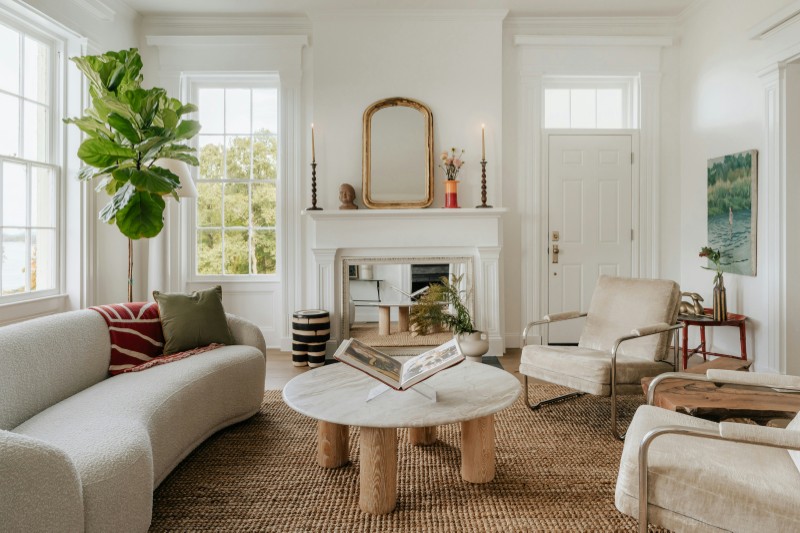
A single strong focal point — a window view, a fireplace, or a piece of artwork — anchors the room. Everything else becomes supporting elements, which reduces visual noise.
#6 Using vertical space intentionally instead of ignoring it
Height can compensate for limited floor space.
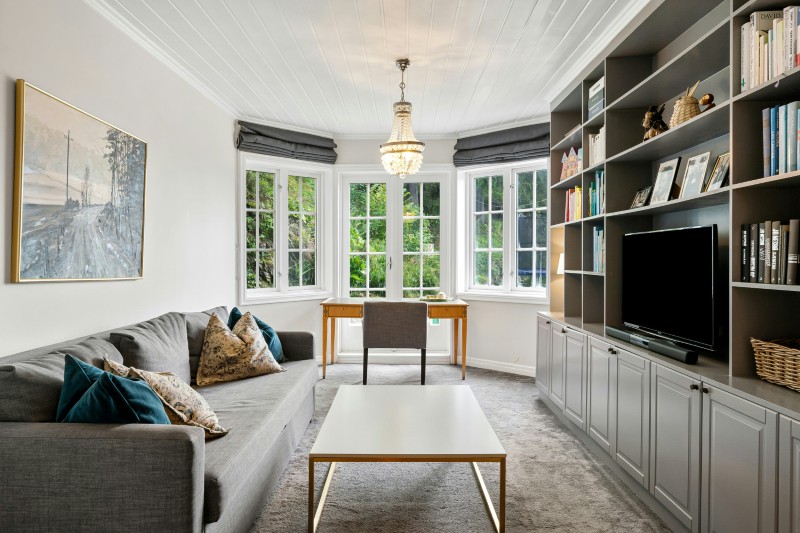
Tall bookcases, ceiling-height curtains, or vertical paneling draw the eye upward and create a sense of scale. The room begins to feel taller and more architectural.
#7 Choosing furniture that reveals the floor beneath it
Heavy furniture that sits flat on the floor can visually compress a room.
Pieces with visible legs allow glimpses of flooring underneath, which helps the space feel lighter.
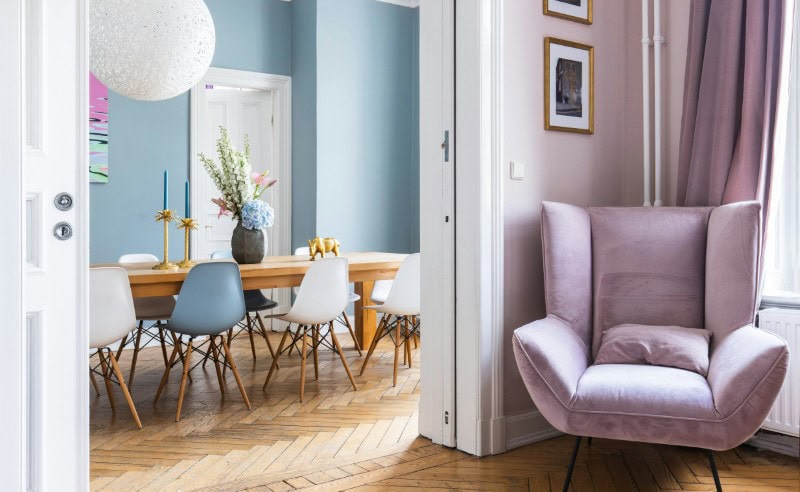
The brain reads more visible floor area as more space.
#8 Letting rooms borrow space from one another
Small homes that feel expansive rarely treat rooms as isolated boxes. Instead, spaces visually borrow from one another.
A dining area might share light with the living room, or a hallway might open toward a window at the end.
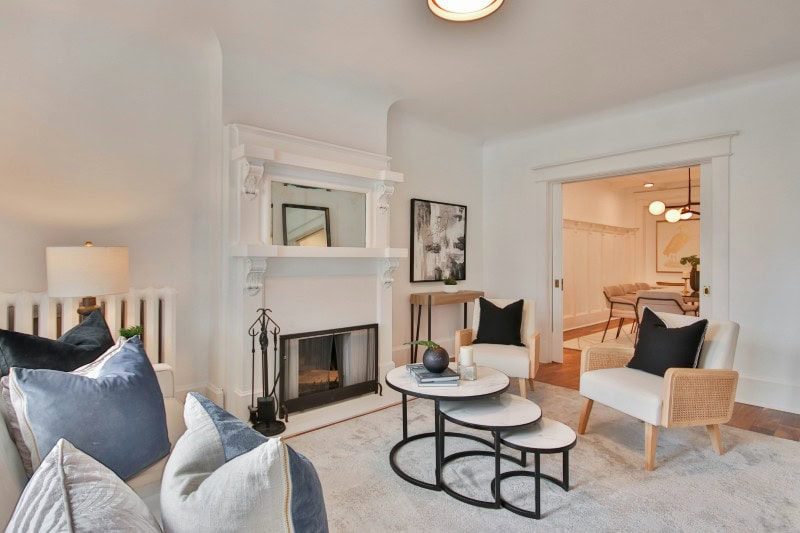
This layering makes the home feel larger than its footprint.
#9 Editing objects so surfaces feel calm rather than crowded
Clutter compresses space visually. Rooms that feel expansive usually contain fewer objects on tables, shelves, and counters.
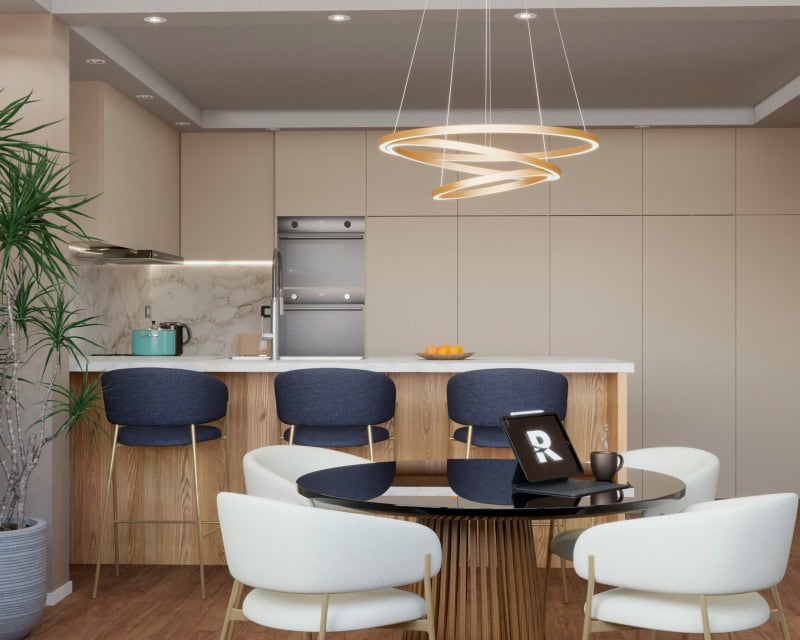
Each item has breathing room around it, which allows the room itself to feel larger.
#10 Using soft boundaries instead of hard separations
Instead of closing rooms off with solid walls, designers sometimes use partial dividers, open shelving, or wide archways. These create gentle transitions between spaces while maintaining visual continuity.
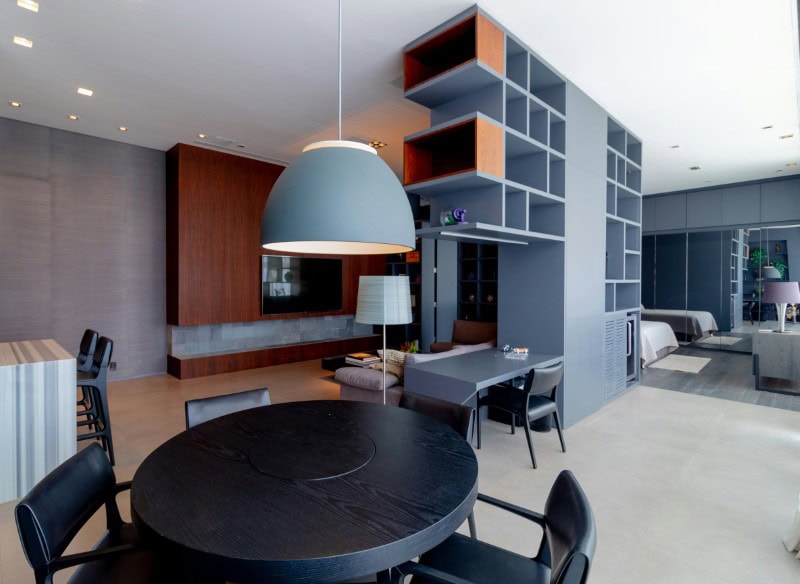
The house feels connected rather than compartmentalized.
#11 Designing pathways that move smoothly through the home
Movement patterns matter more in small homes. When circulation routes are clear and direct, people move naturally through the space.
When paths feel blocked or awkward, the home suddenly feels cramped.
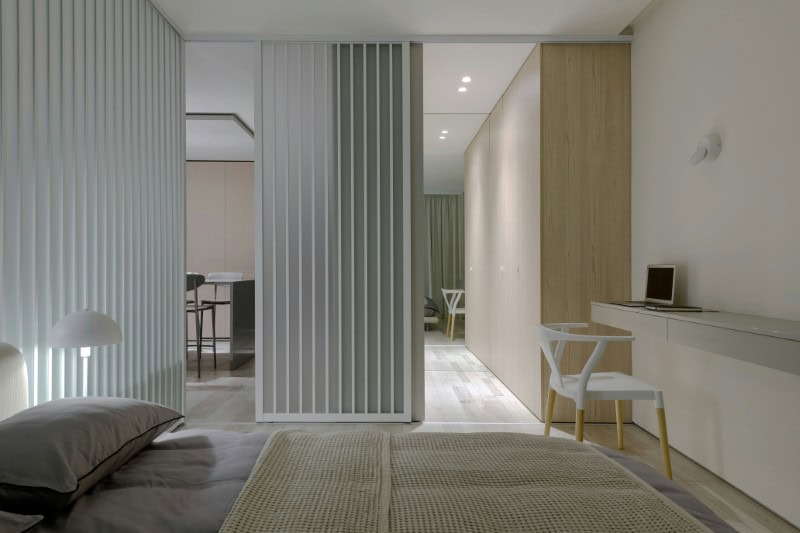
Good layouts guide movement without making it obvious.
#12 Letting empty space exist without trying to fill it
One of the biggest differences between cramped rooms and expansive ones is restraint.
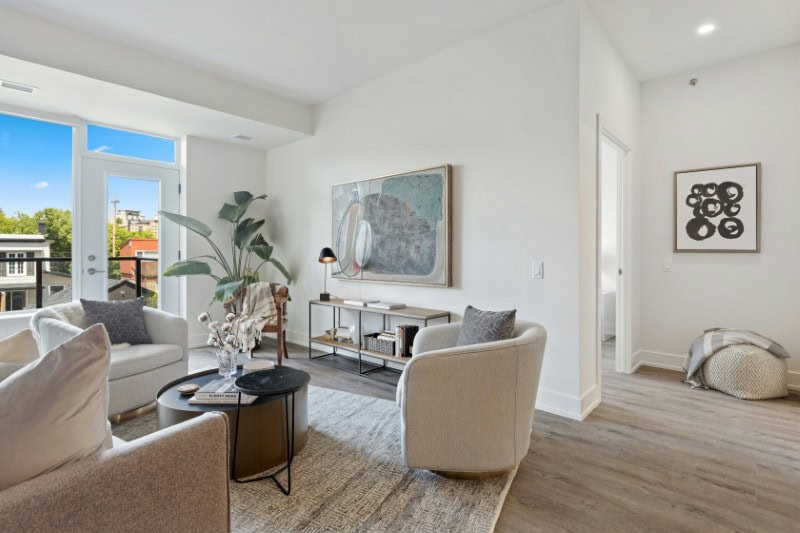
Not every wall needs art. Not every corner needs furniture. Leaving small pockets of open space allows the room to breathe — and that breathing room often makes the entire house feel larger.
More stories
12 design tricks luxury homes use to make spaces feel twice as big
19 Five-figure-looking home upgrades that actually cost under $500
10 Ways people with beautiful homes avoid clutter without obsessing
The post 12 less-obvious ways to make a small house feel bigger appeared first on Fancy Pants Homes.

 English