


Some homes feel different the moment you walk in.
Not because they’re larger or more expensive, but because they seem to have a kind of quiet energy. The air feels fresher. The light moves. There are small signs of life in every room, even when no one is speaking.
That feeling doesn’t come from design alone. It comes from a mix of natural elements, daily habits, and subtle details that shift a house from static to lived-in.
Here are the things that tend to make that difference — often without anyone realizing it.
Sunlight that moves across the room throughout the day
A house starts to feel alive when light isn’t constant.
Morning light slips in softly, afternoon light stretches across floors, and evening light fades into warmer tones. That gradual shift gives the space a rhythm that artificial lighting can’t replicate.
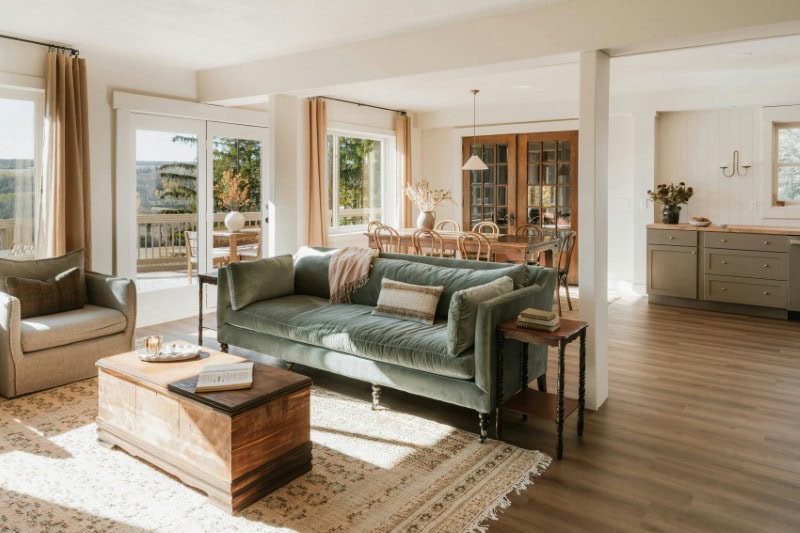
Rooms that capture and respond to sunlight tend to feel different at every hour, which keeps them from ever feeling static.
Windows that are actually opened, not just looked through
There’s a noticeable difference between a house with windows and a house that uses them.
Open windows bring in shifting air, outdoor sounds, and subtle changes in temperature. Curtains move slightly. The room feels connected to what’s happening outside.
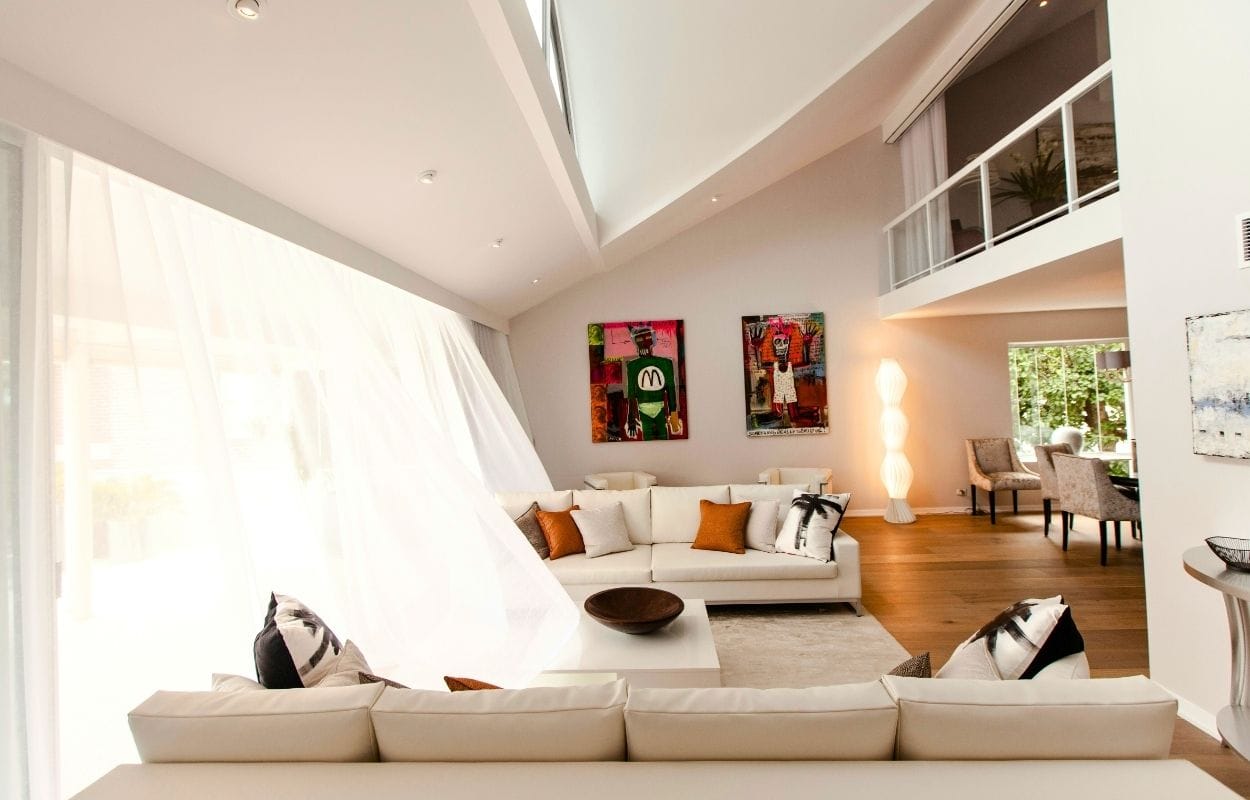
Even a few minutes of fresh air can change how a space feels.
Plants that are actively growing (not just sitting there)
Plants add more than color.
When they’re healthy and growing — reaching toward light, putting out new leaves — they introduce a sense of movement and change. The space evolves with them.
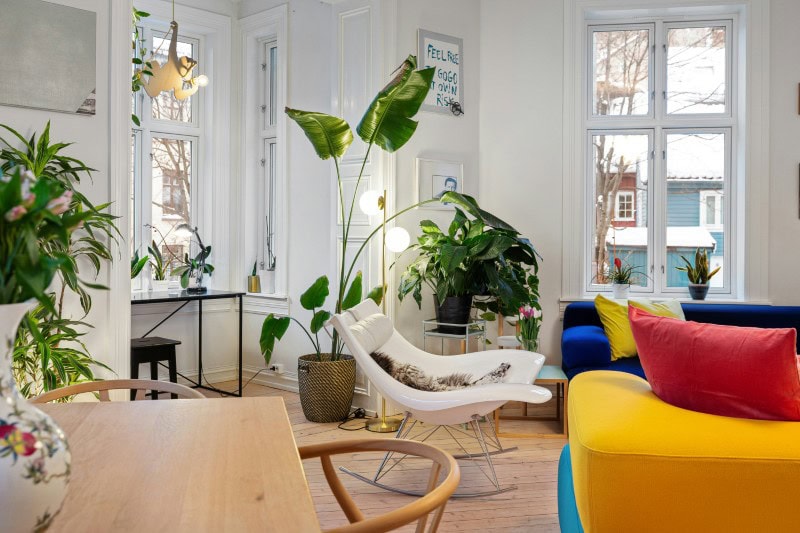
A house with thriving plants feels maintained and engaged in a way that artificial decor doesn’t replicate.
Subtle everyday sounds that fill the background
A completely silent house can feel almost suspended.
In contrast, small background sounds (think distant appliances, footsteps upstairs, the faint hum of activity) give the space a sense of presence.
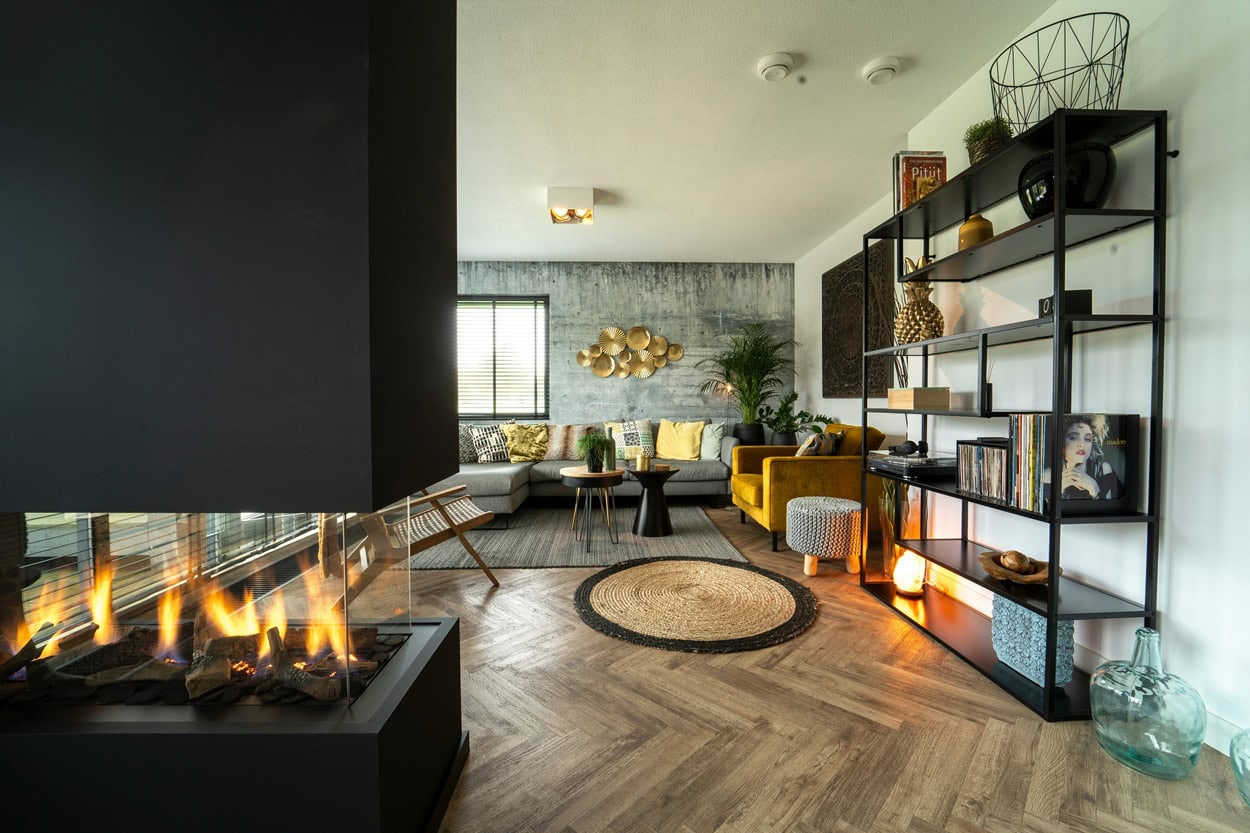
It’s not about noise, but about the feeling that the house is in use.
Floors that quietly reflect daily life
Floors often carry subtle signs of movement.
Light scuffs, softened pathways, or the way sunlight highlights certain areas can create a sense that the space is used regularly.
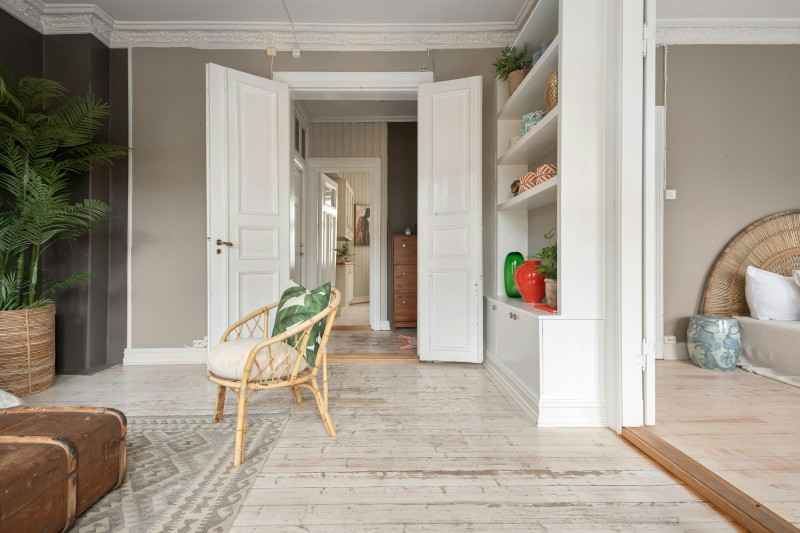
Rather than looking worn, these details can make a home feel grounded and real.
A faint, natural scent that isn’t overpowering
Scent plays a quiet but important role.
A hint of fresh air, clean laundry, or something recently cooked lingers just enough to make the space feel inhabited. It’s not a strong fragrance — just a trace of daily life.
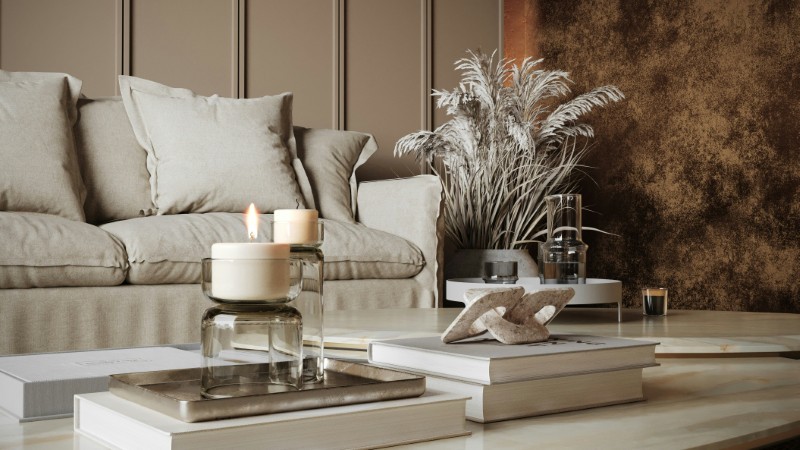
Homes that smell neutral but lived-in tend to feel more comfortable than those that rely on artificial scents.
Objects that shift slightly over time
Perfectly static rooms can feel staged.
In lived-in homes, objects move. A book is set down in a different place. A chair is pulled closer to a window. A blanket ends up draped differently.
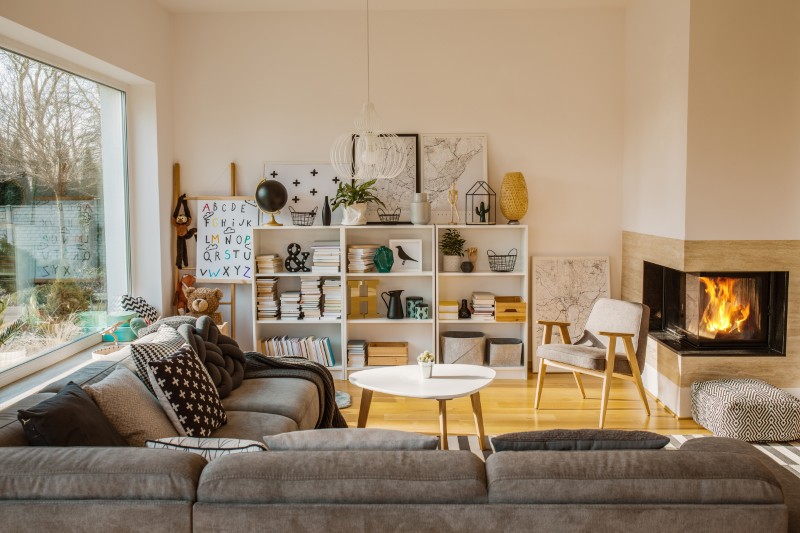
These small changes create a sense of motion, even when no one is actively moving through the space.
Music or sound that drifts between rooms
Sound that carries gently from one room to another adds another layer of life.
It might be music, a podcast, or even something playing quietly in the background. The key is that it isn’t confined to one space… it moves.
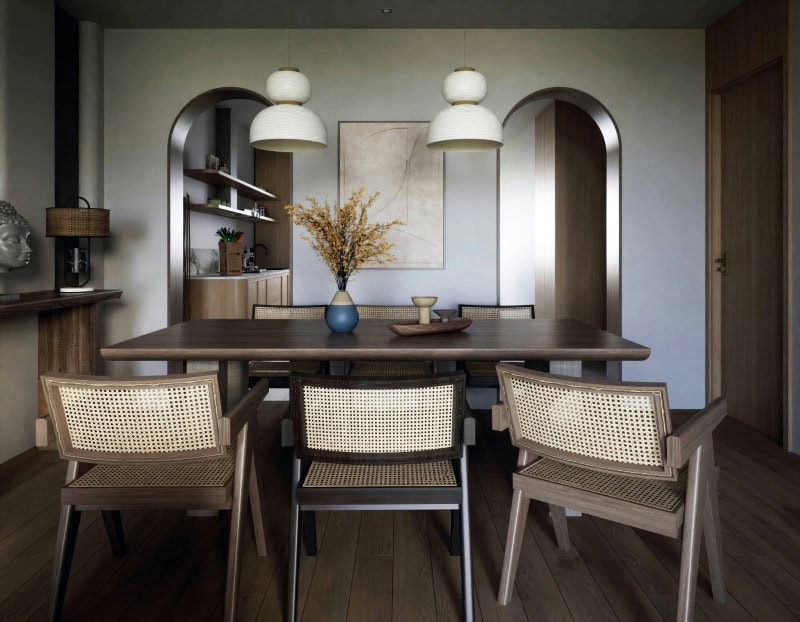
That movement connects rooms in a way that feels natural.
Kitchen activity that leaves small traces behind
A kitchen that’s used regularly has a different energy.
A cutting board left out, a dish drying near the sink, or the faint smell of something recently cooked all signal that the space is part of daily life.
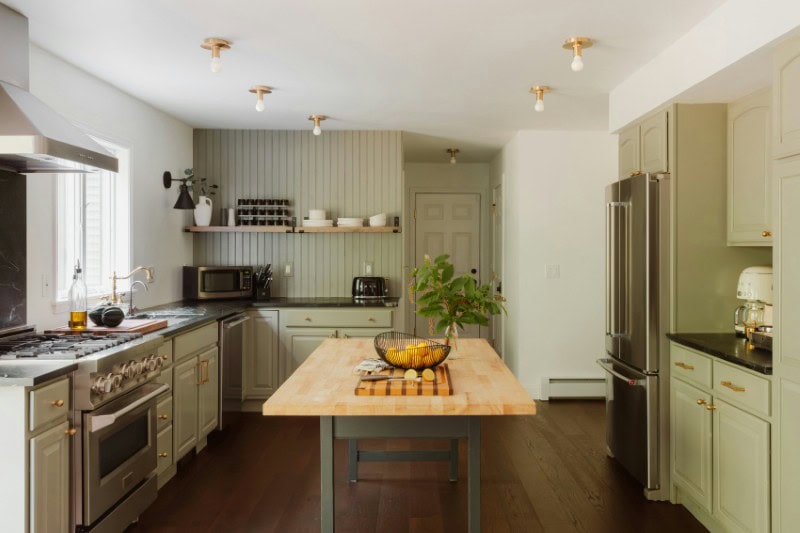
It doesn’t need to be messy, just active.
Pets that move freely through the space
Pets add movement in unpredictable ways.
A dog shifting from room to room, a cat settling into a sunny spot, these small moments introduce life without effort.
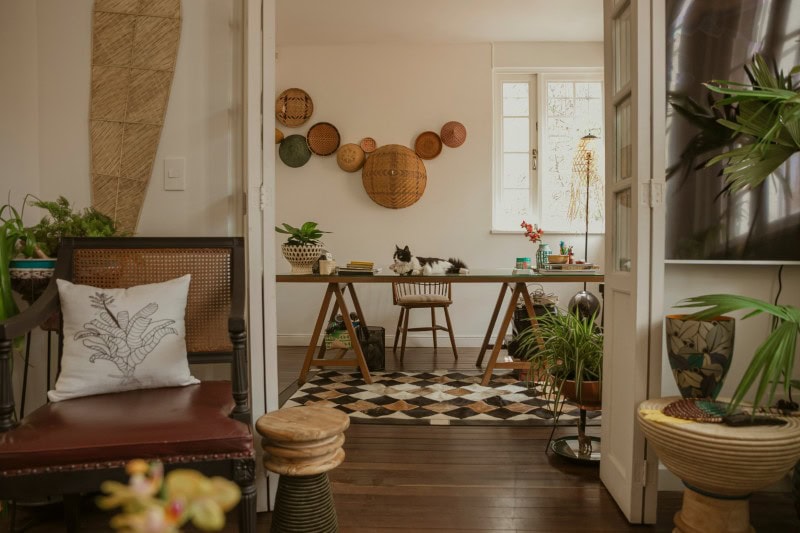
Even when they’re resting, their presence changes how the home feels.
Doors that are occasionally left open
A fully closed house can feel compartmentalized.
When doors are left slightly open, sightlines extend, and rooms feel connected. Air and light move more freely.
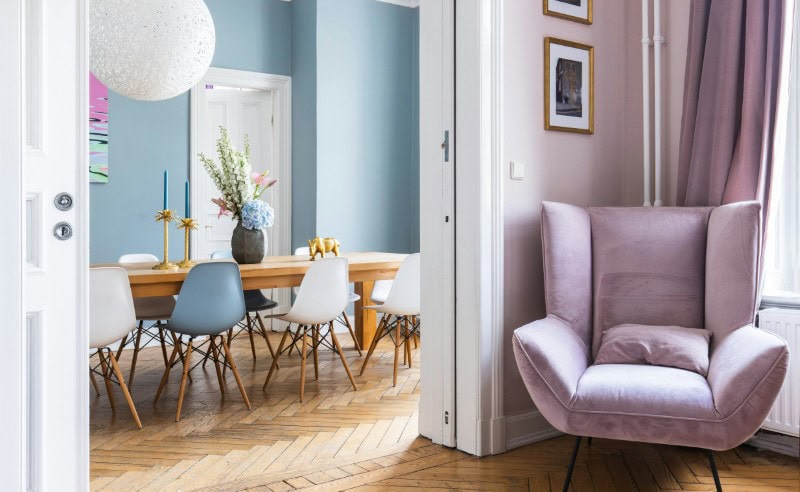
It’s a small detail, but it changes how the house flows.
Light variations between rooms
Not every room needs to feel identical.
When some spaces are brighter, others softer, and some more shadowed, the house develops contrast and depth.
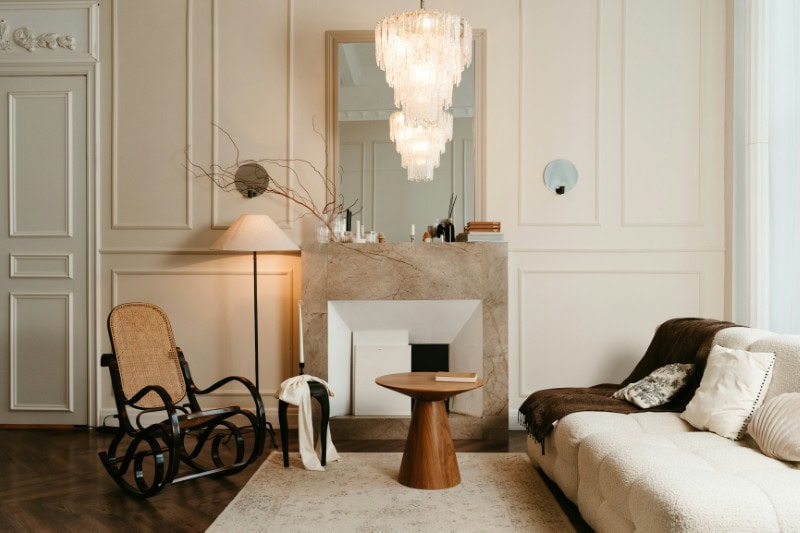
That variation makes moving through the home feel more dynamic.
Signs of recent use without visible clutter
A home feels alive when it shows signs of activity without tipping into chaos.
A chair slightly angled, a book left open, or a glass recently used all suggest presence.
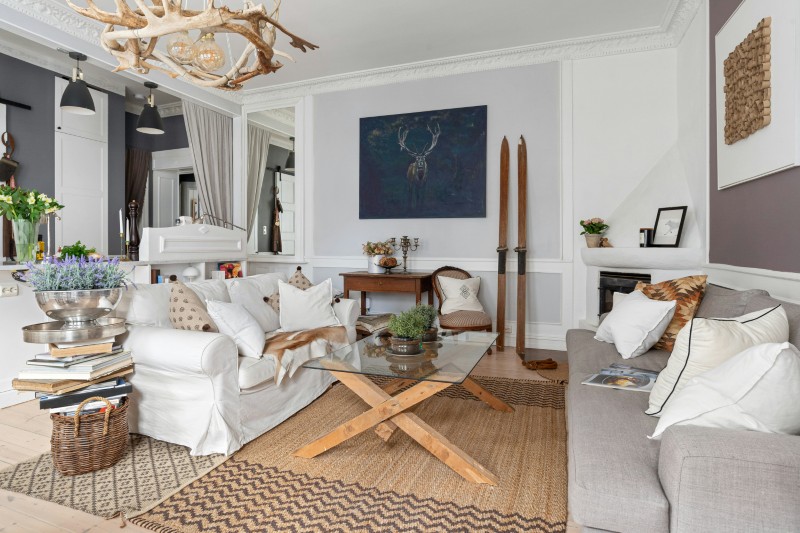
These details are subtle but effective.
Outdoor elements that subtly enter the home
A house feels more alive when it isn’t completely sealed off.
A bit of greenery near an entry, the sound of wind through trees, or even the way light reflects off outdoor surfaces can carry inside.
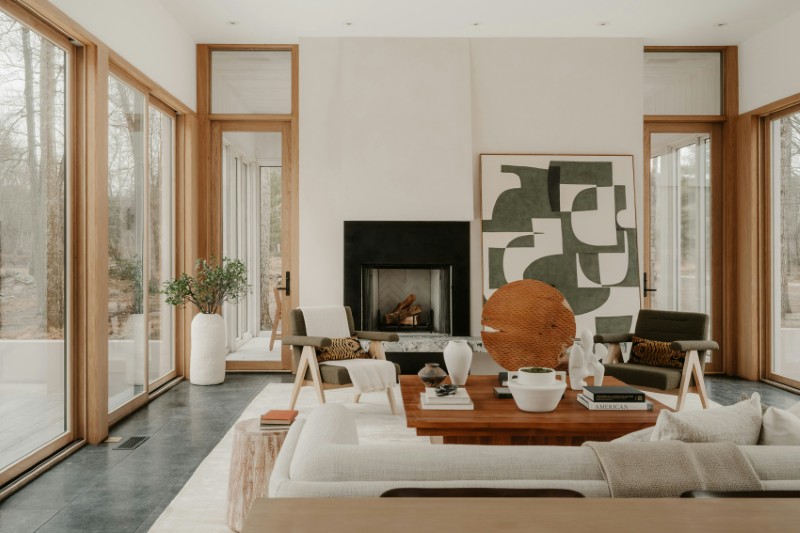
That connection keeps the interior from feeling isolated.
A sense that the house is being used, not preserved
Ultimately, the difference comes down to use.
Homes that feel alive aren’t perfect. They’re not frozen in time or arranged for display. They change slightly from day to day, responding to the people inside them.
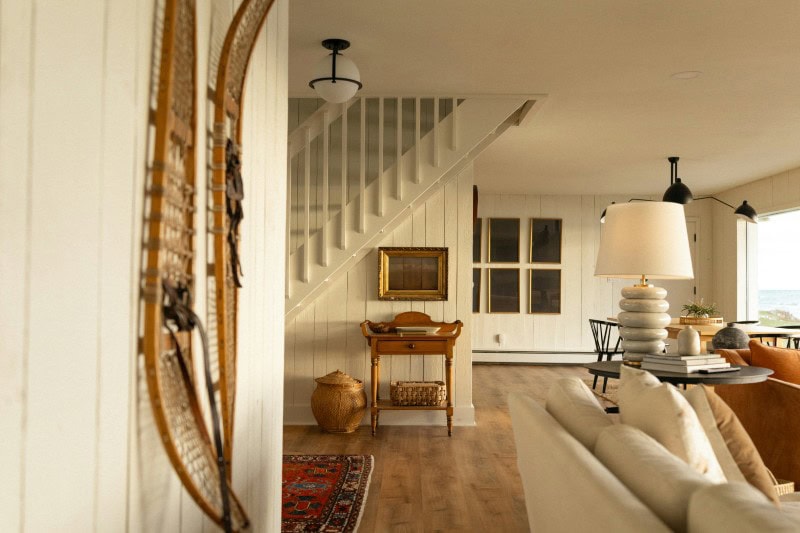
And that quiet, constant shift is what gives them their energy.
Flowers, plants, bushes, or just a small balcony herb garden
Last but not least: nothing brings a home alive quite like flowers and greenery.
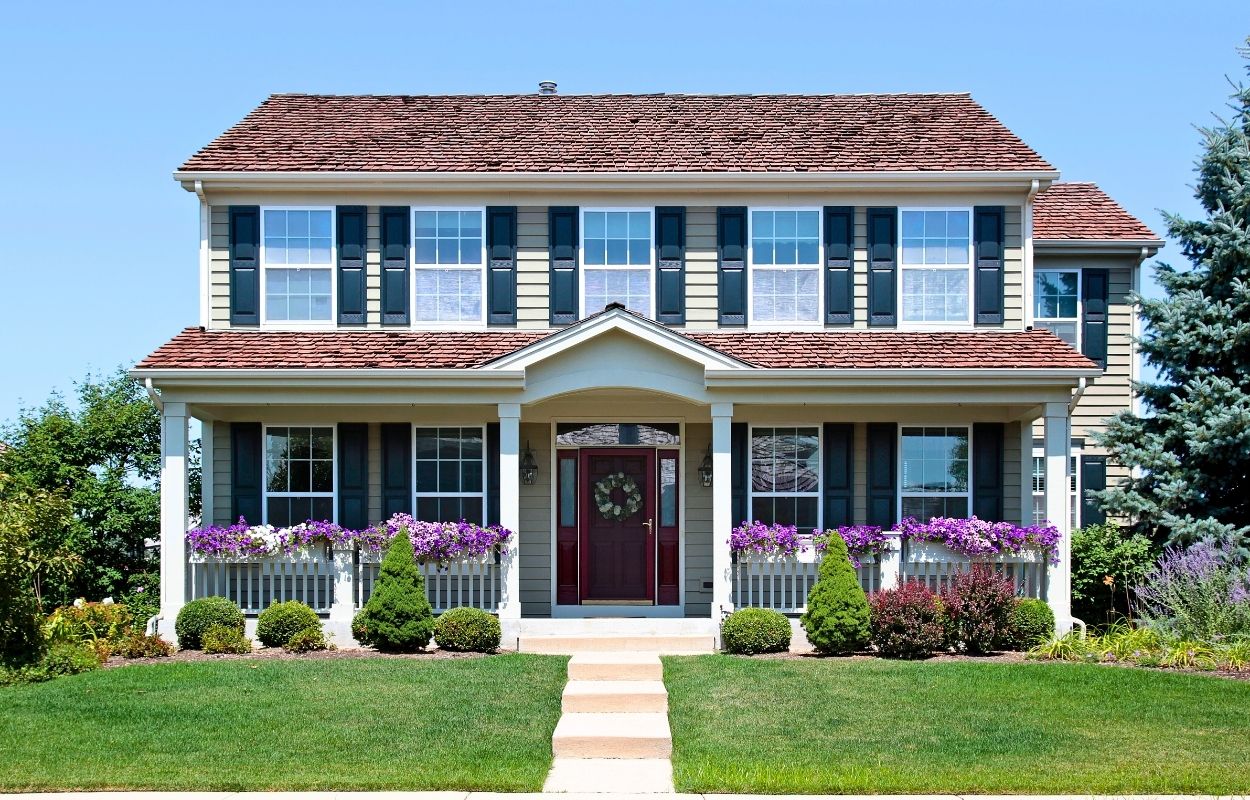
Single family homes have lots of playroom to add flowers to front yards, berry bushes to back or side yards, trees and shrubs, if not grow full vegetable gardens (which many have in recent years).
But even the smallest herb container can bring a space alive — regardless of size (or culinary preferences).
More stories
25 spring resets designers always recommend after a long winter
16 details that give historic homes their unmistakable charm
12 things modern homes are designed around that barely existed 30 years ago
The post 15 things that quietly make a house feel alive appeared first on Fancy Pants Homes.

 English