


Some of the country’s most compelling historic homes aren’t in its largest cities.
They’re found in mid-sized places where growth happened early, architecture was built to last, and neighborhoods have remained relatively intact. These cities often offer something larger markets struggle to preserve: cohesive historic districts, where entire streets — not just individual houses — tell a story.
From Victorian-era enclaves to early modernist experiments, these cities have quietly built reputations as havens for architectural character.
Here are some of the most notable mid-size U.S. cities where historic homes still define the landscape.
Savannah — a masterclass in preserved urban planning
Savannah’s historic charm isn’t just about individual homes, it’s about how the entire city was planned.
Founded in 1733, the city is built around a grid of public squares, many of which are still intact today.
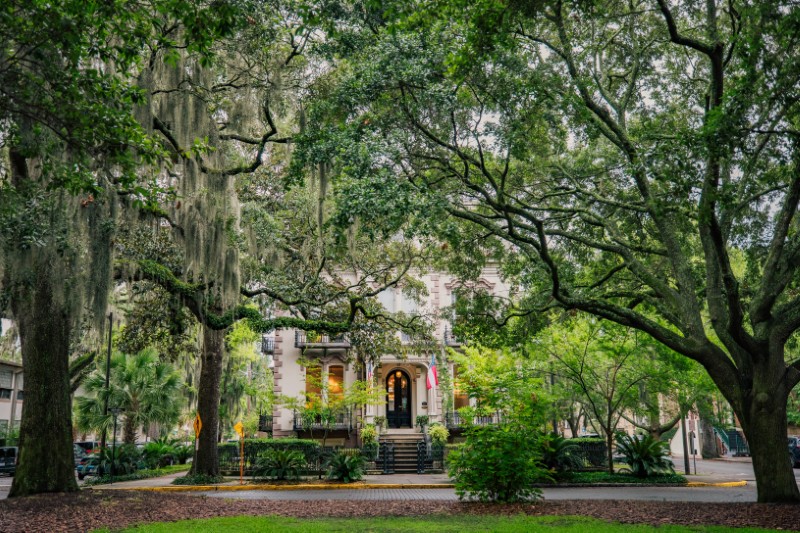
Surrounding those squares are some of the best-preserved historic homes in the country, ranging from Federal-style townhouses to ornate Victorian mansions.
What makes Savannah stand out is continuity. Entire neighborhoods feel cohesive, with wrought-iron details, deep porches, and tree-lined streets creating a sense of place that has changed very little over time.
Charleston — layered history in every facade
Charleston’s historic homes reflect centuries of architectural evolution.
From Georgian and Federal-era buildings to the city’s iconic “single houses” with long side porches (known as piazzas), the architecture is both practical and distinctive.
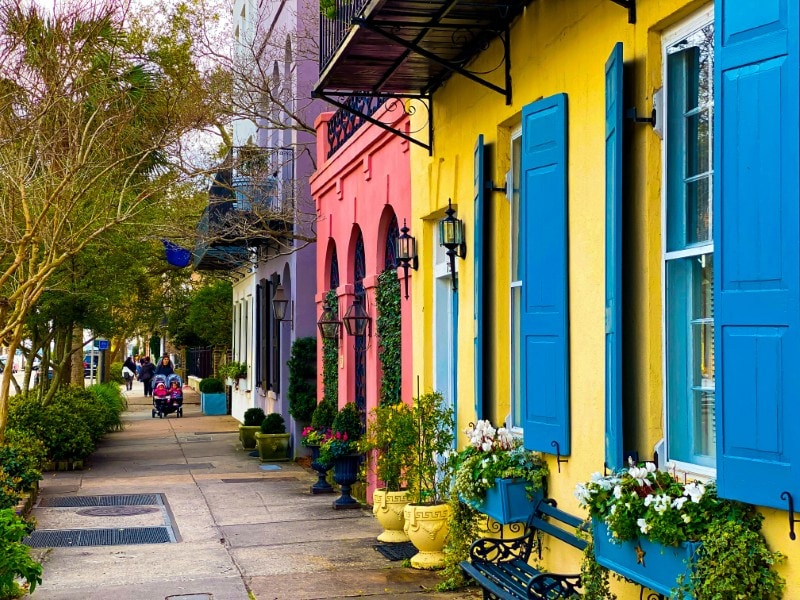
These homes were designed to capture coastal breezes while maintaining privacy from the street.
The city’s strict preservation rules have helped maintain its character, making it one of the most recognizable historic environments in the U.S.
New Orleans — architectural diversity shaped by culture
Few cities offer the architectural mix found in New Orleans.
The French Quarter features Creole townhouses with wrought-iron balconies, while the Garden District is known for grand mansions set among oak-lined streets.
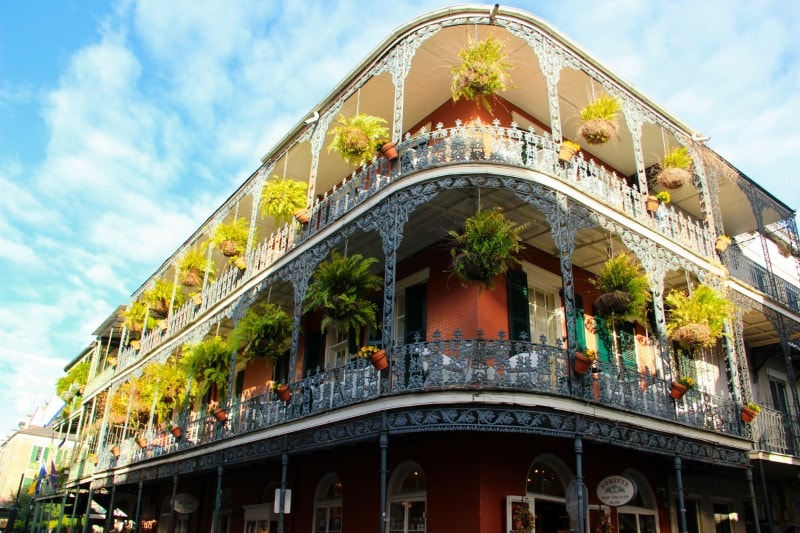
Elsewhere, shotgun houses and Creole cottages reflect more modest but equally important traditions.
This diversity comes from the city’s layered cultural influences (primarily French, Spanish, and Caribbean), all of which are still visible in its homes.
Richmond — historic homes across multiple eras
Richmond’s architectural history spans several distinct periods, and that variety shows up clearly in its neighborhoods.
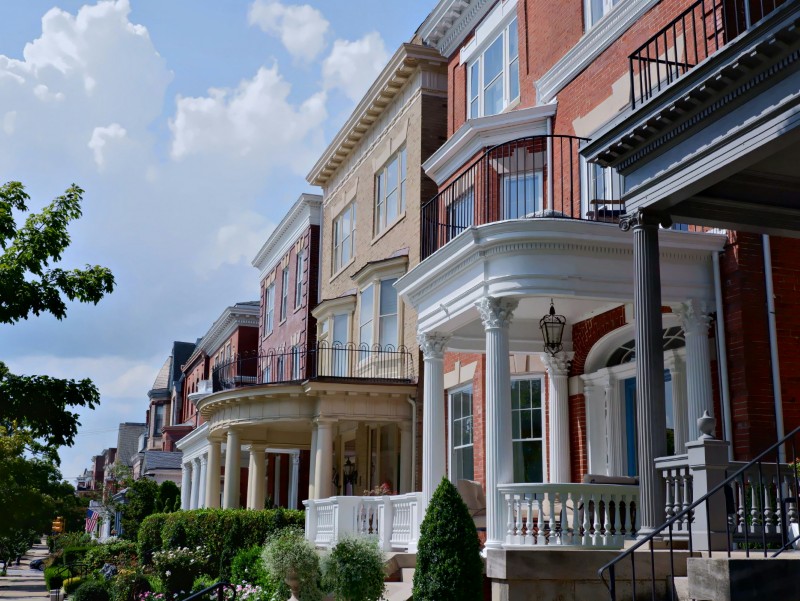
The Fan District is particularly notable, with long rows of late-19th-century homes featuring decorative brickwork, bay windows, and expansive porches. Nearby Church Hill offers even older homes with views over the James River.
Because Richmond developed steadily over time, it offers a layered look at American residential architecture.
St. Louis — brick craftsmanship at scale
St. Louis stands out for its extensive use of brick.
Neighborhoods like Lafayette Square showcase richly detailed Victorian homes with intricate masonry, tall windows, and ornate cornices.
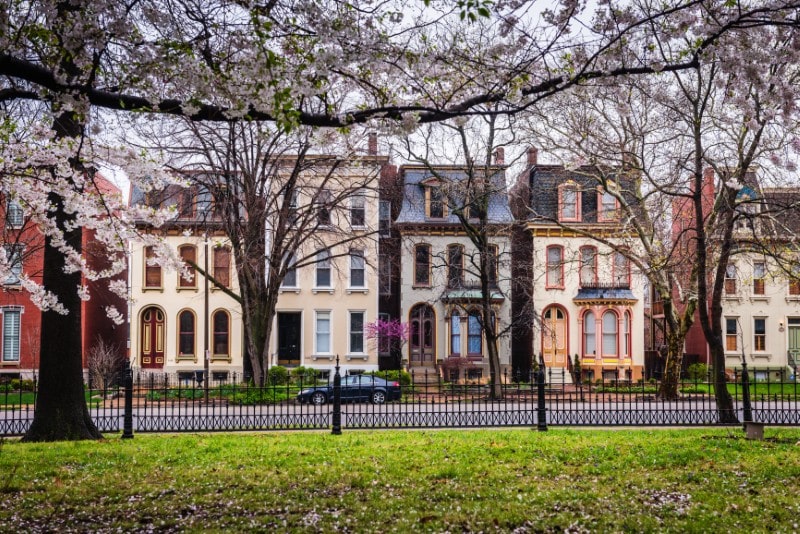
Entire blocks are built in cohesive styles, giving the area a strong architectural identity.
The city’s industrial wealth during the 19th century supported high-quality construction, much of which still stands today.
Milwaukee — historic homes shaped by European influence
Milwaukee’s historic homes reflect the city’s strong German heritage.

From Victorian houses to early 20th-century bungalows, many homes were built using locally sourced cream-colored brick, giving the city a distinctive look.
Lakefront neighborhoods feature larger historic homes, while inland areas showcase more modest but well-preserved residences.
Buffalo — a legacy of architectural ambition
Buffalo experienced a major building boom in the late 19th and early 20th centuries, and its architecture reflects that moment.
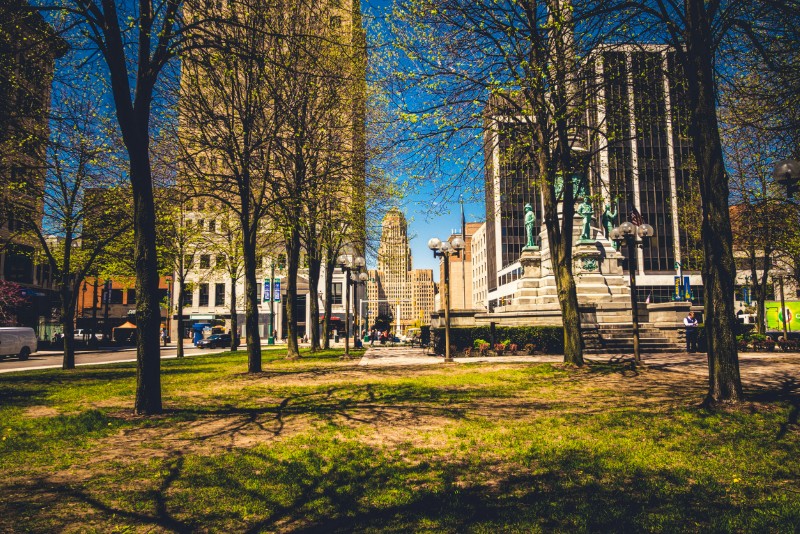
The city is home to works by Frank Lloyd Wright, including the Darwin D. Martin House, as well as numerous historic mansions and well-preserved residential neighborhoods.
Because growth slowed later on, many of these homes remained intact rather than being replaced.
Cincinnati — hillside homes with historic character
Cincinnati’s historic architecture is closely tied to its topography.
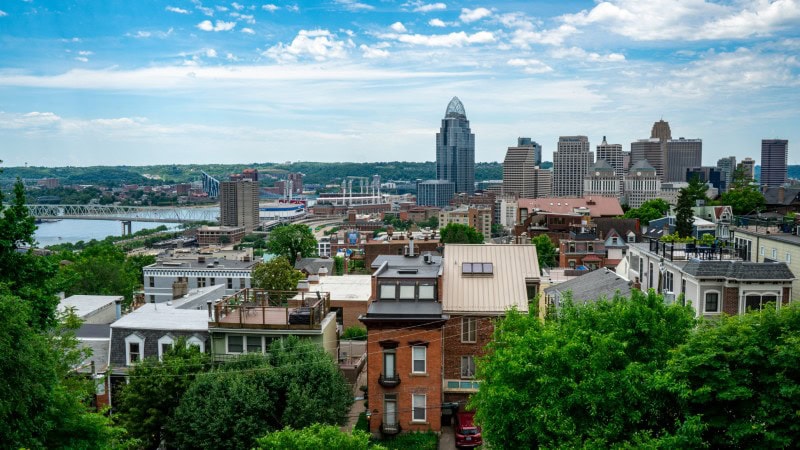
Neighborhoods like Over-the-Rhine feature one of the largest collections of Italianate architecture in the country, with detailed brick buildings and narrow streets.
The city’s hills add another layer, with homes often positioned to take advantage of views and elevation.
Santa Fe — a unified architectural identity
Santa Fe offers something rare: a city where historic architecture follows a consistent visual language.
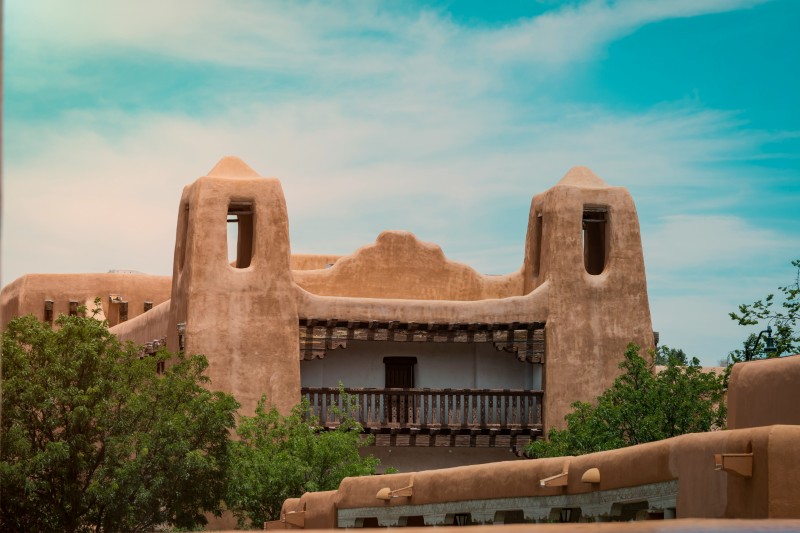
Adobe construction, rounded edges, and earth-toned finishes define much of the city’s housing stock. This style draws from Indigenous and Spanish traditions and has been carefully preserved through local regulations.
The result is a city that feels cohesive and deeply tied to its environment.
Pasadena — early modernism meets traditional design
Pasadena is one of the most important centers for Craftsman architecture in the U.S.
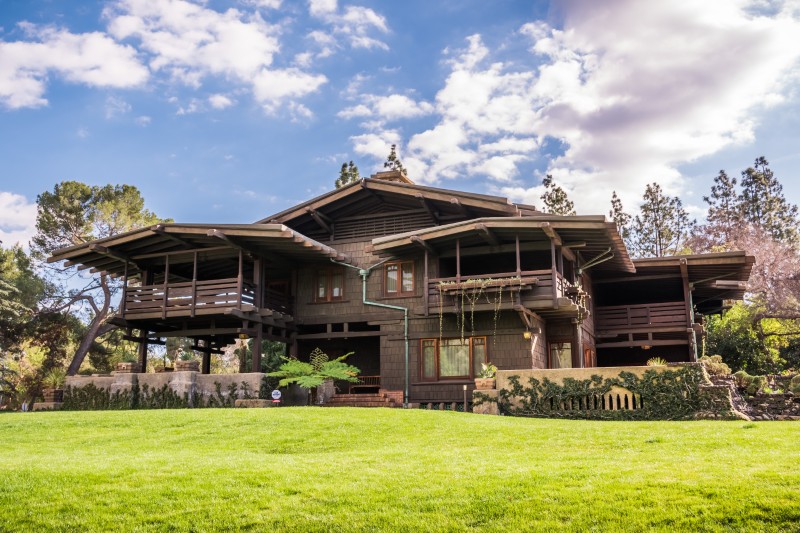
The city is home to works by Greene and Greene, whose designs emphasized natural materials, craftsmanship, and harmony with the landscape.
Neighborhoods like Bungalow Heaven preserve these homes, offering a clear look at one of America’s most influential residential styles.
Providence — colonial roots with enduring character
Providence’s historic homes date back to some of the earliest periods of American architecture.

Benefit Street, often called the “Mile of History,” features colonial and Federal-style homes that have been carefully preserved.
The city’s smaller scale allows these historic areas to remain intact and walkable, adding to their appeal.
San Antonio — historic homes shaped by multiple cultures
San Antonio’s historic homes reflect its Spanish colonial roots as well as later influences.
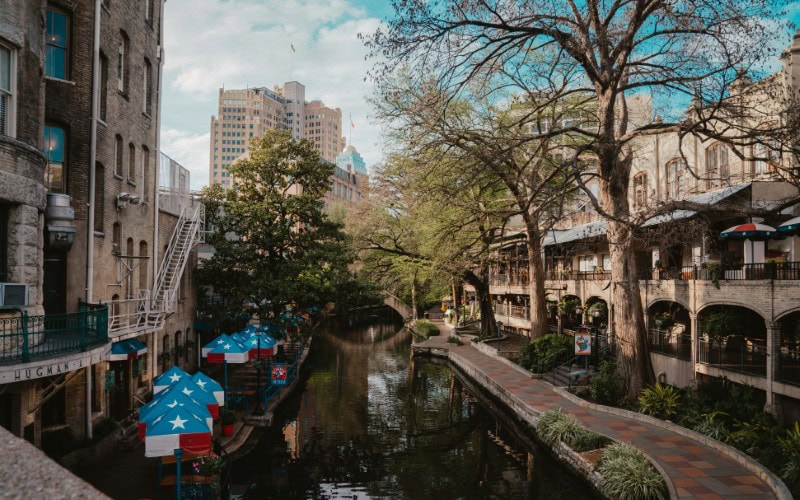
The King William Historic District features large 19th-century homes with European design elements, while other areas include smaller adobe and vernacular houses.
The mix of styles gives the city a distinct architectural identity.
Louisville — grand Victorian homes with neighborhood continuity
Louisville is home to one of the largest collections of Victorian homes in the country, concentrated in the Old Louisville neighborhood.
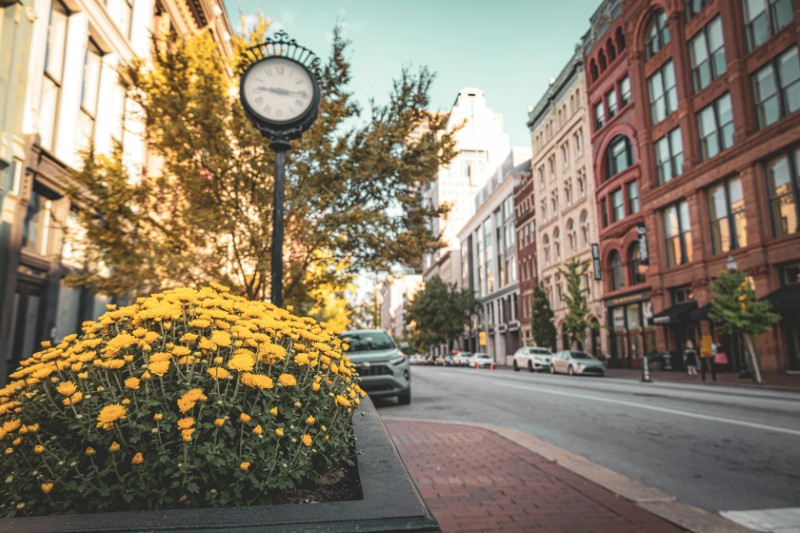
Built during the city’s late-19th-century boom, these homes feature ornate detailing, turrets, stained glass, and expansive porches.
What makes Louisville stand out is the scale: entire blocks are lined with substantial, carefully preserved houses.
The neighborhood still feels cohesive, offering a rare look at Victorian-era urban living at full density.
Pittsburgh — industrial wealth translated into architecture
Pittsburgh’s historic homes reflect the city’s industrial past.
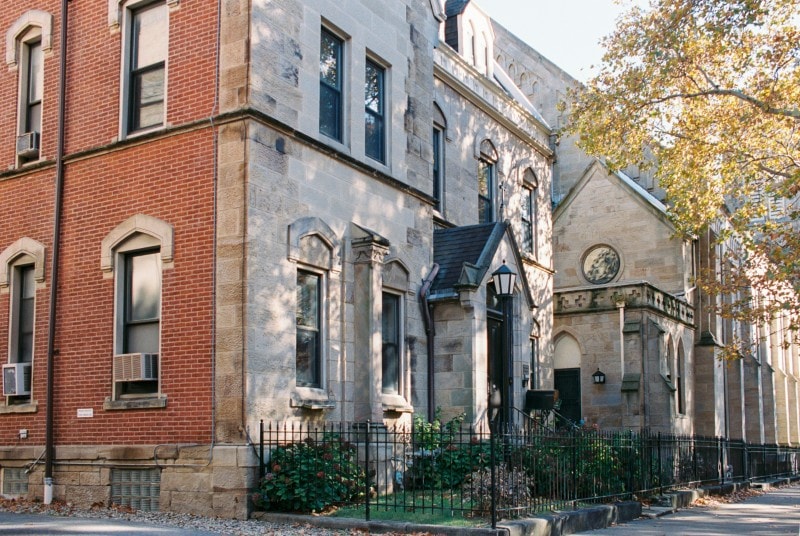
Neighborhoods like Shadyside and Highland Park feature substantial brick homes built by industrial-era wealth, often with detailed stonework and layered facades.
Because the city’s growth stabilized, many of these homes were preserved rather than replaced, giving Pittsburgh a deep inventory of historic housing.
Galveston — coastal history with ornate architecture
Galveston offers one of the most distinctive collections of historic homes along the Gulf Coast.
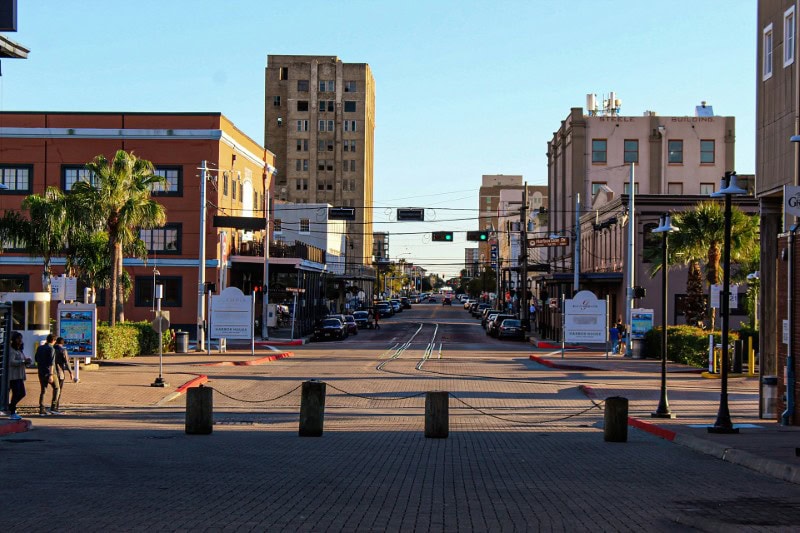
Victorian-era houses, many raised on piers after the 1900 hurricane, feature elaborate woodwork, wide porches, and bright coastal colors. The Strand Historic District and surrounding neighborhoods retain a strong sense of place.
The combination of coastal setting and preserved architecture makes the city particularly memorable.
Boulder — historic homes framed by landscape
Boulder’s historic homes are defined as much by their setting as their architecture.
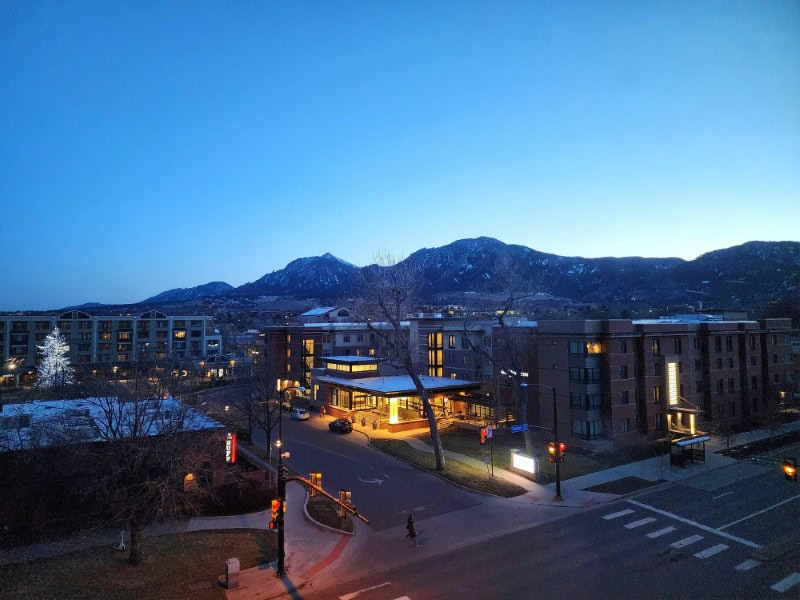
Downtown and nearby neighborhoods feature late-19th-century homes with wood siding, gabled roofs, and generous porches. Many have been carefully restored, maintaining their original character.
Set against the Flatirons, these homes feel closely tied to the natural environment.
Annapolis — colonial architecture in a waterfront setting
Annapolis offers one of the most intact collections of colonial-era homes in the country.
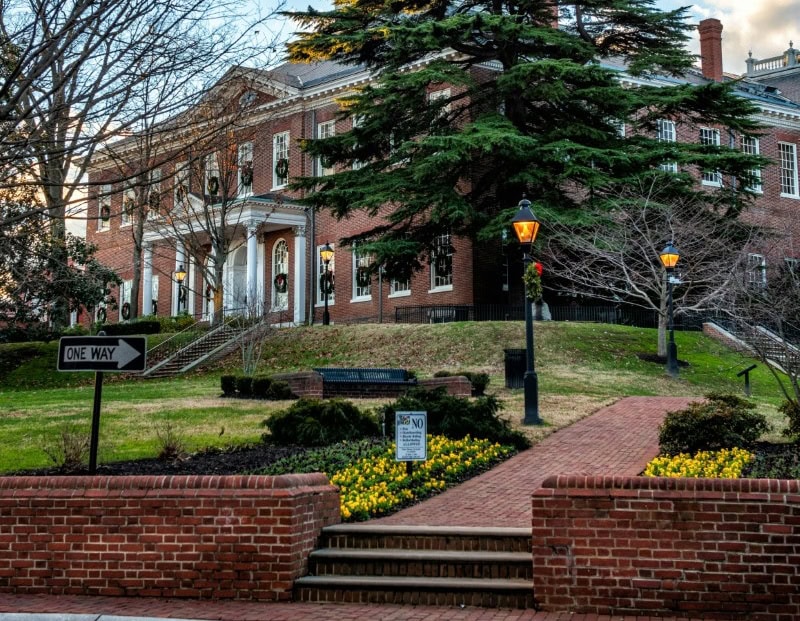
Brick townhouses and wood-frame residences line narrow streets near the waterfront, many dating back to the 18th century. Preservation efforts have kept the city’s historic core remarkably consistent.
Its scale and setting make it feel both historic and livable.
Asheville — mountain setting with eclectic historic styles
Asheville’s historic homes reflect a mix of architectural styles, from Craftsman bungalows to Tudor Revival houses.
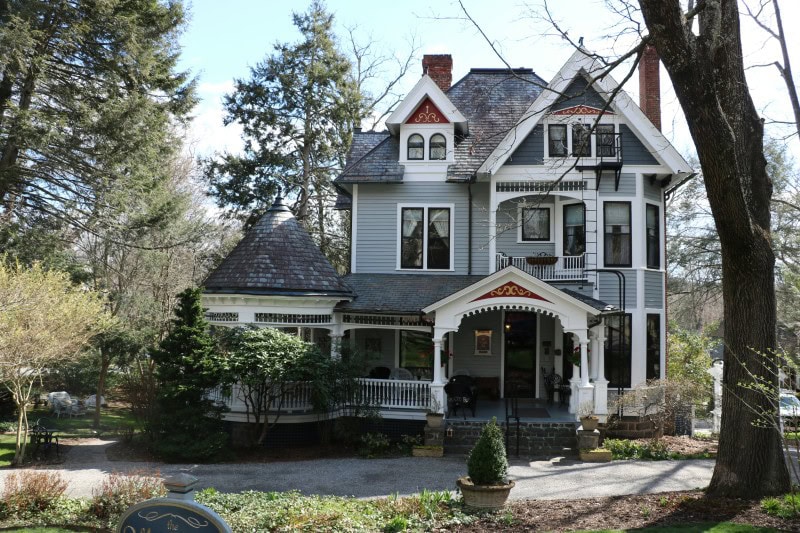
The city’s early 20th-century growth, tied to its reputation as a mountain retreat, led to the construction of distinctive homes with strong craftsmanship and detail.
Neighborhoods like Montford preserve this variety while maintaining a cohesive feel.
Tucson — desert architecture with deep roots
Tucson’s historic homes reflect centuries of desert living.
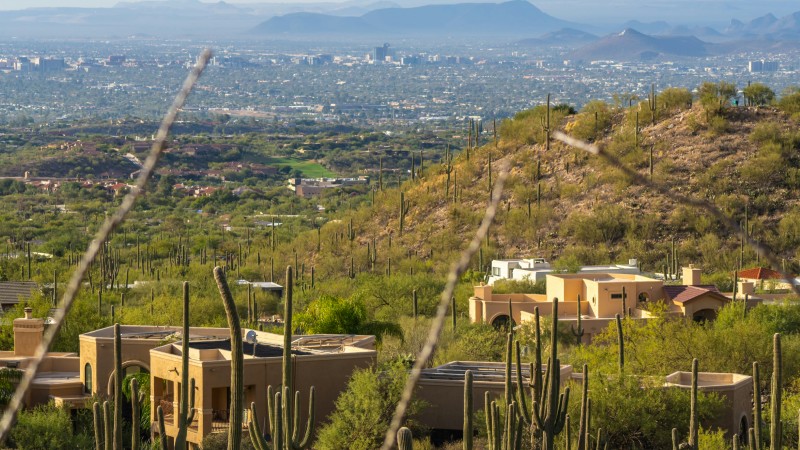
Adobe construction, thick walls, and shaded courtyards define many older homes, particularly in the city’s historic barrios. These features aren’t just aesthetic — they respond directly to climate.
The architecture feels grounded in place, with a continuity that extends across generations.
Albany — architectural density from multiple eras
As one of the oldest cities in the country, Albany offers a wide range of historic homes.
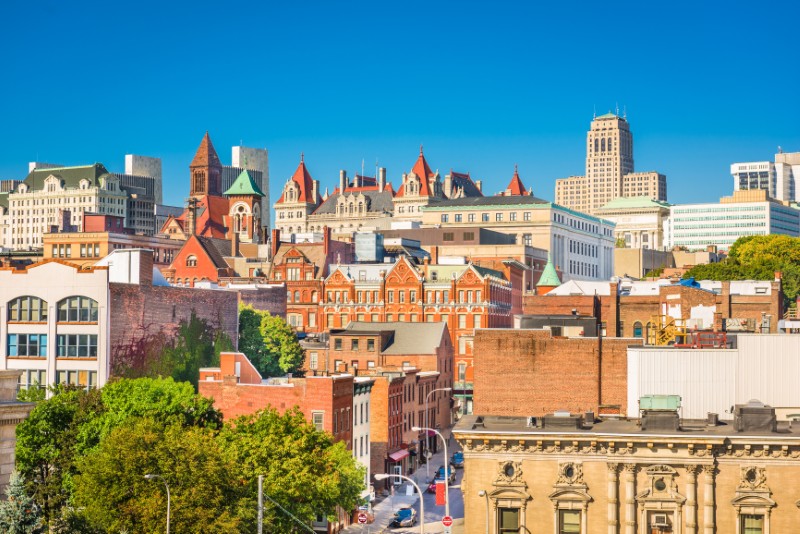
Brownstones, row houses, and freestanding residences span several architectural periods, from Federal to Victorian. Neighborhoods like Center Square showcase dense, walkable streets lined with well-preserved homes.
The variety gives the city a layered architectural identity.
Mobile — Gulf Coast history with Southern detail
Mobile’s historic homes reflect its long history as a port city.
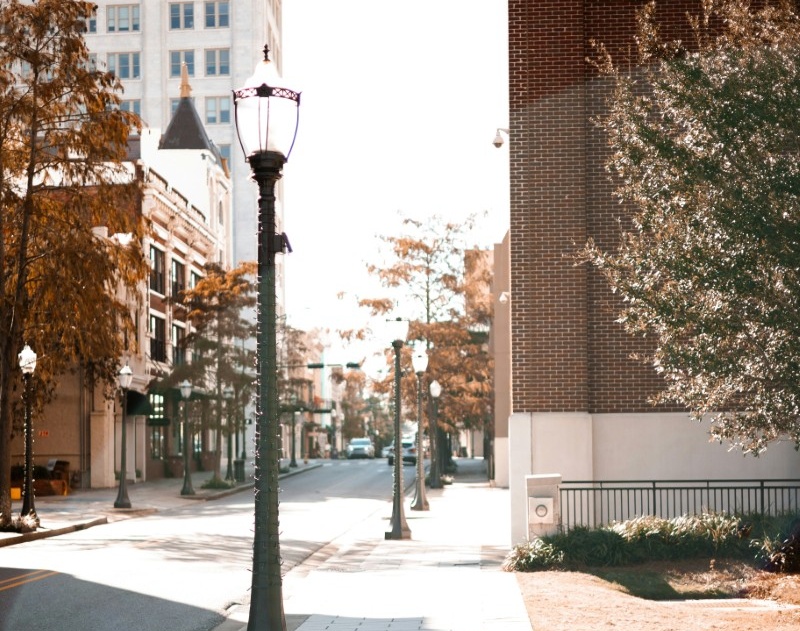
Large Southern-style houses with columns, porches, and detailed woodwork line the streets of historic neighborhoods.
The city’s architectural influences include French, Spanish, and American traditions.
Its homes feel both grand and closely tied to the region’s climate.
Spokane — historic homes shaped by early western growth
Spokane developed rapidly in the late 19th and early 20th centuries, and its historic homes reflect that period.
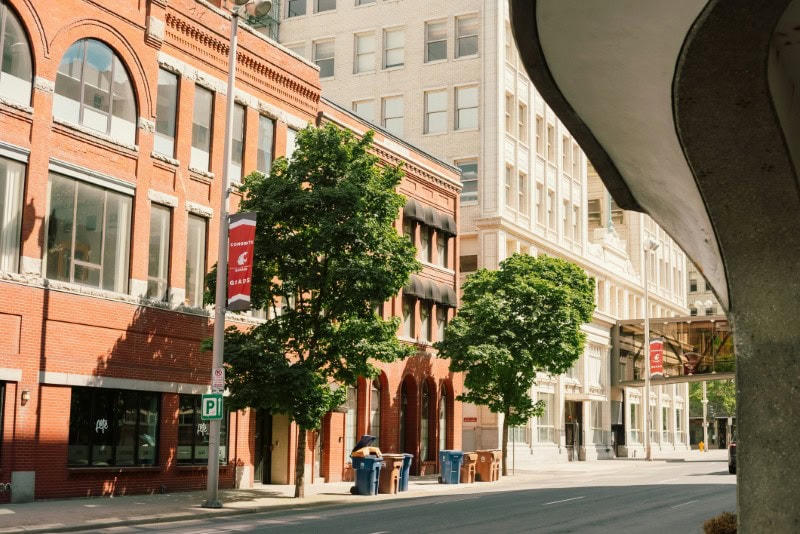
Neighborhoods like Browne’s Addition feature large Victorian and Craftsman homes, many of which have been preserved.
The city offers a strong example of historic architecture in the Pacific Northwest.
More stories
10 Timeless architectural styles for people who don’t want to live in cookie-cutter homes
Bold by design: 19 homes that are anything but ordinary
What luxury architecture looked like in every decade since the 1950s
The post Mid-size U.S. cities known for their beautiful historic homes appeared first on Fancy Pants Homes.

 English