


Some homes look impressive the moment you walk in. Others feel good.
The difference isn’t always budget, square footage, or even the furniture itself. Often, it comes down to restraint — the quiet confidence of a space that doesn’t feel the need to prove anything.
Homes with real taste rarely shout for attention. They rely on proportion, natural materials, and thoughtful editing rather than dramatic statements or constant decoration.
Nothing feels forced. Nothing feels overly styled. And that relaxed balance is often what makes the space feel so appealing.
Here are some of the subtle ways well-designed homes avoid trying too hard.
They let a few good pieces carry the room
Instead of filling every corner with furniture, homes with taste tend to rely on a few well-chosen pieces that will catch the eye of everyone entering the room.
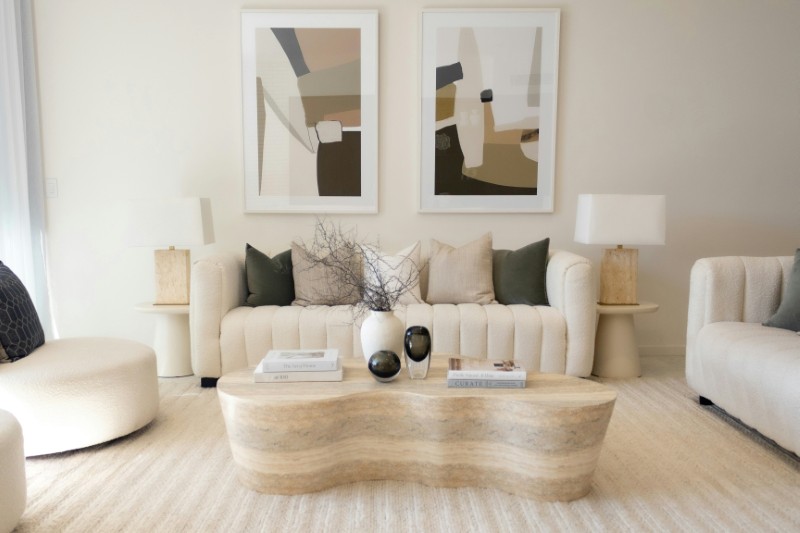
A comfortable sofa, a beautiful chair, and a thoughtful coffee table can define a room without crowding it. Each piece has room to breathe.
The result feels intentional rather than busy.
Surfaces are styled lightly, not densely
Expensive-looking homes rarely fill every surface.
Coffee tables might hold a small stack of books, a bowl, or a plant — and little else. Consoles and shelves are edited so each object stands out.
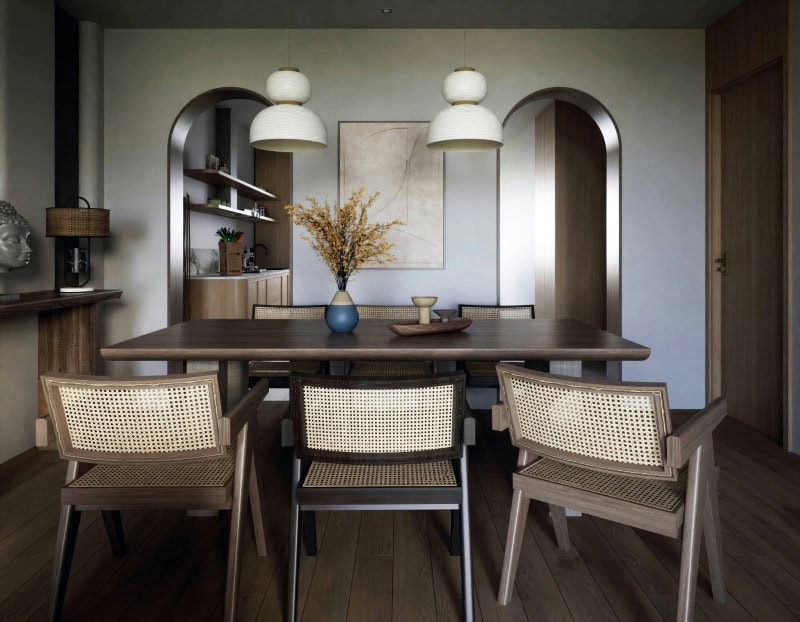
This restraint allows the materials and shapes in the room to do the talking.
Color palettes stay calm and cohesive
Instead of chasing trends or adding bold color everywhere, tasteful homes usually build around a quiet palette.
Neutral walls, natural wood, soft textiles, and a few accent colors create harmony across the space.
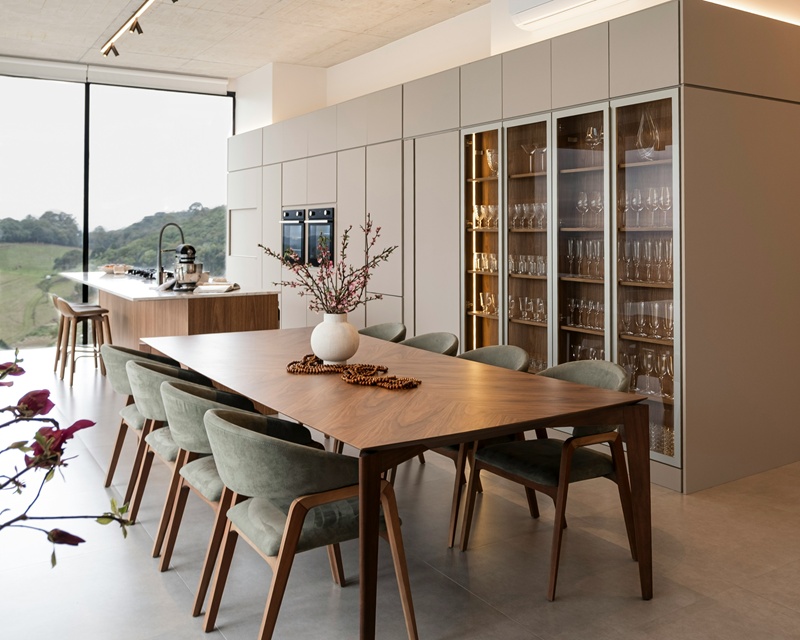
Because the colors relate to one another, the home feels balanced rather than busy.
Lighting that feels soft and intimate rather than harsh
Tasteful homes avoid harsh lighting.
Instead of relying on a single overhead fixture, they use lamps, sconces, and indirect light sources that create a gentle glow throughout the room.
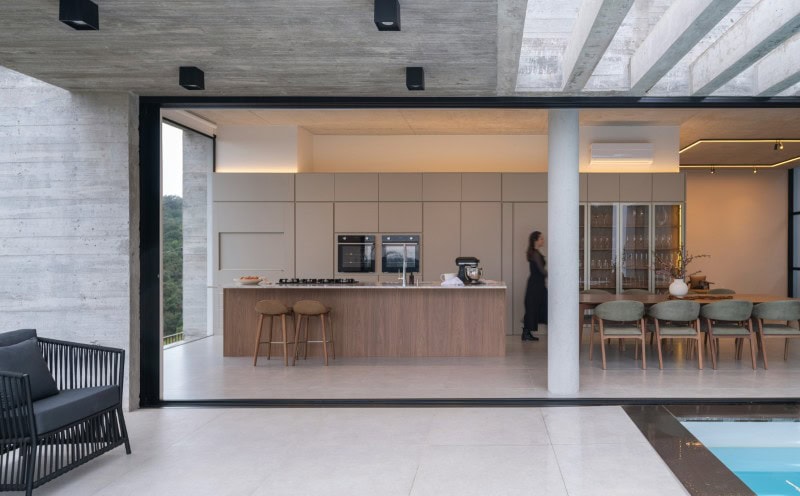
Even in the evening, the space feels relaxed and comfortable rather than overly bright.
Materials are allowed to speak for themselves
In homes with taste, materials often carry the visual interest.
Natural wood grain, stone surfaces, linen fabrics, and brushed metals add texture without needing additional decoration.
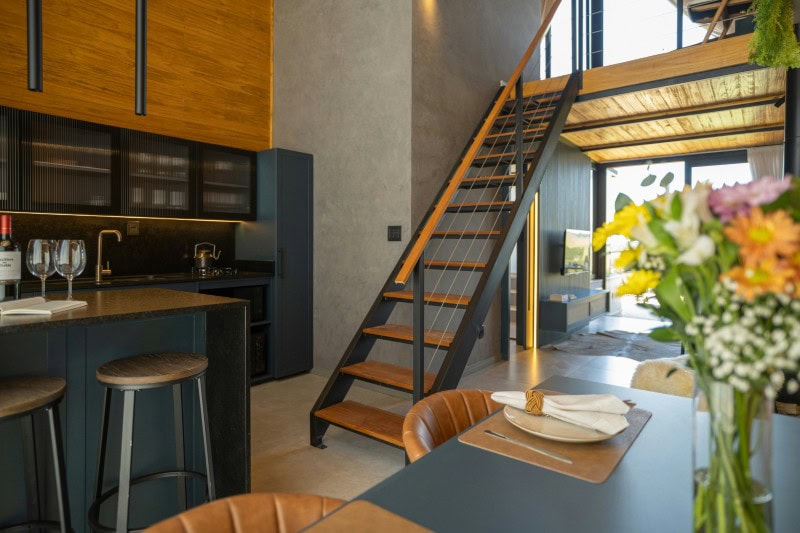
When materials are good, the room doesn’t need much else.
Decorative objects are chosen slowly
Homes that feel over-styled often accumulate decor quickly.
Tasteful homes usually collect objects gradually: pieces found during travel, gifts, or items that carry meaning.
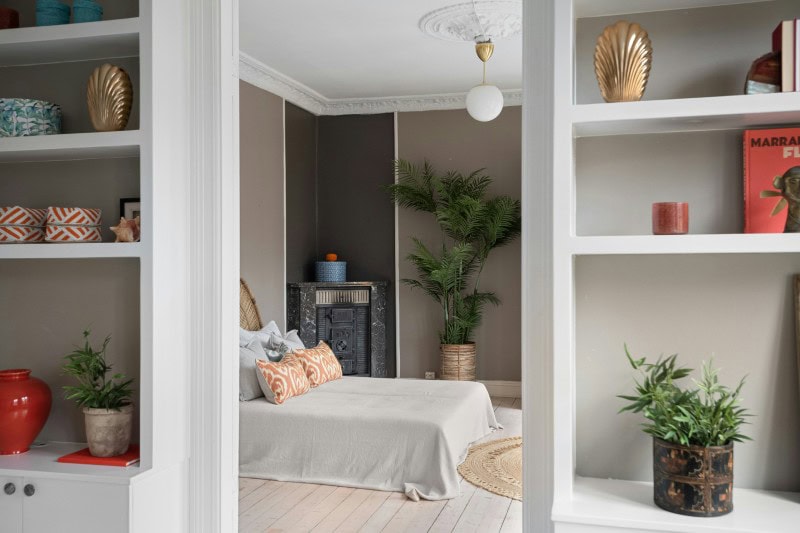
Because the collection grows naturally over time, it feels personal rather than staged.
Walls aren’t filled just to avoid emptiness
In many homes, every wall gets filled with something.
Tasteful spaces often leave some areas blank or rely on one larger artwork rather than many smaller pieces.
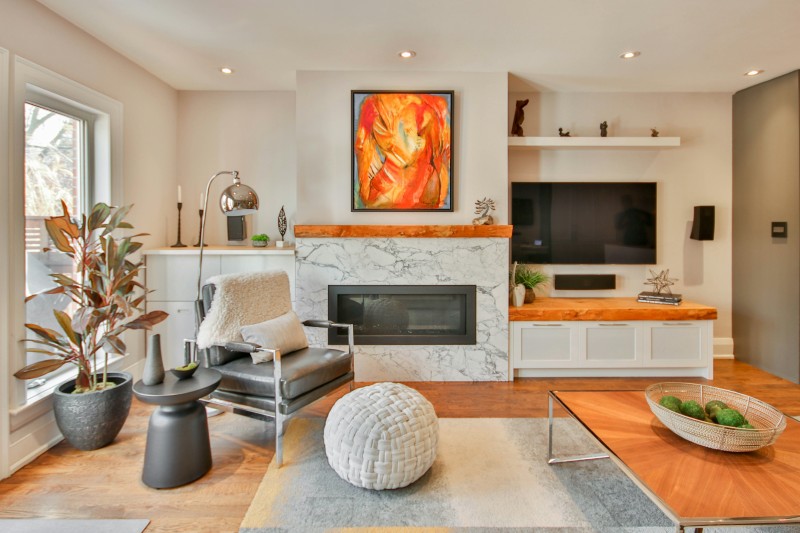
The emptiness gives the eye a place to rest.
Furniture layouts prioritize conversation
Instead of lining every seat against the walls, thoughtful layouts bring furniture closer together.
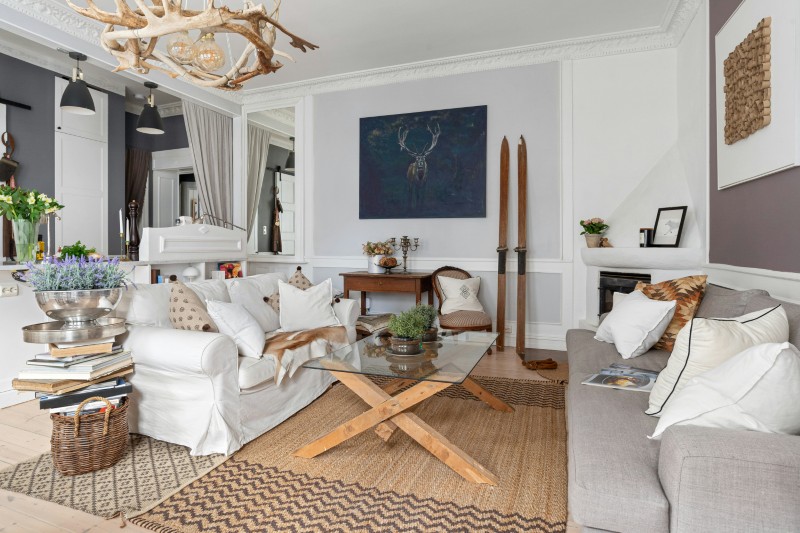
Chairs face each other. Sofas define a gathering space. The arrangement encourages people to sit and talk rather than simply face a television.
The room feels welcoming and human.
The home includes a few imperfect elements
Homes that try too hard often feel overly polished.
Tasteful homes usually include a few pieces with age or irregularity: a vintage chair, a handmade ceramic bowl, an old wooden table.
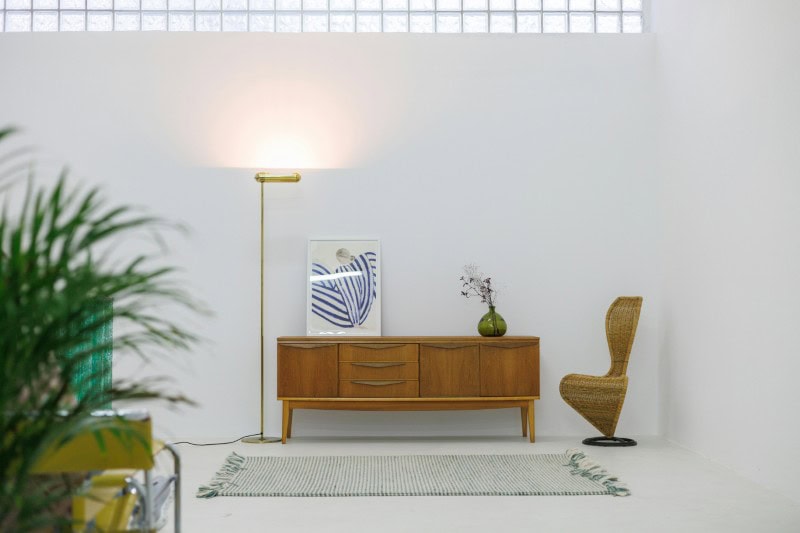
These elements add warmth and personality.
Storage quietly keeps everyday clutter out of sight
A calm-looking room usually has good storage behind the scenes.
Cabinetry, drawers, and baskets keep everyday items out of view so surfaces remain uncluttered.
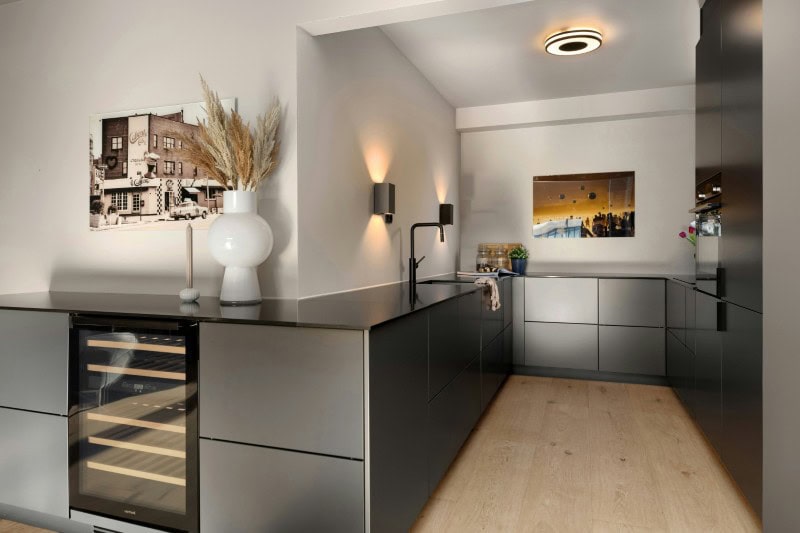
The room feels peaceful without feeling empty.
Lighting fixtures feel sculptural but not oversized
Tasteful homes often include a statement light, but it’s rarely an overly dramatic one.
Fixtures tend to be sculptural, interesting, and proportionate to the room rather than enormous attention-grabbers.
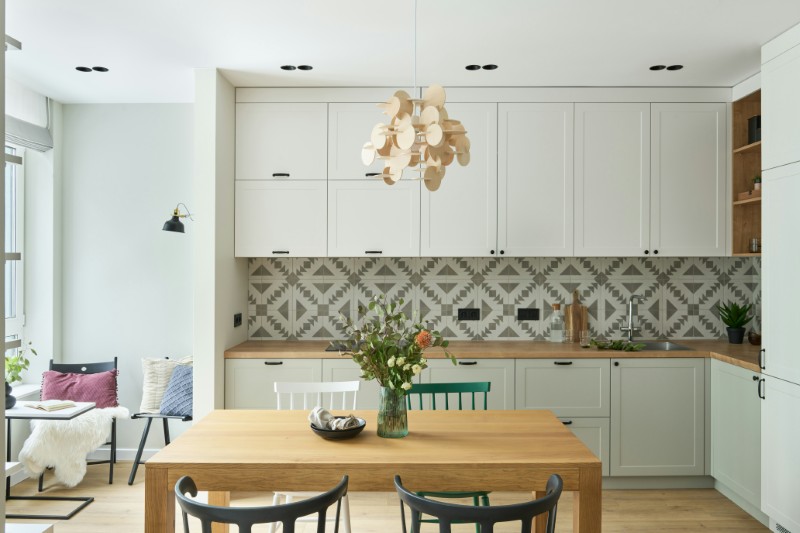
They enhance the space instead of dominating it.
Plants add life without turning the room into a greenhouse
A single well-placed plant often looks more elegant than several small ones scattered everywhere.
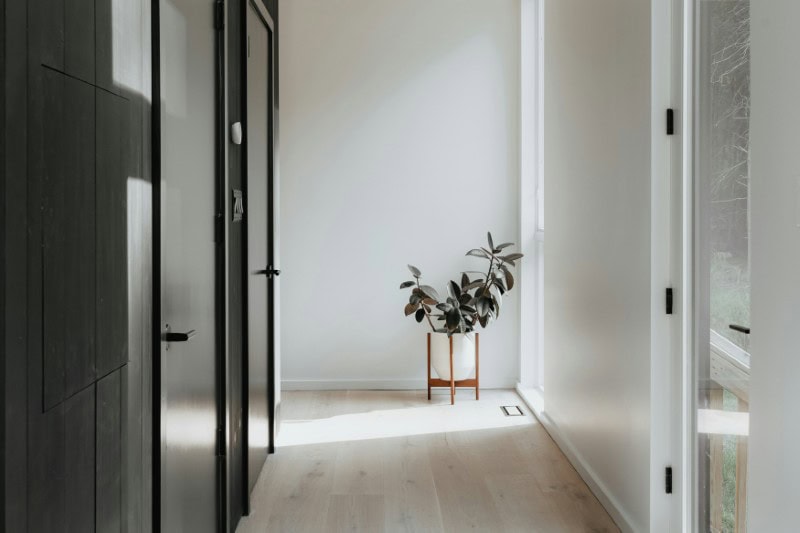
Tasteful homes use greenery sparingly, allowing each plant to stand out.
It adds life without clutter.
Rooms feel settled rather than freshly styled
When every object feels brand new, a room can feel staged.
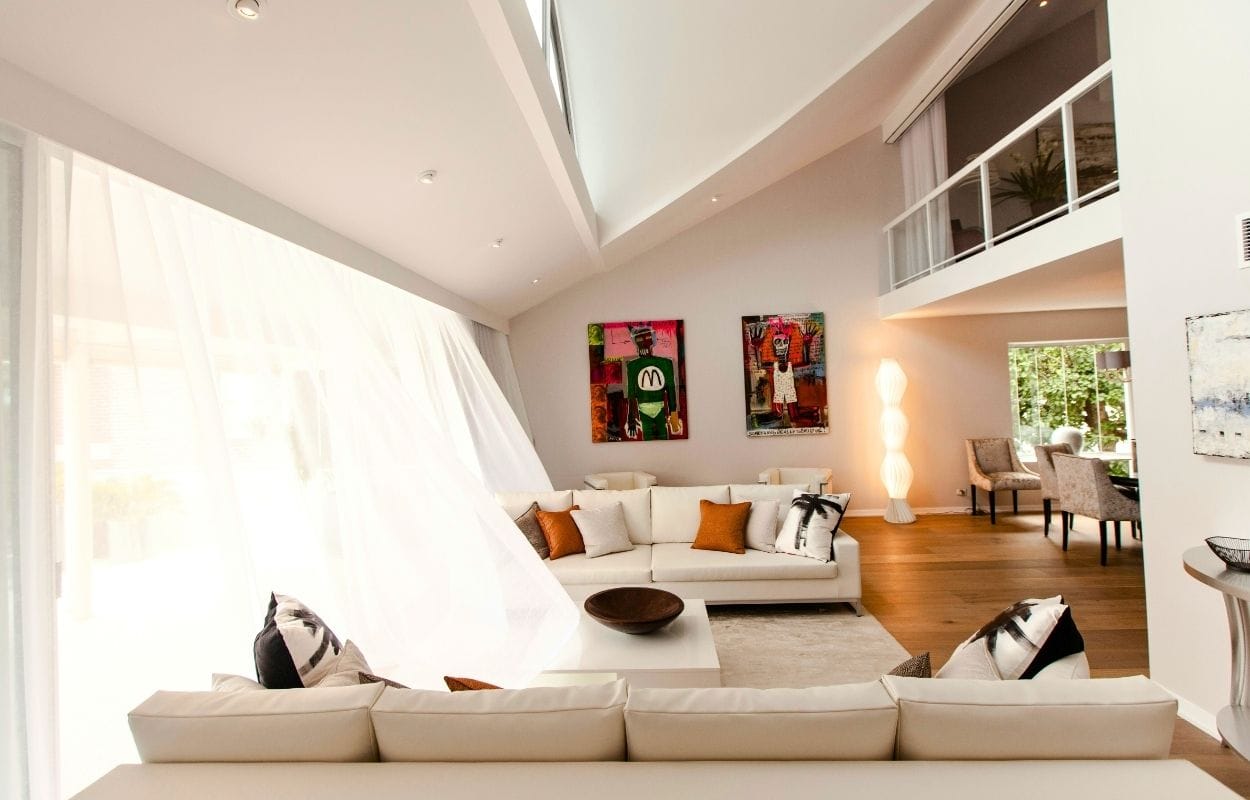
Homes with taste usually include items that have been around for a while; think furniture that has aged slightly, books that have been read, and overall objects that carry stories.
The room just feels lived in.
Textures are layered quietly (and with taste)
Instead of relying on bright color for interest, tasteful homes layer textures.
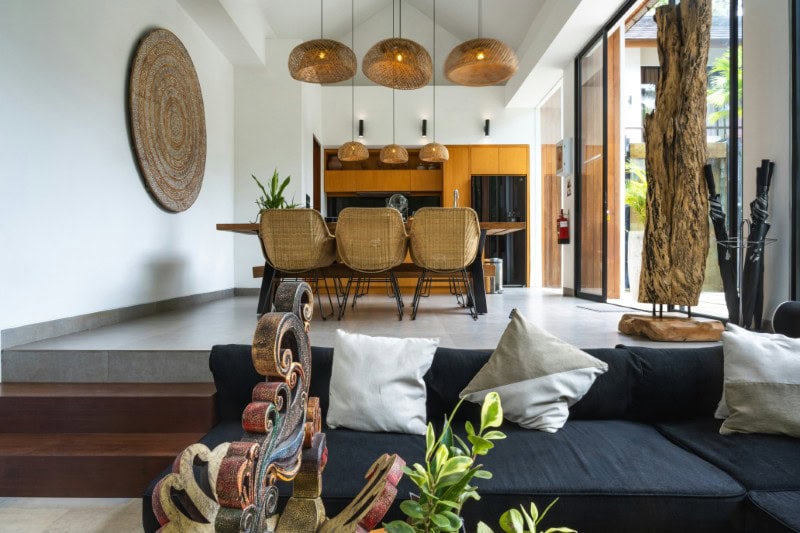
A linen sofa, a wool rug, a wooden table, and a ceramic lamp create subtle contrast.
The room becomes visually rich without feeling loud.
The home doesn’t follow every design trend
Tasteful homes rarely chase trends aggressively.
Instead of replacing things constantly, they choose pieces that will still look good years later.
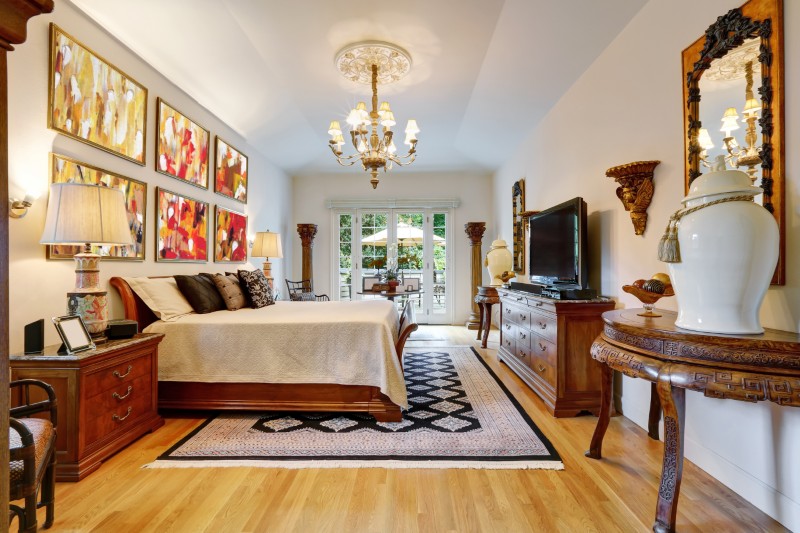
The space evolves slowly rather than changing every season.
Nothing in the room feels like it’s trying to impress
Perhaps the most noticeable thing about homes with taste is what they don’t do.
They don’t overwhelm visitors with decoration, color, or dramatic statements.
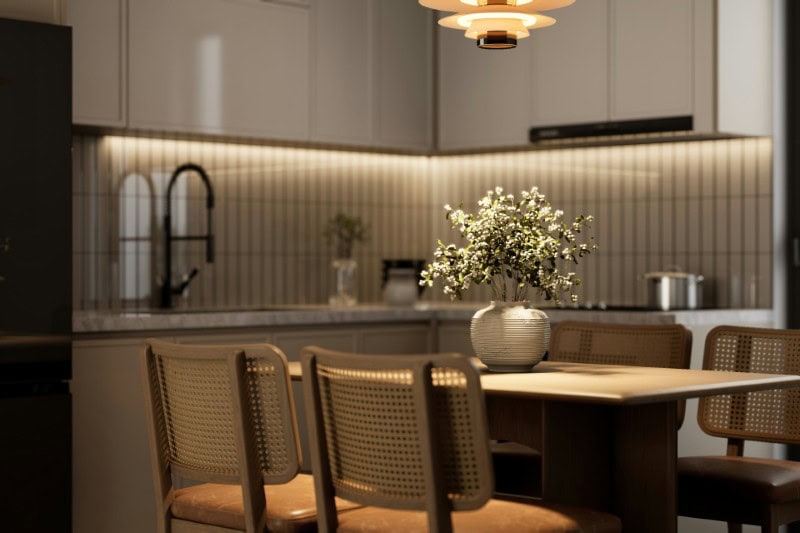
Instead, the home feels comfortable, balanced, and quietly confident.
And that quiet confidence is often the clearest sign that the design is working.
More stories
13 features that quietly tell you the homeowner has exquisite taste
25 spring resets designers always recommend after a long winter
15 renovation choices that actually age beautifully
The post 16 subtle ways homes with taste avoid trying too hard appeared first on Fancy Pants Homes.

 English