


Scroll through enough listings and a pattern starts to emerge: price and perceived luxury don’t always line up.
Some multi-million-dollar homes feel oddly underwhelming, while others — far more modest on paper — have that immediate, hard-to-define “wow” factor.
It’s tempting to chalk it up to finishes or square footage, but that’s rarely the full story.
Marble countertops, designer appliances, and oversized homes don’t automatically translate to a luxurious feel. In fact, they often miss the mark entirely.
What actually makes a home feel high-end comes down to a set of quieter, more subtle cues; things that register almost instantly, often without people realizing why. And once you start noticing them, it’s hard to unsee.
Here’s what’s really doing the heavy lifting.
It starts with space, not stuff
Luxury homes rarely feel crowded. Not because they’re empty, but because they’re intentional.
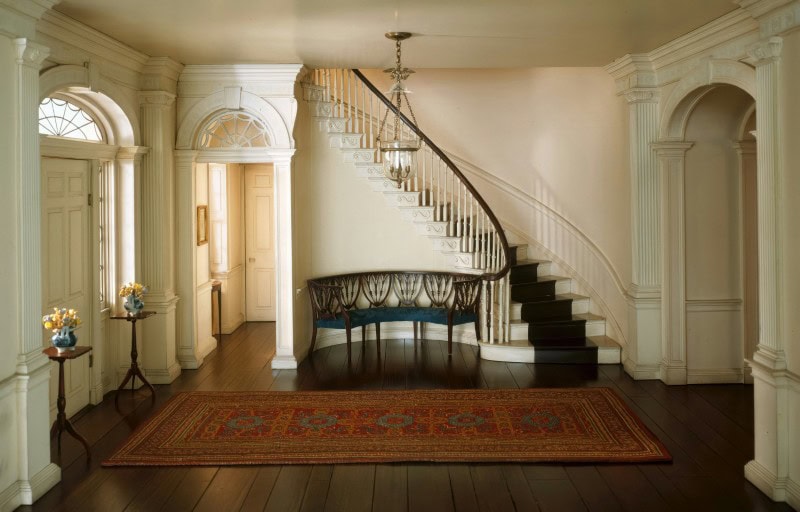
There’s breathing room between furniture, fewer competing focal points, and a sense that every piece has a reason to be there. Compare that to a space packed with décor, accent chairs, and small tables, it immediately feels busier, and by extension, less refined.
It’s less about how much you have, and more about what you leave out.
Ceiling height quietly does most of the work
One of the strongest signals of luxury is something many people don’t consciously register: vertical space.
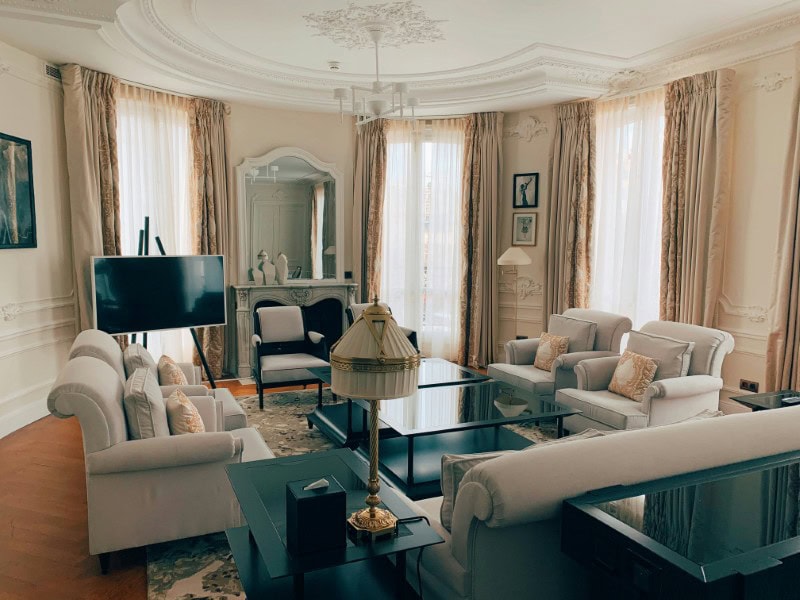
A home with 10- or 12-foot ceilings will almost always feel more elevated than one with standard 8-foot ceilings, even if everything else is identical.
The extra height changes proportions, allows for taller doors and windows, and creates that airy, open feeling people associate with high-end homes.
It’s not square footage, it’s volume.
Light is the real luxury feature
Big windows help, but it’s really about the quality of light.
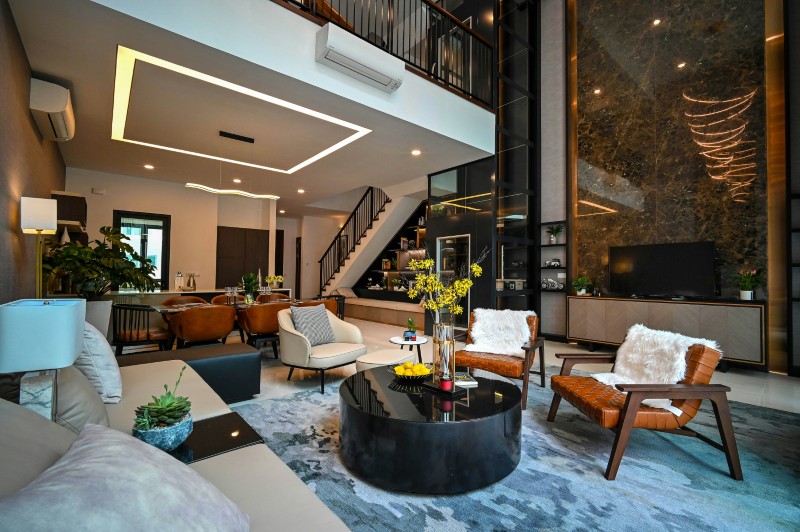
Homes that feel luxurious tend to have well-placed windows that bring in soft, even natural light throughout the day, not harsh glare in one corner and darkness everywhere else.
Add in layered lighting (ambient, task, and accent), and the space starts to feel warm, balanced, and intentional.
Poor lighting, on the other hand, can make even the most expensive finishes fall flat.
Materials that feel real (and age well)
Luxury isn’t always about the most expensive material, it’s about choosing materials that feel authentic.
Solid wood has weight and texture. Natural stone has variation and depth.
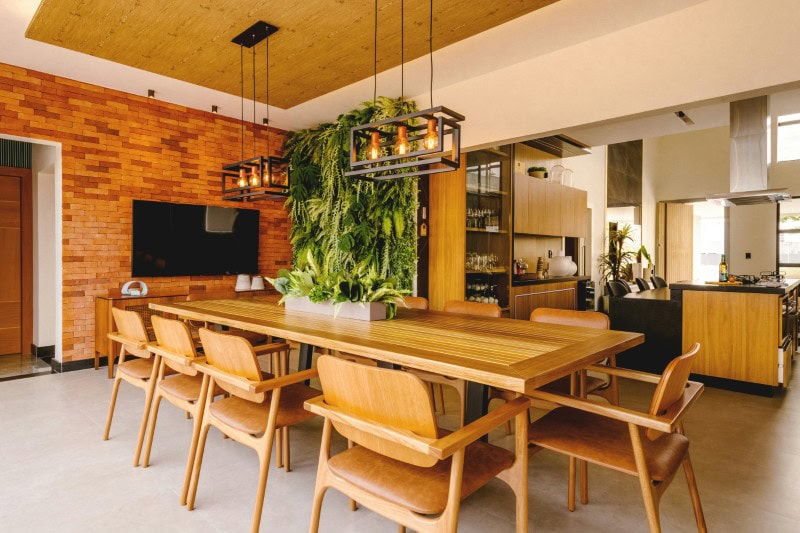
Even when they’re understated, these materials tend to age better and look more convincing than their synthetic counterparts.
Glossy, overly uniform finishes often read as newer, but not necessarily better.
Consistency beats statement pieces
A single “wow” feature — a dramatic chandelier, a bold backsplash, a sculptural staircase — can catch attention.
But in truly high-end homes, luxury comes from consistency.
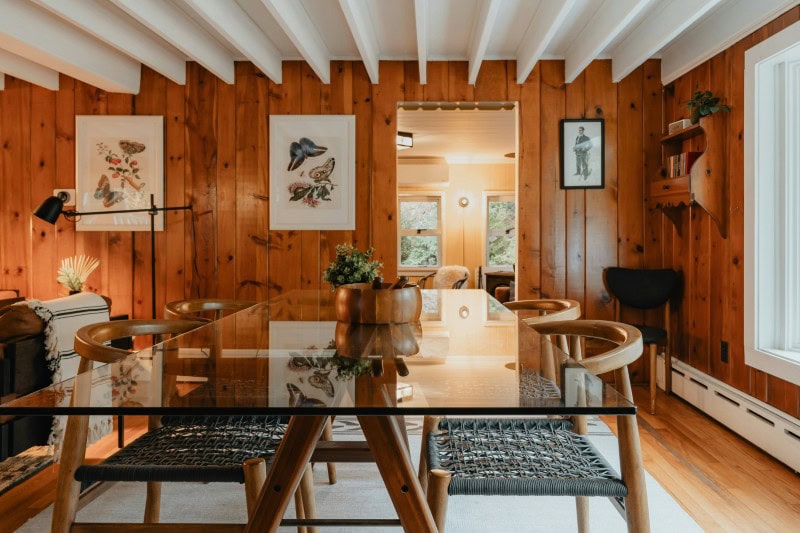
Materials, colors, and finishes are repeated and carried through the space. Nothing feels out of place or added as an afterthought. The result is a home that feels cohesive rather than curated piece by piece.
It’s less about standout moments and more about everything working together.
Details you almost don’t notice, but would miss instantly
This is where things get interesting.
Flush baseboards, solid-core doors, substantial hardware, clean trim work; these aren’t features people typically list in a property description, but they have a huge impact on how a home feels.
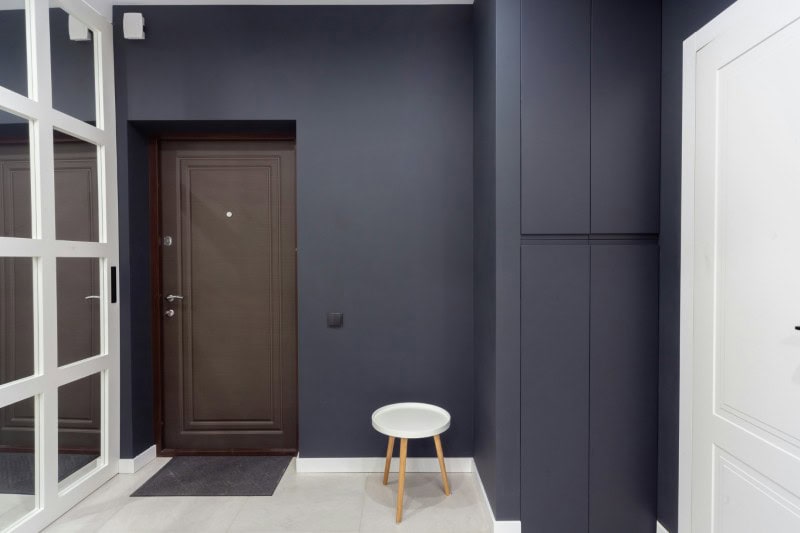
They create a sense of precision. And when they’re missing, the space can feel slightly off, even if you can’t quite explain why.
Flow matters more than square footage
A large home with an awkward layout rarely feels luxurious.
What matters more is how spaces connect: what you see when you walk in, how rooms transition into one another, and whether movement through the home feels natural or forced.
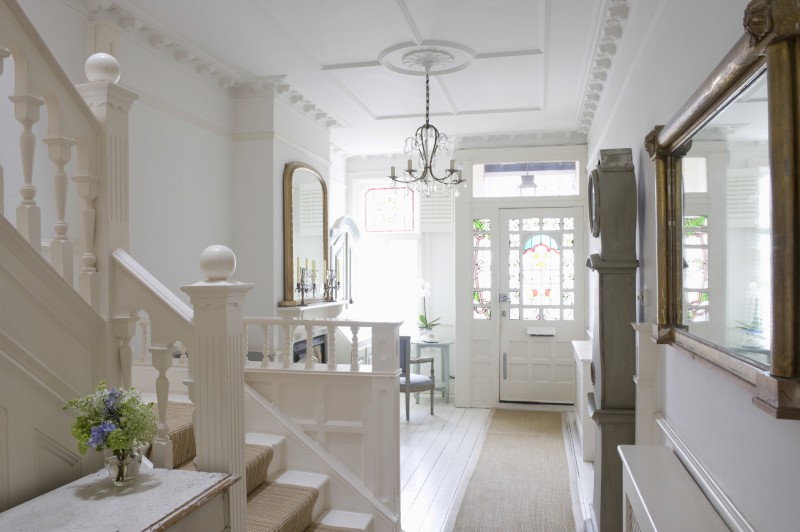
Clear sightlines, logical layouts, and a sense of openness (without everything being completely open) go a long way in shaping that high-end feel.
Built-ins make everything feel custom
One of the clearest differences between standard and high-end homes is how integrated everything feels.
Built-in shelving, seamless storage, and cabinetry that fits the space precisely all signal that the home was designed with intention.
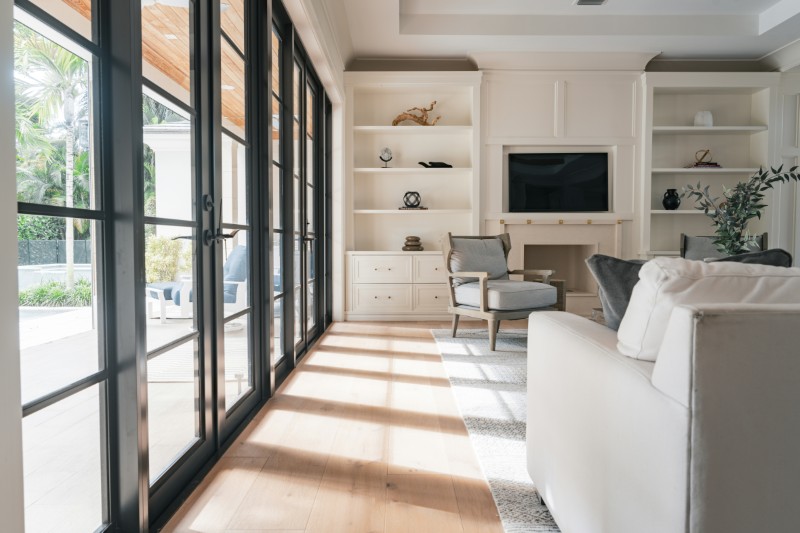
Freestanding furniture, while practical, tends to make spaces feel more temporary.
Built-ins, on the other hand, feel permanent. And that reads as expensive.
The kitchen isn’t about appliances anymore
For years, luxury kitchens were defined by brand names; professional-grade ranges, oversized refrigerators, and statement hoods from the biggest, shiniest names in the home industry.
Now, the shift is toward subtlety.
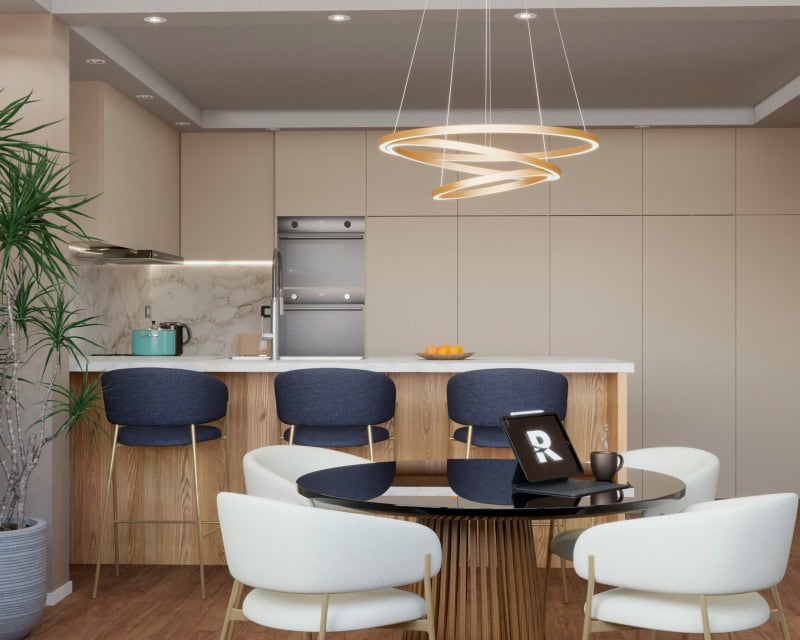
Integrated appliances, clean cabinetry lines, and a more restrained material palette are increasingly what set high-end kitchens apart. The goal isn’t to showcase every feature, it’s to make everything feel seamless.
Ironically, the more a kitchen tries to stand out, the less luxurious it can feel.
The hotel effect: what luxury homes borrow from hospitality
Some of the most universally appealing luxury cues come straight from high-end hotels.
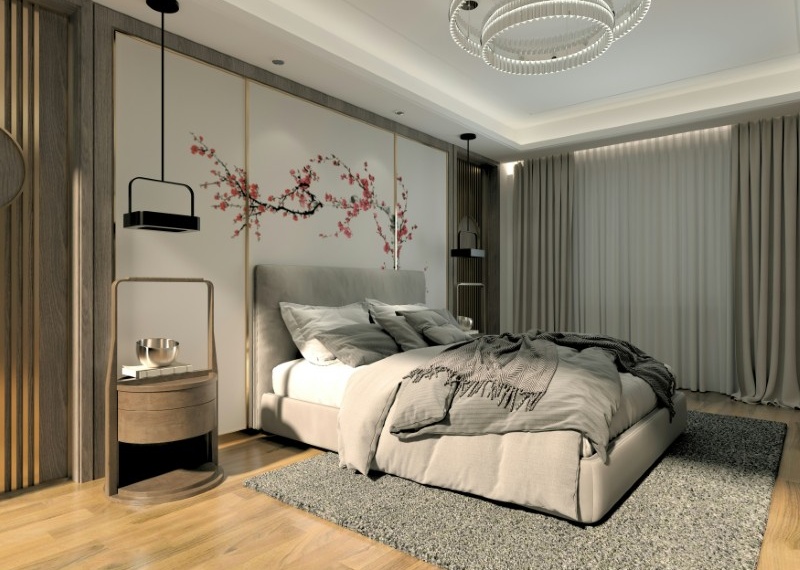
Symmetry in the bedroom. Layered bedding. Soft, indirect lighting. Minimal clutter. A sense of calm the moment you walk in.
These aren’t flashy elements, but they’re carefully designed to make a space feel comfortable, balanced, and elevated all at once.
What people get wrong about “luxury”
The biggest misconception is that luxury comes from upgrading everything.
In reality, piling on finishes, mixing too many styles, or chasing trends often has the opposite effect. It creates visual noise and breaks the sense of cohesion that defines high-end spaces.
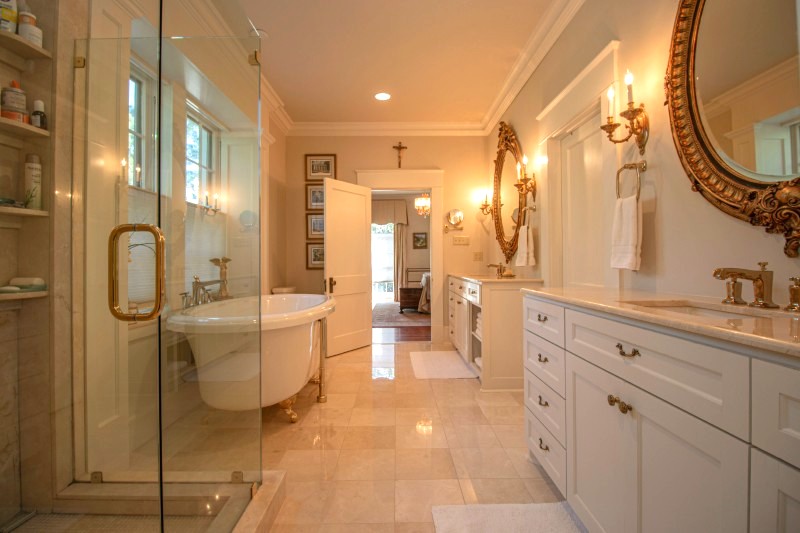
Luxury, more often than not, is about restraint. Fewer materials, better chosen. Fewer features, better executed.
And once that balance is right, the difference is immediately noticeable. Even if you can’t quite put your finger on why.
More stories
What luxury architecture looked like in every decade since the 1950s
20 features that quietly separate wealthy estates from regular luxury homes
15 details that make a house feel off (even when it’s gorgeous)
The post What actually makes a home feel like ‘luxury’ (hint: it’s not the price tag) appeared first on Fancy Pants Homes.

 English