


На первый взгляд, дом, перепроданный после ремонта, и дом, построенный с умом, могут выглядеть поразительно похожими. Оба могут отличаться привлекательной отделкой, модными материалами и изысканными деталями. Однако на фотографиях в объявлениях разница часто незаметна.
Всё выглядит новым, чистым и тщательно продуманным.
Различия проявляются постепенно. Они видны в том, как комнаты функционируют изо дня в день, как материалы выдерживают эксплуатацию и насколько дом не пытается произвести впечатление с первого взгляда. Со временем один тип дома начинает казаться более удобным для жизни. Более интуитивно понятным, более снисходительным, более продуманным.
Дома, построенные не для быстрой перепродажи, обычно отражают долгосрочное планирование. В них приоритет отдается решениям, которые не всегда хорошо смотрятся на фотографиях, но становятся очевидными с опытом: конкретность, сдержанность и готовность делать выбор, который не всем понравится. Эти дома не были спроектированы для быстрой продажи; они были спроектированы на века.
Вот 10 незаметных признаков того, что дом был построен для проживания, а не только для продажи.
Макет, адаптированный под конкретный сайт, а не повторяющаяся формула.
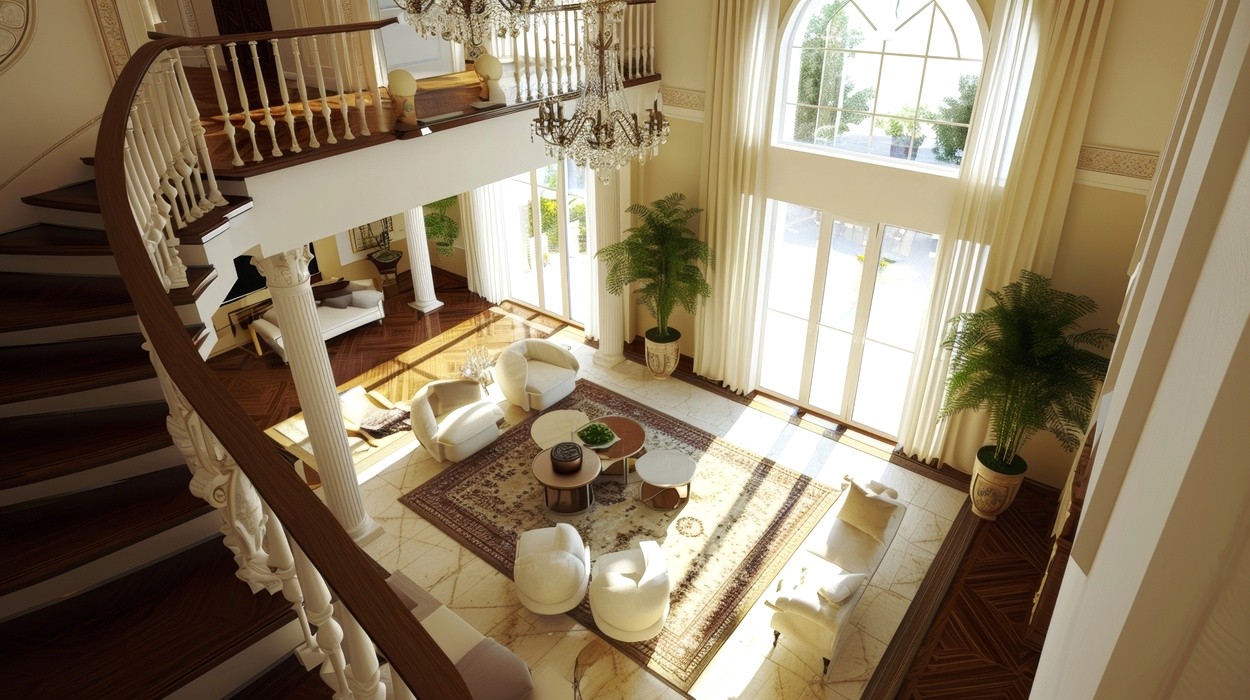
Дома, которые не предназначены для перепродажи после ремонта. Как правило, они напрямую реагируют на окружающую среду. Окна расположены таким образом, чтобы открывать вид. Комнаты ориентированы на свет. Связь с внешним миром воспринимается скорее как намеренная, чем декоративная.
При перепродаже недвижимости часто используются планировки, которые подходят практически для любого места. Они эффективны и привычны, но редко бывают специфичными. Планировка, учитывающая особенности местности, — один из самых явных признаков того, что дом был спроектирован с нуля, а не адаптирован для перепродажи.
Меньше модных отделочных материалов, используемых с настоящей ответственностью.
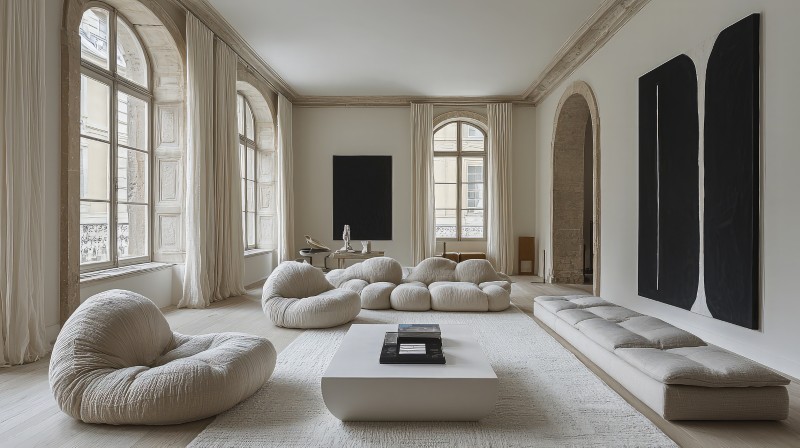
В домах, не предназначенных для перепродажи после ремонта, часто используются материалы, не соответствующие сиюминутным трендам. Вместо того чтобы выбирать из широкого ассортимента, они придерживаются цветовой палитры и отделки, отражающих определенную точку зрения.
Эти решения могут казаться тихими или даже рискованными, но они лучше стареют потому что их не отобрали для краткосрочной апелляции.
Проблема хранения данных была спланирована заранее, а не решена постфактум.
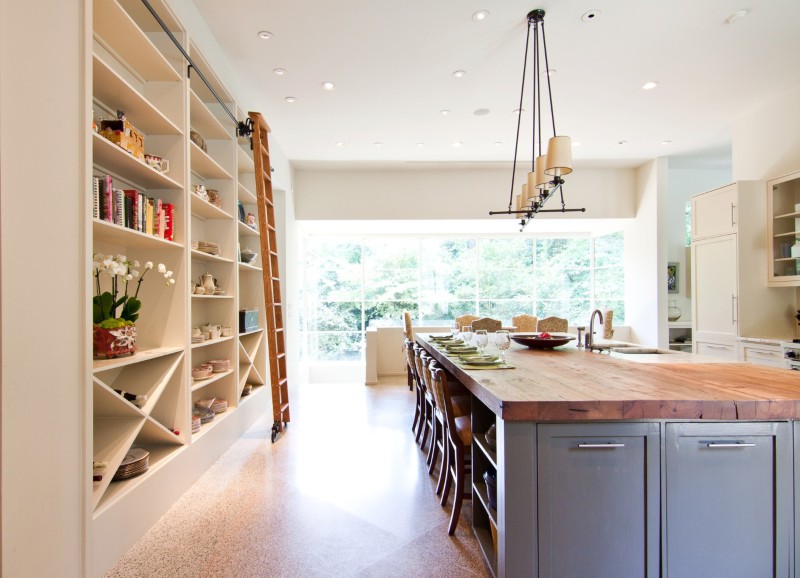
В домах, предназначенных для проживания, системы хранения являются частью архитектуры. Они встроены в стены, коридоры и переходные зоны, а не добавлены позже с помощью мебели или декоративных решений.
Такое планирование позволяет сохранять спокойствие и функциональность помещений на протяжении длительного времени, вместо того чтобы прибегать к поверхностным решениям, когда появляется беспорядок.
Структурные решения, которые невидимо формируют пространство.
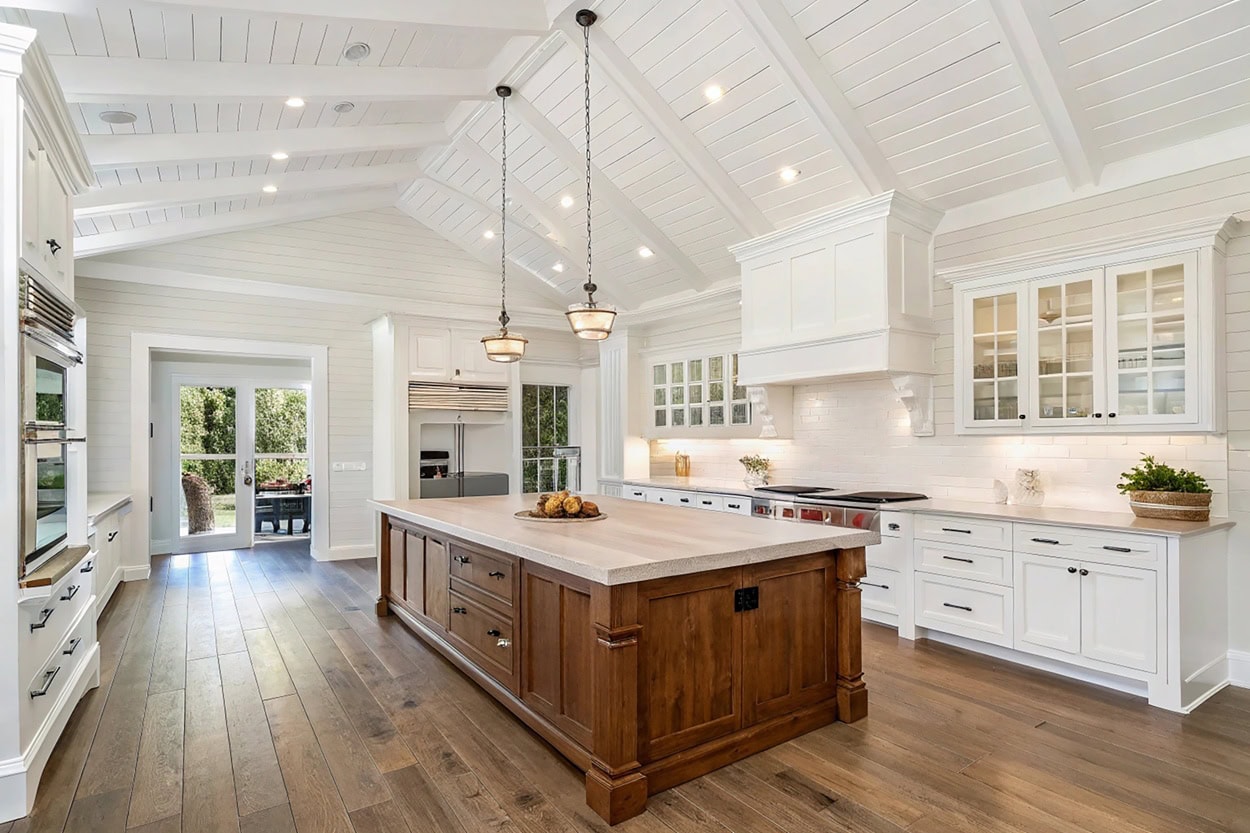
Расположение балок, высота потолков и колонн часто позволяют судить о том, был ли дом тщательно спланирован или же просто косметически отремонтирован. В домах, построенных на долгие годы, эти элементы незаметно определяют атмосферу и взаимосвязь между помещениями.
Проекты переоборудования, как правило, работают с существующей структурой, а не переосмысливают её, сохраняя при этом первоначальную логику. Дом практически не поврежден, под новой отделкой..
Размеры помещений рассчитаны на реальное использование, а не на фотосъемку.
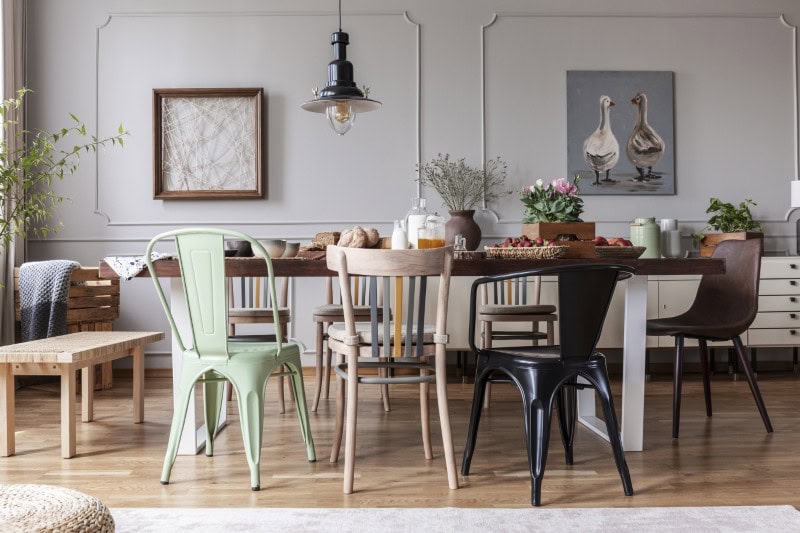
Обеденные залы, рассчитанные на большие группы людей. Кухни, позволяющие комфортно работать более чем одному человеку. Коридоры, достаточно широкие для беспрепятственного прохода.
Комнаты, предназначенные для повседневной жизни, не всегда выглядят эффектно на фотографиях, но в самом доме они создают ощущение уюта и комфорта.
Единообразие в основных и второстепенных помещениях.
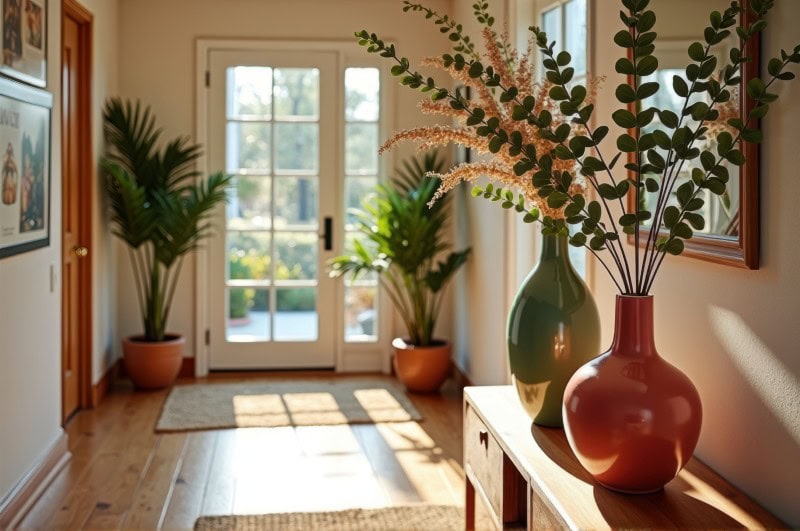
При перепродаже домов часто основное внимание уделяется тому, на что покупатели обращают внимание в первую очередь: кухням, главным ванным комнатам, прихожим. В домах, не предназначенных для перепродажи, такой же уровень внимания уделяется коридорам, дополнительным спальням, прачечным и кладовым.
Такая последовательность свидетельствует о намерениях, а не о расстановке приоритетов ради показухи.
Отказ от чрезмерной оптимизации для повышения привлекательности при перепродаже.
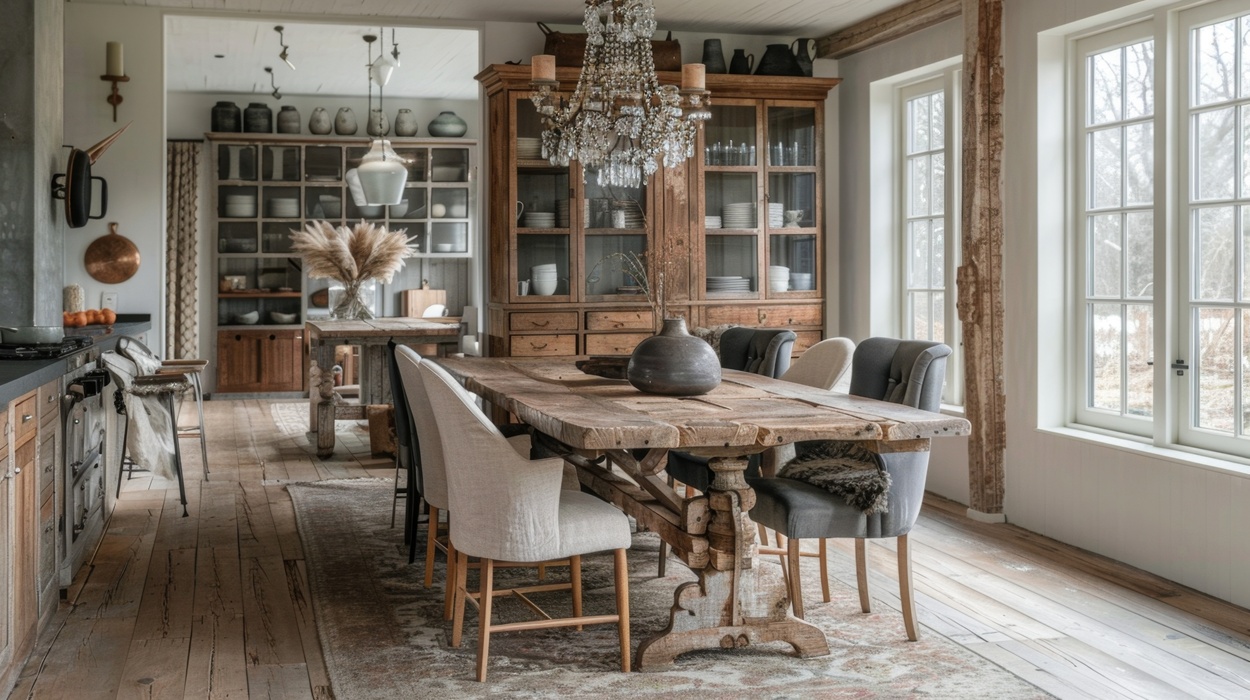
В домах, предназначенных для проживания, часто встречаются решения, ограничивающие их популярность у широкой публики: нетрадиционные планировкииспользование определенных материалов или назначение помещения, адаптированное к конкретному образу жизни.
Эти решения — не ошибки, они свидетельствуют о том, что дом не был спроектирован так, чтобы угодить всем.
Инфраструктура, спроектированная с учетом долговечности.
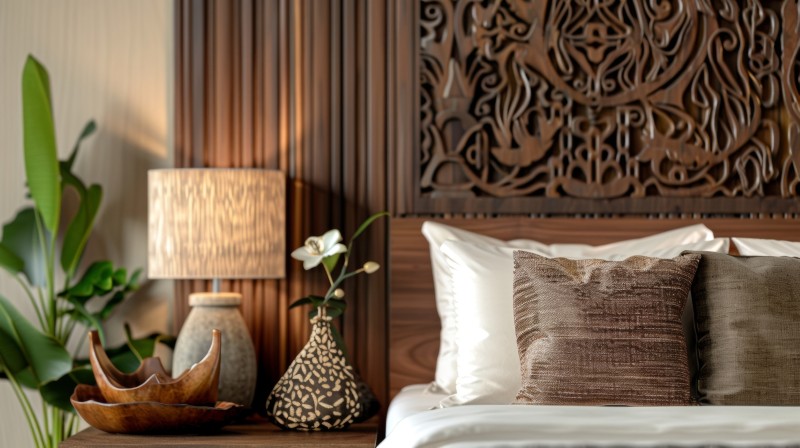
Вопросы электроснабжения, механических систем, доступа к водопроводу и удобства обслуживания зачастую лучше проработаны в домах, построенных на века. Эти элементы планируются с учетом возможности их обслуживания, модернизации и адаптации с течением времени.
При перепродаже недвижимости инфраструктура часто минимизируется или скрывается для сохранения визуальной привлекательности.
Отсутствие очевидных моментов, вызывающих восхищение.
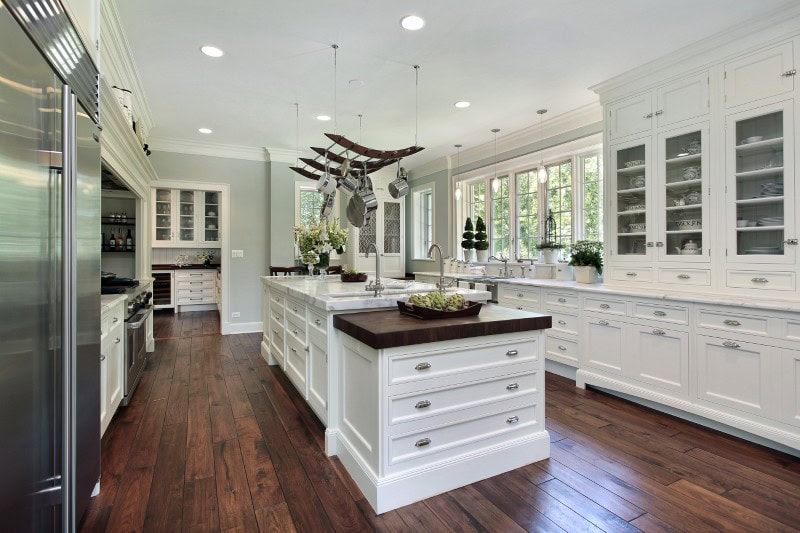
Вместо того чтобы полагаться на какой-то один эффектный элемент, качество домов, не предназначенных для перепродажи после ремонта, проявляется постепенно. Ничто не требует немедленного внимания, но чем дольше вы живете в таком доме, тем лучше всё кажется.
Дом сам себя не продаст… он сам себя обустроит.
Комфорт, который не афиширует себя.
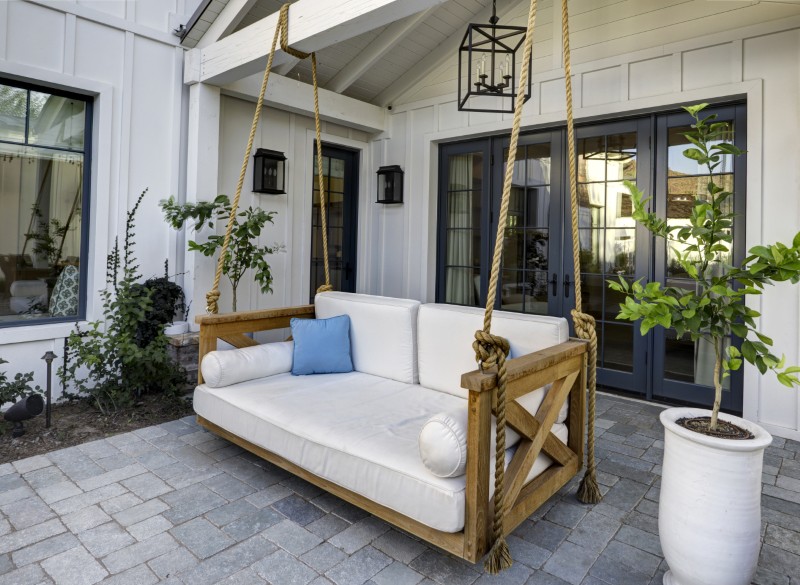
Пожалуй, самый очевидный признак — это то, насколько мало усилий дом прилагает, чтобы привлечь к себе внимание. Температура ровная. Циркуляция воздуха интуитивно понятна. Свет падает туда, куда нужно.
Дом просто работает — тихо, стабильно и не требуя восхищения.
Больше историй
8 способов, как избежать ощущения захламленности и хаоса в роскошных ванных комнатах
25 элементов интерьера, которые еще 15 лет назад считались предметами роскоши.
Когда гостиные перестали быть самым важным помещением в доме?
Пост 10 особенностей, которые ненавязчиво указывают на то, что дом не был построен для перепродажи после ремонта. впервые появился на Дома с модными брюками.

 English