


Элитные дома превосходят ожидания по многим параметрам, но совершенство не гарантируется договором купли-продажи — независимо от окончательной цены.
На самом деле, некоторые из самых дорогих домов на рынке сталкиваются с проблемами, которые кажутся на удивление элементарными, когда дело доходит до повседневной жизни. Эти недостатки — не столько ошибки, сколько побочные продукты приоритетов, которые смещены в сторону эстетики, статуса или идеализированного образа жизни, а не более сложных реалий.
Многие элитные дома проектируются с учетом того, как люди стремятся жить — устраивать элегантные ужины, уединяться в спокойных местах, поддерживать визуальный порядок, — а не того, как жизнь протекает на самом деле изо дня в день. Это может оставлять пробелы там, где могли бы быть гибкость, неформальность или практичность.
Если взглянуть на эти недостатки с этой точки зрения, они многое говорят. Они показывают, что больше всего ценят владельцы элитной недвижимости (и чем они часто готовы пожертвовать ради этого). Вот 10 вещей, в которых элитная недвижимость на удивление плоха.
#1 Комфортная, не требующая усилий жизнь
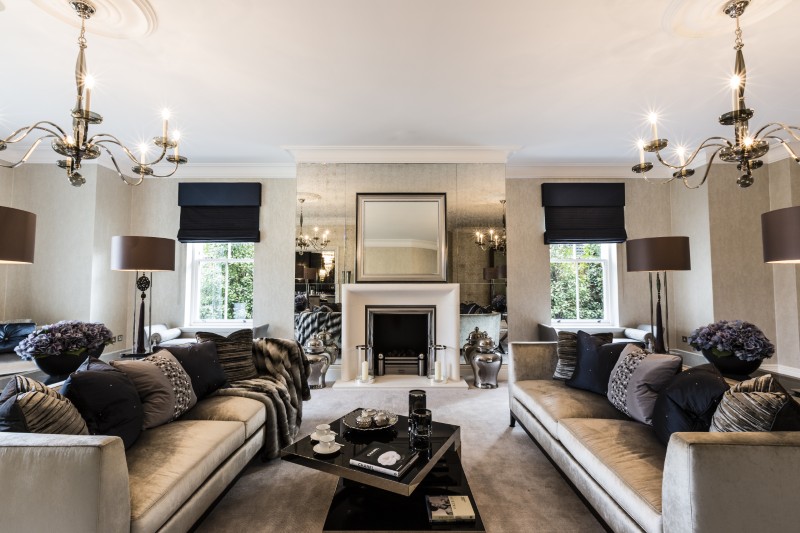
В элитных домах часто отдается предпочтение формальности, даже если они кажутся непринужденными.
Расстановка мебели, отделка и планировка могут незаметно препятствовать беспорядочному перемещению, беспорядку или импровизации, затрудняя ощущение полного погружения в пространство.
#2 Защита от детей без компромиссов
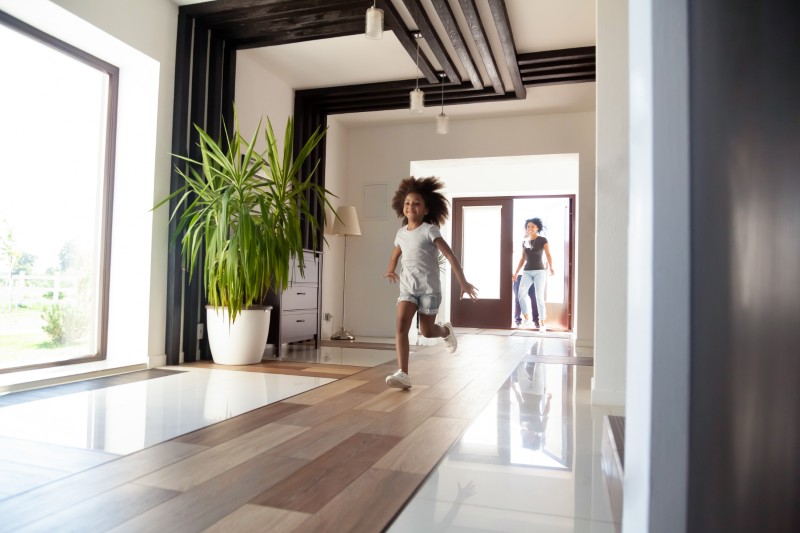
От изысканная отделка открытых лестниц Из-за острых углов и сложной отделки многие элитные дома не проектируются с учетом потребностей детей.
Чтобы сделать их удобными для детей, часто требуются видимые изменения, которые противоречат первоначальному замыслу дизайна.
#3 Обработка спонтанности
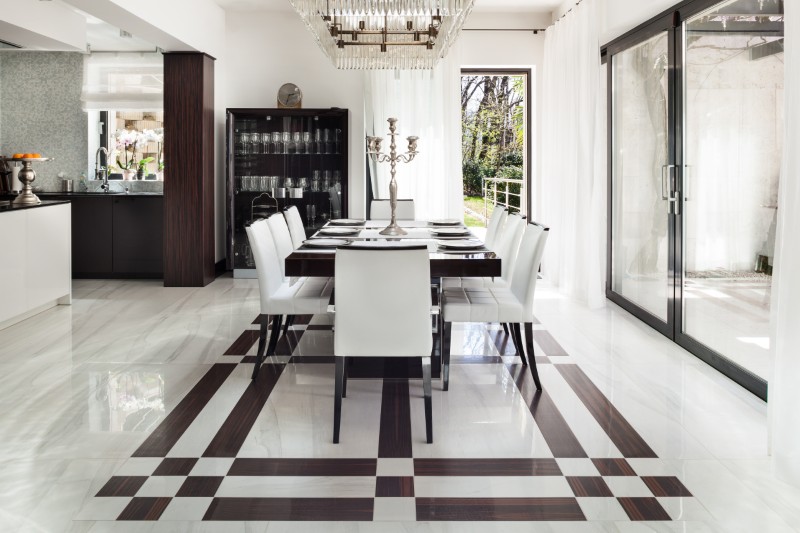
Элитные дома идеально подходят для запланированных мероприятий — ужинов, встреч, соблюдения распорядка дня, — но могут оказаться менее удобными для изменений, происходящих в последнюю минуту.
Появление дополнительных гостей, неожиданный беспорядок или изменение назначения помещения часто показывают, насколько тщательно продуман дизайн.
#4 Адаптация к изменениям в жизни
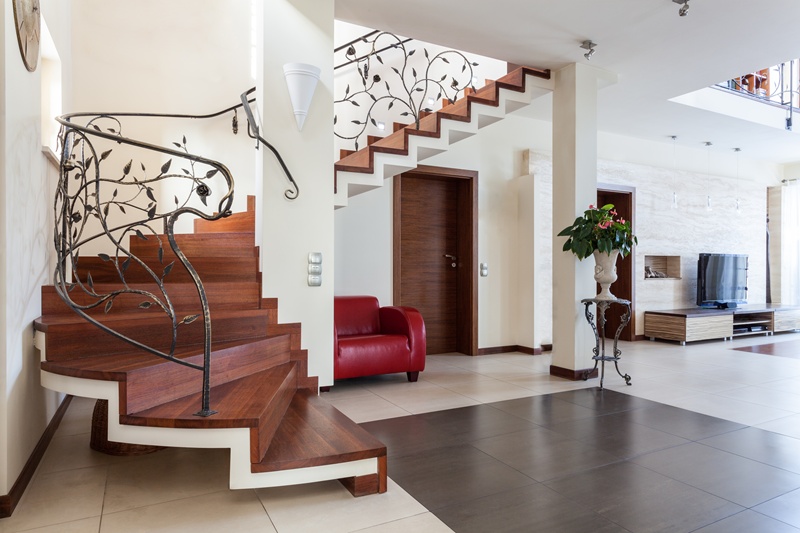
В роскошных домах комнаты часто проектируются с учетом очень специфических функций, не говоря уже о том, что дизайн ставится выше удобства передвижения. По мере изменения потребностей — работа из дома, уход за семьей, проживание в доме в пожилом возрасте — эти фиксированные программы могут оказаться на удивление сложными для перепроектирования.
#5 Принятие видимых следов износа
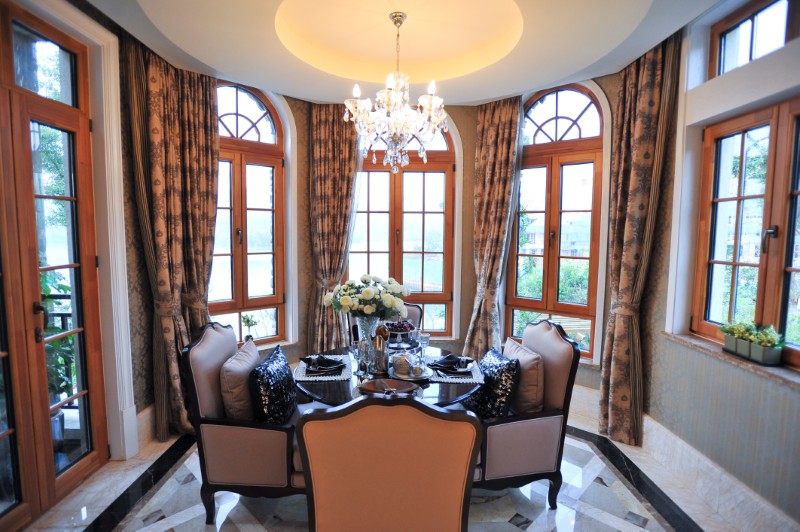
Отделка дорогих изделий, как правило, быстро стареет. Царапины, патина и износ, которые могли бы придавать изделию особый шарм, в контексте предметов роскоши воспринимаются как повреждения, создавая давление на поддержание идеального состояния.
И это без дополнительного стресса, связанного с беспокойством о том, как быстро это пространство может устареть.
#6 Чувство расслабления сразу же
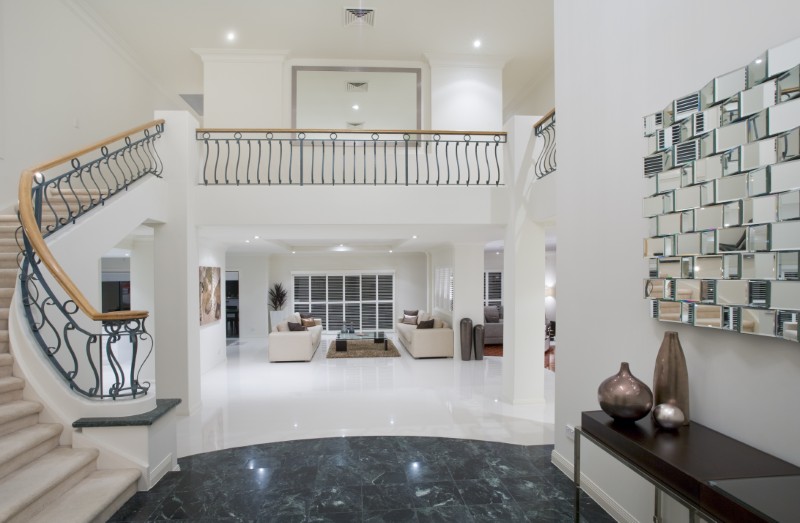
Чтобы «прижиться» в некоторых элитных домах, нужно время.
Величественные входы, строгие пропорции и безупречная отделка поначалу могут впечатлять, но при этом вызывать эмоциональную отстраненность.
#7 Поддержка подлинной неформальности
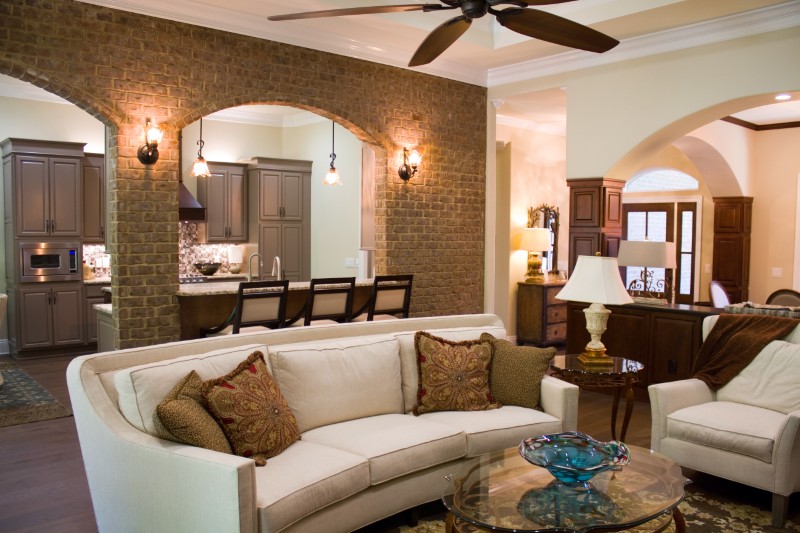
Пространства, спроектированные так, чтобы всегда выглядеть безупречно, не всегда легко вмещают визуальный хаос повседневной жизни — рюкзаки, белье, незавершенные проекты.
#8 Возможность многозадачности в номерах
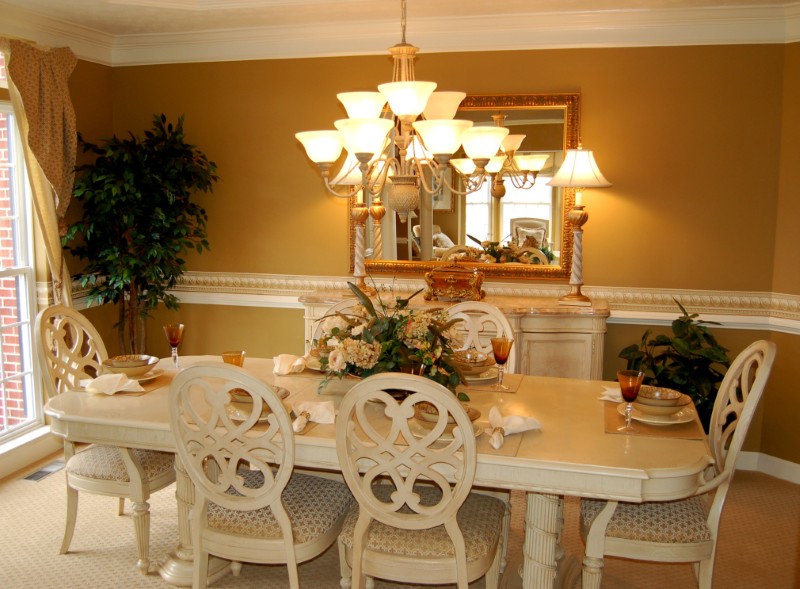
В роскошных домах каждой комнате часто отводится определенное назначение, и комната может даже называться в соответствии с ее предназначением (кабинет, комната для курения сигар, домашний кинотеатр, винный погреб, комната с пианино, чайная комната и т. д.).
Такая ясность может ограничивать гибкость, когда помещениям необходимо выполнять двойную функцию.
#9 Приоритет эффективности над опытом
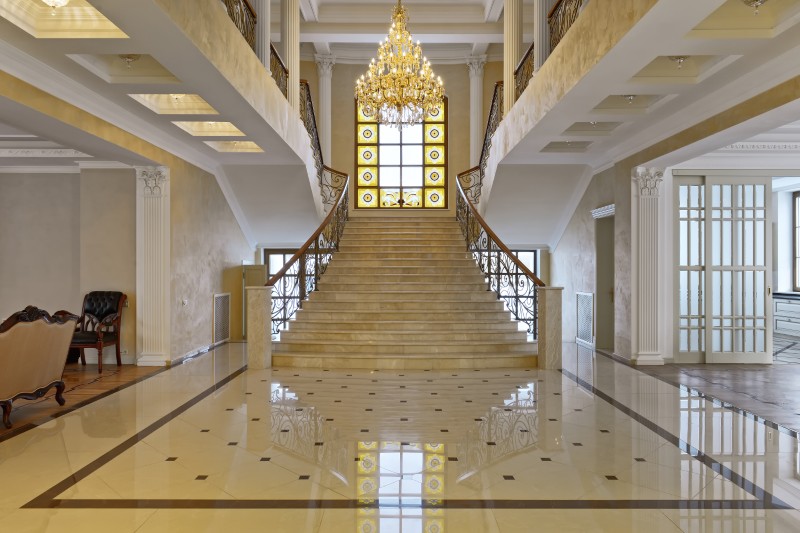
Длинные коридоры, эффектные лестницы и просторные планировки Это может придать роскоши, но также внести напряженность в повседневную жизнь.
#10 Отпустить контроль
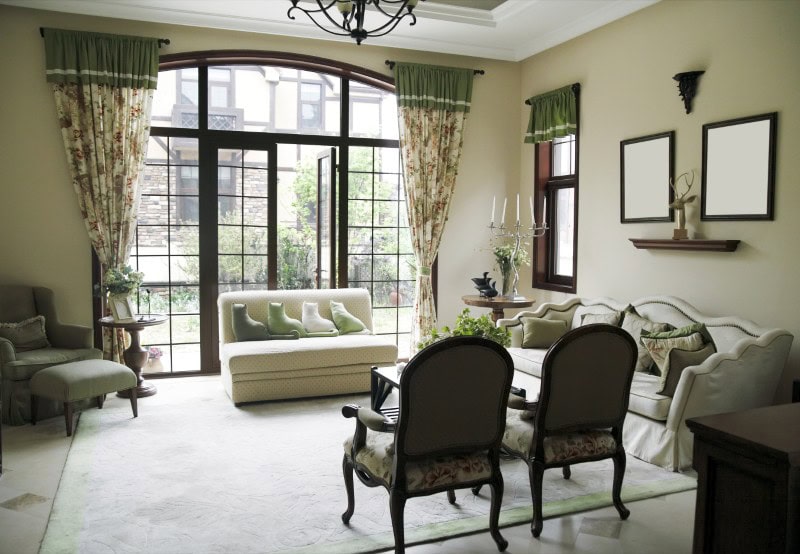
В конечном счете, многие элитные дома сопротивляются беспорядку — физическому или эмоциональному. Это сопротивление является частью их привлекательности, но также и их ограничением.
Больше историй
9 способов, которыми в дорогих домах скрывают беспорядок (и почему они всегда выглядят спокойными)
Пост 10 вещей, в которых элитные дома на удивление плохи. впервые появился на Дома с модными брюками.

 English