


Most people don’t notice good design immediately. What they notice is something subtler: life feels easier.
Small frustrations disappear. Rooms behave the way they’re supposed to. Light shows up where it’s needed. Everyday routines stop requiring workarounds.
In a thoughtfully designed home, the space quietly supports daily life instead of constantly asking for adjustments.
Over time, people begin to realize something interesting: they’ve stopped doing certain things they used to do all the time, and frustrating, energy-consuming tasks have simply… vanished.
Here are a few habits that tend to disappear once you live in a home that’s been designed really well.
Constantly rearranging furniture to make the room work
In many homes, furniture placement is a never-ending experiment.
The sofa moves closer to the wall. Chairs shift around the coffee table. A lamp gets relocated because the room still doesn’t feel quite right.
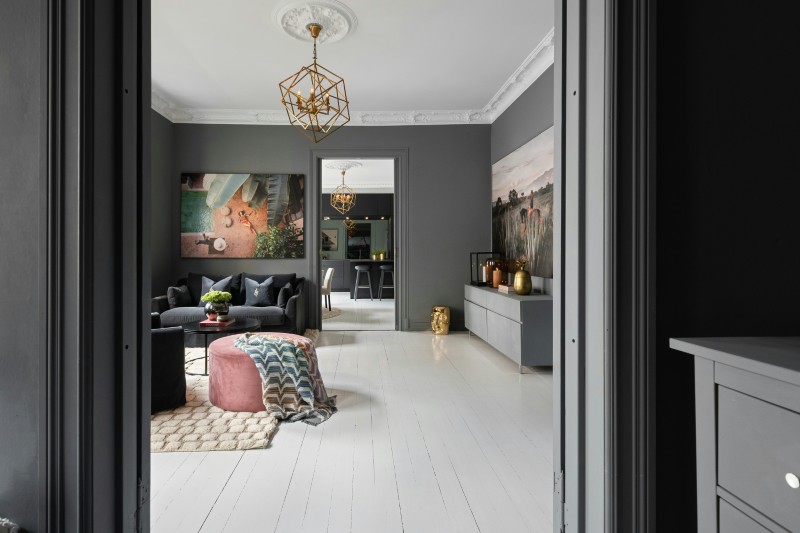
A well-designed room tends to solve this from the beginning. The proportions of the space, the placement of windows, and the natural pathways through the room all guide where furniture should go.
Once everything lands in the right place, the urge to keep adjusting disappears.
The room simply works.
Searching for a place to put everyday items
In homes that aren’t thoughtfully planned, everyday objects wander.
Keys land on the counter. Sunglasses end up on the coffee table. Mail stacks near the door.
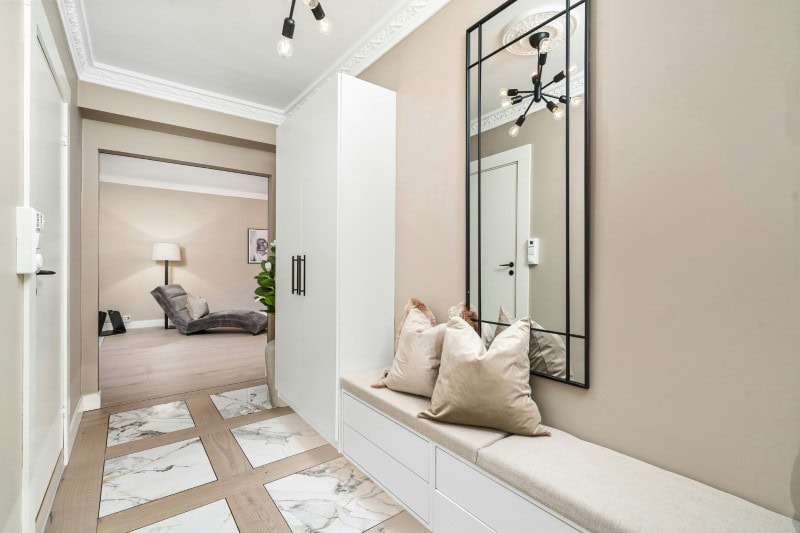
In well-designed homes, these objects naturally settle into predictable spots like a tray on the console, a drawer near the entry, or a basket beside the sofa.
Nothing fancy. Just thoughtful placement.
Over time, the constant hunt for where things belong disappears.
Turning on every light in the room just to see clearly
Poor lighting makes people overcompensate.
Overhead lights come on in the middle of the day. Lamps multiply around the room. Spaces still feel dim.
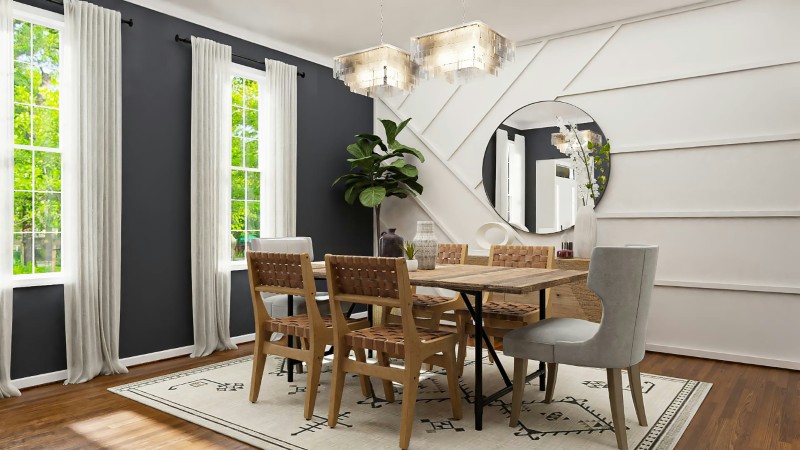
In well-designed homes, natural light is carefully considered. Windows are placed where daylight can travel deeper into the room. Reflective surfaces help bounce that light around.
During most of the day, the home simply feels bright enough.
Artificial lighting becomes supportive rather than essential.
Walking around awkward furniture obstacles
In poorly planned rooms, furniture interrupts movement.
People sidestep chairs, squeeze between tables, and bump into corners that seem slightly too close together.
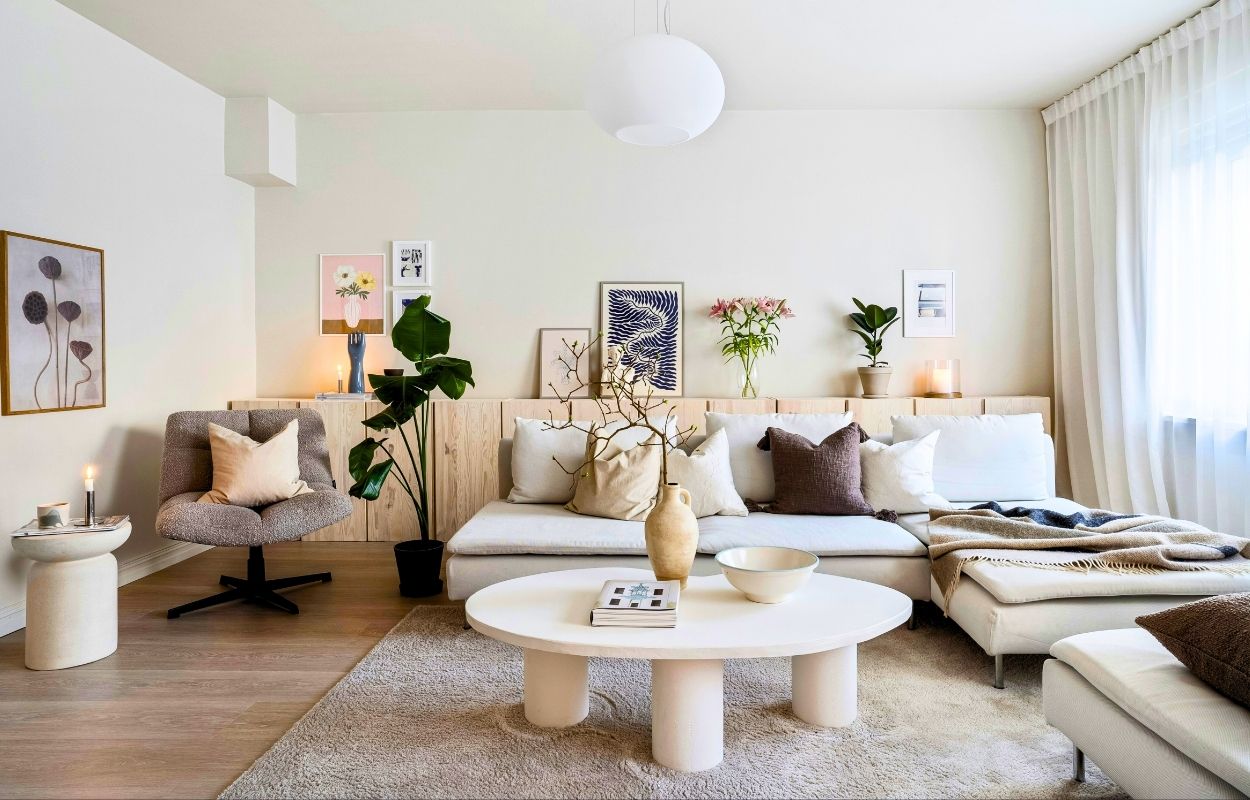
Good design respects how people move through a space. Pathways remain open, and furniture sits where it supports the room without blocking circulation.
Moving through the house becomes effortless.
Closing doors just to create a little quiet
Some homes seem to amplify every sound — footsteps, conversations, even the hum of appliances.
Thoughtful design softens noise naturally through layout, materials, and spatial separation.
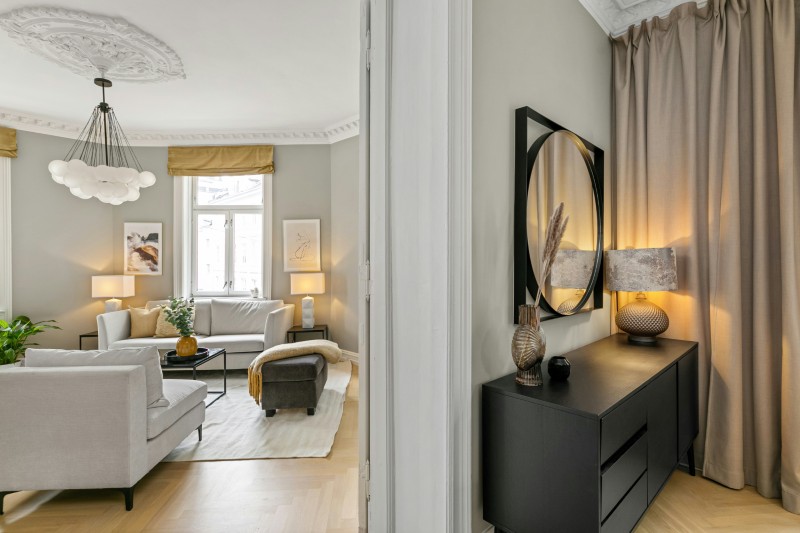
Rooms absorb sound rather than bounce it around.
The result is a home that feels calmer without requiring constant adjustments.
Fighting with window glare during the day
Sunlight is wonderful, until it hits a screen or dining table at exactly the wrong angle. And don’t even get me started on fish tanks, that are sensitive to natural light.
В well-designed homes, window placement, shading, and orientation are considered carefully.
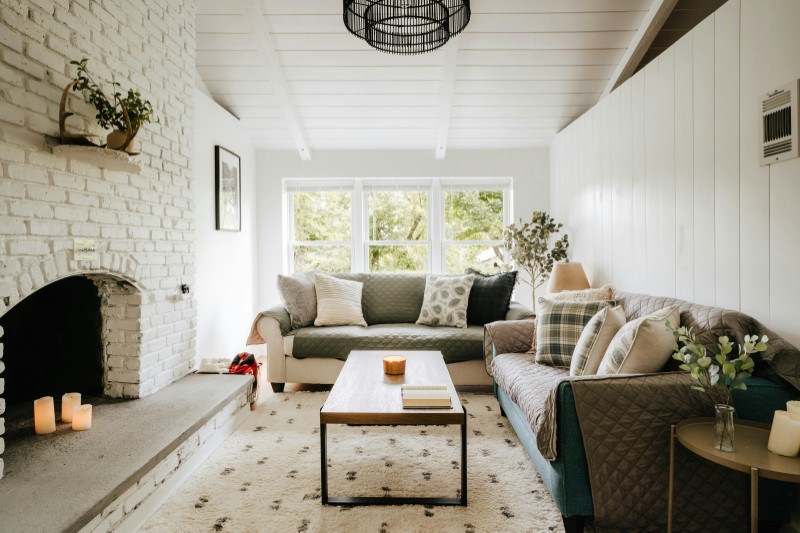
Light enters generously but gently. It’s filtered when needed and welcomed where it enhances the room.
The home works with the sun rather than against it.
Avoiding certain rooms because they never feel comfortable
Many homes contain rooms that quietly go unused.
Maybe the lighting feels harsh. Maybe the furniture layout never quite works. Maybe the room simply feels disconnected from daily life.
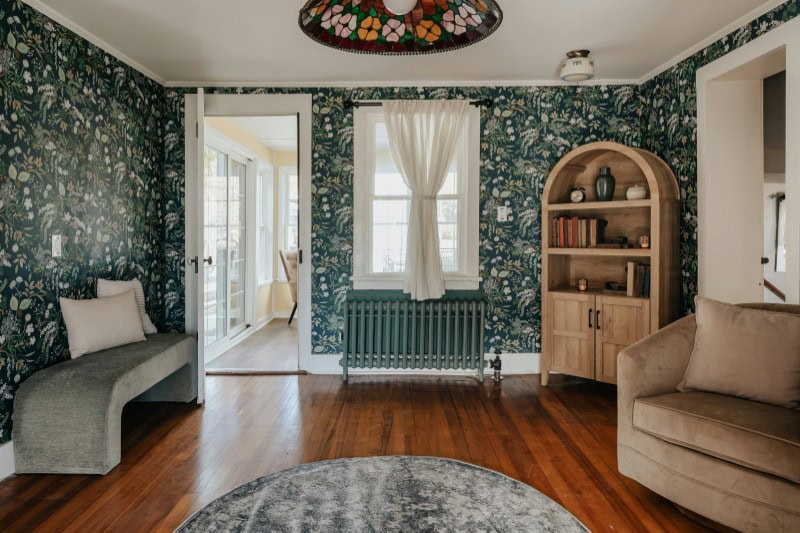
In a well-designed home, each room has a purpose and a comfortable scale.
People naturally gravitate toward them.
Unused rooms slowly become active parts of daily life.
Stacking things in temporary “for now” piles
Piles usually appear when the home lacks clear places for things to go.
A thoughtfully designed home tends to prevent this by offering subtle organization — drawers near where items are used, shelves that fit real objects, surfaces with enough breathing room.
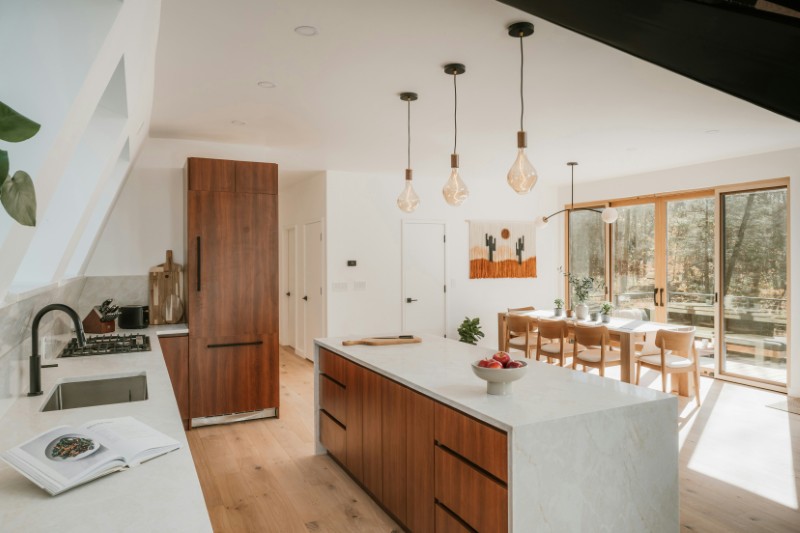
Things return to their places more easily.
The piles gradually stop forming.
Overdecorating the room to make it feel complete
В rooms that feel unfinished, people often try to solve the problem with more objects.
Extra pillows appear. More art gets added. Decorative pieces fill empty surfaces.
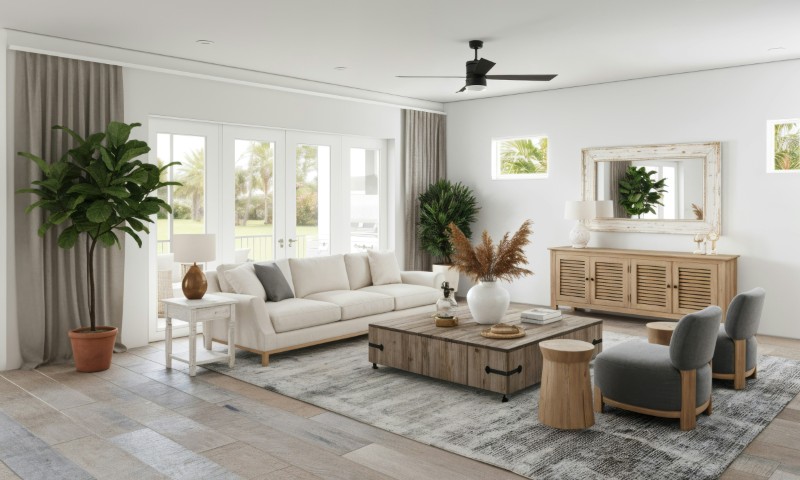
A well-designed room rarely needs this.
Its proportions, materials, and light already provide visual interest. Decoration becomes optional rather than necessary.
Feeling like the house needs constant improvement
In homes where design decisions feel unresolved, there’s always another tweak to consider.
New paint colors. Different furniture. Another small renovation.
In a well-designed home, that restless feeling fades.
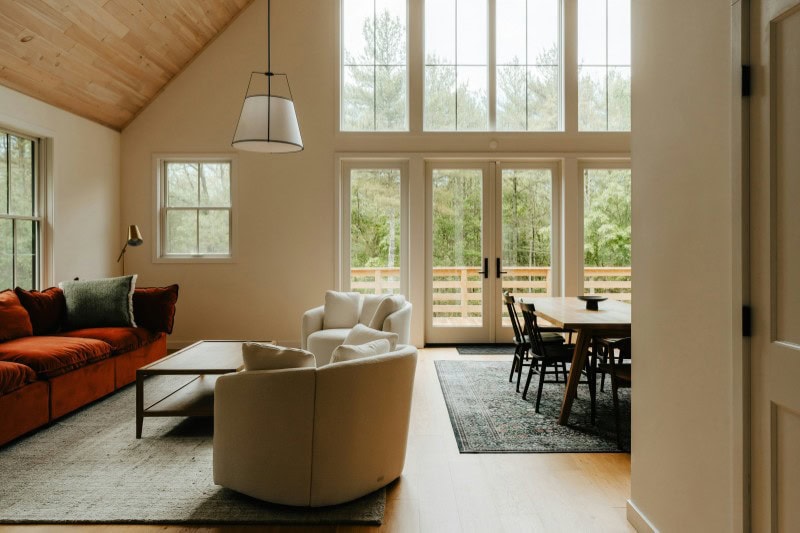
The space feels finished — not perfect, but settled.
Thinking about the design of the house at all
Perhaps the most interesting shift is psychological.
In a well-designed home, people stop noticing the design.
The house fades into the background, quietly supporting daily routines instead of drawing attention to itself.

Life becomes the focus again.
And that’s often the clearest sign the design is doing its job.
Больше историй
18 деталей, которые дизайнеры интерьеров всегда замечают сразу.
9 способов, которыми в дорогих домах скрывают беспорядок (и почему они всегда выглядят спокойными)
Пост 11 things people stop doing once they live in a truly well-designed home впервые появился на Дома с модными брюками.

 English