


Дома всегда отражали образ жизни людей и то, чему они когда-то отдавали приоритет. Но всего несколько десятилетий назад целые планировки строились вокруг элементов, которые сейчас кажутся почти ненужными, если не совсем устаревшими.
В прошлом дизайн интерьера был сосредоточен на стационарных телефонах, официальных приемах гостей, громоздкой технике и хранении вещей, которых сейчас практически нет. По мере того, как образ жизни смещался в сторону мобильности, непринужденности, потокового вещания и гибких пространств, многие из этих некогда необходимых элементов дома незаметно отошли на второй план.
Оглядываясь назад, поразительно, сколько квадратных метров и усилий в дизайне раньше тратилось на вещи, которые сегодня почти незаметны.
Вот 12 принципов, которые раньше учитывались при проектировании домов, а теперь практически не имеют значения (и почему они исчезли).
Уютный уголок с стационарным телефоном (и «центральная телефонная стена»)
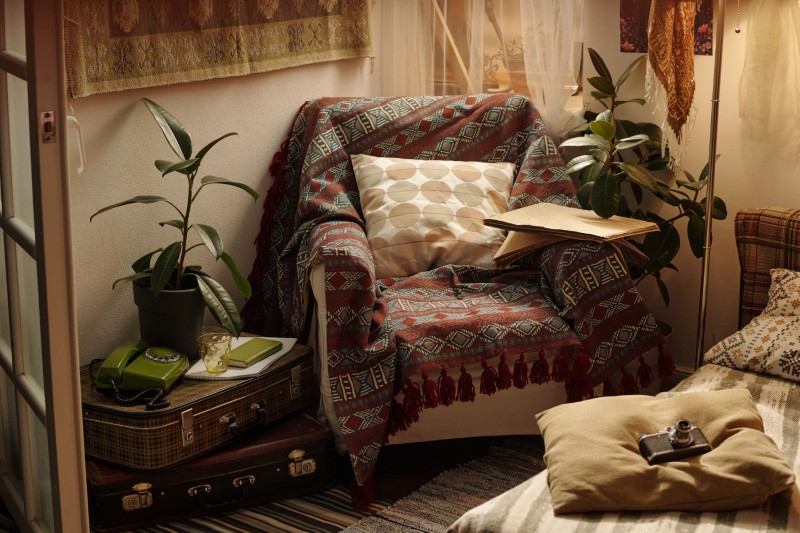
Старые дома Часто для домашнего телефона было предусмотрено специальное место: иногда на кухне, иногда в коридоре, а иногда во встроенной нише с полками для телефонных справочников и блокнотов.
В некоторых домах даже было несколько настенных розеток, тщательно расположенных так, чтобы телефон можно было перемещать из комнаты в комнату. Сегодня, когда почти у каждого есть смартфон, эти места кажутся пережитками другой эпохи — напоминанием о тех временах, когда дом был физически оборудован средствами связи.
Парадные вестибюли, призванные произвести впечатление на гостей.

В традиционных домах огромное значение придавалось величественному, парадному входу. Широкие вестибюли, декоративные лестницы, люстры и длинные линии обзора должны были произвести впечатление с того момента, как посетители войдут внутрь.
Современная жизнь Как правило, приоритет отдается функциональности, а не церемониям. Прихожие, места для хранения вещей и практичные зоны для размещения принадлежностей теперь имеют гораздо большее значение, чем эффектные входные зоны, поскольку повседневная жизнь заменила формальные приемы в качестве основного фактора, определяющего дизайн.
Витрины для посуды и встроенные подставки для посуды
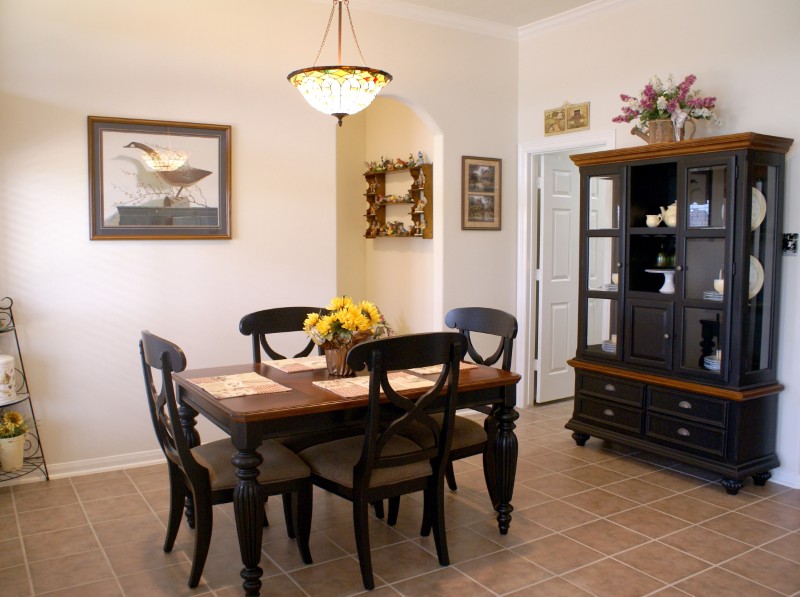
Раньше дизайн столовых строился таким образом, чтобы на них демонстрировался изысканный фарфор, хрусталь и сервизы — либо в больших отдельно стоящих шкафах, либо во встроенных шкафах вдоль стен.
Эти предметы мебели для хранения были не просто функциональными; они являлись символами статуса. Сегодня же, благодаря неформальному питанию и минималистичному образу жизни, большинство людей редко используют (или даже не владеют) формальными коллекциями посуды, что делает эти некогда важные предметы мебели в значительной степени устаревшими.
Официальные гостиные, которыми почти никто не пользовался.
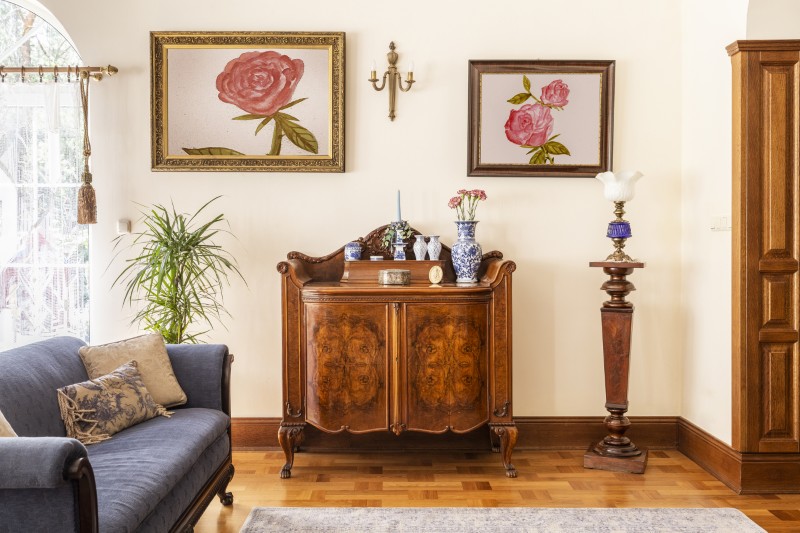
Во многих старых домах была «хорошая комната» — безупречно чистая гостиная, предназначенная для гостей и особых случаев. Мебель часто была неудобной, декоративных подушек было много, а детям не рекомендовалось туда заходить.
Современные дома отдают предпочтение пространства, предназначенные для повседневной жизниРост популярности семейных гостиных, больших комнат и открытых планировок отражает сдвиг в сторону комфорта и функциональности, а не внешнего вида.
Тумбы под телевизоры, предназначенные для больших телевизоров в корпусе типа «коробка».
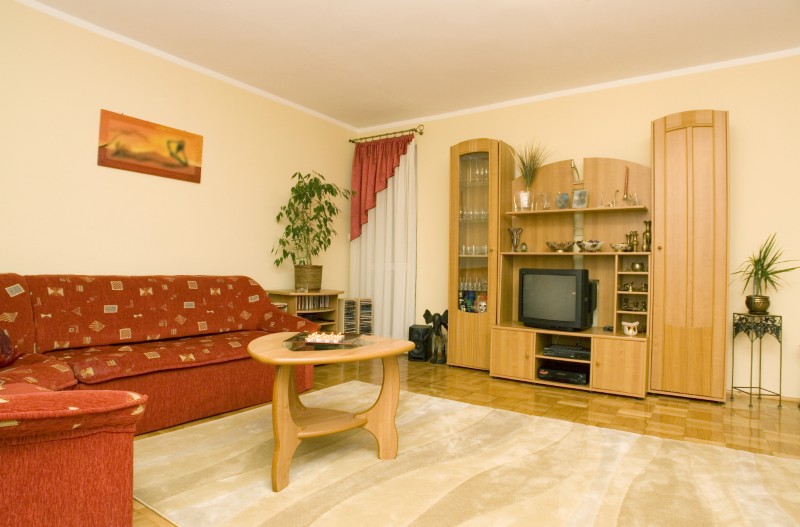
Первые развлекательные центры были огромными — глубокие шкафы, настенные модули и встроенные конструкции, предназначенные для размещения громоздких ЭЛТ-телевизоров, а также видеокассет, DVD-дисков и стереооборудования.
По мере того, как телевизоры становились плоскими, а потоковое вещание вытесняло физические носители, эти громоздкие предметы мебели стали ненужными. Во многих домах их полностью убрали, заменив простыми настенными креплениями или тонкими консолями.
Отдельные обеденные залы предназначены только для торжественных обедов.
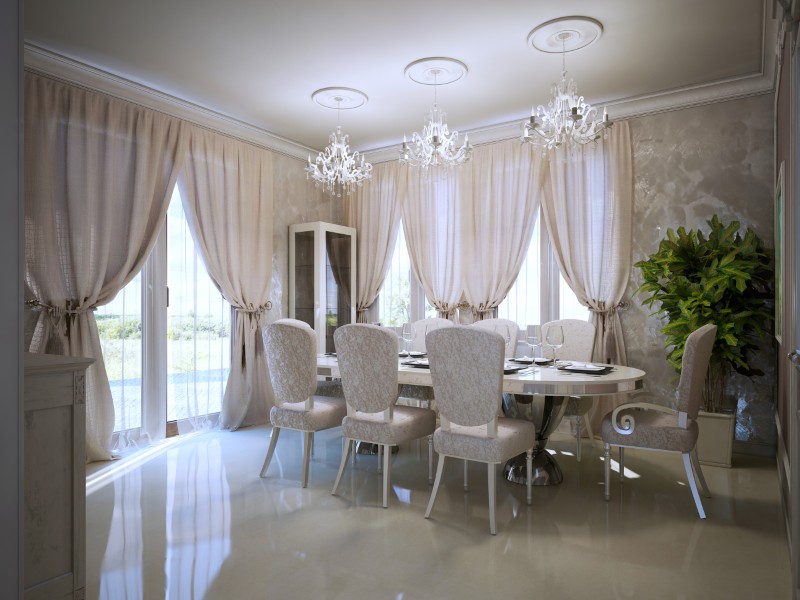
Раньше столовые были неотъемлемой частью дома, предназначенной для проведения праздников, званых ужинов и обедов из нескольких блюд.
Сегодня многие семьи едят большую часть времени на кухнях или в неформальных обеденных зонах, а формальные столовые часто переоборудуются под офисы, игровые комнаты или многофункциональные помещения. Ритуал формальных повседневных обедов в значительной степени исчез.
Столы, разработанные специально для настольных компьютеров.
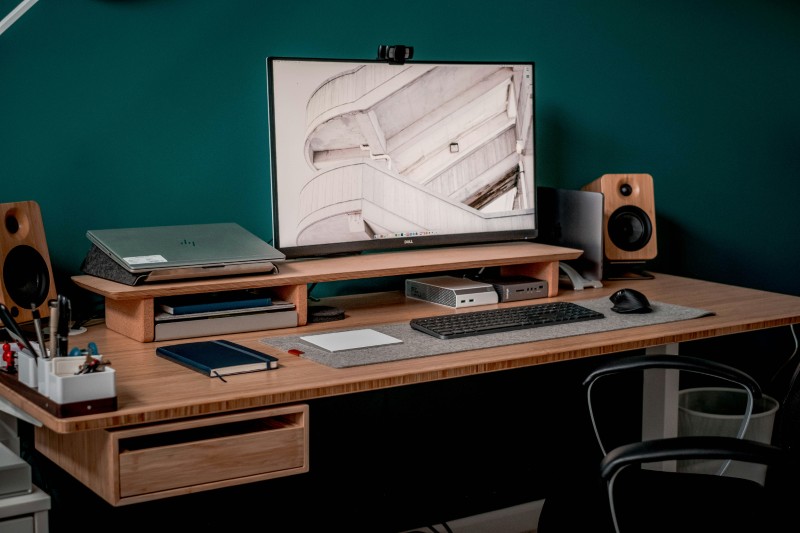
Раньше домашние офисы были сосредоточены вокруг громоздких мониторов, системных блоков, принтеров и проводных систем. Встроенные столы имели глубокие столешницы и специальные полки для оборудования.
Современные рабочие места отдают приоритет ноутбукам, беспроводным устройствам и гибкой планировке. физический след технологии Размеры значительно уменьшились, а вместе с ними и потребность в прочной встроенной мебели.
Гардеробные, спроектированные с учетом громоздких шкафов и сезонного хранения вещей.
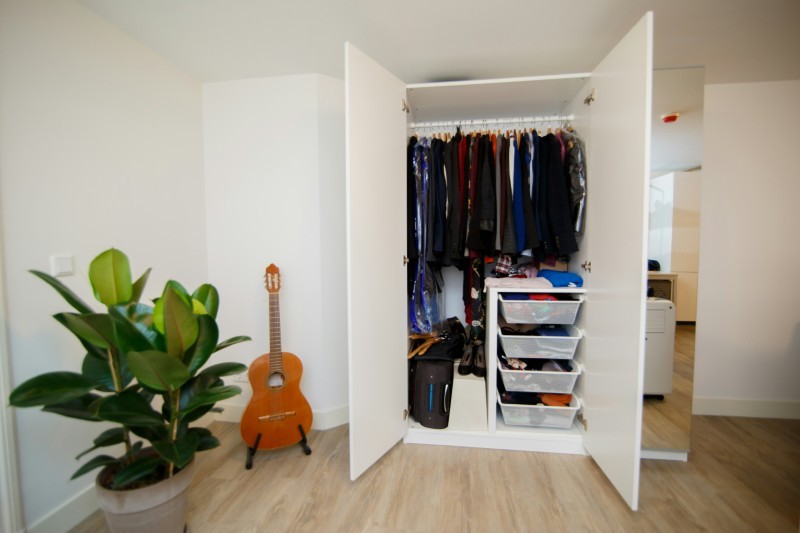
В старых домах шкафы часто были меньше по размеру, потому что большую часть объема хранения составляли гардеробы, комоды и платяные шкафы. В домах для организации хранения одежды в значительной степени полагались на мебель.
Современные гардеробные комнаты стали новым стандартом, поскольку люди накапливали все больше одежды и ожидали, что встроенные системы хранения возьмут на себя основную нагрузку, из-за чего старые конструкции гардеробных сегодня кажутся неудовлетворительными.
Телефонные разъемы, кабельные розетки и все проводное подключение.
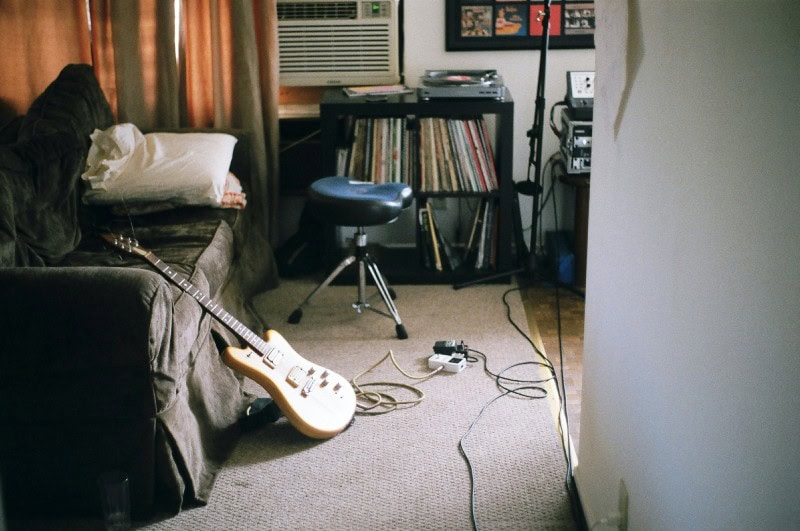
Раньше в домах требовалась обширная проводная инфраструктура — телефонные линии в каждой комнате, кабельные разъемы, расположенные с особой тщательностью для телевизоров, и розетки, специально предназначенные для базовых станций стационарной телефонной связи.
Беспроводной интернет, потоковое вещание и мобильные устройства в значительной степени устранили эту необходимость. Много современных домов Сейчас больше внимания уделяется гибким зарядным станциям, чем стационарной проводке.
Прачечные комнаты спрятаны, словно подсобные помещения.
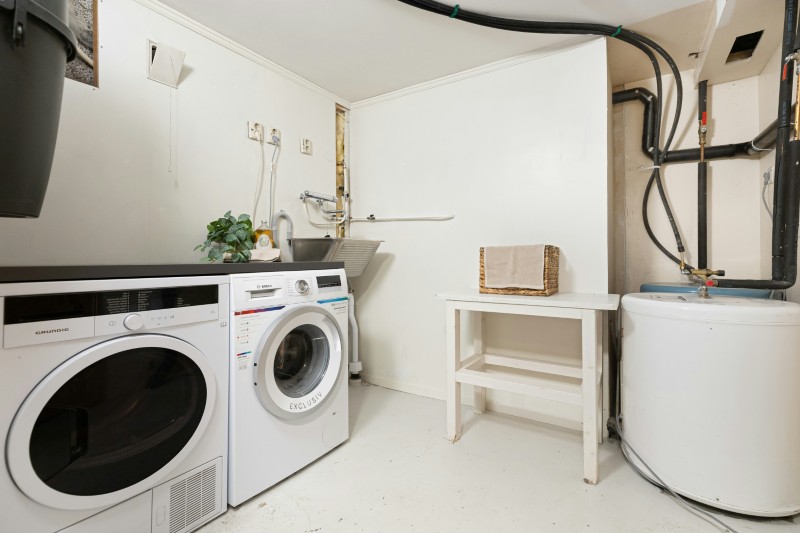
Раньше прачечные располагались в подвалах, гаражах или дальних углах домов — чисто функционально, не предназначенные для того, чтобы быть на виду.
Сегодня прачечные часто располагаются рядом со спальнями и проектируются с учетом наличия шкафов, столешниц и стиля. Удобство и эстетика заменили старый подход «с глаз долой — из сердца вон».
Встроенное хранилище для коллекций физических носителей.
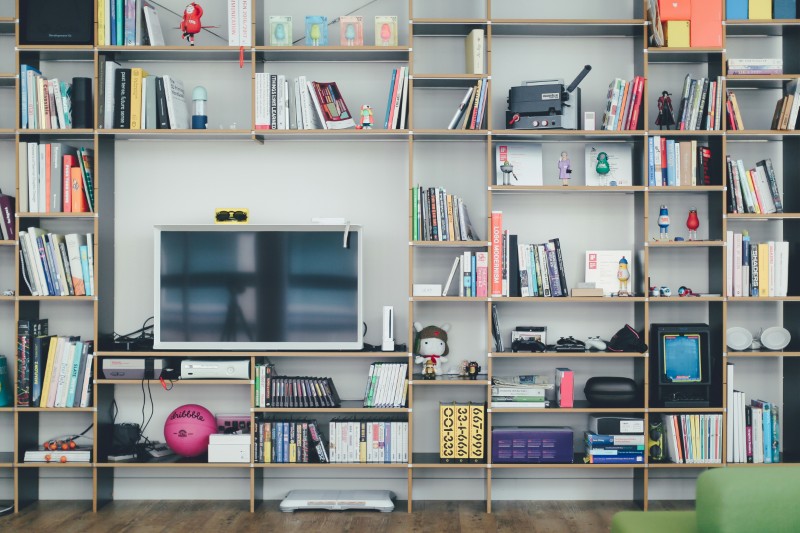
Раньше полки были предназначены для компакт-дисков, DVD-дисков, видеокассет и коллекций медиафайлов в формате книг. Гостиные часто проектировались с учетом размещения таких вещей в нишах.
Благодаря потоковой передаче данных и цифровому хранению большинство этих физических коллекций стали ненужными, освободив целые стены и изменив планировку жилых помещений.
Номера для гостей, предназначенные для длительного проживания.
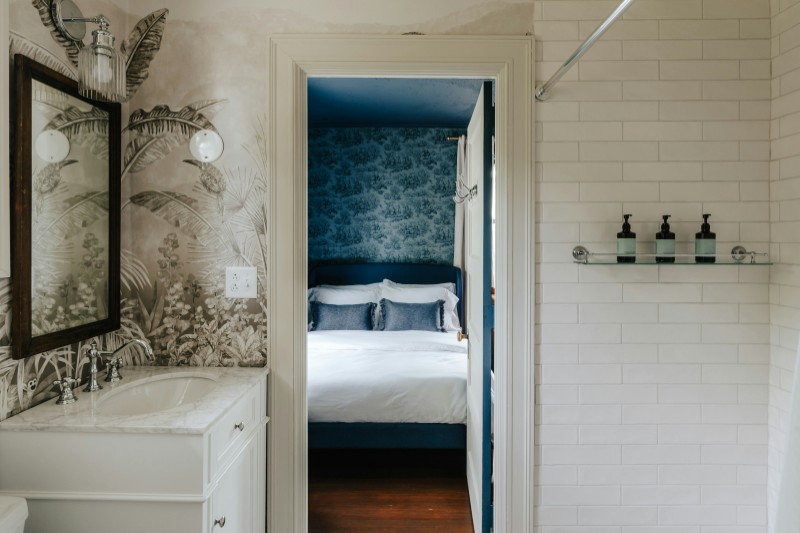
В старых домах часто отдавали предпочтение полностью меблированным гостевым спальням, поскольку гости часто оставались на длительное время, иногда на несколько недель подряд.
Современные привычки в путешествиях, гостиницы, краткосрочная аренда жилья и короткие визиты приводят к тому, что во многих домах теперь отдают предпочтение гибким гостевым помещениям, которые можно использовать как офисы, спортзалы или комнаты для хобби.
Больше историй
15 преимуществ старых домов перед новостройками
10 особенностей интерьера, определивших 1990-е годы (и куда они делись)
Классические элементы роскошного дизайна, возвращение которых мы бы с удовольствием увидели.
Пост 12 вещей, которые раньше учитывались при проектировании домов, а сейчас практически не имеют значения. впервые появился на Дома с модными брюками.

 English