


В домах класса люкс часто встречаются детали, которые сразу же создают впечатление индивидуального подхода, даже если сами материалы не являются особенно редкими или дорогими.
Секрет не в том, чтобы просто вкладывать деньги в пространство, а в том, чтобы понимать, откуда на самом деле берется визуальная составляющая. В элитных домах дизайнеры сосредотачиваются на пропорциях, целостности и сдержанности, выбирая улучшения, которые незаметно выполняют основную работу.
Особенность этих элементов заключается в том, что они не полагаются на очевидные «сигналы роскоши». Здесь нет позолоченной фурнитуры или драматической избыточности. Вместо этого, это элементы, которые воспринимаются почти подсознательно, детали, которые придают помещению ощущение завершенности, продуманности и тщательности.
Более того, многие из этих улучшений неоднократно встречаются в домах стоимостью в восемь и девять цифр, потому что они надежны. Они хорошо смотрятся на фотографиях, красиво стареют и подходят к разным архитектурным стилям. И в большинстве случаев их можно воспроизвести в обычных домах, не выходя за рамки бюджета и не прибегая к серьезным конструктивным работам.
Вот 13 элементов элитного интерьера, которые выглядят невероятно дорогими, но на самом деле таковыми не являются.
Стены, покрытые известковой побелкой или минеральной краской.
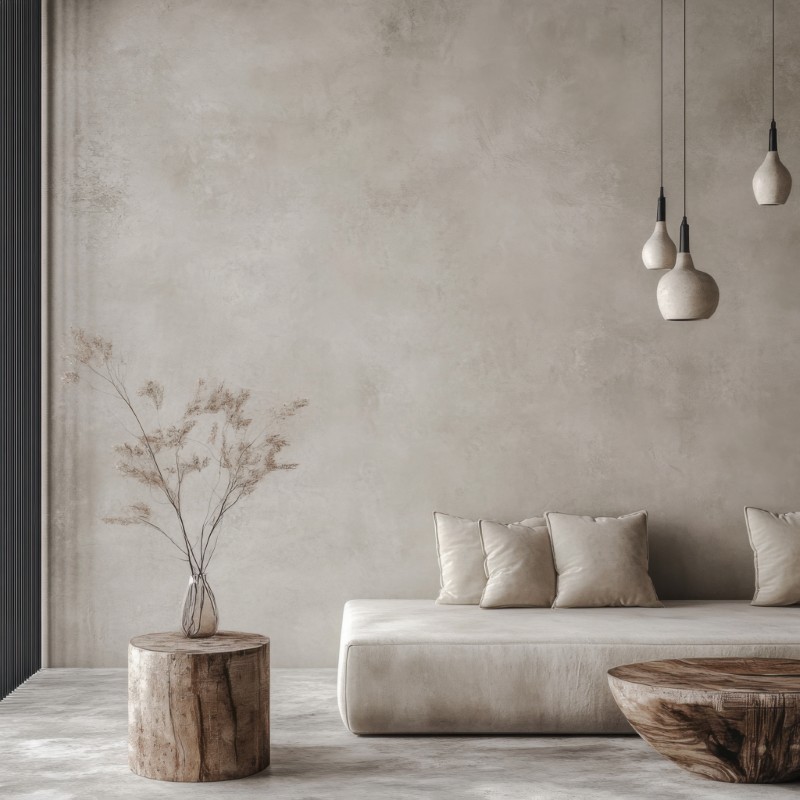
Мягкие, меловые и глубокие, известковые стены на фотографиях выглядят как штукатурка, выполненная на заказ, но стоят в разы дешевле венецианской отделки. Основная работа заключается в едва заметных цветовых вариациях.
Сверхвысокие межкомнатные двери
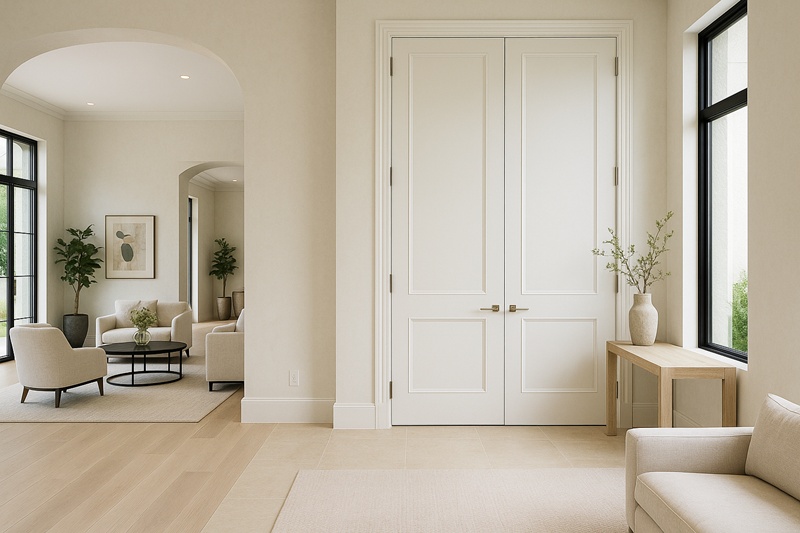
Замена стандартных дверей на 8-футовые мгновенно визуально расширяет комнату по вертикали. Разница в стоимости удивительно мала, но... Эффект впечатляющий.
Фарфоровые плиты больших размеров

Керамогранит, имитирующий мрамор, позволяет создавать крупноформатные покрытия с минимальным количеством швов, обеспечивая бесшовный, роскошный вид без высоких цен на камень и необходимости в уходе.
багет для картин или коробчатый молдинг
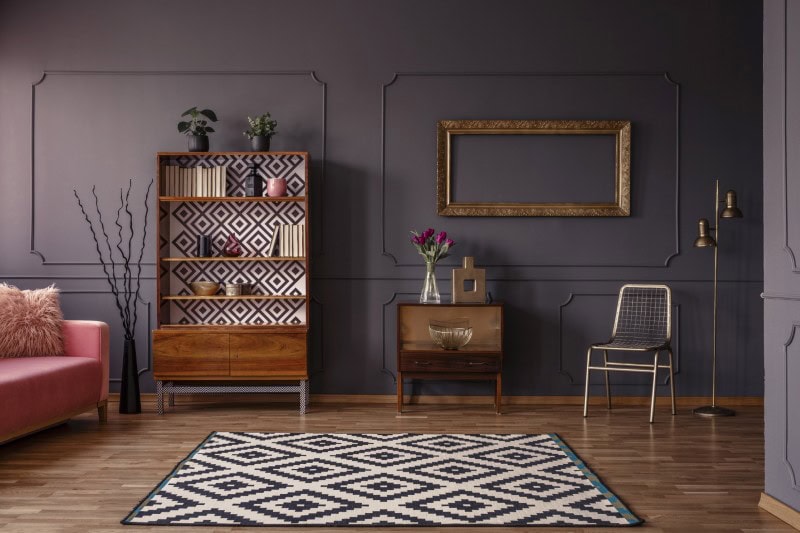
Небольшие столярные работы могут многое изменить. Всё просто. Декоративная лепнина на стенах добавляет архитектурную изюминку. Это воспринимается скорее как исторический и традиционный подход, чем как декоративный элемент.
Эффектное освещение (используется умеренно)
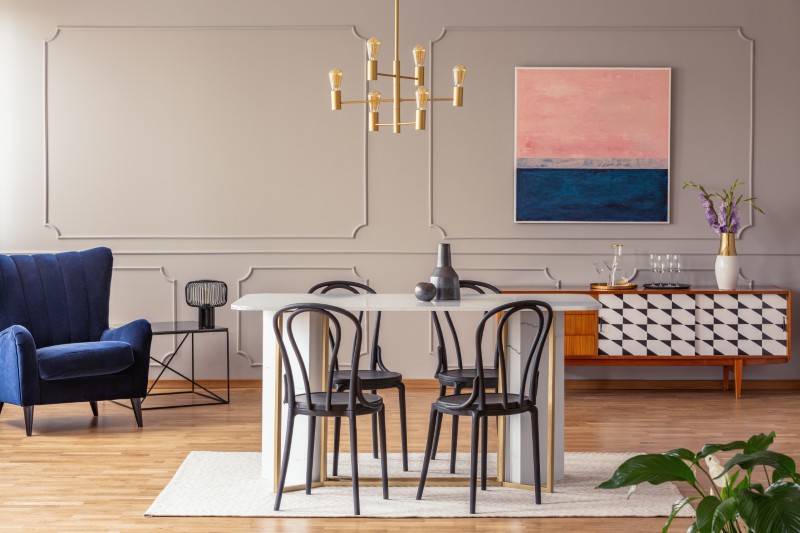
Один скульптурный светильник эффективнее пяти ничем не примечательных. В роскошных домах часто сосредотачиваются на меньшем количестве, но более масштабных световых решений.
Встроенные диваны
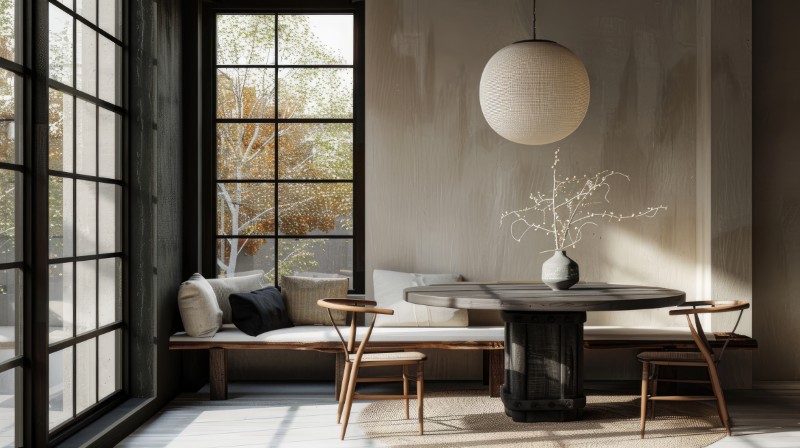
Банкетные скамьи выглядят так, будто сделаны на заказ, потому что так оно, как правило, и есть — но изготовление на заказ не обязательно должно быть дорогим, особенно по сравнению с покупкой дорогой мебели.
Соответствующие крышки для розеток
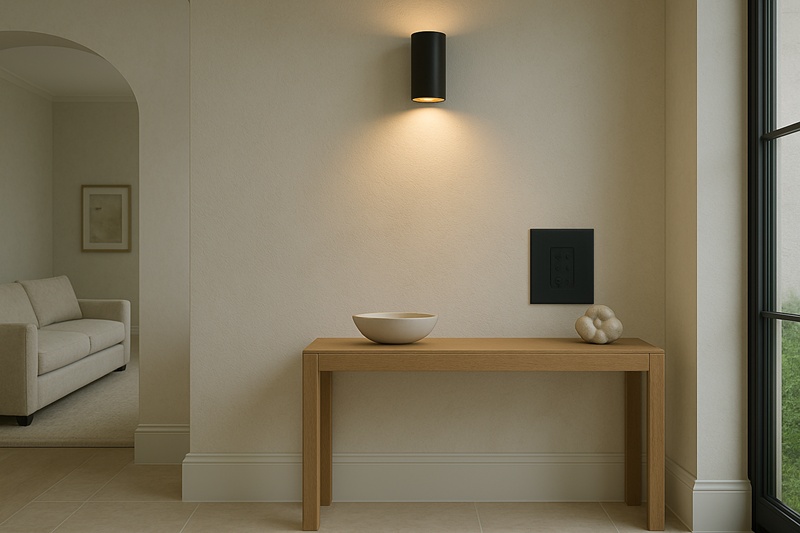
Замена пластиковых тарелок на окрашенные или металлические — недорогой способ мгновенно придать стенам индивидуальность.
Краска для потолка не белого цвета
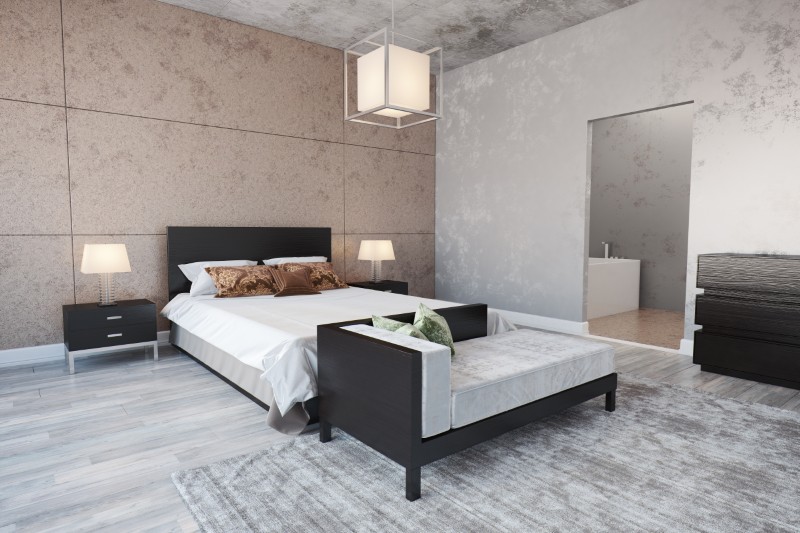
А мягкий нейтральный или приглушенный тон Декоративная отделка потолка ненавязчиво преображает помещение и добавляет глубины, не перегружая его.
Шторы во всю высоту
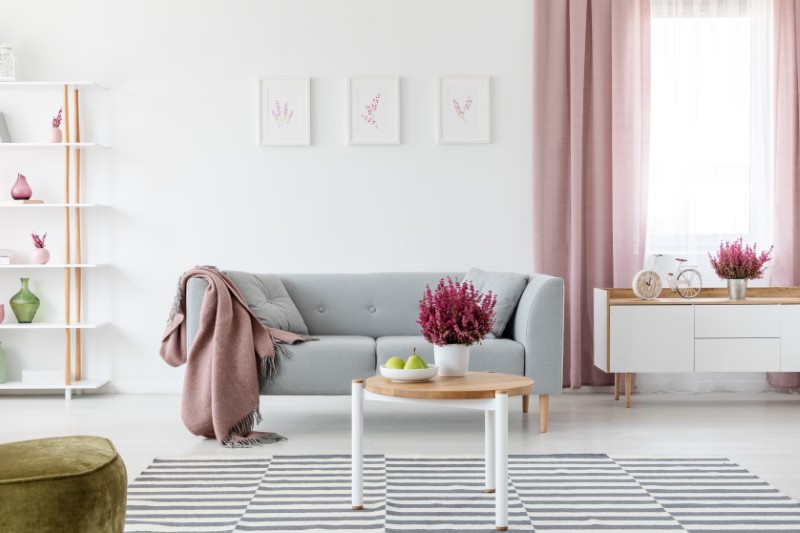
Высоко и широко развешанные шторы создают иллюзию больших окон и высоких потолков — даже если сами окна стандартные.
Ограниченная палитра материалов
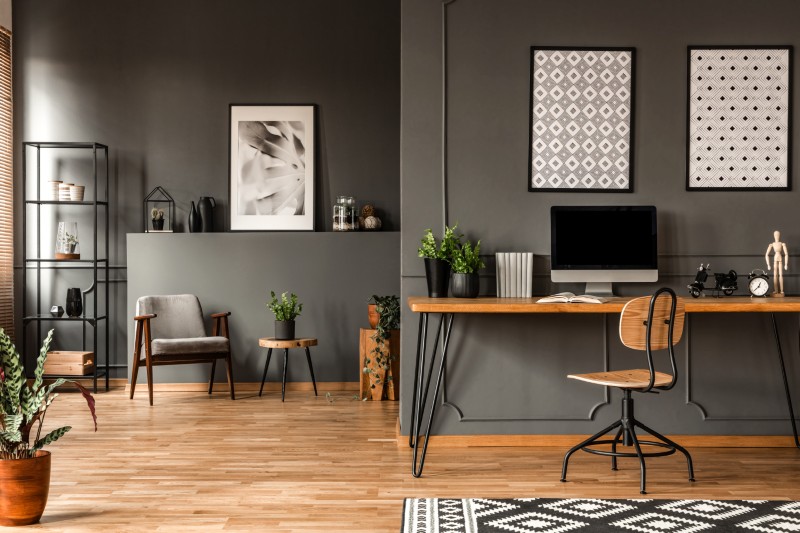
В элитных домах часто используется меньше материалов в целом. Ограничение выбора отделочных материалов может создать ощущение тщательно подобранного интерьера даже в самых доступных вариантах.
Плинтусы вровень с полом или минималистичные плинтусы
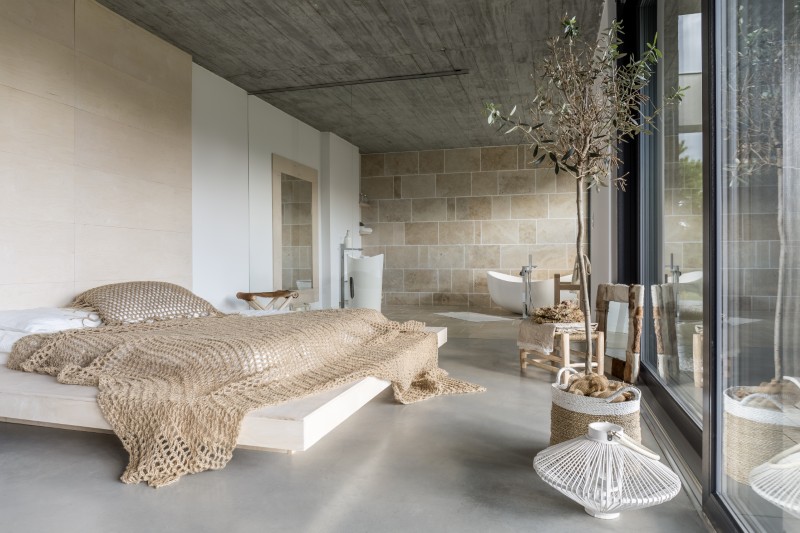
В элитных домах часто избегают массивной, чрезмерно декоративной отделки. Узкие или утопленные в пол плинтусы визуально освежают стены и позволяют Архитектурные линии говорят сами за себя..
Сплошные каменные или плиточные фартуки для кухни
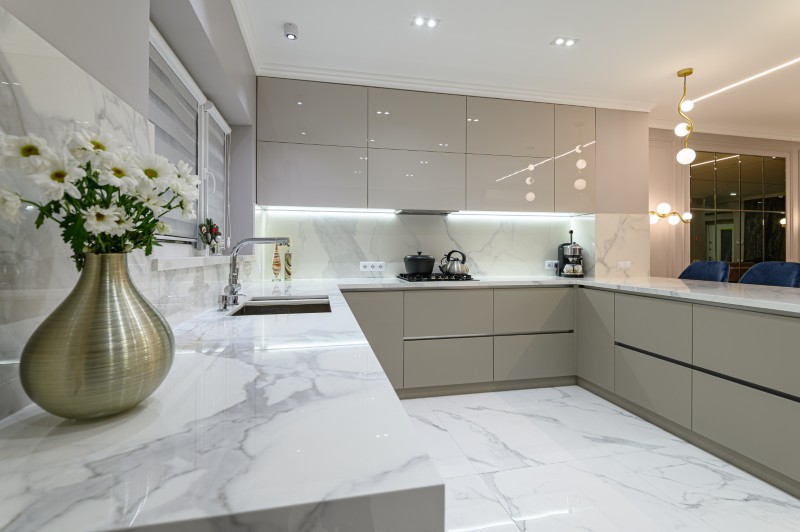
Использование одного и того же материала от столешницы до верхних шкафов мгновенно создает впечатление индивидуального заказа. Применение фарфора или кварца вместо натурального камня позволяет контролировать затраты.
Продуманно расположенные настенные светильники
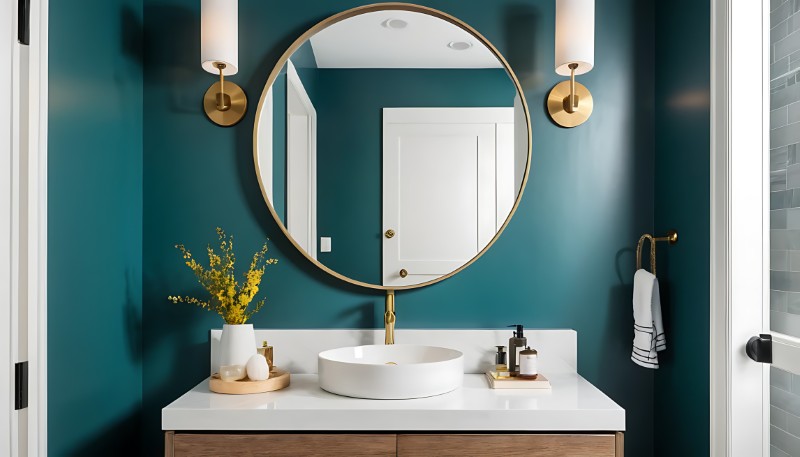
Даже недорогие настенные светильники выглядят изысканно, если их разместить симметрично и на правильной высоте. В данном случае удачное размещение важнее цены.
Больше историй
Создайте дом на миллион долларов: как скрыть обычные детали для создания элитного интерьера
10 вневременных архитектурных стилей для тех, кто не хочет жить в типовых домах
Пост 13 элементов роскошного дома, которые выглядят невероятно дорогими, но на самом деле таковыми не являются. впервые появился на Дома с модными брюками.

 English