


В некоторых домах высокие потолки от природы. В других же просто... чувствовать Как и у них, — и это различие почти всегда заключается в дизайне. Высота потолка — один из главных факторов, определяющих ощущение дороговизны и простора в помещении, но дело не всегда в конструкции. Всё сводится к тому, на что именно направлено внимание глаза.
Дизайнеры интерьеров интуитивно это понимают. Они знают, как визуально расширить вертикальное пространство, используя масштаб, пропорции, непрерывность и стратегическую сдержанность. Небольшие изменения в краске, освещении, расположении штор и мебели могут полностью преобразить комнату, благодаря чему потолок высотой 2,4 метра будет казаться просторным, а не низким.
Цель не в том, чтобы кого-то обмануть. А в том, чтобы убрать элементы дизайна, которые визуально «завершают» оформление комнаты, и заменить их деталями, которые направляют взгляд вверх.
Вот 14 дизайнерских решений, которые мгновенно создают ощущение большей высоты потолков, даже если фактическая высота остается неизменной.
#1 Повесьте шторы высоко и широко, близко к потолку.
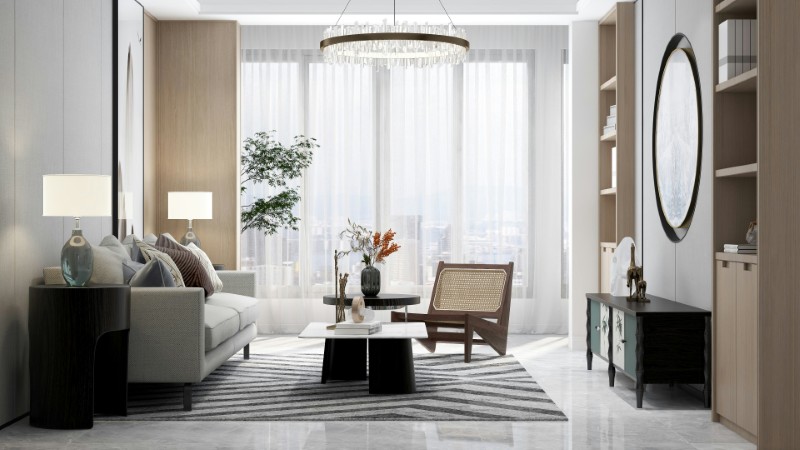
Немногие изменения оказывают такое сильное влияние, как расположение штор. Когда шторы висят прямо над оконной рамой, они подчеркивают пространство стены над ними, и это пространство воспринимается как «низкий потолок».
Дизайнеры развешивают шторы как можно выше (часто чуть ниже потолка или карниза), чтобы визуально удлинить стену и сделать окна выше, что, в свою очередь, визуально поднимает всю комнату.
#2 Используйте более длинные шторы с настоящей пышностью.
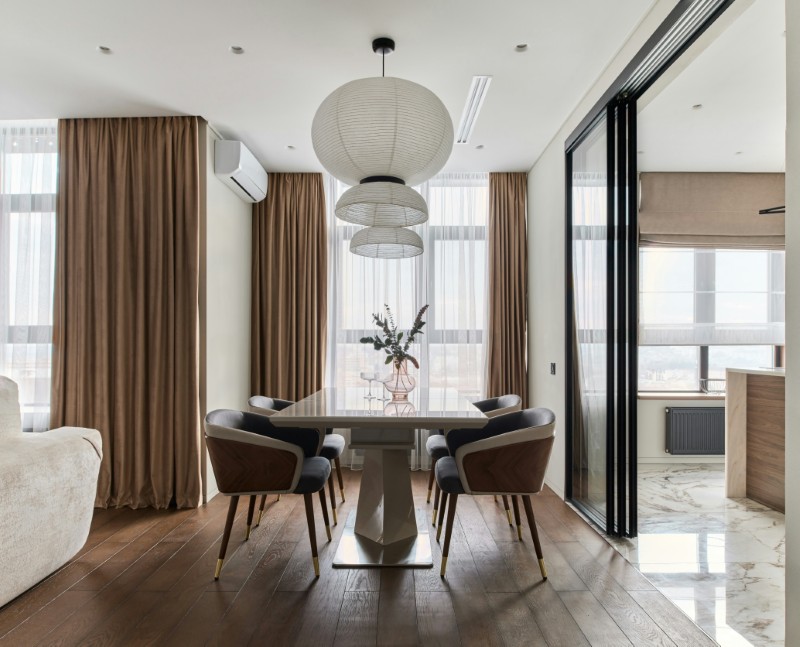
Даже при правильной высоте короткие шторы могут выглядеть дешево и визуально уменьшать пространство. Полные, правильно подобранные по размеру полотна создают вертикальную гармонию и смягчают контуры комнаты.
Чем непрерывнее линия ткани от потолка до пола, тем выше кажется комната и тем более завершенным она выглядит.
#3 Покрасить стены и отделку в один цвет (или близкий к нему).
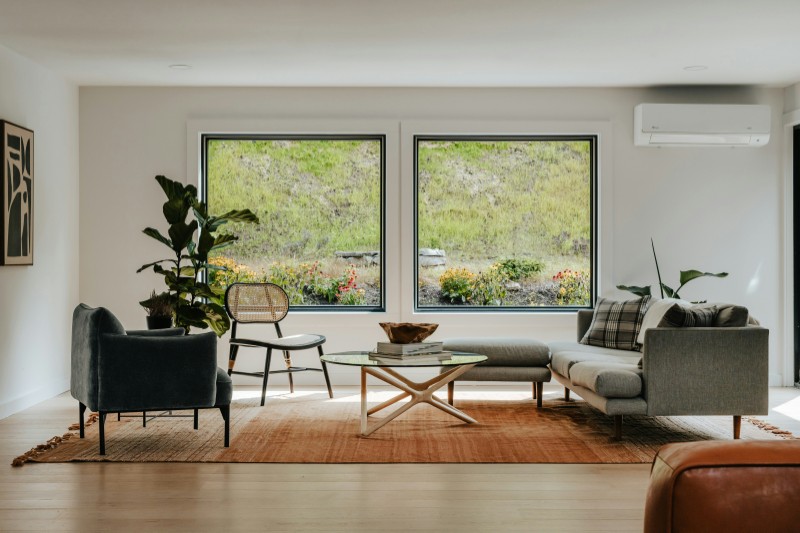
Резкий контраст между цветом стен и отделкой создает визуальную «рамку», которая может подчеркнуть ограничения по высоте помещения. Он нарушает вертикальную линию и привлекает внимание к краям.
Окрашивание наличников в тот же цвет (или немного более светлый/темный оттенок) создает ощущение непрерывности. Взгляд плавно скользит вверх без прерывания, благодаря чему потолки кажутся выше. В комнате стало спокойнее.
#4 Откажитесь от массивного карниза (или выберите более тонкий профиль)
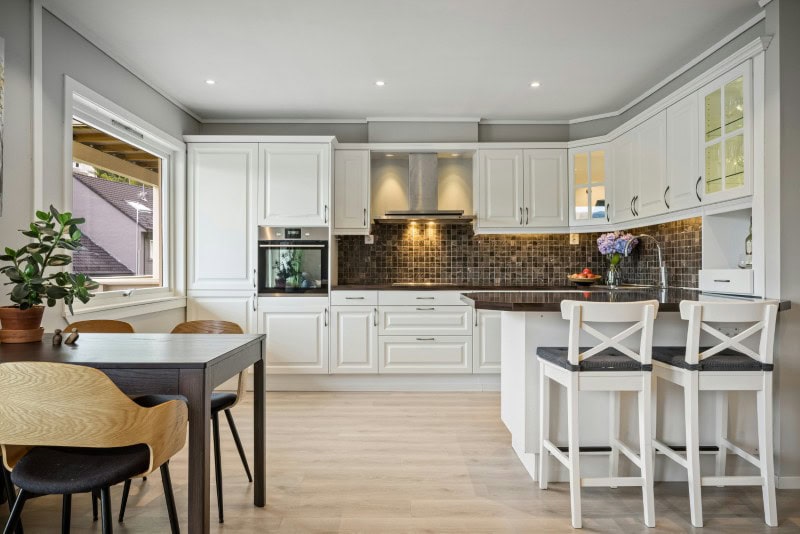
Карнизная лепнина может быть красивой, но массивная лепнина в комнате с низким потолком может визуально уменьшить высоту. Она создает резкую границу в верхней части стены.
Дизайнеры часто делают потолок тоньше (или вообще обходятся без карниза) в помещениях, где цель — визуально увеличить высоту потолка. В результате потолок кажется менее «завершенным», что, как ни парадоксально, создает ощущение большей высоты.
#5 Используйте вертикально ориентированные элементы отделки стен (панельные молдинги, рейки, высокие книжные полки).
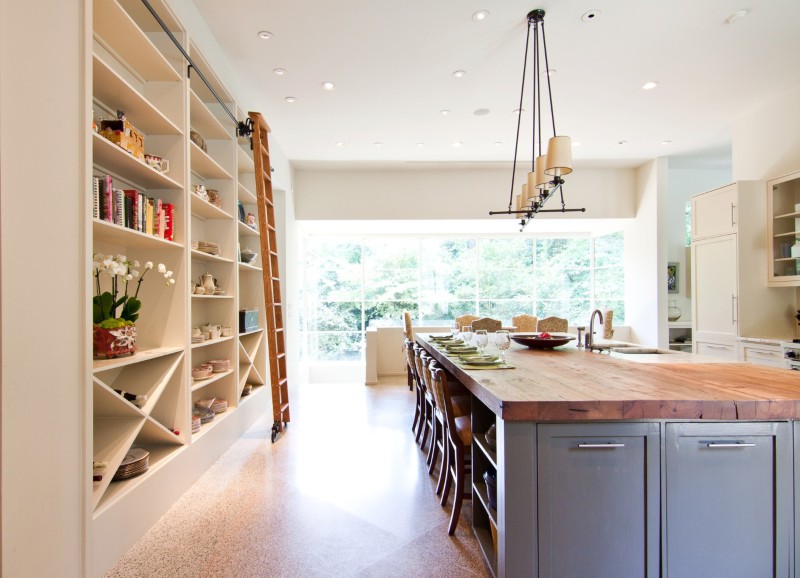
Вертикальные линии притягивают взгляд вверх — это один из старейших приемов в дизайне. Декоративная лепнина, рифленые детали, Реечная отделка или просто высокие встроенные шкафы естественным образом визуально расширяют стену.
Даже в небольших количествах вертикальная структура придает помещению более архитектурный и возвышенный вид, а не ощущение простора и приземистости.
#6 Вместо нескольких низких настольных ламп выберите более высокий напольный светильник.
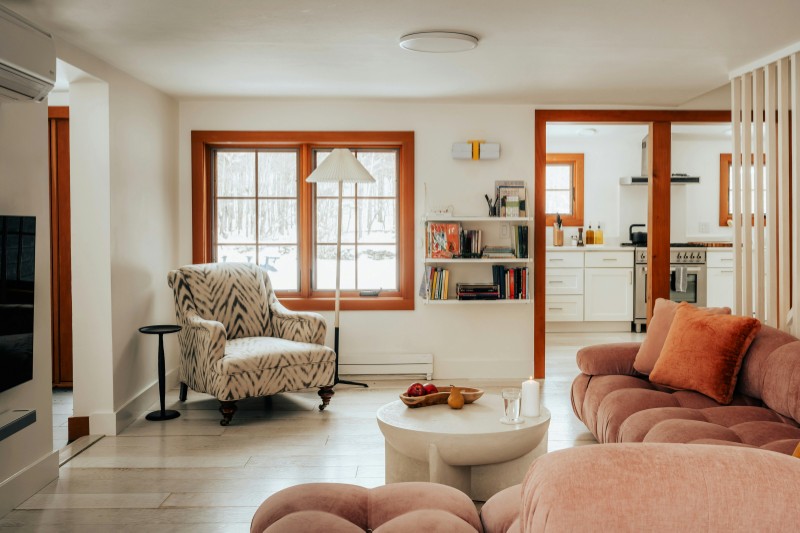
Множество низких, коротких источников света создают визуальную линию горизонта, которая удерживает внимание на уровне середины комнаты. Более высокие светильники создают вертикальные акценты.
Один высокий торшер Они могут создать более заметное ощущение высоты потолка, чем несколько маленьких светильников, расставленных по комнате.
#7 Замените потолочные светильники на светильники, которые привлекают взгляд вверх.
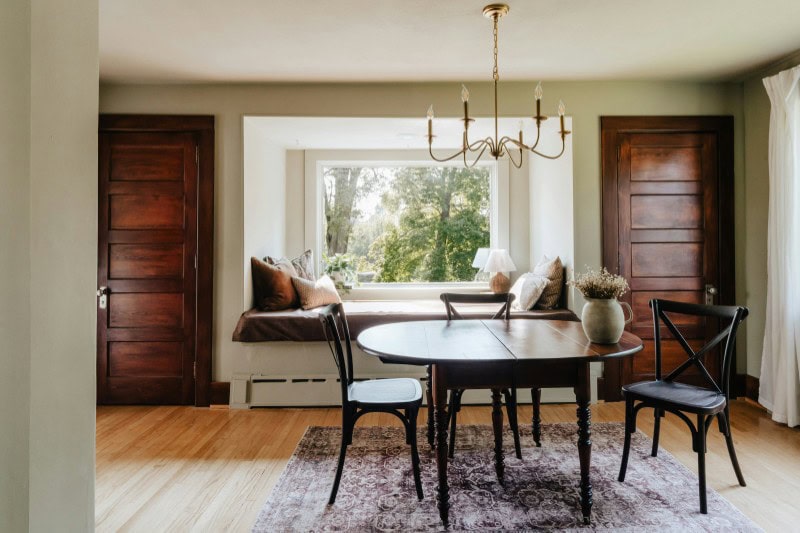
Стандартные потолочные светильники, устанавливаемые застройщиками, как правило, выравнивают потолок. Они визуально подчеркивают, что «здесь заканчивается комната».
Подвесной светильник, полупотолочный светильник с вертикальной глубиной или светильник в виде люстры придают потолку выразительность и визуально увеличивают высоту.
#8 Поддерживайте краску на потолке в светлом и чистом состоянии (но не слишком резком).
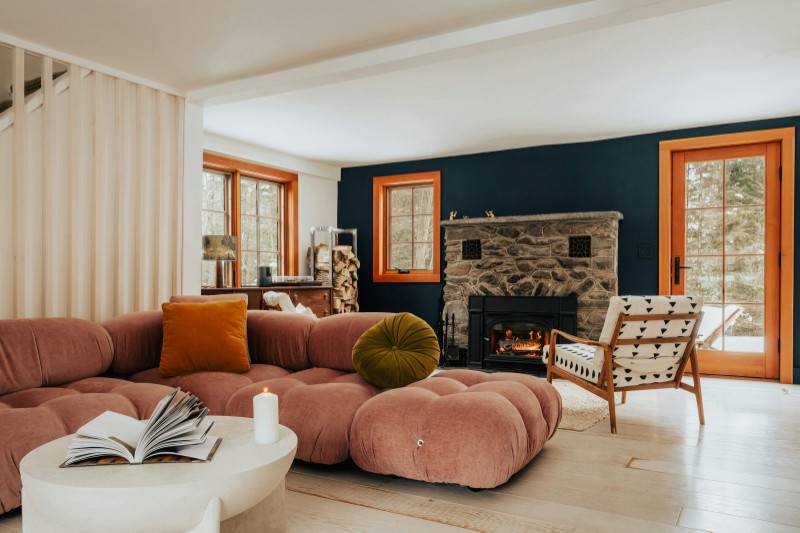
Слишком тёмный потолок визуально уменьшает пространство. Слишком белый потолок иногда может казаться резким и подчёркивать границы.
Дизайнеры часто выбирают для потолка чистый и светлый, но не холодный цвет — такой, который создает ощущение воздушности, мягкости и визуально отдаляет пространство.
#9 Используйте крупногабаритные произведения искусства (особенно высокие).
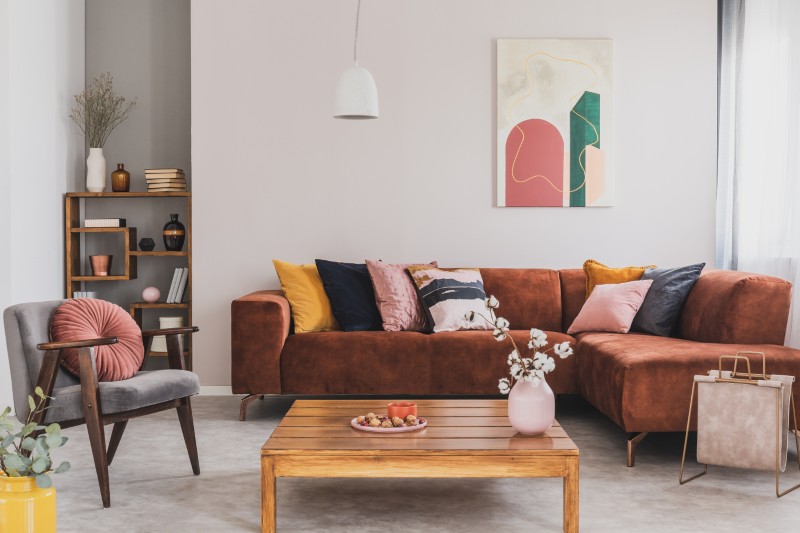
Небольшие произведения искусства в комнате с низкими потолками создают эффект «уменьшения» — стены кажутся короче по сравнению с ними.
Более высокие произведения искусства, особенно вертикально ориентированные, Создает ощущение, что стена больше. И потолок кажется дальше. Масштаб здесь решает всё.
#10 Избегайте горизонтальных «полос» через всю комнату (карнизы, резкие переходы краски).
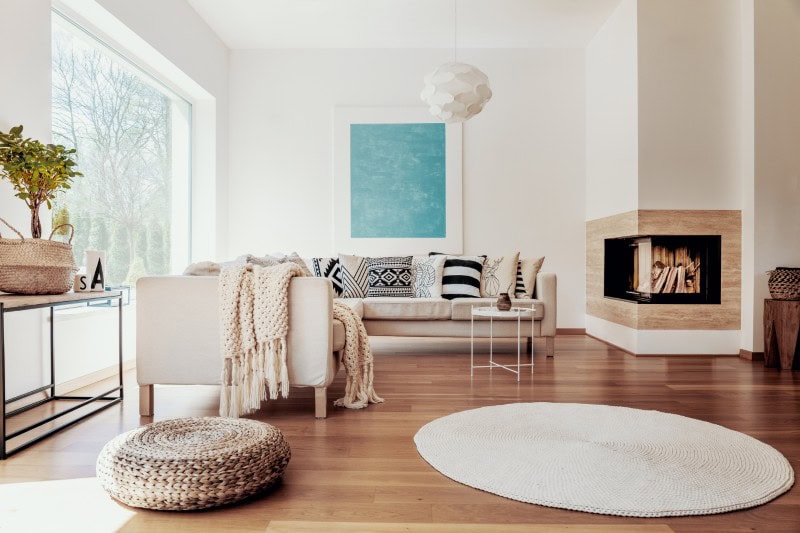
Любая линия, огибающая комнату посередине стены, создает визуальную границу. Декоративные молдинги и двухцветная покраска стен могут быть очаровательными, но они визуально уменьшают высоту помещения.
В помещениях с низкими потолками дизайнеры часто избегают резких горизонтальных разрывов или делают их достаточно ненавязчивыми, чтобы они не доминировали на стене.
#11 Используйте низкую и длинную мебель вместо высоких и громоздких предметов.
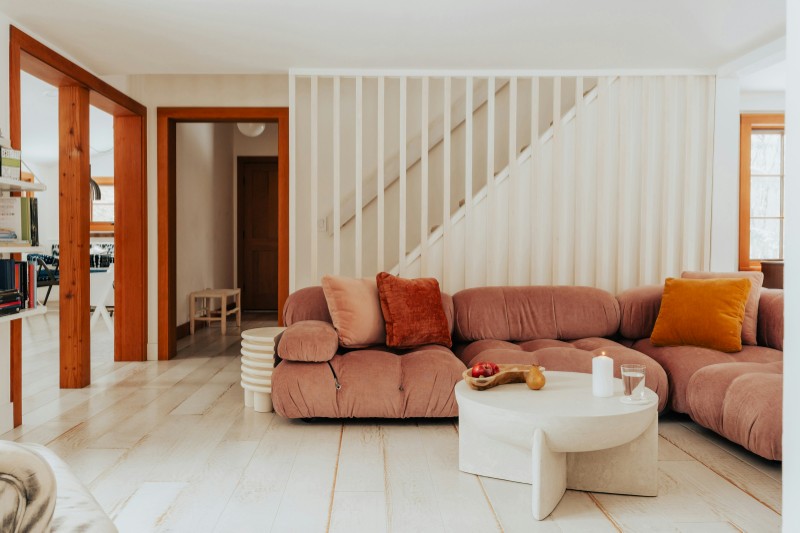
Это звучит нелогично, но работает: низкая мебель визуально увеличивает высоту комнаты.
Низкий диван, лаконичные кресла и мебель, которая не загромождает верхнюю половину комнаты, создают ощущение простора и визуально увеличивают высоту стен.
#12 Верхние части стен и потолочные пространства должны быть визуально спокойными.
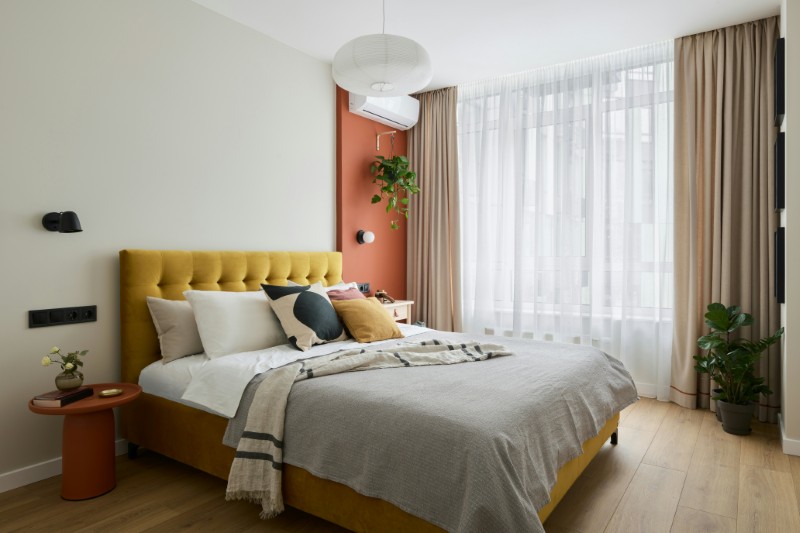
Загроможденные пространство у потолка привлекают внимание к ограничениям по высоте. Загроможденные верхние полки, высоко расположенные предметы декора или скопление визуального шума создают ощущение близости потолка.
Номера высокого класса Часто кажется, что ты выше, потому что верхняя часть помещения спокойная — это создает ощущение непрерывного вертикального пространства.
#13 Используйте зеркала, чтобы продолжить вертикальные линии и направить свет вверх.
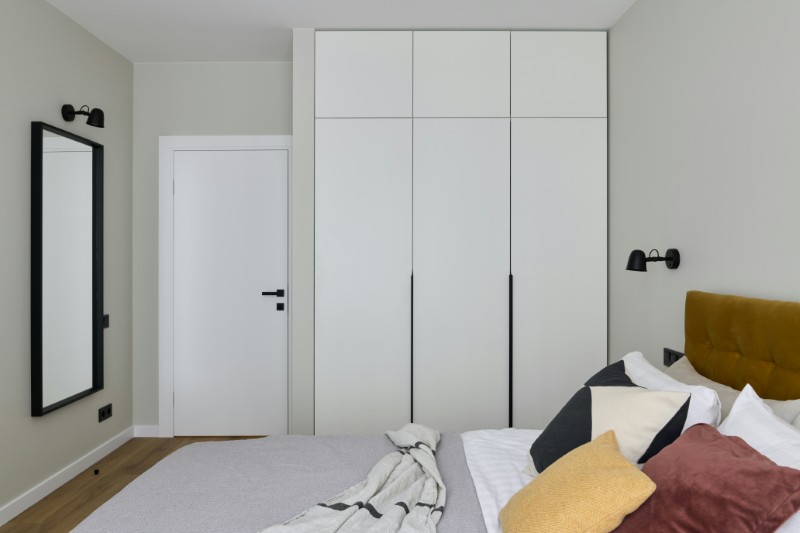
Зеркала, расположенные в стратегически важных местах, не просто визуально увеличивают пространство — они оживляют его. Высокое зеркало, прислоненное к стене или установленное вертикально, добавляет высоты и света.
Зеркала также уменьшают затененные углы, благодаря чему потолки кажутся светлее и выше.
#14 Создайте единое напольное покрытие по всей площади, чтобы уменьшить визуальные разрывы.
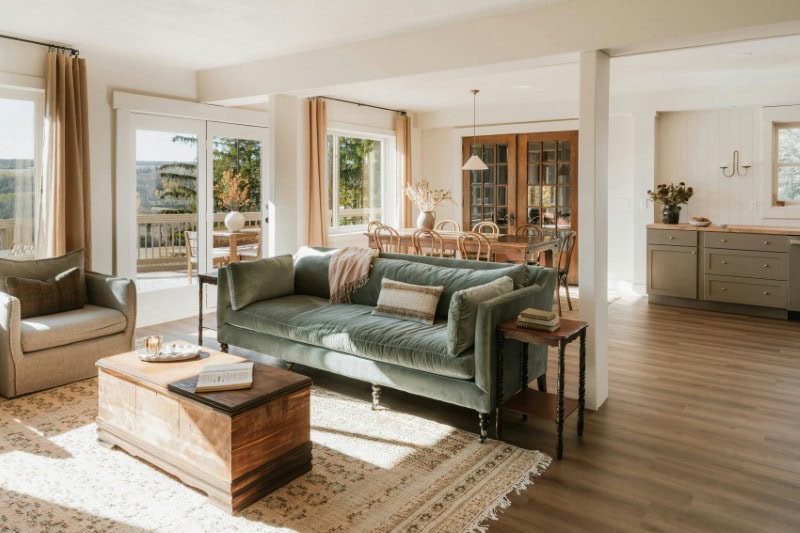
Это более тонкий, но мощный эффект. Когда этажи меняются от комнаты к комнате — или обрываются и начинаются на порогах — дом визуально кажется разделенным и в целом ниже.
Однородный пол создает ощущение плавности и непрерывности, благодаря чему комнаты кажутся более просторными во всех направлениях, включая вертикальное.
Больше историй
18 деталей, которые дизайнеры интерьеров всегда замечают сразу.
Пост 14 дизайнерских решений, которые мгновенно визуально увеличат высоту потолков впервые появился на Дома с модными брюками.

 English