


There’s a certain kind of home that just feels easier to be in. Nothing flashy, nothing trying too hard, but everything works.
The lighting is soft where it should be, storage is where you need it, and daily routines don’t feel like a series of small annoyances.
That feeling isn’t accidental. It usually comes down to a set of thoughtful features that reduce friction in subtle ways. Less visual noise, fewer decisions, smoother transitions from one activity to the next.
Here are 14 home features that tend to show up again and again in spaces designed to keep stress low.
#1 A layout that minimizes backtracking and wasted movement
Low-stress homes tend to have a natural flow. Kitchens connect easily to dining areas, laundry is placed near bedrooms, and high-use zones aren’t tucked behind awkward transitions.
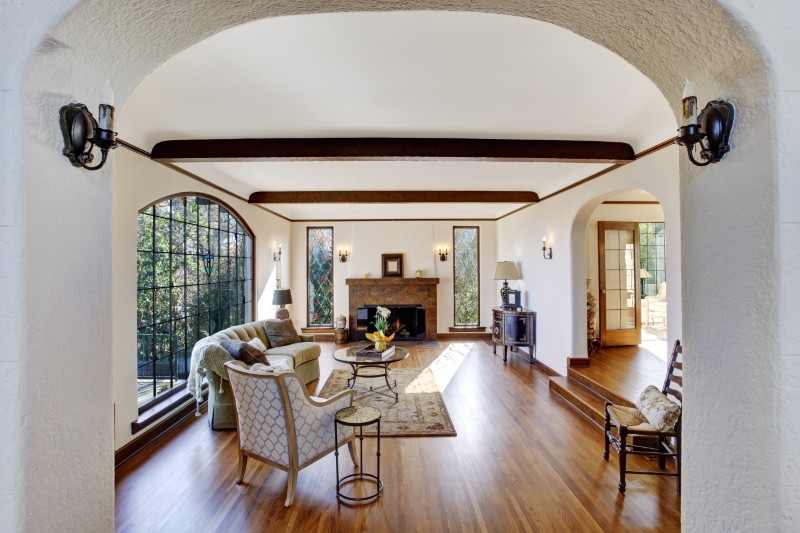
This reduces the kind of small, repetitive friction that adds up over time.
Carrying groceries, moving between rooms, or completing daily tasks becomes more intuitive, which makes the entire home feel more cooperative.
#2 Closed storage that keeps everyday clutter out of sight
Open shelving looks great in photos, but it requires constant maintenance. Homes that feel calm often rely more on concealed storage: cabinets, drawers, and built-ins that hide the visual noise.
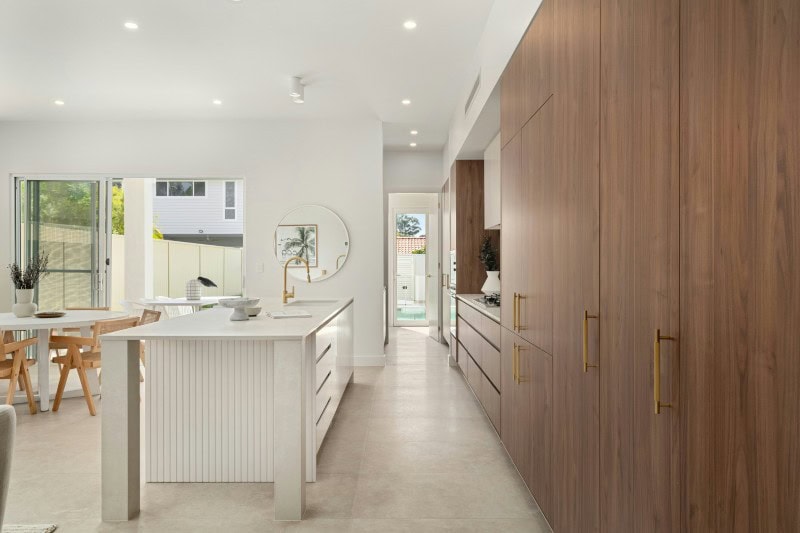
This doesn’t mean less storage, just smarter storage.
When everything has a place behind a door, surfaces stay clear, and the space feels more settled without ongoing effort.
#3 A consistent, restrained material palette
Too many competing finishes, colors, or textures can make a space feel busy, even when it’s clean.
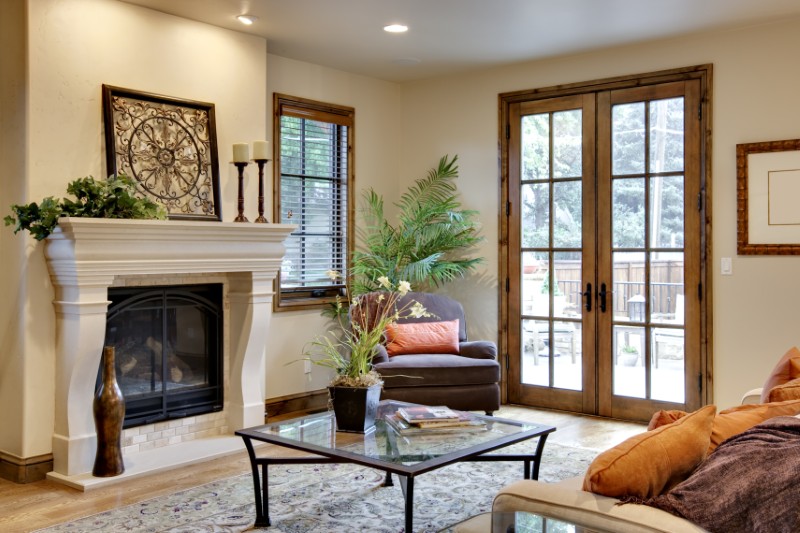
Homes that signal calm usually stick to a tight palette. Repeating materials across rooms, similar wood tones, a limited range of colors. This visual continuity reduces cognitive load and makes transitions between spaces feel seamless.
#4 Lighting that supports different moods throughout the day
Harsh overhead lighting tends to make spaces feel more functional than comfortable.
Low-stress homes layer their lighting: ambient for general use, task lighting where needed, and softer accent lighting for evenings.
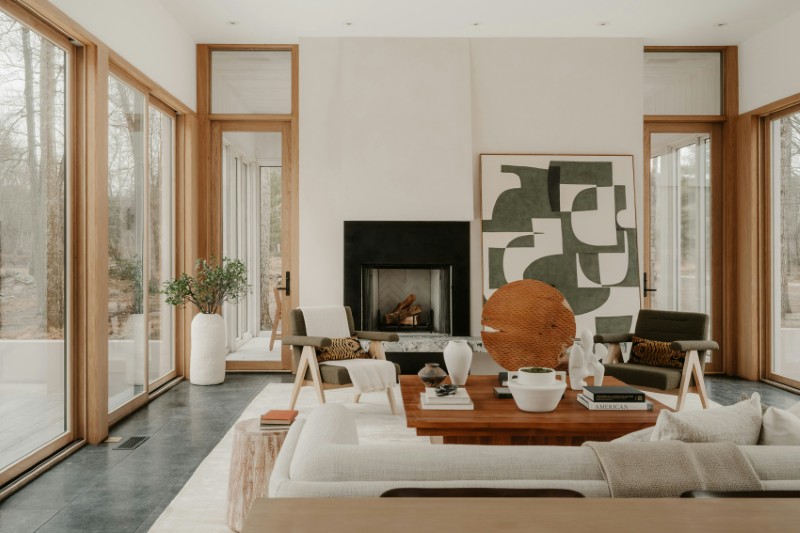
Warm bulbs and dimmers allow spaces to shift naturally from day to night without feeling abrupt.
#5 Entry areas that absorb the chaos of coming and going
A well-designed entry acts as a buffer between the outside world and the home.
Hooks, benches, trays, and closed storage give everything a landing spot: shoes, bags, keys. Instead of spreading throughout the house, the clutter gets contained at the threshold, keeping the rest of the home intact.
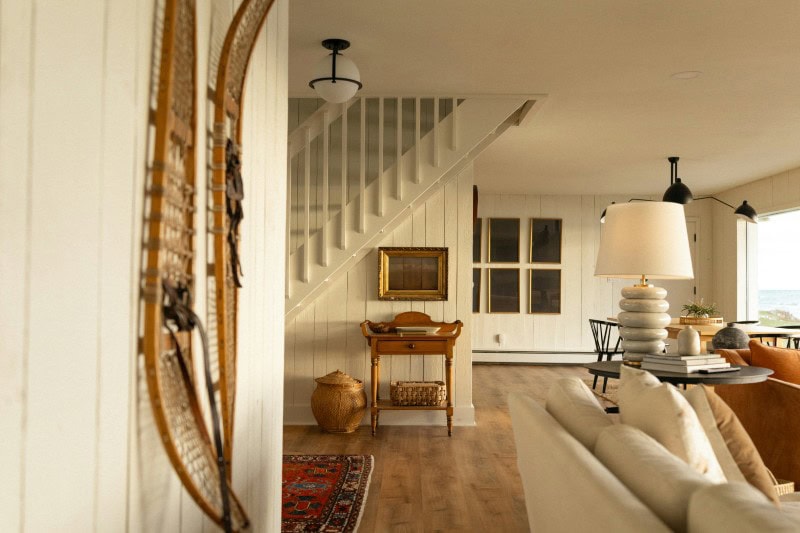
#6 Bedrooms designed primarily for sleep, not multitasking
Bedrooms that double as offices, gyms, or storage zones tend to feel less restful.
Low-stress homes treat the bedroom as a dedicated sleep environment.
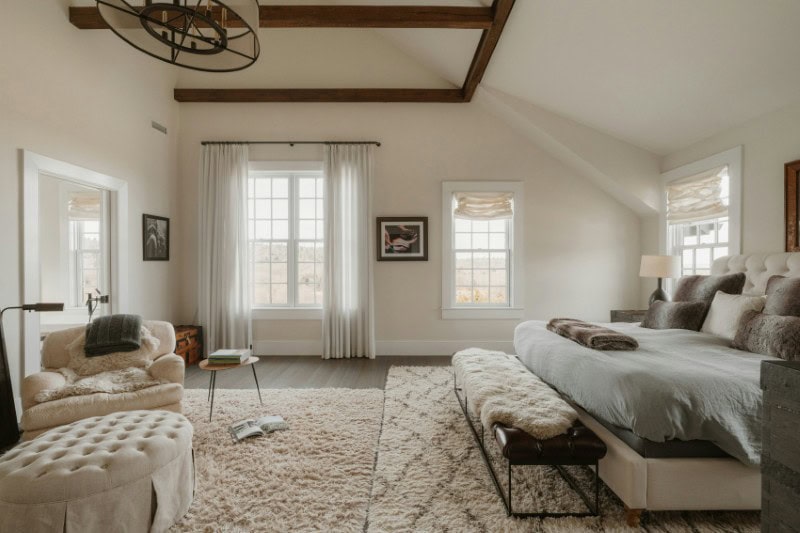
Minimal furniture, reduced visual clutter, and limited tech create a clearer mental association with rest, which can have a noticeable impact on sleep quality.
#7 Bathrooms with simplified, easy-to-maintain surfaces
Busy bathrooms, with too many products and hard-to-clean materials, quickly become a source of daily friction.
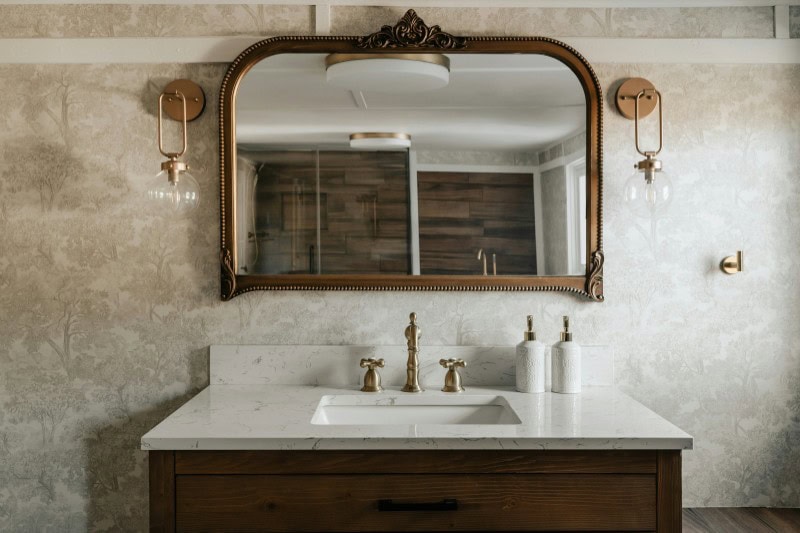
Streamlined vanities, fewer items on display, and materials that don’t require constant upkeep help maintain a sense of order.
When surfaces are easy to wipe down and reset, the space stays calm with less effort.
#8 Kitchens designed for efficiency, not just aesthetics
A beautiful kitchen that doesn’t function well can become frustrating fast.
Low-stress kitchens prioritize workflow: logical placement of appliances, adequate counter space, and storage that keeps frequently used items within easy reach.
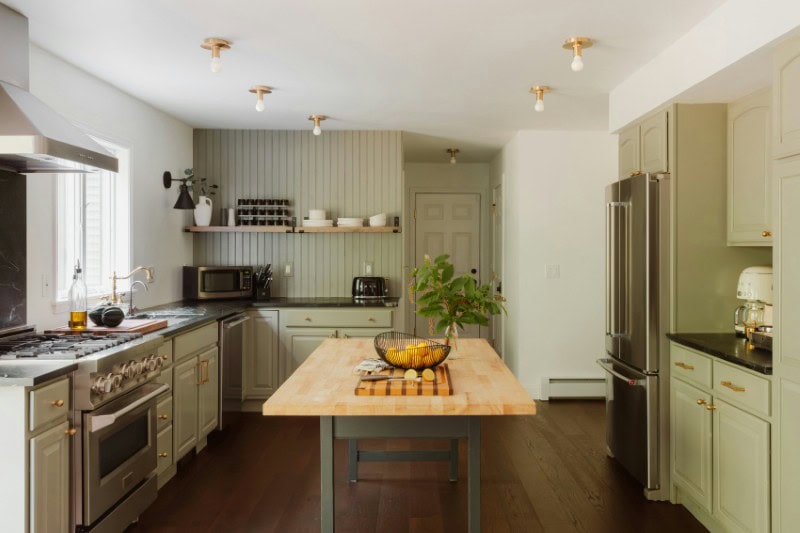
The goal is to reduce unnecessary steps during everyday tasks like cooking or cleaning.
#9 Quiet, well-insulated interiors
Noise is one of the most overlooked stress factors in a home.
Good insulation, solid-core doors, rugs, curtains, and upholstered furniture all help absorb sound. Whether it’s reducing street noise or softening echoes indoors, a quieter environment tends to feel more controlled and less chaotic.
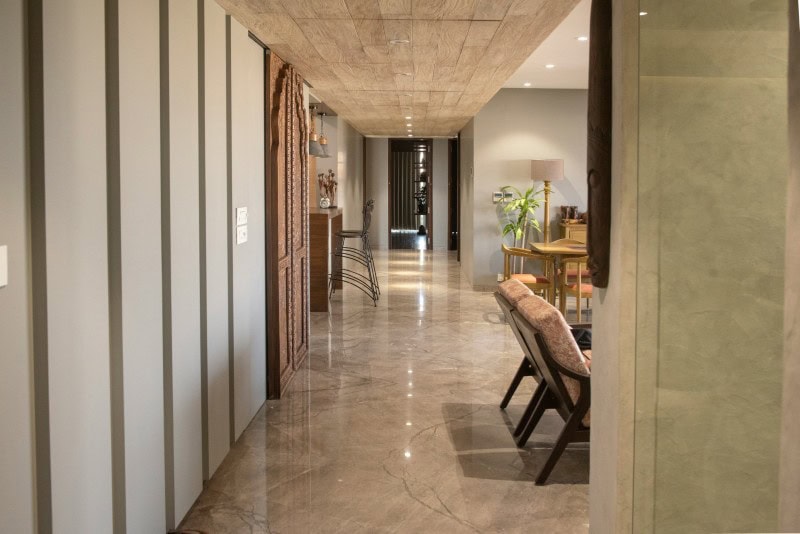
#10 Flexible spaces that can adapt without constant rearranging
Homes that require frequent adjustments to accommodate different activities can feel unsettled.
Low-stress spaces often include areas that can shift purpose easily, a dining table that doubles as a workspace, a spare room that works for guests or hobbies, without needing a full reset each time.
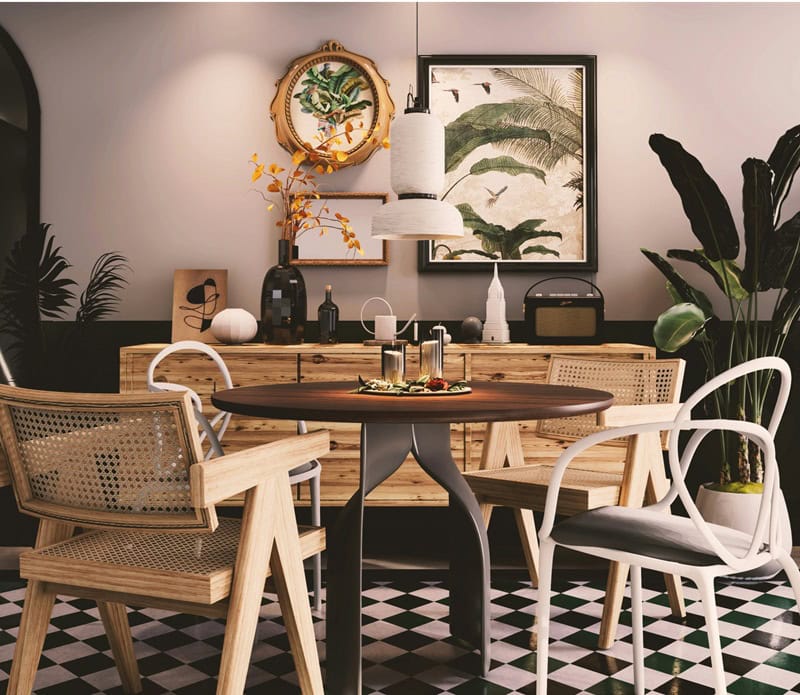
#11 Natural light that’s easy to control
Natural light improves mood, but too much glare or lack of privacy can create new stress points.
The most comfortable homes balance light with control: window treatments that filter rather than block, strategic placement of mirrors to reflect light, and layouts that allow daylight to reach deeper into the home without overwhelming it.
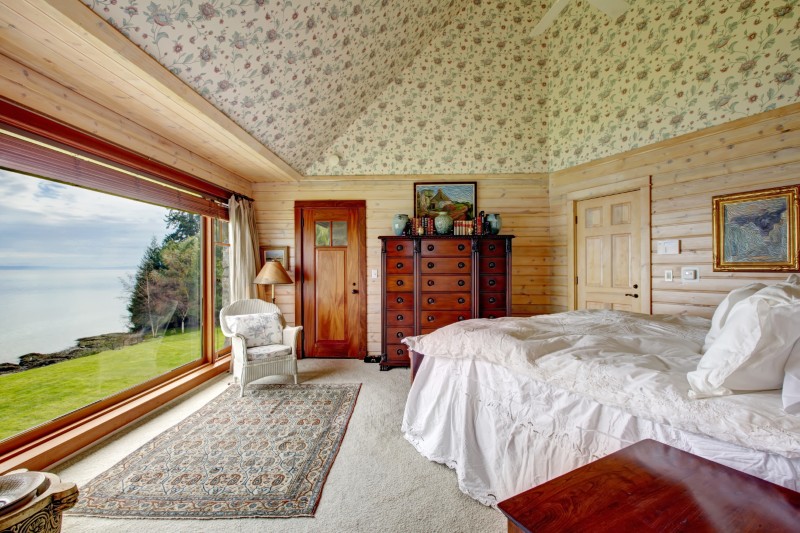
#12 Minimal visual distractions on key sightlines
What you see when you first walk into a room matters more than most people realize.
Low-stress homes often keep primary sightlines clear, no clutter piles, no overly busy walls, no immediate visual interruptions. This creates a sense of order before you even register the details.
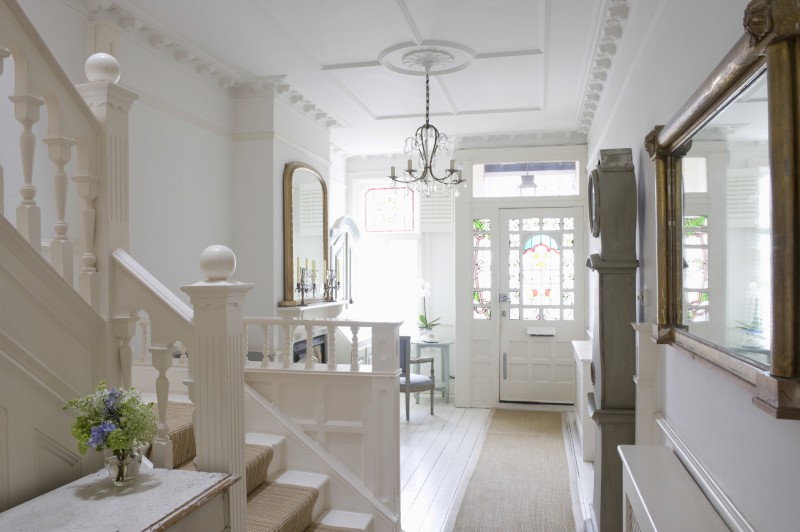
#13 Materials and finishes that age well
Delicate or high-maintenance finishes can create ongoing low-level anxiety about wear and tear.
Homes that feel easier to live in tend to use durable, forgiving materials, surfaces that handle daily use without showing every mark.
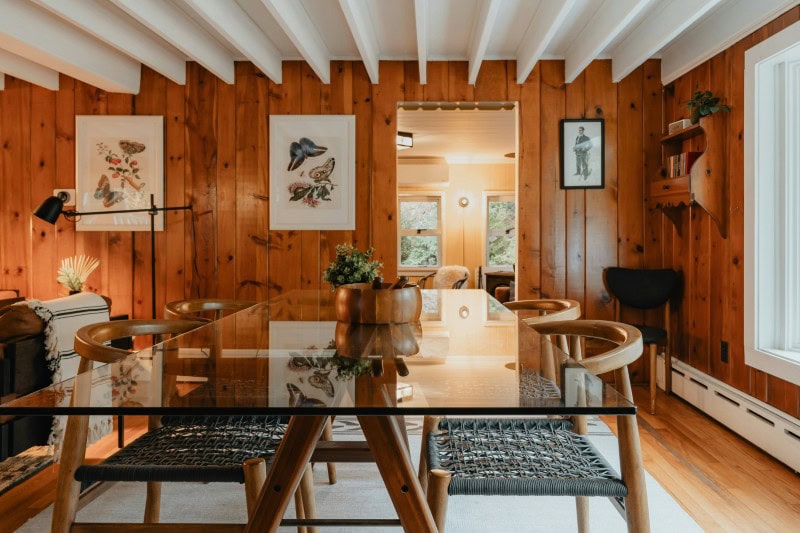
This reduces the need for constant upkeep and the stress that comes with it.
#14 Small, built-in conveniences that reduce decision fatigue
It’s often the smallest features that make the biggest difference.
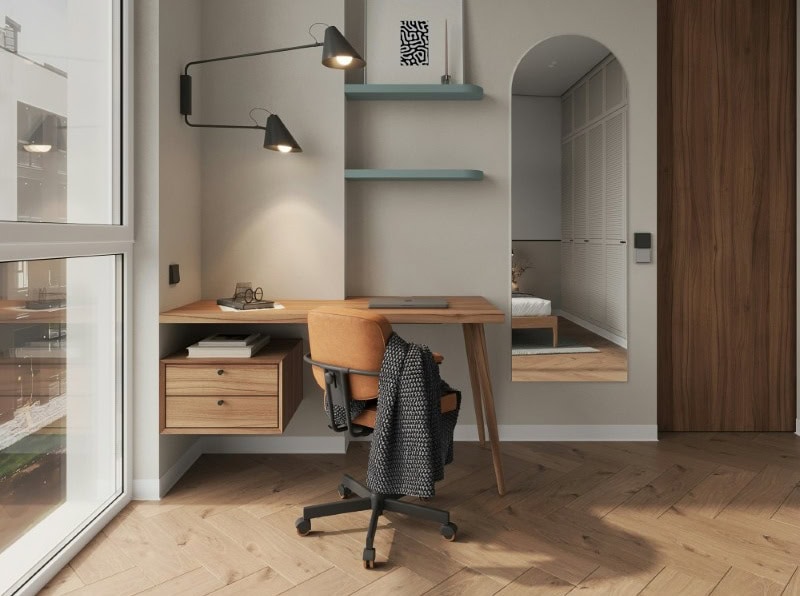
Outlets where you need them, drawers instead of deep cabinets, lighting controls within reach, a place to sit while putting on shoes. These details remove tiny inconveniences that, over time, can affect how a space feels to live in.
Nothing too difficult or too flashy; and that’s the whole point
None of these features are particularly flashy on their own. But together, they create a home that feels intuitive, quiet, and easy to move through.
And that’s really the signal. A low-stress home doesn’t draw attention to itself, it simply works in a way that makes everything else feel a little more manageable.
Больше историй
17 quiet design choices that signal real quality
18 flip features that look good online, but fail in real life
12 ways home design has shifted in the smartphone era
Пост 14 home features that quietly signal a low-stress lifestyle впервые появился на Дома с модными брюками.

 English