


Старые дома не идеальны. Любой, кто владел таким домом, знает, на что приходится идти: причудливая планировка, неровные полы, старая сантехника и порой осознание того, что предыдущий владелец принял нестандартное решение в отношении электропроводки.
Но, несмотря на сложности с обслуживанием, есть причина, по которой старые дома остаются такими любимыми — и это не просто ностальгия.
В старых домах есть определенные вещи, которые особенно хороши, и это не всегда то, что указывается в объявлениях. Это детали, которые ощущаются, а не выставляются напоказ: чувство пропорции, ощущение долговечности, мастерство, не пытающееся быть изящным, и дома, которые, кажется, были спроектированы с учетом реального поведения человека.
У новостроек тоже есть свои преимущества (эффективность, удобство, современные системы и т.д.), но им часто не хватает тех тихих элементов, которые придают дому глубину и индивидуальность. И именно здесь старые дома по-прежнему выигрывают.
Вот 15 вещей, которые старые дома делают намного лучше, чем новостройки.
Они правильно подбирают пропорции даже в небольших комнатах.
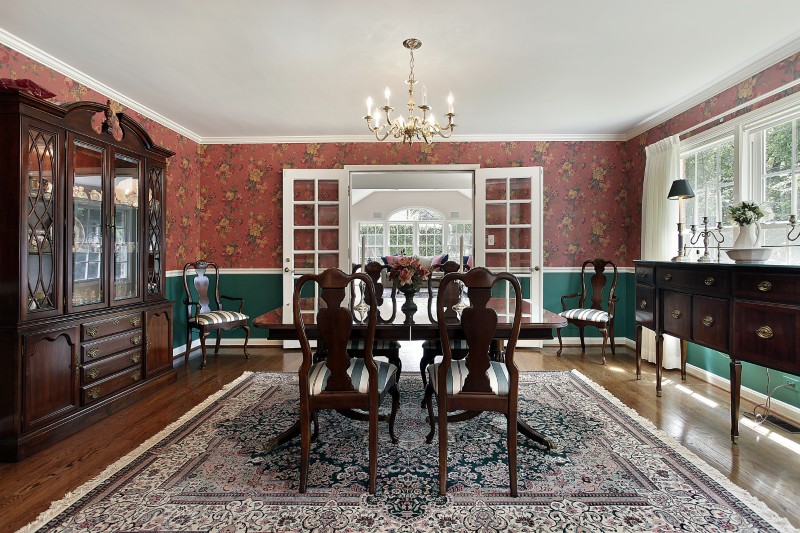
В старых домах часто ощущается баланс, который трудно повторить.
Потолки, дверные проемы, окна и размеры помещений естественным образом соотносятся друг с другом. Даже в компактных помещениях создается ощущение гармонии, а не тесноты.
В новостройках может быть много квадратных метров, но при этом они все равно кажутся странно спланированными — большие комнаты с низкими потолками или огромные открытые пространства, которые выглядят недостаточно продуманными.
Они используют натуральные материалы, которые сохраняют свои свойства с течением времени.
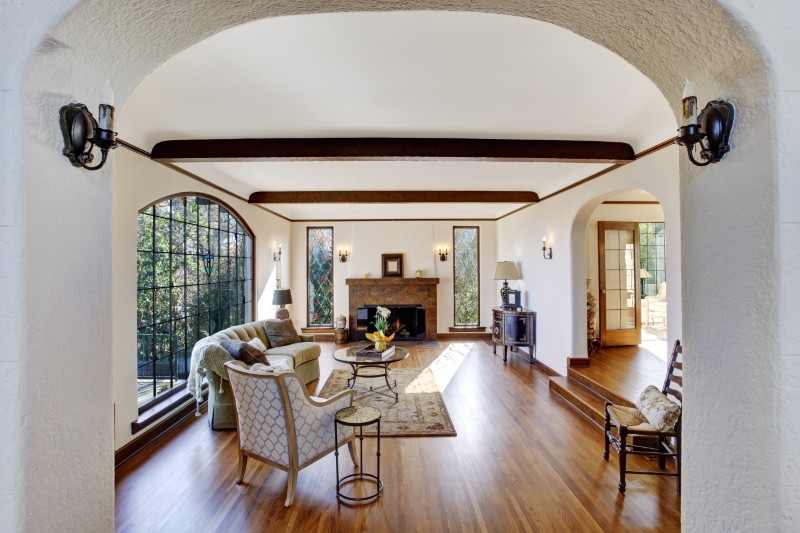
Старые дома Часто при строительстве используются материалы, выбранные с расчетом на долговечность: массивная древесина, штукатурка, толстые декоративные элементы, массивная каменная кладка. Со временем эти материалы покрываются патиной, что придает старым домам глубину и теплоту.
Во многих новых зданиях в большей степени используются высокотехнологичные материалы и более тонкие покрытия. Поначалу они могут выглядеть эффектно, но часто не приобретают такой же индивидуальности — просто изнашиваются.
Их отделка носит архитектурный, а не декоративный характер.
В старых домах отделка — это не просто элемент стиля. Это часть архитектуры: широкие плинтусы, массивные наличники, карнизы, которые действительно соответствуют размеру комнаты.
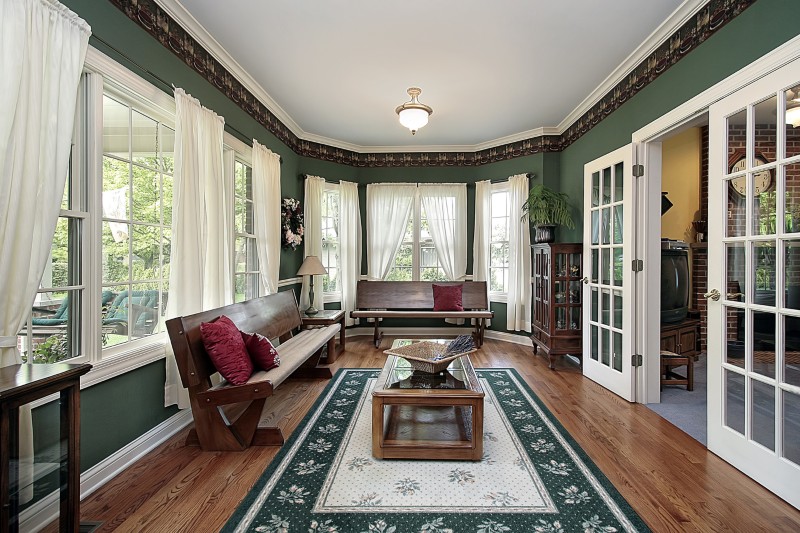
Во многих новостройках отделка стандартизирована и минимальна, чтобы снизить затраты. Комнаты могут выглядеть «хорошо», но им часто не хватает той завершенной, каркасной отделки, которая естественным образом присуща старым домам.
Они обеспечивают приватность, не создавая ощущения разобщенности.
Старые дома, как правило, имеют более четко определенные комнаты. Это значительно упрощает повседневную жизнь, в отличие от того, как многие считают. Шум остается внутри. Беспорядок остается внутри. Можно одновременно заниматься несколькими делами, не привлекая к этому всех домочадцев.
Новые открытые планировки могут создавать ощущение света и располагать к общению, но в то же время затрудняют возможность избежать шума, беспорядка или суеты.
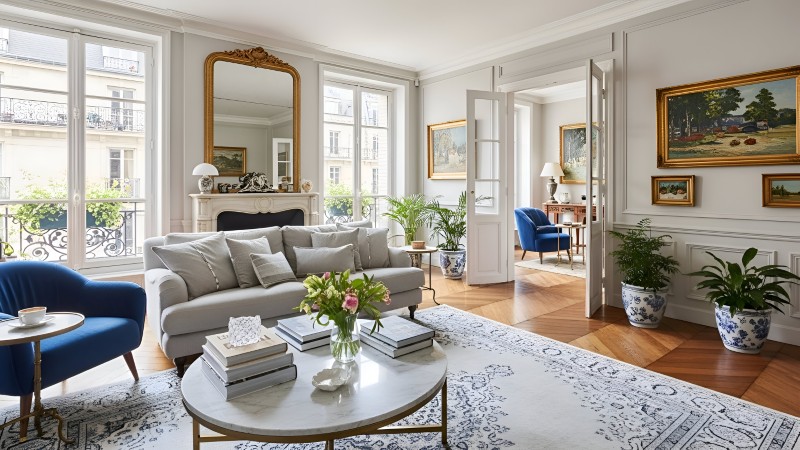
У них возникает настоящее ощущение прибытия к порогу.
В старых домах, как правило, к входам относятся с уважением. Входная дверь часто ведет в четко обозначенный вход, прихожую или холл, что создает изоляцию от внешнего мира.
Во многих новостройках этот момент пропускается, и дом сразу выходит в большое открытое пространство. Это может быть и эффективно, но при этом теряется тот психологический эффект «я дома», который так хорошо удается старым домам.
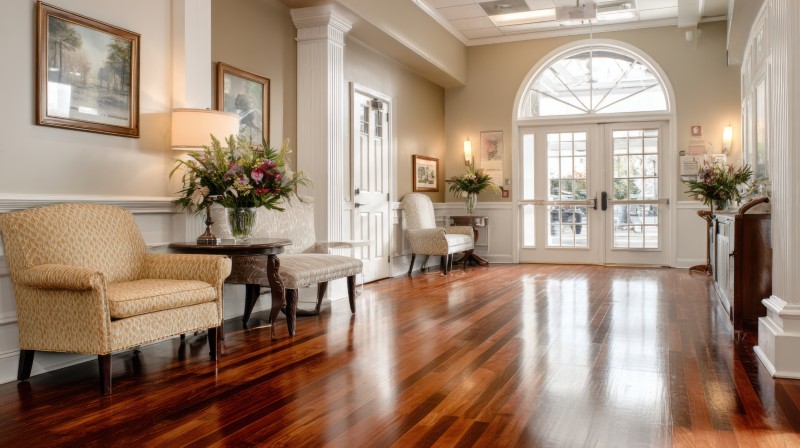
Они создают ощущение важности окон.
Старые дома часто имеют прекрасно расположенные окна Они целенаправленно обрамляют свет и виды. Вы видите глубину в отделке, вес в обрамлении и ощущение, что окно было спроектировано как часть комнаты.
В новых зданиях часто устанавливают большие окна, но их оформление может выглядеть более плоским — менее обрамленным, менее архитектурным, более взаимозаменяемым.
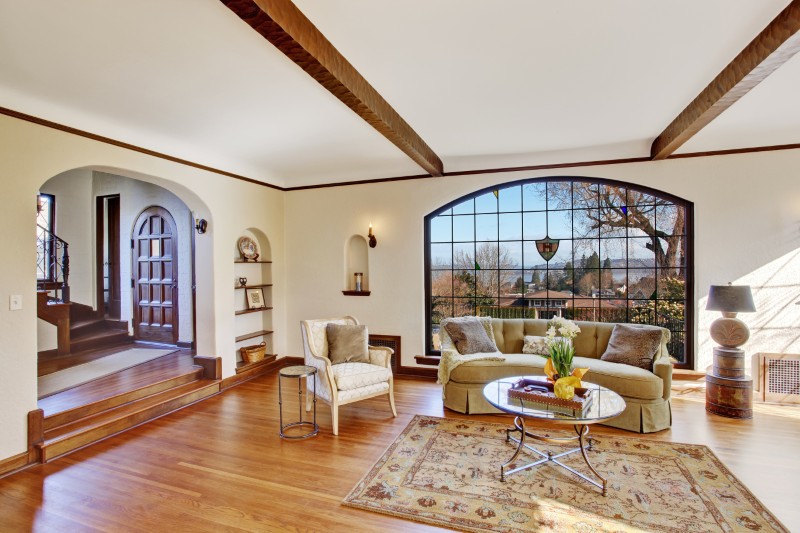
Они создают очарование с помощью небольших, конкретных моментов.
Старые дома полны деталей. которые создают ощущение личного пространства: арочные дверные проемы, встроенные ниши, ниши для телефонов, превращенные в полки для демонстрации предметов, крошечные окна в коридоре, подоконники-сиденья.
В новостройках иногда пытаются искусственно создать это очарование, но оно может выглядеть постановочным. В старых домах эти детали кажутся естественными, потому что они и есть естественные.
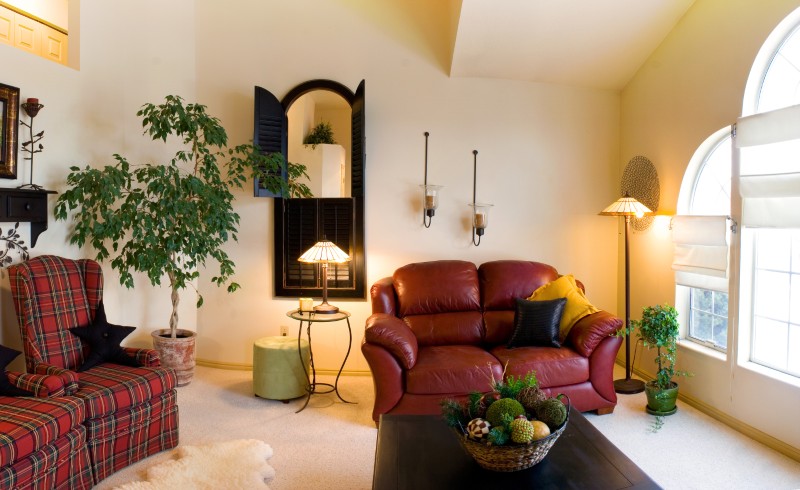
Они лучше умеют создавать уютные комнаты.
В старых домах, как правило, приоритет отдается теплу и замкнутости пространства. Низкие потолки, толстые стены и четко очерченные зоны создают ощущение комфорта, которое трудно воспроизвести в огромных открытых помещениях.
В новостройках может казаться просторно и светло, но в то же время они могут создавать ощущение незащищенности — особенно зимой или ночью, когда открытость пространства становится менее привлекательной.
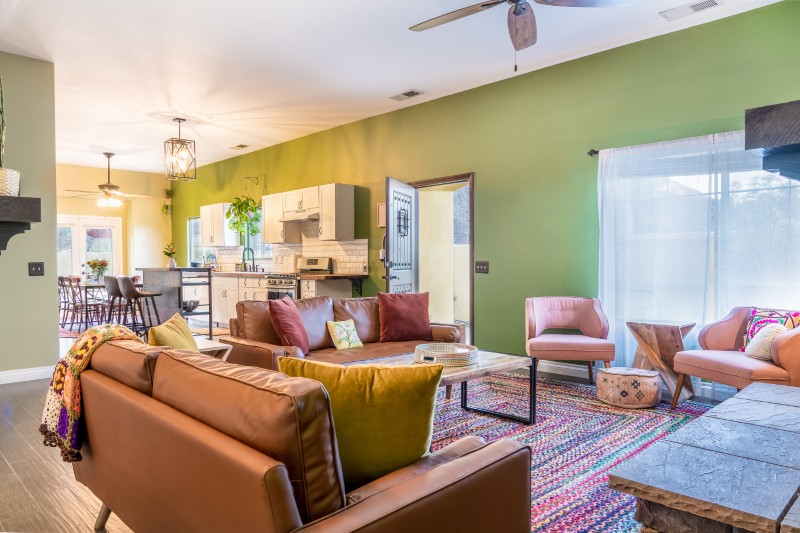
Они часто включают в себя встроенные функции, которые действительно имеют смысл.
Встроенные книжные полки, диваны, серванты и скамейки у окна в старых домах не были «роскошными излишествами» — это был функциональный элемент дизайна. Они создавали ощущение уюта в комнате и уменьшали потребность в дополнительной мебели.
В новостройках могут быть встроенные элементы, но зачастую они минимальны или носят чисто декоративный характер, а не являются неотъемлемой частью функционального назначения дома.
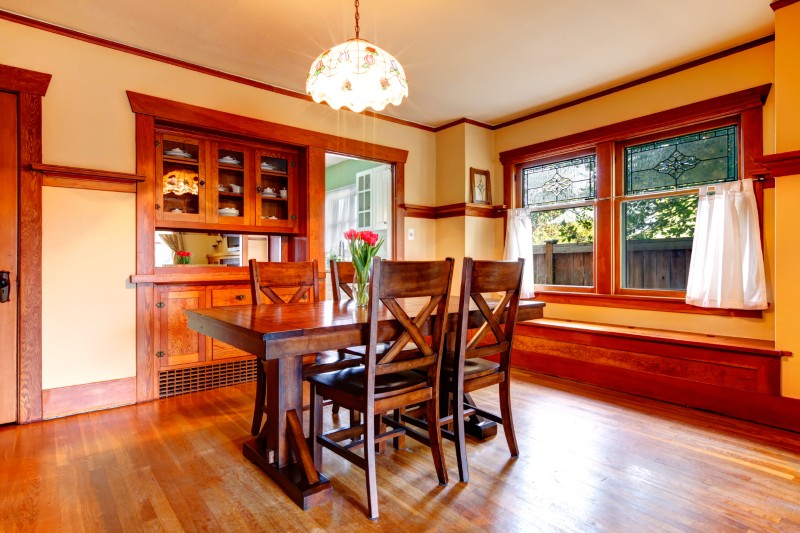
Они позволяют помещениям обрести ярко выраженную индивидуальность.
В старых домах комнаты остаются сами собой. Столовые выглядят как столовые. Библиотеки ощущаются как библиотеки. Гостиные обладают своей атмосферой. Дом не стремится к тому, чтобы каждое пространство идеально соответствовало друг другу.
В новостройках часто стремятся к визуальной целостности, что может быть красиво, но иногда приводит к тому, что все помещения кажутся слишком похожими друг на друга.
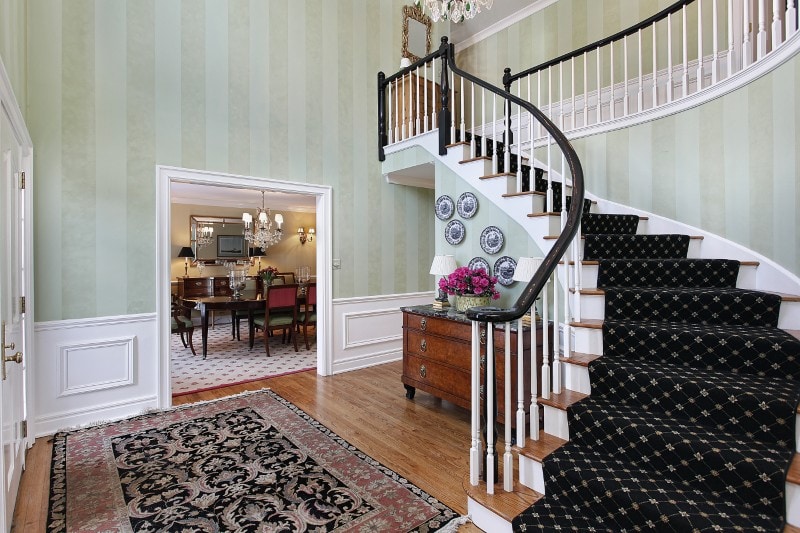
Как правило, они демонстрируют более высокое мастерство в «невидимых» местах.
В старых домах часто использовались более массивные каркасные конструкции, прочные черновые полы, толстые оштукатуренные стены и надежные методы строительства, не оптимизированные для скорости.
Новостройки могут быть высокого качества, но многие из них спроектированы для эффективного производства, что может отражаться на качестве полов, дверей и общей прочности конструкции.
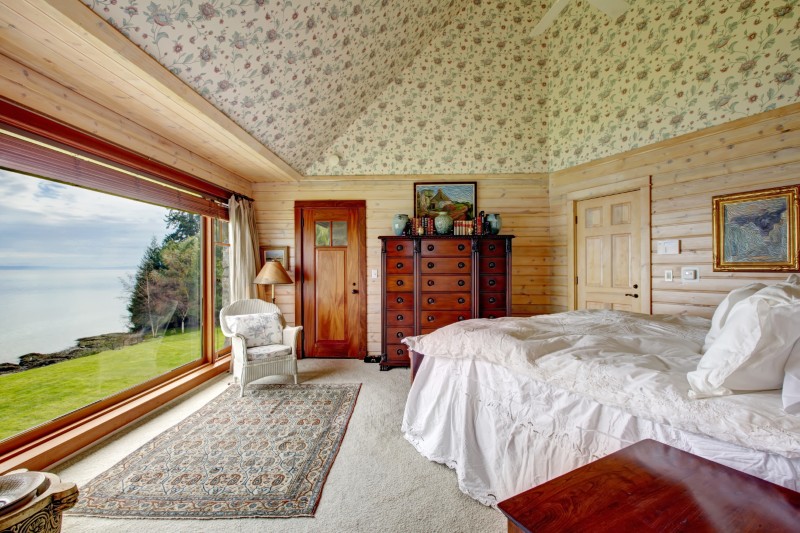
Они достойно справляются со старением.
Старые дома часто выглядят лучше. Со временем их материалы приобретают мягкость и глубину. Небольшие дефекты воспринимаются скорее как особенность, чем как повреждение.
Многие новостройки проектируются так, чтобы на первый взгляд выглядеть идеально. Но когда они начинают изнашиваться, они не всегда становятся привлекательными — они просто выглядят поношенными.
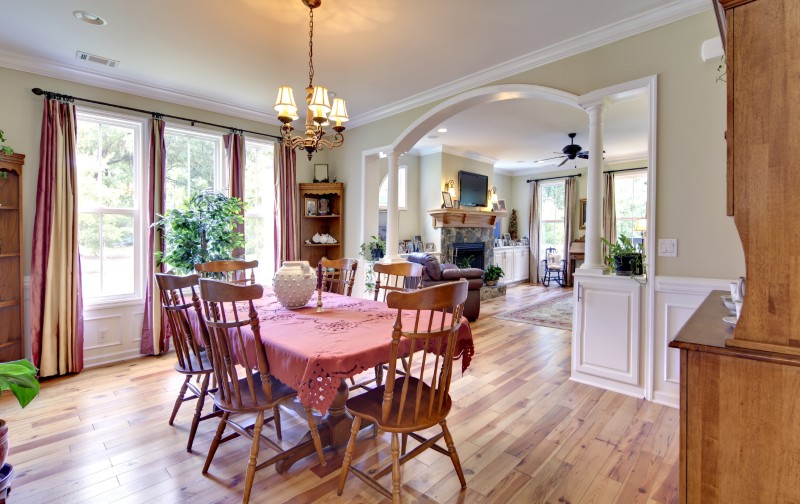
В их дизайне заложено больше индивидуальности.
В старых планировках часто встречаются неожиданные повороты: небольшая лестница, укромная площадка, узкий коридор, слегка причудливая комната, назначение которой никто точно не помнит.
В новостройках, как правило, приоритет отдается предсказуемости и эффективности, что облегчает их продажу, но иногда делает проживание в них менее интересным.

Они чувствуют связь со своими районами.
Старые дома часто отражают характер местности, где они были построеныНаблюдается преемственность в планировке улиц, отступах, формах участков и архитектурных стилях.
Новостройки могут казаться оторванными от окружающей среды — особенно если они расположены в новых жилых комплексах или рассчитаны на широкий рынок.
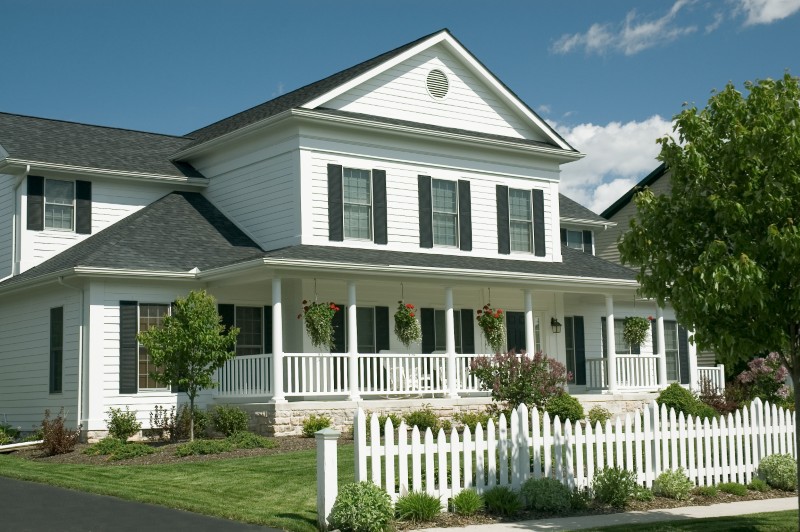
Они несут в себе ощущение истории, которое трудно воспроизвести.
Это настоящий дом, и именно поэтому люди прощают скрипучие лестницы и непослушные окна. В старых домах чувствуется какая-то история. Они хранят воспоминания о прошлых жизнях, прошлых ужинах, прошлых праздниках, прошлых привычках. Даже отремонтированные старые дома часто сохраняют это ощущение.
Новостройки могут быть великолепными, но их строительство начинается с нуля. В старых домах эмоциональная притягательность уже заложена изначально.
Больше историй
Классические элементы роскошного дизайна, возвращение которых мы бы с удовольствием увидели.
Что означало понятие «современный дом» в каждом десятилетии, начиная с 1950-х годов.
10 особенностей интерьера, определивших 1990-е годы (и куда они делись)
Пост 15 преимуществ старых домов перед новостройками впервые появился на Дома с модными брюками.

 English