


Walk into a well-kept older home and there’s often an immediate shift in how the space feels.
The air seems softer. The rooms feel settled. Nothing looks overly perfect, but everything somehow feels right.
New construction tends to prioritize efficiency, scale, and speed. Older homes were often built differently. Materials were thicker, details were crafted by hand, and rooms were designed around daily life rather than open concepts and resale checklists.
That doesn’t mean older homes are better in every way. But they do carry certain qualities that create a kind of warmth that’s hard to reproduce today.
Here are some of the subtle things that make older homes feel so inviting.
#1 Walls that feel solid instead of hollow
Many older homes were built with plaster over wood lath rather than modern drywall.
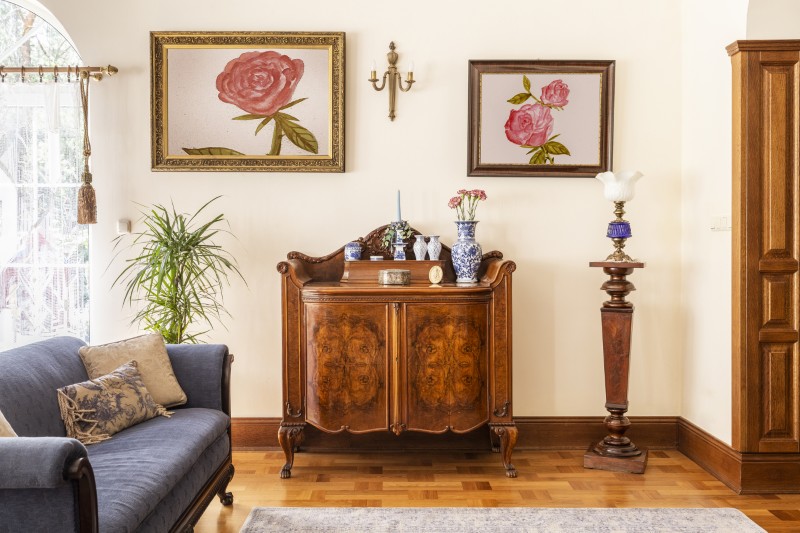
The result is thicker, denser walls that absorb sound differently and feel more substantial when touched. They also develop a slight softness over time, small imperfections that catch light in subtle ways.
Instead of looking perfectly flat, the walls have quiet character.
It’s one of the first things people notice without realizing why.
#2 Wood floors that have aged instead of just been installed
New wood floors often look pristine, but they can also feel a little sterile.
Older floors have something different: patina. Years of use soften the finish, deepen the color, and create gentle variations across the boards.
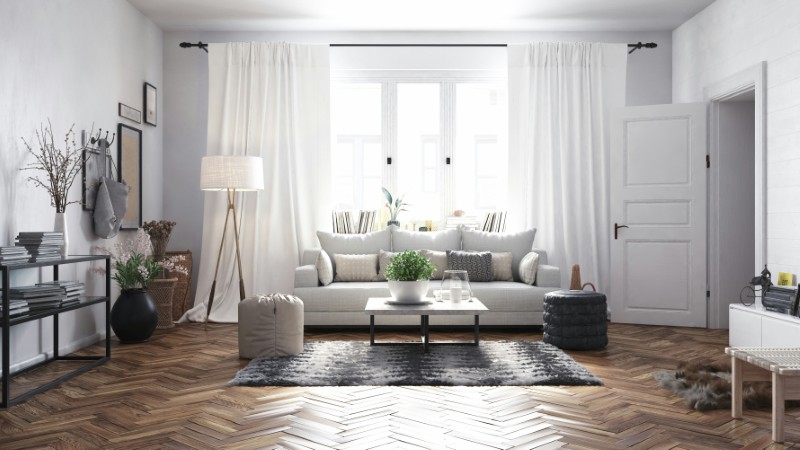
These marks tell the story of the house.
Instead of feeling worn out, the floor feels lived in.
#3 Windows that frame light more softly
Many historic homes use smaller panes of glass divided by muntins.
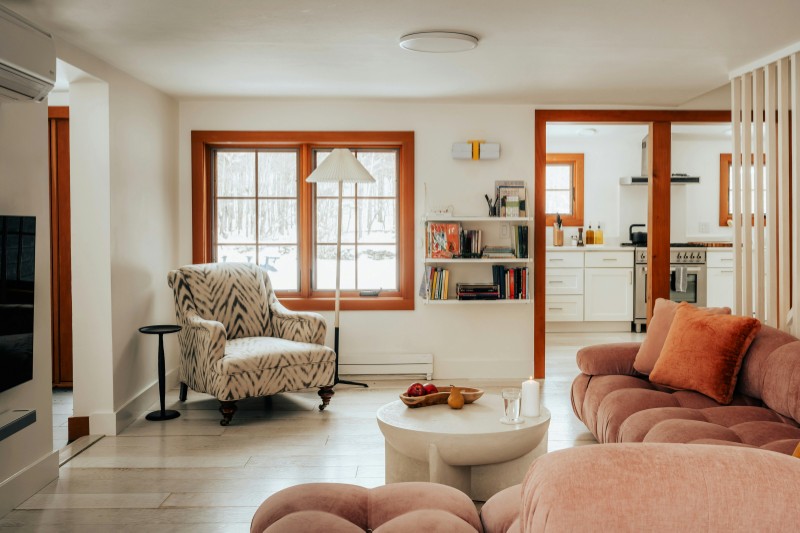
Эти panes scatter sunlight slightly, creating a gentler glow inside the room. The light feels warmer and more textured than the large uninterrupted sheets of glass often used today.
Even on bright days, the room rarely feels harsh.
#4 Fireplaces that anchor the center of the house
In many older homes, the fireplace wasn’t just decorative — it was the heart of the house.
Even today, those original mantels remain focal points. The scale, materials, and craftsmanship often give the room a natural center.
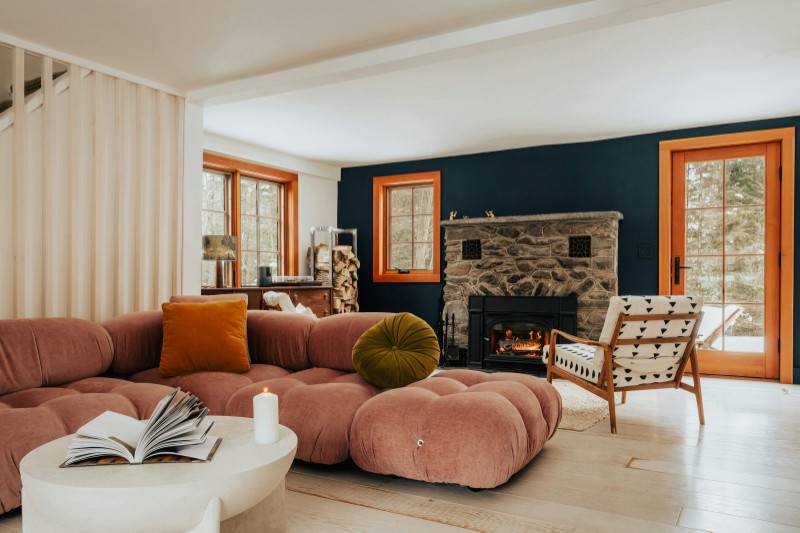
People instinctively gather around it.
It brings warmth in more ways than one.
#5 Rooms that feel cozy rather than oversized
Older homes tend to have rooms with clearer boundaries and more human scale.
Living rooms were designed for conversation. Dining rooms were defined spaces. Bedrooms felt tucked away and private.
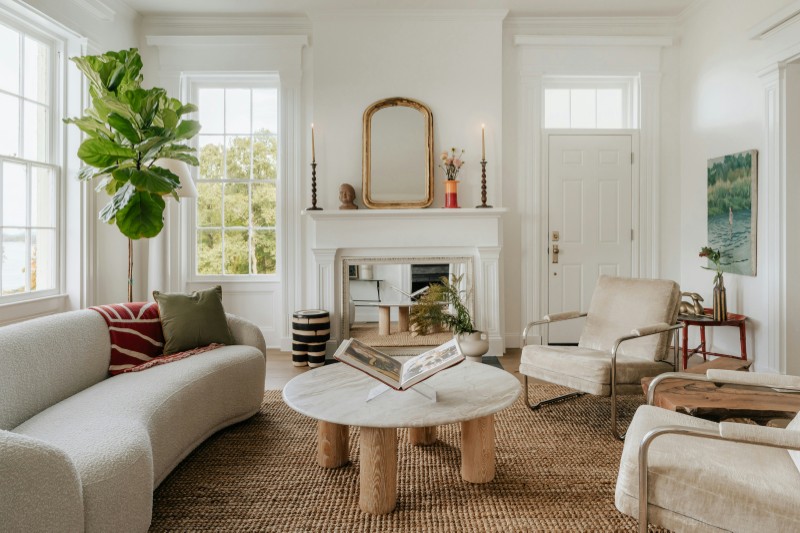
Instead of one giant open area, the home unfolds room by room.
That separation often creates a stronger sense of comfort.
#6 Trim and millwork that add depth to every room
Older homes often feature more complex design elements, including detailed trim, crown molding, baseboards, window casings, and paneled doors.
These elements create shadows and depth across the walls.
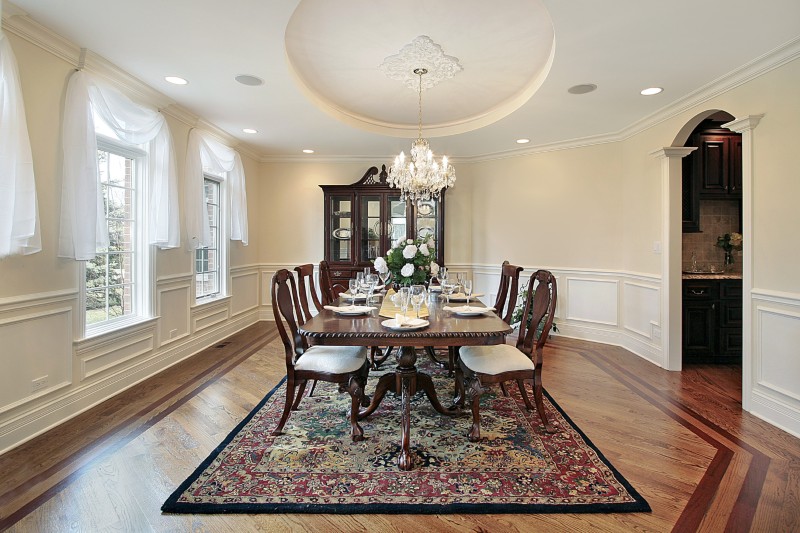
Even when painted white, the layers of millwork add texture that plain drywall can’t replicate.
#7 Staircases built with craftsmanship
In many historic homes, the staircase feels like a piece of furniture.
Hand-carved balusters, solid newel posts, and worn wooden handrails reflect years of use.

The slight creak of an older stair can even feel comforting — a small reminder of the house’s age and character.
#8 Built-ins that feels permanent
Older homes frequently include built-ins that were designed alongside the architecture.
Window seats, bookcases, and dining room cabinets often fit the room perfectly.
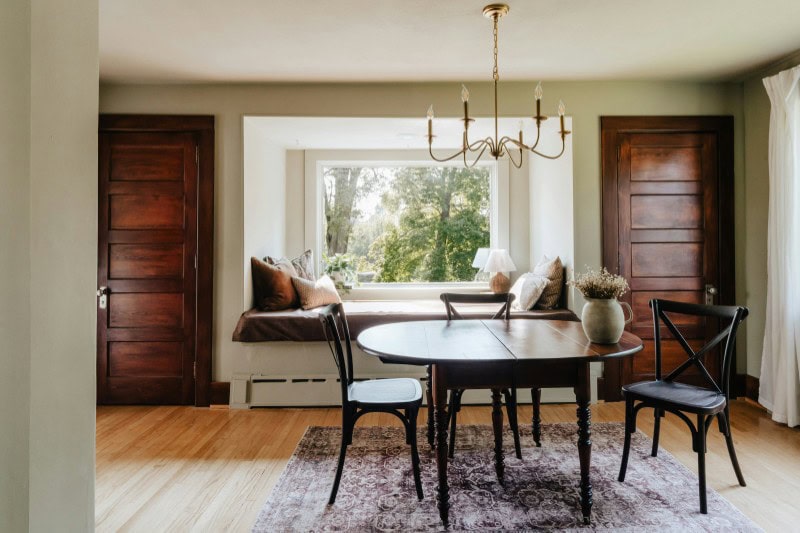
Because they’re integrated into the walls, they feel like part of the house rather than something added later.
#9 Materials that age gracefully instead of staying static
Many older homes rely on natural materials like wood, brass, and stone.
These materials change subtly over time. Brass darkens. Wood deepens in color. Stone develops texture.
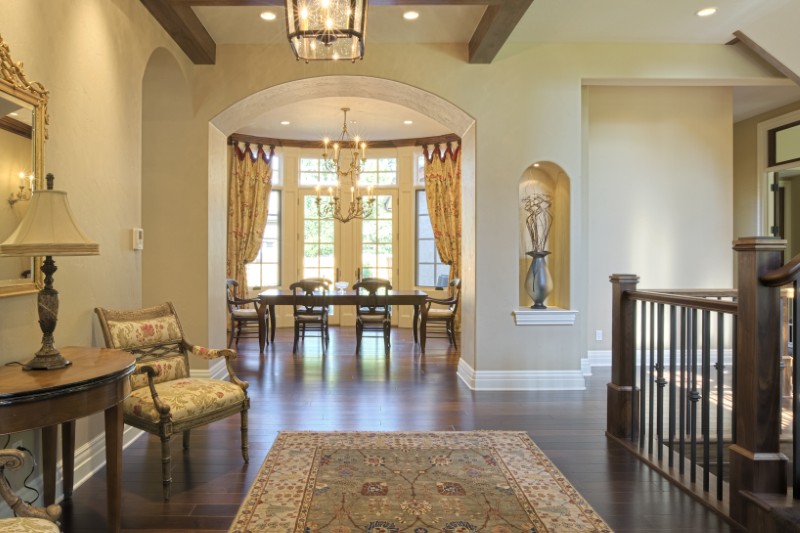
Instead of wearing out, they often become more interesting with age.
#10 Ceilings that vary from room to room
Rather than keeping the same height throughout the entire house, older homes often vary ceiling heights depending on the room’s purpose.
Formal spaces might feel slightly taller. Bedrooms may feel lower and more intimate.
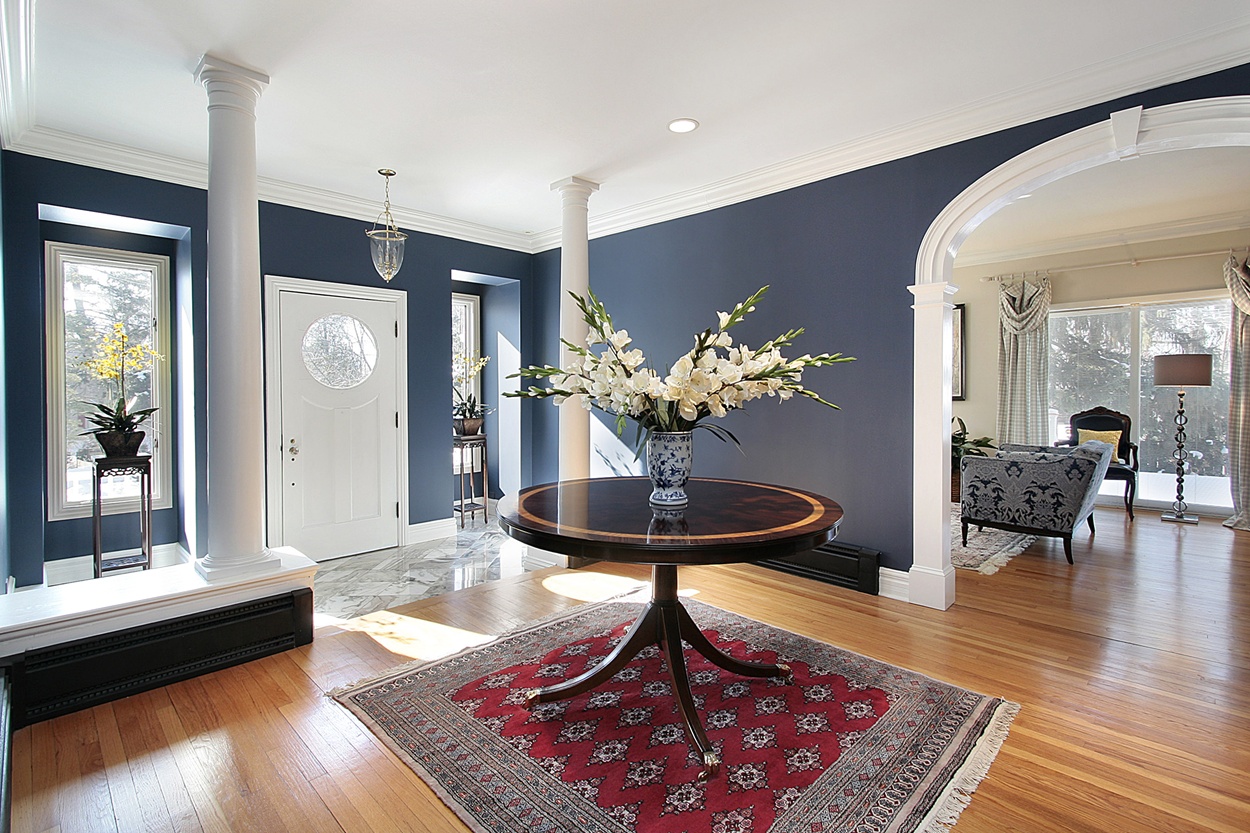
These subtle shifts create variety and rhythm as you move through the house.
#11 Doors that close with a satisfying weight
Старые дома frequently use solid wood doors rather than hollow-core ones.
They feel heavier, block sound more effectively, and close with a quiet sense of solidity.
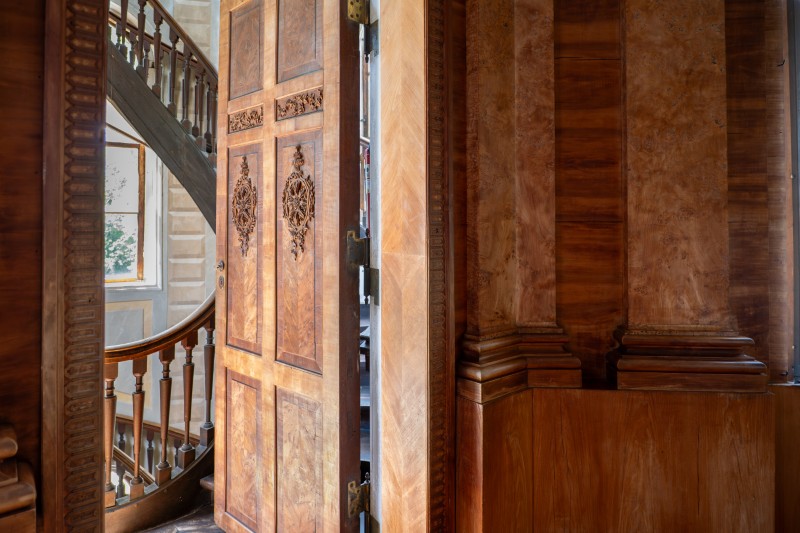
It’s a small detail that contributes to the overall feeling of permanence.
#12 Small architectural surprises around the house
Older homes often include unexpected and character-rich details like curved archways, a small alcove, or a built-in niche.
These elements break up the geometry of the house and give rooms personality.
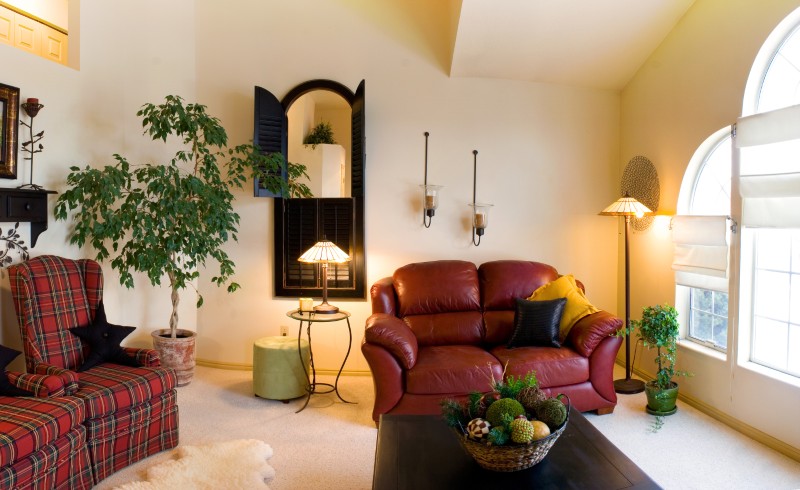
They make the home feel unique rather than standardized.
#13 Light that shifts beautifully throughout the day
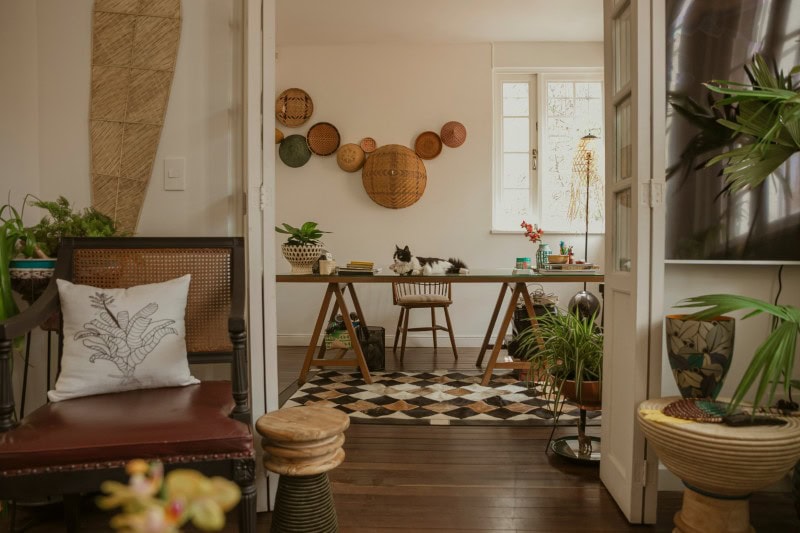
Because older homes were designed before large mechanical lighting systems were common, windows were often carefully placed to capture natural light.
Morning light might fill one room, while afternoon light warms another.
/ Unsplash+
This shifting light creates different moods throughout the house during the day.
#14 Slight imperfections that make the house feel human
Older homes rarely feel perfectly uniform.
Floors may slope slightly. Walls may show subtle texture. Woodwork might carry small marks from decades of use.
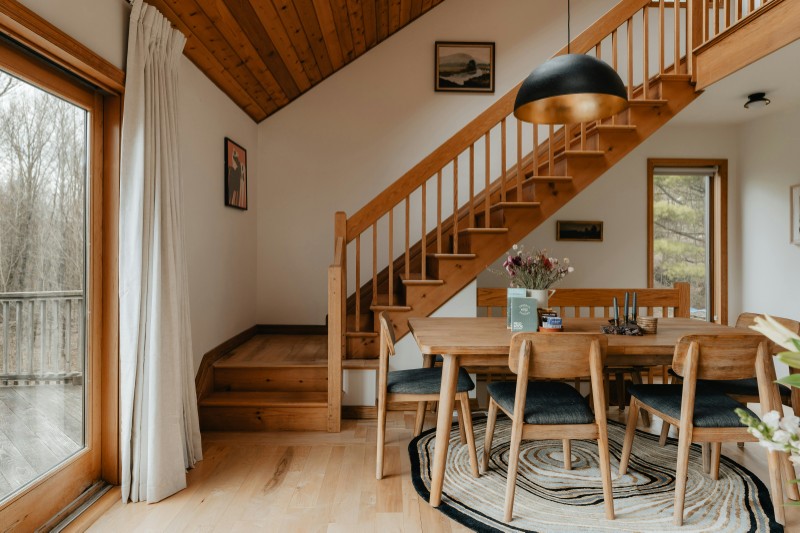
Rather than feeling flawed, these details often make the home feel authentic and welcoming.
#15 A sense that the house has already lived a life
Perhaps the most important difference is intangible.
Older homes feel like they’ve been shaped by time, by families, celebrations, and quiet daily routines. That history can create a sense of warmth that brand-new construction simply hasn’t had time to develop yet.
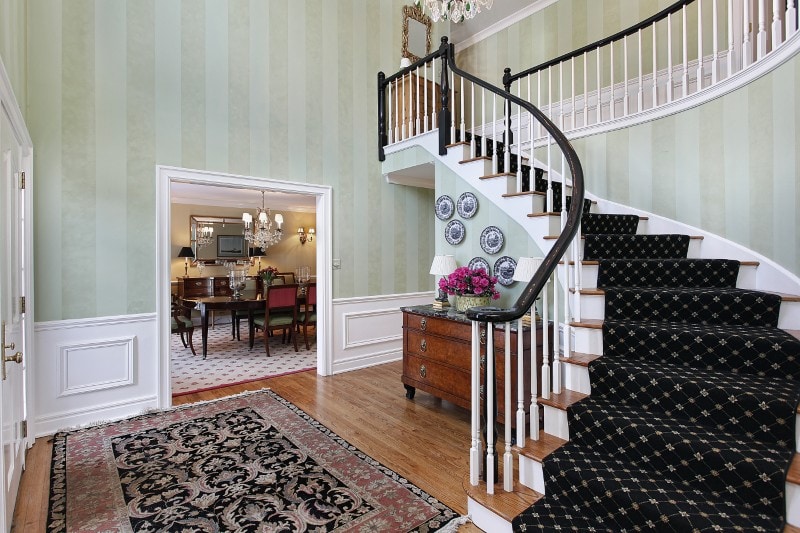
And for many people, that feeling is exactly what makes older homes so appealing.
Больше историй
Что означало понятие «современный дом» в каждом десятилетии, начиная с 1950-х годов.
15 преимуществ старых домов перед новостройками
Вековые дома Лос-Анджелеса, которые затмевают любую новую постройку
Пост 15 ways older homes feel much warmer than new builds впервые появился на Дома с модными брюками.

 English