


Luxury isn’t always about price. In fact, some of the most expensive-looking homes rely on surprisingly simple tricks — the kind that designers use all the time but rarely talk about openly.
What makes a space look elevated usually comes down to proportion, materials, and restraint. A room with the right lighting, the right hardware, and a few thoughtful details can feel far more polished than one filled with costly furniture but little cohesion.
In other words, it’s not always what you buy. It’s how the room is put together.
Here are 17 upgrades that instantly make a home look more expensive, even when the budget stays surprisingly reasonable.
Floor-to-ceiling curtains that make windows look grander
One of the easiest ways to elevate a room is simply raising the curtain rod.
Many homes install curtains directly above the window frame. Designers almost always mount the rod closer to the ceiling instead, letting fabric fall all the way to the floor.
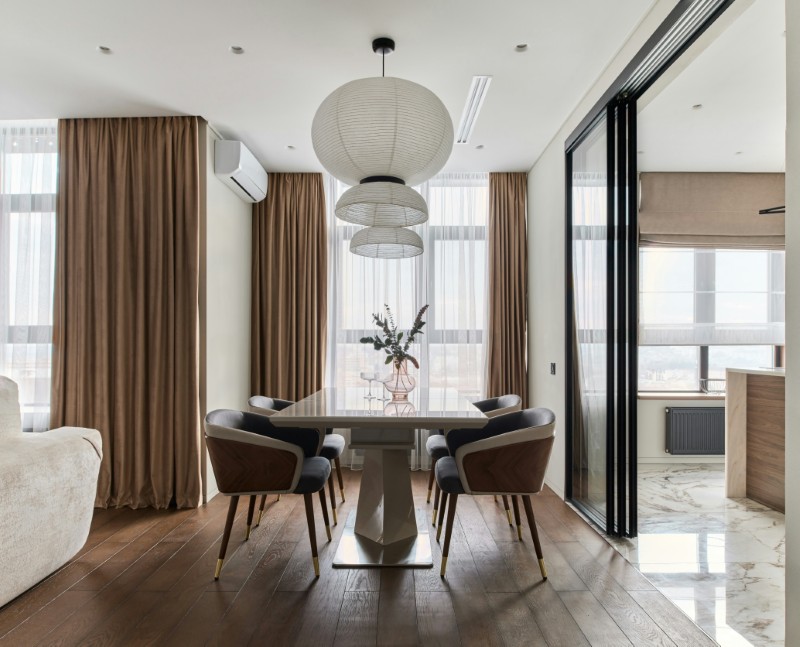
The window instantly feels larger. The ceiling appears taller. And the room takes on a more architectural presence.
The curtains themselves don’t need to be expensive, but the scale makes the space feel dramatically more polished.
Large area rugs that anchor the entire seating area
Small rugs are one of the fastest ways to make a room feel unfinished.
When a rug only sits under the coffee table, the furniture floats awkwardly around it.
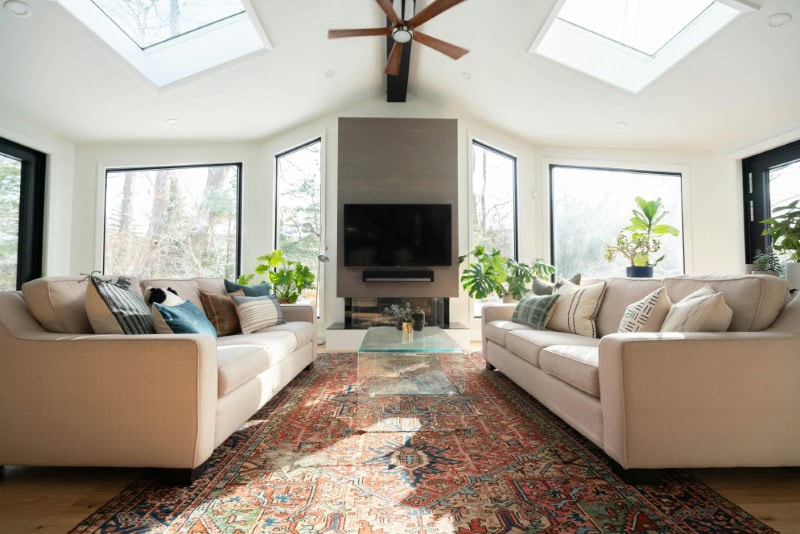
Designers almost always size rugs generously so the front legs of sofas and chairs sit comfortably on the surface. Sometimes the entire seating arrangement rests on the rug.
The room suddenly feels cohesive — as if everything belongs together.
Layered lighting instead of one bright overhead fixture
Many homes rely on a single ceiling light to illuminate a room.
Expensive interiors almost never do.
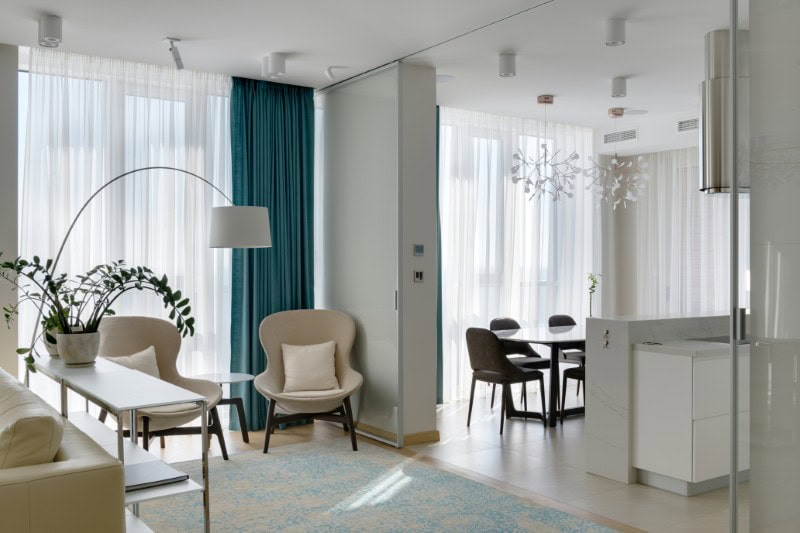
Вместо, they layer multiple light sources: floor lamps, table lamps, wall sconces, and sometimes subtle accent lighting. Each adds depth and softness.
The room begins to glow rather than simply being lit.
It’s one of the most powerful upgrades a space can get.
Cabinet hardware with real weight
Lightweight hardware tends to feel inexpensive the moment it’s touched.
Heavier knobs and pulls — often made from brass, steel, or solid metal — instantly elevate cabinetry.
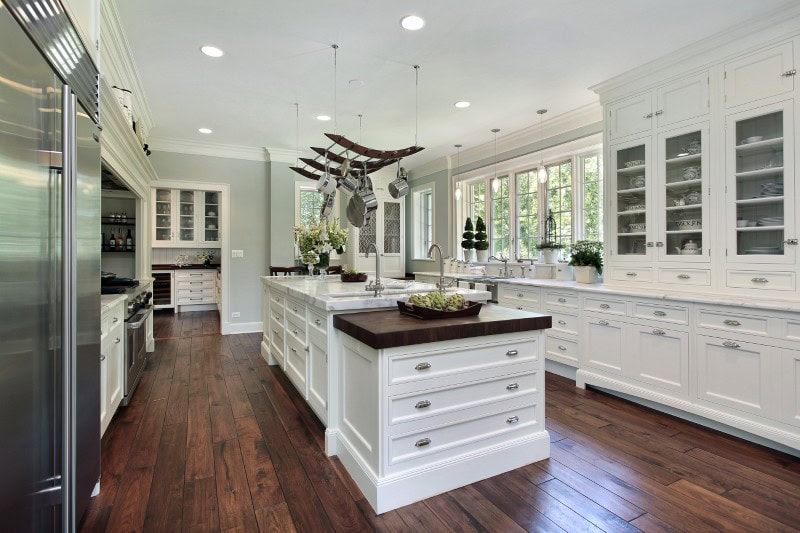
Even simple shaker cabinets can feel dramatically more refined when paired with substantial hardware.
It’s a small upgrade that gets noticed every single day.
A large mirror that reflects natural light
Mirrors have been a designer favorite for centuries for one simple reason: they amplify light.
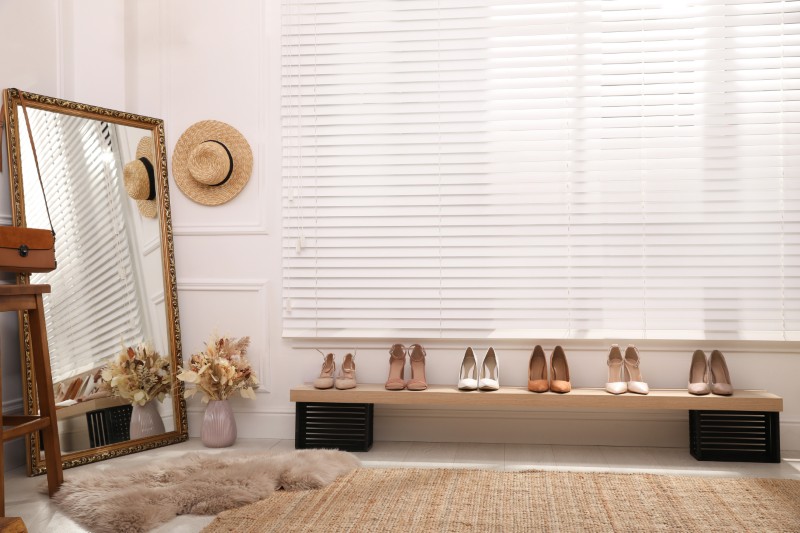
Placing a large mirror opposite or adjacent to a window allows natural light to bounce deeper into the room.
The space immediately feels brighter and larger. And the mirror itself becomes a decorative focal point.
Matching hangers inside the closet
Open a well-organized closet in a high-end home and you’ll notice something subtle: uniform hangers.
Wood or velvet hangers instantly create visual order.
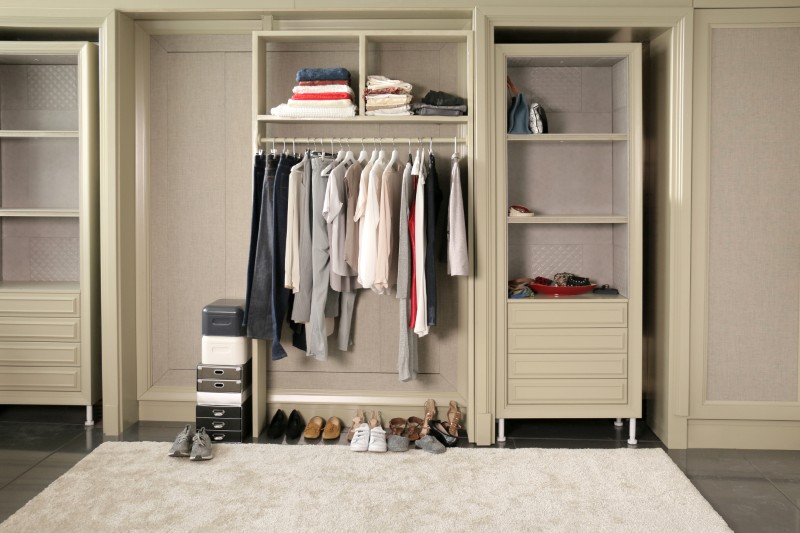
Even inexpensive clothing begins to look more curated when everything hangs neatly in the same style.
The closet feels closer to a boutique than a storage space.
Tall interior doors that change the proportions of a room
Standard doors tend to stop at about 6 feet 8 inches.
When doors stretch to 8 feet or more, rooms instantly feel more sophisticated.
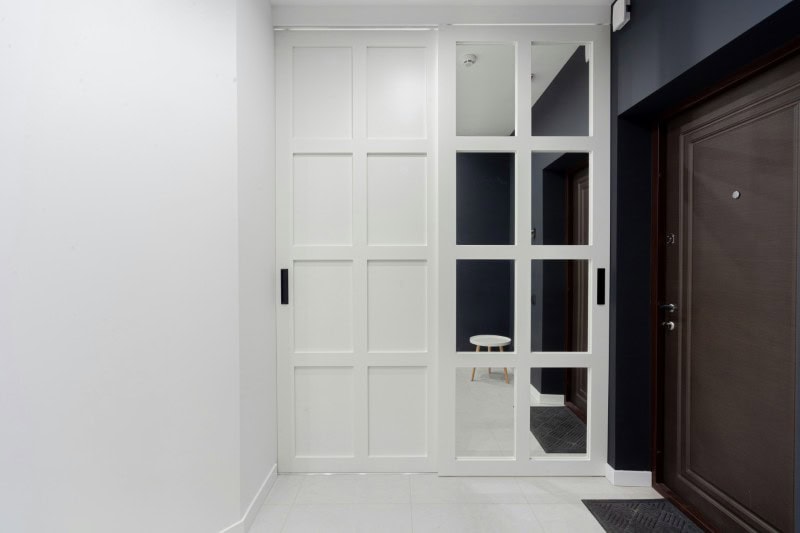
The vertical lines draw the eye upward, making ceilings appear higher and spaces feel grander.
It’s a detail that quietly transforms the architecture.
Trim and molding that adds depth
Flat drywall can sometimes make rooms feel unfinished.
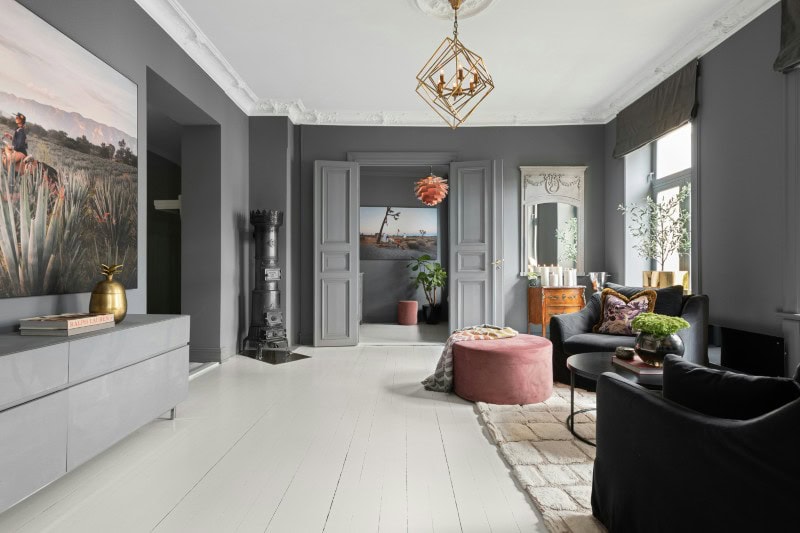
Adding even simple molding — picture frame trim, panel molding, or taller baseboards — introduces shadow and dimension.
The walls begin to feel intentional rather than purely functional.
It’s one of the most classic ways to elevate a room.
Neutral paint colors that interact well with light
Paint can either fight light or work with it.
Expensive interiors often rely on carefully chosen neutrals that shift slightly throughout the day depending on sunlight.
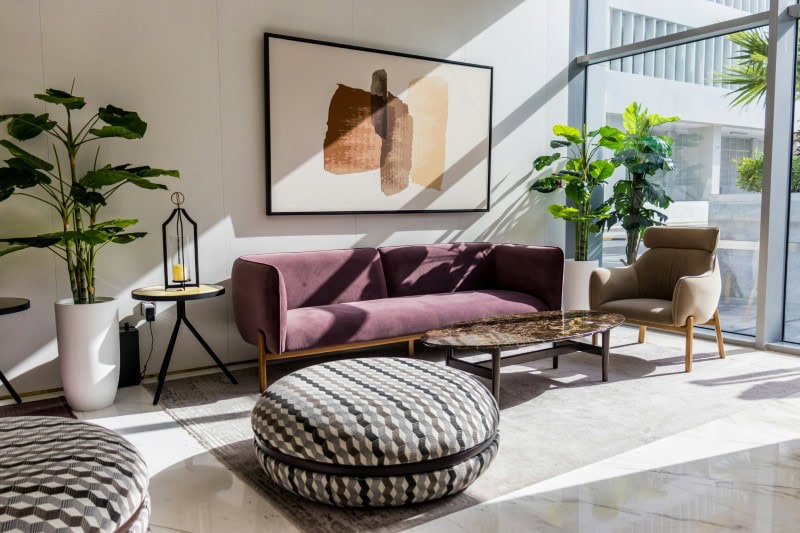
Instead of looking flat, the walls gain subtle depth.
This creates a calm backdrop that allows furniture and materials to shine.
Upholstery that looks tailored rather than overstuffed
Furniture that appears too bulky can make a room feel heavy.
Tailored upholstery — clean lines, structured cushions, and balanced proportions — tends to feel more refined.
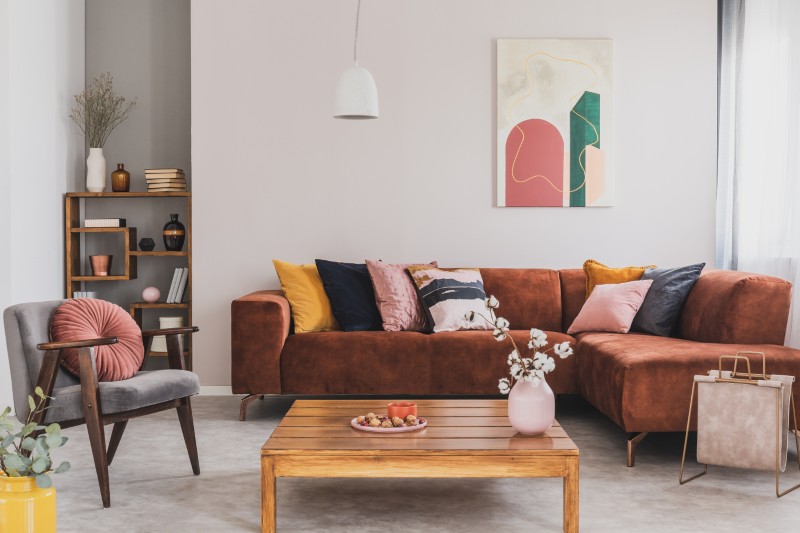
Even mid-range sofas can look high-end when their shape is well considered.
Large-scale artwork instead of many small pieces
Many homes default to small art pieces scattered across walls.
Designers often choose the opposite approach. One larger piece instantly anchors the room and simplifies the visual field.
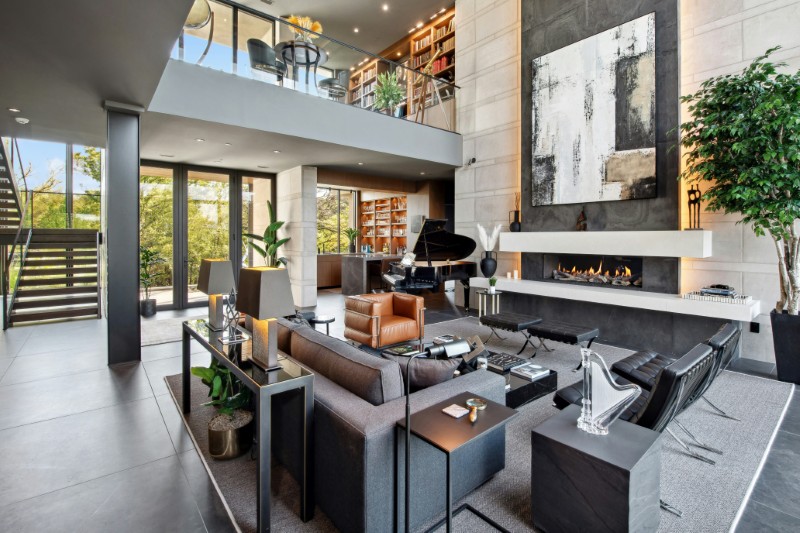
The space feels calmer and more intentional.
Fresh greenery that adds life to the room
Plants introduce movement, color, and natural texture.
A single large plant in a good-looking pot can transform an empty corner.
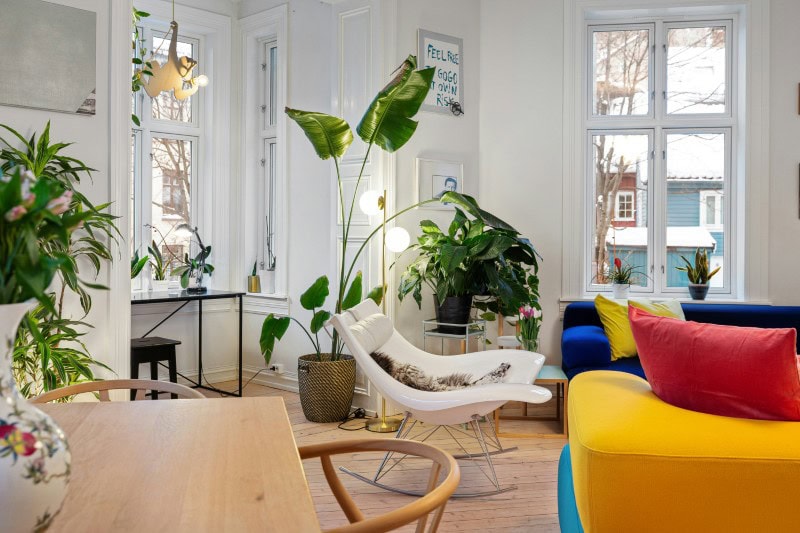
It makes the room feel alive.
And it signals that the space is cared for.
Fewer decorative objects, but better chosen
Ironically, expensive homes rarely fill every surface.
Instead, they rely on a smaller number of objects with breathing room around them.
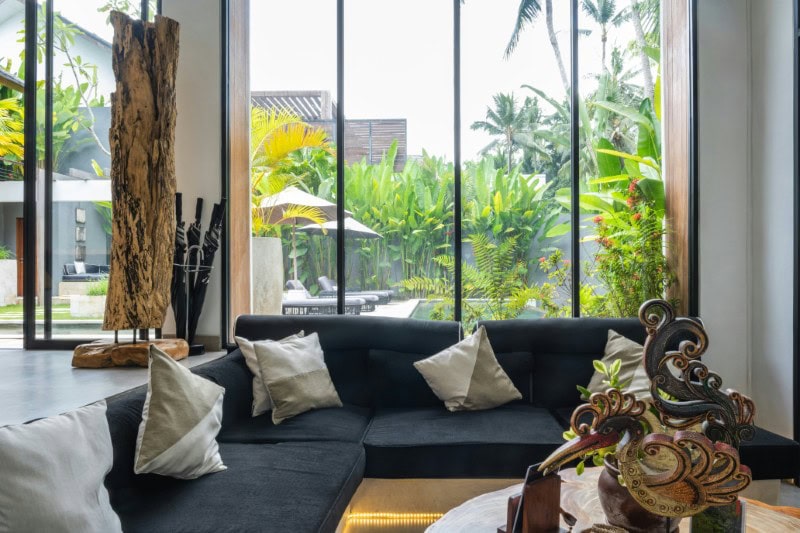
This restraint allows each piece to stand out.
The room feels curated instead of cluttered.
Coordinated finishes throughout the room
Expensive interiors usually avoid mixing too many metals or finishes.
Instead, they repeat a small number of materials consistently — perhaps brass hardware, black lighting fixtures, and warm wood tones.
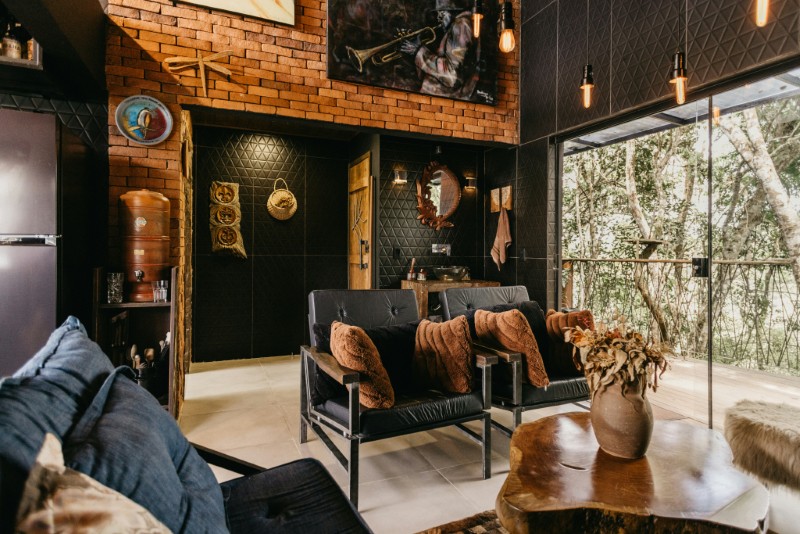
The repetition creates cohesion.
The room feels composed.
A statement light fixture that draws the eye upward
A bold light fixture acts like jewelry for the room.
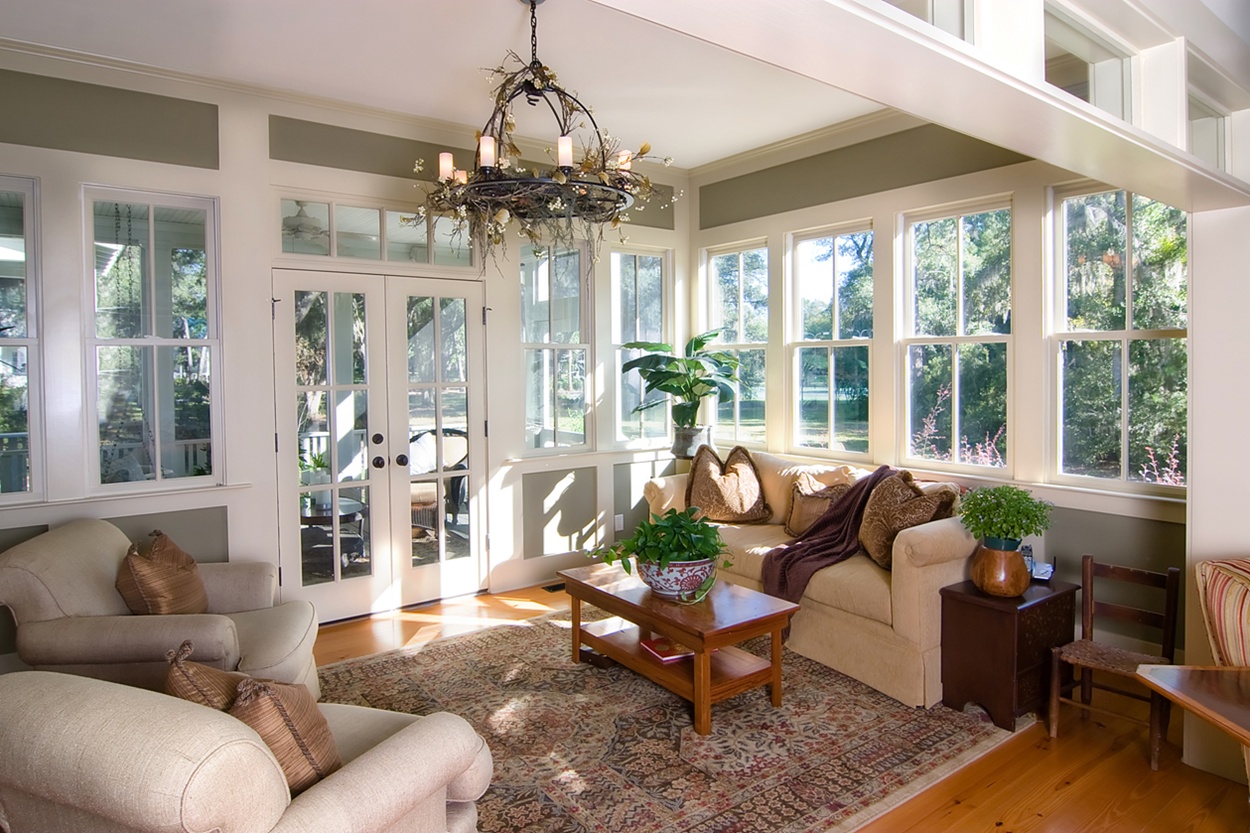
Even if the rest of the space is simple, a well-chosen pendant or chandelier creates visual interest overhead.
The room feels designed rather than assembled.
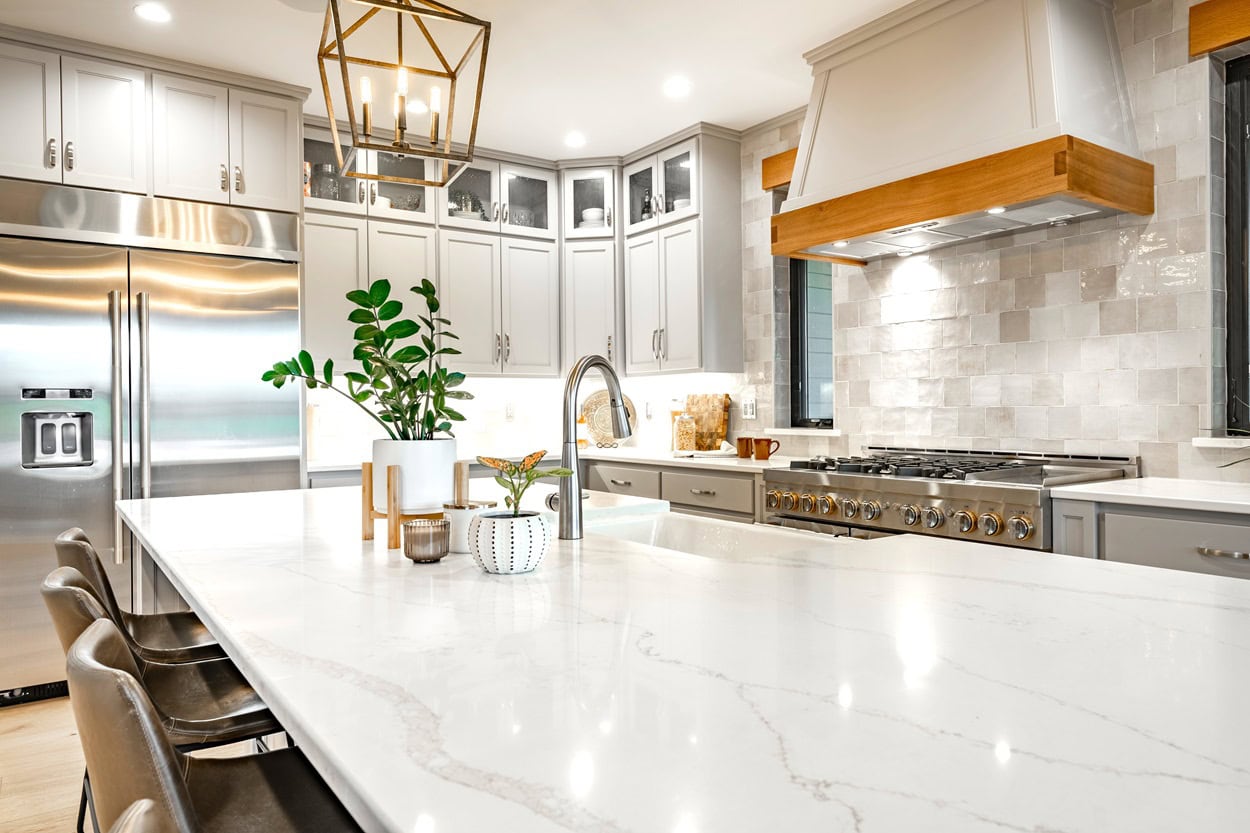
Clean, uncluttered countertops
Kitchens that look expensive often share one thing: clear counters.
Small appliances are tucked away. Only a few attractive objects remain.
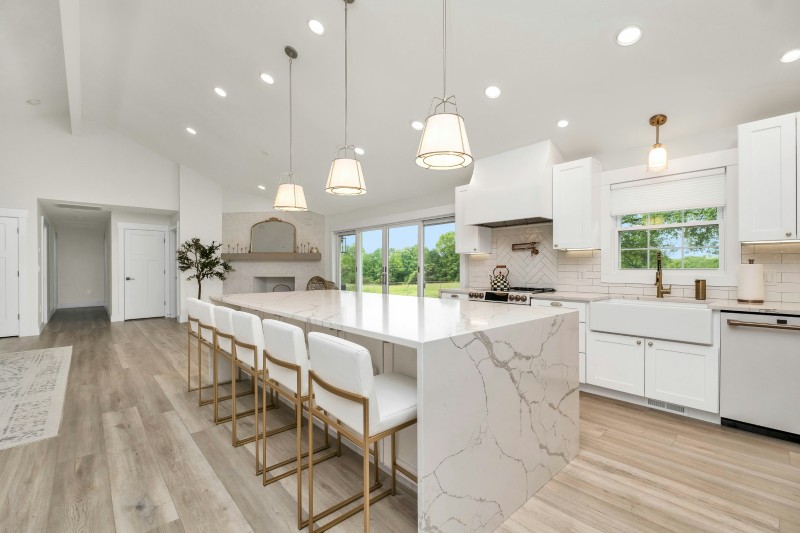
The result feels calmer and more refined.
A home that feels edited instead of filled
Ultimately, expensive-looking homes tend to follow one simple rule.
They remove more than they add.
By allowing space, light, and proportion to lead the design, the home feels effortless.
And that effortless feeling is often what luxury really looks like.
Больше историй
19 вещей, которые, по мнению дизайнеров, домовладельцы должны перестать делать.
25 Bold design moves that won’t cost a fortune to undo (if you change your mind)
18 вещей, которые дизайнеры в первую очередь изменили бы в типовом доме от застройщика.
Пост 17 things that look expensive in a home (even when they aren’t) впервые появился на Дома с модными брюками.

 English