


Дизайнеры интерьеров видят дома иначе, чем все остальные. Они не просто оценивают, «красиво» ли выглядит пространство, — они обращают внимание на пропорции, свет, планировку и на те неочевидные решения, которые говорят им о том, как на самом деле был спроектирован дом.
И самое забавное, что дизайнеры мгновенно замечают не самые дорогие вещи. Они не всегда ищут самый дорогой диван или самую модную плитку. Они обращают внимание на то, кажется ли дом гармоничным. Продуманным ли он. Не борется ли он сам с собой.
Одни детали свидетельствуют о хорошем вкусе. Другие указывают на стремление сэкономить. А третьи раскрывают домовладельца, который инстинктивно понимает разницу между «декорированием» и «дизайном».
Вот 18 деталей, которые дизайнеры интерьеров всегда замечают мгновенно (иногда еще до того, как сделают два шага внутрь).
#1 Цветовая температура освещения (и соответствует ли она)
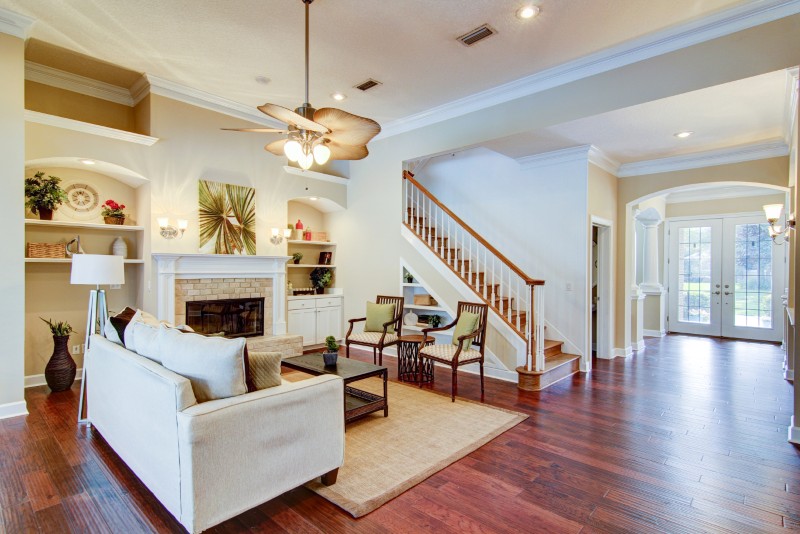
Дизайнеры сразу обращают внимание на освещение, особенно когда лампочки в разных комнатах не совпадают. Дом может быть красивым на бумаге, но при этом казаться «неправильным», если одна лампа светит ледяным белым светом, потолочные светильники — желтым, а кухня светится синим.
Хорошее освещение Текст выглядит продуманным и спокойным. Плохое освещение делает даже дорогую отделку резкой.
#2 Масштаб ковра
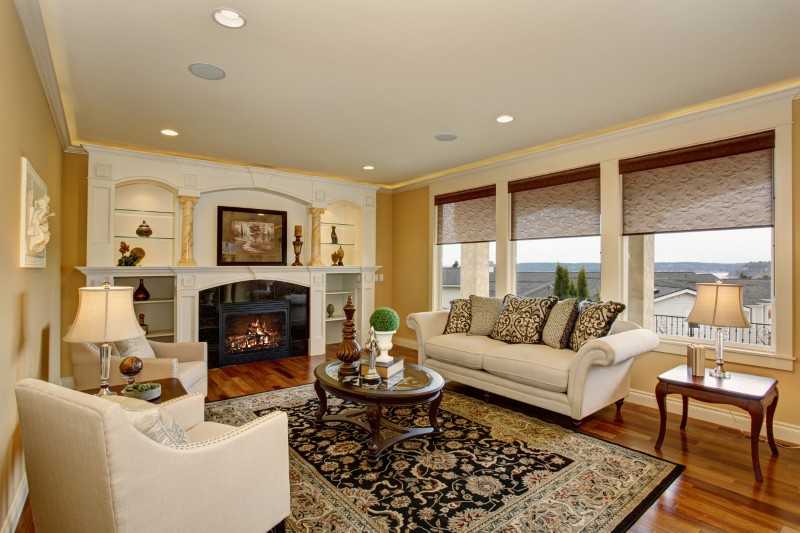
Если ковер слишком маленький, неважно, насколько он красивый: дизайнеры это заметят. Крошечный коврик, лежащий под журнальным столиком, как правило, делает всю комнату дешевле и теснее.
Ковры правильного пропорционирования создают ощущение устойчивости и пропорциональности. Это один из самых быстрых способов определить, подходит ли вам ковер. Пространство было спроектировано с учетом всех деталей.
#3 Место, где висят шторы
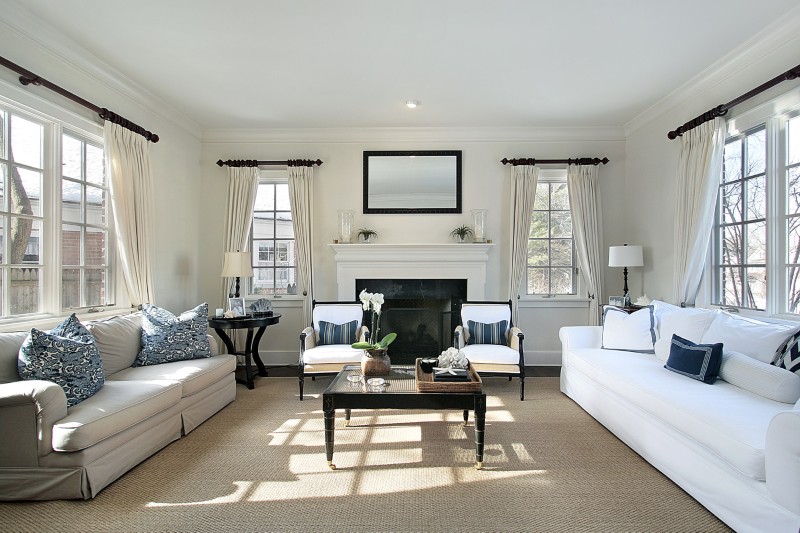
Это классический признак несоответствия дизайна. Шторы, повешенные слишком низко или слишком узко, мгновенно визуально уменьшают комнату.
Дизайнеры обращают внимание на то, имеет ли штора правильную высоту и пышность, потому что это одна из самых распространенных ошибок, когда шторы «почти идеальны», и один из самых простых способов придать помещению более изысканный вид.
#4 Первое, что бросается в глаза при входе
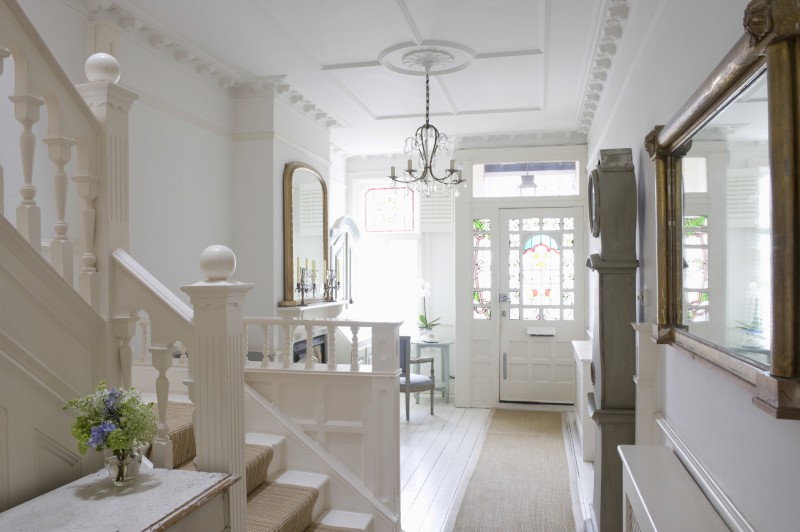
Что вы видите в первую очередь? Прекрасный момент? Беспорядок? Боковину дивана?
Дизайнеры мгновенно определяют, что представляет собой тот или иной дом. Дома, в которых чувствуется продуманность каждой детали. Часто при входе предлагается спокойный вид (даже если он простой).
#5 Соотношение мебели к размеру комнаты
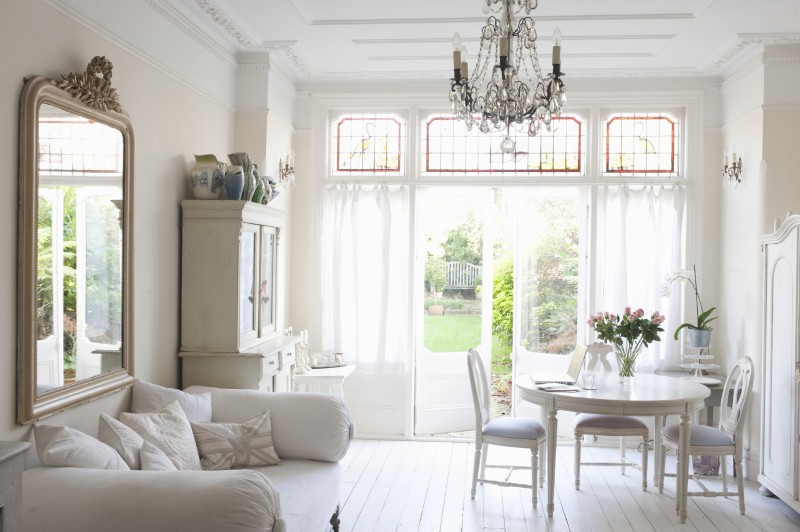
Дизайнеры за считанные секунды могут определить, слишком ли большая, слишком маленькая или неудобно расставлена мебель. Комната с неправильными пропорциями кажется неуютной, даже если декор прекрасен.
Вот почему дома, подготовленные к показу, иногда кажутся странными вживую — пропорции важны не только с эстетической точки зрения, но и с точки зрения удобства проживания.
#6 Ощущаются ли стены плоскими или многослойными
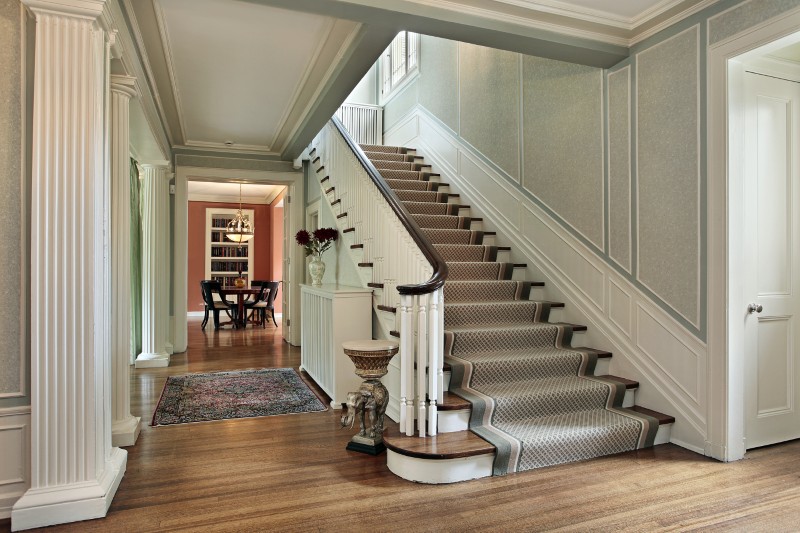
Еще до того, как вы обратите внимание на цвет, дизайнеры замечают глубину: отделку, текстуру штукатурки, облицовка панелями, лепнина, Продуманная отделка лакокрасочного покрытия.
Дом с многослойными стенами обычно выглядит богаче и завершеннее, чем дом, где все стены отделаны только гипсокартоном.
#7 Шаблоны беспорядка (не только сам беспорядок)
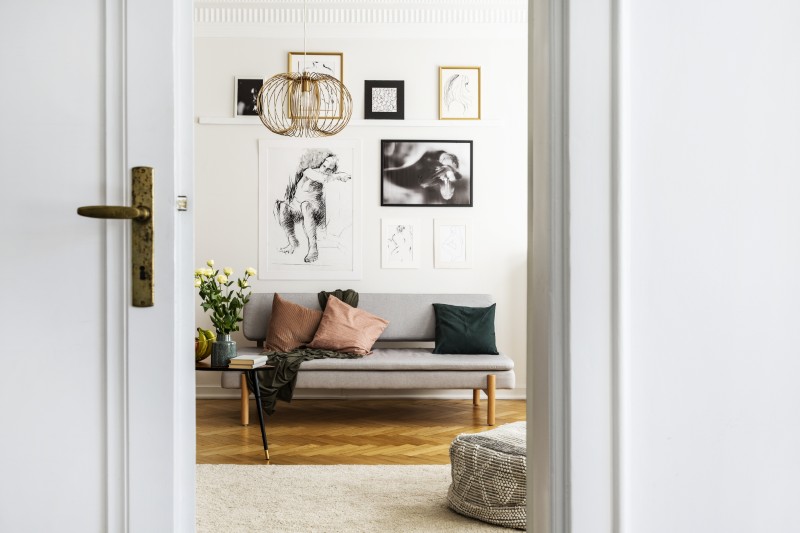
Дизайнеры видят не просто беспорядок, они понимают, почему он возникает. Некуда положить ключи? Нет места для хранения возле двери? Нет места для хранения вещей, где они обычно скапливаются?
Clutter рассказывает историю о дизайне. Дом, хорошо спроектированный не борется с повседневной жизнью, а естественным (и комфортным) образом находит для неё место.
#8 Что происходит с этажами в разных помещениях
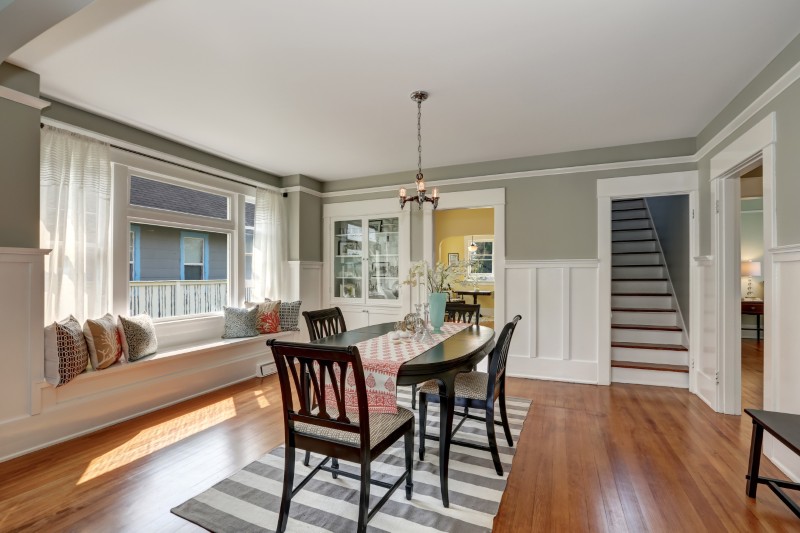
Полы однородные и спокойные? Или их состояние меняется на каждом пороге?
Дизайнеры обращают внимание на целостность напольного покрытия, поскольку это влияет на восприятие всего дома: он может казаться цельным и просторным, или же фрагментарным и разрозненным.
#9 Отделочные работы (особенно вокруг дверей и окон)
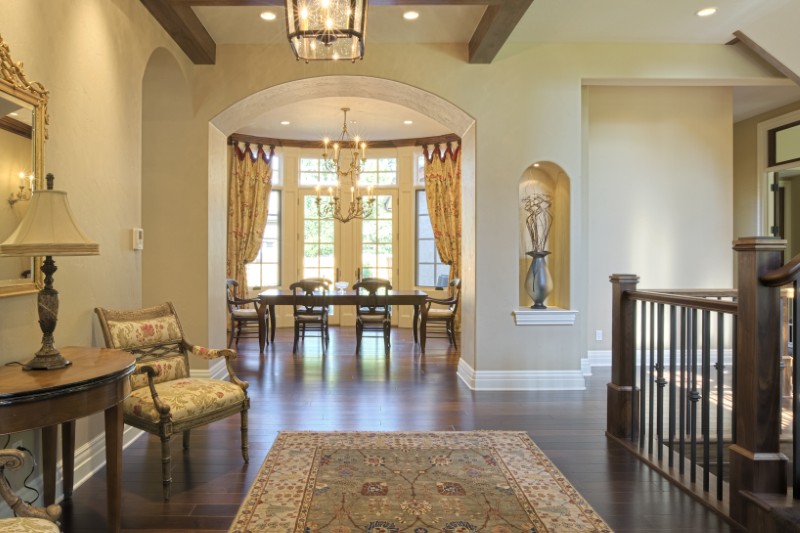
Отделка — один из самых очевидных признаков качества. Дизайнеры обращают внимание на продуманные пропорции, единообразие и аккуратную отделку.
Некачественная отделка может мгновенно создать впечатление, что дом построен по типовому проекту. Качественная отделка же создает ощущение продуманности каждой детали, даже при минимальном количестве мебели.
#10 Выглядит ли произведение искусства «размещенным» или «коллекционным»
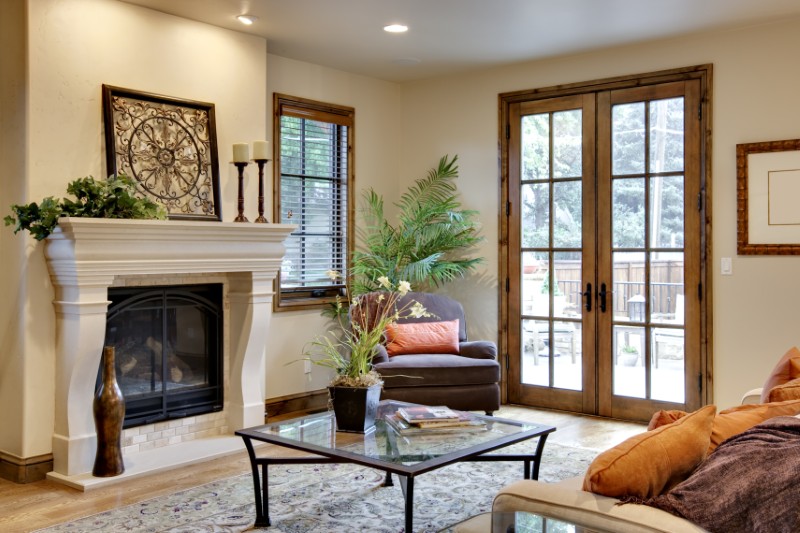
Дизайнеры сразу замечают, когда произведения искусства выглядят шаблонно, слишком малы или висят слишком высоко. Но что еще важнее, они обращают внимание на то, насколько произведения искусства индивидуальны и органично вписываются в интерьер дома.
Дом, оформленный со вкусом, не выглядит так, будто его обставили за один поход по магазинам.
#11 Как в доме используется пустое пространство

Один из главных признаков: в доме царит паника в тишине? Если каждая поверхность заполненаКаждая стена заполнена деталями, в каждом углу что-то есть — дизайнеры это сразу замечают.
Хорошо спроектированные дома обеспечивают достаточно пространства для дыхания. В них используется негативное пространство, чтобы все остальное казалось более продуманным.
#12 Качество аппаратного обеспечения и элементов управления
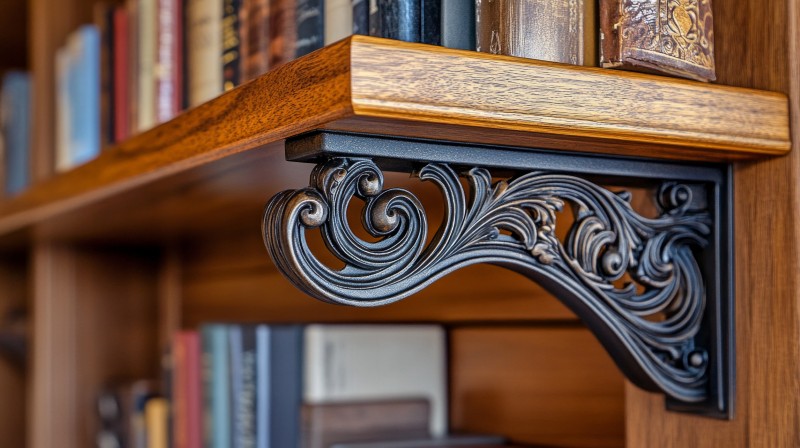
Дизайнеры обращают внимание на то, к чему прикасаются руки: дверные ручки, ручки кранов, ручки шкафов, выключатели.
Даже если дом выглядит красиво, хлипкие детали создают ощущение недостаточной прочности. Качественная фурнитура не обязательно должна быть броской — она просто должна ощущаться правильно.
#13 Размещение светильников (не только стиль освещения)
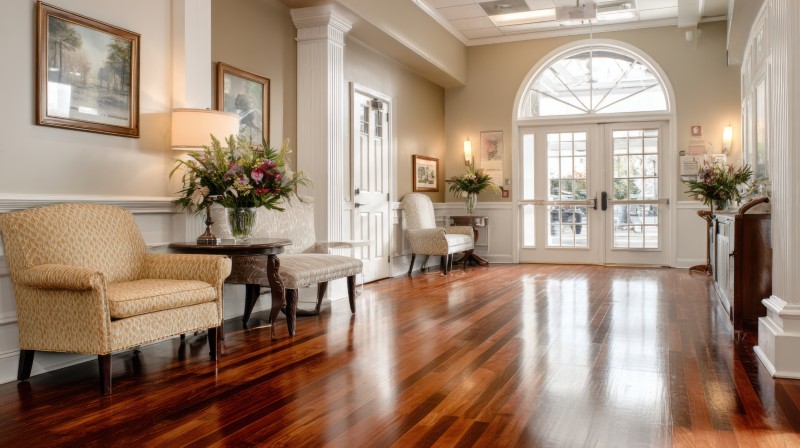
Дизайнеры обращают внимание на то, где расположены светильники. Находится ли светильник в обеденной зоне по центру? Выровнены ли бра? Подсветка туалетного столика выгодно подчеркивает или отбрасывает тени?
В доме может быть красивая сантехника, но при этом он может выглядеть неуместно, если не учитывать ее расположение.
#14 Выглядит ли кухня так, будто она спроектирована специально для этого проекта, или просто «обновлена»?
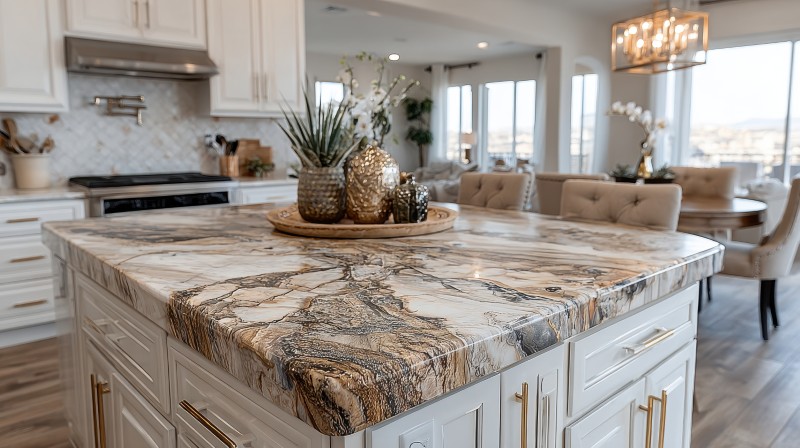
Дизайнеры мгновенно могут отличить одно от другого. кухня, созданная для реальной жизни и такой, который будет хорошо выглядеть при перепродаже.
Они замечают такие вещи, как: неудобное расположение бытовой техники, отсутствие мест для размещения приборов, дешевые заглушки и несоответствие мест хранения привычному способу приготовления пищи.
#15 Ситуация с зеркалом в ванной
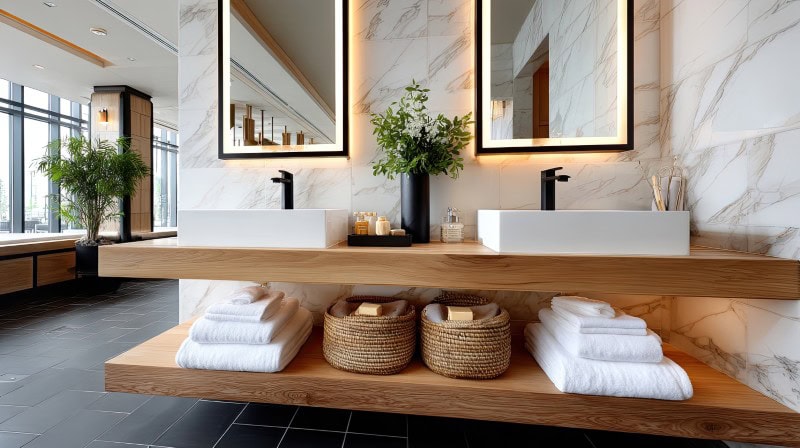
Это удивительно показательно. Дизайнеры обращают внимание на то, насколько продуманы пропорции зеркал и насколько освещение их поддерживает.
Ванная комната может выглядеть «отремонтированной», но неудачно подобранное зеркало создает ощущение незавершенности.
#16 Переходы между пространствами
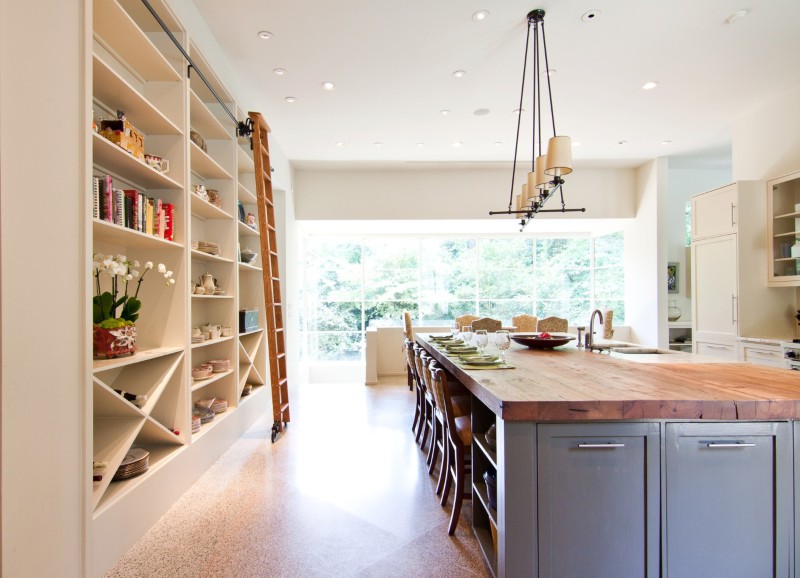
Дизайнеры обращают внимание на то, насколько гармонично вписывается дом в окружающую среду или же каждая комната воспринимается как отдельное решение. Это может проявляться в используемых материалах, выборе краски или несогласованности архитектурного стиля.
Лучшие дома Ощущать целостность, не становясь при этом скучным.
#17 Социальная логика расстановки мебели
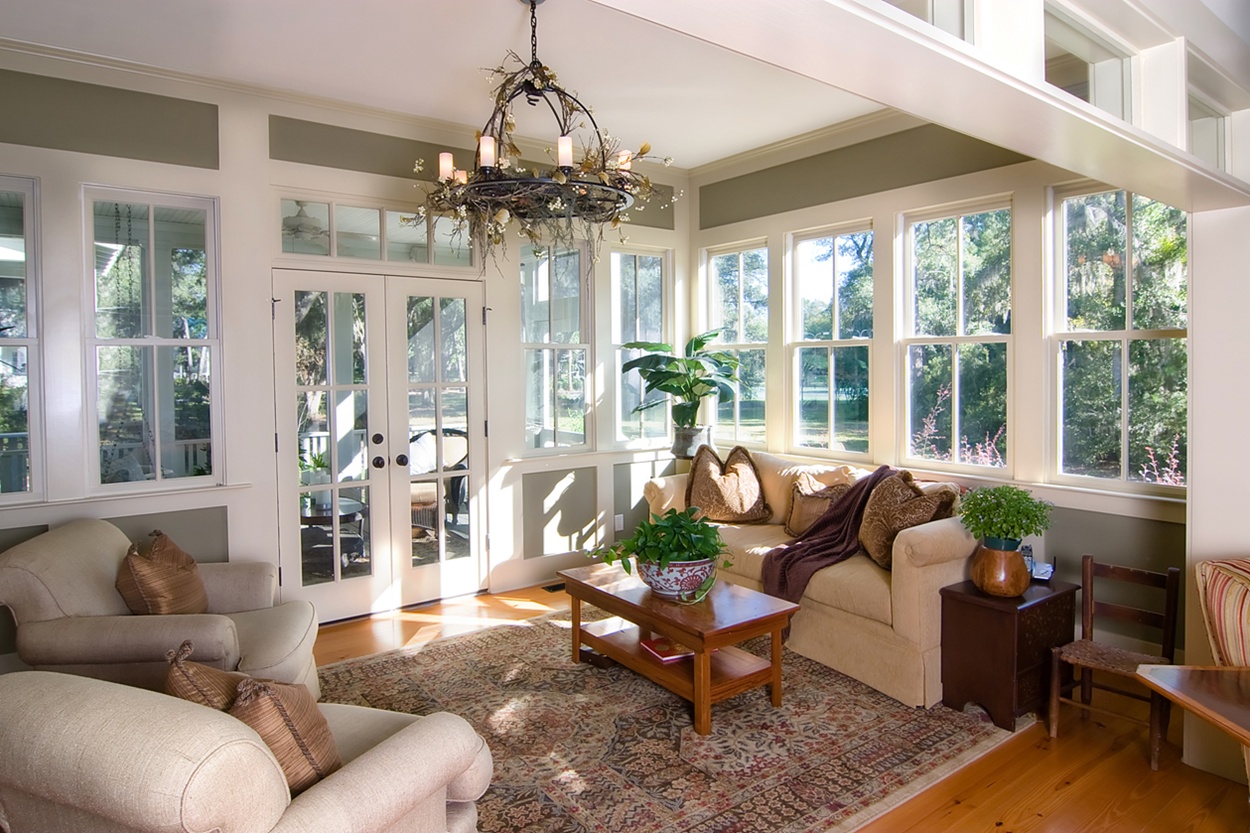
Мебель располагает к разговору? Или она ни на что не указывает? А что еще хуже, она указывает на телевизор, который никто не может комфортно смотреть?
Дизайнеры обращают внимание на то, насколько помещения удобны для общения. Это одна из главных причин, почему некоторые пространства кажутся «неуместными», даже если они очень красивы.
#18 Кажется ли, что в доме продуманы все детали?
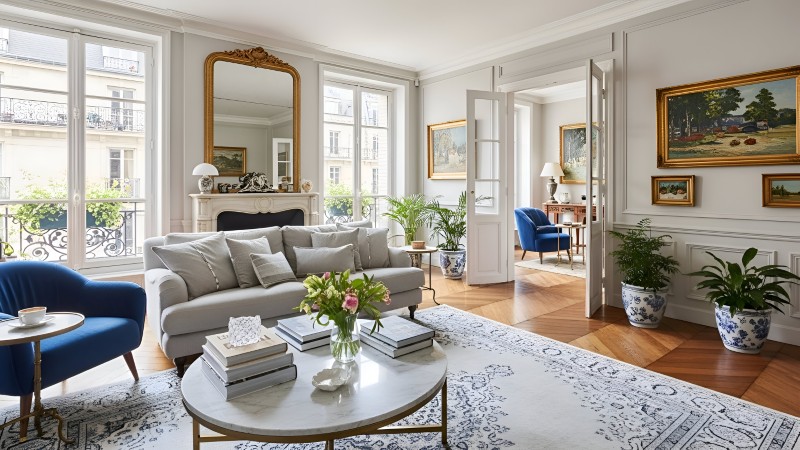
Это очень важный момент. Дизайнеры обращают внимание на общее ощущение внимания к деталям: выравнивание, повторение, качество отделки, согласованность.
Даже если отдельные решения не требуют больших затрат, продуманная целостность воспринимается как хороший вкус. А отсутствие намерения тоже воспринимается мгновенно.
Больше историй
13 особенностей, которые ненавязчиво говорят о том, что у домовладельца изысканный вкус.
Топ-10 самых влиятельных дизайнеров интерьеров в Instagram и сколько они зарабатывают за пост.
Пост 18 деталей, которые дизайнеры интерьеров всегда замечают сразу. впервые появился на Дома с модными брюками.

 English