


Дома со вкусом редко полагаются на броские улучшения или модные отделочные материалы, чтобы казаться красивыми. Вместо этого они, как правило, следуют более сдержанным принципам дизайна — принципам, которые создают ощущение спокойствия, продуманности и естественной изысканности без излишних усилий.
Это дома, в которых чувствуешь себя комфортно с первой секунды. Ничто не привлекает к себе лишнего внимания. Ничто не кажется случайным. Всё просто… работает.
Дизайнеры часто отмечают, что по-настоящему изысканные интерьеры создаются не за счет бюджета, а благодаря пропорциям, сдержанности, гармоничности и продуманности.
Тем не менее, вот 18 вещей, которые всегда правильно делаются в домах со вкусом, независимо от стиля.
Они отдают приоритет потоку, а не заполнению пространства.
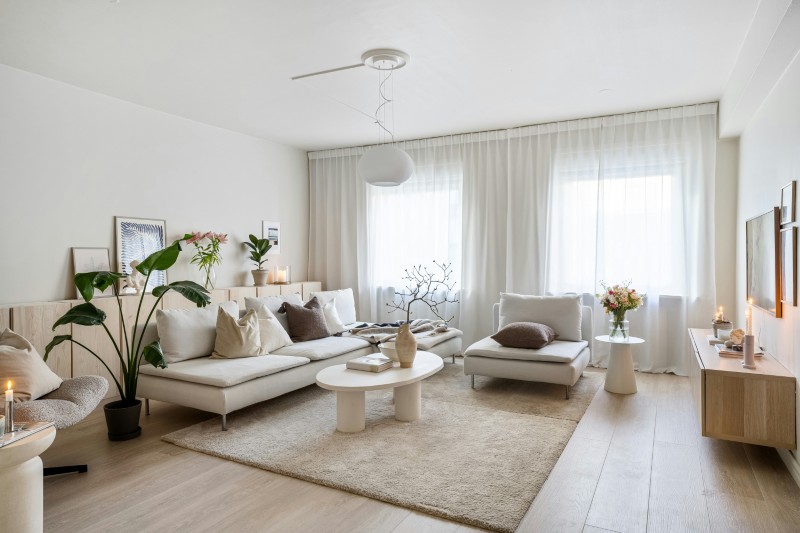
В домах со вкусом продумана планировка, в первую очередь, с учетом передвижения, а не с целью втиснуть как можно больше мебели.
Пешеходные дорожки выглядят естественно, зоны отдыха кажутся открытыми, и ничто не загораживает обзор. В этом пространстве комфортно жить. не постановочно, чтобы произвести впечатление.
Они используют меньше цветов, которые продуманно повторяются по всей комнате.
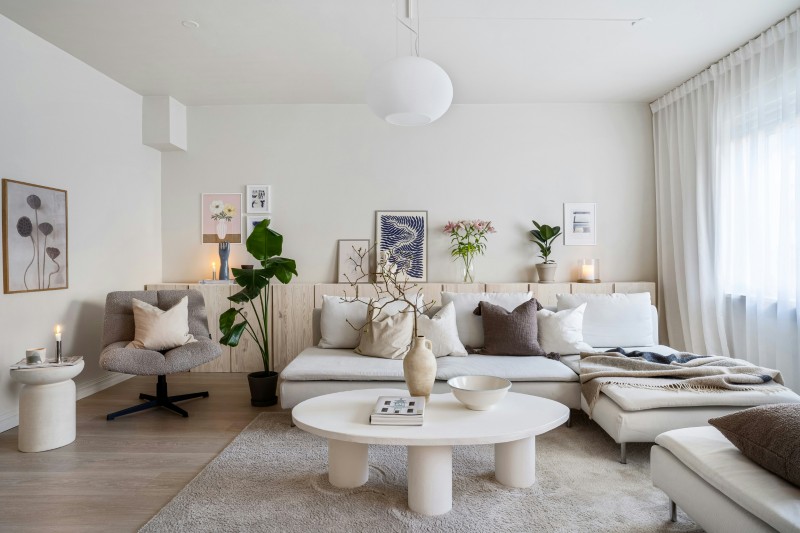
Вместо того чтобы переключаться между десятком оттенков, в домах со вкусом придерживаются сдержанной цветовой палитры и повторяют эти тона по всей комнате.
Стены, текстиль, мебель и декор гармонично сочетаются друг с другом, создавая ощущение спокойствия, а не перегруженности.
Они почти всегда правильно подбирают масштаб.
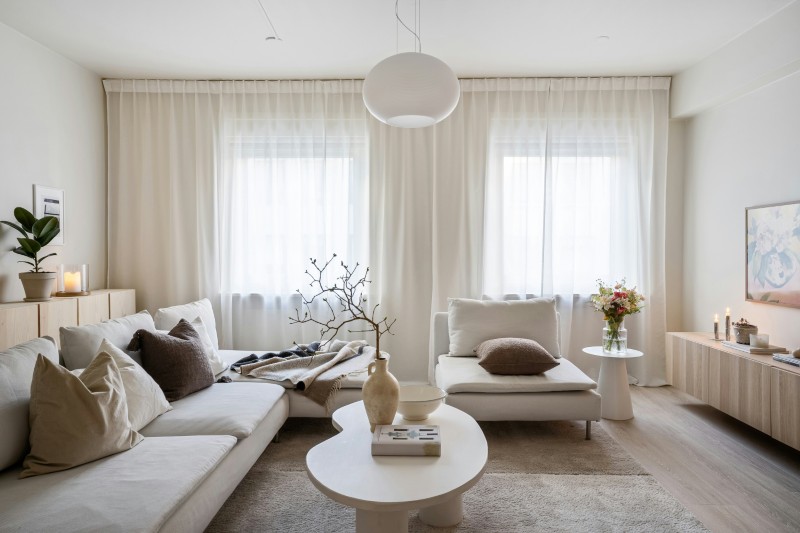
Мебель идеально вписывается в комнату. Картины прекрасно смотрятся на стенах. Ковры отлично подходят к зоне отдыха. Шторы тоже очень удачные.
В домах со вкусом редко встречаются крошечные ковры, слишком маленькие светильники или произведения искусства, которые кажутся неуместными. Все кажется продуманным и соразмерным.
Они оставляют пространство для дыхания
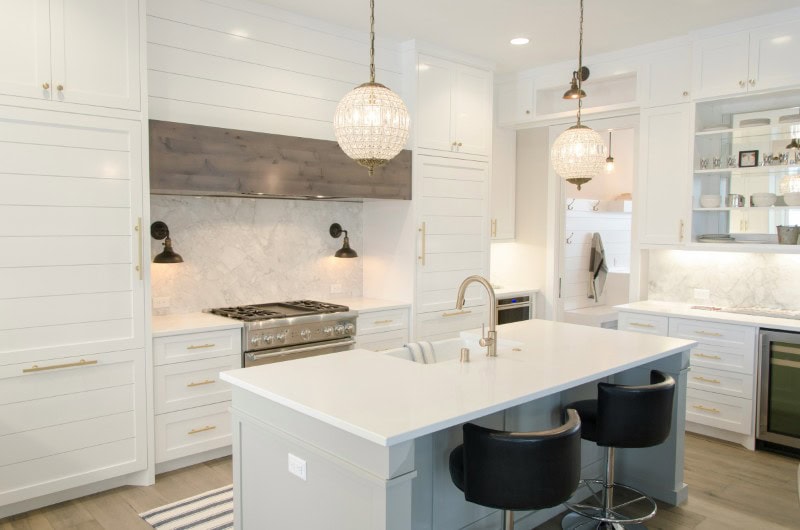
Не все полки заполнены. Не каждый уголок украшен.
В создании стильных пространств понимают, что Пустое пространство является частью дизайна. — Это позволяет красивым предметам выделяться и предотвращает ощущение захламленности или хаоса в комнате.
Они используют многослойное освещение, вместо того чтобы полагаться на один источник.
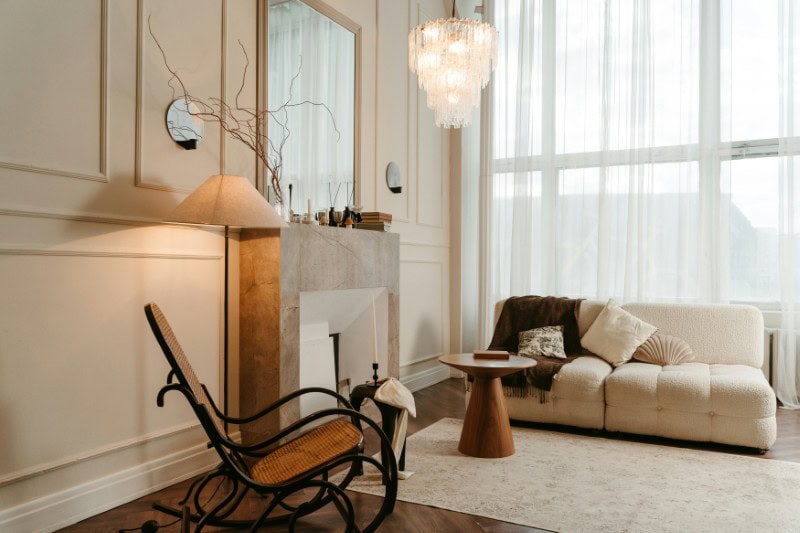
Вместо того чтобы включать ослепительно яркий потолочный свет, в домах со вкусом используют лампы, бра и мягкое рассеянное освещение для создания тепла и глубины. На самом деле, основным источником света часто являются скульптурные или дизайнерские элементы, а не те, которые выбираются за их световые возможности.
Тем не менее, ночью в номерах царит уютная атмосфера, они не выглядят плоскими или стерильными.
Они естественным образом сочетают старое и новое.
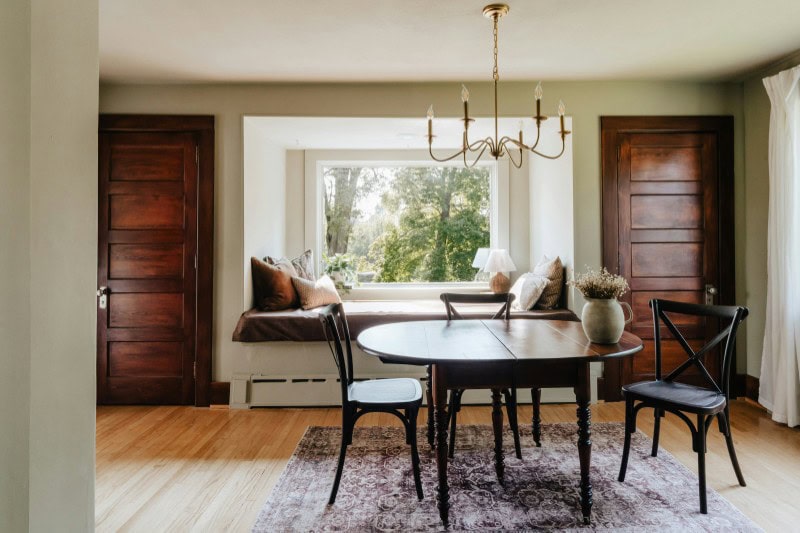
Будь то винтажное кресло в сочетании с современным диваном. или антикварное искусство В современном пространстве со вкусом оформленные дома почти всегда сочетают в себе элементы разных эпох.
Такое многослойное сочетание создает ощущение богатства и позволяет избежать эффекта «все куплено сразу».
Они регулярно меняют декор.
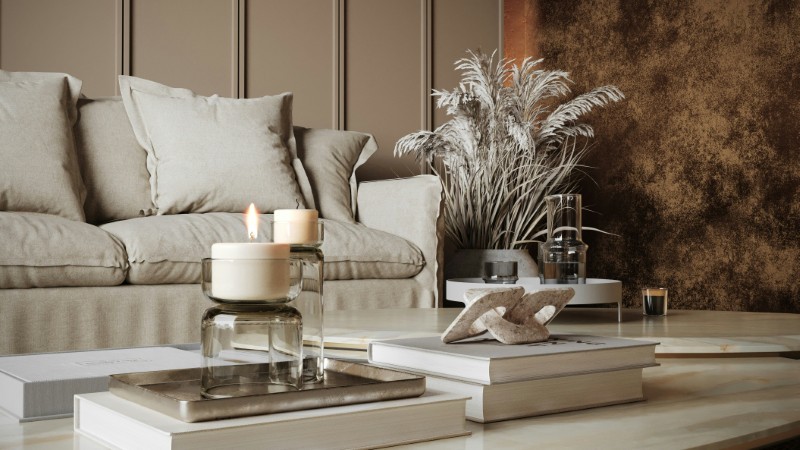
Дома со вкусом оформлены не без хлама, они... кураторскийВместо того чтобы постоянно держать на виду все декоративные предметы, эти пространства развиваются. Предметы меняются в зависимости от сезона, ненужные вещи убираются, а поверхностям дается возможность «дышать».
Дизайнеры часто сравнивают это с галереей: не все экспонируется сразу, и то, что остается, кажется продуманным до мелочей. Постоянная корректировка освещения создает ощущение свежести, спокойствия, изысканности в помещениях и предотвращает превращение даже красивого декора в визуальный шум.
Они рассматривают окна как элементы дизайна.
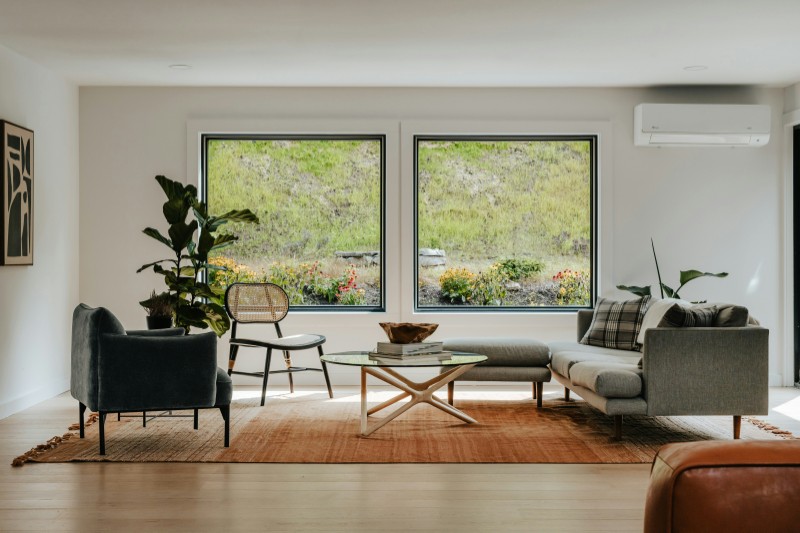
В домах со вкусом оформленные окна — это не просто функциональные проемы, а часть архитектуры помещения.
Шторы висят высоко и широко. Для оформления пространства выбираются ткани, отличающиеся мягкостью и текстурой, а оттенки подбираются индивидуально, а не громоздко или не сочетаются друг с другом.
Естественный свет не блокируется, а, наоборот, используется в полной мере, а оконные занавески завершают оформление комнаты так же, как потолочный карниз завершает потолок. Когда окна оформлены продуманно, все пространство выглядит более изысканным и завершенным.
Они используют одни и те же материалы для обеспечения сплоченности.
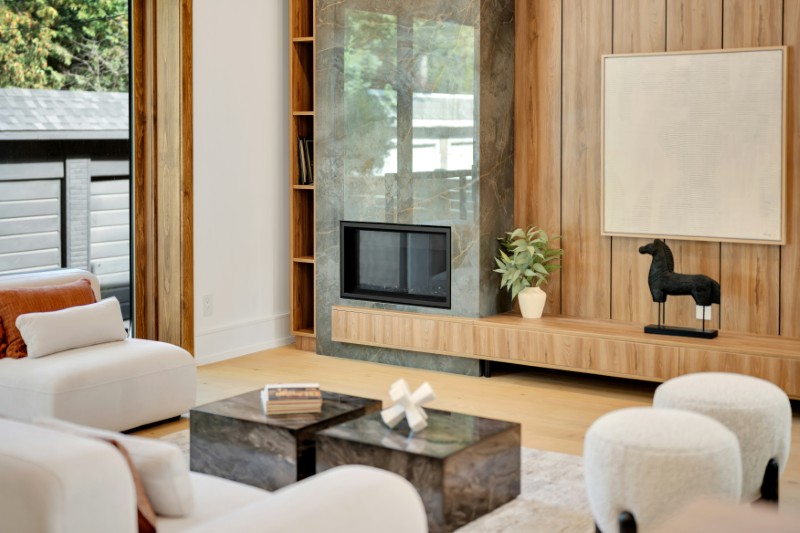
Вместо того чтобы смешивать всевозможные виды отделки, в домах со вкусом используются одинаковые материалы во всех помещениях.
Оттенок дерева в журнальном столике может снова появиться в раме или полках. Латунь в лампе ненавязчиво присутствует в фурнитуре или декоре. Натуральный камень, используемый в качестве акцента в гостиной, может быть использован для отделки главной ванной комнаты и так далее.
Это повторение создает спокойный ритм, благодаря которому пространство кажется продуманным до мелочей, а не собранным из отдельных элементов. Ничто не выглядит случайным, даже при смешивании стилей, потому что материалы визуально объединяют помещение.
Они создают уют в пространстве с помощью подходящих ковров.
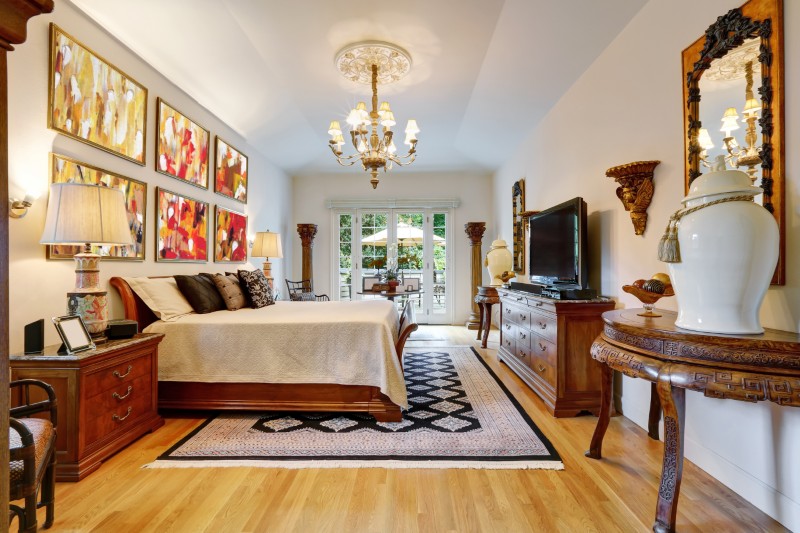
В домах со вкусом оформленных интерьеров ковры выполняют важную функцию. Они определяют зоны отдыха, визуально связывают мебель и создают ощущение масштаба.
Вместо маленьких ковриков, неуклюже висящих в центре комнаты, мебель частично размещается на них, создавая ощущение целостности и уюта. Это единственное изменение часто превращает комнату из разрозненной в профессионально оформленную.
Они избегают очевидных тенденций, доминирующих в этой сфере.
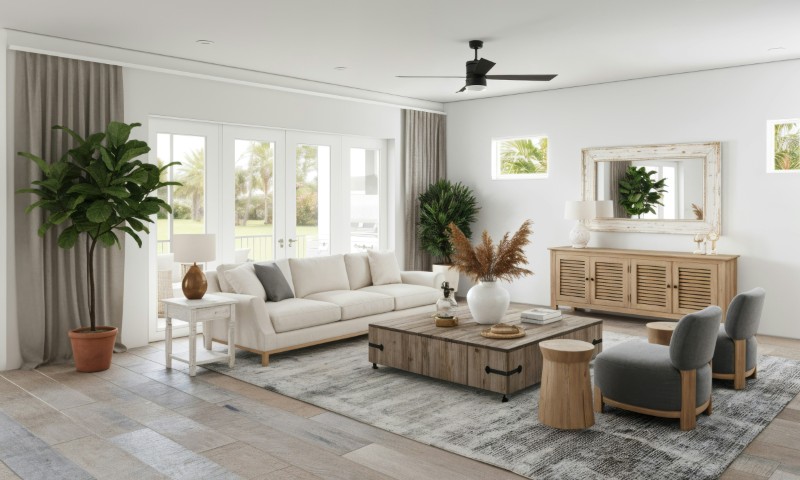
Дома со вкусом могут учитывать текущие тенденцииОднако они редко строят вокруг них целую комнату. Модные цвета, плитка или силуэты мебели выступают в качестве акцентов, а не основы.
В основе дизайна помещения лежит вневременная концепция, включающая планировку, материалы и цветовую палитру. Такой многослойный подход позволяет дому естественным образом развиваться с течением времени, не застревая в какой-либо конкретной дизайнерской эпохе.
Они оформляют поверхности целенаправленно, а не случайным образом.
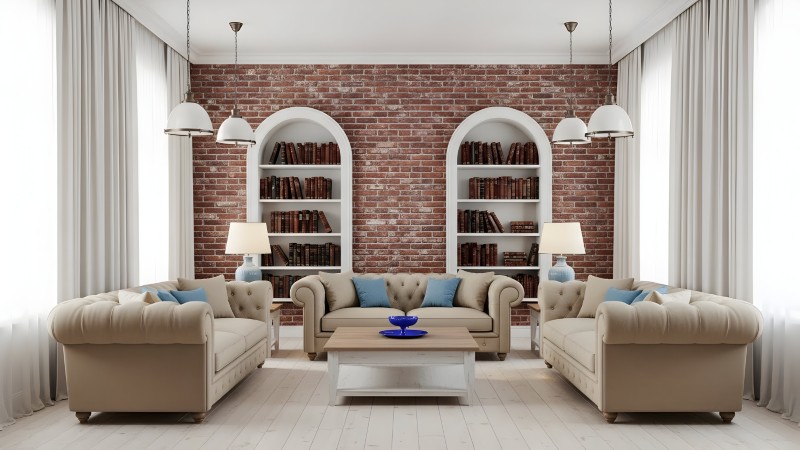
В стильном доме каждая поверхность имеет своё предназначение. Например, журнальные столики могут... изображает стопку книг, Поднос и один скульптурный объект. На консолях часто размещают лампу, растение и один значимый предмет декора.
Здесь соблюдается баланс между пустым пространством и стилизованными элементами, ничто не выглядит так, будто его просто набросали, чтобы заполнить место. Именно эта сдержанность создает ощущение тщательно подобранных, а не загроможденных поверхностей.
Они скрывают беспорядок от глаз.
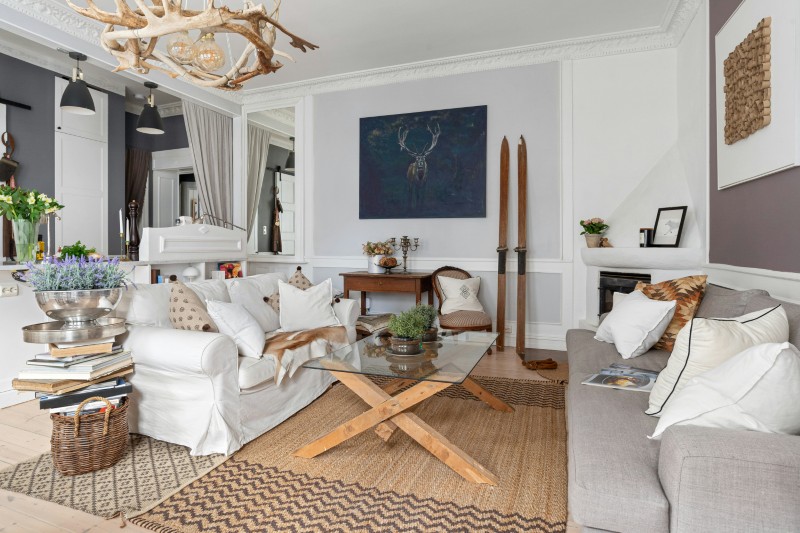
В домах со вкусом не бывает волшебным образом чистоты, в них просто есть система. Ящики, шкафы, корзины и встроенная мебель вмещают предметы повседневного обихода, чтобы они не лежали на столешницах или полу.
Поскольку у повседневного хлама есть своё место, дизайн остаётся на виду и создаёт спокойную атмосферу. Пространство кажется обжитым, но не хаотичным, что является одним из его главных достоинств. признаки хорошо спроектированного дома.
Они создают визуальный баланс.
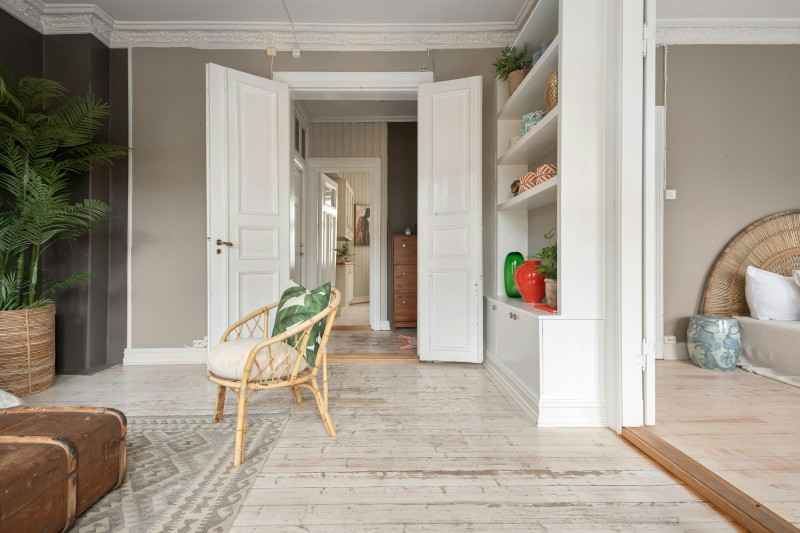
В изысканных домах баланс проявляется повсюду — в парных светильниках, равномерно расставленной мебели, произведениях искусства, размещенных по центру, и симметричной планировке спален.
Это не значит, что всё идеально зеркально отражено, но глаз всегда чувствует себя уверенно. Когда визуальное давление распределено продуманно, помещения естественным образом кажутся более спокойными и уютными.
Они вкладывают средства в комфорт не меньше, чем во внешний вид.
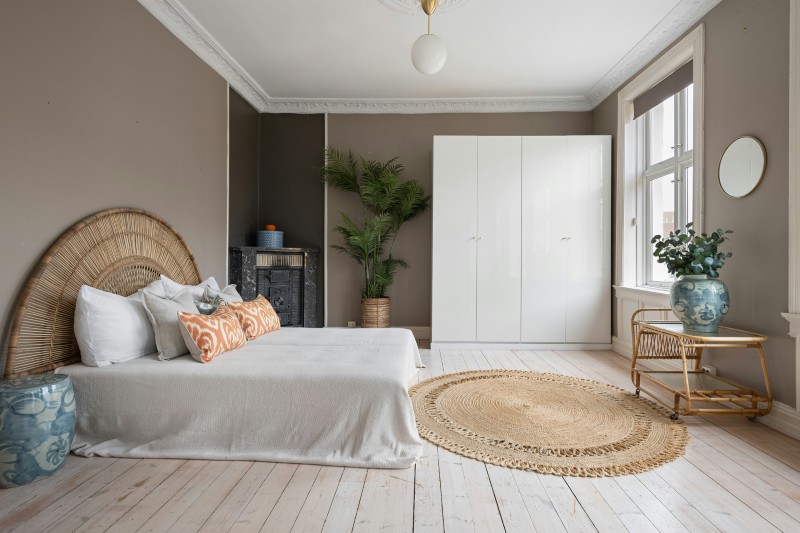
Дома со вкусом никогда не выглядят красивыми в ущерб комфорту. Диваны достаточно глубокие, чтобы на них можно было расслабиться. Стулья выбираются с учетом комфорта, а не только формы. Кровати многоуровневые и располагают к отдыху.
Именно это сочетание стиля и комфорта создает ощущение подлинной роскоши, ведь эти помещения созданы для реальной жизни, а не только для фотографий.
Они относятся к небольшим помещениям с таким же вниманием, как и к большим.
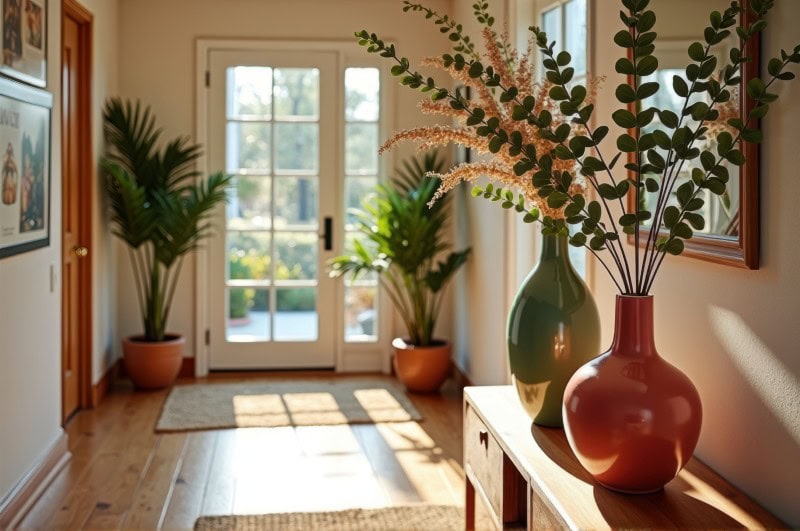
В коридорах могут быть произведения искусства и освещение. В прихожих — консоли, зеркала и места для хранения вещей. Ванные комнаты выглядят стильно и продуманно, а не просто функционально.
Ни одно пространство не кажется забытым.Именно эта согласованность во всем доме превращает его из «красиво оформленных комнат» в целостное, продуманное пространство.
Они ненавязчиво демонстрируют своё качество.
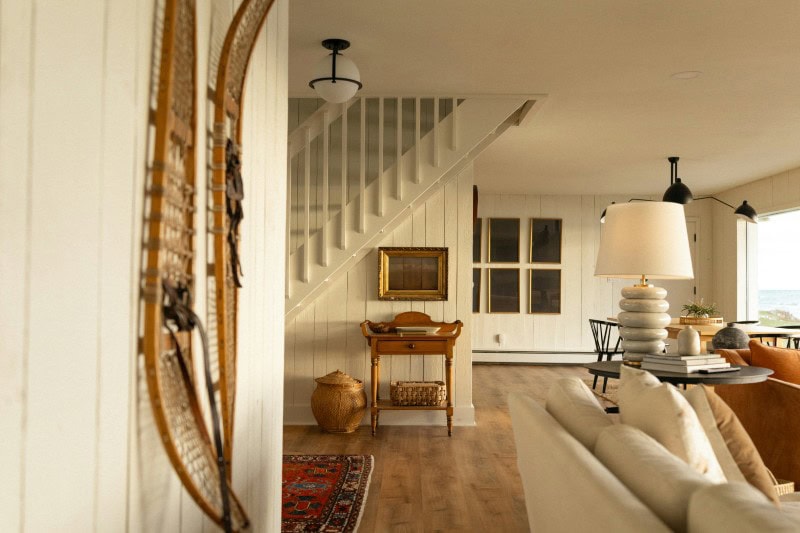
Вместо броской отделки, в домах со вкусом делается упор на содержание. Мебель ощущается прочной. Материалы имеют текстуру и вес. Фурнитура ощущается солидной на ощупь.
Роскошь проявляется в долговечности и качестве исполнения, а не в блеске. Со временем эти элементы изящно стареют, а не выглядят изношенными или дешевыми.
Они создают ощущение личного общения, не вызывая при этом беспорядка.
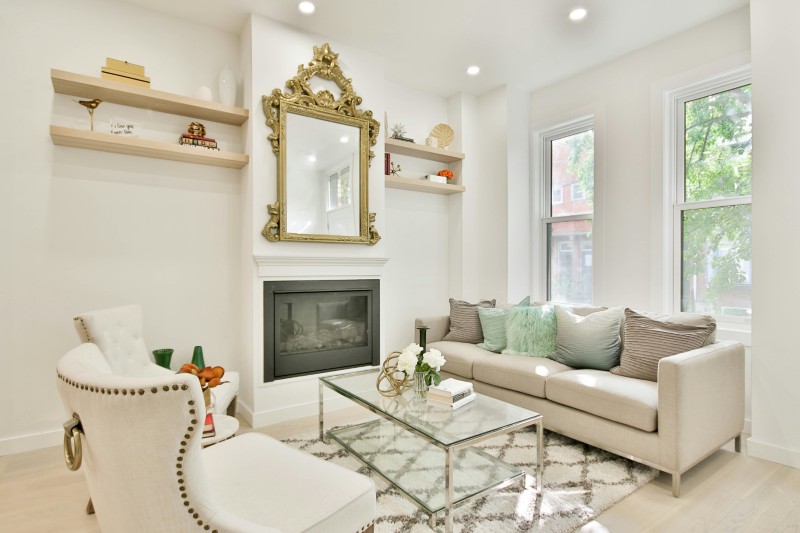
Дома, обставленные со вкусом, рассказывают свою историю — через книги, произведения искусства, находки из путешествий, семейные фотографии и значимые для них предметы. Но всё это тщательно подобрано и расставлено с умом.
Ничто не выглядит постановочным, но и ничто не создает ощущения хаоса. В результате получилось пространство, которое кажется теплым, обжитым и аутентичным; просто восхитительно сбалансированное.
Больше историй
20 высококлассных дизайнерских приемов, которые почти ничего не стоят
15 распространенных ошибок при ремонте, которые дизайнеры могут заметить мгновенно.
20 дизайнерских ошибок, из-за которых дом мгновенно кажется дешевле, чем он есть на самом деле.
Пост 18 вещей, которые всегда идеально подходят для стильных домов. впервые появился на Дома с модными брюками.


 English