


Luxury is easy to spot. Big kitchens. Nice pools. Expensive finishes.
But wealthy estates operate on a different level, and the difference isn’t always obvious at first glance.
It shows up in how the house functions. How it handles daily life. How it avoids inconvenience entirely. These homes aren’t just impressive. They’re engineered to remove friction, protect privacy, and make everything feel easier.
And often, the most telling features are the ones that don’t photograph well — or don’t stand out unless someone points them out.
Here’s where the real separation between luxury homes and wealthy estates actually happens.
Driveways designed so guests never see the garage doors
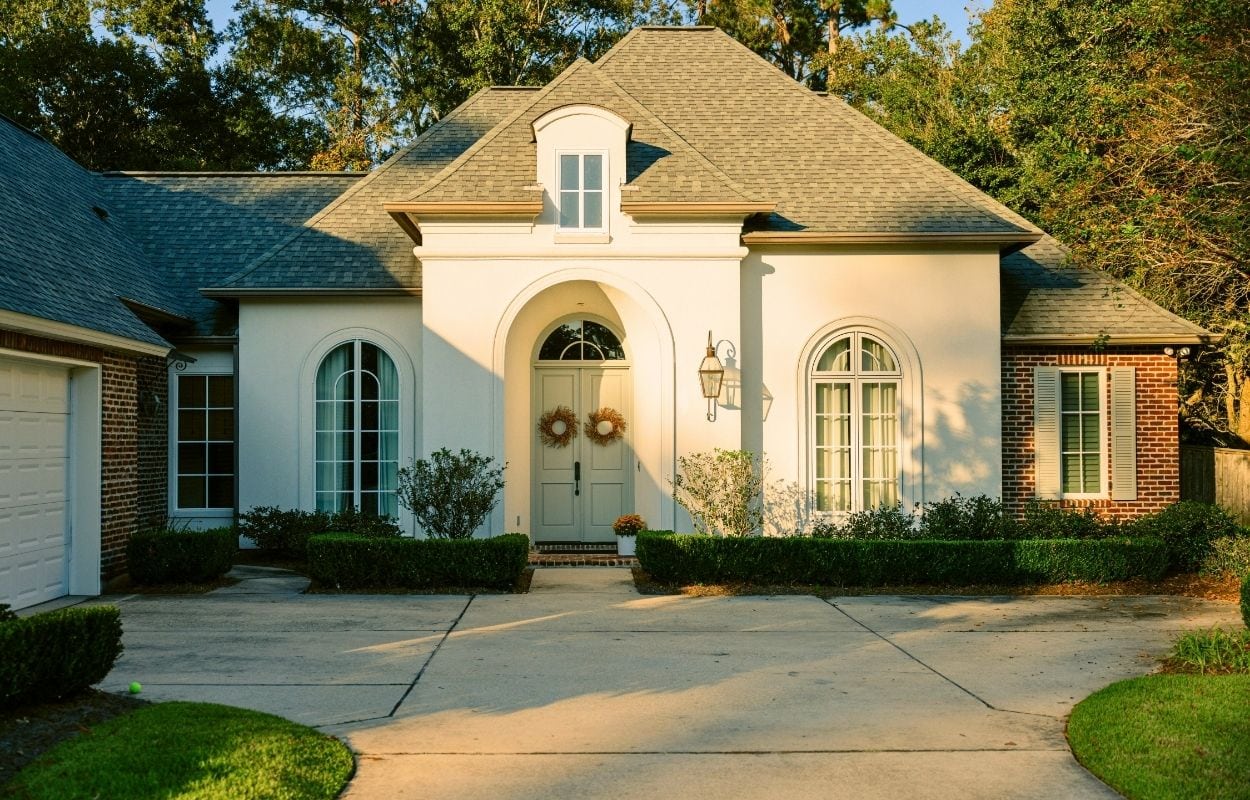
In many high-end suburban homes, the garage dominates the front facade.
Wealthy estates, on the other hand, tend to avoid this completely.
Garages are placed to the side, underground, or hidden behind landscaping. Guests arrive at a motor court or front entrance designed purely for people, not vehicles.
It creates a calmer, more intentional arrival experience.
Hallways that are far wider than they *need* to be
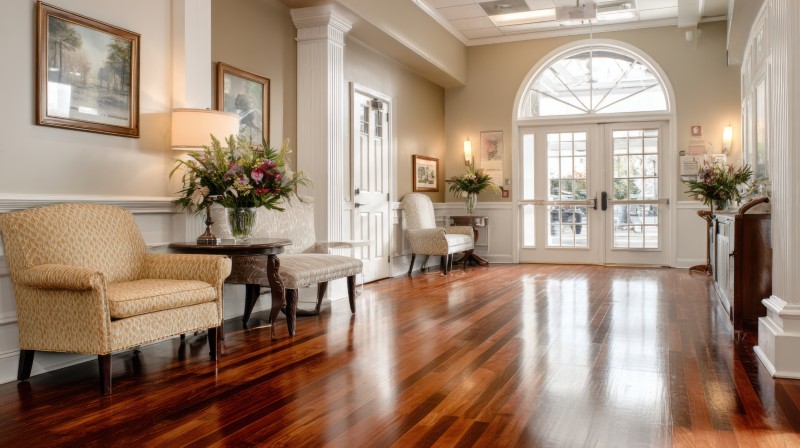
In regular homes, hallways are built to minimum code width.
In estates, they’re often several feet wider.
This makes moving furniture easier, improves airflow, and subtly changes how the home feels. Two people can walk side-by-side comfortably. Art can be displayed properly. Nothing feels tight, and there’s plenty of room to move the piano around.
It’s a spatial luxury most people notice subconsciously.
Secondary kitchens that handle the mess behind the scenes
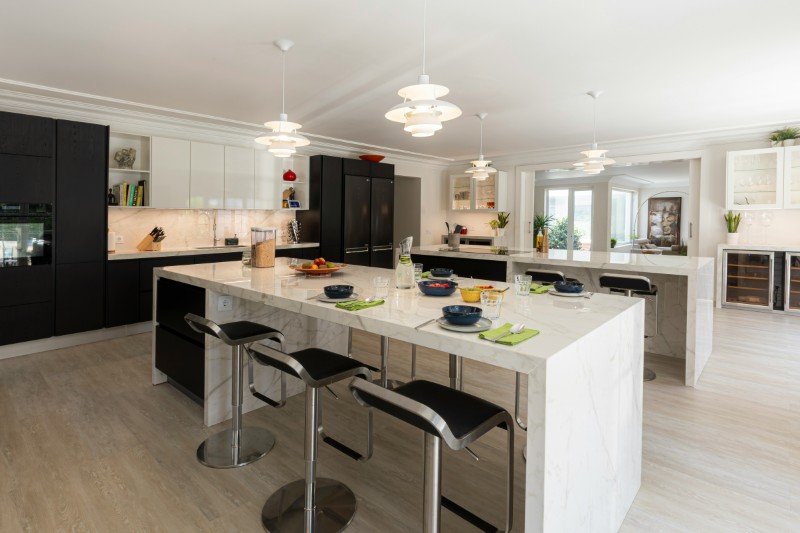
Many estates have a full second kitchen — often called a scullery or back kitchen — located directly behind the main show kitchen.
This is where the real cooking happens.
It holds the extra sink, second dishwasher, additional oven, and all the small appliances that would otherwise clutter the main space. After a dinner party, dishes disappear here instead of stacking up in view.
The main kitchen stays clean and presentable almost all the time.
Guest suites that function like private hotel rooms
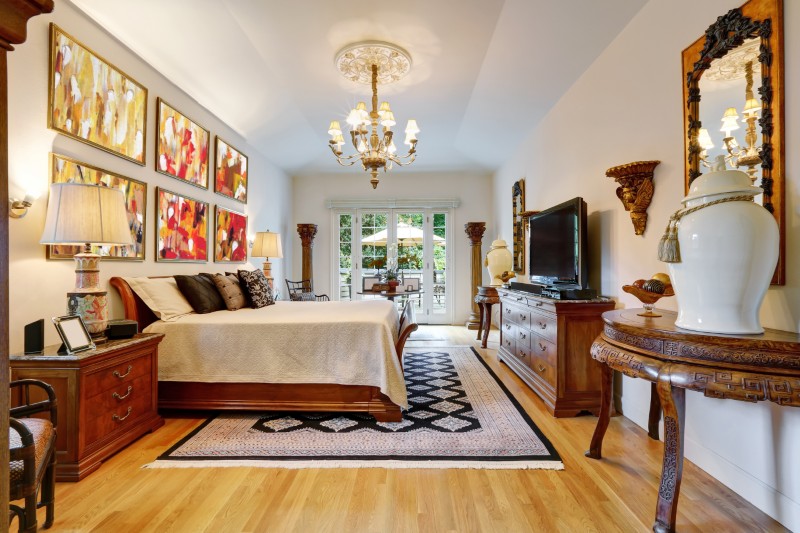
Guest accommodations in wealthy estates are designed to operate independently from the main household.
Instead of a simple spare bedroom, guest suites often feel more like private apartments. Bedrooms are larger, with enough space for seating areas where guests can read, relax, or work comfortably. Bathrooms are fully appointed, often matching the quality and size of the home’s primary bathrooms, and walk-in closets allow guests to unpack and settle in rather than living out of a suitcase.
In some estates, guest suites are positioned in separate wings or even detached guest houses, allowing visitors to come and go freely without interrupting the household’s daily rhythm.
This level of separation makes longer stays feel comfortable for everyone involved.
Doors that are heavier, taller, and close silently
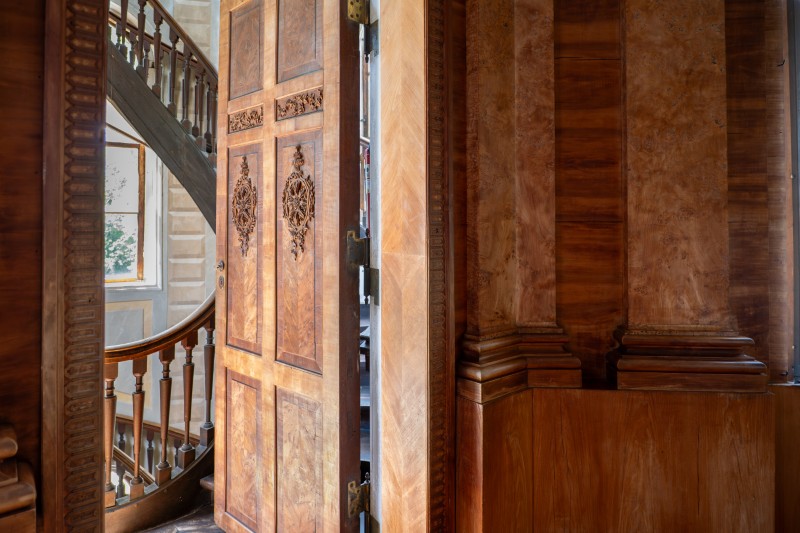
Doors inside wealthy estates feel noticeably different the moment they’re used.
They’re often significantly taller than standard doors, sometimes reaching nine or ten feet, which changes the proportions of the entire room. Their added height makes ceilings feel higher and spaces feel more open.
They’re also heavier, built with solid cores and better hardware that allows them to move smoothly and close quietly. Instead of slamming or rattling, they shut with a soft, controlled motion.
Beyond aesthetics, this improves privacy and sound control.
Conversations, television noise, and daily activity stay contained within their rooms, allowing different parts of the home to operate simultaneously without interfering with each other.
Laundry rooms located exactly where laundry actually happens
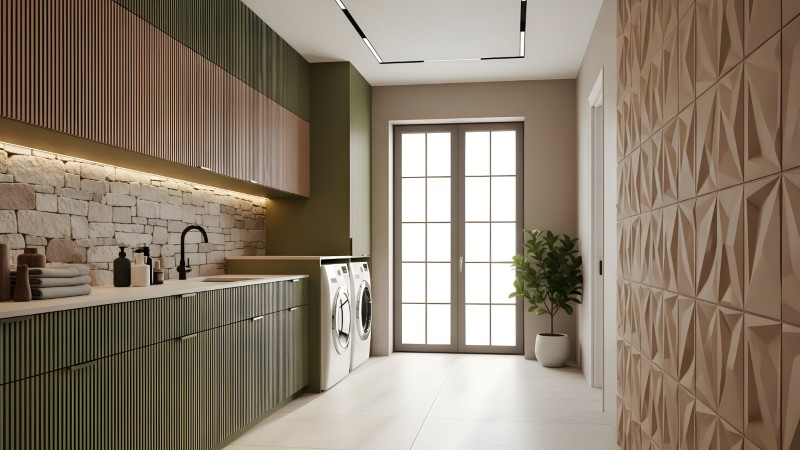
In most homes, laundry is centralized in a single room — often wherever space allowed during construction, not necessarily where it makes daily life easiest.
Wealthy estates flip that logic. Laundry shows up exactly where it’s needed.
The primary suite often includes its own dedicated washer and dryer, sometimes built directly into the walk-in closet or just steps away, so clothing never has to travel across the house.
Family bedroom wings typically have a separate full laundry room designed to handle everyday loads, complete with folding counters, storage cabinetry, and space to manage multiple loads at once.
In larger properties, guest wings may include their own smaller laundry setups, allowing linens and towels to be handled quietly without affecting the main household.
The impact is subtle but meaningful. Laundry stops feeling like a chore that requires planning and hauling baskets long distances. Instead, it becomes something that happens naturally, in the background, without disrupting the flow of the home.
Ceilings that maintain height in every room
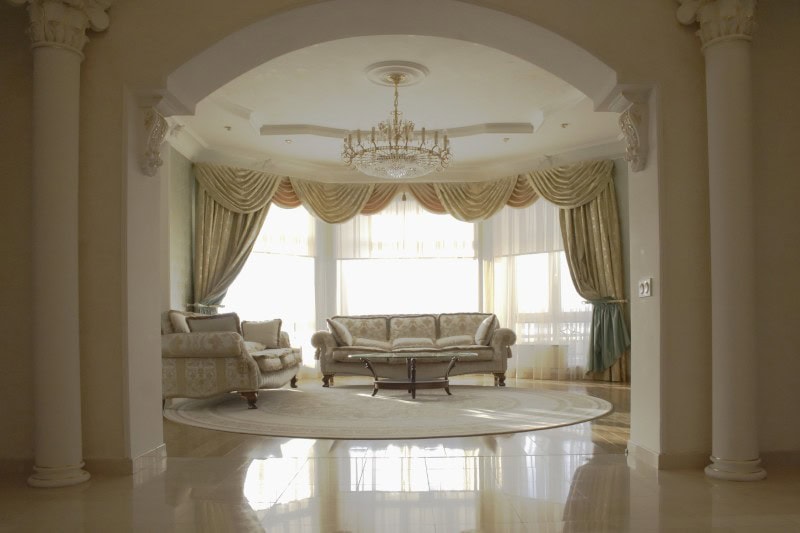
In many homes, ceiling height drops as you move into secondary spaces like closets, bathrooms, and hallways. The change is often subtle, but it creates moments where the house feels tighter and more compressed.
Wealthy estates avoid this by maintaining generous ceiling heights throughout nearly every part of the home.
Closets feel like real rooms instead of cramped storage areas. Bathrooms feel open instead of confined. Hallways feel like intentional architectural spaces rather than simple connectors.
This consistency helps the entire house feel calmer and more expansive. The sense of openness doesn’t stop when leaving the main living areas — it continues everywhere.
Mechanical rooms that look like clean, organized workshops
Behind the finished walls of wealthy estates, the infrastructure is treated with the same level of planning as the visible living spaces.
Mechanical rooms are typically spacious, brightly lit, and carefully organized, housing the systems that keep the home running smoothly. Instead of a single water heater, there may be several working together to ensure hot water arrives instantly, even when multiple bathrooms are in use.
Zoned HVAC equipment allows different parts of the house to maintain independent temperatures, so rarely used wings don’t need constant heating or cooling. Advanced air filtration improves indoor air quality, while whole-house water filtration systems ensure consistent water clarity and mineral balance throughout every faucet and shower.
Everything is installed with room to access, repair, and maintain it properly. Nothing is crammed into corners.
This level of infrastructure is a major reason estates age gracefully. The house isn’t struggling to keep up with itself — it was built to support its size from day one.
Storage rooms dedicated to specific categories
In most homes, storage is scattered across closets, garages, and spare corners, gradually filling with a mix of unrelated items.
Wealthy estates often dedicate entire rooms to storage, organized by purpose.
Holiday decorations might live in their own climate-controlled room, with shelving designed to hold large, fragile items safely until they’re needed again. Luggage may have its own storage area, keeping bulky suitcases out of bedroom closets.
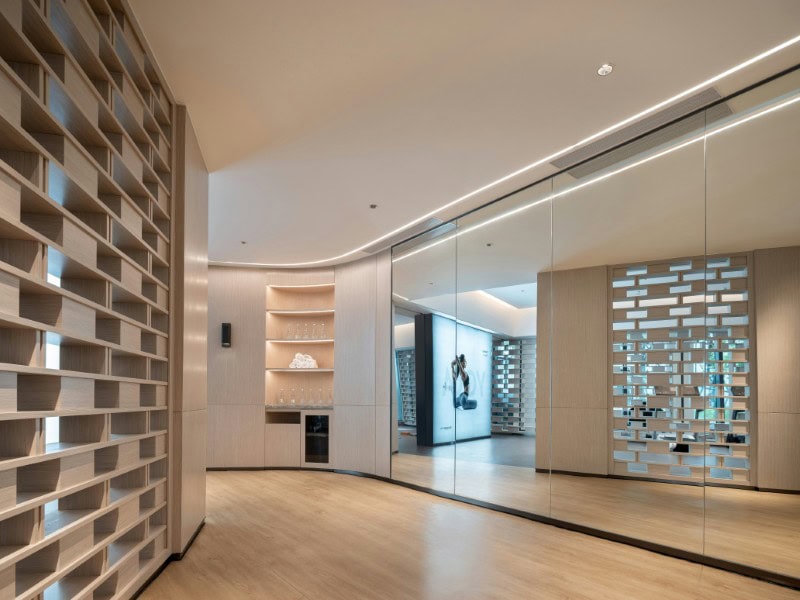
Seasonal wardrobes, including winter coats or formalwear, can be rotated in and out of dedicated wardrobe storage areas rather than crowding everyday closets year-round.
Bulk household supplies, from paper goods to cleaning products, are kept in organized utility storage rooms that prevent overflow from creeping into kitchens and bathrooms.
This separation keeps daily living spaces calm and functional. Nothing feels overfilled, because excess items have somewhere else to live.
Separate staff and service entrances
In regular homes, everyone enters the same way — through the front door or garage.
Wealthy estates often include separate service entrances designed specifically for deliveries, household staff, and catering teams. These entrances are usually positioned along the side or rear of the home and connect directly to functional areas like back kitchens, mudrooms, or service corridors.
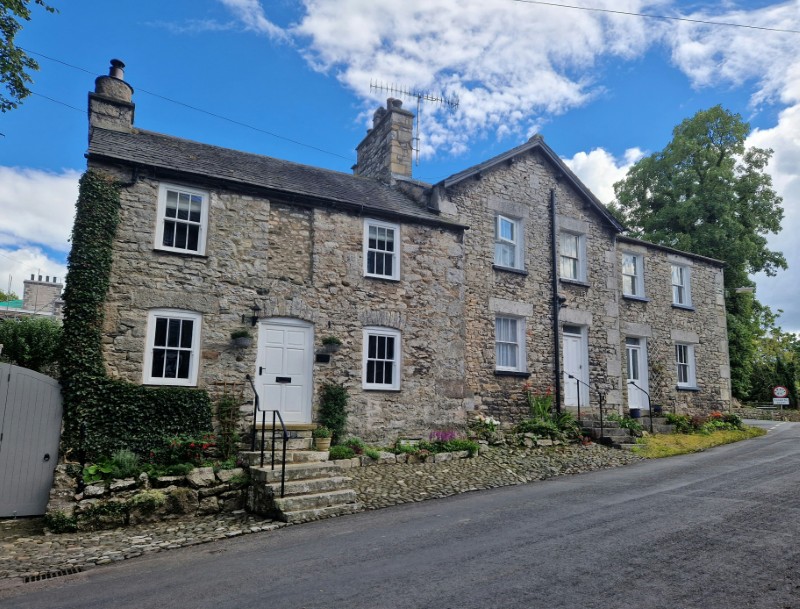
This allows food deliveries, package drop-offs, and event preparation to happen without interrupting the main living spaces. During large gatherings, catering staff can move in and out efficiently while the front of the home remains calm and orderly.
It creates a clear separation between the operational side of the house and the personal side — something that makes daily life feel quieter and more private.
Closets designed like personal dressing stores
Closets in wealthy estates are designed more like private dressing rooms than storage spaces.
Instead of packing everything tightly together, the layout gives each item room to breathe. Clothing is displayed in a way that makes it easy to see and access, often behind glass-front cabinetry that keeps dust away while maintaining visibility.
Central islands provide space for folding clothes, organizing accessories, or packing for trips, while built-in lighting ensures nothing disappears into dark corners.
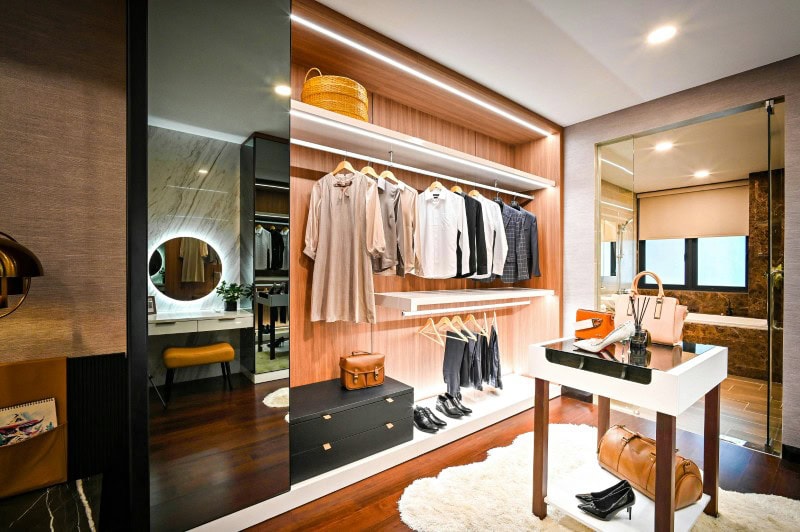
Seating areas are often included, allowing the space to function as a place to get ready rather than just store belongings.
The result is a closet that supports daily routines smoothly. Nothing is buried, nothing is forgotten, and getting dressed doesn’t involve digging through crowded racks.
Bathrooms designed for multiple people to use comfortably
Primary bathrooms at this level are designed to handle real daily routines without forcing people to work around each other.
Separate vanities provide individual space for getting ready, while large showers and soaking tubs are positioned to allow easy movement throughout the room. Enclosed toilet areas improve privacy, and the overall layout leaves enough space for multiple people to use the room at the same time without crowding.
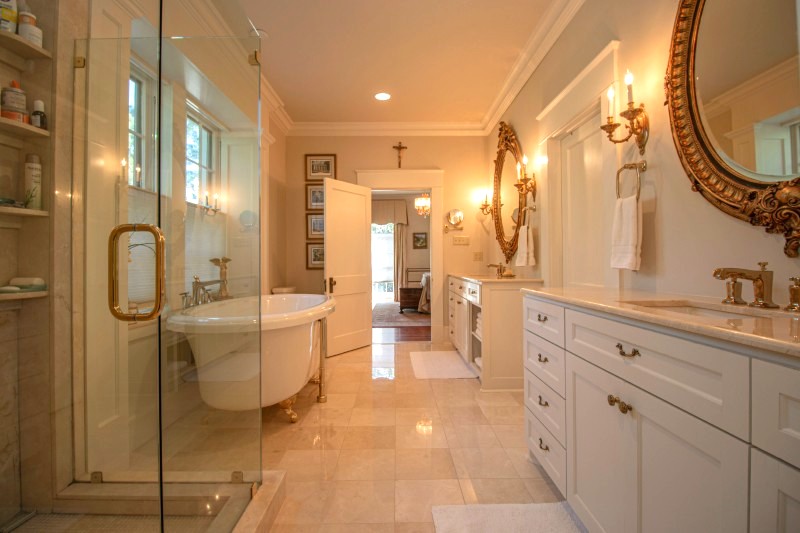
The room functions more like a personal wellness space than a standard bathroom.
It removes the small daily inconveniences that tend to accumulate in tighter layouts.
Outdoor spaces with infrastructure, not just furniture
In many homes, outdoor living depends on temporary furniture and favorable weather.
Wealthy estates treat outdoor areas as permanent extensions of the house, built with the same level of planning as interior rooms.
Patios and terraces often include built-in kitchens, complete with grills, refrigeration, sinks, and storage. Heating systems are integrated into ceilings or floors, allowing spaces to remain comfortable even when temperatures drop.
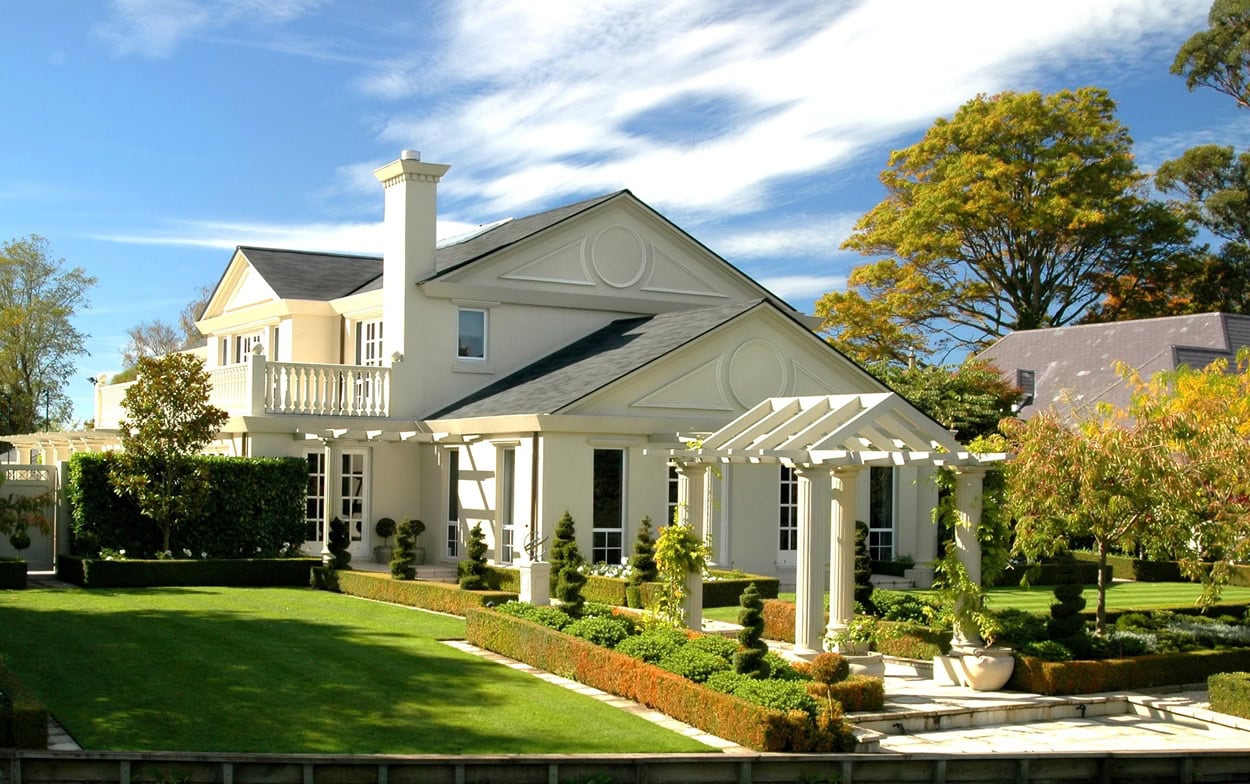
Drainage is carefully engineered so water never pools, and covered structures provide protection from sun and rain.
These spaces aren’t set up and taken down with the seasons. They’re designed to function consistently, making outdoor living feel just as reliable as being indoors.
Windows positioned for privacy, not just views
Large windows are common in luxury homes, but in wealthy estates, their placement is far more deliberate.
Instead of simply maximizing views, windows are positioned to balance openness with privacy. Many face inward toward private courtyards, gardens, or controlled landscape areas rather than directly toward neighboring properties or streets.
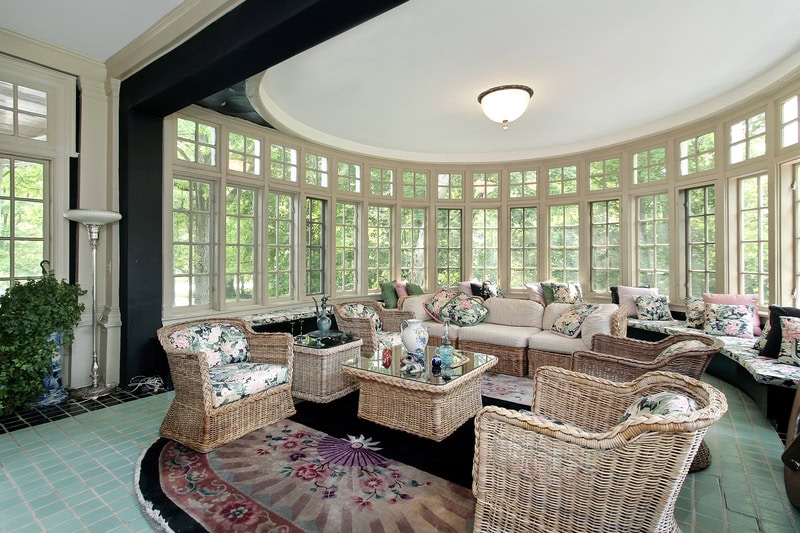
This allows rooms to receive natural light throughout the day without sacrificing a sense of security or seclusion.
The home feels open to the outdoors, but not exposed to the outside world.
Sound insulation between major rooms
Noise control is something most people don’t notice until it’s missing.
In wealthy estates, walls, floors, and ceilings are built to reduce sound transfer between spaces.
Bedrooms remain quiet even when activity continues elsewhere. Media rooms can operate at full volume without affecting adjacent areas. Early risers and late sleepers can move through their routines without disturbing each other.
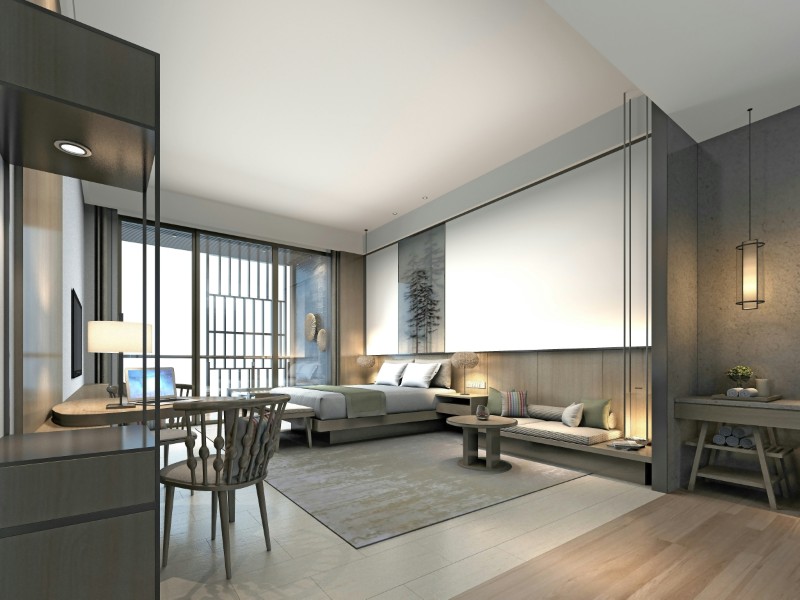
This separation allows different parts of the home to function independently, making daily life more comfortable for everyone inside.
Его one of the least visible upgrades, but one of the most immediately felt.
Dedicated rooms for hobbies and specific activities
Rather than asking rooms to serve multiple purposes, wealthy estates often include spaces designed around specific activities.
A home gym isn’t just an empty room with equipment added later — it’s sized, ventilated, and finished to support regular use comfortably.
Libraries are designed for reading and storage, with proper lighting and shelving built to hold full collections. Wine rooms maintain stable temperatures to preserve bottles properly, while screening rooms are designed to control light and sound for a better viewing experience.
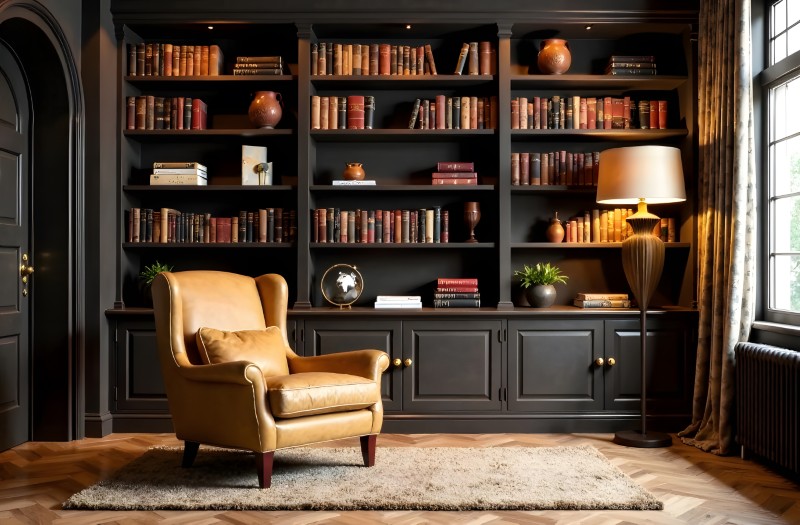
These rooms allow activities to happen without rearranging furniture or temporarily transforming other spaces.
Everything has a place, and it stays ready to use.
Materials chosen for longevity, not just appearance
In many homes, finishes are chosen primarily for how they look when new.
Wealthy estates prioritize materials that continue to perform well over time.
Stone surfaces resist wear. Solid wood flooring can be refinished repeatedly instead of replaced. Metal fixtures maintain their function and appearance for decades. Exterior materials are selected to withstand weather without constant maintenance.
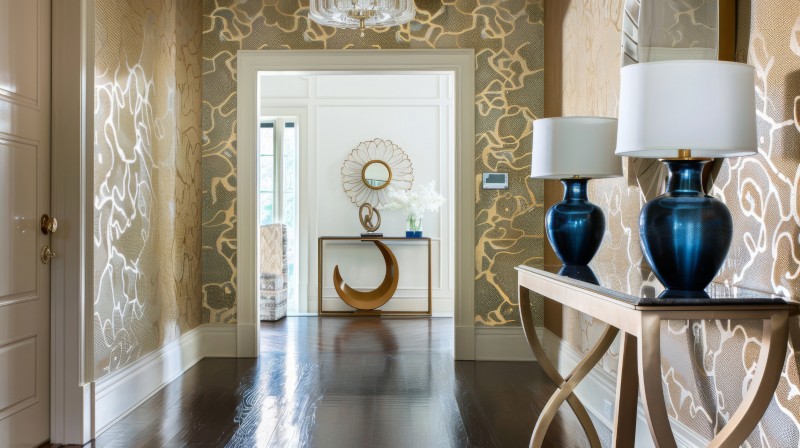
These choices allow the house to age gradually instead of deteriorating quickly.
The home doesn’t just look good when finished. It stays that way.
Floor plans that allow parts of the house to operate independently
Wealthy estates are often designed with distinct wings that can function independently.
Guest areas, primary suites, and family living spaces are positioned to provide separation when needed. This allows different schedules, activities, and routines to coexist without conflict.
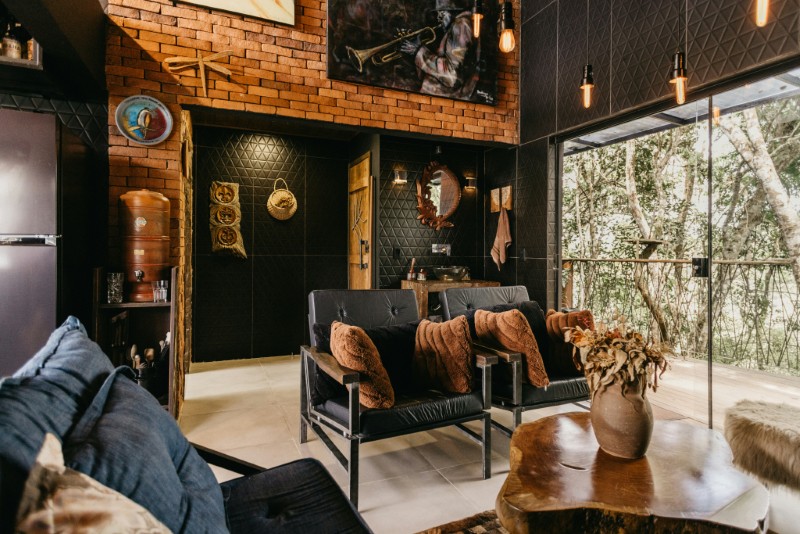
Some parts of the home can remain quiet and private while others stay active.
This flexibility becomes especially valuable during visits, events, or extended stays, allowing the home to adapt without disrupting daily life.
Lighting designed into the architecture
Lighting in wealthy estates is planned early, not added after construction.
Fixtures are integrated into ceilings, walls, and built-in cabinetry to create consistent, comfortable illumination throughout the home. Light sources are positioned to reduce harsh shadows and eliminate dark corners, making rooms feel calmer and more balanced.
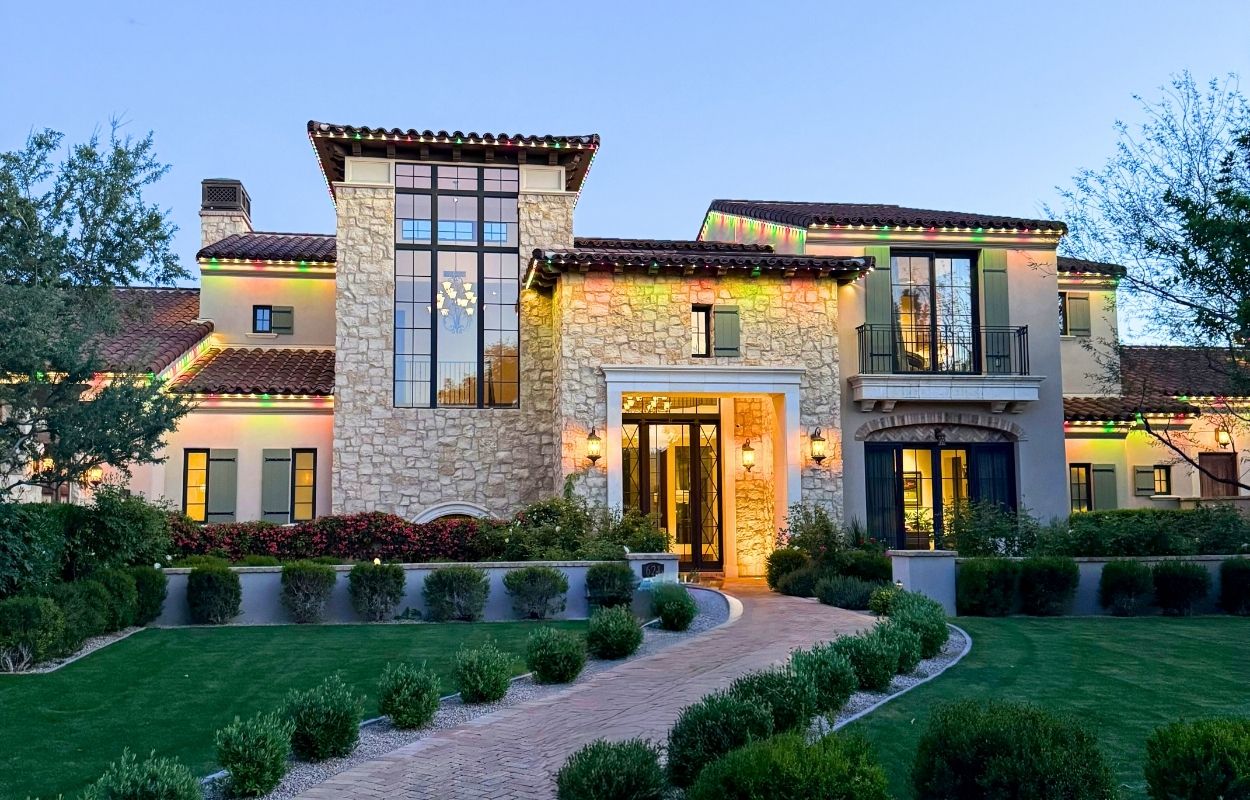
Accent lighting highlights architectural details, while softer ambient lighting supports everyday living.
Instead of relying on a few bright fixtures, light is distributed carefully across the space.
Outdoor arrival sequences that create separation from the street
Arriving at a wealthy estate is rarely immediate.
Driveways are often longer, sometimes curving through landscaping before the house comes fully into view. Entry courtyards and motor courts create a gradual transition between public space and private space.
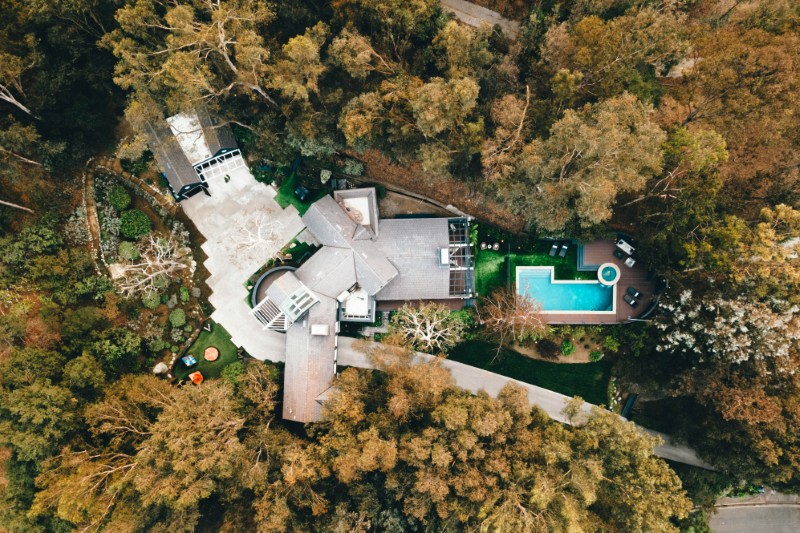
This distance reduces noise, improves privacy, and allows the home to feel removed from the outside world.
By the time someone reaches the front door, the street already feels far away.
Больше историй
Классические элементы роскошного дизайна, возвращение которых мы бы с удовольствием увидели.
What luxury architecture looked like in every decade since the 1950s
Пост 20 features that quietly separate wealthy estates from regular luxury homes впервые появился на Дома с модными брюками.

 English