


Некоторые из самых дорогих на вид домов впечатляют не столько тем, что было куплено и выставлено напоказ, сколько тем, насколько продуманно вещи были расставлены, подобраны по масштабу и подобраны. Дизайнеры часто полагаются на набор небольших визуальных корректировок, которые стоят совсем недорого или вовсе ничего, но кардинально меняют восприятие пространства.
Это не проекты по реконструкции. Это скорее небольшие изменения, которые исправляют пропорции, планировку и атмосферу — те тонкие нюансы, которые отличают «хорошо» от «продуманного дизайна».
Вот 15 высококлассных дизайнерских приемов, которые почти ничего не стоят, но при этом делают комнаты более спокойными, продуманными и сдержанно роскошными.
#1 Размещайте центральную мебель на архитектурных элементах, а не на стенах.
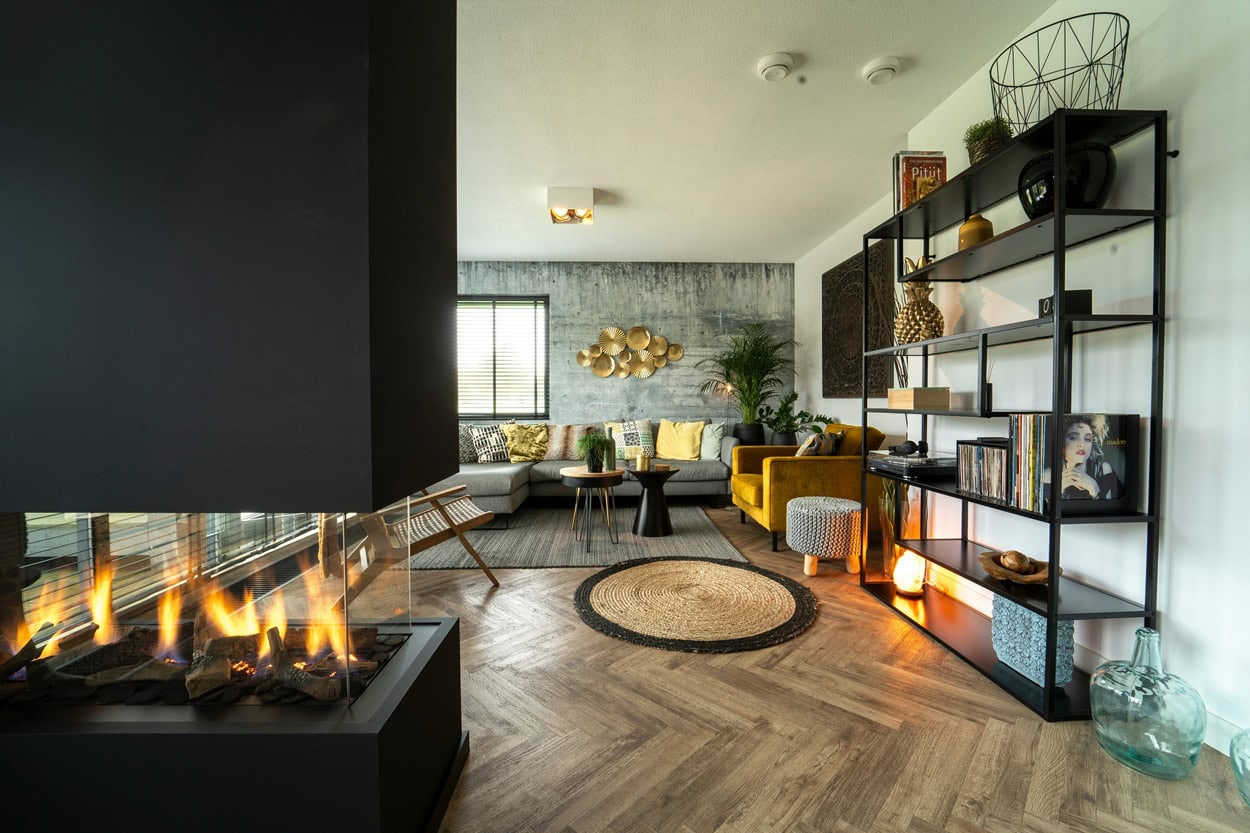
Вместо того чтобы по умолчанию расставлять диваны и кресла вплотную к стенам, дизайнеры поступают умно, размещая мебель у каминов, окон или в центральных элементах интерьера.
Это простое изменение создает симметрию и целостность, мгновенно придавая помещению профессиональное оформление и ощущение завершенности.
#2 Пусть шторы едва касаются пола (не образуют лужиц и не парят в воздухе).
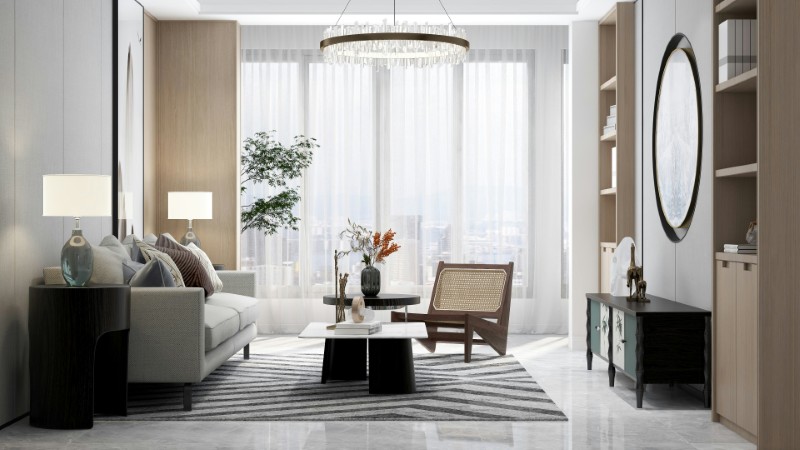
Парящие занавески Неуклюже расположенные над полом или неопрятно размещенные у бассейна элементы удешевляют пространство.
Изысканный внешний вид достигается за счет тщательной проработки деталей: панели плавно соприкасаются с полом, создавая чистую, завершенную линию.
#3 Уберите по одному ненужному предмету мебели из каждой комнаты
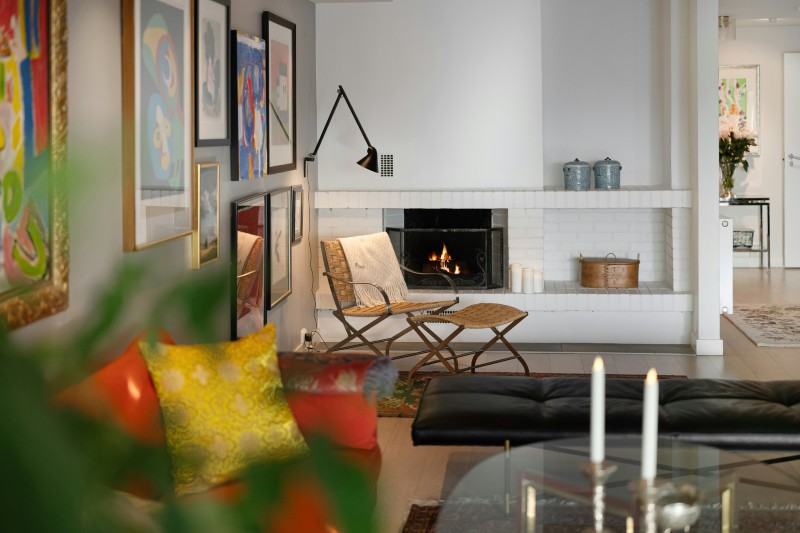
Большинство номеров кажутся меньше и дешевле из-за переполненности.
Дизайнеры почти всегда сначала убирают лишнее — один стул лишнее, один приставной столик лишнее — что сразу же расширяет обзор и улучшает функциональность пространства.
#4 Групповое оформление в нечетном количестве (особенно по три элемента)
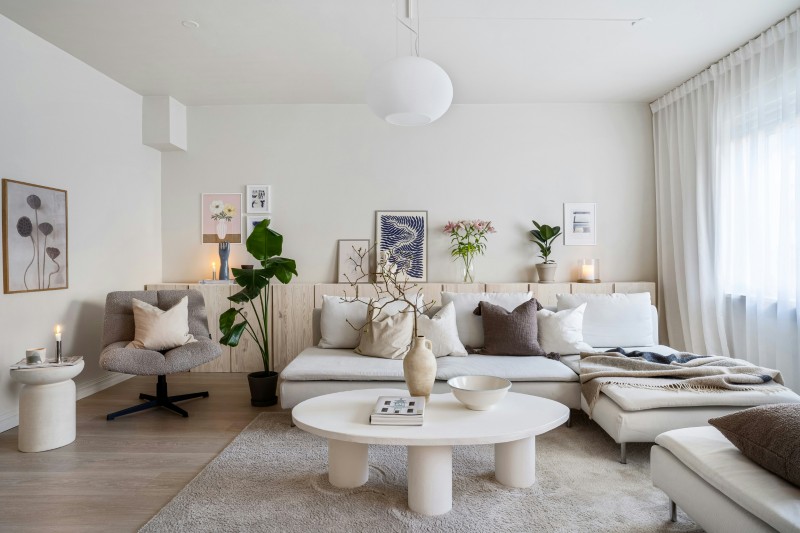
Это классический принцип оформления, поскольку он выглядит более естественно и менее постановочно.
Три вазы, три книги с каким-либо предметом сверху, три фотографии в рамках — такое сочетание помогает создать ощущение гармонии в пространстве, а не захламленности.
#5 Задвиньте ковры достаточно далеко под мебель.
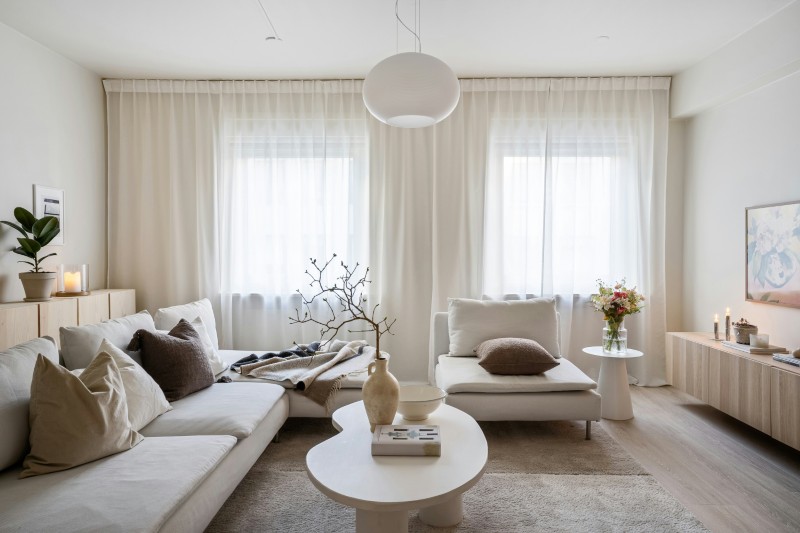
Ковер должен соединять зону отдыха, а не располагаться отдельно в центре.
Как минимум, передние ножки диванов и кресел должны стоять на ковре. Это мгновенно улучшает пропорции и Благодаря этому комната кажется просторнее.И визуальный эффект весьма впечатляет, учитывая минимальные усилия, необходимые для внесения изменений!
#6 Превратите книги в предметы декора (в горизонтальной стопке)
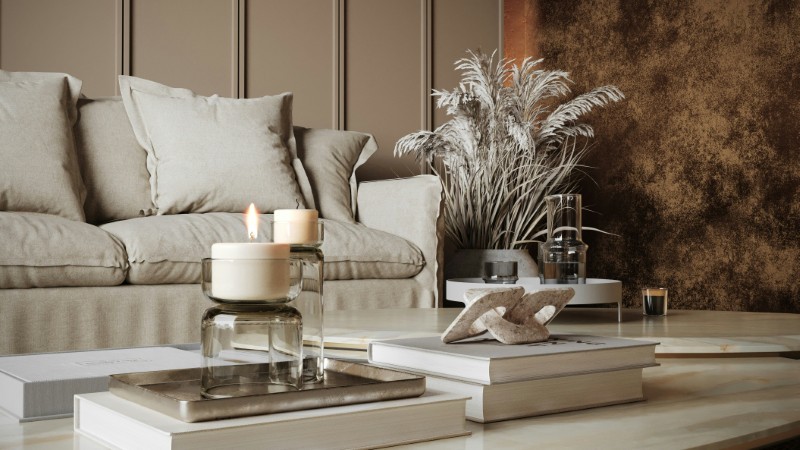
В элитных домах книги используются для создания текстуры и изменения высоты.
Несколько таких полок, расположенных горизонтально под небольшим предметом, мгновенно привлекают внимание на журнальных столиках, полках и консолях.
#7 Используйте подносы для хранения повседневных предметов.
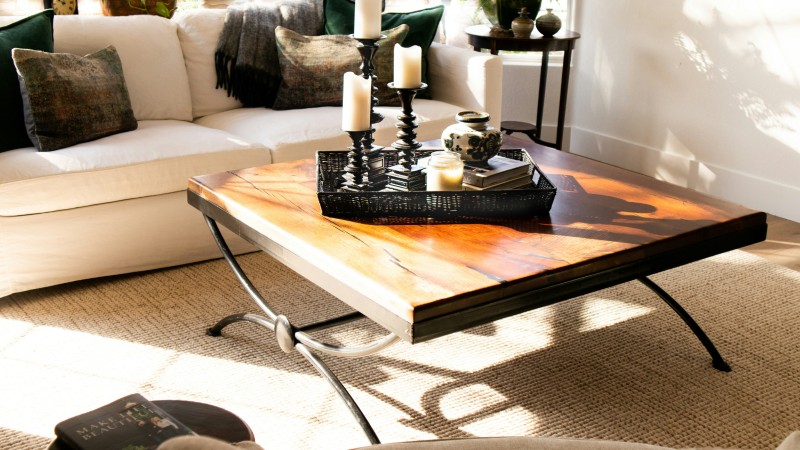
Пульты дистанционного управления, свечи, ключи и мелкие предметы выглядят продуманно, если их сгруппировать на подносе. К тому же, это позволяет избежать излишнего беспорядка и ненужных вещей, которые могут испортить обстановку.
Это один из самых быстрых способов превратить повседневный беспорядок в стильные поверхности.
#8 Ограничивайте цветовую палитру в каждой комнате.
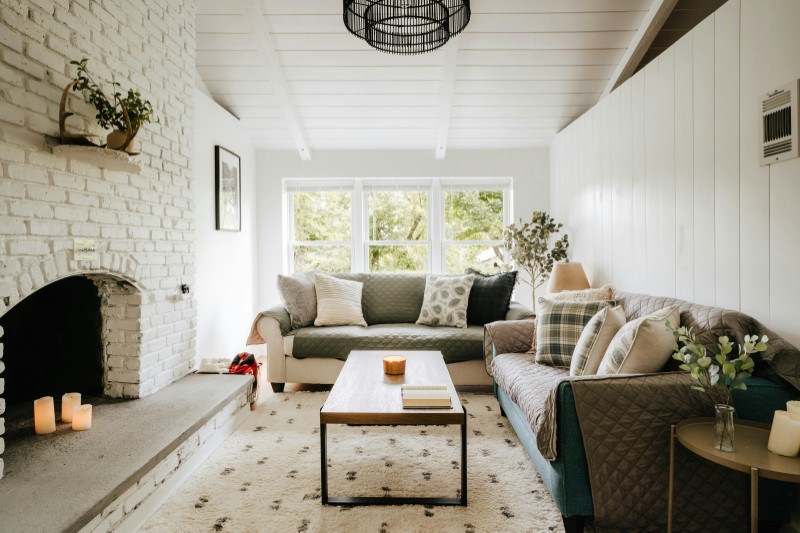
Номера высокого класса обычно придерживаются 2–4 основных цветов. вместо того, чтобы смешивать и сочетать разные элементы для максимального визуального эффекта.
Снижение визуального шума создает ощущение спокойствия и гармонии — даже при использовании недорогой мебели.
#9 Оставьте достаточно свободного пространства на полках и поверхностях
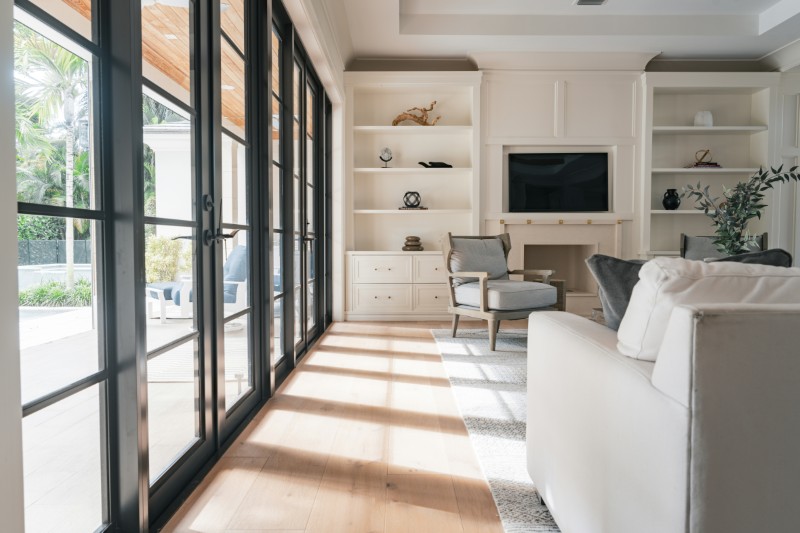
В роскошных интерьерах редко используется каждый сантиметр доступного пространства — и именно эта сдержанность во многом объясняет их спокойствие и продуманность. Когда полки заставлены декором от стены до стены, взгляд не знает, где остановиться, и даже красивые предметы начинают казаться хламом.
Дизайнеры намеренно оставляют секции полок пустыми, чтобы оставшиеся предметы... Ощущение тщательно подобранного контента, а не переполненности.Это пустое пространство подчеркивает текстуру, форму и масштаб, благодаря чему каждый предмет выглядит более продуманным. Часто достаточно убрать всего один-два предмета с каждой полки, чтобы мгновенно придать всей комнате более изысканный вид.
#10 Выберите один крупный, эффектный предмет интерьера вместо множества маленьких.
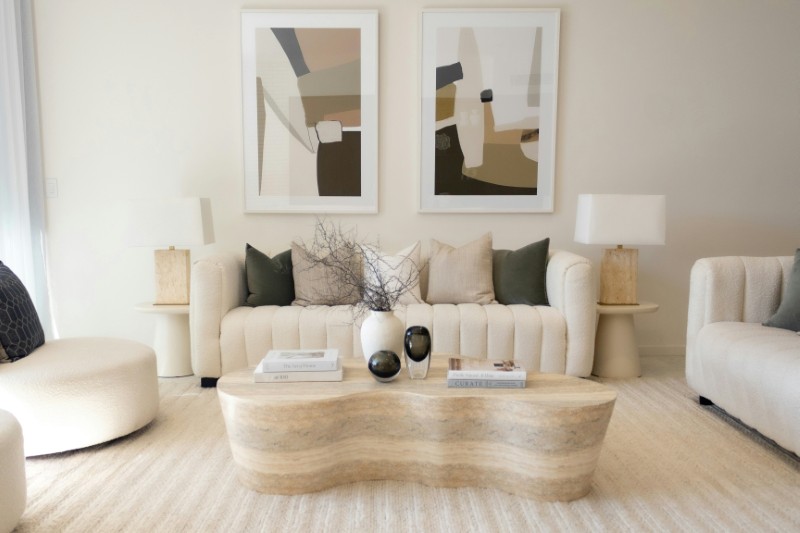
Масштаб — один из самых мощных, но часто недооцениваемых инструментов дизайна. В высококлассных интерьерах, как правило, меньше предметов, но каждый из них обладает своим неповторимым шармом. Большое произведение искусства, высокое растение или скульптурный объект мгновенно закрепляют пространство так, как это никогда не сможет сделать набор небольших аксессуаров.
Множество мелких предметов декора часто воспринимаются как беспорядок или заполнитель.
Один крупный элемент выглядит продуманным, уверенным и дорогим. Он создает фокусную точку и визуально упрощает комнату, поэтому... Дизайнеры почти всегда выбирают смелые масштабы. вместо множества мелких акцентов.
#11 Аккуратно расставьте мебель.
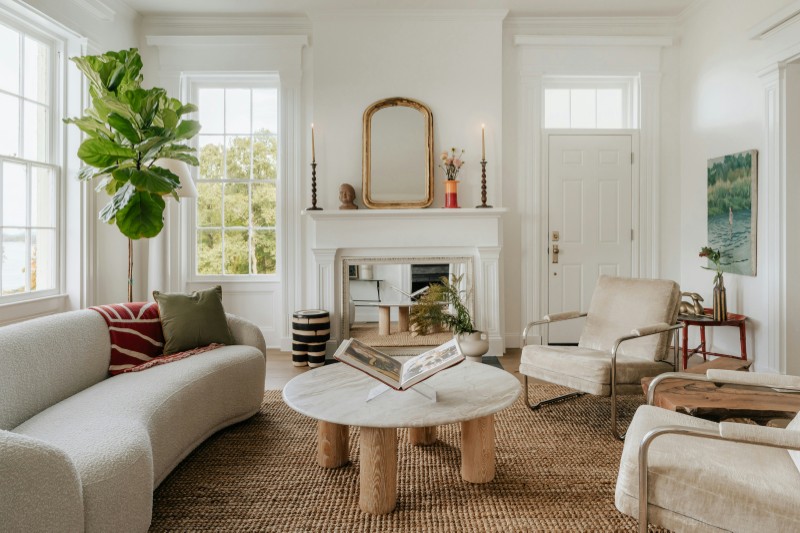
В профессионально оформленных интерьерах практически ничего не расставлено небрежно, даже если это выглядит естественно. Кофейные столики располагаются по центру рядом с диванами, кресла расставлены равномерно, а линии мебели часто повторяют архитектурные элементы, такие как окна или камины.
Эти небольшие корректировки создают визуальный порядок. Когда мебель немного смещена от центра или расставлена неравномерно, комната может казаться слегка хаотичной, даже если все выглядит красиво. Простое выравнивание, центрирование и равномерное расположение предметов могут сделать пространство более спокойным и гораздо более изысканным.
#12 Крупную мебель следует слегка приподнять над стенами.
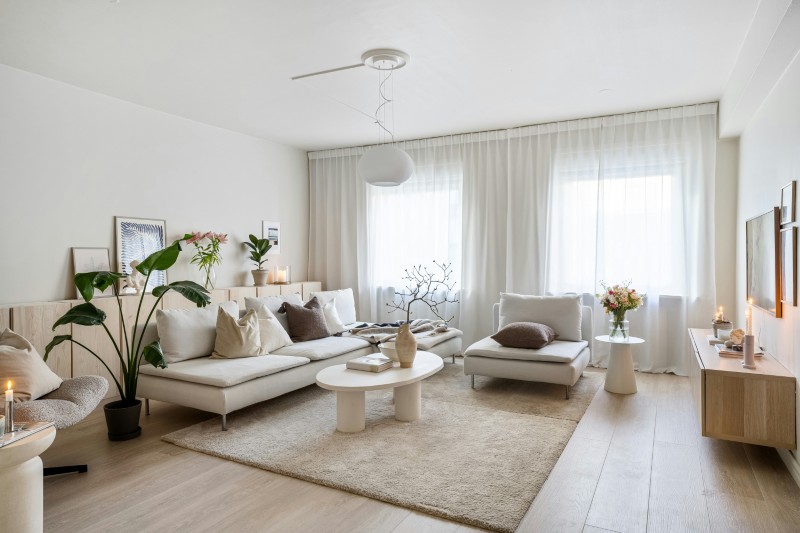
Придвигание всей мебели вплотную к стенам — одна из самых распространенных ошибок при планировке, и один из самых быстрых способов придать комнате стандартный, ничем не примечательный вид. Дизайнеры почти всегда оставляют немного свободного пространства за диванами, кроватями и креслами, когда это возможно.
Даже несколько сантиметров пространства добавляют воздуха и смысла. Это создает ощущение продуманной, а не стесненной планировки и помогает комнатам казаться более уютными. продуманно спроектированные пространства вместо места для хранения мебели.
#13 Многослойные подушки для спальни для баланса и объема
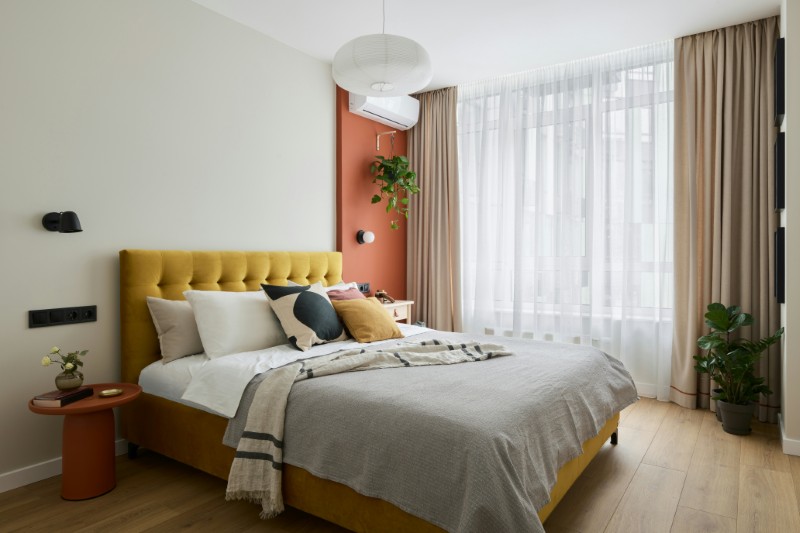
В дизайнерских спальнях редко используют по одной подушке с каждой стороны. Вместо этого, как правило, используются многослойные конструкции — обычно это подушки для сна сзади и декоративные или европодушки спереди — для создания высоты, мягкости и пропорций.
Дело не в излишней придирчивости. Дело в масштабе. Более плотное расположение подушек создает ощущение солидности и уюта на кровати, поэтому в гостиничных номерах всегда используют этот прием. Вся спальня мгновенно приобретает более завершенный и роскошный вид.
#14 Визуально расположите кровать по центру для симметрии.
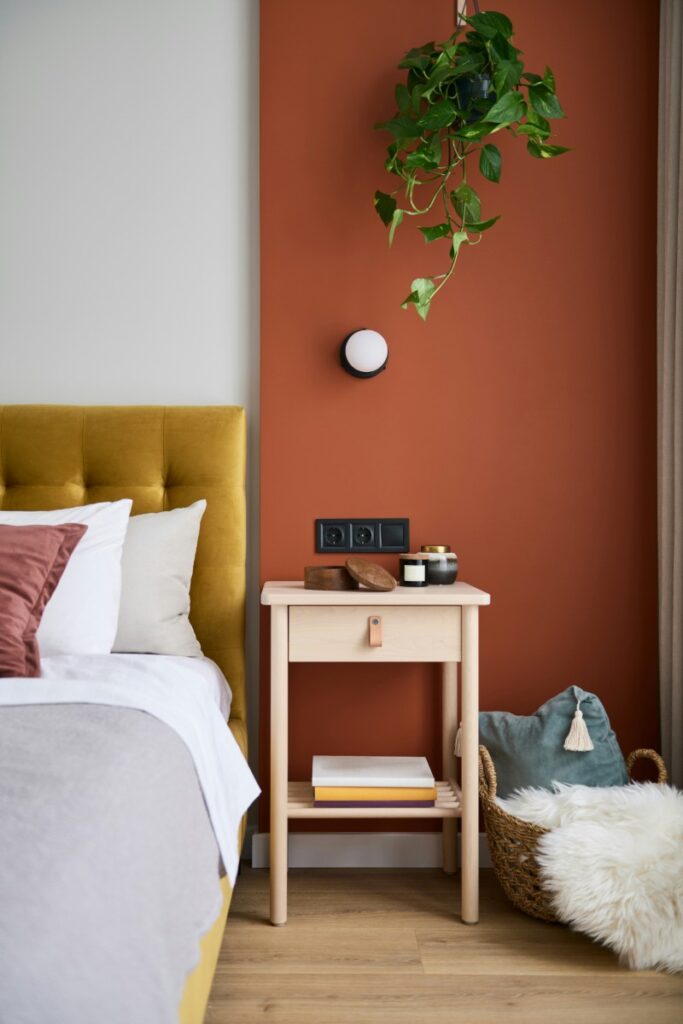
Симметрия — один из самых ярких признаков продуманного дизайна, особенно в спальнях. Кровать, расположенная по центру стены, с уравновешенными прикроватными тумбочками и освещением, создает ощущение спокойствия и гармонии, которое трудно воспроизвести каким-либо другим способом.
Даже если в комнатах неудобные двери или окна, дизайнеры обычно отдают приоритет визуальному балансу. Кровать, расположенная по центру, создает ощущение продуманности, а не компромисса, и все вокруг нее гармонично вписывается в общую картину.
#15 Рулон банных полотенец для организации пространства в стиле спа-салона
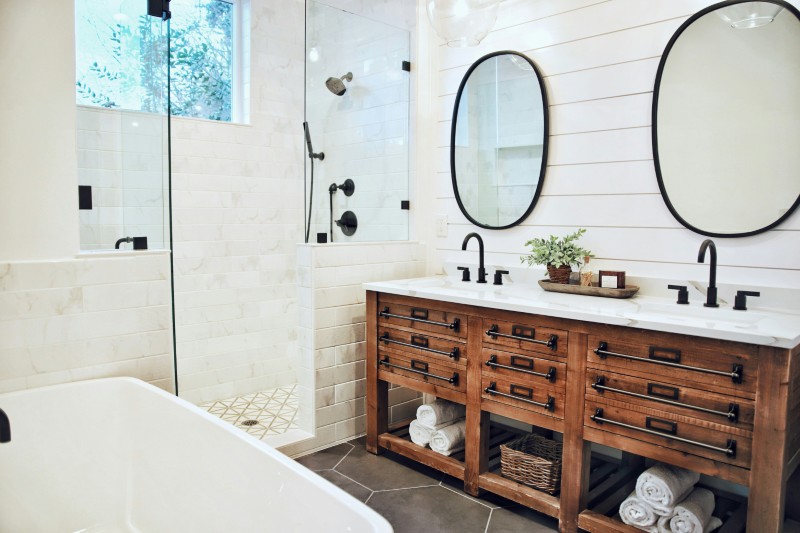
Свернутые полотенца используются не только в отелях. — Это простой стилистический приём, который мгновенно преображает ванную комнату. Они занимают меньше визуального пространства, выглядят аккуратно со всех сторон и создают ощущение тихого «бутикового спа-салона».
Сложенные стопкой полотенца легко могут выглядеть громоздкими или неопрятными. Свернутые полотенца создают ощущение аккуратности, ухоженности и успокаивающего вида — небольшая деталь, которая делает всю ванную комнату более изысканной.
#16 Освободите прилавки и создайте единый стильный момент
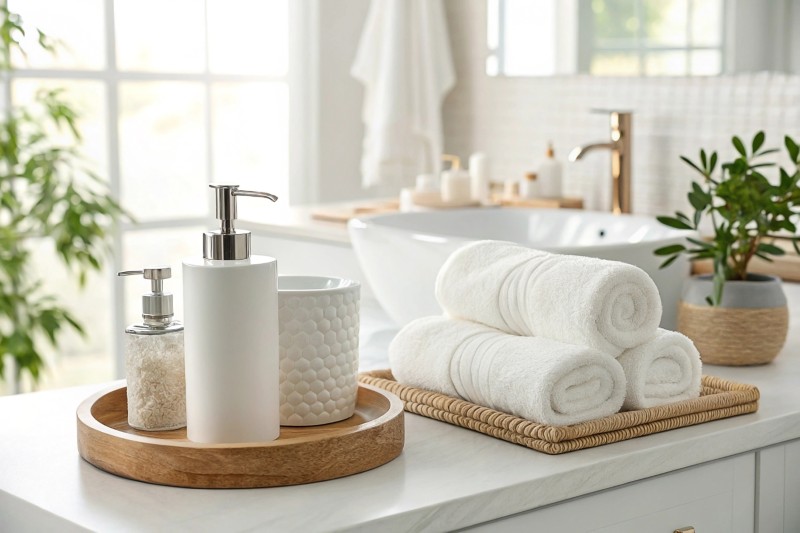
Дизайнеры стремятся к тому, чтобы столешницы в ванных комнатах создавали ощущение спокойствия, а не перегруженности. Вместо множества бутылочек, зубных щеток и случайных предметов, разбросанных повсюду, они объединяют необходимые вещи в одну продуманную группу.
Небольшой поднос с мылом, свечой и растением (или полотенцем) становится визуальным центром, а все остальное убирается на хранение. В результате создается ощущение чистоты, изысканности и гораздо большей дороговизны — без замены ни одного элемента интерьера.
#17 Используйте одинаковые контейнеры для повседневных предметов.
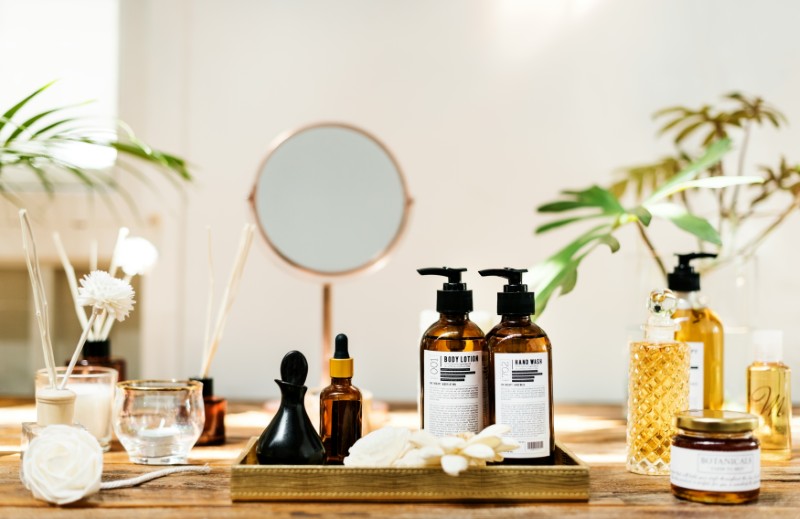
Несоответствующие элементы — один из самых быстрых способов визуально удешевить ванную комнату. Разные пластиковые бутылки, яркие этикетки и несоответствующие формы создают беспорядок, даже если вещи формально расставлены по местам.
Перевод мыло, лосьон и предметы повседневного обихода Использование соответствующих дозаторов устраняет визуальный шум и создает целостный вид. Это классический дизайнерский прием, который мгновенно придает ванной комнате индивидуальный характер и ощущение гостиничного номера.
#18 Наклоните уличную мебель внутрь, чтобы создать зоны для общения.
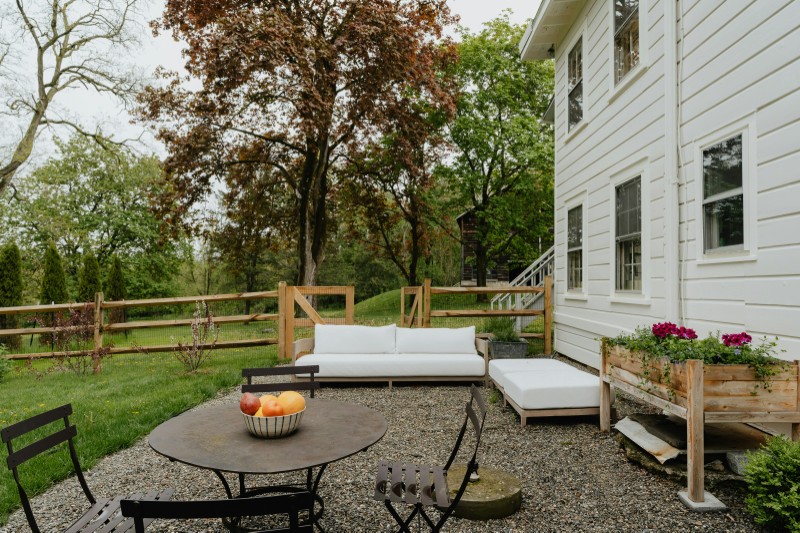
Открытые пространства часто кажутся хаотичными, потому что мебель придвинута к стенам или выстроена в прямые ряды. Дизайнеры же расставляют сиденья так же, как в гостиной — слегка наклоняя их друг к другу вокруг центрального элемента.
Это создает ощущение уюта, улучшает циркуляцию воздуха и создает пространство, которое кажется продуманным, а не временным. Патио внезапно начинает восприниматься как открытая комната, а не просто как расставленная на улице мебель.
#19 Используйте один большой цветочный горшок в качестве центрального элемента композиции.
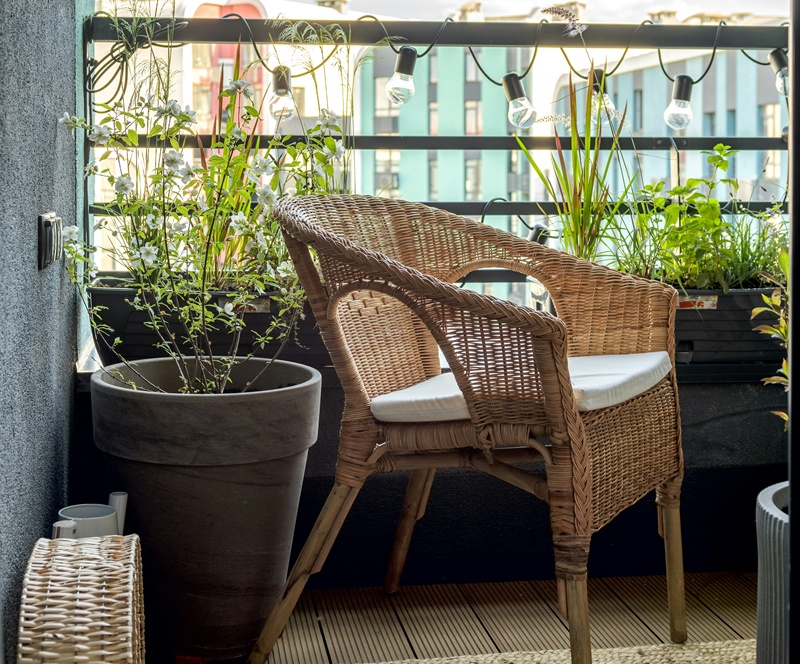
Как и в помещении, масштаб имеет значение на открытом воздухе. Даже если ваше открытое пространство ограничено небольшим балконом, добавление одного большого кашпо с крупным растением или небольшим деревом создаст эффектный, устойчивый и дорогой вид.
Разбросанные повсюду небольшие горшки создают ощущение перегруженности и невпечатляемости. Один большой, но эффектный кашпо придает композиции выразительность и структуру, поэтому в элитных ландшафтных проектах часто используются смелые, простые посадки.
#20 Обустройте место для отдыха на открытом воздухе с помощью ковра.
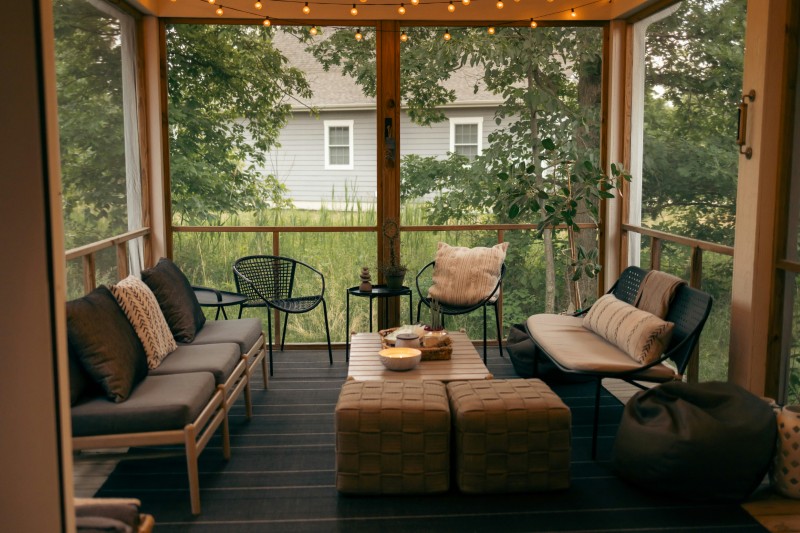
Уличный ковер мгновенно определяет зону отдыха и создает ощущение, что это настоящее продолжение дома. Без него мебель может казаться неуклюже парящей на террасе или веранде.
Дизайнеры используют ковры для создания зон, добавления тепла и визуального зонирования садовой мебели — тот же прием, что и внутри помещений. Это один из самых быстрых способов придать патио вид продуманного дизайна, а не импровизации.
Больше историй
21 модный предмет домашнего декора, который может представлять опасность для маленьких детей.
18 вещей, которые дизайнеры в первую очередь изменили бы в типовом доме от застройщика.
Пост 20 высококлассных дизайнерских приемов, которые почти ничего не стоят впервые появился на Дома с модными брюками.

 English