


Одно из самых заметных отличий обычных домов от элитных заключается не в отделке или мебели, а в отсутствии визуальных помех.
В дорогих домах, как правило, царит спокойная, упорядоченная и уравновешенная атмосфера, даже когда в них живут люди. Это ощущение комфорта не случайно и не является результатом постоянной уборки.
При проектировании элитных домов с самого начала учитывалась необходимость предотвращения скопления вещей. Вместо того чтобы рассматривать хранение как второстепенный вопрос, архитекторы и дизайнеры планируют его как основную функцию дома. Для повседневного беспорядка — сумок, обуви, почты, бытовой техники, белья — существует специально отведенное место, часто скрытое от глаз, но всегда под рукой.
В результате получается дом, который выглядит гармонично, но при этом не кажется излишне вычурным. Поверхности остаются чистыми, комнаты продуманы до мелочей, и ничто не «ждёт» своего лучшего места. Эти стратегии неизменно применяются в элитных домах, потому что они работают.
Вот девять способов, которыми в дорогих домах скрывается беспорядок, и почему благодаря этому в них почти всегда царит спокойная атмосфера.
#1 Скрытые стеллажи для хранения, которые незаметно выполняют основную работу.
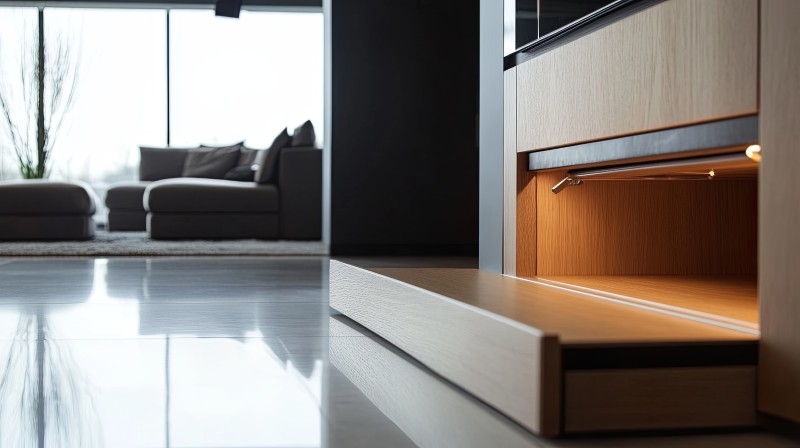
В элитных домах системы хранения часто встраиваются непосредственно в стены, а не добавляются позже.
Весь В стенах могут скрываться шкафы и тумбы.или неглубокие зоны хранения, которые органично вписываются в архитектуру. Поскольку эти элементы расположены заподлицо и являются непрерывными, они не нарушают обзор и не разделяют пространство визуально.
Такой подход позволяет полностью убрать повседневные предметы, поддерживая чистоту в помещении без использования декоративных корзин или видимых полок.
#2 Зоны для сбора мусора у входа, предотвращающие беспорядок у входной двери.

В элитных домах редко допускается беспорядок за пределами прихожей. Прихожие, вестибюли или укромные места возле входной двери позволяют быстро разместить обувь, сумки, верхнюю одежду и ключи.
Благодаря тому, что повседневный хаос скрывается за порогом, остальная часть дома остается визуально нетронутой — даже в суматошные утра и во время спешки по возвращении домой.
#3 Скрытая установка бытовой техники, которая визуально не выделяет кухню.
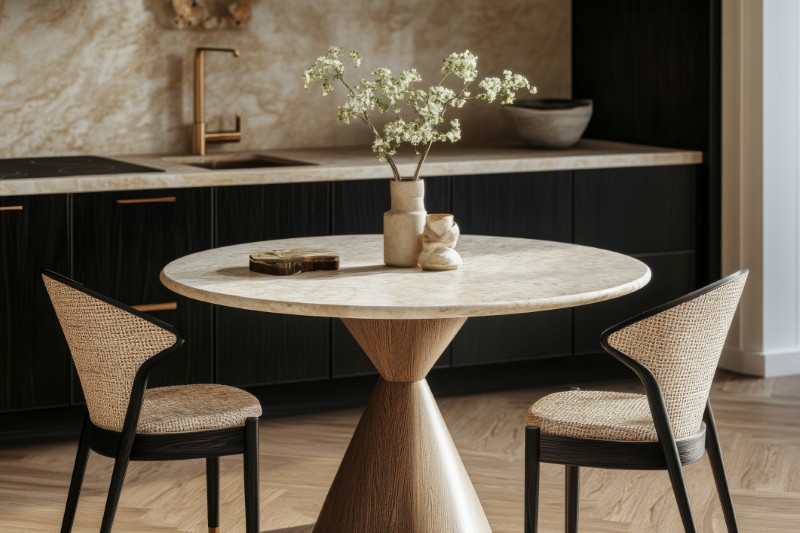
Роскошные кухни Приоритет отдается чистым линиям, что означает минимизацию визуальных отвлекающих факторов. Посудомоечные машины, холодильники и даже более мелкая бытовая техника часто скрываются за кухонными шкафами или размещаются в специально отведенных зонах.
Скрывая эти утилитарные элементы, кухни воспринимаются как спокойные, гармоничные пространства, а не как скопления оборудования, конкурирующих за внимание.
#4 Закрытые стеллажи предпочтительнее открытых витрин
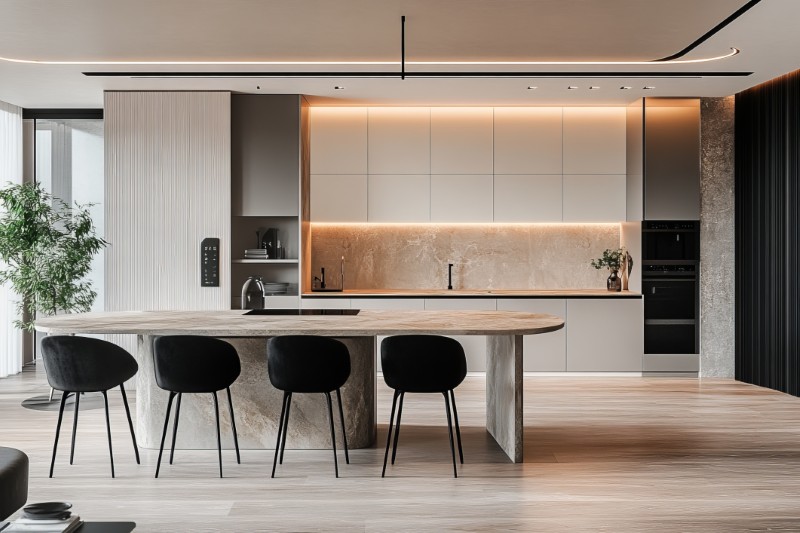
Хотя открытые полки хорошо смотрятся на фотографиях, в дорогих домах, как правило, больше внимания уделяется закрытым системам хранения. Шкафы с сплошными или слегка декоративными фасадами скрывают содержимое от глаз и снижают необходимость постоянно оформлять полки.
Этот выбор позволяет комнатам Ощущение обжитости без ощущения перегруженности пространства. или незавершенный.
#5 Белье размещено рядом с местом фактического использования
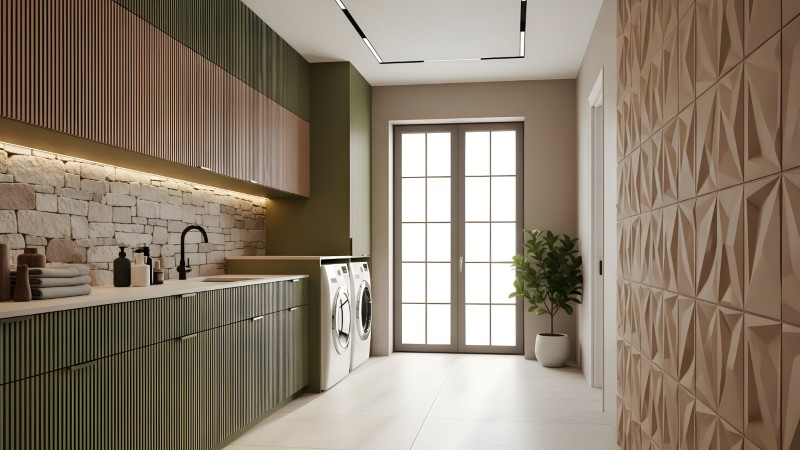
В элитных домахПрачечные часто располагаются рядом со спальнями или гардеробными, а не в дальних углах. Такое практичное размещение предотвращает скопление одежды в коридорах или ее перемещение по этажам.
Когда у белья есть логичное место хранения, оно остается компактным (и остальная часть дома остается более свободной).
#6 Разделители для ящиков и внутренняя организация пространства встроены с самого начала.

В дорогих домах не принято импровизировать в вопросах хранения вещей. Ящики часто оснащаются разделителями, лотками и отделениями, предназначенными для конкретных предметов.
Такая внутренняя организация предотвращает загромождение ящиков всяким хламом и облегчает поддержание порядка без постоянных усилий.
#7 Шкафы, спроектированные с учетом функциональности, а не только площади.
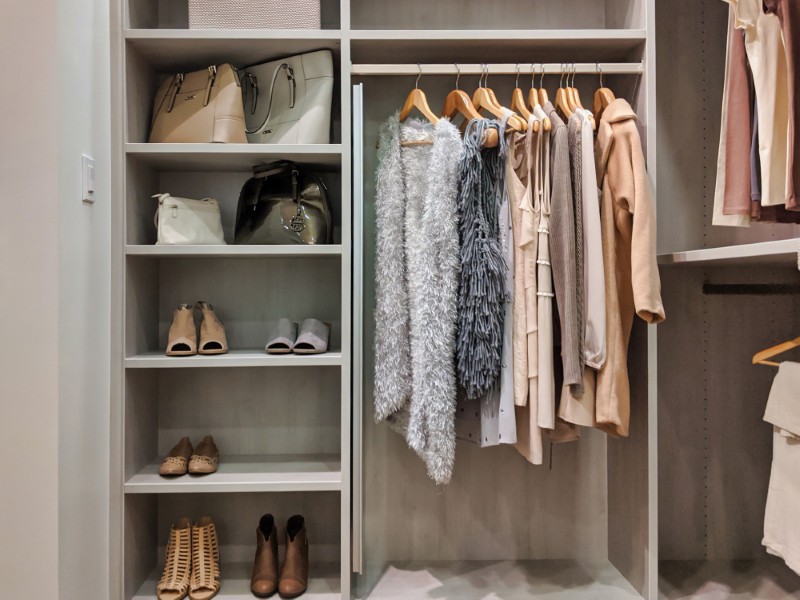
Вместо того чтобы сосредотачиваться только на размере, роскошные гардеробные планируются с учетом того, как они будут фактически использоваться. Пространство для развешивания одежды, полки, ящики и место для хранения обуви намеренно сбалансированы, что позволяет избежать излишнего использования и неэффективного применения пространства.
Когда система хранения соответствует привычкам, у беспорядка меньше возможностей для его накопления.
#8 Системы для гаражей, которые подходят не только для автомобилей.
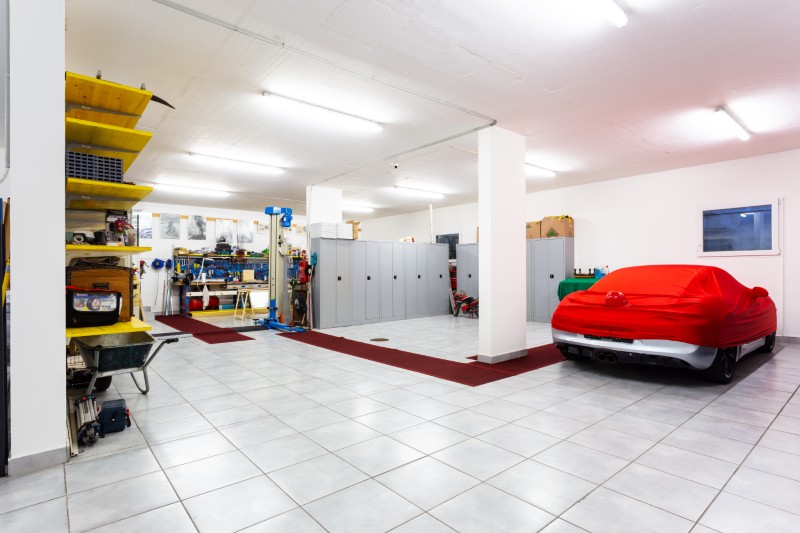
В дорогих домахГаражи часто рассматриваются как функциональное продолжение дома. Встроенные шкафы, настенные системы хранения и специально отведенные зоны позволяют упорядоченно хранить инструменты, спортивный инвентарь и сезонные вещи, скрывая их от посторонних глаз.
Это предотвращает превращение гаражей в зоны, куда попадают лишние вещи, которые в конечном итоге могут заполнить жилые помещения.
#9 Меньше видимых поверхностей для сбора вещей.
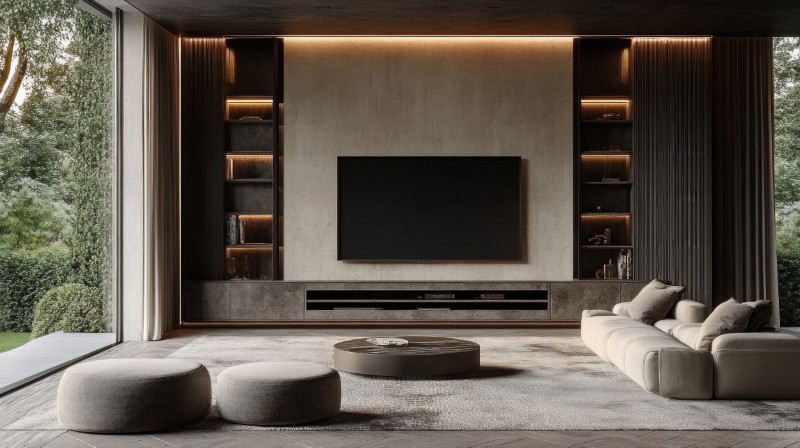
В элитных домах, как правило, ограничено количество полок, выступов и горизонтальных поверхностей, которые способствуют скоплению вещей. Когда места для размещения предметов меньше, скопления вещей в целом меньше.
Четкие поверхности усиливают ощущение порядка и создают впечатление продуманности пространства, а не просто переходного момента.
Больше историй
Создайте дом на миллион долларов: как скрыть обычные детали для создания элитного интерьера
Пост 9 способов, которыми в дорогих домах скрывают беспорядок (и почему они всегда выглядят спокойными) впервые появился на Дома с модными брюками.

 English