


Было время — не так уж и давно — когда некоторые особенности дома ненавязчиво указывали на то, что в него вложили серьёзные деньги.
Они не были такими показными, как особняк или огороженная подъездная дорога, но для любого внимательного человека они воспринимались как улучшения, выходящие за рамки базовых требований. Они подразумевали выбор, доступность и готовность тратить деньги на комфорт, а не на предметы первой необходимости.
Оглядываясь назад, поражаешься тому, как много из этих некогда эксклюзивных функций со временем стали доступны широкой публике.
Некоторые из них стали дешевле в производстве. Другие стали обыденностью благодаря новому строительству, изменению образа жизни или изменению представлений о том, что должно включать в себя «хороший» дом. Во многих случаях они перестали казаться особенными не потому, что потеряли ценность, а потому, что стали ожидаемыми.
Оглядываясь на эти бывшие символы статуса, можно увидеть, как развивается бытовая роскошь и как быстро она может утратить свою сигнальную силу.
Вот некоторые элементы домашнего обихода, которые еще 15 лет назад считались предметами роскоши, и что их рост говорит об изменениях в жилищном строительстве (и вкусах).
#1 Гардеробные комнаты
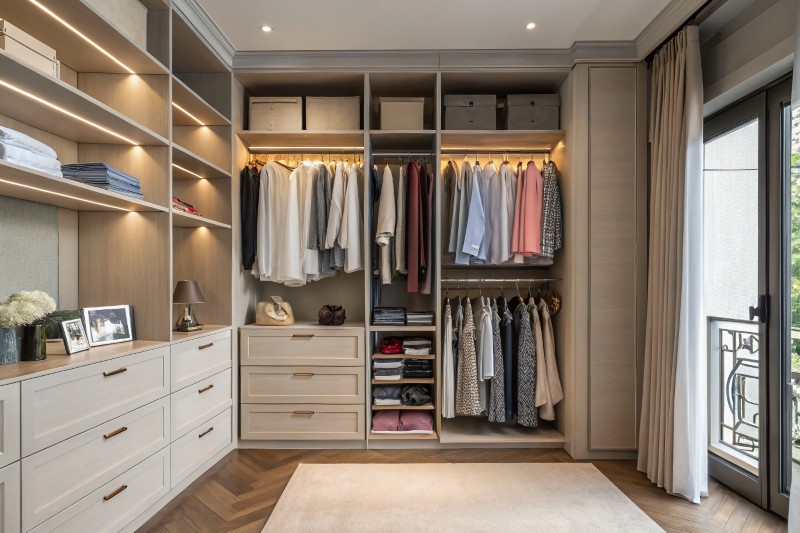
Когда-то гардеробные комнаты были безусловным признаком роскошной жизни, но сейчас они отнюдь не были стандартом. в начале 2000-х годов. Они предложили дополнительное пространство и возможность индивидуальной настройки.
Сегодня они распространены даже в скромных новостройках.
Гранитные столешницы #2
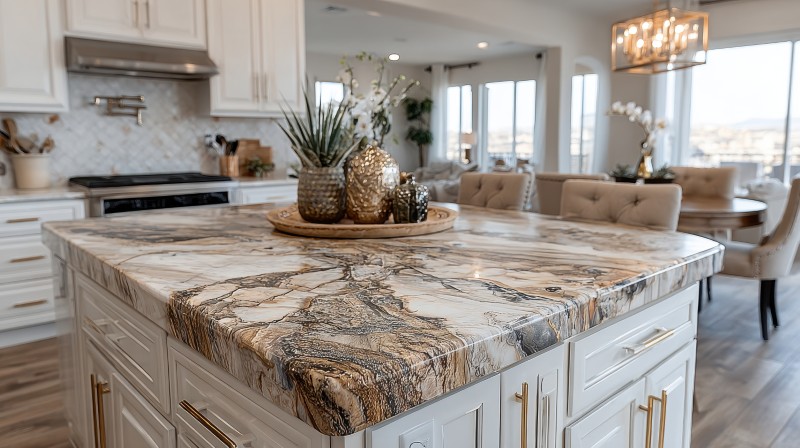
Гранит когда-то доминировал в роскошных кухнях, ценясь за свою долговечность и естественную текстуру. Он был дорогим, сложным в установке и, несомненно, считался «улучшенным». Со временем его повсеместное распространение снизило его престиж.
#3 Двойные раковины
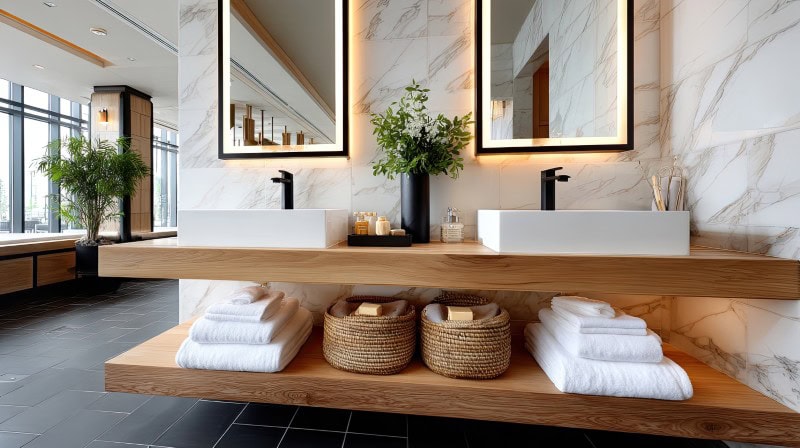
Раньше наличие второй раковины было роскошью, характерной для больших ванных комнат и дорогих домов. Теперь же её наличие в основных ванных комнатах практически обязательно, независимо от цены.
#4 Центральное кондиционирование воздуха
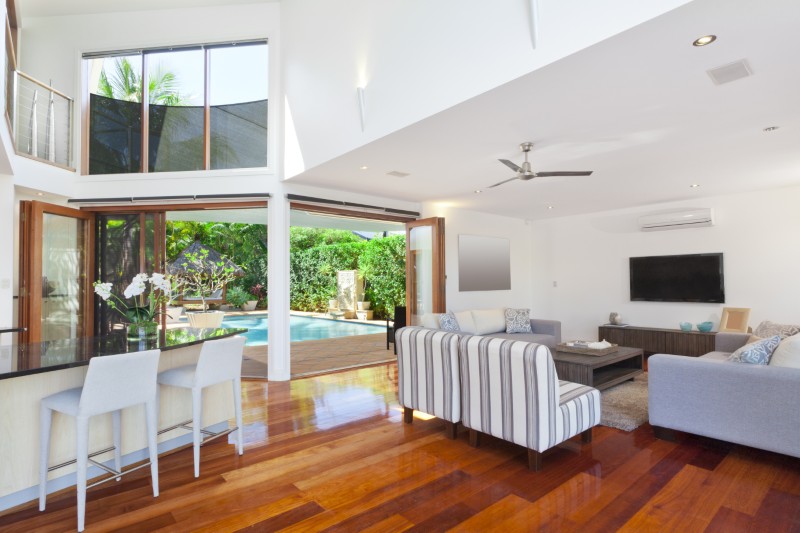
Во многих регионах страны центральное кондиционирование воздуха когда-то считалось… первоклассная услуга а не базовое ожидание.
Сегодня его отсутствие ощущается гораздо острее, чем его присутствие.
#5 Бытовая техника из нержавеющей стали
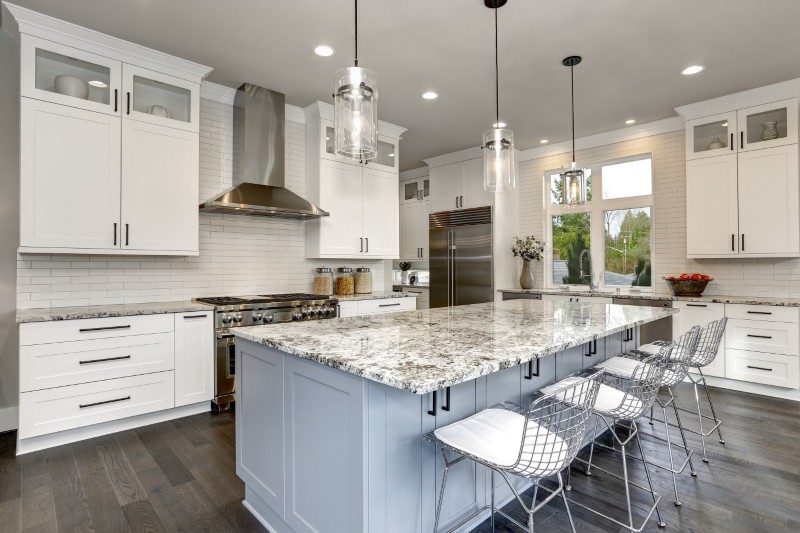
Нержавеющая сталь, когда-то бывшая синонимом профессиональной кухни, быстро перестала быть чем-то престижным и стала нормой. То, что раньше ассоциировалось с профессионализмом, теперь воспринимается как нечто нейтральное.
#6 Планировка открытого типа

Снос стен когда-то был дорогостоящим и модным дизайнерским решением. Открытые кухни, плавно переходящие в гостиные, сигнализировали о модернизации и инвестициях.
Со временем эта концепция получила широкое распространение, а в некоторых случаях и чрезмерное использование.
#7 Большие кухонные острова
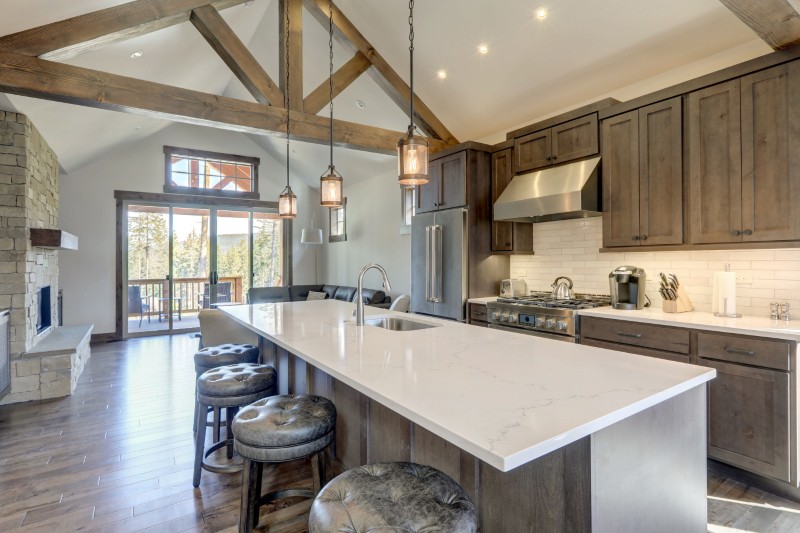
Большой островок на карте используется для обозначения дополнительной площади и индивидуального планирования.
Сегодня кухонные острова являются стандартным элементом интерьера, даже если они нарушают пропорции помещения.
#8 Специально оборудованные домашние офисы

До того как удаленная работа стала нормой, домашний офис подразумевал наличие дополнительного пространства и профессиональных привилегий.
Сейчас это часто считается практической необходимостью.
#9 Полы в ванных комнатах с подогревом
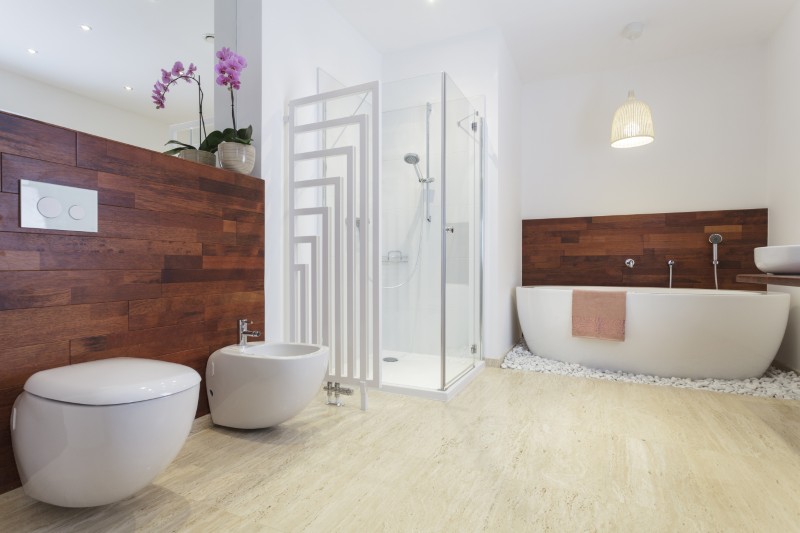
Раньше лучистое отопление казалось роскошью, а теперь... явно высокого класса.
По мере того, как системы становились более доступными, эта функция перестала быть предметом роскоши и превратилась в популярное обновление.
#10 Душевые кабины без поддона
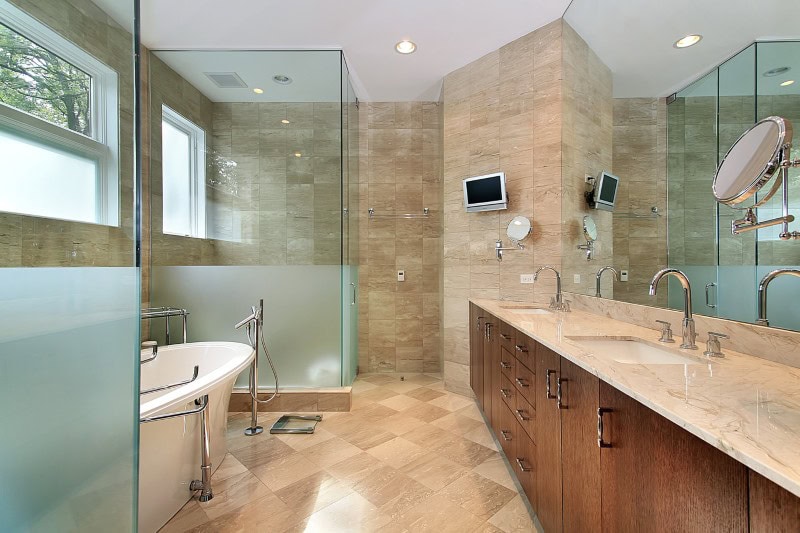
Просторные душевые кабины с безрамным стеклом когда-то создавали ощущение спа-салона и эксклюзивности.
Сейчас они встречаются в новых домах чаще, чем ванны.
#11 Встроенные звуковые системы
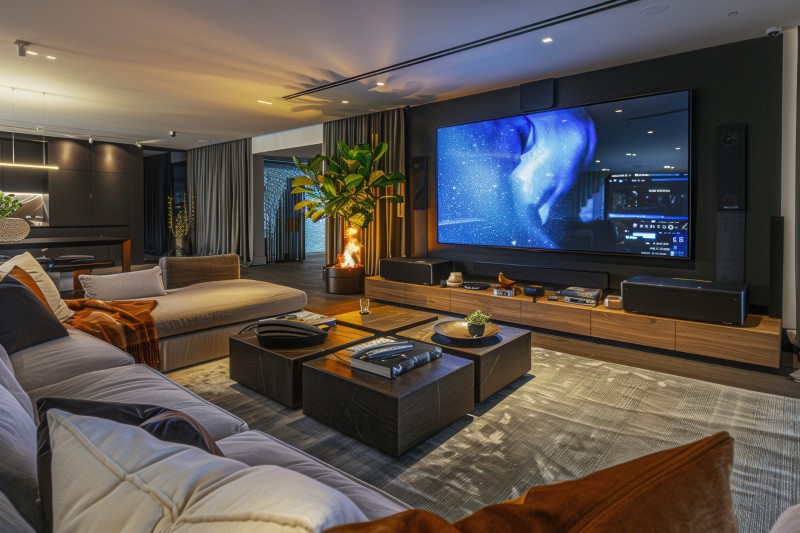
Раньше система аудиосистемы для всего дома считалась признаком серьезных финансовых вложений и технических инвестиций, и больше походила на нечто вроде... У Билла Гейтса дома есть такой предмет.
Сегодня портативные колонки и беспроводные системы в значительной степени заменили встроенные, что позволяет легко создать систему объемного звучания по всему дому.
#12 Наполнители для кастрюль
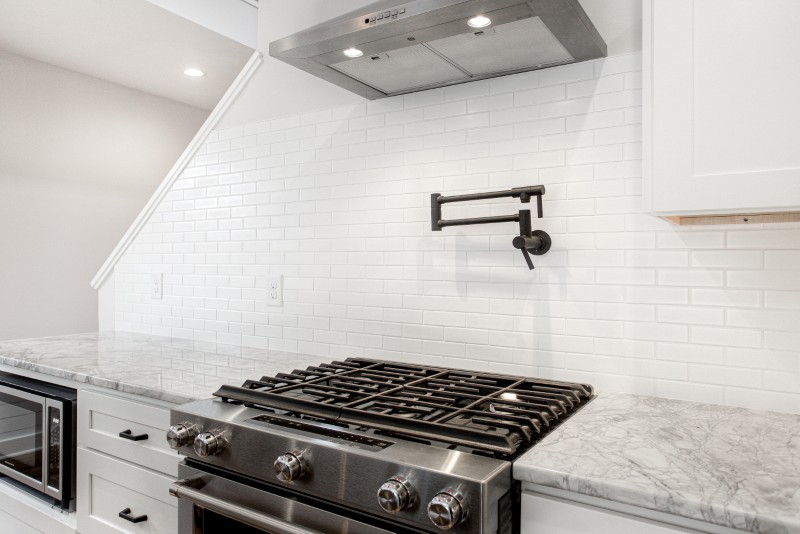
Настенный кран над плитой когда-то был предметом роскоши уровня шеф-повара. Сейчас это скорее стилистический выбор, чем признак статуса, и его практичность часто вызывает споры.
Умные термостаты #13

Первые технологии «умного дома» казались футуристическими и дорогими, и выглядели так, будто они были неотъемлемой частью современного дома. в особняке Железного Человека на скалеПо мере снижения цен и повышения энергоэффективности эти устройства получили широкое распространение.
#14 Просторные кладовые
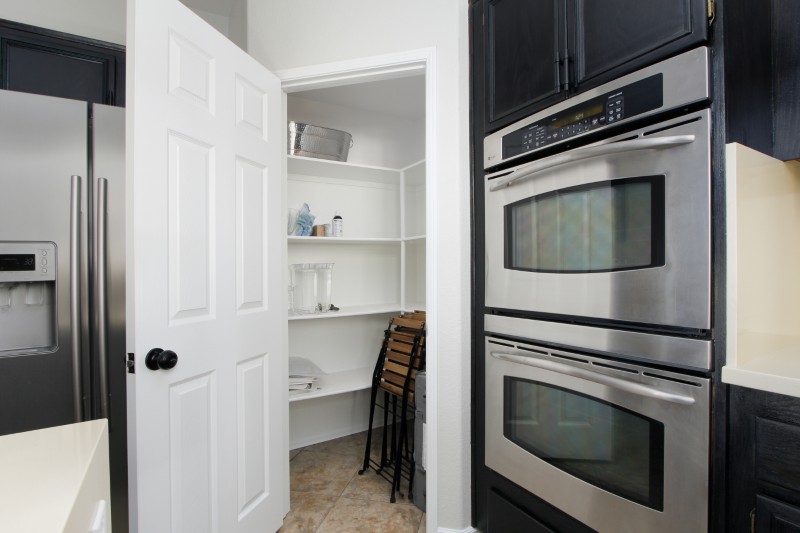
Просторные, специально оборудованные кладовые когда-то указывали на то, что дом предназначен для серьезного приготовления пищи или приема гостей. С тех пор они стали распространенным преимуществом при продаже недвижимости в разных ценовых категориях.
#15 Ванны для замачивания в стиле спа
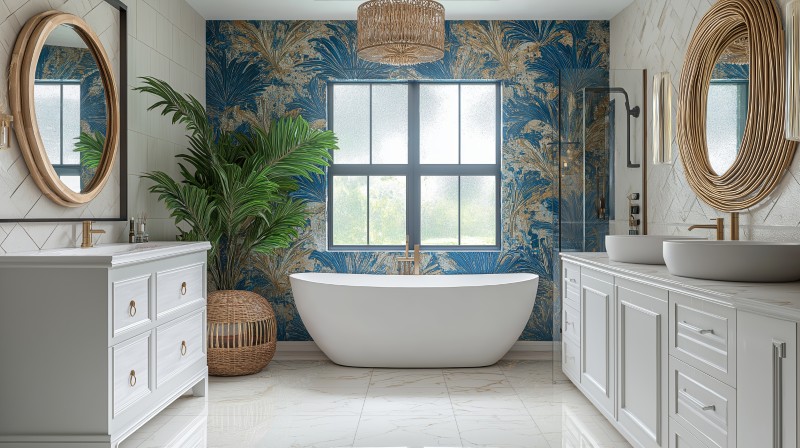
Глубокие ванны для замачивания когда-то были прерогативой роскошных ванных комнат и гостиничных номеров.
Их присутствие сегодня в большей степени связано с Личные предпочтения важнее престижа.
#16 Прачечные с мебелью
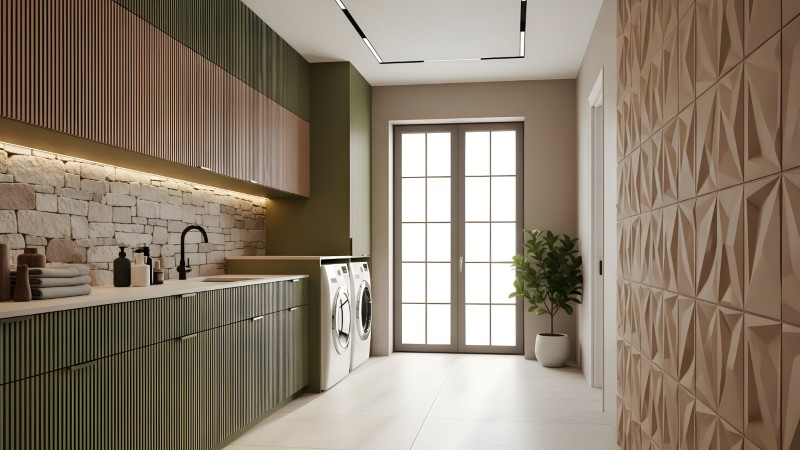
Наличие отдельной прачечной — особенно со встроенными шкафами — раньше воспринималось как роскошь.
Теперь это стало нормой во многих домах в пригородах.
#17 Встроенное освещение по всему периметру
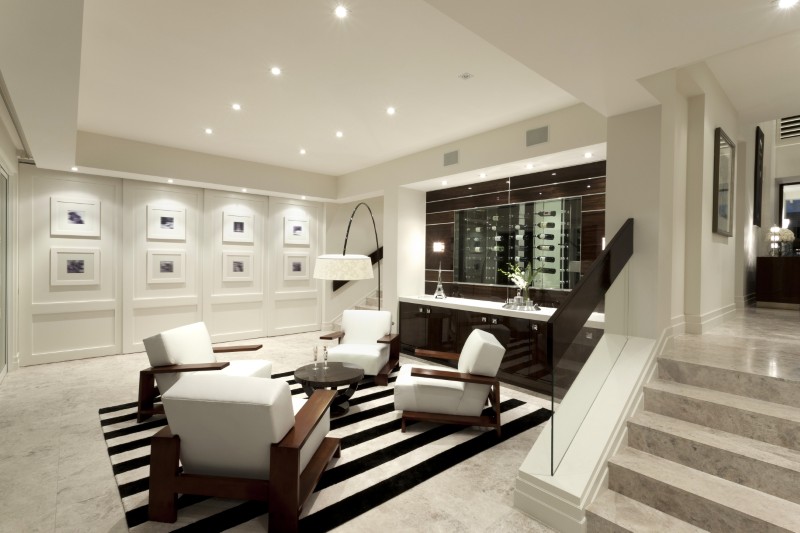
Встраиваемые светильники, которые когда-то были дорогостоящей модернизацией электропроводки, стали стандартным решением для потолочного освещения, даже при ремонте недорогих помещений.
#18 Винные холодильники
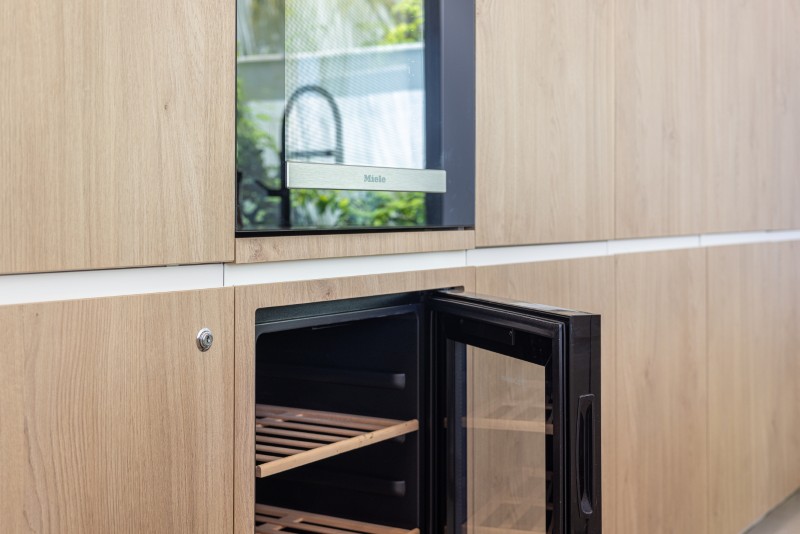
Раньше встроенные винные полки под столешницу считались признаком стильного образа жизни. Сегодня это распространенный вариант бытовой техники, даже на небольших кухнях.
#19 Безрамные стеклянные душевые кабины
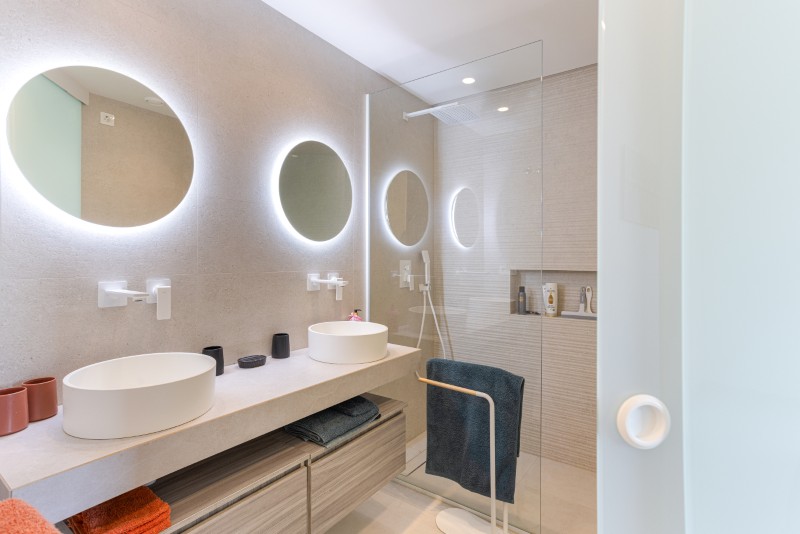
Раньше преобладали массивные металлические рамы. Безрамное стекло было признаком роскошной ванной комнаты, выполненной на заказ, — пока не стало нормой и не стало распространенным выбором даже в крупных магазинах товаров для дома.
#20 Прихожие
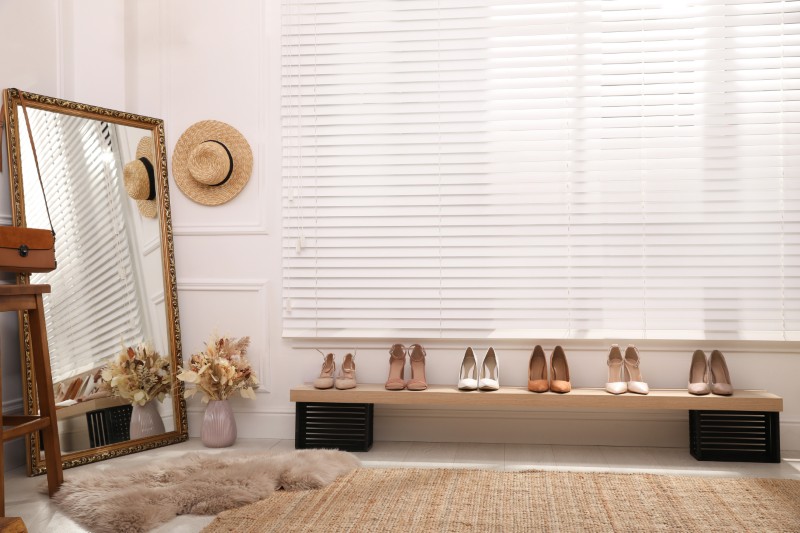
Специально оборудованные места для обуви, верхней одежды и сумок раньше были характерны для больших домов. Сегодня же это практически универсальная цель в дизайне, когда позволяет пространство.
#21 Кухни на открытом воздухе
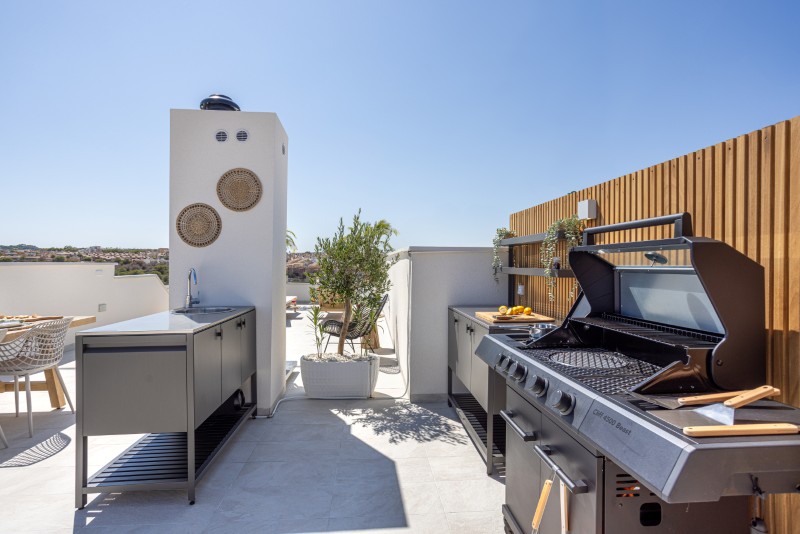
То, что раньше было прерогативой роскошных поместий и домов для отдыха, теперь проникло в повседневный дизайн приусадебных участков, и многие семьи теперь используют это в своих домах. с летней кухней для проведения вечеринок на открытом воздухе.
#22 Высокие потолки

Сводчатые или очень высокие потолки когда-то свидетельствовали об архитектурных амбициях. Хотя они по-прежнему производят сильное впечатление, сейчас они гораздо чаще встречаются в новостройках и больше не являются исключительной особенностью таких зданий. Объявления о продаже недвижимости стоимостью в миллион долларов.
Энергоэффективные окна #23
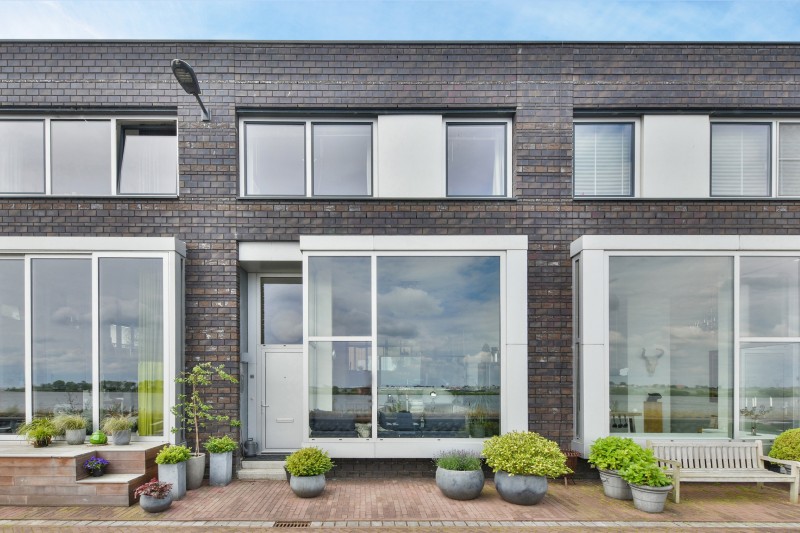
Ранее считавшееся премиальной опцией, высокоэффективное остекление теперь является ожидаемым, а иногда и обязательным требованием.
#24 Системы шкафов на заказ
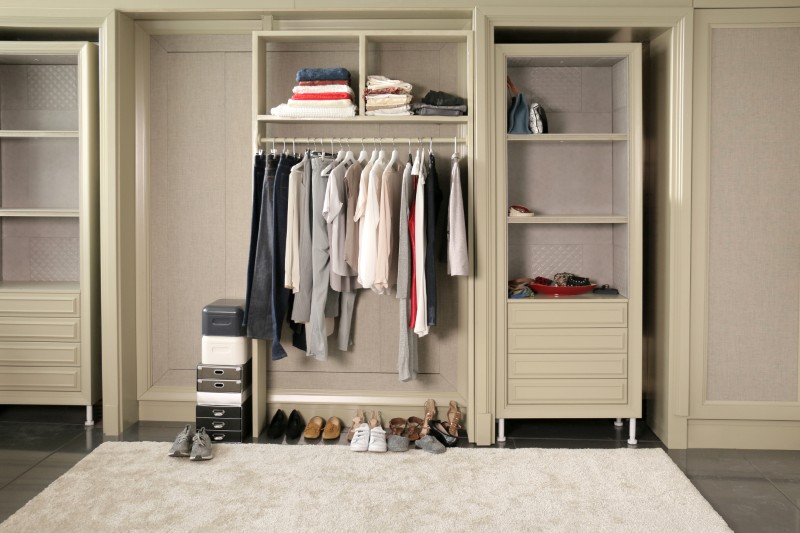
Раньше полки и выдвижные ящики, изготовленные на заказ, были предметом роскоши. Сегодня они широко доступны и часто входят в стандартную комплектацию.
#25 Встраиваемые книжные полки
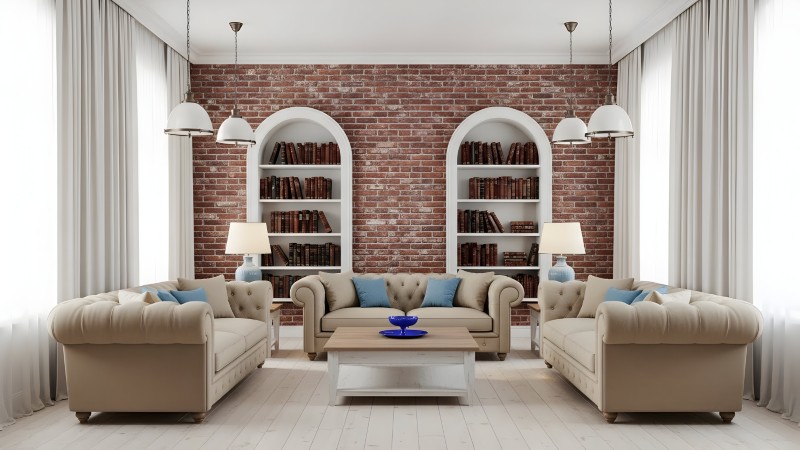
Встроенная мебель, когда-то считавшаяся признаком мастерства и индивидуального подхода, сегодня часто добавляется даже при ремонте недорогих помещений.
Больше историй
Пост 25 элементов интерьера, которые еще 15 лет назад считались предметами роскоши. впервые появился на Дома с модными брюками.

 English