


Было время, когда гостиная была самым важным помещением в доме.
Здесь принимали гостей, мебель тщательно расставлялась, и ненавязчиво действовали определенные правила. Там не ели в непринужденной обстановке. Не разваливались на диване. И уж точно не относились к этому месту как к обычной комнате.
В какой-то момент этот авторитет угас. Гостиная не исчезла, но перестала быть бесспорным центром домашней жизни. Другие помещения — особенно кухня — начали перенимать те функции, которые она когда-то выполняла, меняя то, как дома использовались изо дня в день.
Эти перемены произошли не в одночасье. Они разворачивались постепенно, десятилетие за десятилетием, по мере того как образ жизни становился более свободным, технологии проникали в него, а формальности уступали место комфорту.
Вот как гостиная постепенно утратила свое доминирующее положение (и что пришло ей на смену).
1950-е–1970-е годы: Когда гостиная использовалась для приема гостей, а не для повседневной жизни.
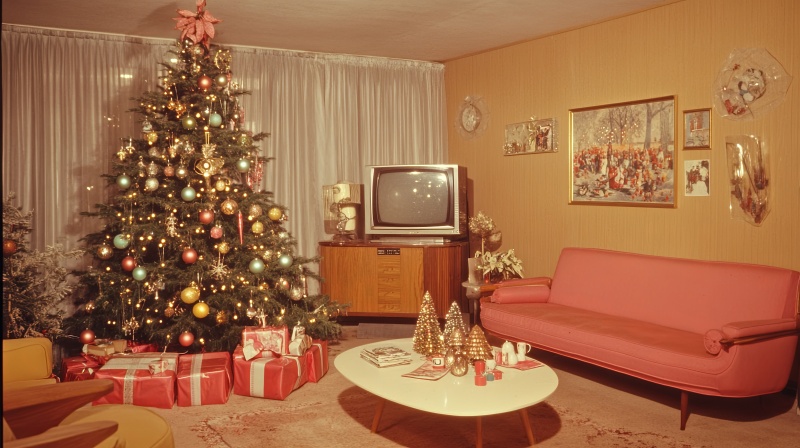
В середине XX векаГостиная была формальным пространством с четким назначением: презентация. Часто это была самая хорошо обставленная комната в доме, предназначенная для гостей и особых случаев. Диваны были жесткими, журнальные столики — декоративными, и у всего было свое место.
Повседневная жизнь протекала в другом месте. Кухни служили рабочими зонами. Спальни были личным пространством. Гостиная тихо стояла посередине, ожидая, когда ее начнут использовать по назначению.
1980-е–1990-е годы: Когда гостиная начала привлекать к себе всеобщее внимание.

К 1980-е годыПроизошли перемены. Дома стали больше, а вместе с ними появились и новые типы комнат. Семейная комната стала более уютным вариантом — часто располагалась рядом с кухней, обставлялась мягкой мебелью и предназначалась для повседневного использования.
Это создало негласную иерархию. Гостиная осталась неизменной, но перестала быть местом, где люди проводили время. Семейная комната стала местом, где люди смотрели телевизор, отдыхали и слушали шум, в то время как гостиная приобрела все более церемониальный характер.
2000-е: Когда телевизоры изменили облик помещений.
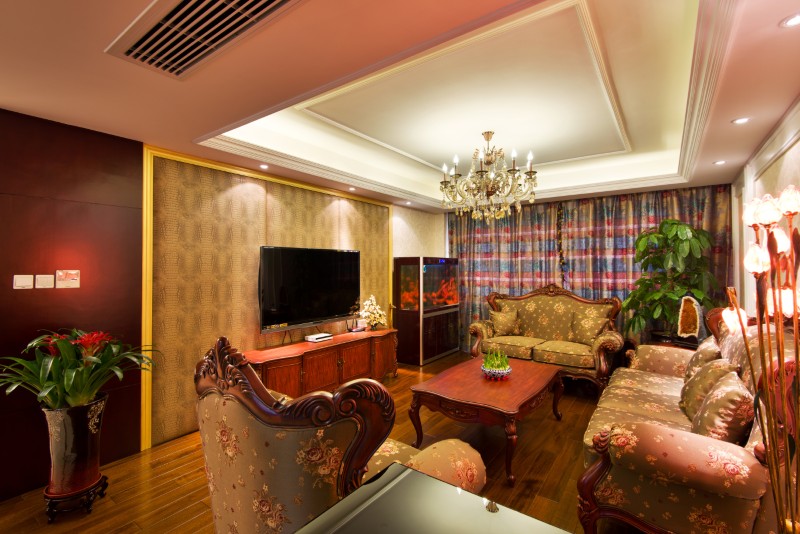
В 2000-е годы кризис идентичности гостиной ускорился. Телевизоры стали больше, площе и занимали более центральное место в повседневной жизни. Расстановка мебели стала вращаться вокруг экранов, а не вокруг разговоров, и комнаты соответственно переориентировались.
В то же время открытая планировка размыла границы между гостиными, семейными комнатами и кухнями. Некогда четко выраженная гостиная начала терять свои границы, часто сливаясь с более широкими «большими комнатами» или незаметно отодвигаясь на второй план.
2010-е: Когда формальность уступила место гибкости

К 2010-м годам идея редко используемой формальной гостиной все больше расходилась с современным образом жизни. Для неформальных приемов гостей и гибкого распорядка дня требовалось... комнаты, которые могут выполнять несколько задач одновременно.
Гостиные либо адаптировались — становясь более расслабленными, многослойными, более удобными — либо отошли на второй план, иногда превращаясь в кабинеты, библиотеки или дополнительные зоны отдыха.
2020-е: Когда комфорт официально одержал победу
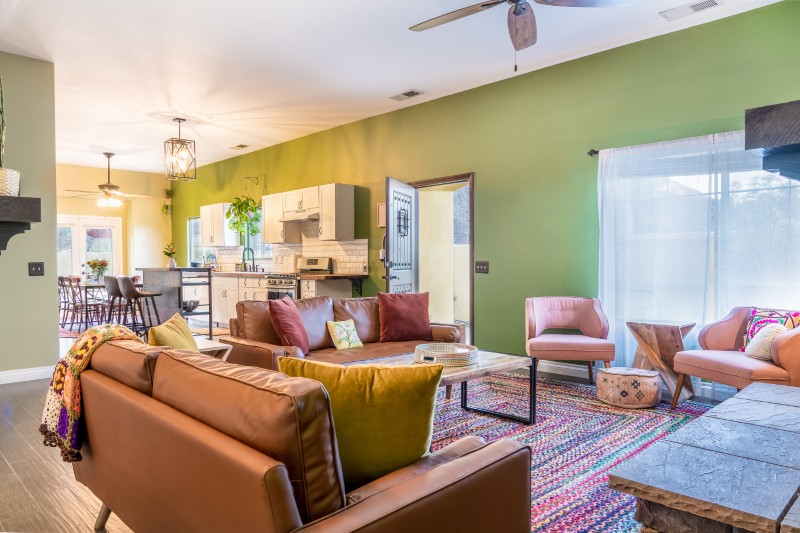
В последние годы комфорт стал определяющим принципом дизайна дома. Предполагается, что комнаты будут служить местом для работы, отдыха, развлечений и общения, зачастую — всё это в течение одного дня.
Сохранившиеся гостиные перестали быть чем-то особенным. Они стали более мягкими, неформальными и часто неотличимы от других общих пространств. Во многих домах кухня или объединенная гостиная-столовая теперь несут на себе эмоциональную нагрузку, которую когда-то имела гостиная.
Что заменило авторитет гостиной?
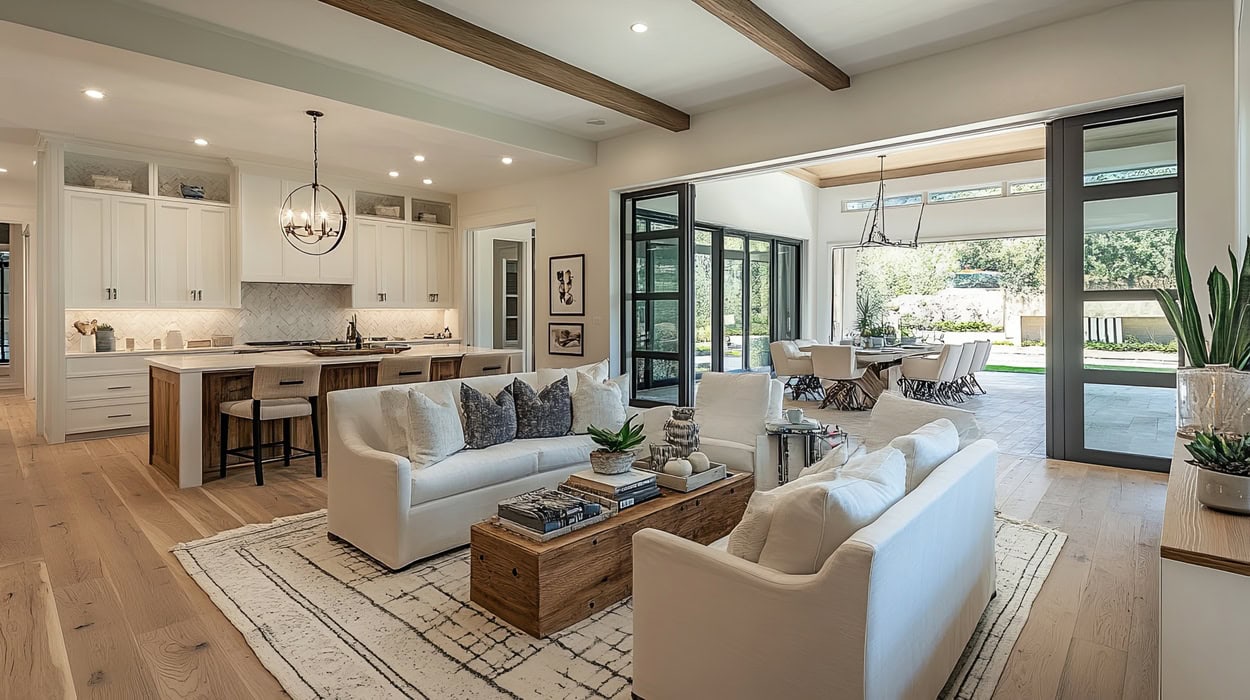
Гостиная не столько исчезла, сколько растворилась. Ее функции были перераспределены: общение переместилось к кухонному острову, отдых — к гостиной. переместились в семейные комнаты, и организация развлечений стала более свободной и неформальной.
То, что было утрачено в формальностях, было приобретено в удобстве. Дома стали местами, предназначенными для полноценной жизни, а не для тщательного сохранения.
Упадок гостиной свидетельствует о более масштабных культурных изменениях.
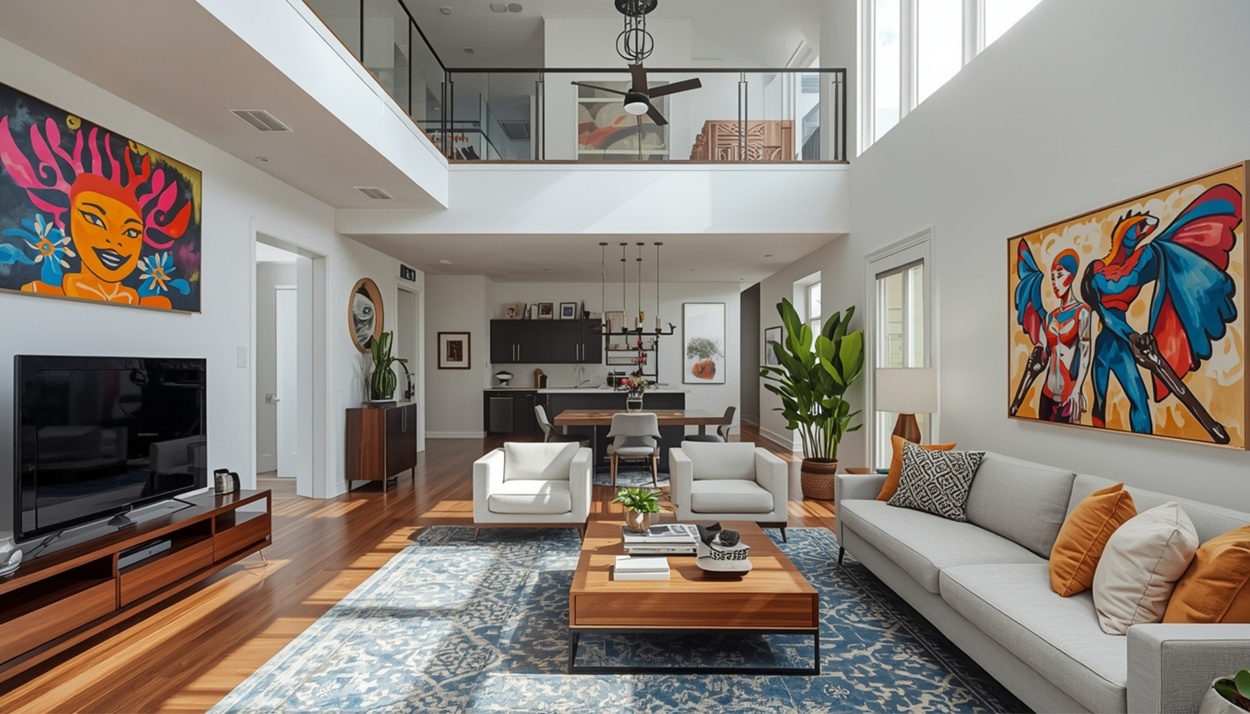
Упадок гостиной отражает более широкий культурный сдвиг. По мере того как повседневная жизнь становилась менее структурированной и более интегрированной, дома следовали этому примеру. Пространства, требующие сдержанности, уступили место тем, которые приветствовали присутствие.
Сегодня самая важная комната определяется не своим названием, а тем, где люди естественным образом собираются. И все чаще это уже не гостиная.
Больше историй
25 элементов интерьера, которые еще 15 лет назад считались предметами роскоши.
Дом Серены Уильямс во Флориде имеет множество уникальных особенностей, но в нем нет гостиной.
Пост Когда гостиные перестали быть самым важным помещением в доме? впервые появился на Дома с модными брюками.

 English