


У роскоши всегда были странные отношения со временем. Некоторые черты выходят из моды не потому, что были плохими, а потому, что вкусы резко меняются в противоположную сторону: меньше формальностей, меньше слоев, больше «чистоты», больше открытости, больше минимализма.
Но в последнее время? Настроение меняется.
После многих лет гладких белых стен, голых окон, открытых полок и мебели, которая словно пытается слиться с толпой, нарастает ностальгия по роскоши старой школы — той, которая не боялась богатства, текстуры, мастерства или немного драматизма. Не в показном смысле. А в смысле «у этого дома есть характер, и он это знает».
Лучшие элементы винтажной роскоши не просто хорошо выглядели. Они создавали в домах ощущение комфорта, завершенности и продуманности. Они формировали атмосферу. Они придавали комнатам законченный вид. И, честно говоря, некоторые из них были просто лучшими идеями, чем то, что пришло им на смену.
Вот несколько классических элементов роскошного интерьера, которые мы хотели бы увидеть снова в моде. Знаете, таких, которые придают дому исторический, изысканный и бескомпромиссно продуманный вид.
Величественные вестибюли с подлинным архитектурным замыслом.
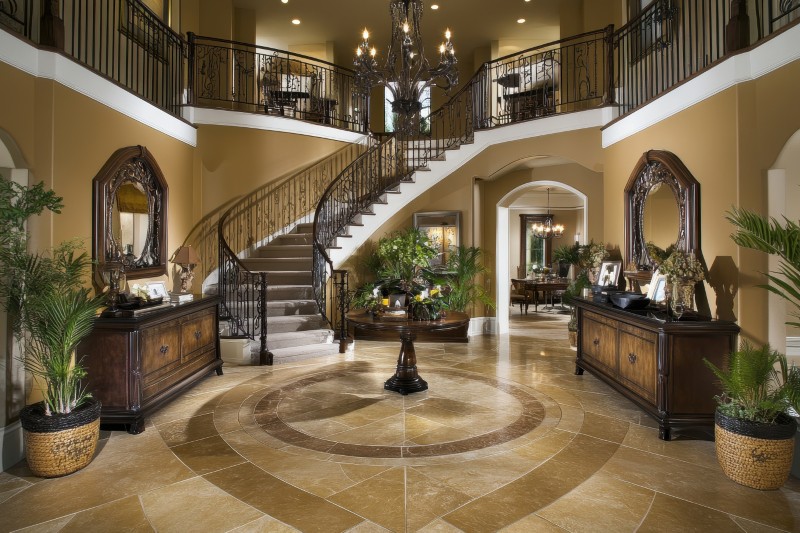
Некоторое время вестибюли либо были слишком большими (2000-е годы), либо вовсе исчезли (2010-е годы). Но фойе в стиле старой школы Речь шла не о размере, а о хореографии. О моменте, который должен наступить. О чувстве последовательности.
Грамотно спроектированный вход создает психологическое разделение между внешним и внутренним пространством. Это ощущение перехода в «дом» дарит ощущение глубокой роскоши.
Библиотеки, которые воспринимаются как настоящие комнаты (а не как декоративные полки).
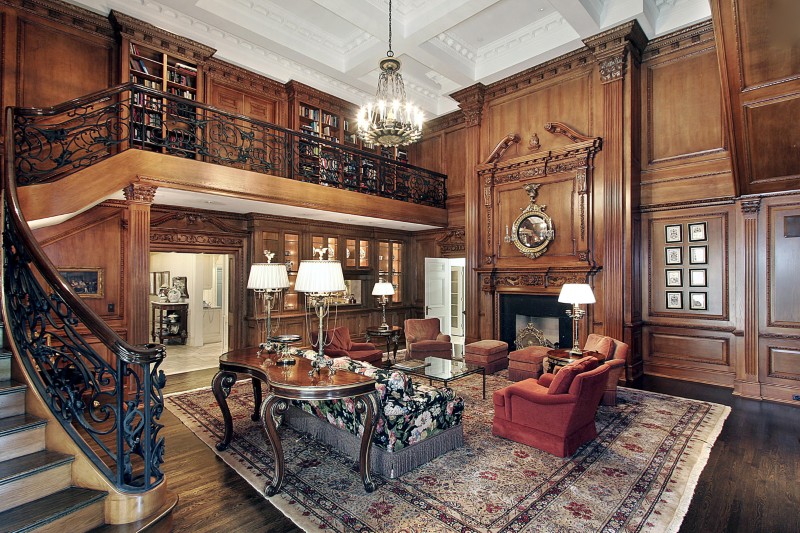
Настоящая библиотека — это один из самых элегантных способов подчеркнуть стиль дома, не потому что она броская, а потому что она символизирует время, тишину и постоянство. Встроенные полки, надлежащее освещение, Стул, который действительно располагает к тому, чтобы присесть — эти комнаты кажутся полной противоположностью культуре трендов.
Они исчезли, потому что площадь помещений перераспределили в пользу открытых планировок и очень больших кухонь. Но в 2026 году библиотека воспринимается как самая современная роскошь: комната, созданная для того, чтобы замедлить темп жизни.
Парадные столовые с дверями
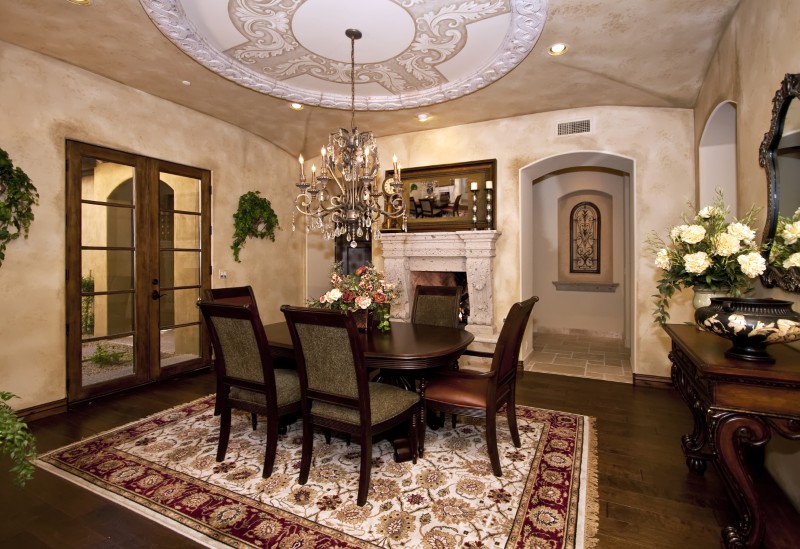
Это не неиспользуемая «подготовительная» столовая, а настоящая столовая: закрытая, уютная и предназначенная для приема гостей, без кухни на заднем плане.
В пространстве, где можно было наслаждаться светом свечей, вести непринужденные беседы и наслаждаться долгим обедом, не отвлекаясь на шум работающей в десяти метрах посудомоечной машины, была какая-то роскошь. Эти комнаты вышли из моды, когда стали доминировать открытые планировки, но им предстоит второе рождение, поскольку люди снова начинают ценить возможность принимать гостей и создавать уютную атмосферу.
Потолочные розетки и декоративная лепнина (выполненные со вкусом)
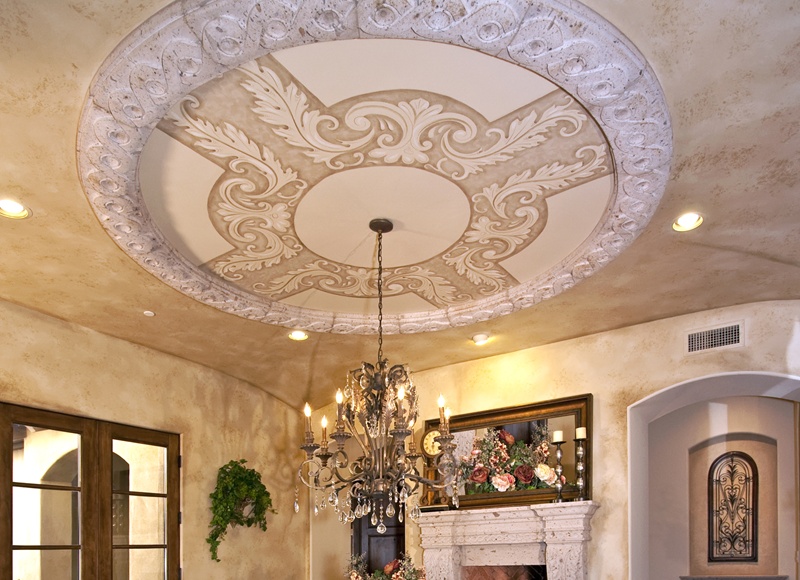
К этому варианту несправедливо отнеслись как к объекту насмешек. Да, плохие варианты существуют. Но прекрасная лепнина — потолочные розетки, изящная лепнинаДекоративная отделка — добавляет глубины, которой просто не обладают плоские потолки.
В лучших домах потолки рассматриваются как часть архитектуры, а не как пустое негативное пространство. И, честно говоря, это создает ощущение завершенности в комнатах, не требуя «дополнительных вещей».
Панели из натурального дерева (не дешевые).
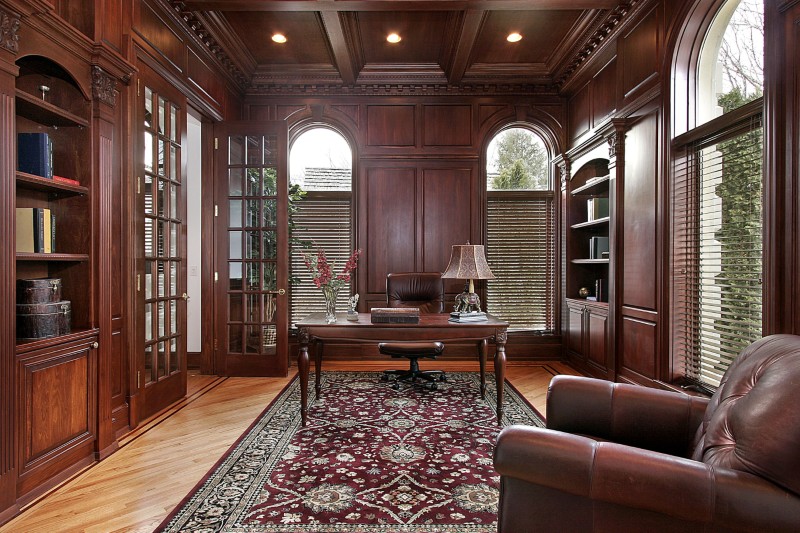
Репутация деревянных панелей пострадала из-за тонкого материала оранжевого оттенка, который доминировал в определенные десятилетия. Но правильно подобранные панели — теплые, подходящие по размеру, с продуманной отделкой — могут создать в комнате ощущение роскоши в самом лучшем смысле этого слова.
Это создает ощущение тепла, акустического комфорта и мгновенное чувство стабильности. Это та особенность, которая придает дому ощущение, будто он пустил корни.
Кладовые дворецкого и соответствующие служебные помещения
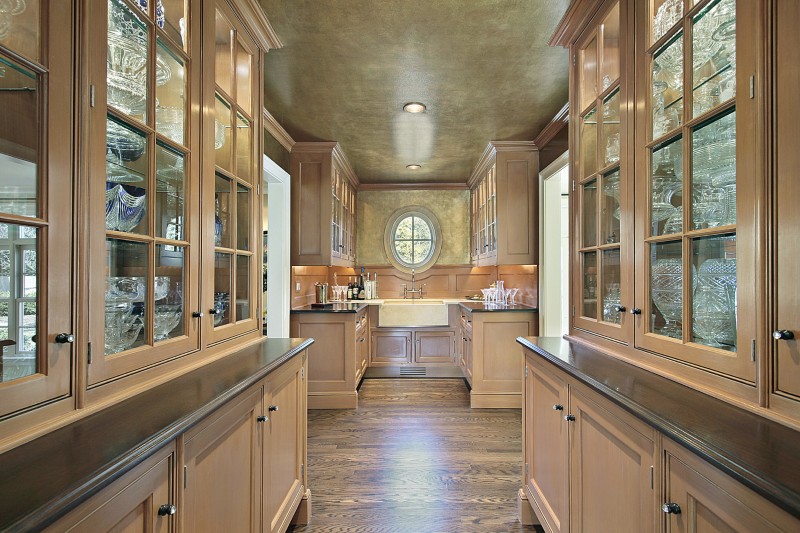
В роскошных домах старой школы понимали то, о чем мы забыли: кухня — это рабочее пространство. А лучшие приемы гостей проходят тогда, когда «рабочая» часть остается вне поля зрения.
Кладовая дворецкого – это не проявление элитарности, а вопрос функциональности. Она помогает навести порядок. Она делает прием гостей более комфортным. И она создает более спокойную атмосферу на кухне.
Французские двери и внутренние фрамуги
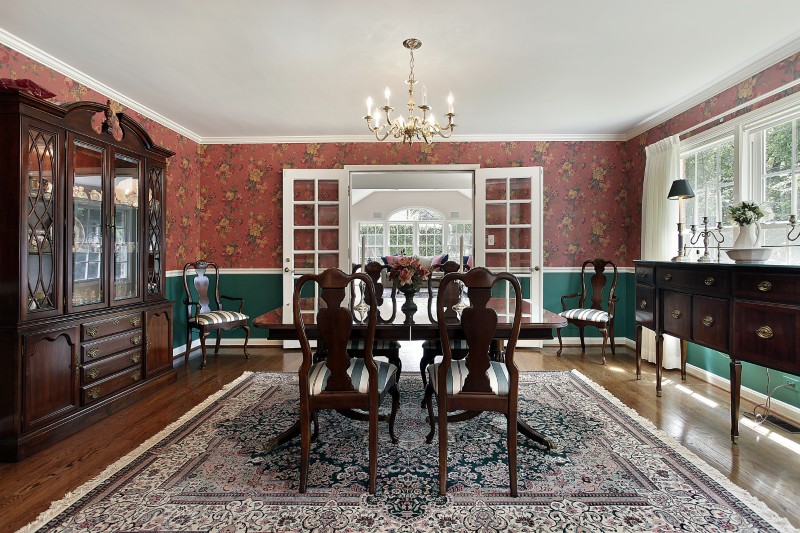
Фрамуги — это один из тех старинных элементов, которые одновременно очаровательны и практичны. Они пропускают свет. Они создают ощущение присутствия. Они добавляют архитектурные детали, не загромождая пространство.
Французские двери (при грамотном исполнении) обеспечивают гибкую приватность, не требуя большого пространства для открывания. Оба варианта являются классическими элементами, которые современные дома Они заново открывают это для себя не просто так.
Ковровое покрытие от стены до стены только в определенных комнатах.
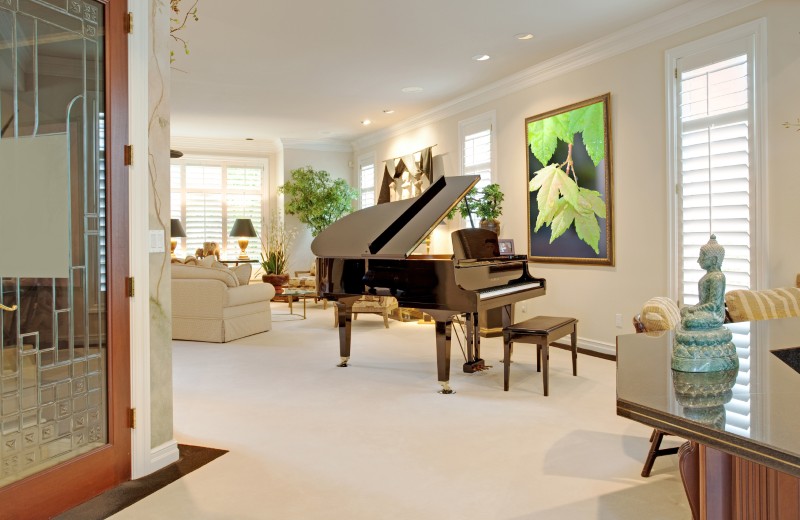
Этот метод может показаться спорным, пока его не применят правильно.
Никто не спорит о том, что везде нужно ковровое покрытие от стены до стены. Но в спальнях, библиотеках или коридорах на верхних этажах красиво подобранный ковер создает тепло и тишину, которые не может обеспечить твердое напольное покрытие. Раньше роскошь означала комфорт под ногами. Где-то мы променяли это на «легкость в уборке» и ни разу об этом не пожалели.
Люстры, которые не являются "броским" элементом декора, а просто прекрасны.
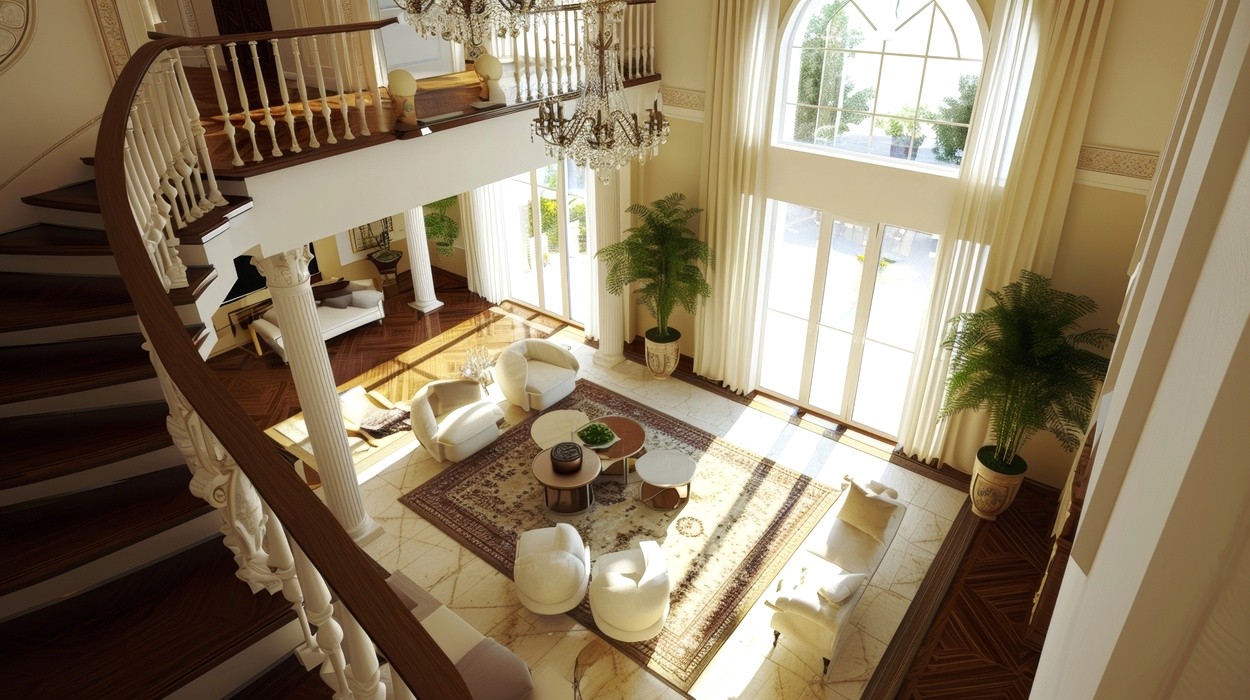
Лучшие старинные люстры не стремились стать вирусными. Они были просто хорошо сбалансированы, элегантны и правильно расположены.
Сегодня освещение часто колеблется между «незаметными встраиваемыми светильниками» и «привлекающими внимание скульптурами». Возвращение к классическим, красивым люстрам — особенно в столовых и прихожих — вновь создало бы ощущение торжественности.
Глубокие оконные рамы и правильно отделанные окна
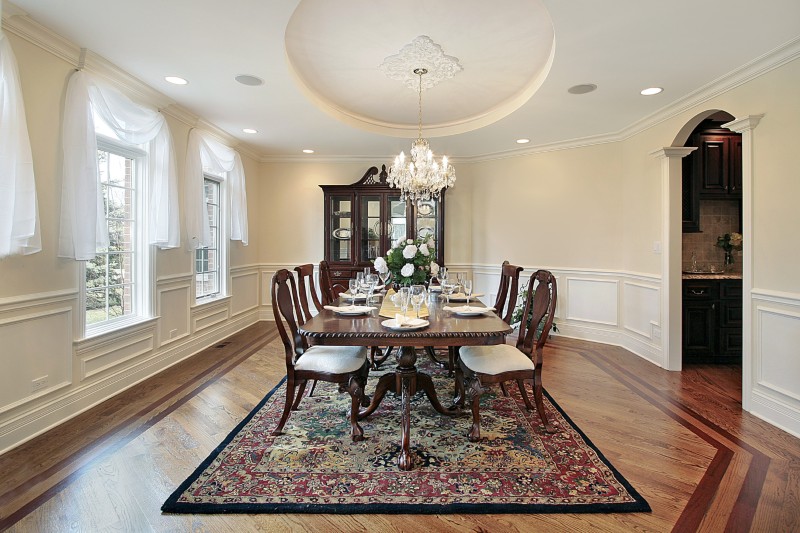
Старые роскошные дома с окнами в рамах Как произведение искусства. В них были глубина, вес и тень. В современных домах оконные рамы часто сводятся к максимально тонкой линии, что может создавать ощущение резкости и незавершенности, даже если они дорогие.
Возвращение более глубоких наличников и продуманной отделки мгновенно добавит изысканности, не создавая при этом беспорядка.
Гостиные, которые существуют просто потому, что могут.
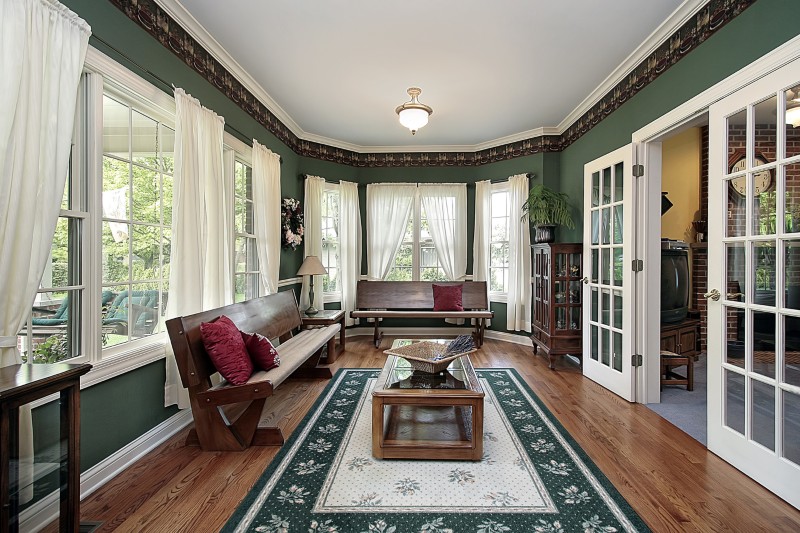
Это та тихая роскошь и гибкость, которых многим не хватает: номера, в которых не нужно быть вынужденным к продуктивной деятельности.
Небольшая гостиная, комната для завтрака или уголок для чтения не нуждаются в оправдании своего существования. Они существуют потому, что в доме достаточно места, — и потому, что возможность посидеть где-нибудь, кроме дивана, — это своего рода роскошь.
Фурнитура в антикварном стиле с реальным весом.
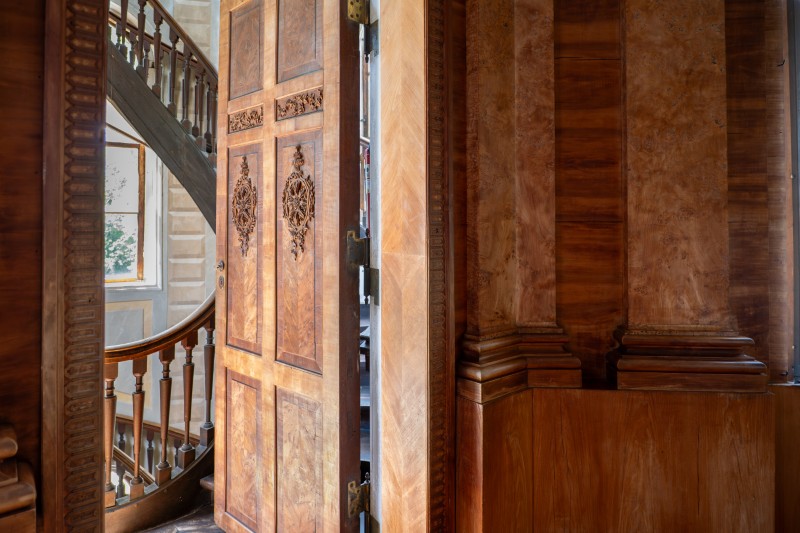
Это не «винтажный стиль» в смысле хлипкости. Настоящая, увесистая фурнитура: нелакированная латунь, состаренная бронза, фарфоровые ручки, классические петли.
Удивительно, насколько повышается воспринимаемое качество дома, когда элементы интерьера кажутся значимыми и вневременными.
Многослойное оформление окон (да, шторы)
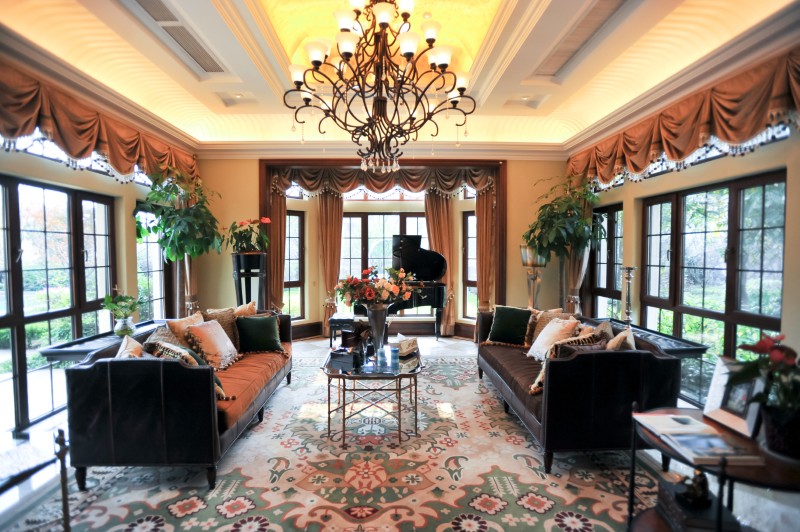
В последнее десятилетие шторы воспринимались как необязательная деталь — то, чего люди избегают, потому что это кажется обязательством. Но роскошные дома Мы всегда понимали, что окнам необходимы многослойность: конфиденциальность, мягкость, теплоизоляция, текстура.
Многослойная отделка создает ощущение роскоши в помещении. Она также улучшает акустику и повышает теплоизоляцию. Это одна из особенностей, которая сразу же придает дому более дорогой вид, даже если ничего другого не меняется.
Камины, которые выглядят так, будто они здесь уместны.
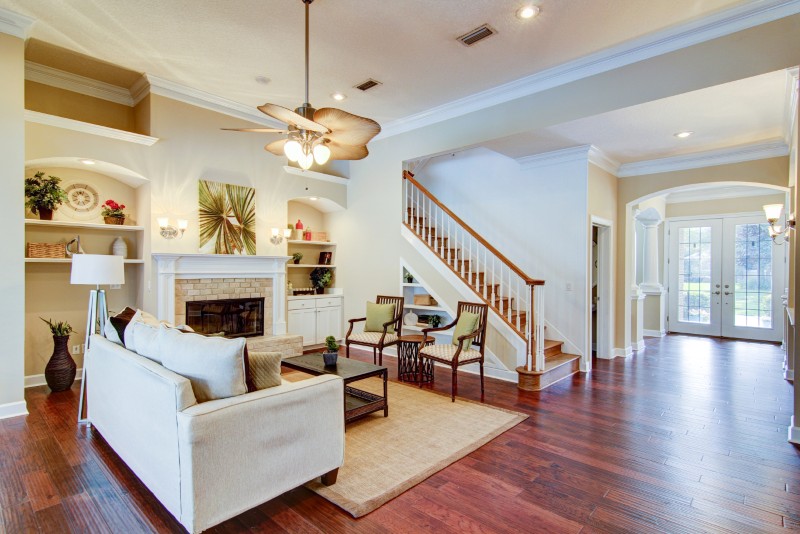
В стиле классической роскоши камины использовались как архитектурные элементы. Каминные полки были подобраны по размеру. Обрамление выглядело солидно. Камин был не просто элементом декора, а центральным элементом композиции!
Возвращение этого стиля означало бы меньше однотипных облицованных плиткой коробок и больше каминов, которые действительно органично вписываются в интерьер дома.
Встроенные диваны и комнаты для завтрака
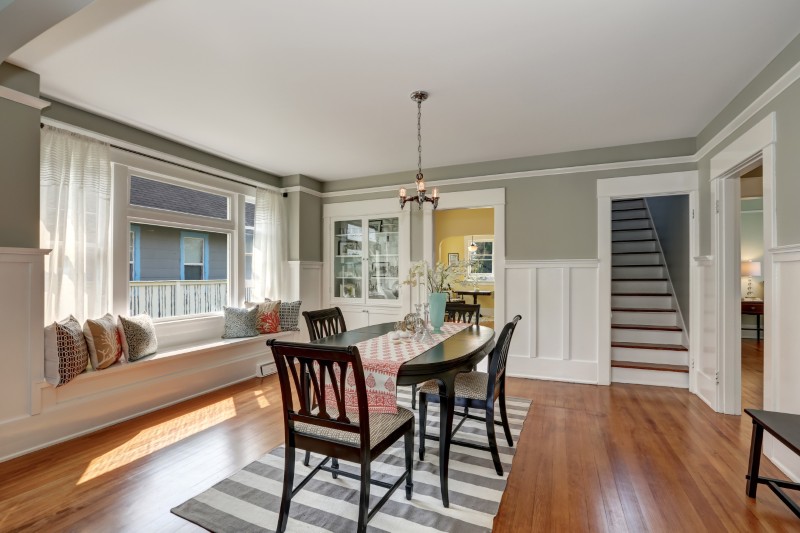
Комната для завтраков раньше была любимой деталью роскоши — более уютной и компактной альтернативой формальной столовой.
В современных кухнях, как правило, всё занимает пространство. Но диванчик или зона для завтрака создают ощущение уюта в открытой планировке и делают ежедневные приёмы пищи более спокойными и продуманными.
Возвращение «комнат со смыслом»
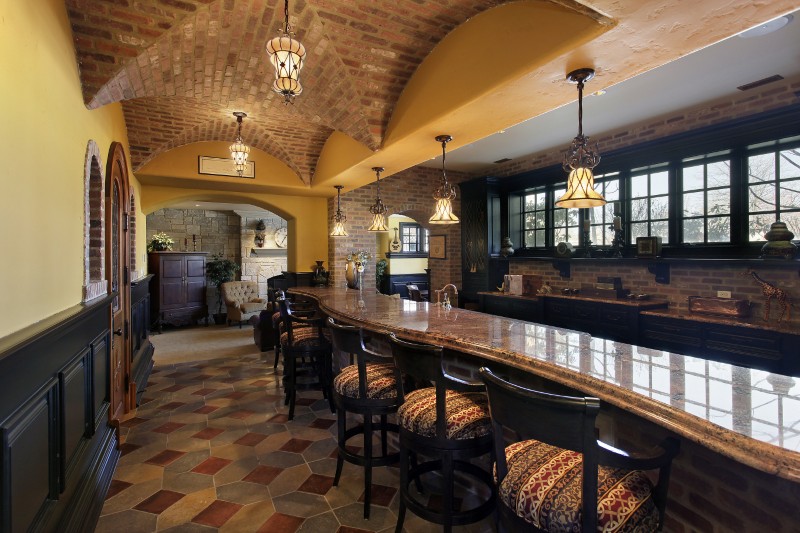
Это самая масштабная концепция роскоши в старом стиле: отдельные номера, созданные для разных впечатлений.
Музыкальные комнаты. Гостиные. Коктейль-бары. Подпольные барыКомнаты для курения сигар. Раньше дома предлагали больше разнообразия в том, как может пройти день. И поскольку открытые планировки начинают казаться слишком открытыми, возвращение функциональных комнат представляется более привлекательным, чем когда-либо.
Раздевалки (или специально отведенные места для подготовки к выходу)
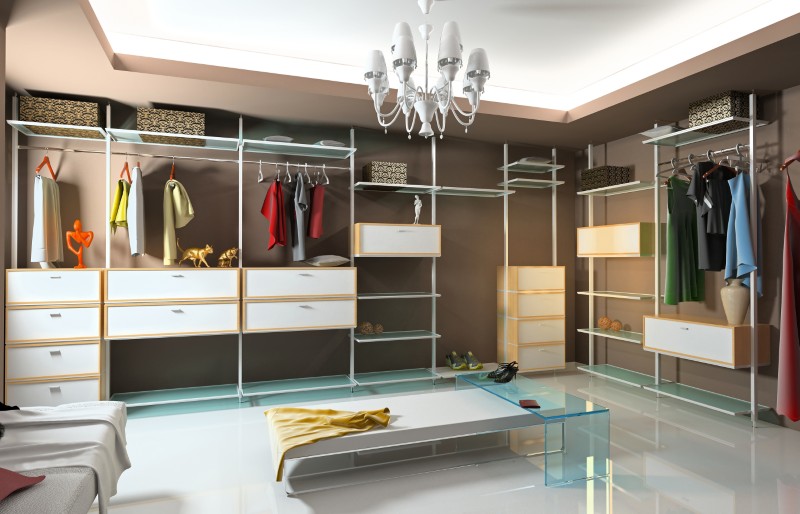
В роскошных домах старой школы были не просто шкафы — часто имелись и гардеробные. Место, где можно было подготовиться, хранить аксессуары, раскладывать вещи и выполнять необходимые действия, не шатаясь перед зеркалом в ванной.
Подобные пространства незаметно исчезли, поскольку главные спальни стали более компактными и открытыми, а гардеробные объединили все в одну зону. Но есть что-то невероятно элегантное в комнате, специально спроектированной для ежедневного ритуала одевания. Дело не в роскоши, а в комфорте, порядке и удобстве.
Потолки, оклеенные обоями, и отделка «пятой стены».
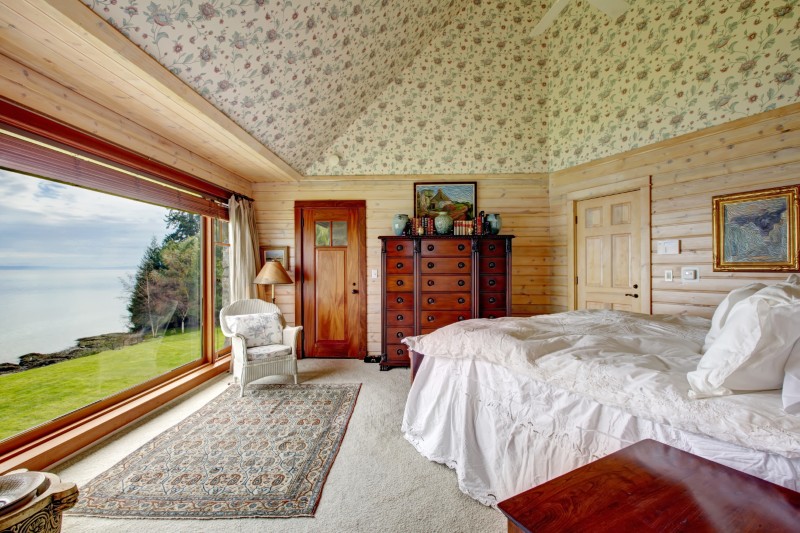
Это один из тех дизайнерских приемов старой школы, который, если выполнен грамотно, мгновенно создает впечатление высокого класса. Обои на потолках, лакированные поверхности, расписные фрески — в старых роскошных интерьерах потолок часто рассматривался как полноценная дизайнерская поверхность, а не как неиспользуемое пространство.
Главное, чтобы это выглядело продуманно и архитектурно, а не тематически. Спокойные узорчатые обои, тональная отделка или едва заметная текстура потолка могут придать комнате завершенный вид, чего никогда не сможет сделать обычная гипсокартонная отделка.
Больше историй
Что означало понятие «современный дом» в каждом десятилетии, начиная с 1950-х годов.
13 особенностей, которые ненавязчиво говорят о том, что у домовладельца изысканный вкус.
10 особенностей интерьера, определивших 1990-е годы (и куда они делись)
Пост Классические элементы роскошного дизайна, возвращение которых мы бы с удовольствием увидели. впервые появился на Дома с модными брюками.

 English