


Дома стандартного качества от застройщика не «плохие». Просто они оптимизированы для скорости, единообразия и широкой привлекательности на рынке, а это значит, что дизайн, как правило, безопасный, шаблонный и полон мелких решений, которые кажутся немного… незавершенными.
Дизайнеры интерьеров мгновенно замечают такие решения. Не потому, что дом недостаточно дорогой, а потому, что детали кажутся непродуманными.
Отделка часто бывает тонкой, пропорции часто нарушены, освещение обычно резкое, и дом, как правило, в значительной степени опирается на несколько стандартных решений: серая краска, точечные светильники, простая фурнитура и отделка, которая формально присутствует, но мало что делает.
Хорошая новость в том, что дома стандартной комплектации от застройщика проще всего модернизировать, поскольку проблемы предсказуемы, а наиболее эффективные решения зачастую оказываются на удивление простыми.
Вот 18 вещей, которые дизайнеры в первую очередь изменили бы в типовом доме: В порядке их обнаружения они, как правило, обращают на них внимание.
#1 Замените резкое верхнее освещение многоуровневым освещением.
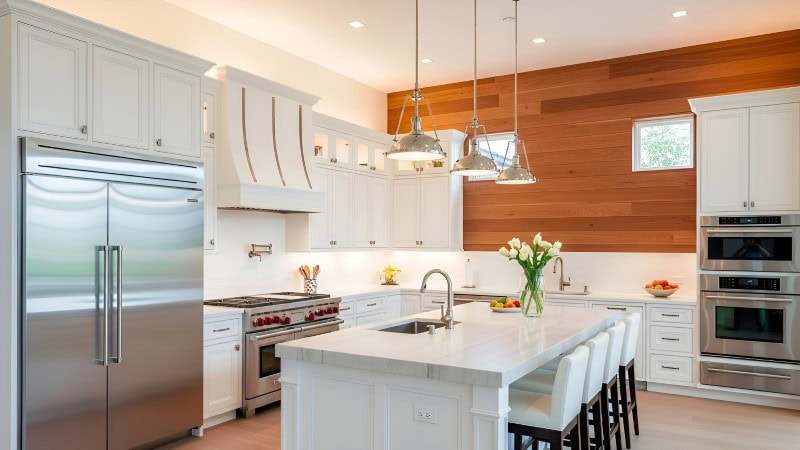
Самый очевидный признак некачественного освещения от застройщика — это свет, обеспечиваемый исключительно встроенными светильниками или одним потолочным светильником. Из-за этого комнаты кажутся плоскими, слишком яркими и странно непривлекательными ночью.
Дизайнеры быстро решают эту проблему, добавляя светильники, бра и теплое рассеянное освещение, благодаря чему в комнате создается настроение, мягкость и глубина.
#2 Замените краску на более мягкую и продуманную.
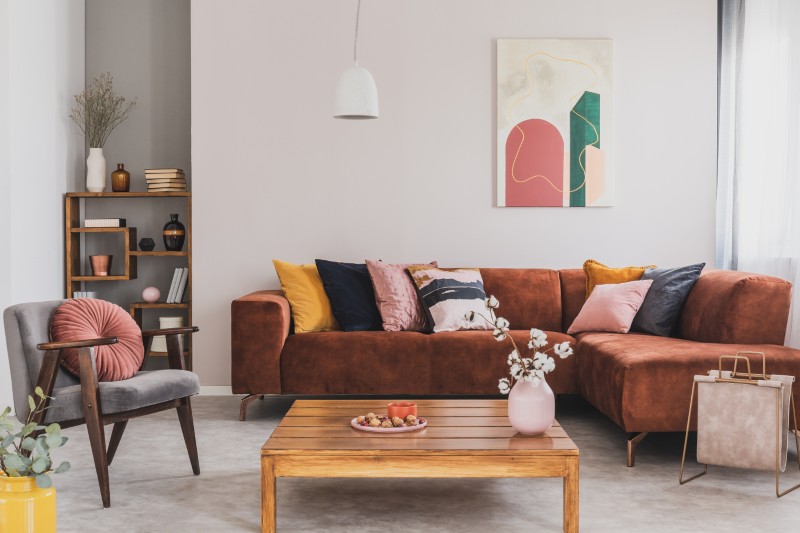
Обычно застройщики используют нейтральные тона, такие как резкие, серые или слишком плоские. Дизайнеры почти всегда перекрашивают стены, потому что цвет стен влияет на всё: на отделку, мебель, полы и общее настроение.
Более мягкий нейтральный оттенок с полутонами (теплый белый, серо-бежевый, каменный) сразу же создает... дом меньше похож на товар и больше похоже на дом.
#3 Поднимите и расширьте шторы, чтобы отрегулировать пропорции окна.
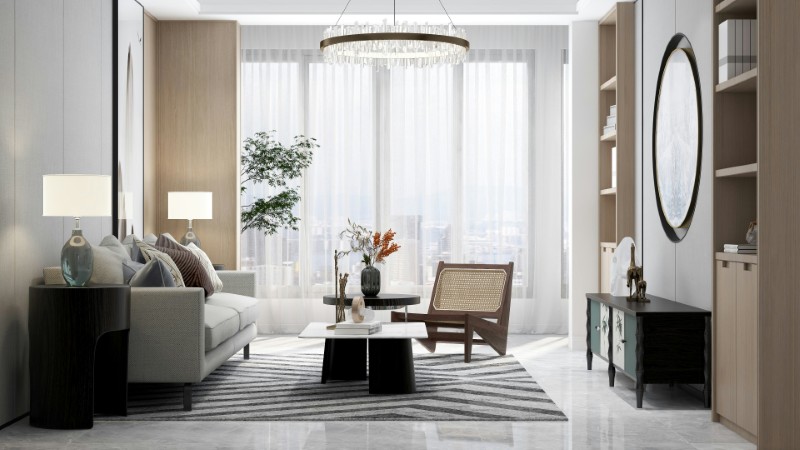
Слишком низко и слишком узко висящие шторы создают ощущение тесноты в комнате. В домах, построенных застройщиками, часто используются маленькие, неудобные оконные занавески (или их вообще нет).
Дизайнеры развешивают шторы высоко и широко, чтобы добавить... мягкость и высотаа также для придания окнам «завершенного» вида, который часто естественным образом присутствует в старых домах.
#4 Замена ламп на холодные или несовместимые по температуре
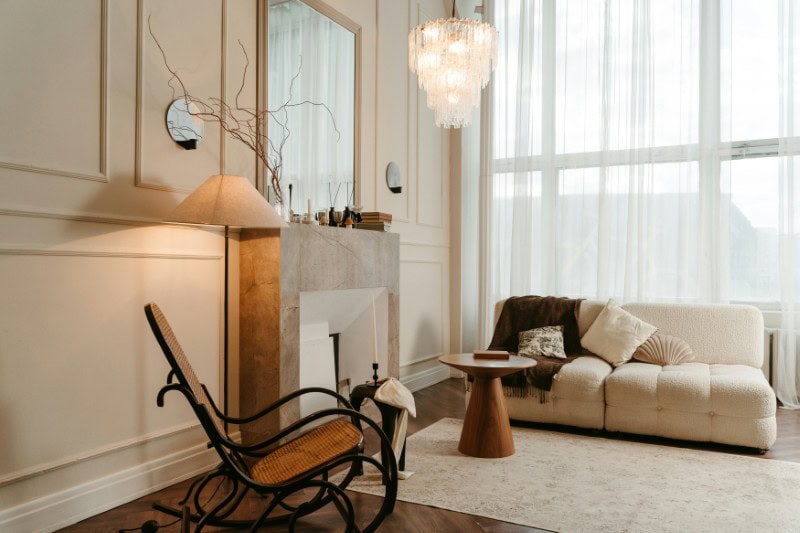
Красивая комната может выглядеть уныло под неправильно подобранными лампочками.
В типовых домах часто непреднамеренно смешиваются цветовые температуры — холодный белый на кухне, теплый в коридоре, дневной свет в ванной.
Дизайнеры используют единую цветовую температуру освещения по всему дому, потому что это мгновенно преображает всё вокруг. Чувствую себя спокойнее и чувствую себя дороже.
#5 Обновление стандартного оборудования по всему дому
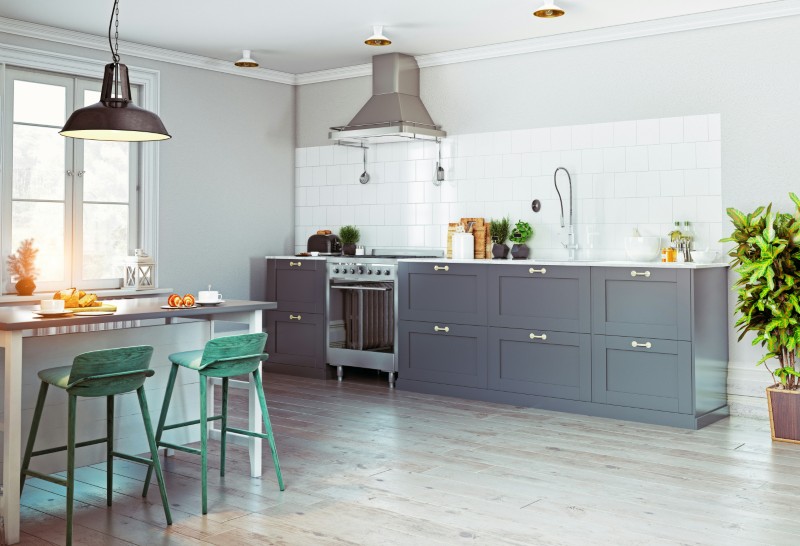
Стандартные мебельные ручки и дверные фурнитура, используемые строительными компаниями, обычно простые, легкие и ничем не примечательные.
Дизайнеры заменяют фурнитуру на ранних этапах, потому что она приятна на ощупь, хорошо видна и относительно недорога по сравнению с масштабными ремонтными работами. Это позволяет обновить кухню и ванную комнату, не меняя планировку.
#6 Модернизация стандартного входного освещения от застройщика
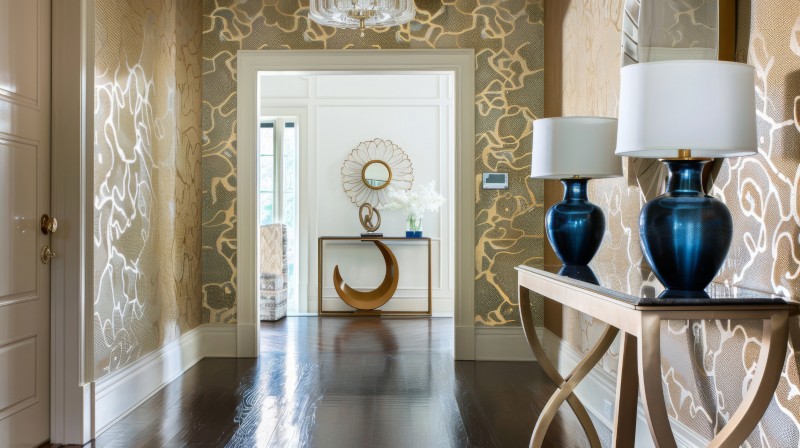
Если первый светильник — это обычный потолочный светильник, то весь дом кажется менее продуманным ещё до того, как кто-либо войдёт внутрь.
Более массивный подвесной светильник или светильник в виде фонаря создает тот самый «момент прибытия», которого обычно не хватает в домах стандартной застройки.
#7 Добавьте ковры с индивидуальностью (и немного старины)
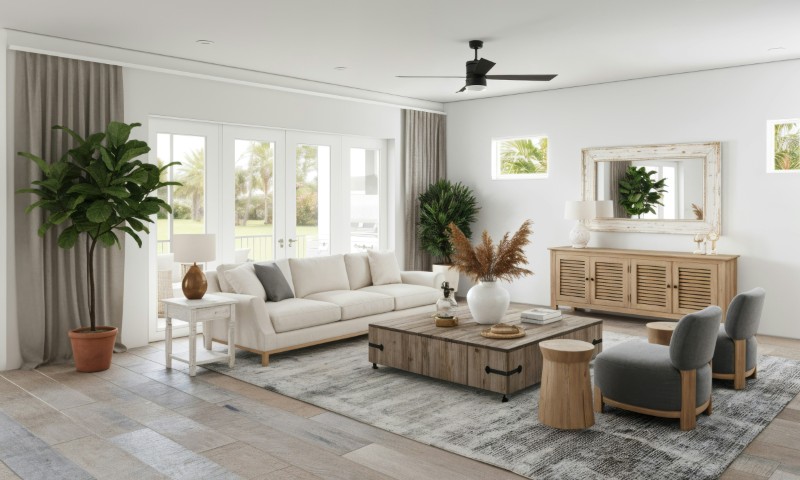
В интерьерах типовых домов проблема с коврами часто встречается гораздо чаще, чем в старых домах: обычные или слишком маленькие ковры выглядят как крошечные куски на свежевымытом полу.
Дизайнеры проявляют особую тщательность. Выбирать узоры, которые придают дому индивидуальность, и правильно подбирать ковры по размеру, чтобы мгновенно улучшить пропорции.
#8 Улучшить пропорции отделки и плинтуса
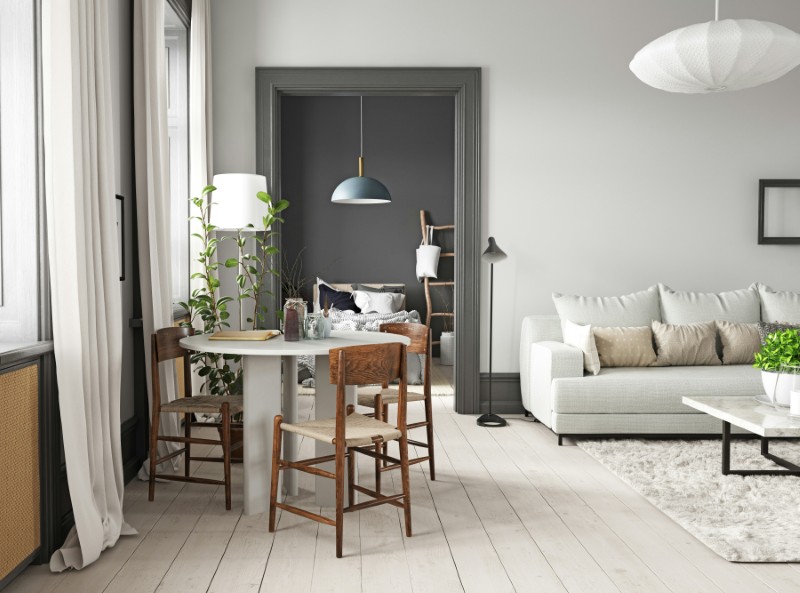
Тонкие плинтусы и минимальная отделка — классический приём застройщиков. Ничего не выглядит «неправильно», но всё выглядит немного недоделанным.
Дизайнеры часто заменяют плинтусы, наличники или добавляют простые настенные молдинги, чтобы придать помещению архитектурную выразительность и насыщенность (особенно в гостиных и коридорах).
#9 Заменить стандартную люстру в столовой.
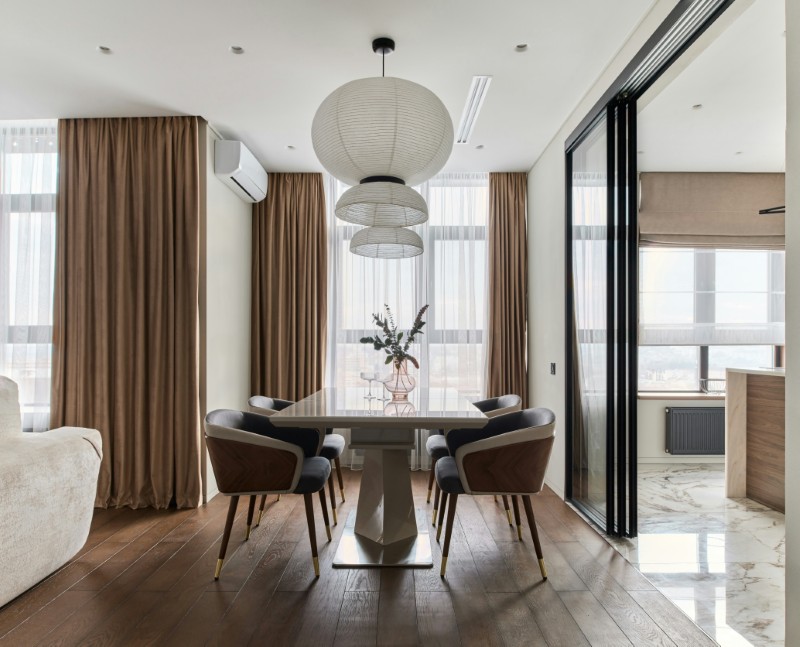
Во многих домах от застройщиков стандартная комплектация обеденной зоны одинакова: что-то блестящее, слишком маленькое или неуклюже современное.
Правильно подобранный светильник (не обязательно огромный) может полностью изменить атмосферу в помещении и помочь превратить обеденную зону в настоящее место притяжения.
#10 Исправить облицовку камина (или устранить вид «прямоугольной плитки»)
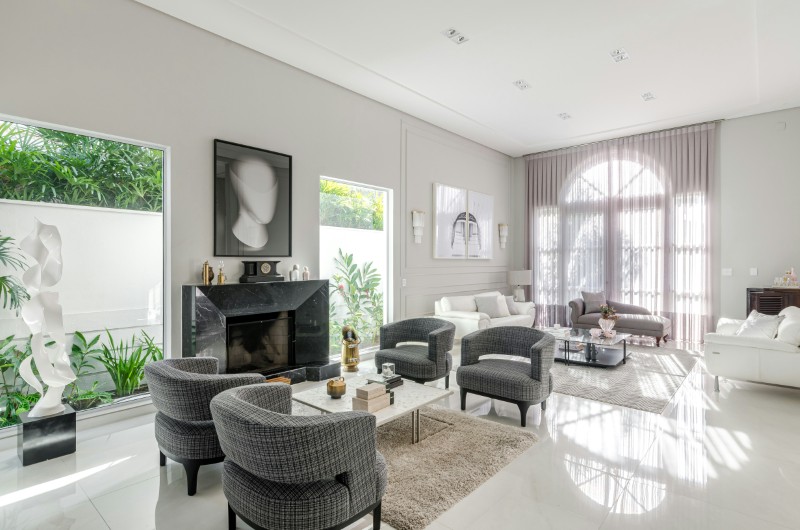
Камины, установленные застройщиками, часто представляют собой невзрачную коробку из плитки, ничем не примечательную. Это центральный элемент интерьера, который не заслуживает того внимания, которое ему уделяется.
Дизайнеры создают впечатление, что это было сделано намеренно: лучшее обрамление, подходящий камин, более сбалансированные пропорции — то, что... создает ощущение архитектурного сооружение а не по умолчанию.
#11 Замените дешевые зеркала и светильники для раковин в ванных комнатах.
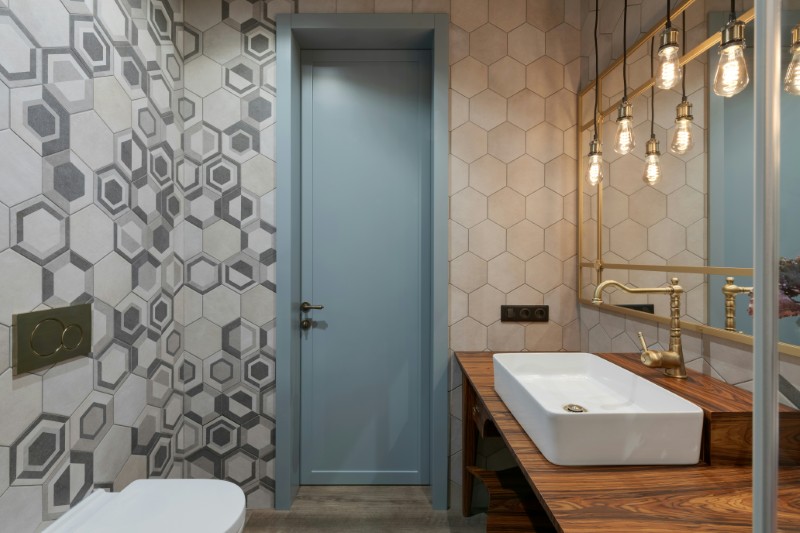
В ванных комнатах, построенных застройщиками, часто устанавливаются зеркала, которые выглядят так, будто их купили оптом, в сочетании с резким, слепящим освещением над раковиной.
Дизайнеры в первую очередь заменяют именно эти элементы, потому что ванные комнаты могут мгновенно создать ощущение уюта. еще один бутик-отель просто с лучшим освещением и зеркалом лучшего размера.
#12 Добавьте места для хранения, чтобы избежать беспорядка.
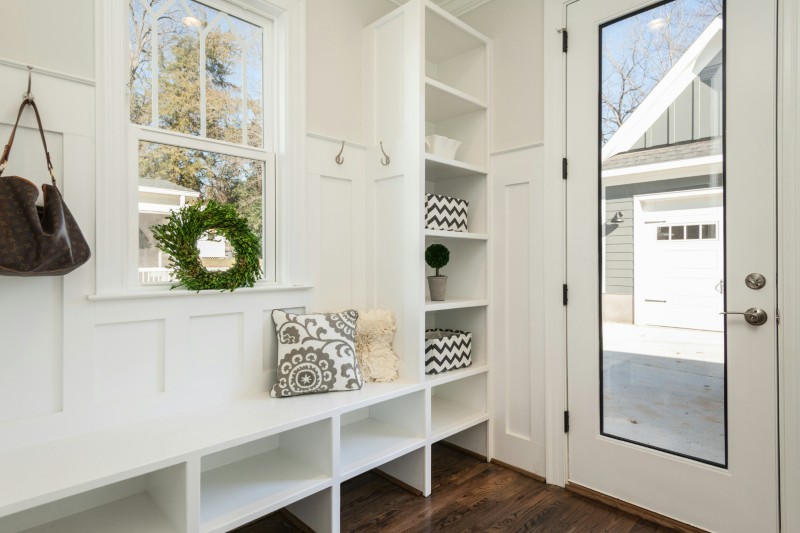
В типовых домах часто удивительно плохо продумана система хранения вещей — особенно это касается зон для хранения вещей, постельного белья и повседневного бытового беспорядка.
Дизайнеры добавляют встроенную мебель, корзины, выдвижные ящики и закрытые системы хранения, благодаря чему дом становится более спокойным и функциональным без масштабных строительных работ.
#13 Добавьте настоящую прихожую или зону для хранения вещей у входа.
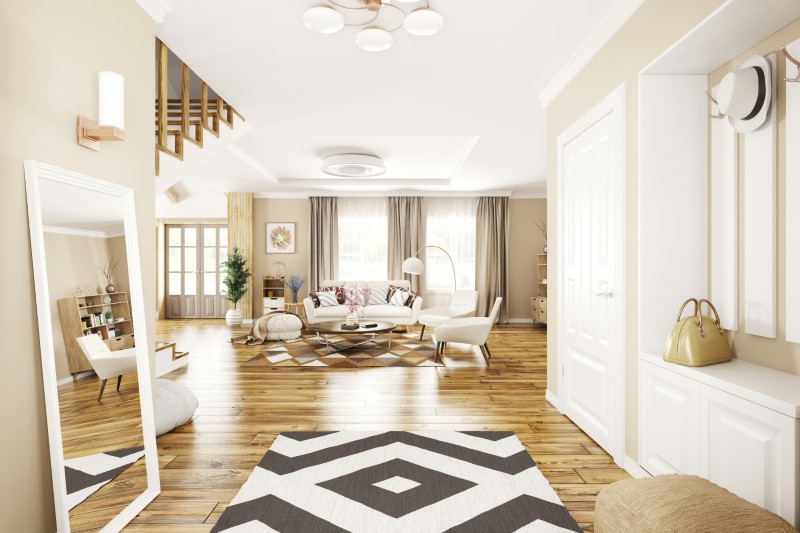
В типовых домах часто отсутствует полноценное «место для хранения» ключей, обуви, сумок, почты и верхней одежды, а это значит, что беспорядок распространяется мгновенно.
Дизайнеры часто создают зону для хранения вещей, даже если нет отдельной прихожей: крючки, шкафчики, скамейки и скрытые места для хранения.
#14 Смягчите открытые пространства с помощью четко обозначенных зон.
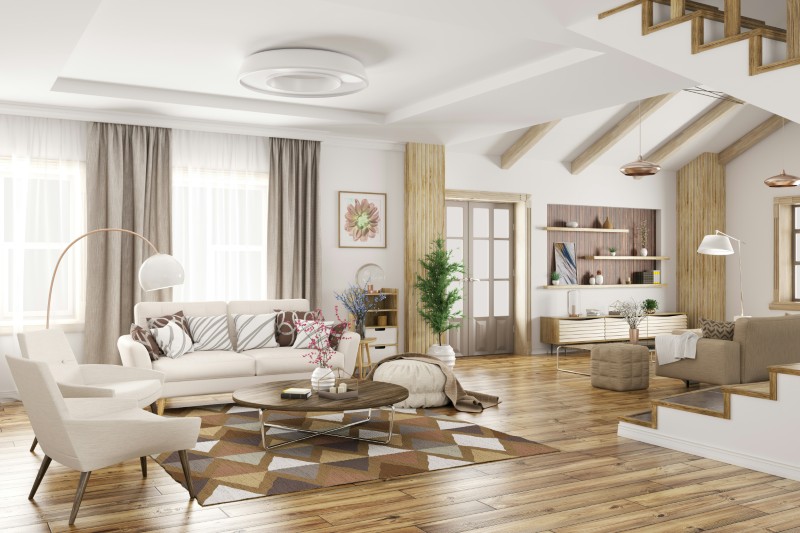
В типовых проектах открытая планировка часто воспринимается как один большой неопределенный прямоугольник: кухня, столовая и гостиная сливаются воедино, не образуя единой иерархии.
Дизайнеры используют ковры, освещение, расстановку мебели, а иногда и... детали потолка создать четко выраженные зоны — чтобы дом выглядел продуманным до мелочей, а не случайным.
#15 Замените блестящую или слишком пеструю плитку на кухонном фартуке.
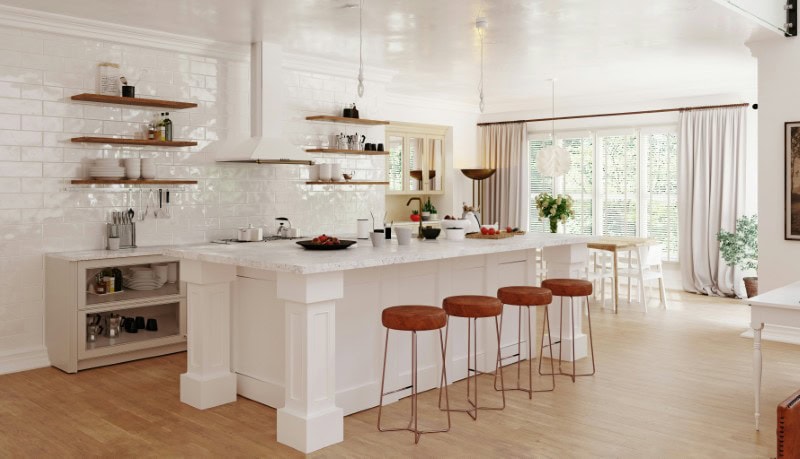
Зачастую облицовка кухонных фартуков от застройщиков выглядит однообразно: мелкая мозаика, чрезмерно глянцевая плитка «метро» или пестрые узоры.
Дизайнеры отдают предпочтение более спокойным и изысканным вариантам: крупноформатной плитке, плитам из массива дерева или более простым планировкам, которые не конкурируют с кухней.
#16 Добавьте индивидуальности с помощью текстуры стен или тонких архитектурных деталей.
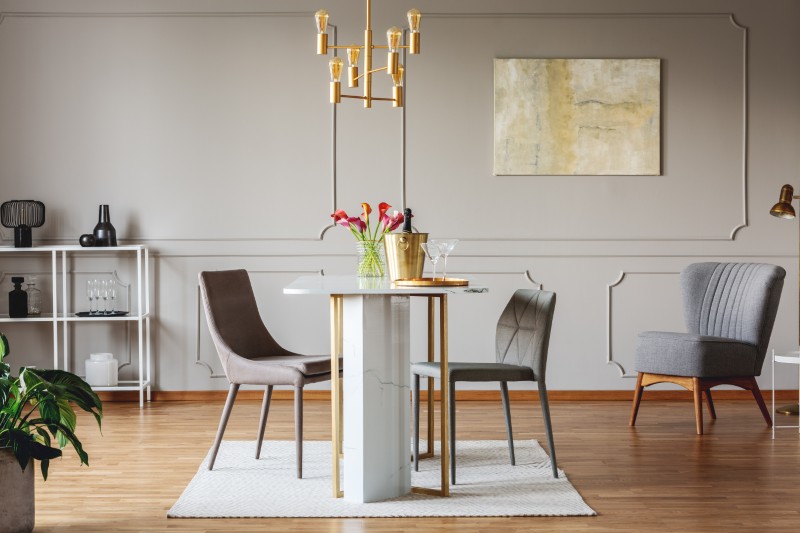
Самый быстрый способ исправить недостатки дома, построенного застройщиком, — это увеличить его глубину, поскольку самый большой недостаток обычно заключается в «ровности».
Дизайнеры придать текстуру с помощью известковой побелки. Отделка штукатуркой, панелями, лепниной или обоями в отдельных местах превращает пустые комнаты в помещения с индивидуальностью.
#17 Модернизация межкомнатных дверей (или хотя бы изменение стиля и цвета покрытия)
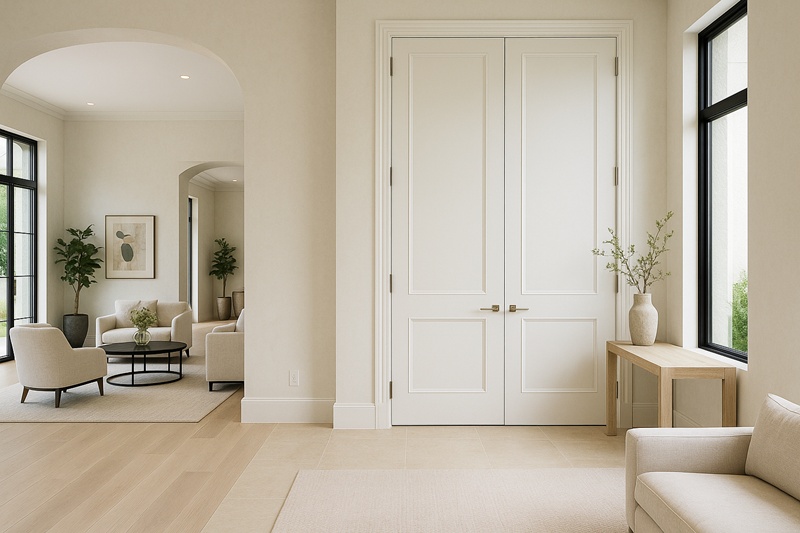
Двери с полой сердцевиной и простым профилем мгновенно выдают высокое качество строительства, даже в дорогих домах.
Дизайнеры либо модернизируют двери, либо красят их в более насыщенный оттенок, либо улучшают фурнитуру и отделку, чтобы двери выглядели солидно и продуманно.
#18 Улучшите «дополнительные элементы» кухни, которые придадут ей индивидуальный характер.
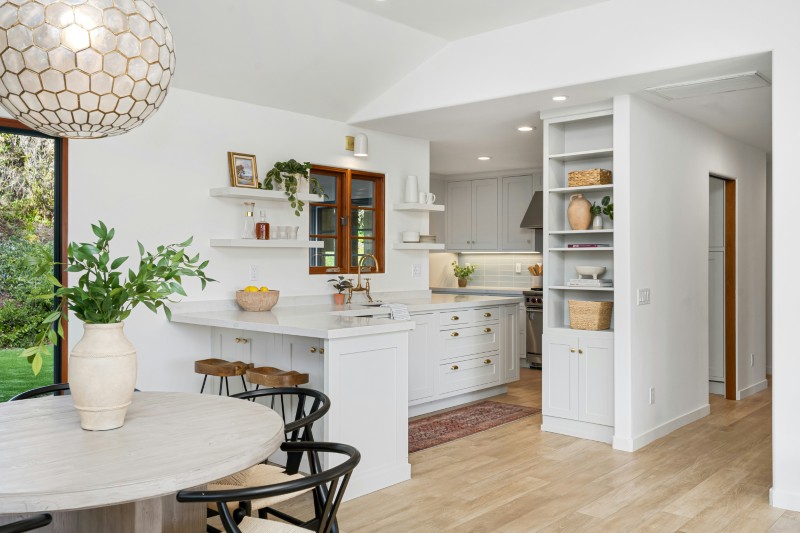
Даже не заменяя кухонные шкафы, дизайнеры придают кухне индивидуальный вид, устраняя мелкие недочеты:
- подсветка под шкафом
- лучший кран + раковина
- модернизированная фурнитура шкафа
- более внушительный вид вытяжки
- меньше видимой бытовой техники на столешнице
Именно здесь дома стандартной комплектации приобретают ощущение «продуманного дизайна» без полной перестройки.
Больше историй
16 дизайнерских решений, которые ненавязчиво указывают на то, что домовладелец много путешествовал.
15 преимуществ старых домов перед новостройками
25 элементов интерьера, которые еще 15 лет назад считались предметами роскоши.
Пост 18 вещей, которые дизайнеры в первую очередь изменили бы в типовом доме от застройщика. впервые появился на Дома с модными брюками.

 English