


When affluent buyers choose their next home, the decision usually goes far beyond size or price. Architecture becomes a statement about lifestyle, longevity, and values.
While mainstream housing tends to follow trends, high-end buyers consistently return to a small group of architectural styles that offer privacy, timeless appeal, and thoughtful living.
These homes aren’t chosen because they’re fashionable. They’re chosen because they age well, feel intentional, and support a certain way of life.
Here are the architectural styles wealthy homeowners almost always gravitate toward — and what each one quietly communicates.
Modern glass homes designed around light and views
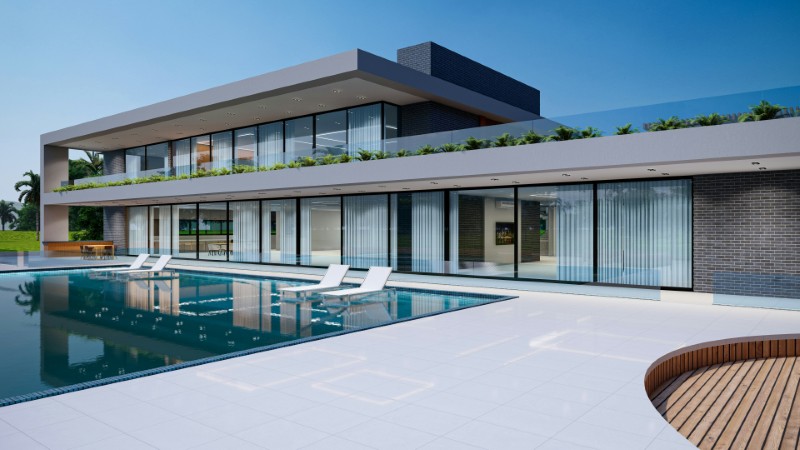
These homes feature clean lines, expansive windows, open layouts, and strong connections to outdoor spaces. The goal is to flood interiors with natural light and make views part of daily living.
Affluent buyers love these homes because they feel like private retreats rather than traditional houses. Many are positioned away from neighbors, with courtyards, terraces, and walls of glass that create both openness and privacy at the same time.
This style tends to signal a lifestyle built around entertaining, wellness, and a sense of freedom.
Contemporary minimalist homes built on proportion and restraint
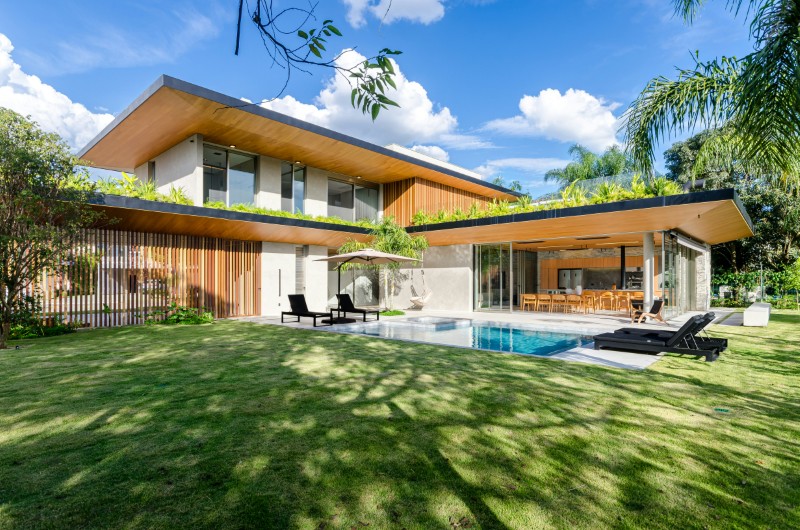
Minimalist contemporary homes strip away ornamentation in favor of simple geometry, neutral materials, and thoughtful spacing. Concrete, wood, stone, and steel are often used in calm, natural ways.
Wealthy homeowners choose this style because it highlights craftsmanship and scale rather than decoration. Every line feels intentional. Nothing is there just to fill space.
This architecture quietly communicates confidence and refinement, luxury without flash, and refined taste.
European-inspired estates built to feel permanent
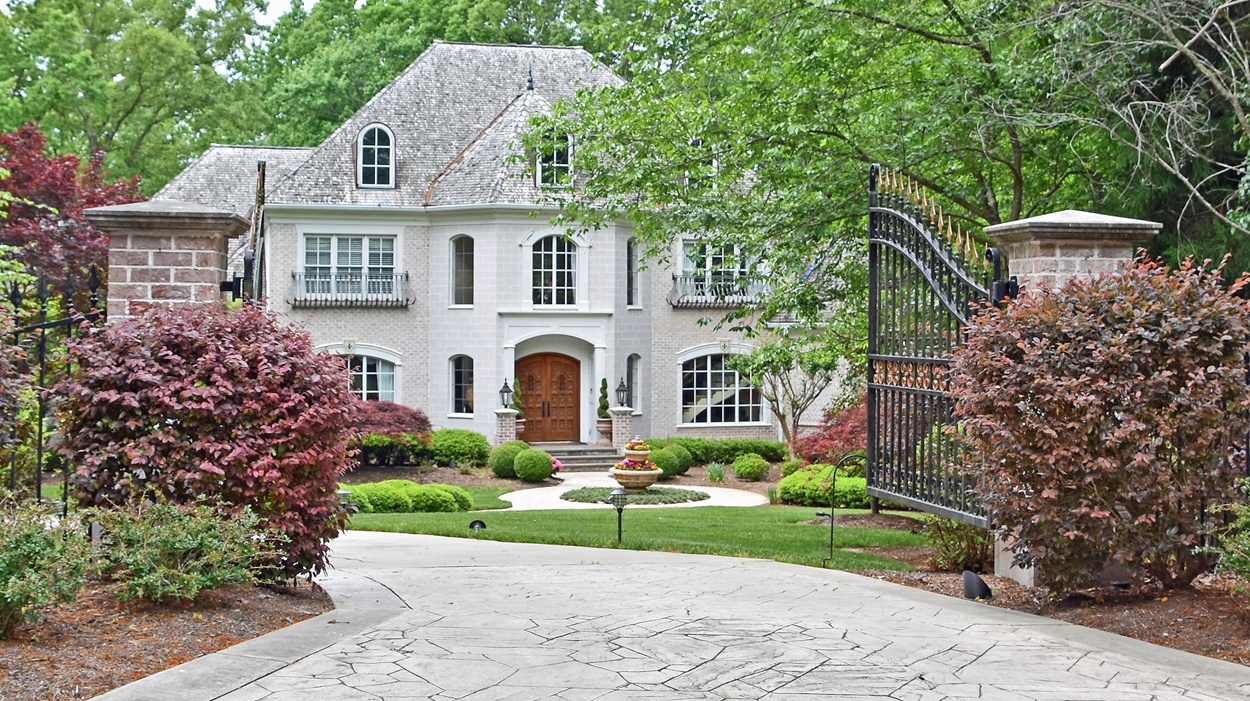
French country homes, Italian villas, English manor houses, and other Old World styles consistently appear among high-end buyers.
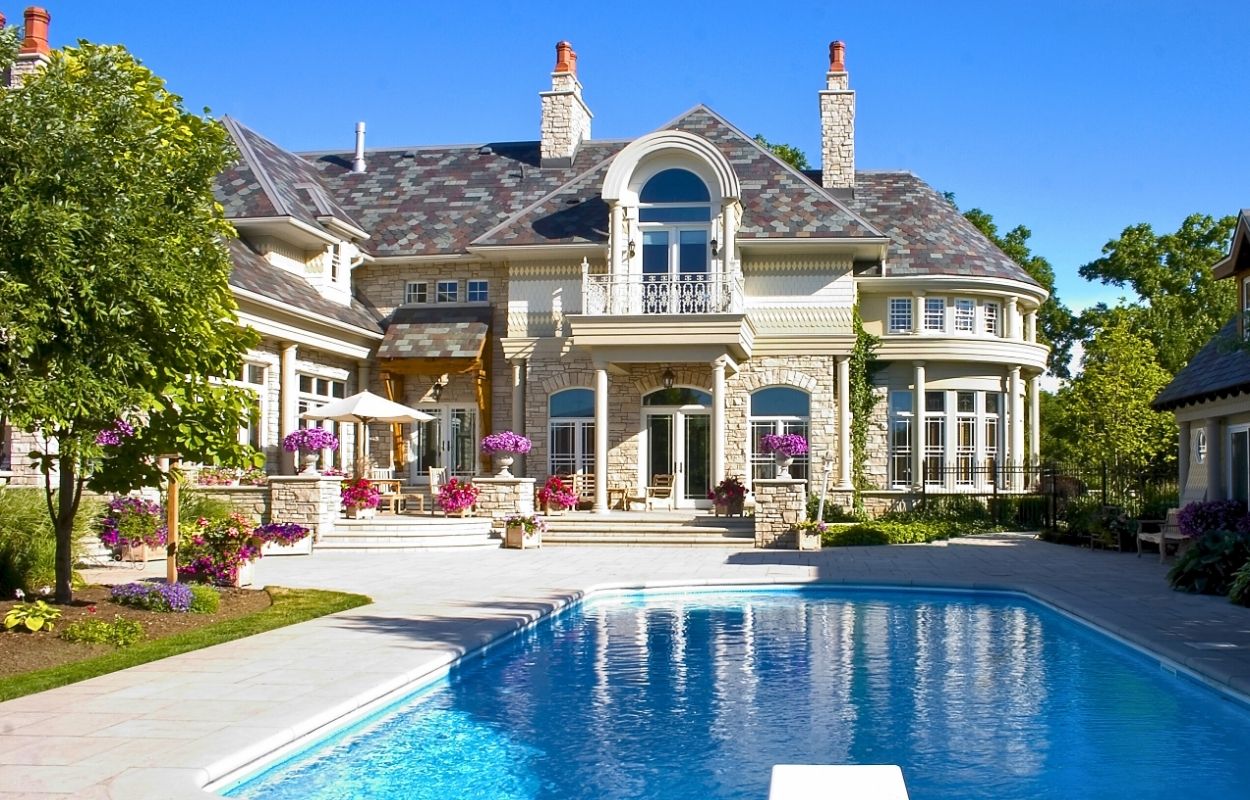
These homes emphasize symmetry, thick walls, arched openings, handcrafted details, and formal gardens. Even new builds are designed to feel like they’ve existed for generations.
Affluent homeowners are drawn to the sense of legacy these houses offer. They feel stable, timeless, and often intended to be passed down rather than replaced.
Classic Colonial and Georgian revival homes
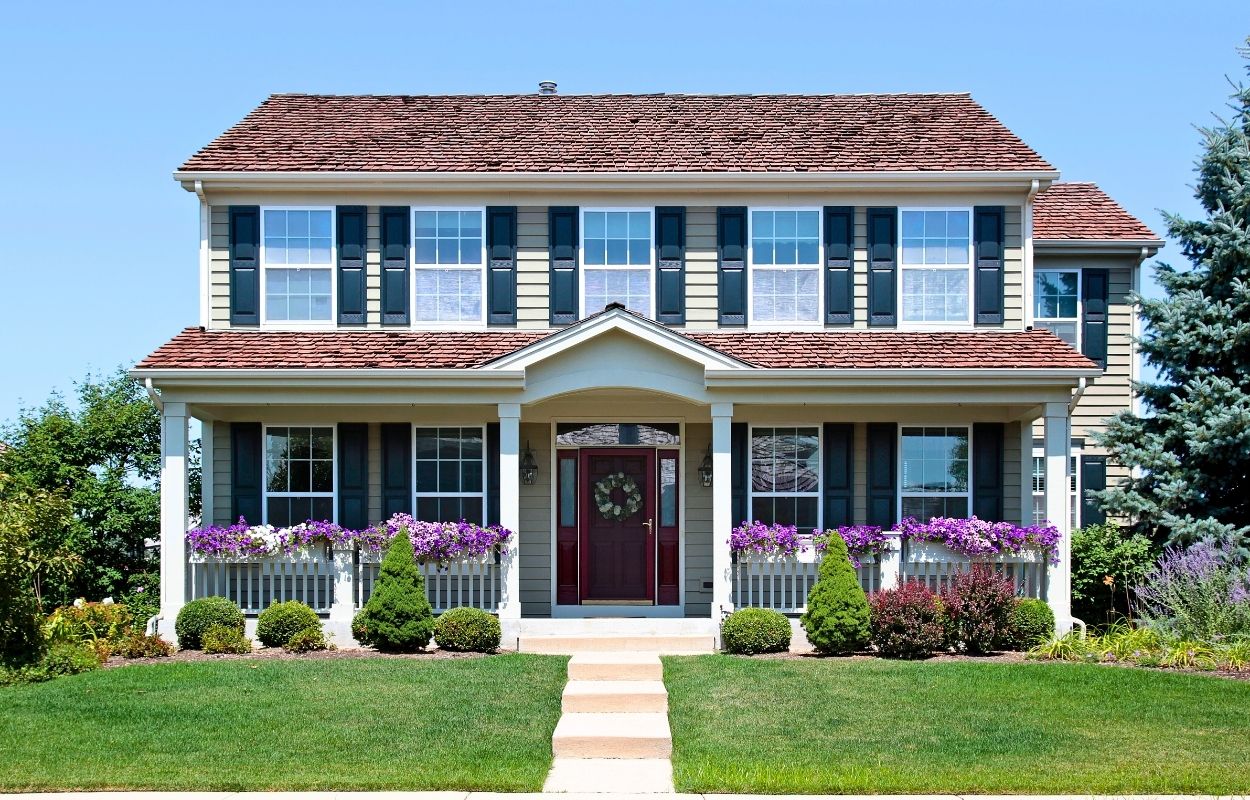
These styles remain staples in wealthy suburbs and historic areas. They feature balanced façades, orderly room layouts, traditional proportions, and enduring curb appeal.
Buyers choose them for their reliability — they’re elegant without being trendy, formal without feeling cold, and familiar without being boring.
They tend to signal tradition, family life, and long-term ownership.
Craftsman and Arts & Crafts–inspired estates
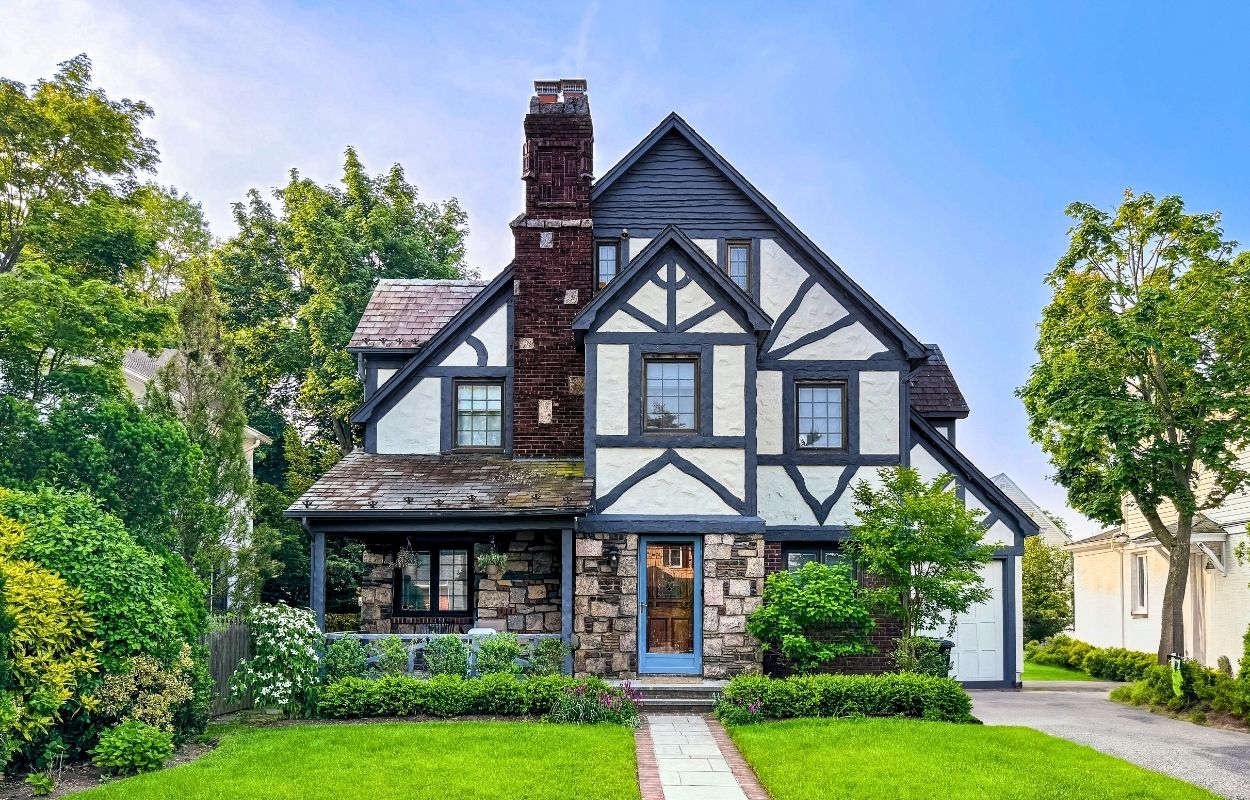
High-end Craftsman homes focus on natural materials, visible structure, deep porches, built-ins, and handcrafted details.
While smaller Craftsman houses exist across the country, affluent buyers often seek out large estate versions that keep the craftsmanship but scale it up dramatically.
This style tends to attract homeowners who value quality, warmth, and character over sleek modernity.
Modern farmhouse (but done architecturally, not trend-driven)
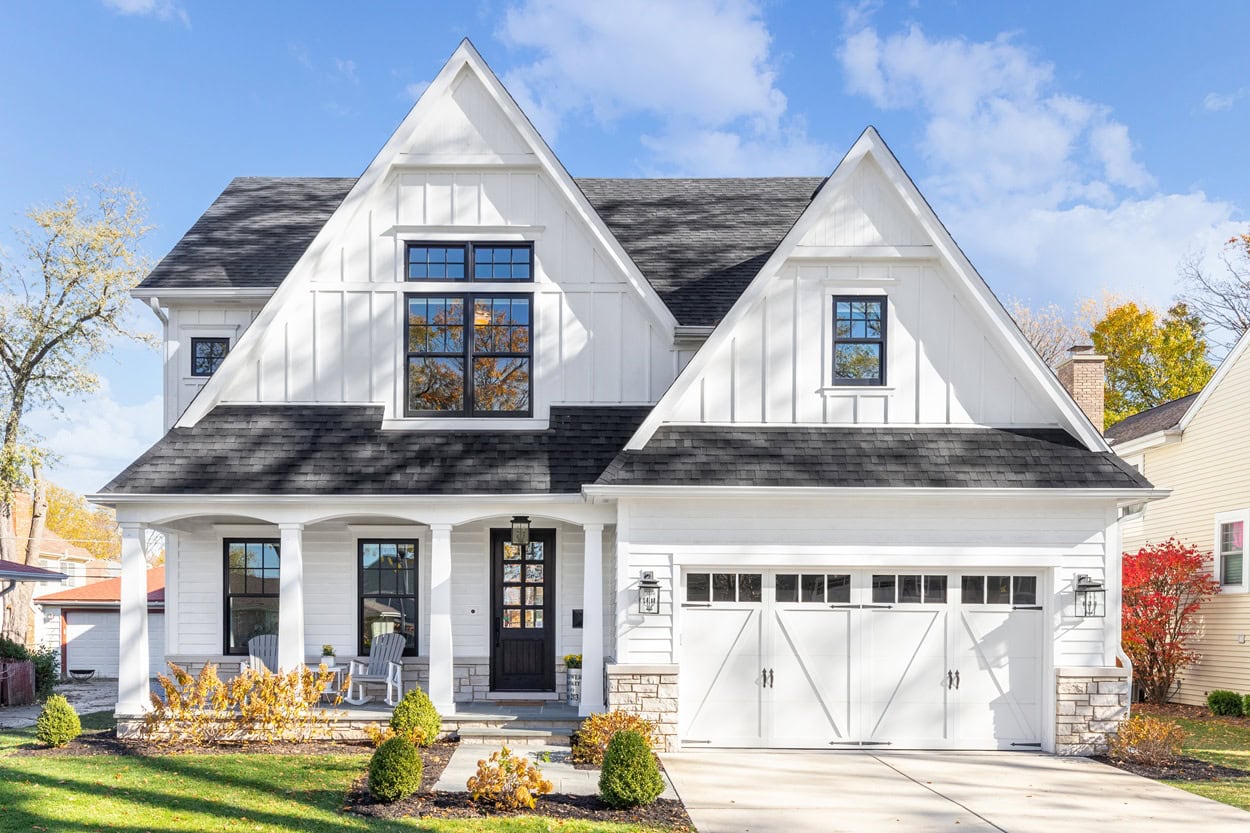
Among wealthy buyers, modern farmhouse looks very different from mass-market versions. These homes usually combine classic rural forms with high-end materials, thoughtful proportions, and custom details.
They often feature large porches, simple rooflines, natural wood, stone accents, and expansive interior spaces designed for modern living.
When executed well, this style signals comfort, privacy, and casual luxury rather than décor trends.
Spanish Revival and Mediterranean villas
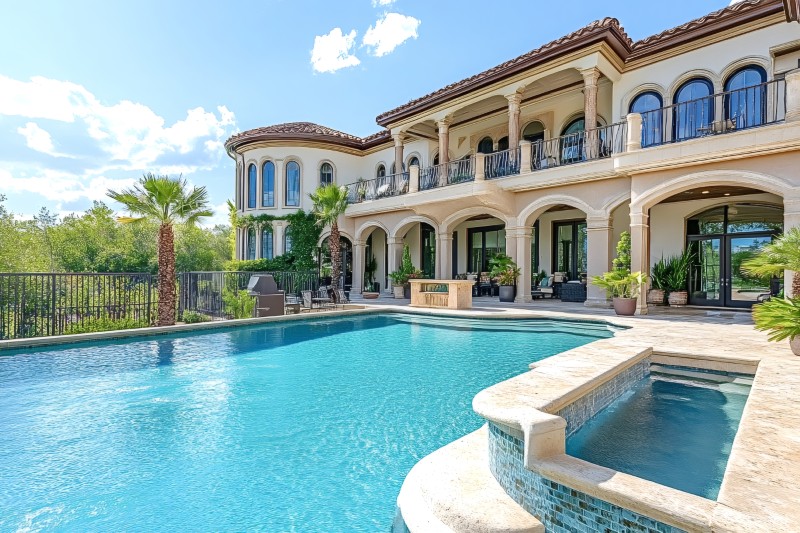
Especially popular in warm climates, these homes feature stucco walls, clay tile roofs, arched doorways, courtyards, and indoor-outdoor layouts.
Affluent homeowners gravitate toward this style because it blends privacy with resort-like living. Courtyards, fountains, shaded patios, and thick walls create homes that feel both luxurious and relaxed.
This architecture is about lifestyle as much as appearance.
Restored historic townhomes and urban mansions
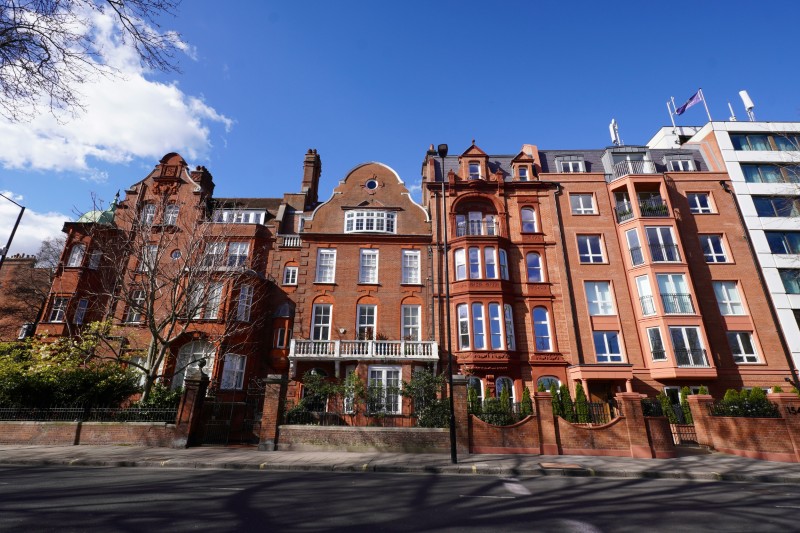
In major cities, wealthy buyers often seek out historic properties — brownstones, early 20th-century townhouses, and classic mansions — that have been carefully modernized.
These homes offer architectural character that new construction struggles to replicate: original moldings, staircases, ceiling heights, and craftsmanship.
Choosing one often reflects appreciation for authenticity, history, and urban living done with style.
Midcentury modern homes centered on flow and livability
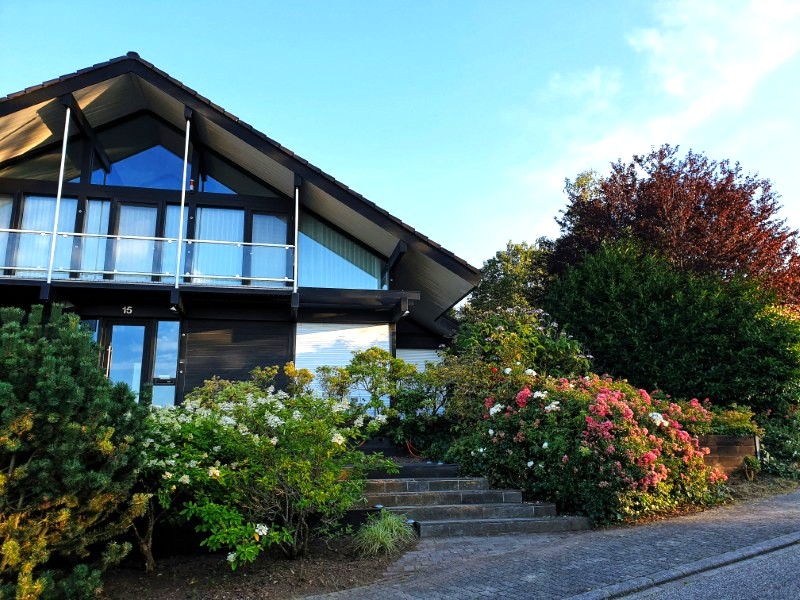
Midcentury modern architecture remains a favorite among affluent buyers who value thoughtful design. These homes typically emphasize low rooflines, open floor plans, natural materials, and seamless indoor-outdoor transitions.
They feel relaxed yet architectural, functional yet beautiful.
Choosing this style often reflects an appreciation for design history and smart planning over sheer size or trendiness.
Why these styles consistently attract wealth
Across all of them, the appeal isn’t novelty, it’s долголетие.
Wealthy homeowners tend to favor architecture that ages gracefully instead of feeling trendy, prioritizes privacy and lifestyle, reflects craftsmanship and thoughtful design, and that feels intentional rather than mass-produced.
While everyday housing trends come and go, these architectural styles continue to dominate high-end real estate because they offer something lasting: beauty that doesn’t rely on fashion.
Больше историй
Смелый дизайн: 19 домов, которые совсем не похожи на обычные
Классические элементы роскошного дизайна, возвращение которых мы бы с удовольствием увидели.
Вековые дома Лос-Анджелеса, которые затмевают любую новую постройку
Пост Архитектурные стили, которые почти всегда выбирают состоятельные домовладельцы (и почему) впервые появился на Дома с модными брюками.

 English