


Luxury homes have always reflected the priorities of their time. Walk into a high-end house built in 1925, 1985, or 2005, and you’ll notice something immediately: what the owners chose to put on display.
Not long ago, the goal was visibility.
Grand staircases sat right inside the front door. Giant TVs dominated living rooms. Closets showed off entire wardrobes. Kitchens displayed every appliance like a badge of honor.
Today, many of those same features still exist but they’ve been moved, concealed, or quietly integrated into the architecture.
Here are the features luxury homes used to proudly show off, and why modern versions prefer to keep them out of sight.
The television that used to dominate the living room
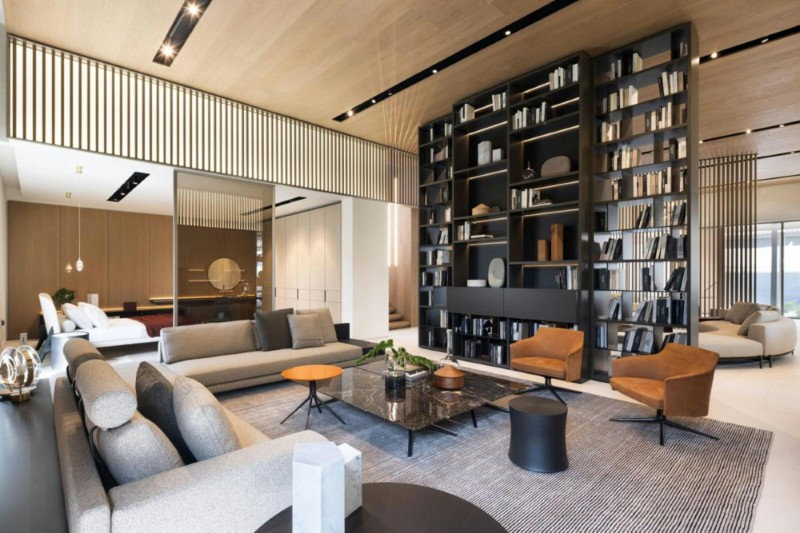
In the early 2000s, large flat-screen TVs were a status symbol. The bigger the screen, the better, and they were often mounted prominently above fireplaces or built into massive entertainment centers.
Today, designers frequently hide TVs behind sliding panels, recessed walls, or motorized artwork.
The goal is to let the room function as a living space first, and an entertainment space second.
The kitchen appliances that once sat fully exposed
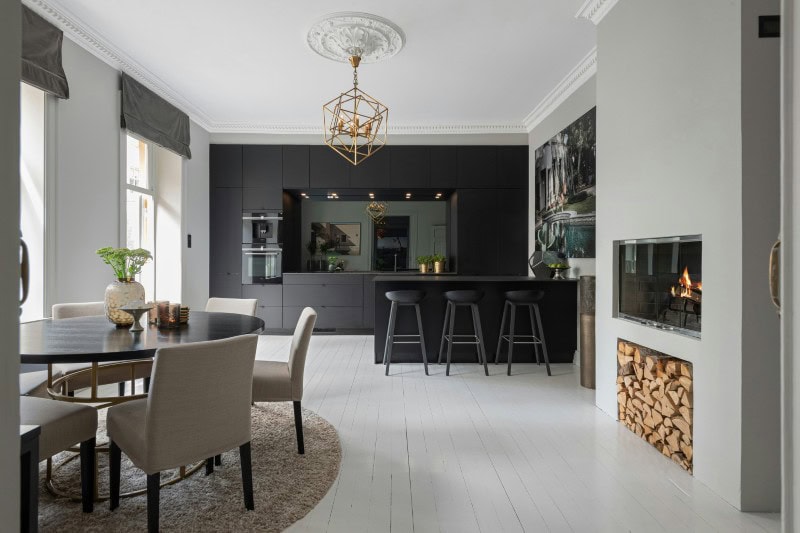
Stainless steel appliances were once meant to be seen.
Now, many luxury homes use panel-ready refrigerators, dishwashers, and even ventilation systems that blend seamlessly into surrounding cabinetry.
At first glance, it can be difficult to tell where the appliances are at all.
The grand front staircase placed directly in (full) view
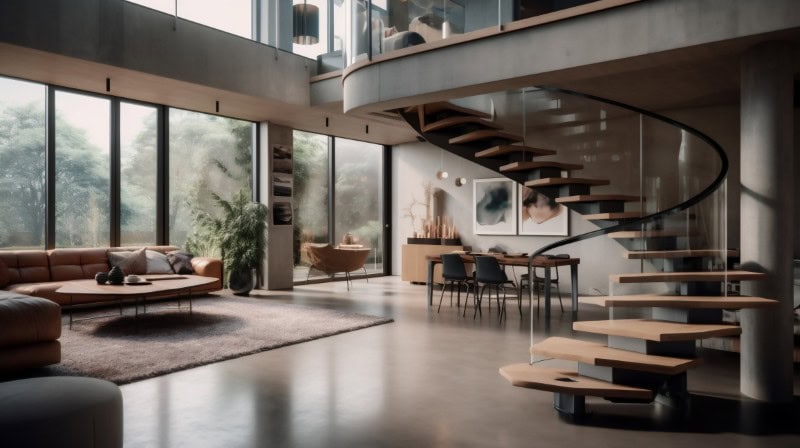
Older luxury homes often placed sweeping staircases front and center, immediately visible upon entering the house.
Modern homes still include impressive staircases, but they’re often positioned off to the side, behind walls, or deeper inside the layout.
The entrance itself has become calmer and less theatrical.
The refrigerator that stood proudly on display
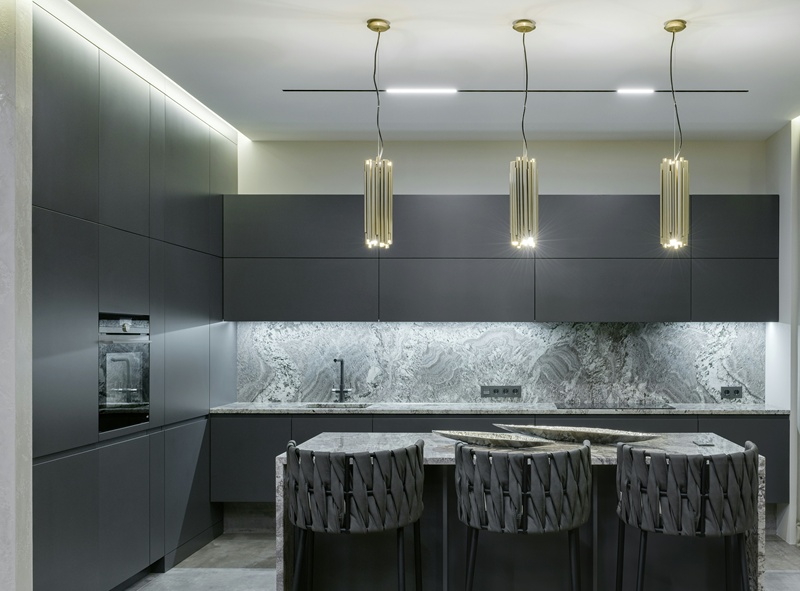
Refrigerators used to be large, visible objects, sometimes with oversized doors and visible handles.
Today’s versions are often hidden behind cabinetry panels designed to match the rest of the kitchen.
Without handles or visual breaks, they disappear completely into the wall.
Closets that used to overflow into the bedroom
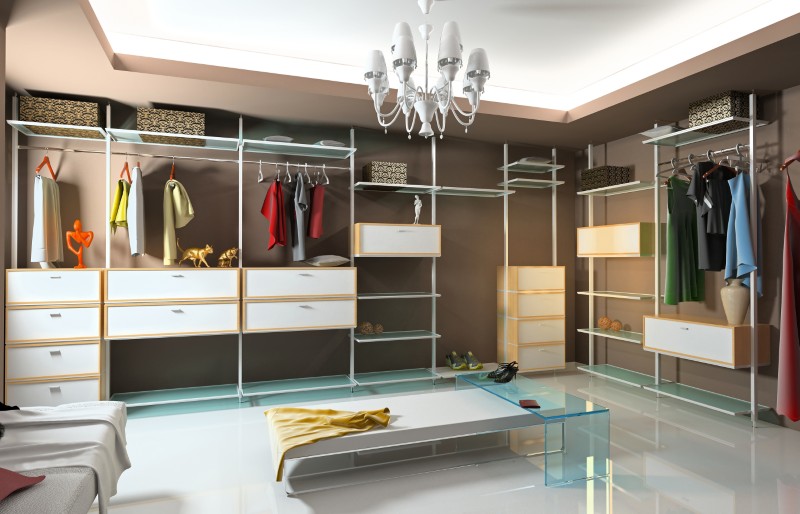
In older homes, wardrobes and clothing were often visible inside bedrooms.
Modern luxury homes separate storage into dedicated dressing rooms hidden behind doors or hallways.
The bedroom itself stays visually calm.
The home office that used to sit near the front door
Not long ago, home offices were designed to be seen, often located near entryways to signal productivity or professional status.
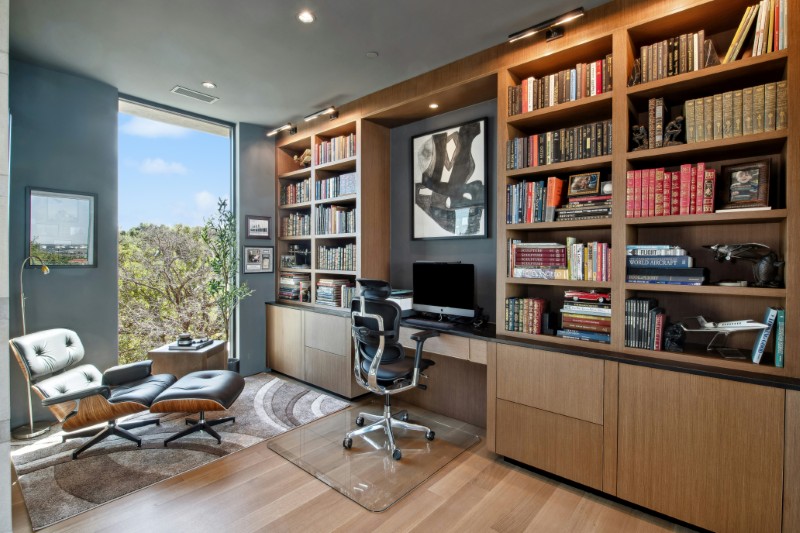
Today, offices are frequently placed deeper in the house, sometimes behind concealed doors or integrated into multipurpose spaces.
Privacy became more important than presentation.
The garage doors that once faced the street prominently
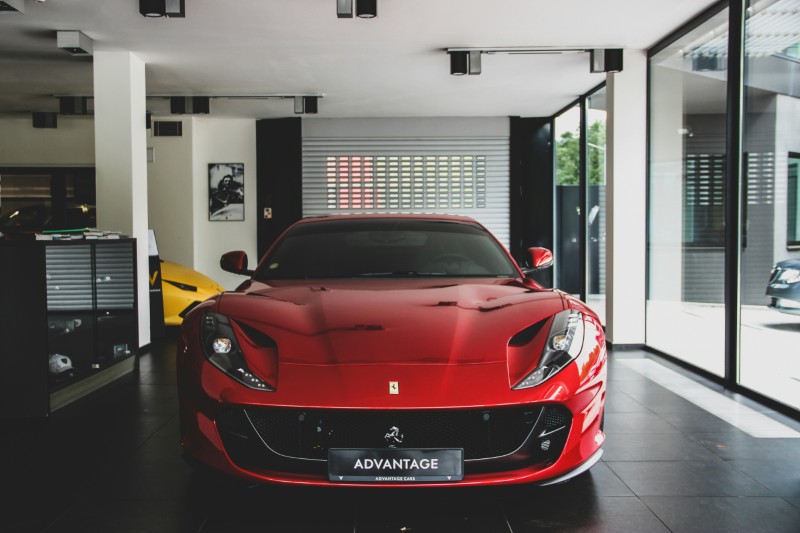
Large front-facing garage doors became especially common in luxury homes built in the late 20th century, when multi-car ownership increased and garages grew larger to accommodate collections of vehicles.
These oversized doors often took up a significant portion of the home’s facade, making vehicle storage one of the most visible parts of the exterior (something more typical of megamansions with car showrooms nowadays).
Today, many luxury homes relocate garages to the side of the property, tuck them behind landscaping, or place them underground, allowing the front of the house to focus on entryways, windows, and architectural details instead.
The kitchen range hood designed as a focal point
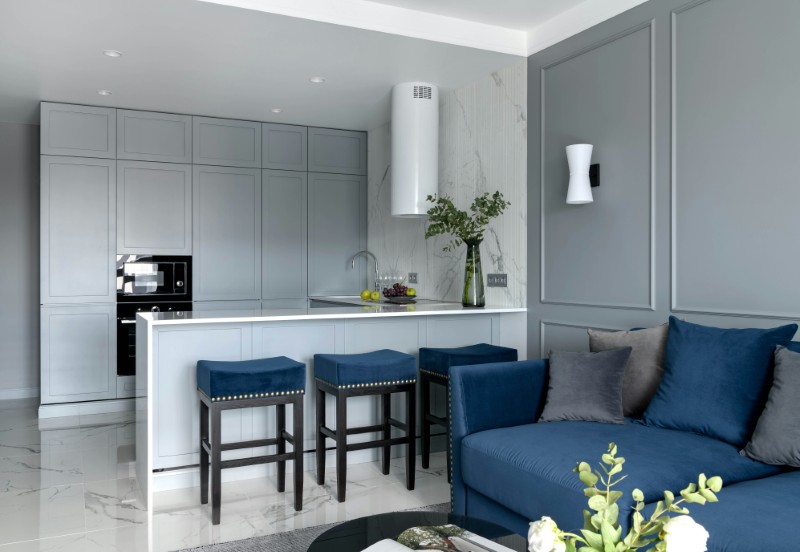
Decorative range hoods were once treated as centerpieces, often made from stainless steel, copper, or carved wood and positioned to draw immediate attention.
They helped signal that the kitchen was equipped with professional-grade appliances and built for serious cooking.
In newer luxury homes, ventilation systems are frequently concealed within cabinetry or simple plaster enclosures, allowing the surrounding materials and layout to take visual priority.
The safe that used to be visible inside the closet
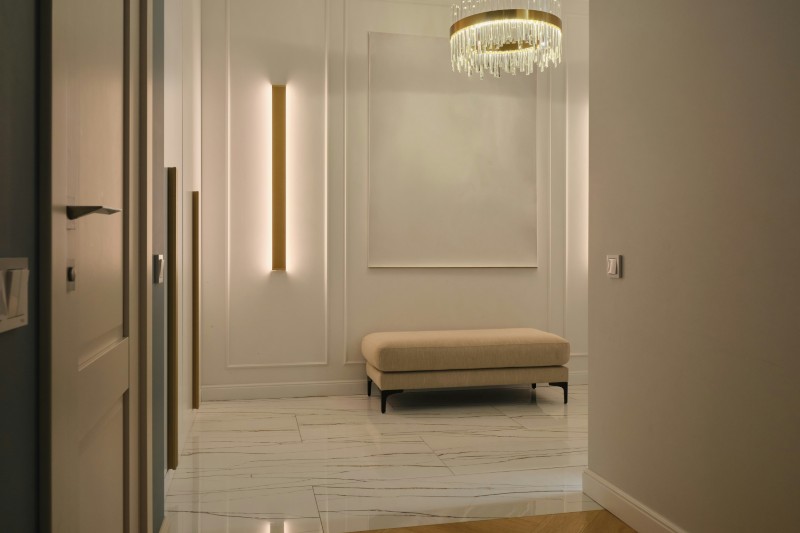
Older luxury homes often included safes placed directly inside primary closets, where their thick doors, keypads, and metal finishes were easy to spot.
They were designed to be accessible, but their presence was rarely subtle.
Modern safes are more likely to be hidden behind millwork, mirrors, or concealed panels, keeping valuables secure without visually interrupting the room.
The bar that once anchored the living room
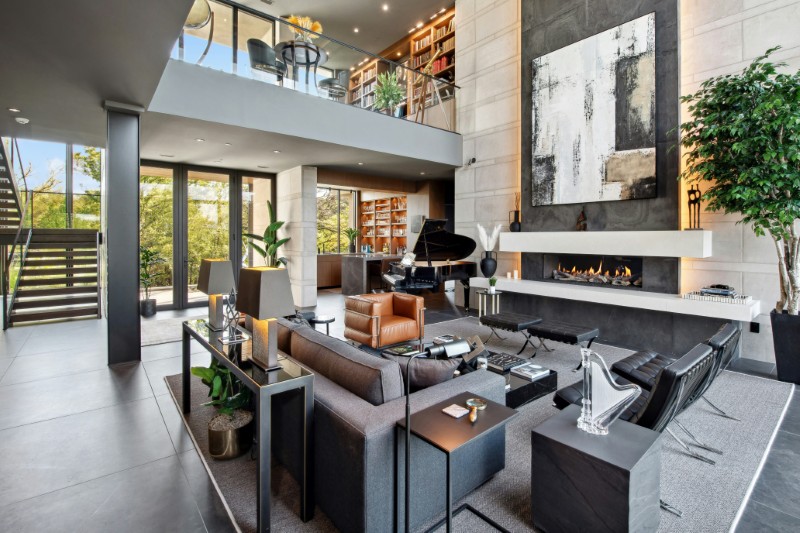
Built-in bars were once designed as permanent fixtures, often finished in dark wood, stone, or mirrored surfaces and positioned where guests could easily gather.
They served as dedicated entertaining zones and remained visible whether in use or not.
Today, bars are often hidden behind cabinet doors or integrated into multipurpose spaces, allowing them to disappear when not needed and keeping the room more flexible.
The speaker systems that used to fill the room
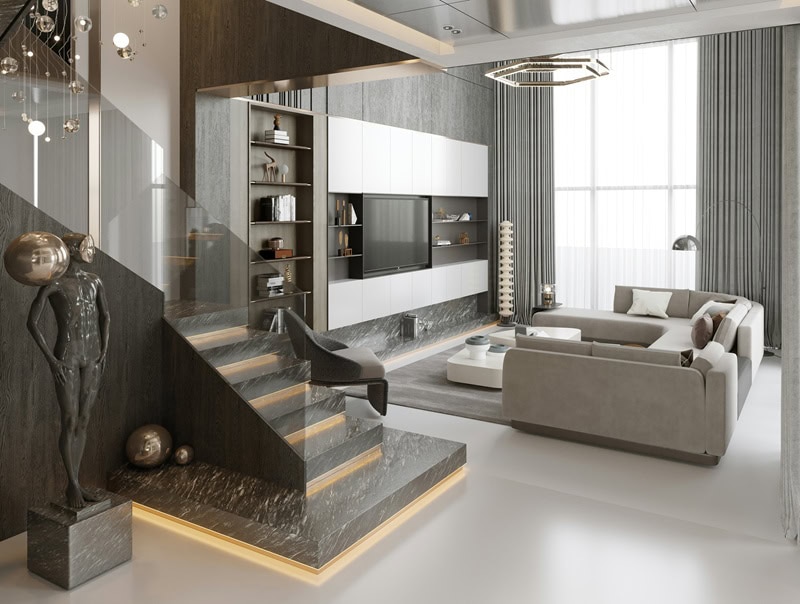
Large floor-standing speakers and bulky stereo equipment were once a common sight in luxury homes, reflecting both the cost and importance of high-quality sound systems.
These components were often arranged prominently as part of the room’s layout.
Modern audio systems are typically built into ceilings or walls, delivering the same sound quality without occupying visible space.
The wine storage displayed as furniture
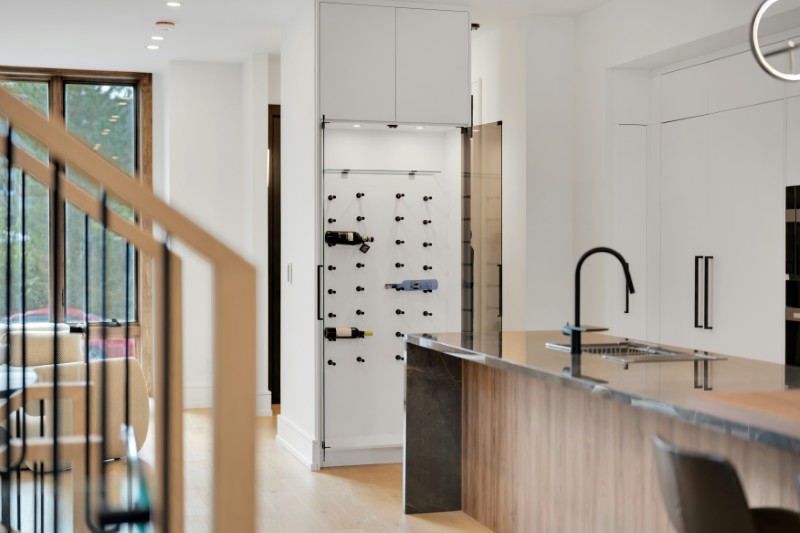
Wine collections were once commonly stored in visible racks, cabinets, or standalone furniture placed in dining rooms or living areas.
Displaying bottles served as both storage and a way to highlight the size of the collection.
Today, wine is more often stored in temperature-controlled rooms or hidden refrigeration units designed to protect the bottles while keeping them out of view.
The security features that used to be obvious
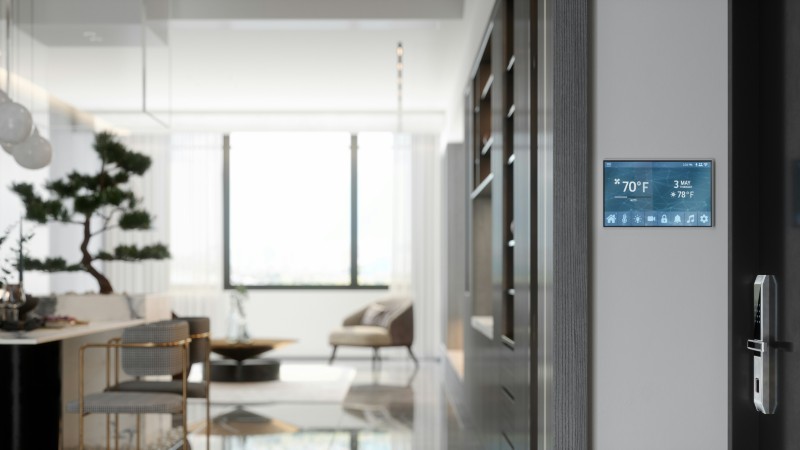
Security systems once relied on visible keypads, mounted cameras, and motion sensors placed in noticeable locations throughout the home.
Their presence was clear and often intentionally visible.
Modern systems are smaller and integrated into door hardware, ceilings, and exterior fixtures, allowing them to function without drawing attention.
The storage rooms that used to be separate and visible
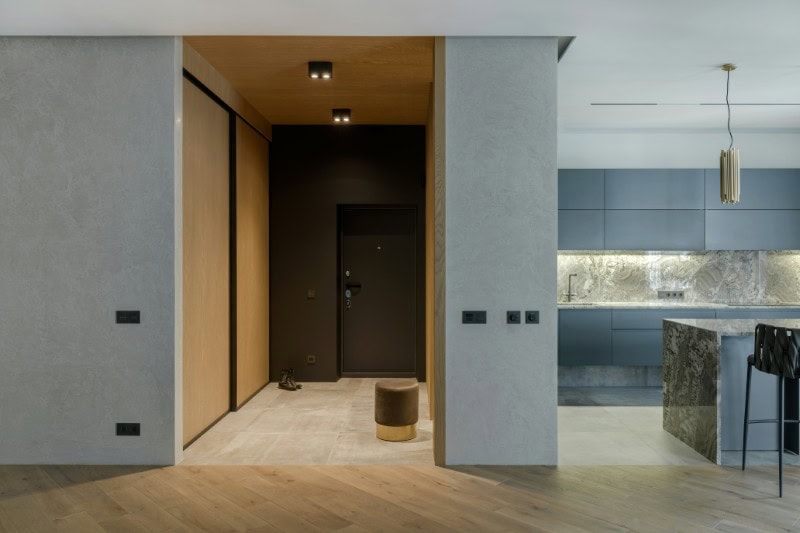
Storage was once confined to dedicated rooms, closets, or utility areas clearly defined within the floor plan.
These spaces were functional but often visually disconnected from the rest of the home.
In newer luxury houses, storage is built directly into walls, cabinetry, and architectural features, allowing it to blend in seamlessly with the surrounding design.
Больше историй
12 things modern homes are designed around that barely existed 30 years ago
19 things you only see in homes built for private wealth
Архитектурные стили, которые почти всегда выбирают состоятельные домовладельцы (и почему)
Пост 14 things luxury homes used to show off that now get hidden впервые появился на Дома с модными брюками.

 English