


Одно из самых величественных сохранившихся поместий американского «позолоченного века» — раскинувшийся летний дворец Вандербильтов, известный как Элм-Корт, — готовится к своей самой масштабной реконструкции за всю историю.
Расположенное на территории площадью почти 89 акров между Леноксом и Стокбриджем, это легендарное поместье было построено в конце 1880-х годов для Эмили Вандербильт Слоун и ее мужа Уильяма Дугласа Слоуна.
Отель площадью около 55 000 квадратных футов и почти 100 номерами, Элм-Корт по-прежнему остается самым большим жилым домом в стиле «шингл» в Соединенных Штатах.
Теперь, после более чем столетия частной собственности, заброшенности, реставраций и несбывшихся планов по созданию курорта, поместье готовится превратиться в бутик-отель, который будет подчеркивать свое историческое великолепие, но при этом добавит к этому современные оздоровительные услуги и роскошный образ жизни.
Построенный как «летний домик», он оставался таковым до тех пор, пока состояние Вандербильтов не изменило всё.
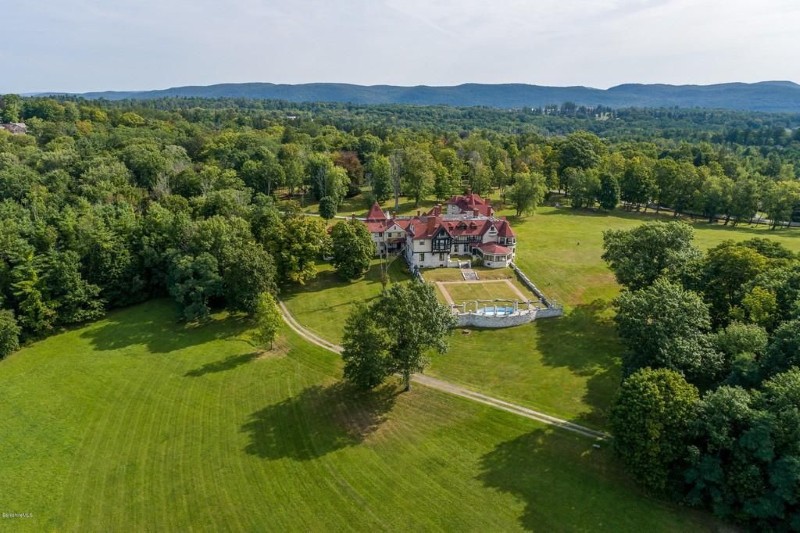
Первоначально, в 1885 году, Elm Court задумывался как скромный сезонный пансион.
Всё изменилось в одночасье, когда отец Эмили, железнодорожный магнат Уильям Генри Вандербильт, внезапно скончался, оставив каждому из своих восьми детей состояние, эквивалентное примерно 1330 миллионам долларов в современном эквиваленте.
Поскольку вопрос стоимости перестал быть актуальным, Слоуны значительно расширили свои планы, поручив архитектурной фирме Peabody and Stearns создать особняк, который мог бы соперничать с другими подобными постройками. Величественные загородные дома Европы.
Строительство завершилось в 1887 году, в результате чего получился дом дворцовых размеров, предназначенный как для приема гостей, так и для семейной жизни.
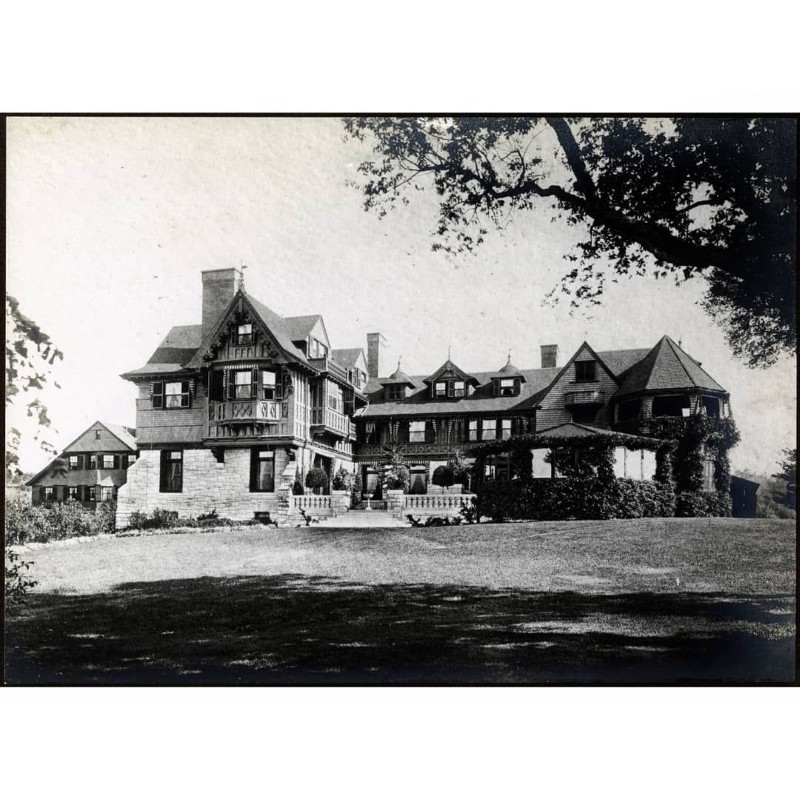
Как и многие поместья эпохи «позолоченного века» в Леноксе, Элм-Корт по сути функционировал как частный роскошный отель, построенный для приема многочисленных гостей, проведения концертов, спортивных мероприятий и пышных светских торжеств.
Оформлением территории занимался самый известный ландшафтный архитектор Америки.
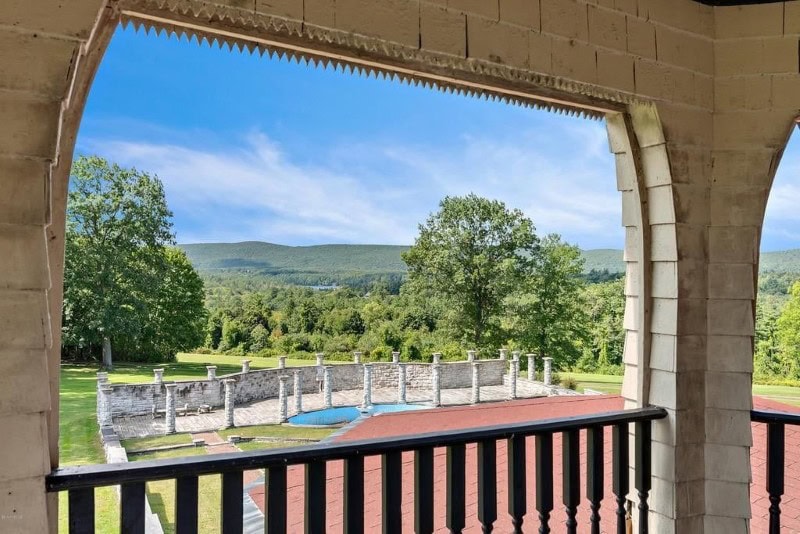
Обширные лужайки, сады и живописные виды поместья были спроектированы Фредериком Лоу Олмстедом, идейным вдохновителем Центрального парка.
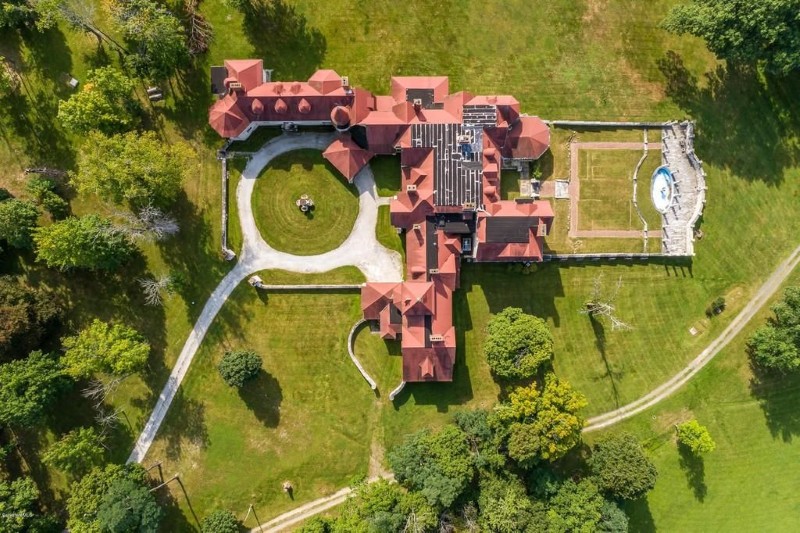
Олмстед потратил более года на доработку ландшафтного плана, создав около 70 различных вариантов дизайна сада, прежде чем остановиться на окончательной планировке.
В результате получился тщательно продуманный природный ландшафт, призванный одновременно создавать ощущение дикой природы и идеальной гармонии — раскидистые лужайки, живописные виды и парадные садовые комнаты, которые до сих пор определяют облик поместья.
В числе дополнительных построек ранее были конюшни, теплицы и хозяйственные постройки. поддерживала жизнь в масштабах «позолоченного века».
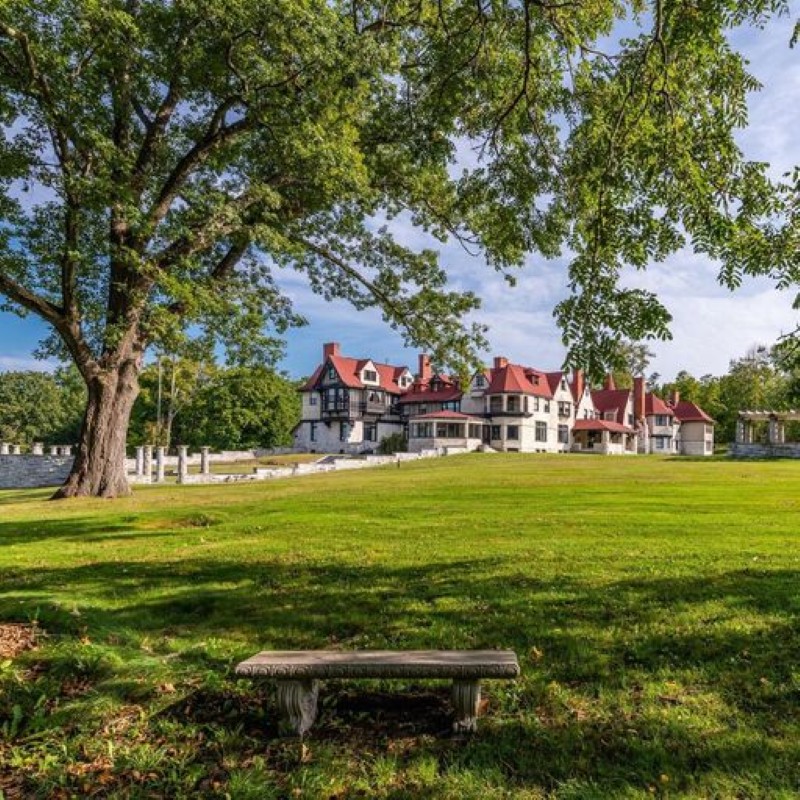
Особняк эпохи «позолоченного века», где когда-то собирались президенты, изобретатели, художники и члены королевской семьи.
В годы своего расцвета Элм-Корт был центром притяжения для некоторых из самых влиятельных деятелей конца XIX и начала XX веков.
По имеющимся данным, среди гостей были Теодор Рузвельт, Уинстон Черчилль, Гровер Кливленд, Уильям Говард Тафт, Вудроу Уилсон, Томас Эдисон, Амелия Эрхарт, Генри Форд, Марк Твен, Оскар Уайльд, Глория Свансон и Рудольф Валентино.
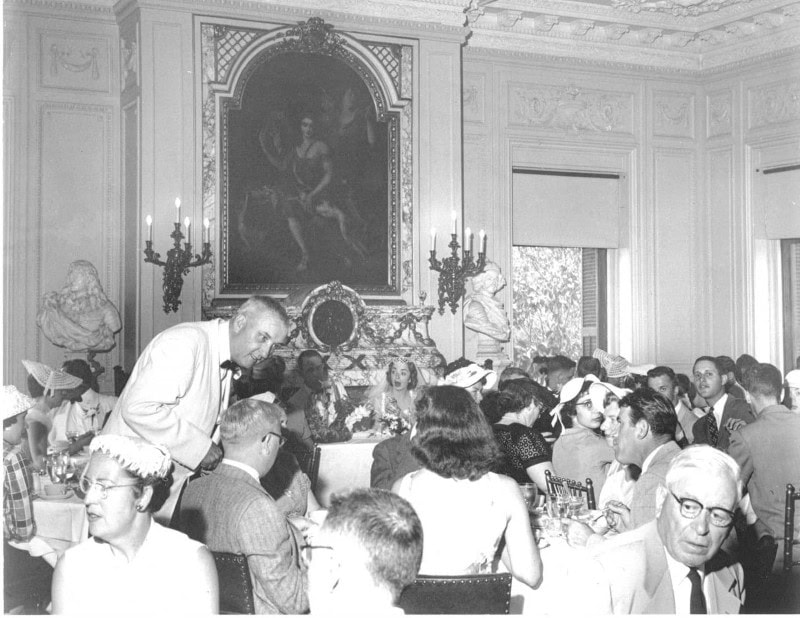
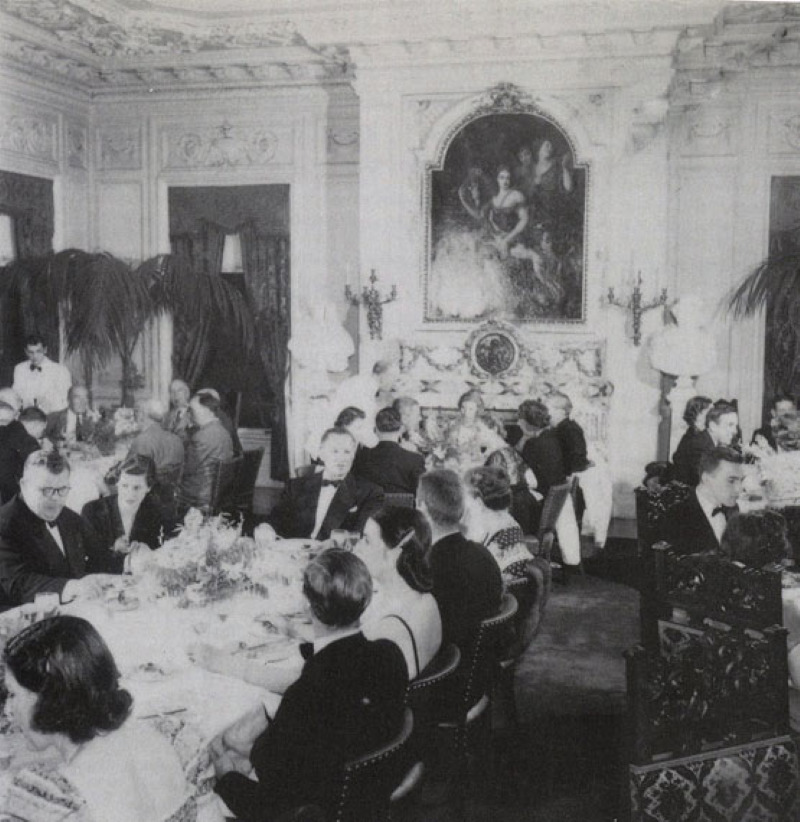
Расписание дней в поместье было тщательно составлено и включало теннисные турниры, верховую езду, торжественные пикники, которые устраивал персонал, и вечерние концерты под роскошными люстрами.
В 1919 году знаменитые «Беседы в Элм-Корт», проходившие на территории поместья, даже помогли заложить основы, которые впоследствии повлияли на Версальский договор и Лигу Наций.
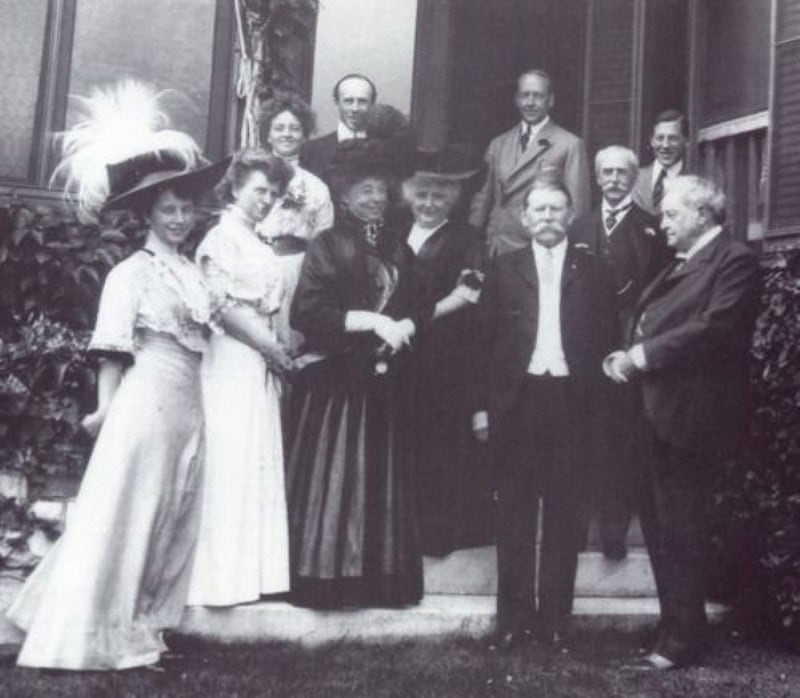
Дом был настолько огромным, что превратился в полноценный отель, а затем едва не исчез.
После десятилетий, проведенных в качестве частной семейной резиденции, потомки Вандербильтов в 1948 году открыли Elm Court в качестве гостиницы, стремясь сохранить ее и создать сезонную работу для местных учителей.
Однако поддерживать поместье в таких огромных масштабах оказалось сложно. К 1957 году оно было закрыто и простояло заброшенным более 40 лет, медленно разрушаясь по мере того, как поколения передавали право собственности из поколения в поколение.
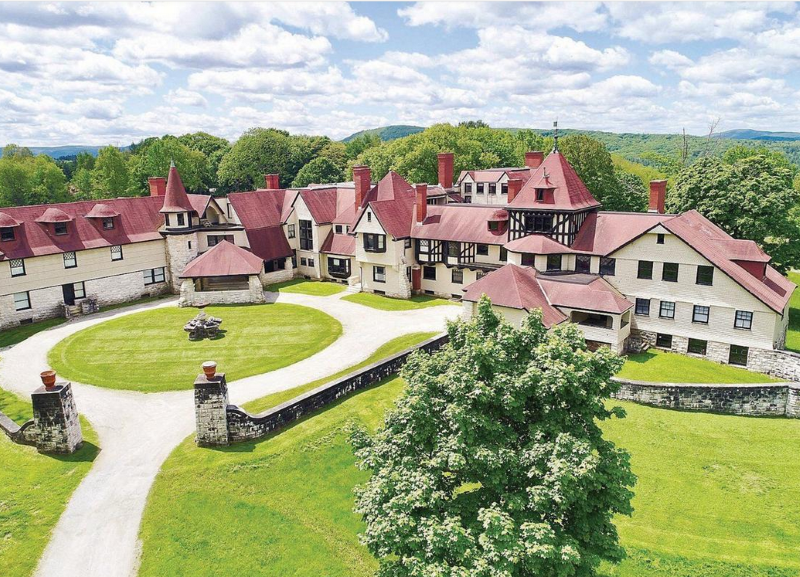
В конце 1990-х годов потомки начали многомиллионную реставрацию, вновь открыв Elm Court как роскошную гостиницу, а позже — как эксклюзивное место для проведения свадеб. Несмотря на возросший интерес, эксплуатационные расходы снова стали непомерными.
В течение следующих двух десятилетий поместье переходило от одного владельца к другому, и в его собственности сменяли друг друга амбициозные проекты курортов, включая пятизвездочный оздоровительный центр, который так и не был полностью реализован.
Новая концепция, ориентированная на бутик-отели и оздоровительный отдых.
В конце 2022 года застройщик Линда Лоу приобрела Elm Court с долгосрочным планом превратить этот объект в популярное место отдыха, а не просто жилой комплекс. огромный частный домДеловой партнер Лоу, доктор Ричард Пейзер, является единственным профессором, занимающим кафедру развития недвижимости в Гарвардском университете.
Предложение сосредоточено на преобразовании усадьбы в бутик-отель с 26 номерами, бальным залом, библиотекой и рестораном, ориентированным на здоровье и долголетие.
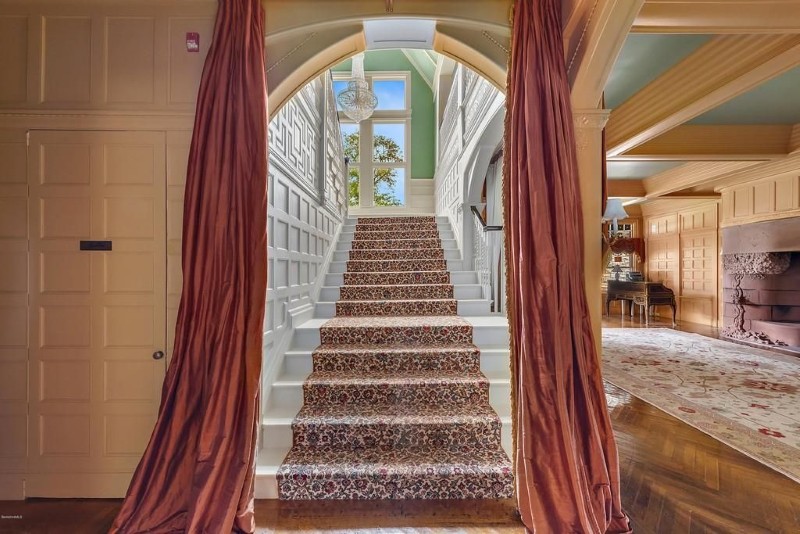
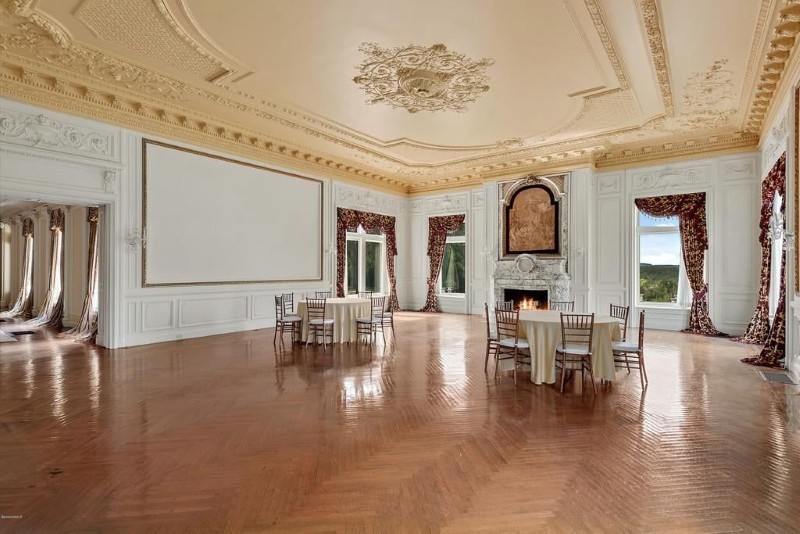
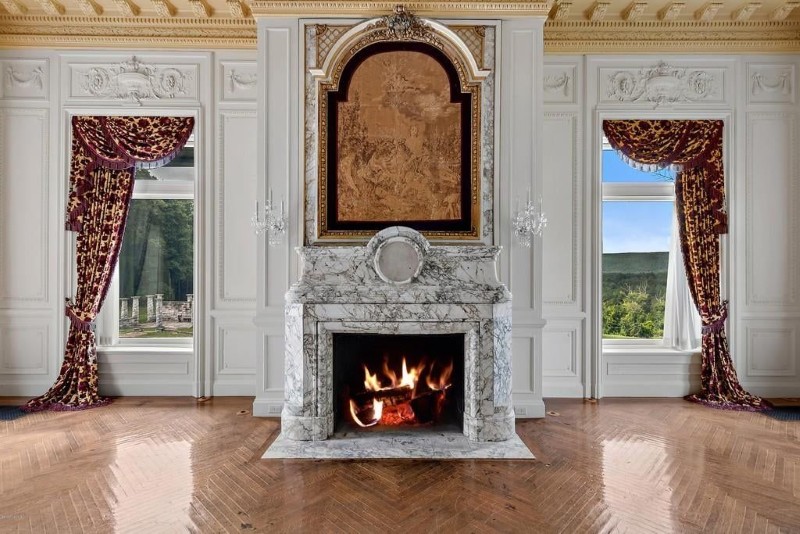
Вокруг главного дома будут возведены двенадцать дополнительных жилых зданий, которые в общей сложности добавят 48 номеров для гостей, создав таким образом атмосферу уединенного отдыха в стиле университетского городка на территории исторического комплекса.
В долгосрочные планы также входит поэтапное освоение 38 участков под строительство частных домов по индивидуальным проектам.
Редкая прямая связь с наследием Университета Вандербильта.
В усилиях по возрождению принимает участие Джон Ф. А.В. Сесил — правнук Джорджа Вашингтона Вандербильта II, построившего поместье Билтмор в Северной Каролине.
По словам команды разработчиков, цель состоит не просто в реконструкции, а в исторически бережном восстановлении — с непосредственным использованием архитектурных традиций «позолоченного века», ремесленного мастерства и первоначальных принципов проектирования поместья.
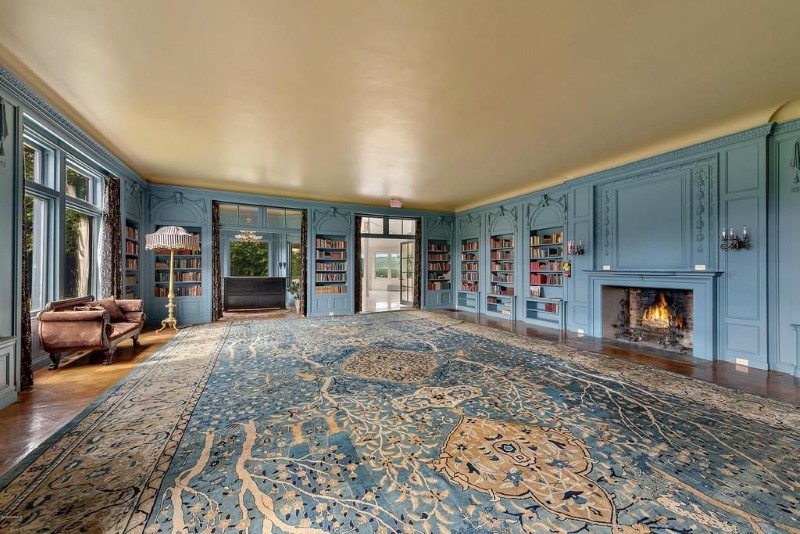
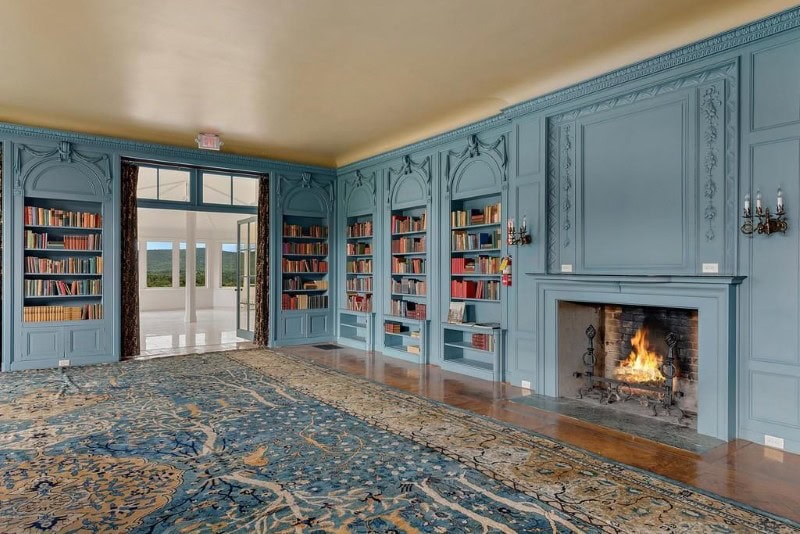
Вместо того чтобы превратить Элм-Корт в нечто неузнаваемое, планируется следующее: пусть его величие XIX века останется в центре внимания..
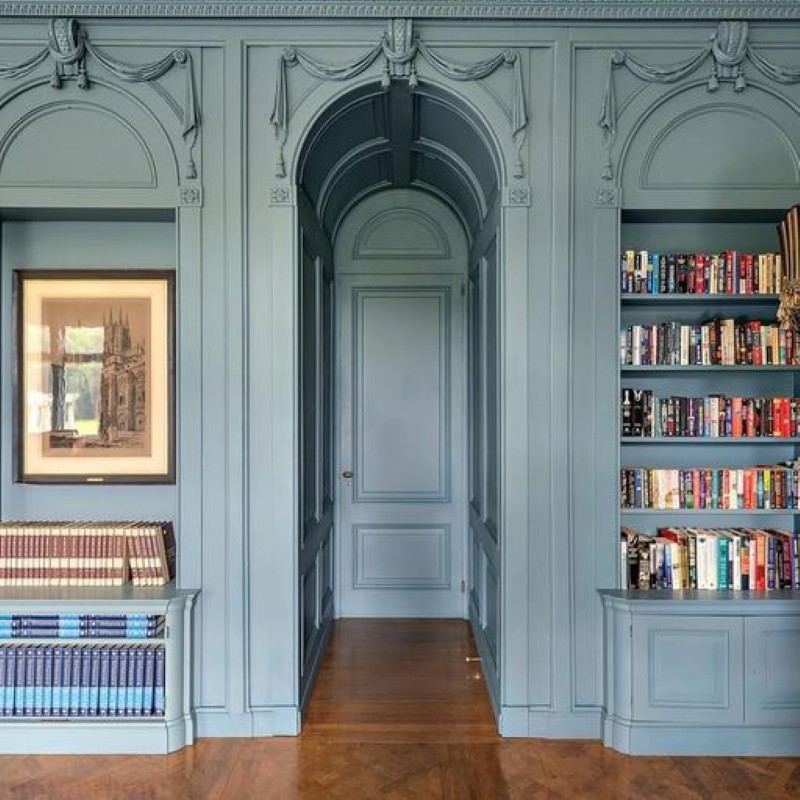
Это по-прежнему один из самых больших частных домов, когда-либо построенных в Америке.
Даже по современным меркам роскоши, Elm Court поражает своими масштабами:
- Примерно 55 000 квадратных футов
- Около 100 номеров
- 89 акров земли, расположенных на территории двух городов Беркшира.
- Самый большой дом в стиле «шингл» в Соединенных Штатах.
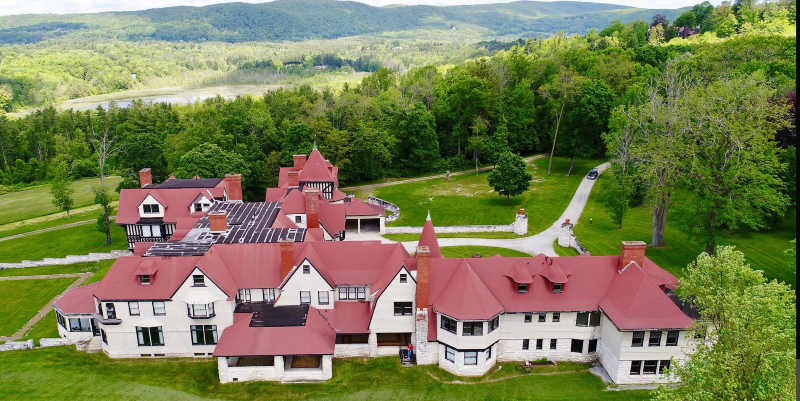
Огромные размеры поместья объясняют, почему частная собственность оказалась такой сложной задачей, и почему будущее, ориентированное на гостиничный бизнес, наконец-то позволит ему процветать в долгосрочной перспективе.
Из выставочного зала Университета Вандербильта в культурную достопримечательность снова
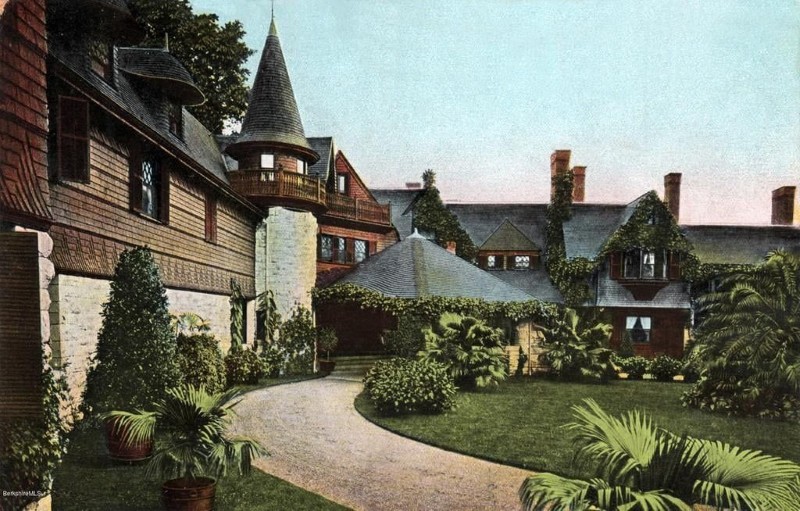
Если новые планы увенчаются успехом, Элм-Корт возродится не просто как отреставрированный особняк, а как живой фрагмент американской истории — место, где архитектура «позолоченного века», ландшафтный дизайн и общественная жизнь вновь станут частью повседневной жизни.
После более чем 140 лет переосмысления, запустения, возрождения и неопределенности, беркширский дворец, некогда принимавший президентов и легендарных личностей, наконец-то может обрести будущее, достойное его прошлого.
Больше историй
Историческая ферма в Род-Айленде, имеющая тесные связи с Вандербильтами, выставлена на аукцион
Особняк Брейкерс в Ньюпорте, летнее поместье Вандербильта
Пост В Беркширах готовится к грандиозному возрождению имение Вандербильтов эпохи «позолоченного века», насчитывающее 100 комнат. впервые появился на Дома с модными брюками.

 English