


Расположенное в самом сердце низменности Южной Каролины, поместье Бонни Холл — это тот тип недвижимости, который редко меняет владельцев — не потому, что оно броское или соответствует модным тенденциям, а потому, что поместья такого масштаба, с такой историей и местоположением сегодня практически невозможно воссоздать.
Расположенное на территории площадью 86 акров вдоль берегов реки Комбахи, это поместье занимает земли, некогда сформированные в эпоху рисовых плантаций, а теперь преобразованные в полноценное частное имение, тщательно спланированное с учетом жилых домов, зон отдыха и сельскохозяйственных угодий.
Уникальной особенностью Бонни Холла является не только его размер, но и продуманность планировки территории.
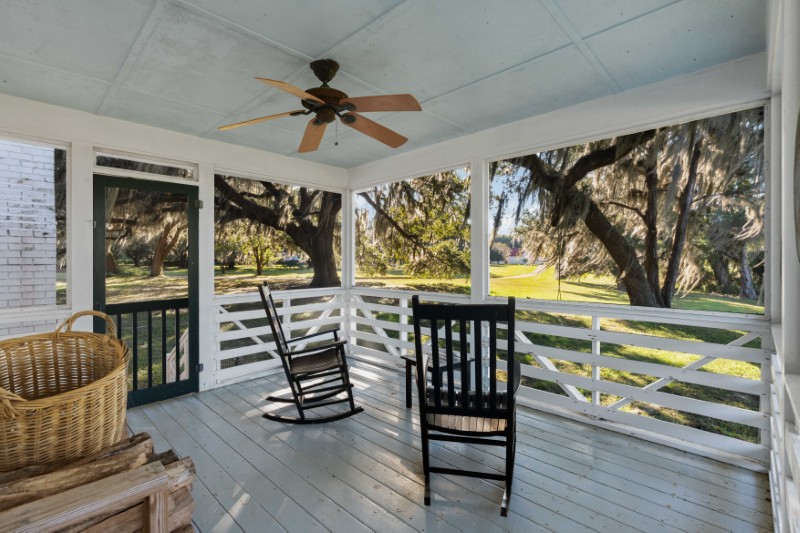
Вместо одного огромного дома, окруженного открытыми просторами, поместье представляет собой целый комплекс. Современные удобства присутствуют повсюду, но они органично вписываются в окружающую среду, определяемую вековыми дубами, видами на болота и протяженными, непрерывными панорамными видами.
Расположенный вдоль реки Комбахи в самом сердце региона Лоукантри
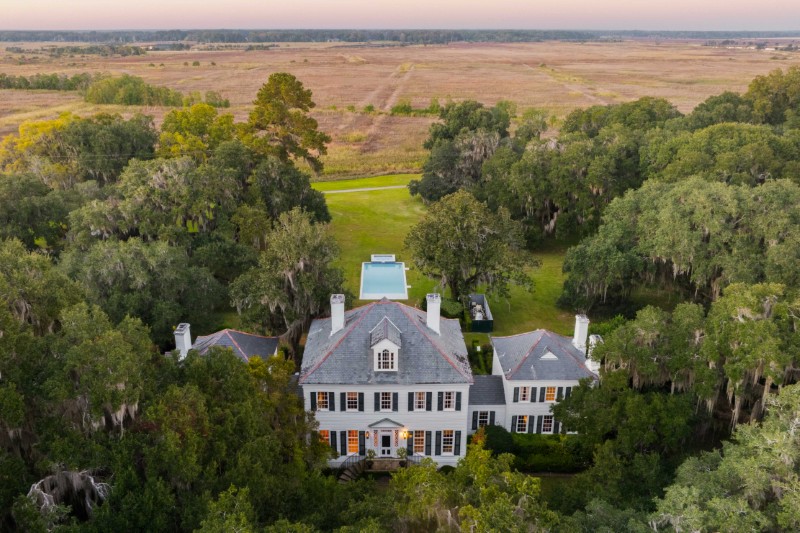
Поместье простирается вдоль реки Комбахи, и доступ к воде служит своего рода центром как в визуальном, так и в функциональном плане. Болота, открытые лужайки и лесные массивы плавно переходят друг в друга по всей территории, создавая ощущение глубины, а не какой-либо одной центральной точки.
Расположение на берегу реки обеспечивает доступ к водным видам спорта и усиливает ритм жизни в регионе Лоукантри, который определяет повседневную жизнь на территории поместья.
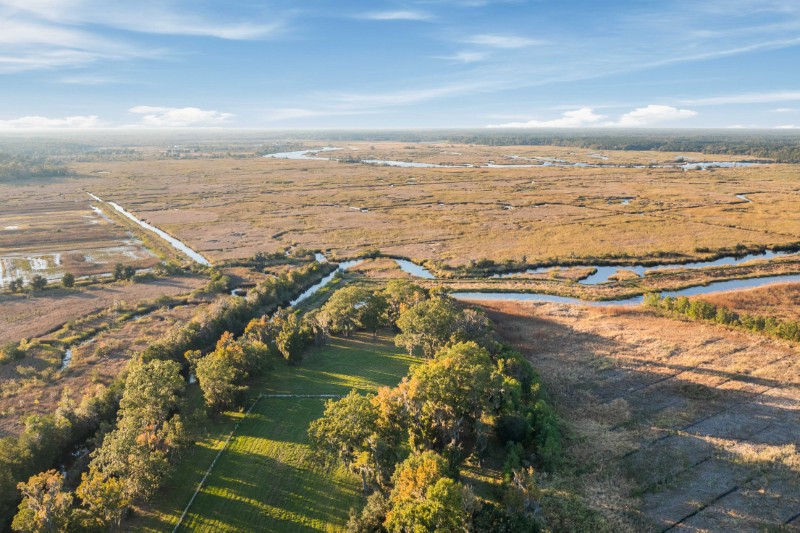
Расположен в пределах охраняемой зоны ACE.
Поместье Бонни Холл расположено в бассейне ACE, одном из крупнейших неосвоенных эстуариев на восточном побережье. Окружающая территория в значительной степени находится под охраной, что обеспечивает сохранение коридоров для диких животных, болотных экосистем и долгосрочная конфиденциальность.
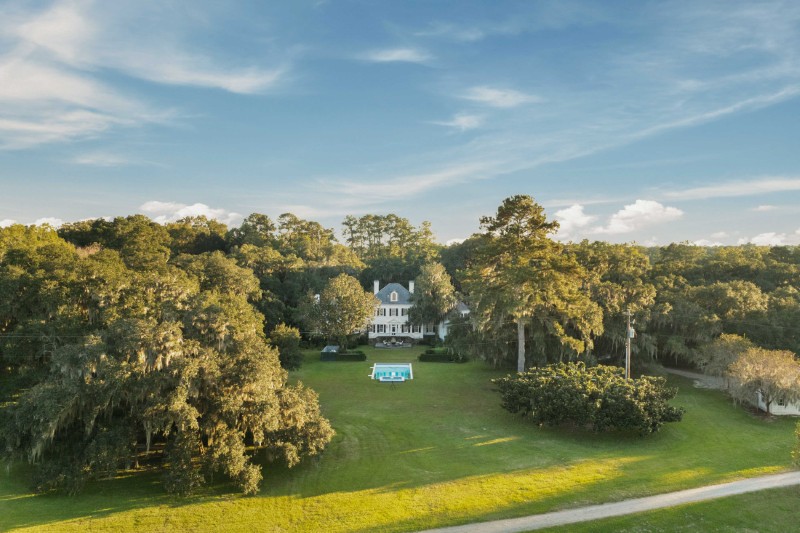
Благодаря такому контексту, поместье не только велико сегодня, но и защищено от будущей чрезмерной застройки так, как это могут сделать немногие объекты недвижимости.
Главным элементом поместья является основная резиденция площадью 6320 квадратных футов.
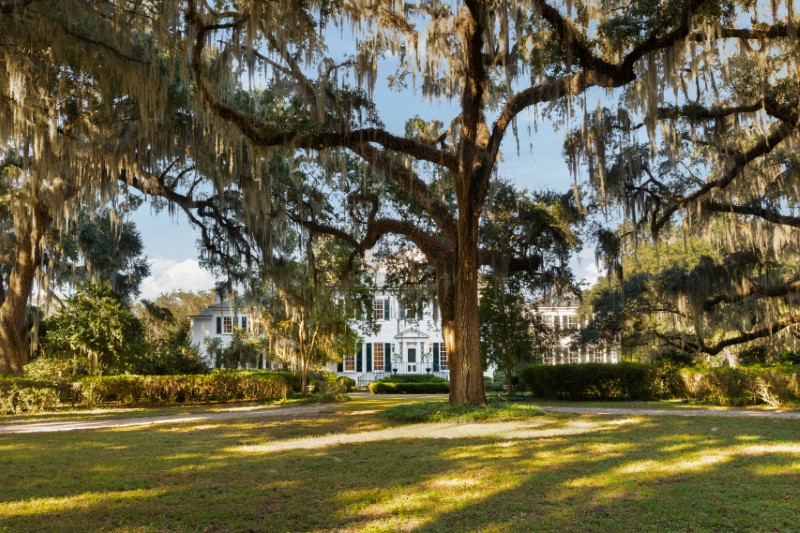
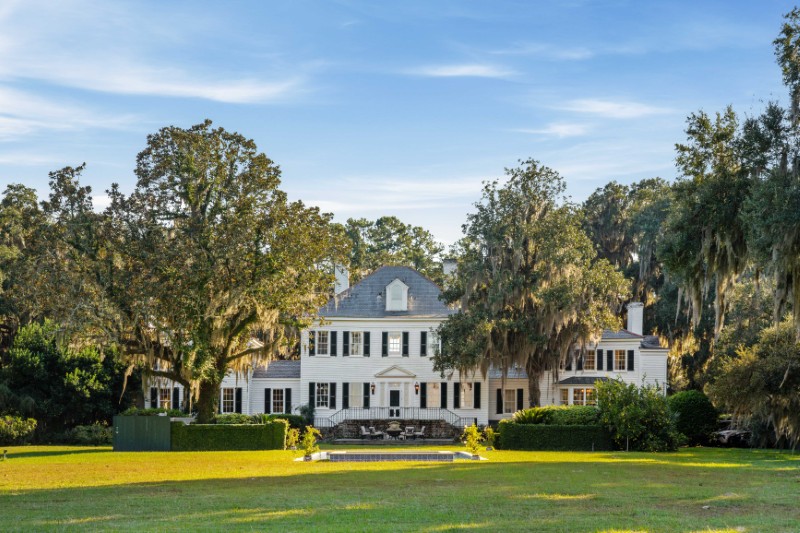
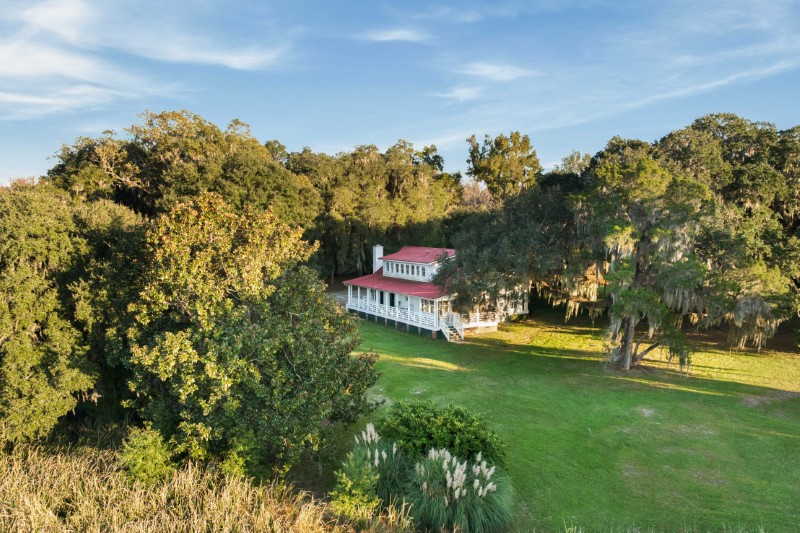
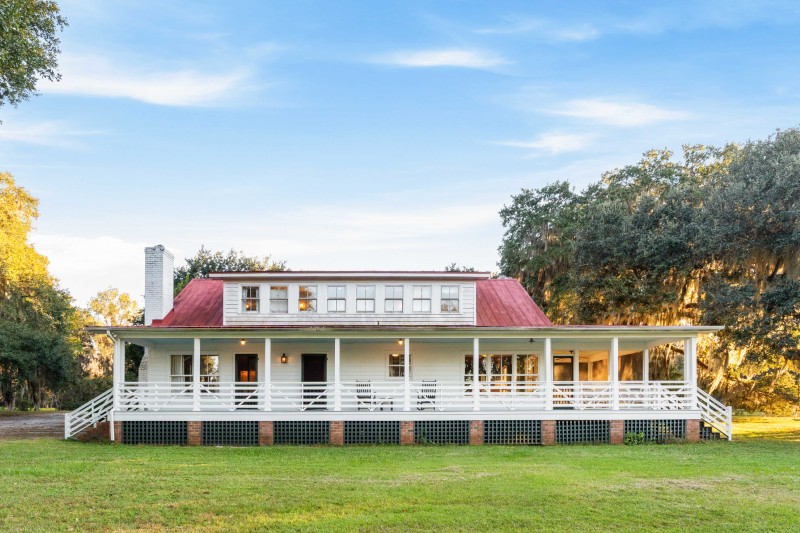
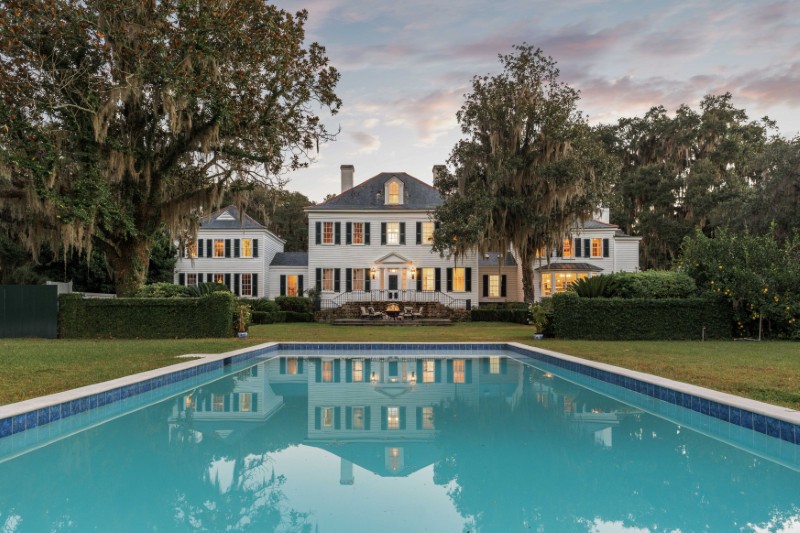
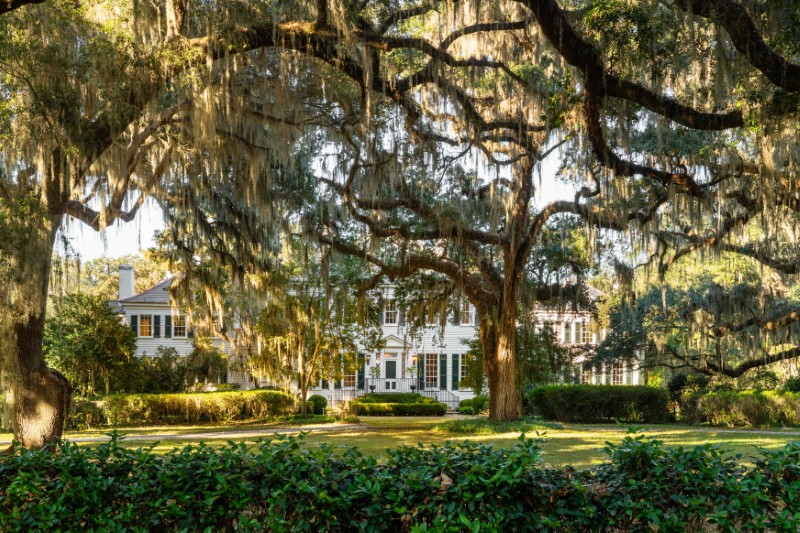
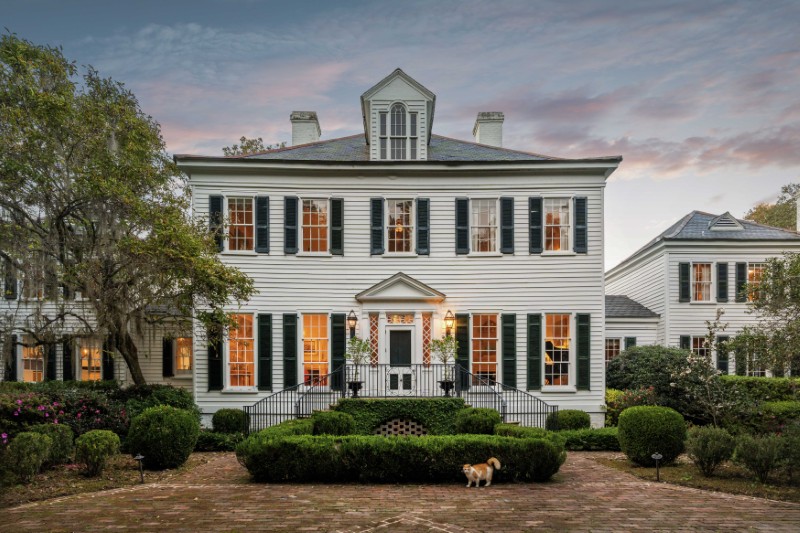
В центре участка расположен главный дом площадью 6320 квадратных футов, спроектированный в классическом стиле региона Лоукантри и отличающийся симметричностью.
Архитектура Формальный, но не навязчивыйчто позволяет использовать дом как в качестве точки опоры, так и в качестве комфортного места для повседневного проживания.
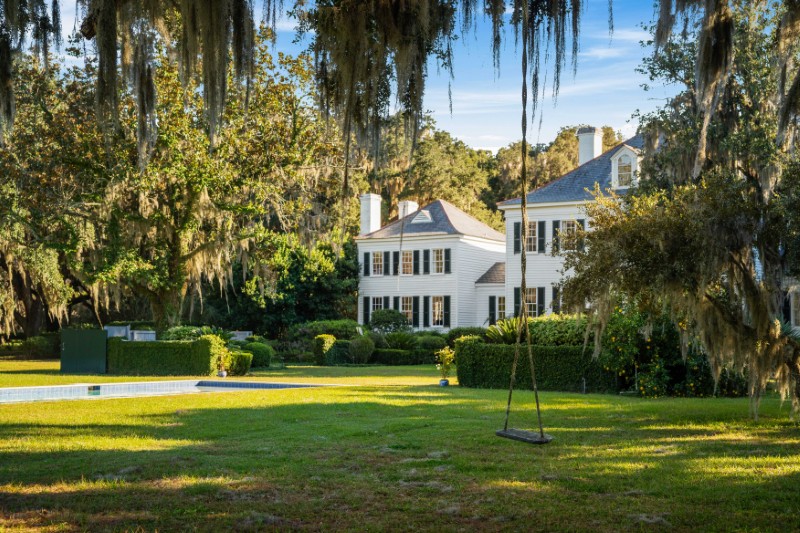
Архитектура, укорененная в традициях региона Лоукантри, а не являющаяся их имитацией.
Вместо того чтобы погрязнуть в излишнем декоре, дом опирается на пропорции, баланс и сдержанность.
Широкие линии крыши, равномерно расположенные окна и выверенный фасад придают дому особый шарм. вневременное качество Это кажется уместным как для этой земли, так и для ее истории.
Парадные помещения спроектированы с учетом масштаба и плавного перемещения.
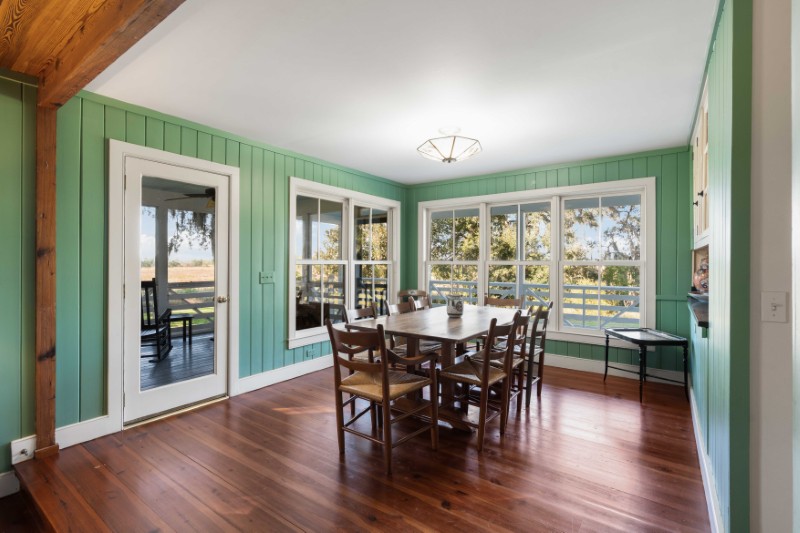
Внутри главный корпус резиденции организован вокруг просторных парадных комнат с удобной планировкой и свободным перемещением.
Размеры помещений рассчитаны на проведение больших собраний, но при этом остаются функциональными для повседневной жизни, избегая ощущения простора, характерного для больших домов.
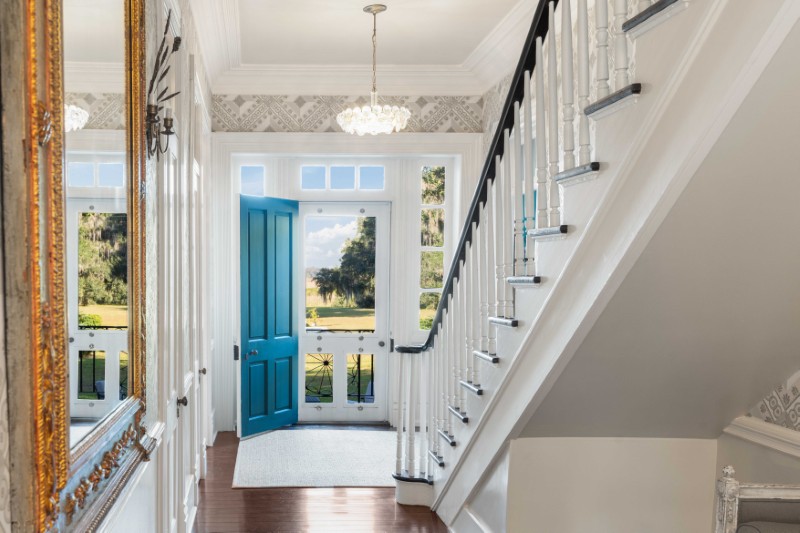
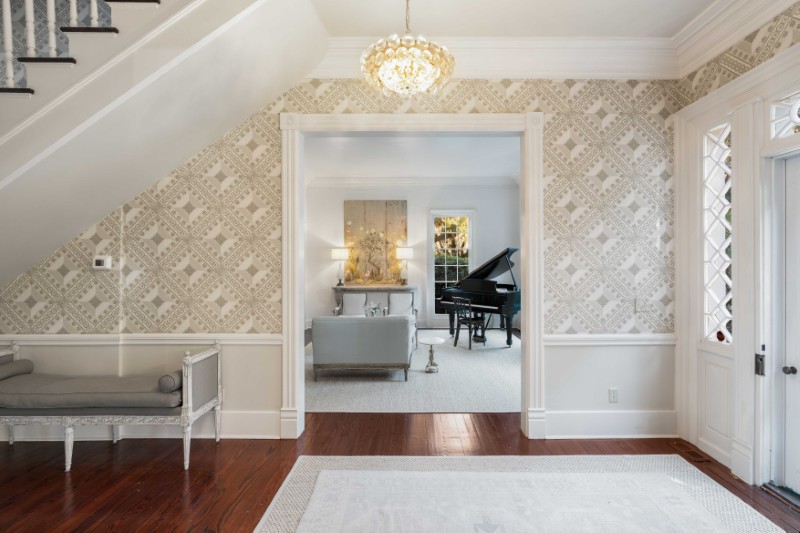
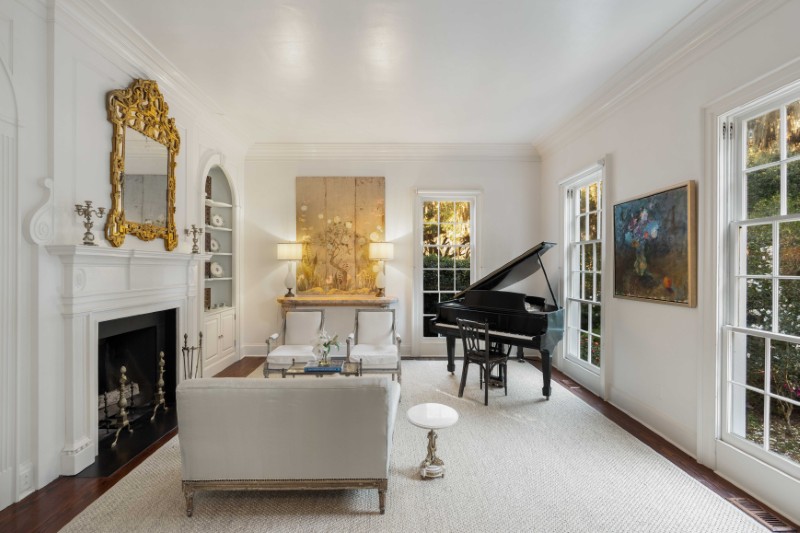
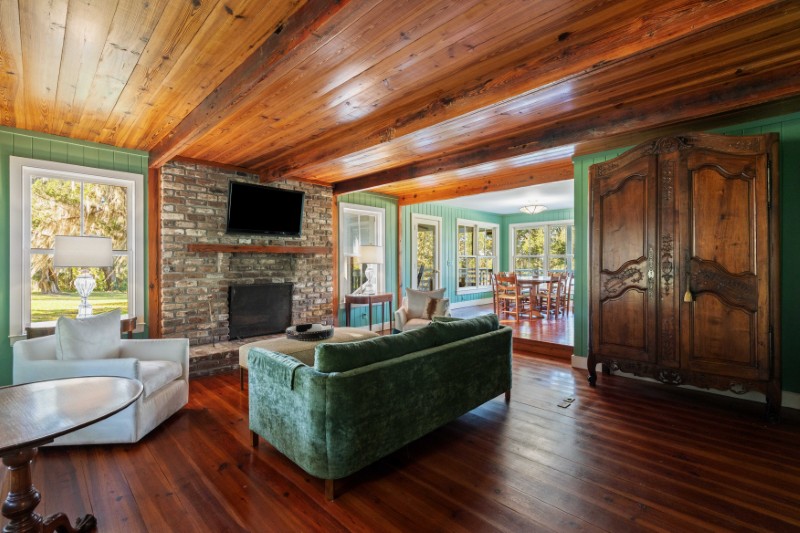
Интерьеры, наполненные традиционными деталями и теплом.
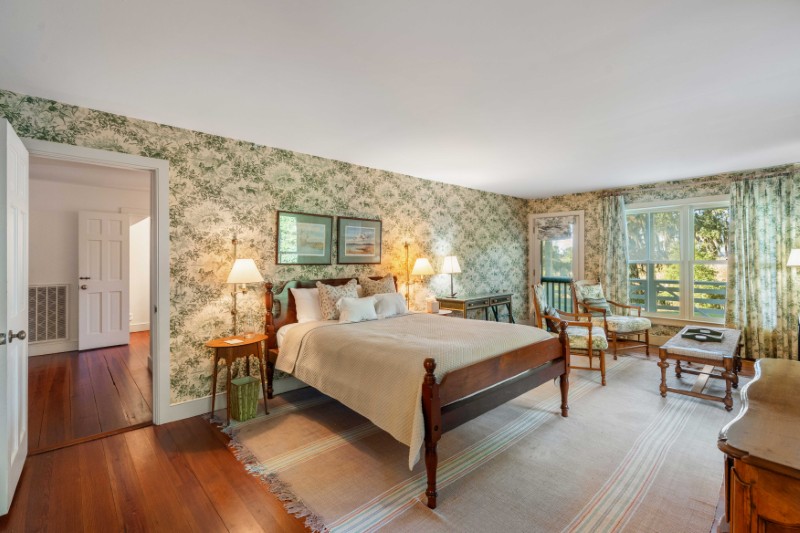
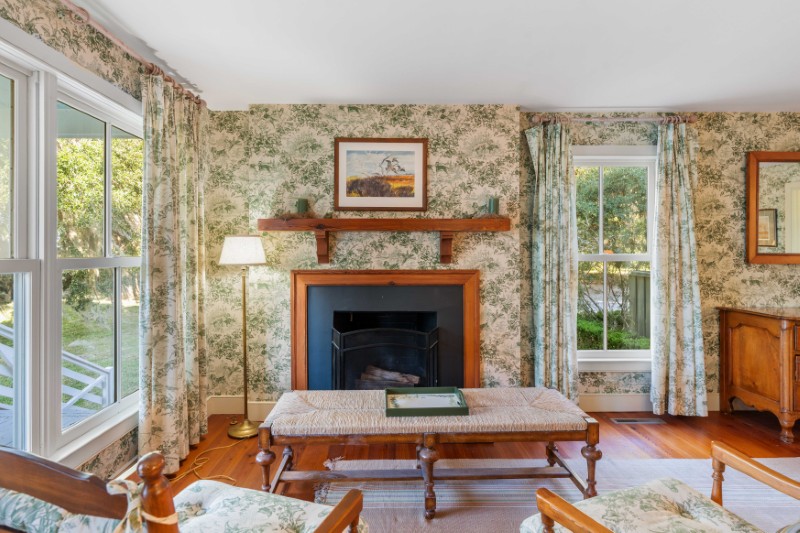
В интерьерах повсюду присутствуют детали в историческом стиле: от деревянных полов до классической отделки и каминов. Эти элементы уравновешиваются непринужденный подход к обустройству домаэто придает комнатам обжитый вид, а не музейную атмосферу.
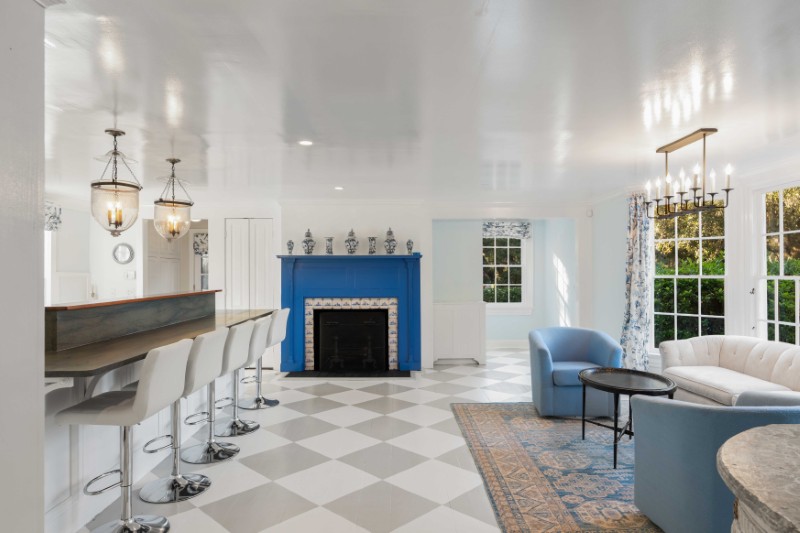
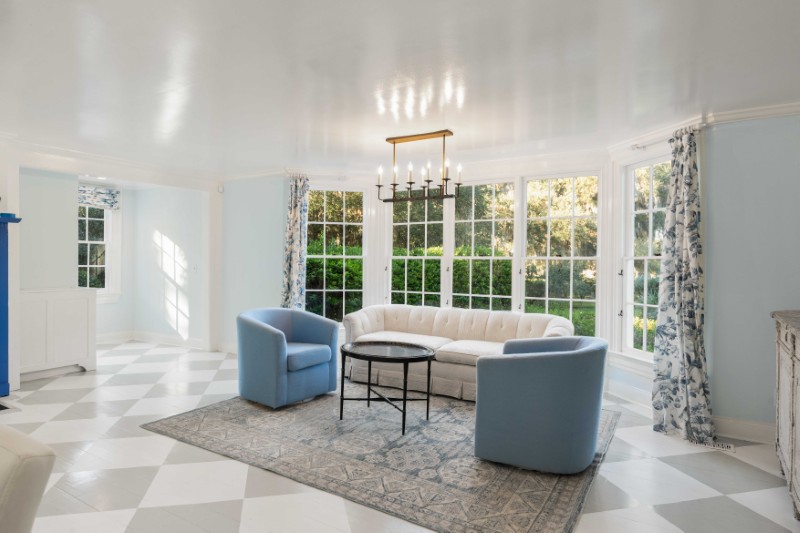
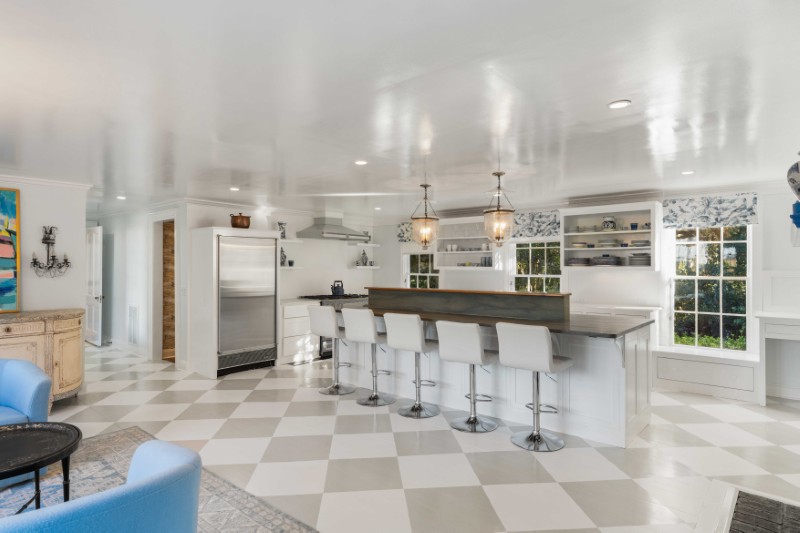
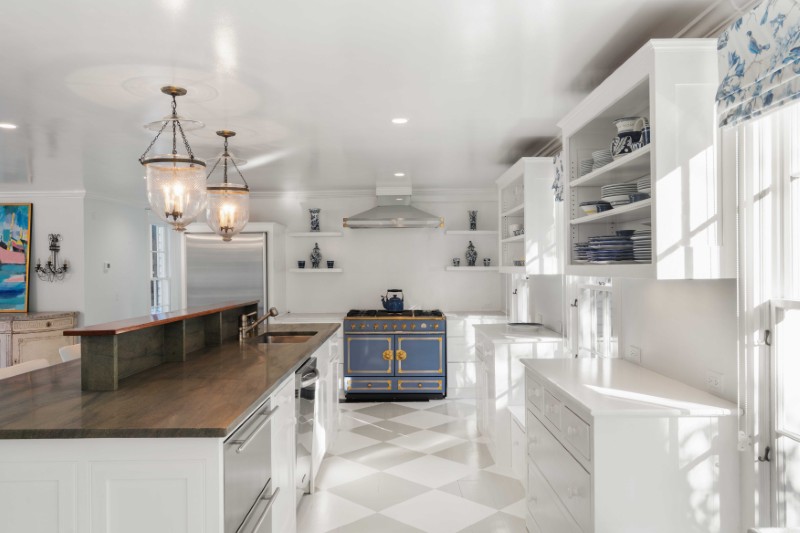
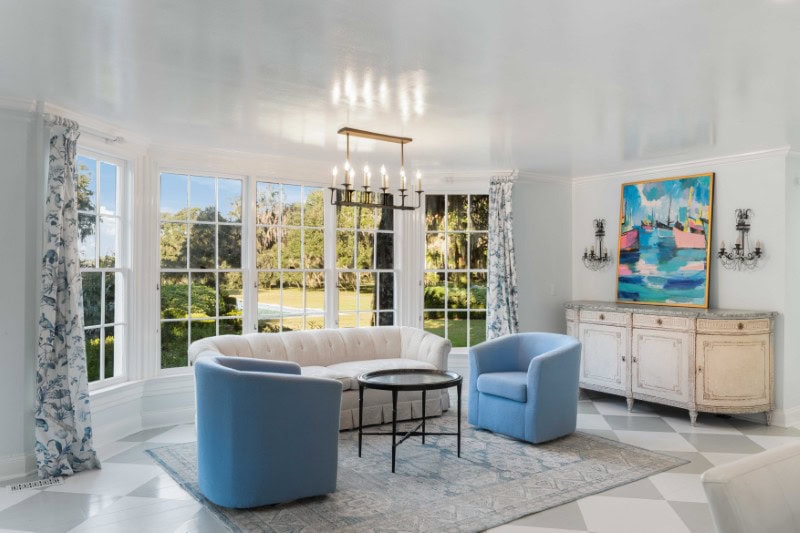
Столовая, отделанная обоями с живописными пейзажами в стиле фрески.
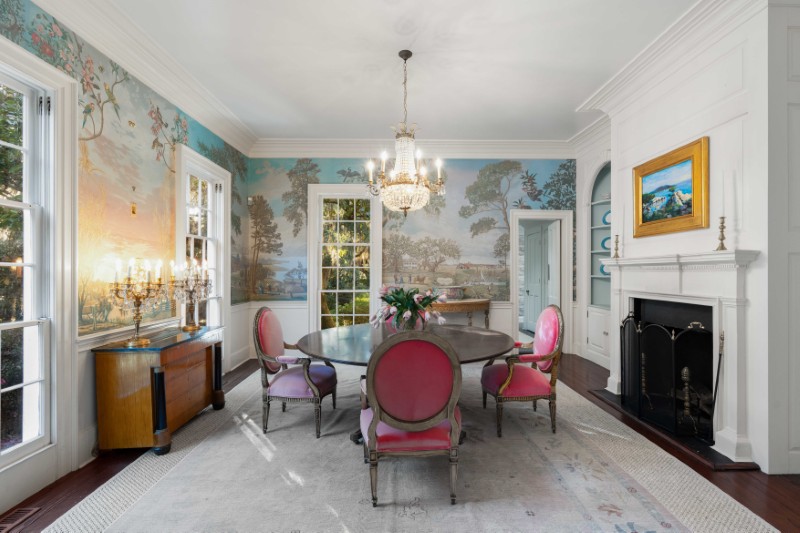
Одним из самых примечательных интерьеров является парадная столовая, стены которой украшены расписанными вручную обоями с пейзажным рисунком.
В сочетании с традиционным освещением и мебелью комната создает ощущение погружения и переноса в другой мир, не нарушая при этом саму архитектуру.
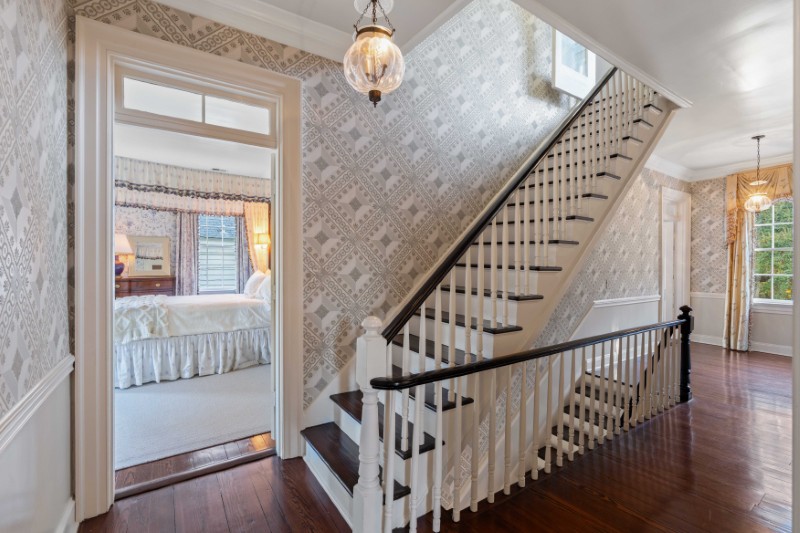
Лестничные холлы и коридоры, в которых подчеркивается мастерство исполнения.
Пространства, обеспечивающие перемещение между помещениями, включая лестницы и коридоры, оформлены с той же тщательностью, что и основные помещения.
Узорчатые обои, деревянные перила и продуманное освещение создают ощущение, что эти зоны не являются переходными, а продуманными до мелочей.
Спальни расположены таким образом, чтобы обеспечить приватность и прекрасный вид.
Спальни в главном доме расположены таким образом, чтобы обеспечить максимальную тишину и вид из окон, из которых открывается панорама на окружающие деревья и территорию. Планировка предусматривает изоляцию от общественных зон, сохраняя при этом удобство перемещения внутри дома.
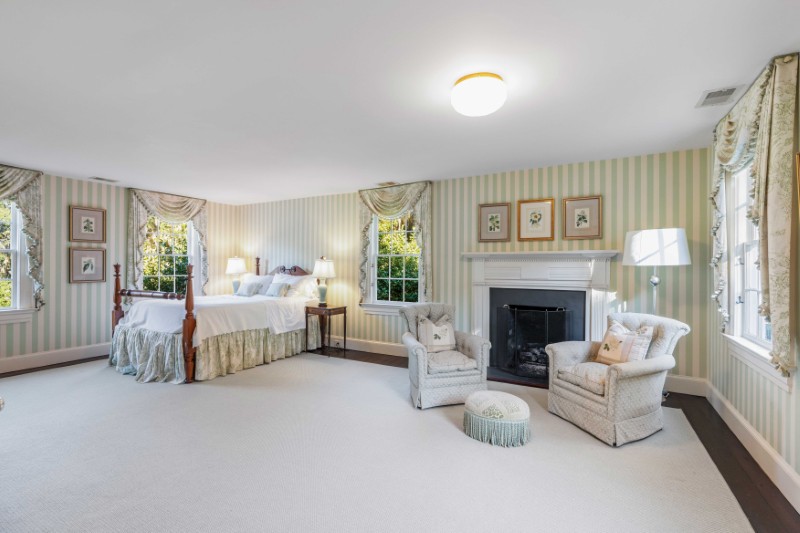
Планировка, обеспечивающая комфортную жизнь в загородном доме.
Несмотря на свои размеры, главный жилой корпус организован таким образом, чтобы бесперебойно функционировать ежедневно.
Складские помещения, точки доступа и пути перемещения отражают реалии управление крупным объектом недвижимости вместо того, чтобы просто демонстрировать площадь в квадратных метрах.
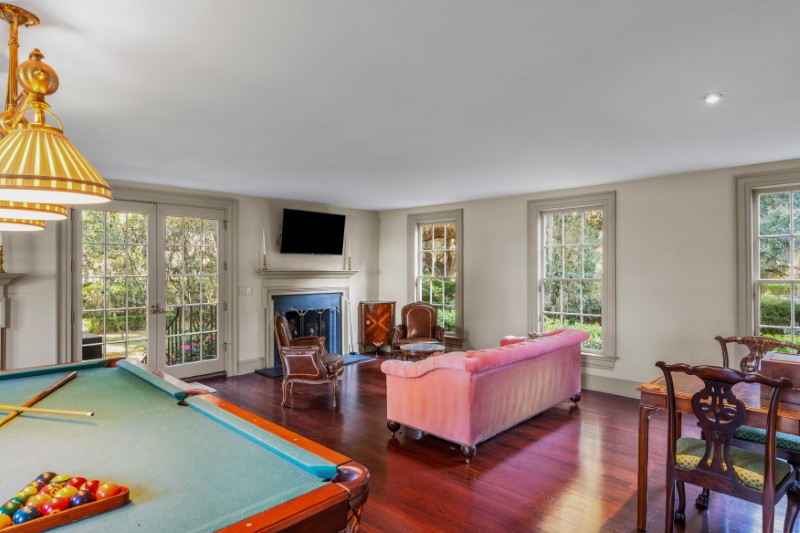
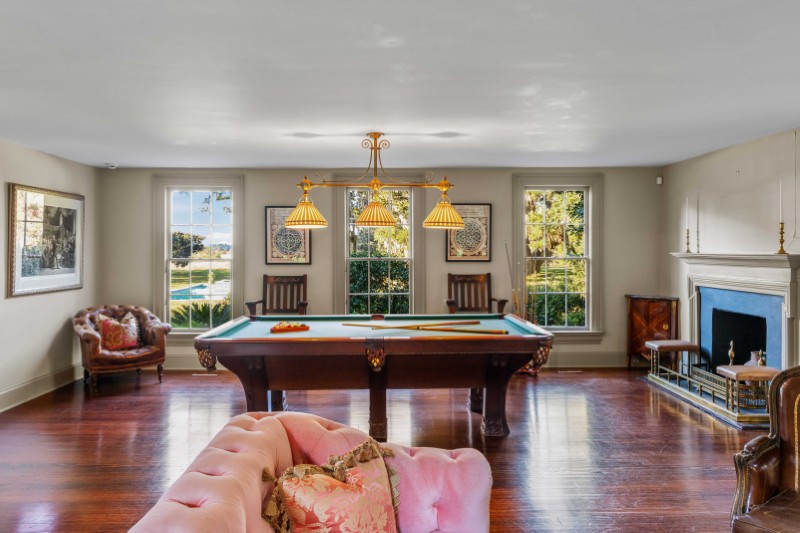
Комплексная планировка с несколькими отдельными жилыми домами.
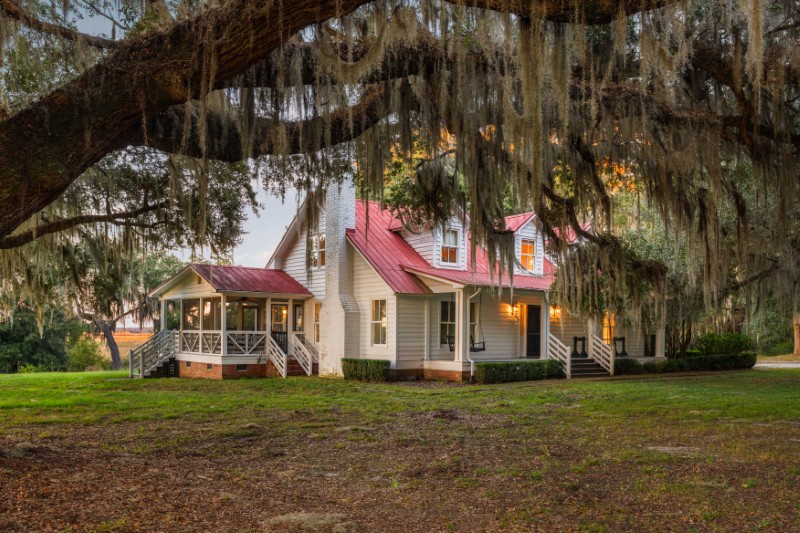
Помимо главного дома, Бонни Холл представляет собой настоящее семейное поместье.
На территории расположены многочисленные жилые дома, обеспечивающие приватность и автономность, при этом сохраняя визуальную и практическую связь между ними.
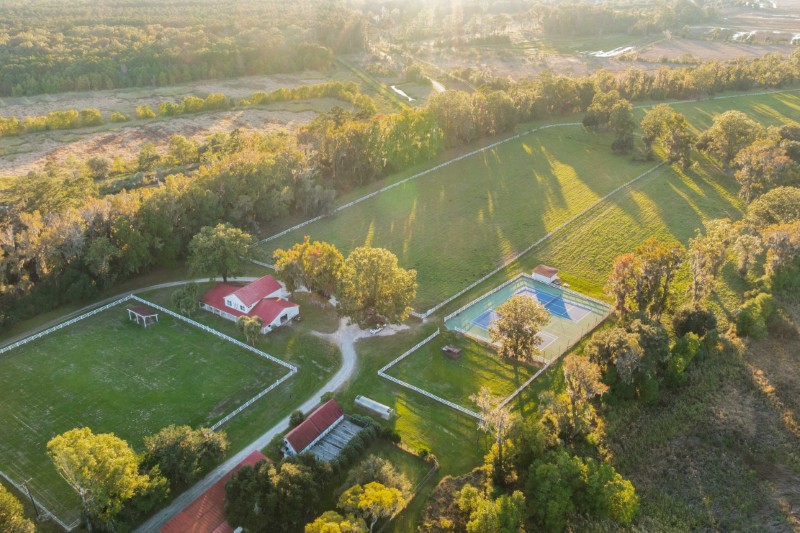
Гостевой дом «Вибонни» с четырьмя спальнями, с видом на болотистую местность.
Главный гостевой дом, известный как Weebonny, занимает площадь 2736 квадратных футов и включает в себя четыре спальни с ванными комнатами.
Благодаря своему расположению, отель предлагает захватывающие виды на болота и бывшие рисовые поля, создавая у гостей ощущение погружения в атмосферу, а не изоляции.
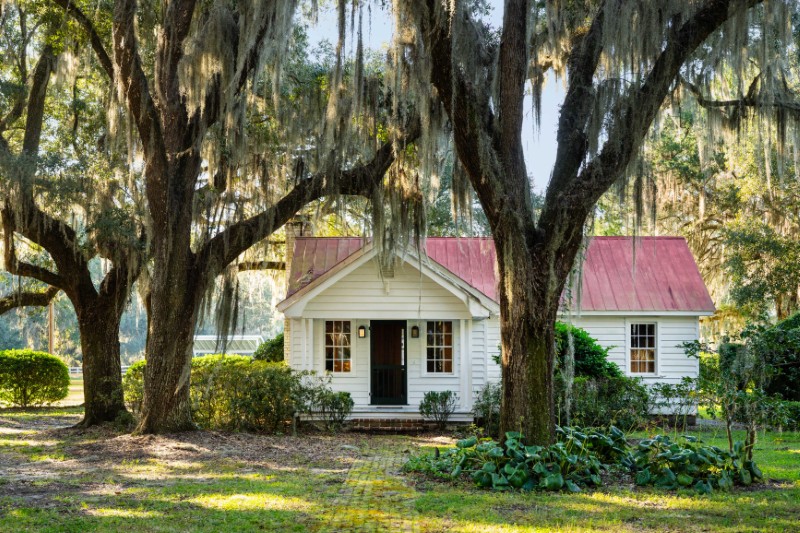
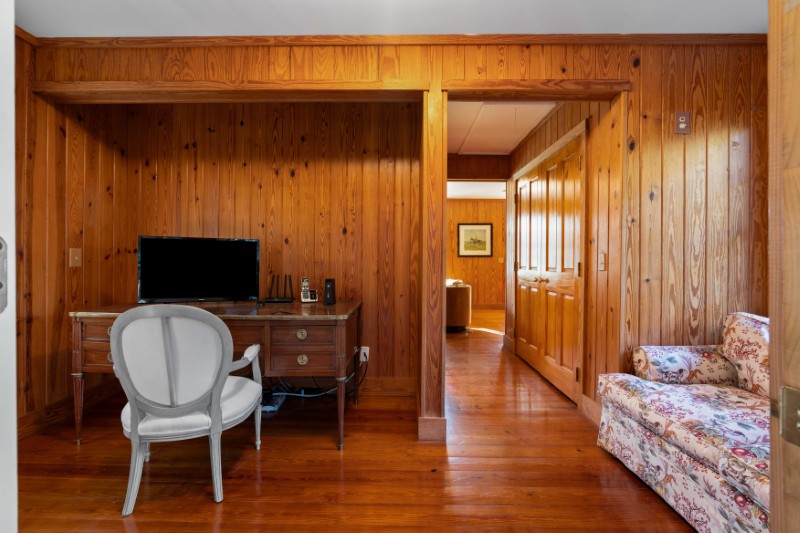
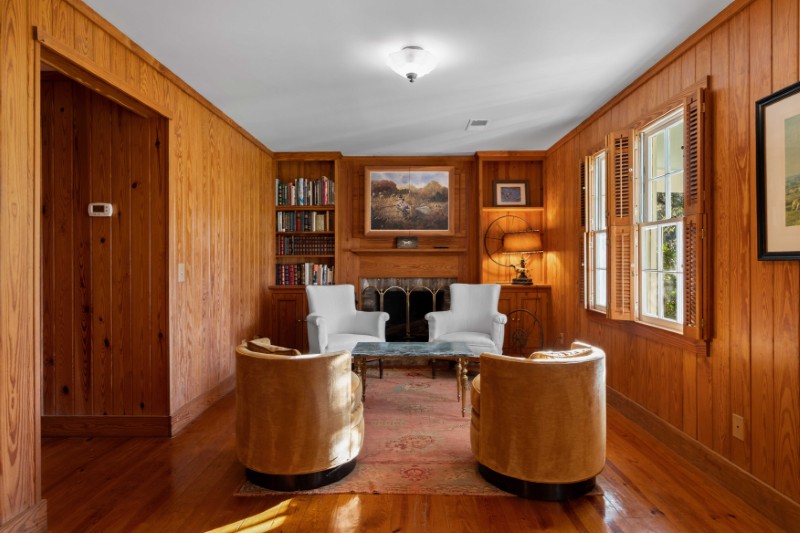
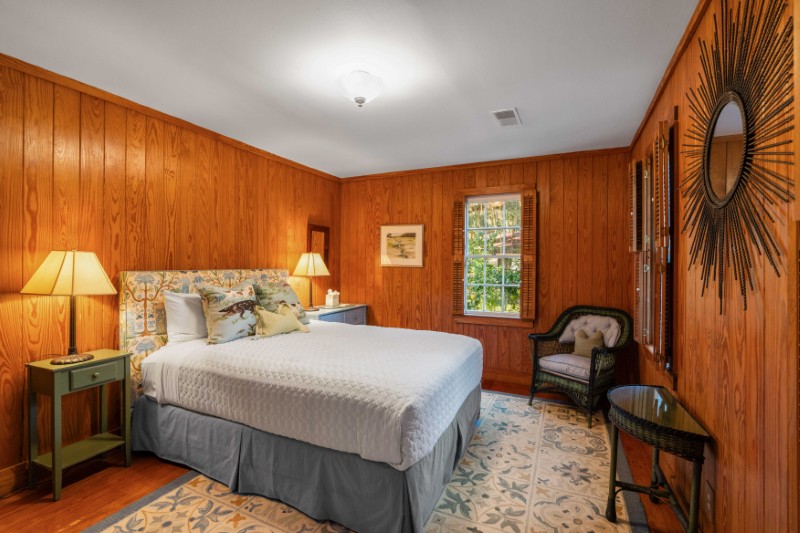
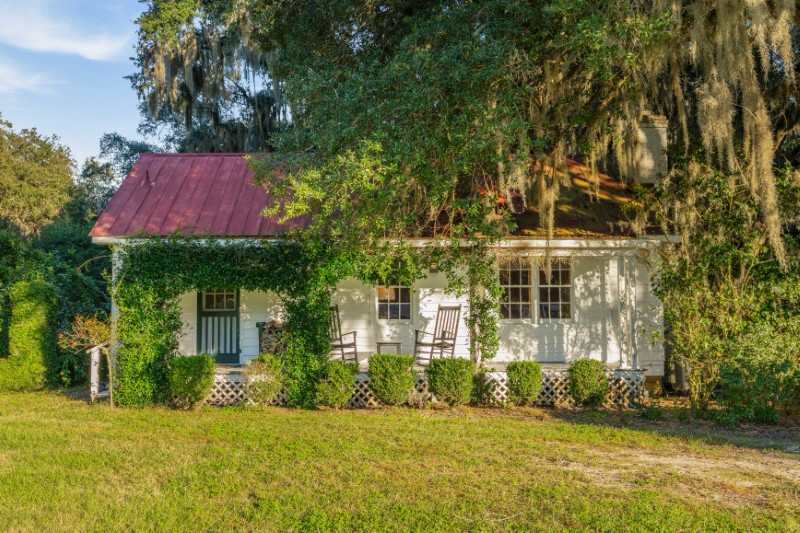
Отдельный коттедж с одной спальней для обслуживающего персонала или для длительного проживания.
Второй гостевой дом предлагает планировку с одной спальней и дополнительной гостиной или кабинетом, идеально подходящую для сиделок, членов большой семьи или гостей, проживающих длительное время и нуждающихся в независимости от основного места жительства.
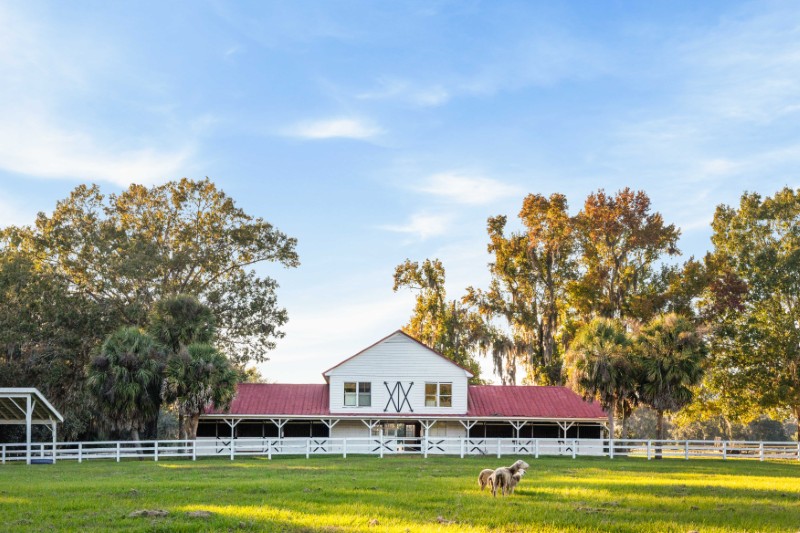
Дом-амбар, сочетающий в себе конюшни и жилые помещения.
Конноспортивные сооружения расположены в центре комплекса. вокруг дома-сарая В его состав входит конюшня на шесть стойл и двухкомнатная квартира наверху.
Это сооружение служит одновременно и рабочим амбаром, и комфортабельным жилым домом, подходящим для длительного проживания гостей или для занятий спортом.
Конноспортивные сооружения, интегрированные в ландшафт.
Амбар и прилегающие постройки Они органично вписаны в архитектуру здания, а не выделены отдельно.
Открытые загоны, огороженные участки и пешеходные дорожки сохраняют пасторальный характер местности, не доминируя над ней.
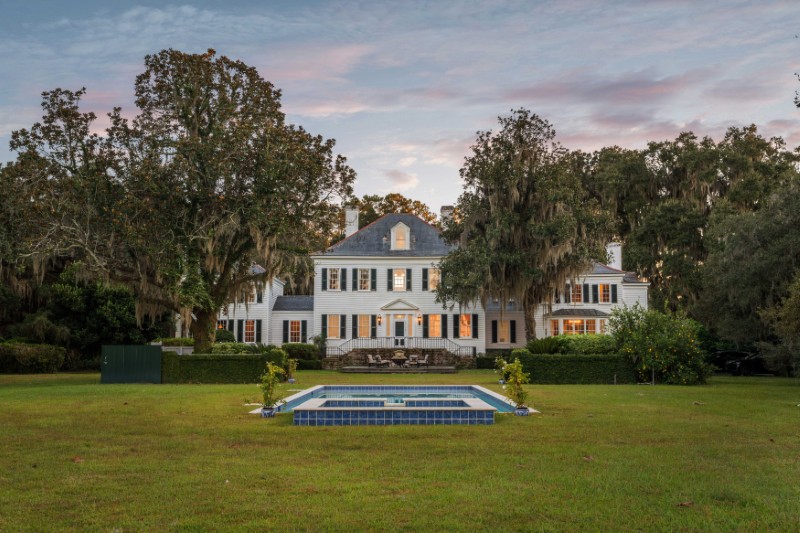
Бассейн из торкрет-бетона с морской водой размером 20×40 футов, расположенный в центре главной лужайки.
Бассейн расположен как визуальное продолжение главного дома, выровнен с обширными лужайками и обрамлен старыми деревьями. Его расположение подчеркивает симметрию поместья и создает естественное место для встреч, не нарушая ландшафт.
Рекреационные объекты распределены по всей территории.
Вместо того чтобы концентрировать объекты инфраструктуры в одном месте, Bonny Hall распределяет их по всей территории комплекса.
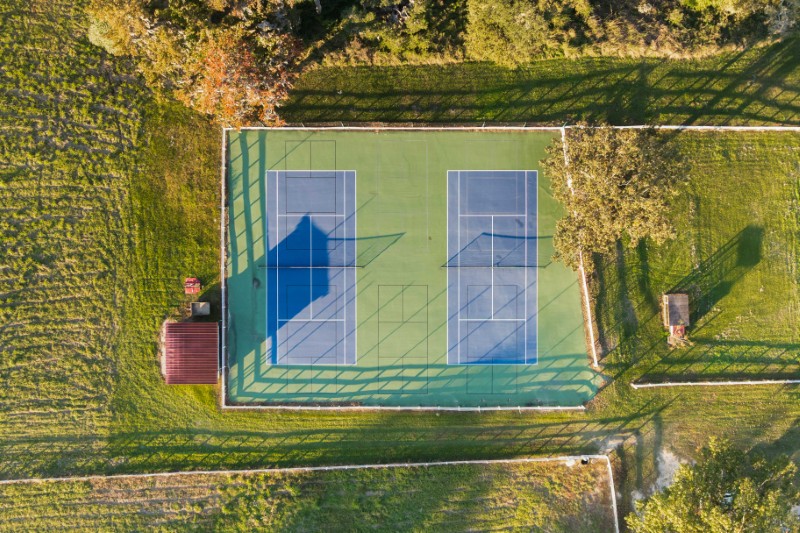
Теннисные корты, которые можно трансформировать в шесть площадок для пиклбола, расположены рядом с открытыми полями, используемыми для многоцелевого отдыха, что усиливает ощущение масштаба.
Частный доступ к реке Комбахи
Специально оборудованная пристань для лодок обеспечивает прямой доступ к реке, превращая водные прогулки и отдых в неотъемлемую часть жизни в поместье, а не в нечто эпизодическое.
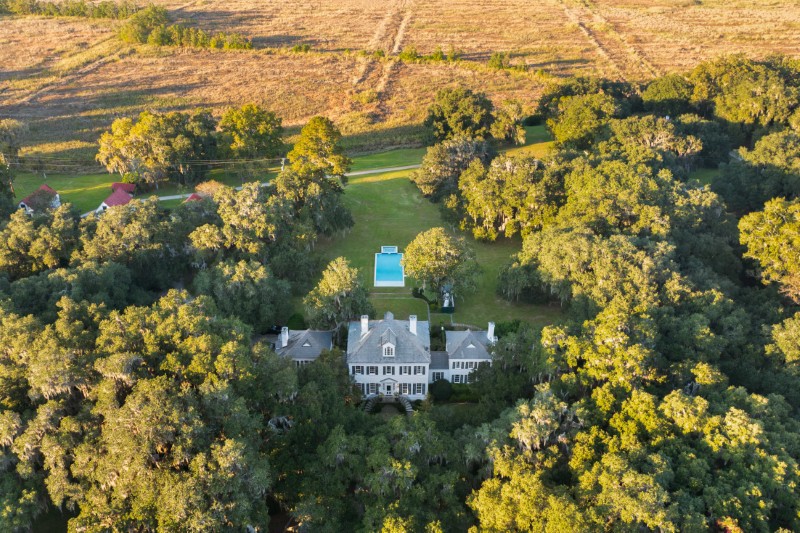
Тринадцать акров орехового сада и открытых полей.
Значительная часть земли отведена под ореховый сад и открытые поля, что подчеркивает сельскохозяйственный характер поместья.
Эти территории, помимо своей визуальной привлекательности, обеспечивают соблюдение сезонных ритмов и выполняют сельскохозяйственные функции.
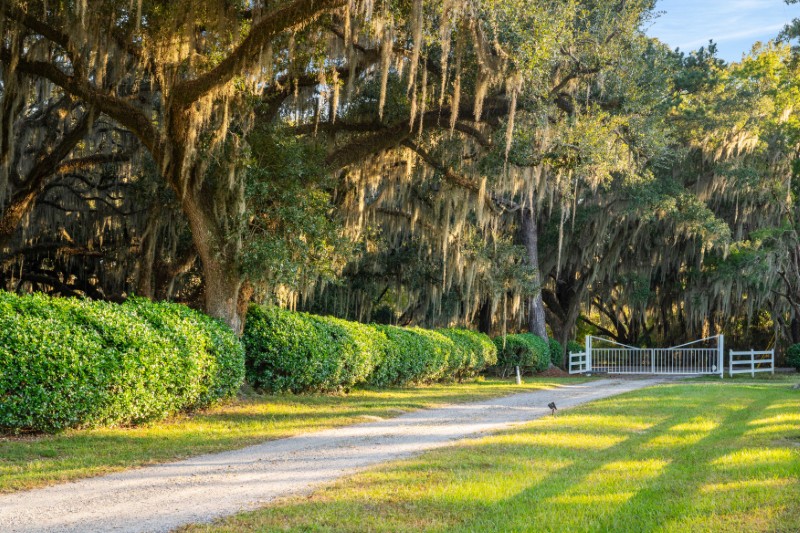
Современное практическое применение нашла гидропонная теплица размером 10×30 метров, позволяющая производить стабильный урожай независимо от сезона. Она добавляет практичный и перспективный аспект к использованию земель поместья.
Формальные сады и просторные лужайки, созданные для проведения собраний.
Ухоженные газоны и ухоженные садовые зоны создают многофункциональные открытые пространства, идеально подходящие для больших семейных собраний и торжеств, в окружении вековых дубов и с прекрасным видом на всю территорию поместья.
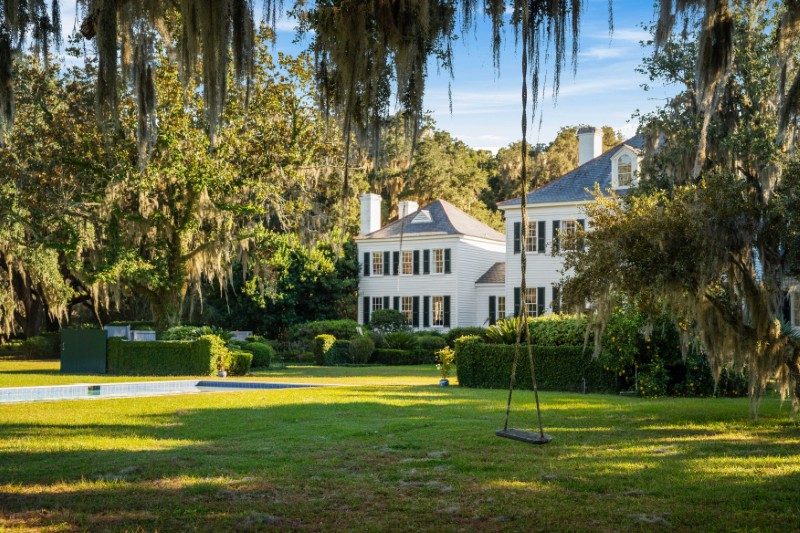
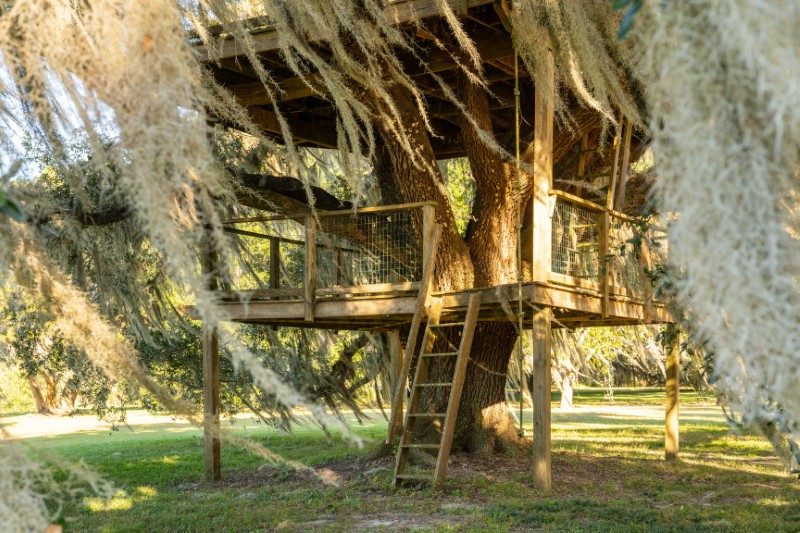
Двухуровневый домик на дереве, построенный по индивидуальному проекту и расположенный на вершине дуба.
Одна из самых неожиданных особенностей поместья заключается в следующем: двухэтажный домик на дереве, построенный по индивидуальному проекту Встроенный в массивный дуб, он возвышается над окружающей территорией и добавляет игривый, почти сказочный элемент, не выглядя при этом неуместно.
Инфраструктура, охватывающая всю территорию комплекса и разработанная для обеспечения безопасности и долговечности.
В доме Bonny Hall установлена комплексная система безопасности и видеонаблюдения, огнестойкая сейфовая комната с вместительным хранилищем для оружия, а также современная аудиотехника, интегрированная по всему дому и бассейну.
На территории расположены гаражи, складские помещения и многофункциональные сооружения.
В числе дополнительных построек — отдельно стоящий гараж на пять автомобилей, гараж для хранения транспортных средств и многофункциональная студия или школьное здание с видом на болото.
Эти здания обеспечивают повседневную деятельность и гибкое использование, не вторгаясь при этом в основные жилые помещения.
Без ограничений, налагаемых в рамках природоохранного соглашения.
В отличие от многих объектов такого масштаба, Бонни Холл не обременен охранными соглашениями. Это дает будущим владельцам гибкость в вопросах сохранения, адаптации или расширения земли, позволяя при этом пользоваться преимуществами окружающей охраняемой среды.
Современный жилой комплекс, расположенный на территории, имеющей историческое значение.
Земля, на которой расположен Бонни Холл, восходит к эпохе рисовых плантаций в низинных районах Южной Каролины, а первоначальный дом был разрушен после набега на реку Комбахи в 1863 году, возглавленного Гарриет Табман. Сегодня поместье представляет собой современный аналог — оно сохраняет свое прошлое, одновременно являясь полностью современной частной собственностью, сформированной с учетом приватности, масштаба и долгосрочного управления.
Бонни Холл В настоящее время выставлен на продажу за $8,85 млн. совместно с Katherine Cox + Co. из Coldwell Banker Realty.
Больше историй
Дом из записной книжки — мечта Элли или настоящий дом?
Шато во французском стиле в одном из лучших гольф-сообществ Шарлотты — это как «мини-Билтмор»
Пост Рисовая плантация площадью 86 акров в регионе Лоукантри возрождается в современное поместье в пределах бассейна ACE. впервые появился на Дома с модными брюками.

 English