


Some homes don’t have anything obviously wrong with them.
The layout works. The finishes are decent. The space is clean and functional. And yet, something feels flat. The rooms don’t quite hold your attention, and nothing invites you to linger.
That kind of blandness is surprisingly common — especially in newer homes or recently renovated ones where everything was chosen to be safe, neutral, and broadly appealing.
Designers don’t usually start with dramatic changes in these situations. Instead, they look for a few targeted adjustments that bring back contrast, depth, and personality.
Here are the first moves they tend to make when a home feels like it’s missing something.
Adding contrast where everything currently blends together
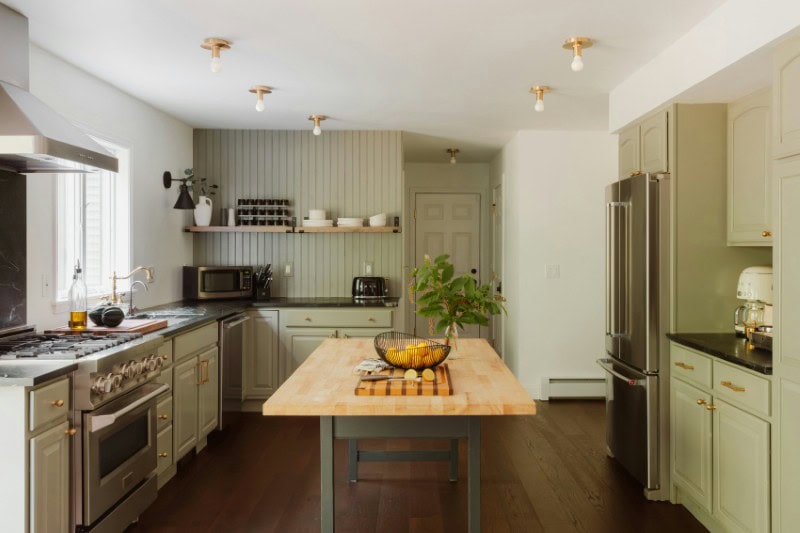
One of the most common reasons a home feels bland is that everything sits in the same tonal range.
Walls, floors, furniture, and textiles may all fall into similar shades of beige, grey, or white. While this can feel calm at first, it often lacks the visual contrast that gives a room energy.
Designers typically introduce contrast in a few strategic places — a darker coffee table, a deeper-toned rug, a piece of art that anchors the room, or like in the case above, a light and bright wood accent. These elements create focal points and help the eye move through the space more naturally.
Swapping out one generic piece for something with personality
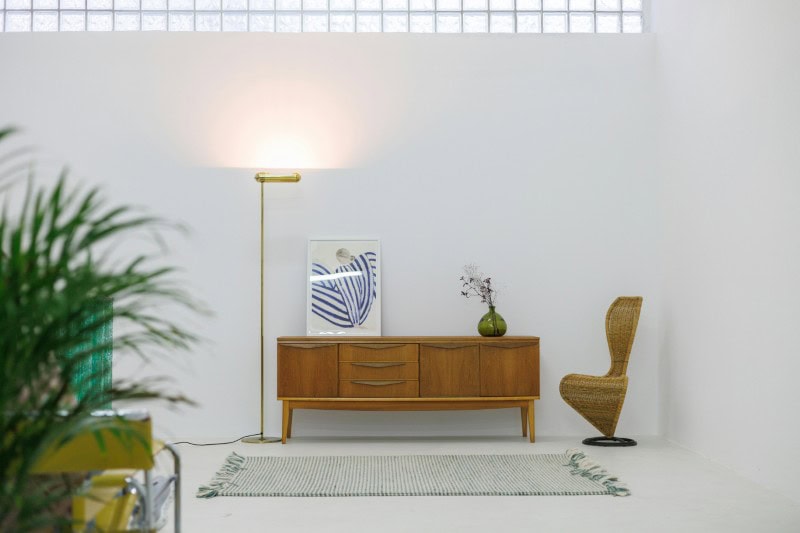
Rooms often feel bland because every piece of furniture plays it safe.
When everything is neutral and similar in style, nothing stands out. Designers will often replace just one item — a chair, a side table, or a light fixture — with something more distinctive.
That single change can shift the entire feel of the room, making it feel more intentional without requiring a full redesign.
Layering textures to create depth without adding clutter
A room doesn’t need bold color to feel interesting.
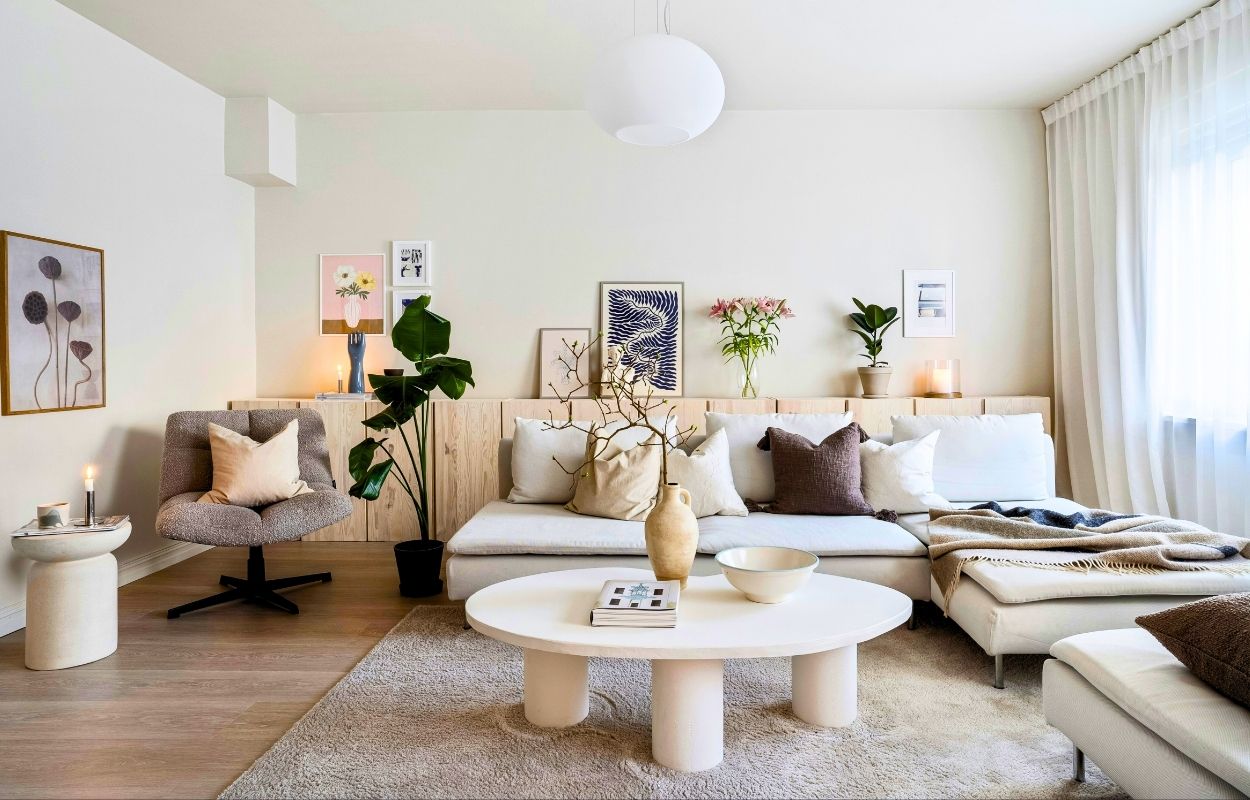
Designers often focus on texture instead — mixing materials like linen, wool, wood, and ceramics to create subtle variation. A textured throw, a woven rug, or a matte ceramic lamp can add richness without overwhelming the space.
This approach keeps the palette calm while making the room feel more dimensional.
Reworking the lighting so the room feels warmer at night
Bland rooms often rely too heavily on overhead lighting.
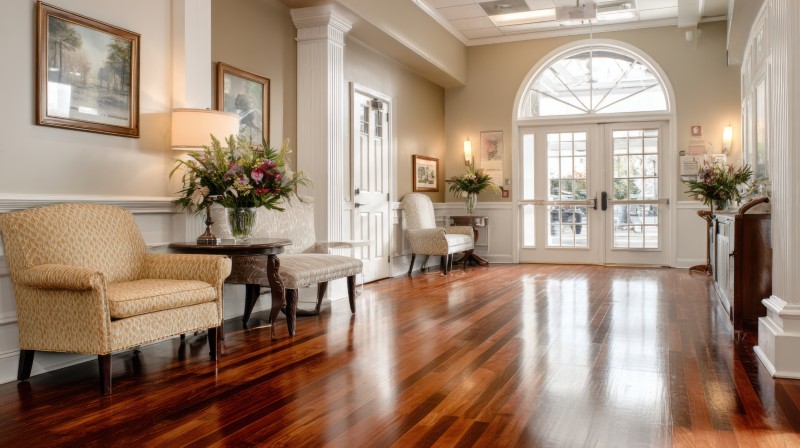
During the day, natural light may carry the space. But at night, a single bright fixture can make everything feel flat and slightly harsh.
Designers usually add layers of light — table lamps, floor lamps, or wall sconces — to create a softer, more inviting atmosphere. The goal is to make the room feel comfortable at all hours.
Adjusting the furniture layout so it feels more natural
Sometimes the issue isn’t the furniture itself, but how it’s arranged.
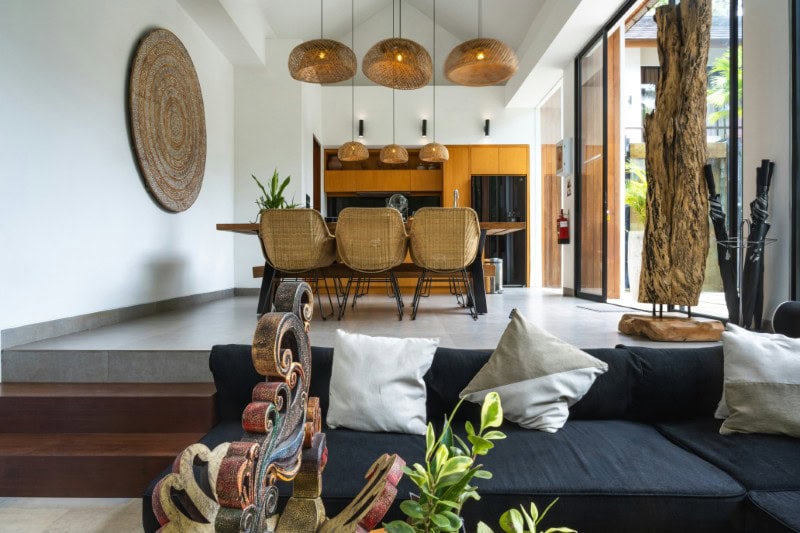
If pieces are pushed too far apart or lined up against the walls, the room can feel disconnected. Designers often bring furniture closer together to create more intimate groupings.
This makes the space feel more comfortable and intentional.
Introducing one element that feels slightly unexpected
A completely predictable room can feel flat, even if it’s well designed.
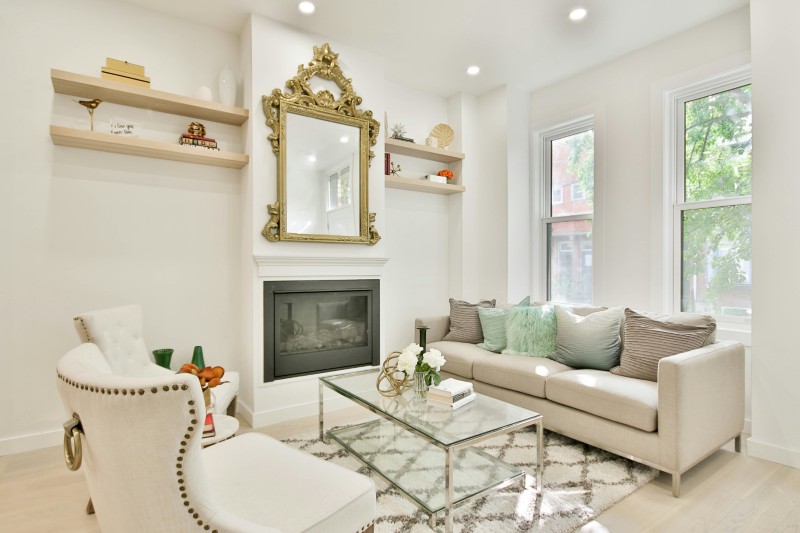
Designers often add one element that breaks the pattern: a vintage piece in a modern room, a sculptural object on a simple shelf, or an unusual material.
That small moment of surprise gives the space personality.
Bringing in natural materials to soften the space
Rooms filled with synthetic or overly polished finishes can feel a bit sterile.
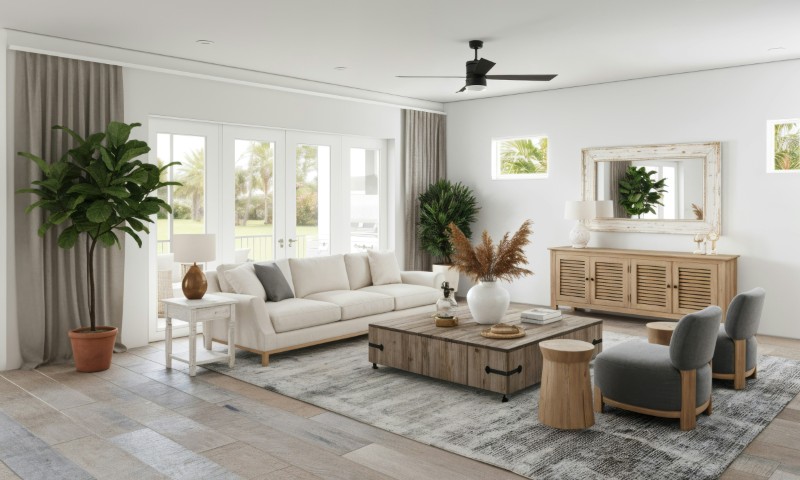
Adding natural materials — wood, stone, linen, or leather — introduces variation and warmth. These materials tend to age well and create a more relaxed atmosphere.
Even a few small additions can shift the tone of the room.
Editing down surfaces that feel unintentionally cluttered
Bland doesn’t always mean empty; sometimes it means slightly cluttered in a way that lacks intention.
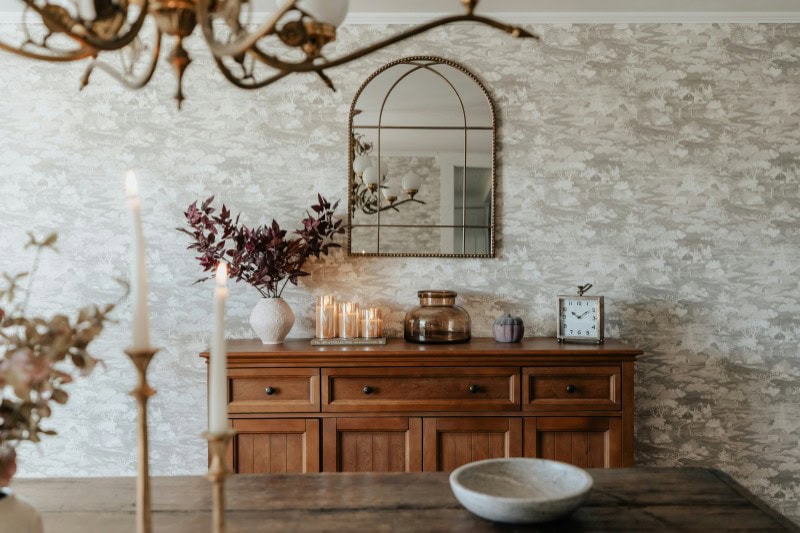
Designers often remove more than they add. By editing down objects on tables and shelves, they allow the remaining pieces to stand out.
The room feels calmer and more deliberate.
Adding artwork that actually anchors the room
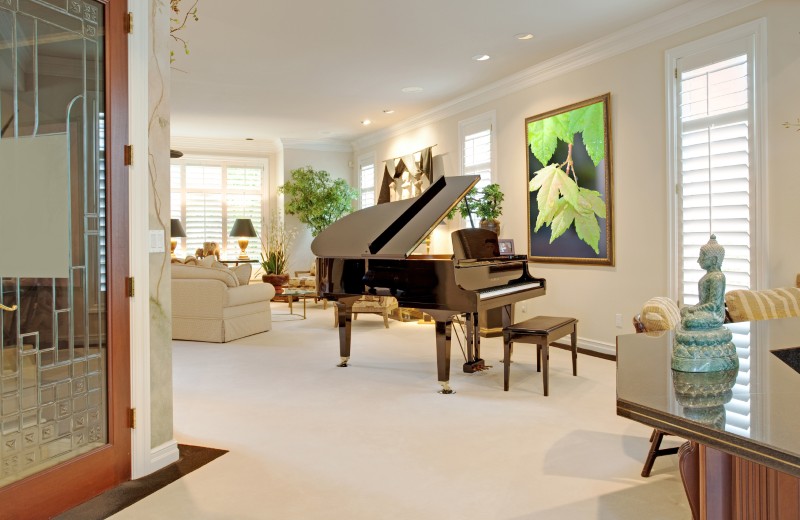
Art is one of the quickest ways to change how a room feels.
But small or generic pieces often get lost on the wall. Designers tend to choose artwork that has enough scale or presence to anchor the space.
The right piece can tie together colors, materials, and furniture, making the room feel complete.
Letting the room breathe instead of filling every corner
One of the simplest fixes is restraint.
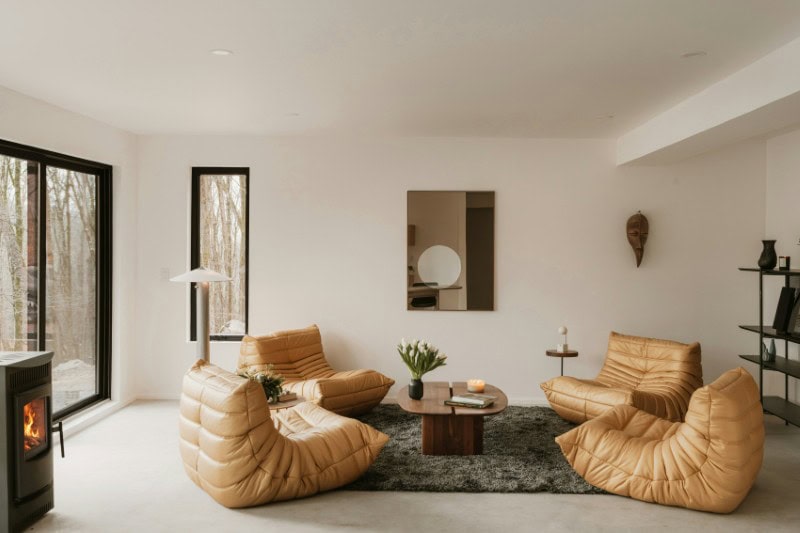
Not every corner needs furniture. Not every wall needs decoration. Leaving some space open allows the room to feel lighter and more balanced.
Designers often step back and remove elements until the room feels settled.
Making a space more sophisticated by removing, not adding
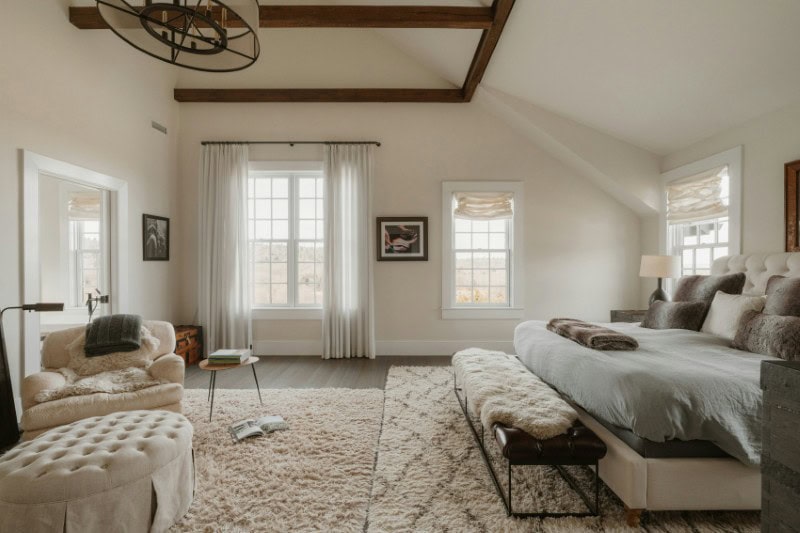
In the end, making a home feel less bland isn’t about adding more.
It’s about adding the right things and focusing on removing what isn’t helping.
And when those small changes come together, even the most neutral space can start to feel layered, interesting, and unmistakably lived in.
Больше историй
25 spring resets designers always recommend after a long winter
18 quiet upgrades designers swear by (that most homeowners ignore)
16 subtle ways homes with taste avoid trying too hard
Пост If a house feels bland, designers tackle these 10 fixes first впервые появился на Дома с модными брюками.

 English